How Often Should You Replace a Car Battery: A Complete Guide That Ensures Reliable Starts
How often should you replace a car battery depends mostly on its age and use. Most car batteries last between 3 and 5 years before needing replacement. Even if the battery seems fine, testing it once it hits that age range is smart.
Frequent short trips and extreme weather can shorten your battery’s life. Your car may struggle to start in cold or hot weather.
This problem often means the battery is failing. Regular checks help catch problems before they leave you stranded.
Leaving your car unused for weeks slowly drains the battery. About 1% of charge is lost every day when parked.
Replace your battery every 3 to 5 years to keep it reliable. Test the battery more often if you drive less.
Key Takeaways
- Replace your car battery every 3 to 5 years for reliable starting power.
- Get your battery tested annually after it reaches 3 years old.
- Short trips under 20 minutes reduce battery recharge and shorten life.
- Extreme heat or cold speeds up battery wear and failure.
- Starting troubles can be an early sign your battery needs replacing.
- Leaving a car parked drains the battery about 1% per day.
How Often Should You Replace a Car Battery for Reliable Performance
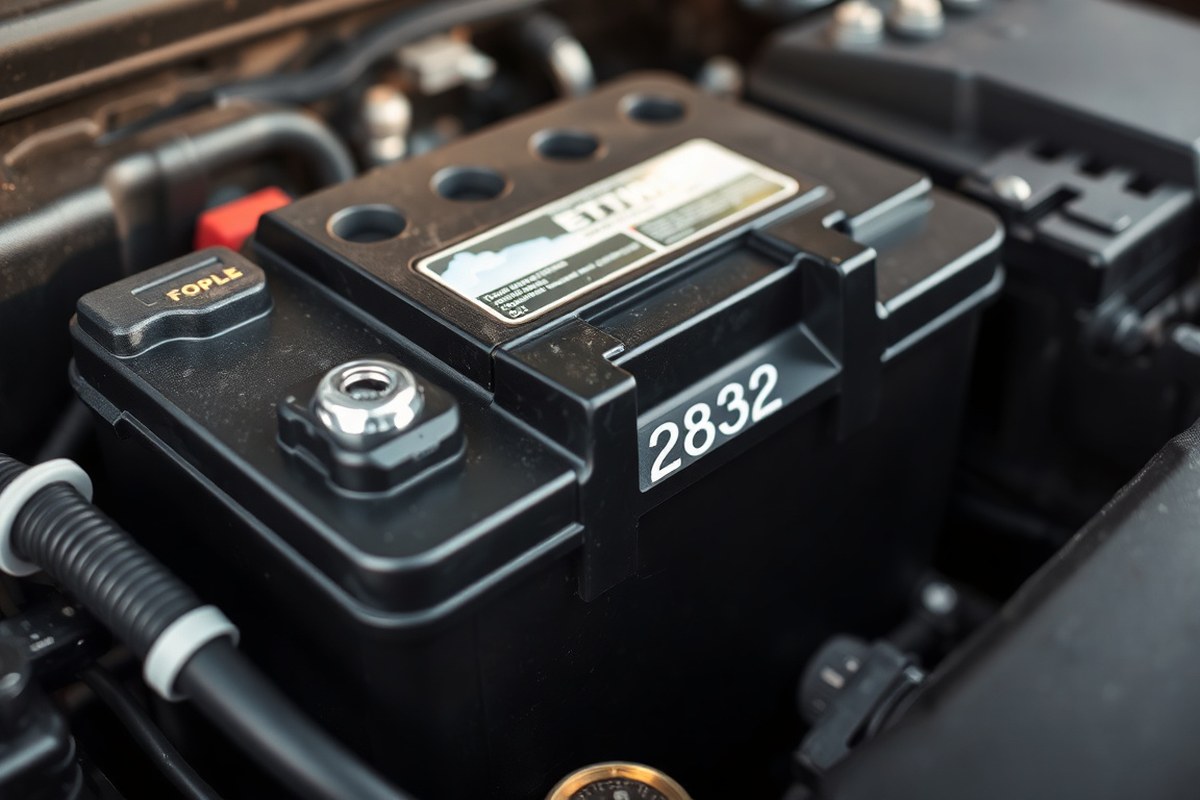
Car batteries typically last between 3 and 5 years before needing replacement. Replacing your battery every 3 to 5 years prevents unexpected failure and keeps your car reliable. This avoids the hassle of dealing with a dead battery.
It helps on cold mornings or busy days. You won’t get stuck unexpectedly.
Battery lifespan depends on usage patterns and local climate, so the timing varies. Drivers in hot climates should change batteries every 3 to 4 years. Heat causes batteries to wear out faster.
Regular changes prevent failures. In moderate climates, 4 to 5 years is common. Cold climates require replacement before winter to avoid failing in freezing temperatures.
Replacing a battery before problems start saves trouble later. You won’t wait for slow starts or dim lights. You stay ahead of battery issues.
Most problems start when the battery charge drops below 25 percent, usually at around 11.8 volts at 80°F. But voltage alone doesn’t show the full picture. Testing your battery regularly and noting its age helps you plan replacement before trouble begins.
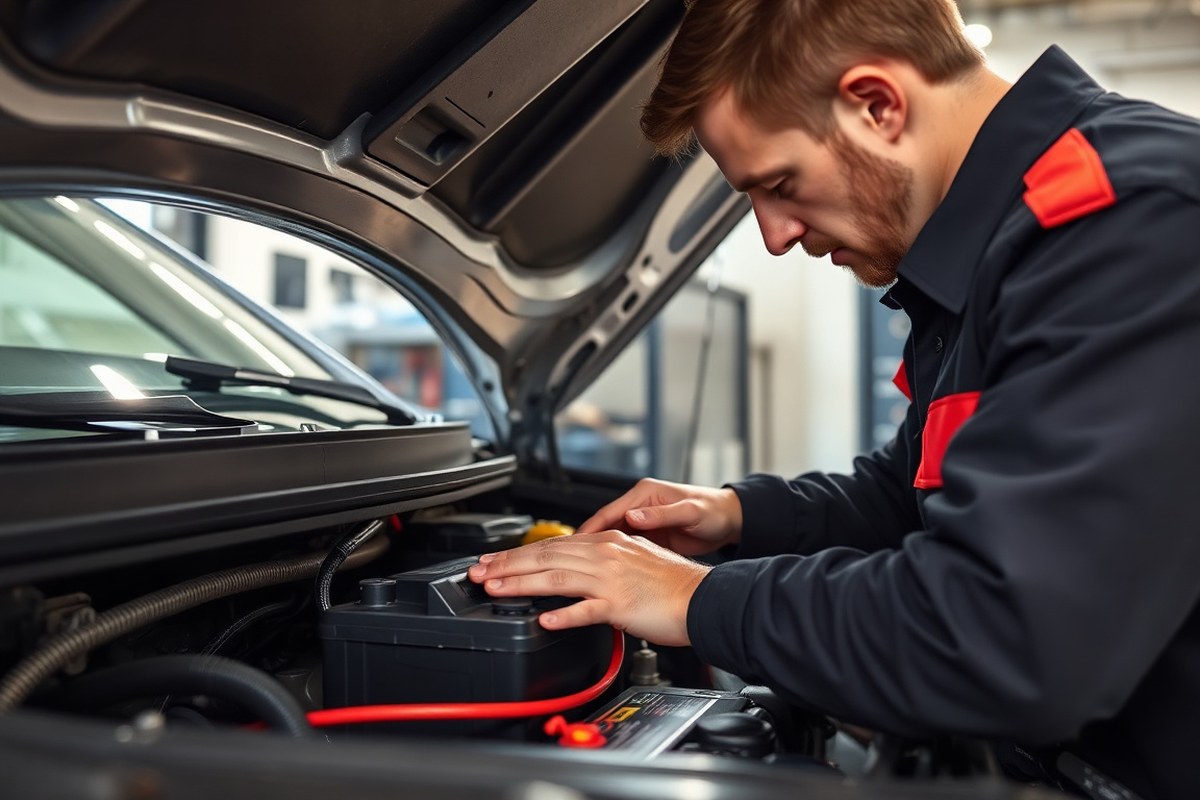
Changing a car battery by yourself takes 30 to 60 minutes. Use basic tools like a 10mm socket or wrench. It’s a straightforward job.
Your battery is hard to reach. Call a professional for the job. It’s safer and easier that way.
Batteries typically cost between $50 and $150, depending on your vehicle and battery type. So planning ahead helps spread out the cost.
Proactive replacement saves you from roadside emergencies and costly towing fees. Plus, a healthy battery ensures your car starts every time, even in tough weather. Track when you install each battery and test it often.
This helps know when you need a replacement. Stay on top of battery health.
Key Signs Your Car Battery Needs Replacement
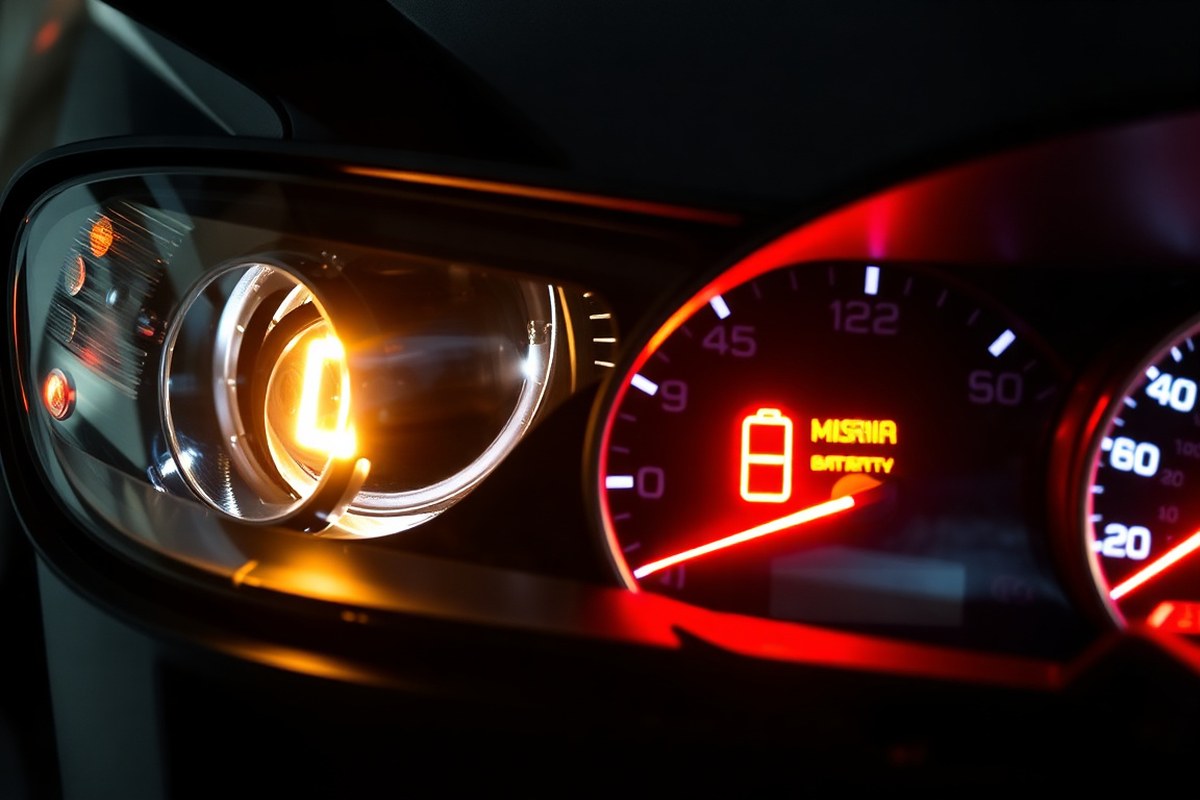
Your car battery shows clear signs before it quits completely. Slow engine cranking means the battery can’t supply enough power to start your engine fast. You might hear several clicks when turning the key.
This means low voltage output. Your battery may be near death.
Look for dimming headlights or flickering interior lights, too. These are signs of voltage instability from a weakening battery. Electrical accessories like power windows can act up.
The radio may also slow down. These signs show a failing battery. You might see corrosion or swelling on the battery case.
This means acid leaks. It also signals battery health is worsening.
- Slow engine crank or multiple rapid clicks at startup
- Battery warning light illuminated on the dashboard
- Dimming headlights or flickering interior lights
- Electronics like windows or radio malfunction or slow down
- Visible corrosion on battery terminals or swollen battery case
- Car won’t start but lights and radio still work
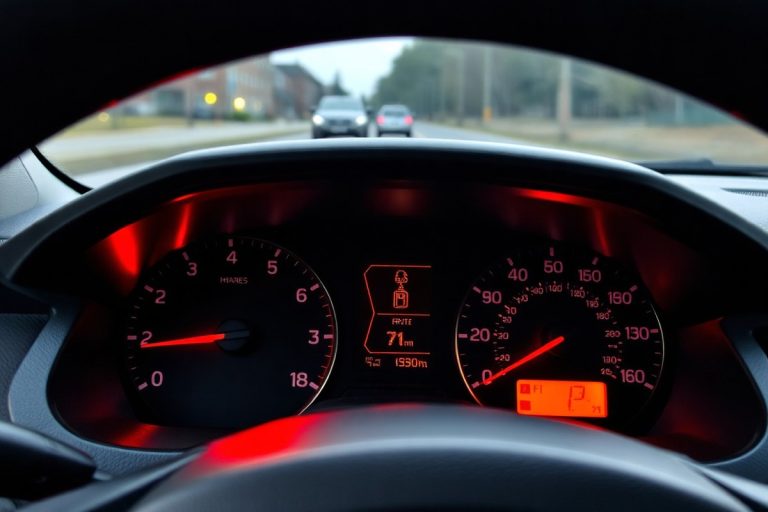
Dashboard lights give you a direct alert for battery issues. The battery or charging warning light often glows when there’s a charging fault or failure.
A “check battery” or “check engine” light frequently comes on and should never be ignored. These signals usually mean your battery or alternator needs attention.
A weak battery can cause slow cranking. It also makes your lights dim. This happens just like with a bad alternator.
It’s hard to tell these apart without testing. Your car may struggle to start or have electrical problems.
Take the battery to a repair shop for testing. This stops an unexpected breakdown, especially in cold weather or after your car sits unused.
Watch your battery’s physical condition regularly; bulging or leaks need immediate replacement. Delaying replacement risks damage and being stranded.
Factors That Influence How Long a Car Battery Lasts
Hot climates and extreme temperatures wear out car batteries faster. High heat can reduce capacity by speeding up chemical reactions inside the battery. That often means you might replace a battery every 3 years.
In hot areas, batteries last less than 3 to 5 years. Heat wears them out faster than usual.
Cold weather also affects battery life but differently. It lowers the battery’s ability to hold charge and decreases starting power. Short trips in winter make this worse.
The battery does not fully recharge after the engine stops. That wears the battery down over time.
Your driving habits have a big impact too. Frequent short trips cause incomplete recharging by the alternator. The battery slowly drains if you drive only short distances under 10 minutes.
Long highway drives help keep the battery charged and healthy. Using a car regularly with longer trips gives more complete recharges. This prevents the battery from losing its power grid over time.
Battery type influences how long a battery lasts. Standard lead-acid batteries last 3 to 4 years in normal use. They wear out faster in extreme heat or cold.
Climate plays a big role in battery life. AGM batteries often last 4 to 6 years and handle stop-start traffic better.
Improve flooded batteries (EFB) last about 4 to 5 years in modern cars. Electric and hybrid vehicles use lithium-ion batteries, which tend to last 8 to 10 years. Battery quality and brand also impact longevity since better materials resist wear.
Electrical load in newer vehicles can draw more power constantly. Systems like infotainment and safety sensors keep sucking battery juice even when parked. This stress can require you to replace the battery sooner.
Keeping your battery in good shape also includes limiting how long the car sits unused. Parked for weeks, a battery slowly loses charge. This happens because electronics draw small amounts of current.
The battery drains even when the car is off. Using a trickle charger or driving regularly helps avoid this problem.
Different Types of Car Batteries and Their Lifespans
Car batteries come in different types, each with unique features and lifespans. Choosing the right type depends on your vehicle’s power needs and driving habits. The main types are standard lead-acid, AGM, and EFB batteries, with varying costs and durability.
Standard Lead-Acid Batteries
Lead-acid batteries are common in older and basic vehicles. They use lead plates and sulfuric acid to store and release power. These batteries generally last between 3 to 5 years with proper maintenance.
These batteries are affordable, often costing between £40 and £150. They perform well for cars without advanced electrical demands. However, they don’t handle deep discharges or high electrical loads efficiently.
Absorbent Glass Mat (AGM) Batteries
AGM batteries use glass mats to absorb the electrolyte, reducing spillage risks. They offer better durability and manage deep discharges better than standard batteries. AGM batteries typically last 4 to 7 years.
Cost for AGM batteries ranges from £150 to £400 depending on the vehicle and system. Cars with start-stop technology or higher electrical systems usually require AGMs. These batteries need specific charging rates for optimal life.
Improve Flooded Batteries (EFB)
EFB batteries are an improved version of flooded lead-acid types. They handle more frequent charging cycles found in start-stop systems. Their lifespan usually falls between 4 to 6 years.
EFBs cost more than basic lead-acid but less than AGMs, averaging £100 to £250. They offer a practical middle ground for drivers needing more cycling capacity.
You get better performance without paying extra for AGM technology. EFBs suit vehicles with moderate electrical demands.
The table below summarizes common vehicle types, suitable battery types, and average installed costs.
| Vehicle Type | Battery Type | Average Cost (Installed) |
|---|---|---|
| Small car (Fiesta, Clio) | Standard lead-acid | £90, £120 |
| SUV or diesel | AGM | £150, £200 |
| Electric vehicle (12V system) | Lithium or AGM | £180, £250 |
| Premium hybrid | Lithium pack (auxiliary) | £250+ |
Choosing a battery type that matches your car’s requirements helps avoid electrical problems. Using the wrong battery can damage your charging system or shorten battery life.
How to Test Your Car Battery’s Health at Home
You can check your car battery’s health easily at home using a multimeter. Measuring voltage tells if your battery holds a good charge. A low reading means it might need attention.
Check regularly to avoid surprises. Low or unclear voltage readings mean testing by a pro is needed. They can run a load test to check battery health.
Preparing for the Test
Start with your car turned off and the engine cool. Keep safety glasses and gloves handy since batteries can leak acid or spark. Find a digital multimeter with a DC voltage setting that covers at least 20 volts.
Keep the test area dry and well-lit. Make sure battery terminals are clean from dirt or corrosion. Corrosion can give false readings or damage the multimeter.
Measuring Battery Voltage
Set the multimeter dial to DC volts and choose 20V range if manual. Connect the red probe to the positive (+) battery terminal. Place the black probe on the negative (−) terminal firmly.
Look at the multimeter readout. A fully charged battery should read about 12.6 volts or more. Readings under 12 volts usually mean the battery is weak or failing.4 volts, the battery is undercharged and may need charging or replacement.
- Turn off your car ignition and all accessories.
- Set your multimeter to DC voltage, around 20 volts.
- Attach the red probe to the positive battery terminal.
- Attach the black probe to the negative battery terminal.
- Note the voltage reading shown on the multimeter display.
- Below 12 volts typically means the battery is low and needs checking.4V, charge the battery and retest after a few hours.
- Continuous low voltage suggests it’s time to replace the battery soon.
Never touch both battery terminals or hold probes by the metal ends to avoid shocks.
Interpreting Your Results
Voltage near 12.6 volts means your battery is healthy and fully charged. Readings between 12.4 and 12.6 volts suggest a slightly discharged battery but not yet failing. Less than 12 volts on the meter means the battery is weak or dead.
After charging, test again to see if voltage improves. Not rising above 12 volts means the battery can’t hold a charge.4 volts, a professional load test can confirm battery health. Load tests simulate starting your car and measure capacity more accurately.
Consider a professional test especially after three years or if voltage fluctuates. Battery failure usually shows in voltage dropping under load or slow cranking of the engine. A reliable shop can run these tests for free or a small fee.
Step-by-Step Guide to Safely Replace Your Car Battery Yourself
You can replace your car battery yourself. Use the right tools first. Follow safety steps carefully.
Disconnect the negative terminal first to avoid sparks. Take your time to remove and install the battery properly to prevent damage or injury.
Essential Tools and Safety Prep
You’ll need a wrench or socket set sized for your battery terminals and hold-down bolts. Wear thick gloves and eye protection to guard against acid or sparks. Work in a well-ventilated area away from flames or smoking.
Keep a battery terminal cleaner or wire brush handy for corrosion. Have a sturdy container to carry the battery upright to avoid acid leaks. Double-check that your new battery matches your vehicle’s requirements, especially if it has stop-start technology.
Removing the Old Battery
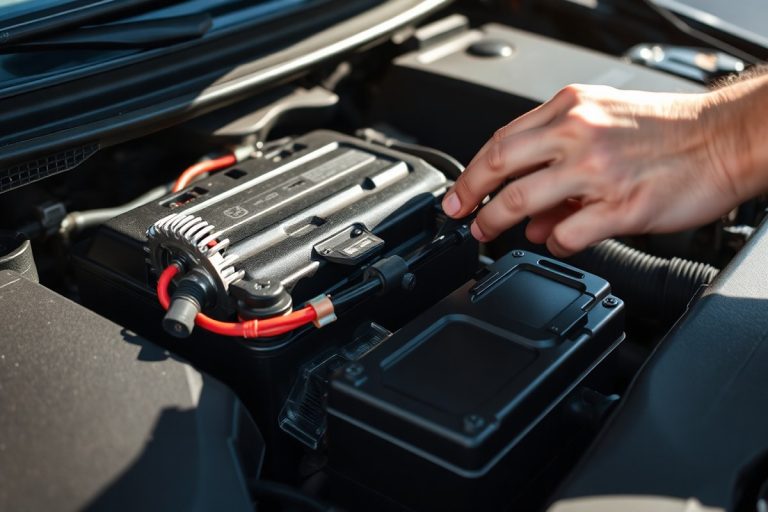
Start by turning off your car and removing the key. Always disconnect the negative (black) terminal first to reduce the risk of a short circuit. Then disconnect the positive (red) terminal.
Loosen the clamp or bracket holding the battery in place using your wrench. Remove the battery carefully, keeping it upright to prevent acid spills. Avoid tilting or dropping it, as it can leak dangerous acid.
Installing the New Battery
Place the new battery in the tray with terminals in the correct orientation. Secure it with the hold-down clamp or bracket. Attach the positive terminal first, tightening it firmly but not overly tight.
Next, connect the negative terminal and ensure both connections are clean and snug. Clean terminal clamps to prevent corrosion, using a wire brush or battery terminal cleaner. Wipe away any dirt or corrosion from the battery tray before final installation.
Post-Replacement Checks
Start your car to make sure the battery is properly connected and working. Check that all electrical components operate normally. Watch out for warning lights on your dashboard that might indicate connection problems.
Take your old battery to a recycling center. You can also return it to a retailer. Dispose of it properly to avoid hazards.
Some places pay $6 to $12 for your old battery. This refund helps reduce your cost. Check with local stores for offers.
Keep jumper cables in your car. They might help if the new battery is weak. This is useful right after installation.
- Turn off the ignition and remove car keys.
- Put on gloves and eye protection for safety.
- Disconnect the negative terminal with a wrench first.
- Disconnect the positive terminal next.
- Remove the hold-down clamp or bracket securing the battery.
- Lift the battery out carefully, keeping it upright.
- Place the new battery in the tray, terminals correctly aligned.
- Reconnect the positive terminal first, then the negative.
- Tighten terminals securely, not too tight.
- Test the car’s electrical system and start the engine.
Common Mistakes and How to Avoid Them During Battery Replacement
Not cleaning battery terminals is a common mistake. Corrosion blocks proper electrical contact. This can stop the car from starting or cause erratic electrical issues.
Use a wire brush or battery terminal cleaner after removing the old battery. Clean both the posts and cable clamps until shiny. A little baking soda and water helps loosen heavy corrosion but rinse well afterward.
Improper installation can harm both your battery and vehicle. Connecting cables to the wrong terminals can cause sparks or even a short circuit. You might damage the battery cells or vehicle electronics.
Always match the positive cable to the positive post (often marked with a “+” sign). Tighten clamps firmly but avoid over-tightening, which can crack battery posts or sockets.
Skipping post-installation checks often leads to missed problems. Once the battery is secured, test that your car starts without hesitation. Check the dashboard for any warning lights like the battery or charging system icon.
Listen for odd noises from the starter or alternator. Tighten terminals if you notice any looseness after a short drive. A voltage check with a multimeter later ensures the battery is charging properly.
- Always disconnect the negative cable first then the positive when removing the battery
- Apply a thin layer of petroleum jelly or dielectric grease on terminals to slow corrosion
- Wear gloves and eye protection to avoid acid burns or sparks
- Double-check cables are firmly attached and in the correct polarity before closing the hood
- Dispose of your old battery properly at a recycling center or auto shop
Cleaning terminals usually takes 10, 15 minutes and costs a few dollars for supplies. Poor cleaning or wrong installation may require costly repairs above the typical £50, £150 battery price.
Checking performance after installation detects early issues before they cause breakdowns. Taking these steps protects your investment and keeps your car ready to go.
How Climate and Driving Habits Affect Your Battery Lifespan
Hot climates speed up chemical reactions inside your car battery. This causes the battery fluid to evaporate faster. As a result, your battery can wear out up to 50% quicker in places like Phoenix.
Cold weather reduces your battery’s capacity to about 40% of what it normally holds. Starting your car on a cold day puts extra strain on the battery. It needs more power to crank the engine, especially if temperatures drop below freezing.
Driving habits affect battery life just as much as weather. Short trips don’t let your alternator fully recharge the battery. This causes the battery to drain slowly, shortening its lifespan.
Your car battery drains faster if your car sits idle a lot. This leads to needing a new battery sooner.
Using the radio, lights, or AC with the engine off drains the battery. It uses power quickly. The battery can die fast.
Keep these accessories off when parked if you want to extend battery life. Leaving your car unused for days or weeks in a garage also causes battery drain. You might need a trickle charger to maintain the battery charge in these cases.
Check your battery often if you take short trips a lot. Cold temperatures below freezing also affect it. Be more careful in winter.
Choosing the Right Replacement Battery for Your Vehicle
Your car battery must fit your vehicle’s size and power needs. The group size shows the battery’s dimensions and terminal placement. Choosing the wrong group size may cause a poor fit.
Loose connections can harm your battery and car. This can lead to starting and electrical problems.
Look for the group size number listed in your owner’s manual or on your current battery. Match the code exactly, like Group 24 or Group 35. This saves you time and avoids guesswork at the store or online.
Cold Cranking Amps (CCA) is another key spec. It tells you how much power the battery provides at 0°F (-18°C). In cold climates, choose a battery with a high CCA.
Make sure its CCA matches or exceeds your original battery. This helps your car start better in winter.
The chart below shows common group sizes and recommended minimum CCA values. Use it as a quick check when shopping for a replacement battery.
| Battery Group Size | Typical Dimensions (inches) | Recommended Minimum CCA |
|---|---|---|
| 24 | 10.25 x 6.8125 x 7.875 | 600 |
| 24F | 10.25 x 6.8125 x 7.875 | 650 |
| 35 | 9.06 x 6.88 x 7.5 | 550 |
| 48 | 12.06 x 6.94 x 7.5 | 600 |
Modern cars with start/stop systems need stronger batteries designed for more frequent starts. These batteries usually have higher CCA and deeper cycling ability. Check for labels stating “start/stop compatible” or “improve cycling.”
Also, consider your vehicle’s electrical load. Heated seats, infotainment, and safety features demand more battery power. In those cases, select a battery with a higher amp-hour rating or CCA than the minimum.
Matching your car’s specs and electrical demands prevents slow starts and premature battery failure. Too low a CCA rating causes slow cranking on cold mornings. Too large or small a group size won’t fit the battery tray or terminals correctly.
Step-by-Step Action Plan to Replace Your Car Battery
Follow these steps to check, replace, and maintain your car battery for trouble-free driving.
- Before You Start: Gather safety gloves and tools. This protects you and makes the job easier.
- Day 1: Test the battery voltage with a multimeter. A healthy battery reads about 12.6 volts.
- Day 2: Disconnect the negative cable first to avoid sparks. Then remove the positive cable carefully.
- Day 3: Take out the old battery and clean the terminals with a wire brush. This improves connection for the new battery.
- Day 4: Install the new battery, attaching the positive cable before the negative one. Double-check the cables are tight.
- Day 5: Start your car to ensure it runs smoothly without issues. Check for warning lights on the dashboard.
- After 1 Week: Inspect battery terminals for corrosion or loose connections. Clean or tighten as needed.
- Monthly: Check battery voltage and fluid levels if accessible. This helps catch problems early.
Frequently Asked Questions
How Often Should You Replace a Car Battery?
Most car batteries last between 3 and 5 years. Your climate and driving habits impact this lifespan. So test regularly to catch any decline early.
What Are the Signs That My Car Battery Is Failing?
Slow engine crank, dim lights, and warning lights on the dashboard show a weak battery. These signs mean it’s time to test or replace the battery soon.
How Does Climate Affect My Car Battery’s Lifespan?
Hot weather speeds up battery fluid loss, shortening life. Cold weather thickens battery fluid, making it hard to start the engine early.
Can I Replace My Car Battery Myself?
Yes, with basic tools like a 10mm wrench and about 30 to 60 minutes. Make sure the battery is easy to reach and follow safety precautions.
What Types of Car Batteries Last the Longest?
AGM and deep-cycle batteries last longer than regular flooded batteries. They cost more but handle extreme conditions better, giving you more reliable starts.
Key Points to Remember
Your car battery’s life varies but watching signs and regular checks keep you safe. Replace your battery when you notice weakness or after about 3 to 5 years. Take action today by testing your battery voltage and schedule a replacement if it’s low.