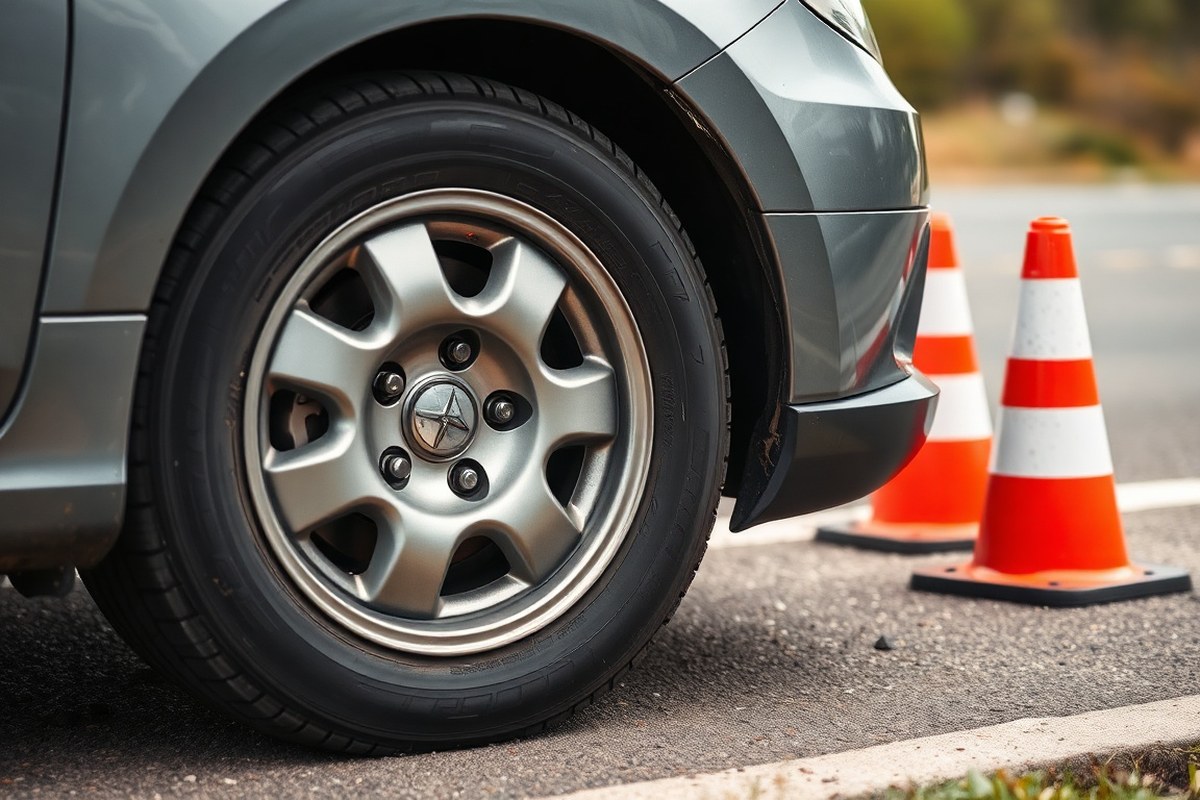
How Bad Is It to Drive on a Flat Tire? A Complete Safety Guide
How bad is it to drive on a flat tire? It’s risky and can cause serious damage fast. You should only drive on a flat tire when really necessary.
Keep your speed under 20 mph to reduce damage. Drive very slow and carefully in this situation.
Driving on a flat tire quickly wears the tire’s sidewall and can ruin the wheel itself. You must press gently on the gas.
Avoid bumpy roads or sharp turns. This helps limit damage to your car.
Run-flat tires let you drive farther, up to 50 miles at 50 mph after a puncture. Change to a normal tire or spare as soon as possible.
Driving on a flat too long can cause costly damage. Do this quickly to save money.
Key Takeaways
- Never drive on a flat tire faster than 15-20 mph to prevent major damage.
- Your car with run-flat tires can drive up to 50 miles safely. The top speed should be no more than 50 mph. This allows you to get to a safe place.
- Use a spare tire only for short distances under 50 miles and below 50 mph.
- Press lightly on the accelerator to avoid stressing the wheel and tire when flat.
- Driving longer distances on a flat can turn a small patch into a costly repair.
- Check tire pressure regularly to spot low pressure before it turns into a flat.
Is It Dangerous to Drive on a Flat Tire?
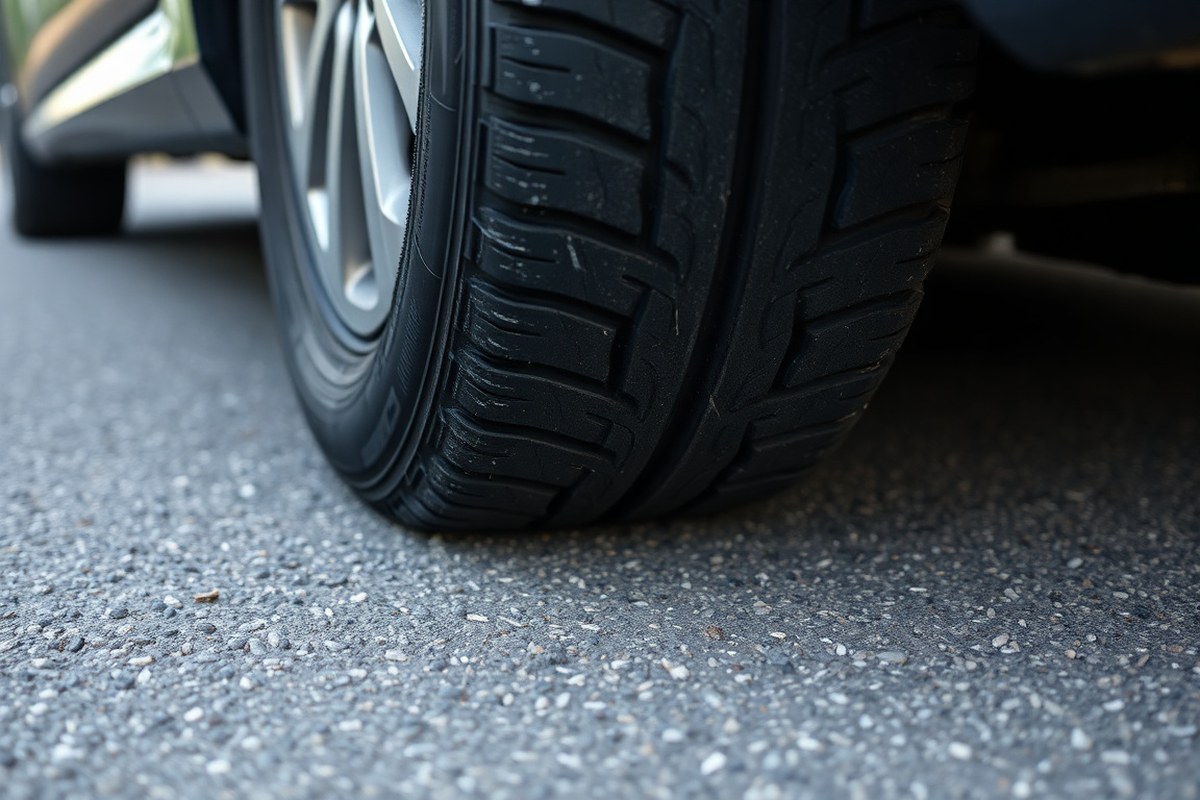
Driving on a flat tire is dangerous and should be avoided. It makes your vehicle pull to one side and reduces your control. This increases the risk of a crash, especially at higher speeds or in traffic.
A flat tire causes the tire’s sidewall to be crushed, which can create bubbles or cracks. These damages weaken the tire, making it unsafe to drive on again. The flat tire rubbing against the road causes heat.
This heat can permanently damage the tire. Sometimes, it can also harm the wheel itself.
Continuing to drive increases damage beyond the tire. The wheel can bend or crack from direct contact with the road.
This damage may also affect your brakes, suspension, and steering components. Such repairs can quickly become very expensive.
Stopping immediately and switching to a spare tire or calling for help is the safest choice. Driving slowly on a flat tire still carries risks. Going around 15 to 20 miles per hour can cause more damage.
It also increases the chance of losing control. Avoid trying to cover long distances on a flat to protect your safety and your vehicle.
How Far and Fast Can You Drive on a Flat Tire?
Driving on a flat tire is risky. But if you must, keep distances very short.
Moving just far enough to reach a safe spot or change the tire is best. Going beyond this can damage your vehicle and make things worse fast.
Speed limits matter too. Driving slowly, usually under 50 mph, helps prevent further damage.
Going faster on a flat tire risks tearing the wheel, suspension parts, or brake lines. Always aim for the lowest safe speed possible.
Here’s a quick table showing safe ranges and speeds depending on your tire situation:
| Tire Type | Max Distance (Miles) | Max Recommended Speed (mph) |
|---|---|---|
| Regular Flat Tire | Very short – just to a safe spot | Under 10 mph, very cautious |
| Compact Spare (“Donut”) | Up to 50 | Up to 55 |
| Full-Size Spare Tire | Same as regular tire, limited by condition | Normal speed limits recommended |
| Run-Flat Tire | 50 to 100 | Usually up to 50-55 mph |
Run-flat tires offer the easiest option if you have them. They keep you moving longer at moderate speeds.
Still, check the tire as soon as possible. Don’t rely on them beyond their limit, or you risk more damage.
Using a spare tire means you should not drive far or fast. Compact spares only handle about 50 miles and lower speeds than regular tires. They’re designed to get you home or to a shop, not to last long trips.
Don’t drive on a flat tire faster than a slow crawl. Only do this if you’re moving to a safe spot.
Keep in mind, driving on a flat tire is risky. Even a short drive can harm your car. It hurts your safety too.
Switch to a spare or run-flat tire whenever you can. Calling roadside help is safer and often cheaper later.
What Damage Occurs When Driving on a Flat Tire?
Driving on a flat tire crushes the tire structure. Without air pressure, the tire sidewalls can’t support your vehicle’s weight. This causes the tire to fold or tear, which often ruins it beyond repair.
The wheel and rim don’t get their usual cushion from the tire. When you drive long enough on a flat, the rim starts to hit the road surface. This contact can bend or crack the rim, making it unsafe or impossible to fix.
Some minor rim damage, like rough edges, might be smoothened out by sanding. Still, this only works if the rim isn’t badly bent or cracked. Severe damage means you may need a new wheel.
It can cost several hundred dollars. The price depends on your car.
The flat tire also shifts how your vehicle’s weight spreads. This uneven load stresses the suspension system, including the shocks and struts. Driving on a flat tire wears out parts faster.
It can also cause them to break. This happens over time.
Your car’s alignment may also suffer because of the uneven pressure from a flat. Misalignment leads to poor handling and uneven tire wear on the other tires. Fixing alignment after damage can run from $75 to $150, depending on the vehicle.
Driving on a flat reduces your vehicle’s control and safety. The flat tire no longer cushions impacts from bumps or potholes. This can cause damage not only to the suspension but also to steering components.
Because damage grows quickly, avoid driving on a completely flat tire at all costs. You might move the car slowly a short distance. Try to reach a safe spot or a repair shop.
Take it easy to avoid more damage. But going farther risks total tire, wheel, and suspension failure.
How Do Run-Flat Tires Change the Risks?
Run-flat tires let you keep driving even after losing air pressure. They have reinforced sidewalls that support the car’s weight without air. This design helps prevent immediate rim damage and loss of control compared to regular tires.
You can drive further on run-flats, but only at lower speeds and shorter distances. Most manufacturers recommend no more than 50 miles at 50 mph.
Beyond that, damage can still happen to the tire and wheel. Regular tires cannot support weight when flat and usually fail quickly.
| Feature | Run-Flat Tire | Regular Tire |
|---|---|---|
| Immediate support when flat | Yes, reinforced sidewalls | No, sidewalls collapse |
| Safe driving distance on flat | Up to 50 miles | A few hundred yards |
| Recommended max speed on flat | Up to 50 mph | Not recommended |
| Potential damage after driving flat | Reduced but still possible | Severe sidewall and rim damage |
| Repairability after driving flat | Possible but limited | Usually not repairable |
Driving on run-flats gives you more time to reach a safe spot or tire shop. You don’t need to stop immediately, unlike with regular tires. Still, running far or fast risks damaging both run-flat tires and your car’s suspension.
Run-flat tires don’t prevent all damage. They slow sidewall collapse but can still degrade structurally.
A flat run-flat driven too long or fast can lose repair eligibility. Always fix or replace run-flats promptly after detecting a flat.
How to Recognize a Flat Tire vs Low Tire Pressure
You can tell a flat tire by how your car drives. Check the tire shape too. These signs help spot a flat from low pressure.
A flat tire often causes wobbling or pulling to one side. It looks squished too. These signs show a tire is flat.
Low pressure tires may look normal but feel soft. The TPMS light might turn on. Check pressure if you see this light.
Visual Cues of a Flat Tire
A tire that is flat looks visibly deflated and squished against the ground. You might see the tire sidewalls bulging and the rim almost touching the road. Flat tires often cause the car to lean to one side when parked.
A low pressure tire looks mostly round but feels soft when pressed. Press the tire by hand to feel this. It does not look flat.
You might notice the tread edge touching the road more than usual. Sometimes you see a small hole or nail stuck in the tire indicating the cause.
- Tire sidewall feels softened or bulged out
- Car leans or pulls to one side
- Rim closer to or touching the ground
- Wobbling or vibration while driving
- TPMS warning light on dashboard
- Visible puncture, nails, or glass embedded
- Uneven tread wear or bald spots
Check your tires visually before driving. Flats are easier to catch by sight, but low pressure may need a gauge.
Using a Tire Pressure Gauge Correctly
A tire pressure gauge gives the best answer on how much air your tire holds. Take off the valve cap from the tire. Press the gauge firmly on the valve.
Read the pressure number right away. Compare it to your vehicle’s recommended PSI, found on the door frame or manual.
You should check tire pressure when tires are cold, ideally before driving in the morning. Air heats up during driving, increasing pressure and giving inaccurate results. Low pressure means below 30-35 PSI for many passenger cars but always trust your car’s guide.
Regular checks take just minutes and cost from $5 to $20 for a basic gauge. You can also find digital and smartphone-connected gauges that offer easy readings.
Signs of Slow Leaks Versus Sudden Flats
Slow leaks cause gradual pressure loss over days or weeks. Your tire might look okay but need less frequent inflation. The TPMS light may come on often.
Check tire pressure often. You might smell rubber or hear a faint hissing sound driving slowly near the tire.
A sudden flat tire causes a loud thump or bang. It usually happens from hitting something sharp. The air leaks out fast.
The tire quickly loses shape and becomes impossible to drive on safely. You’ll notice your steering pulling strongly to one side or the car vibrating badly.
Don’t drive far on a sudden flat tire. Drive only a few hundred yards very slowly. This avoids damaging the tire or wheel.
Slow leaks let you reach a repair shop safely. Still, fix the leak quickly. Otherwise, it can cause a full flat tire.
Always keep a tire pressure gauge in your car. It helps catch issues before they get worse.
Emergency Steps to Take Immediately After a Flat Tire
Stop driving as soon as you realize the tire is flat. Pull over to a safe spot and keep your car steady. Then, get ready to check the damage or call for help.
Pulling over Safely
Slow down gently, avoiding quick turns or hard braking. Look for a flat, stable surface far from traffic. Avoid sloped or soft terrain to keep your car steady.
Use your turn signals to alert other drivers as you move to the side. Take wide clearance to avoid hitting curbs or obstacles. Straighten your wheels once stopped to prevent damage to rims.
Turning on Hazard Lights and Assessing Surroundings
Switch on your hazard lights immediately to warn other drivers. Check for nearby hazards like sharp curves, blind spots, or busy intersections. Stay inside the car with seatbelt on if traffic is heavy or fast-moving.
Exit carefully on the side away from moving traffic, using your doors cautiously. Keep children or pets inside the vehicle if possible. Assess the environment and weather for your safety before changing tires.
Checking the Tire and Vehicle Before Next Steps
Look at the tire to confirm it’s flat or severely low on air. Note if the tire sidewall is bulging, shredded, or cut, as this means no repair. Feel for heat from rims, driving on flat heats them up fast.
Check for damage to wheel covers or suspension if you heard loud bangs or scrapes. If damage looks severe or you feel vibration, avoid driving further. Gather your tools and spare tire if you plan to change it yourself.
Follow these steps to handle the flat tire situation safely and with least damage:
- Slow down smoothly as you prepare to stop.
- Use turn signals and move toward a safe, flat area.
- Apply the parking brake after coming to a complete stop.
- Turn on your hazard lights to alert others immediately.
- Check your surroundings for oncoming traffic or hazards.
- Exit the vehicle cautiously, staying clear of traffic paths.
- Inspect the flat tire for visible damage or severe wear.
- Gather the spare tire, jack, and tools if you plan to change it.
When to Use a Spare Tire, Run-Flat, or Call Roadside Assistance
Stop in a safe spot if you get a flat tire. Check if you have a full-size or donut spare tire and the right tools. Use your owner’s manual to guide you through the steps to change the tire safely.
Change the tire yourself only if you’re comfortable and it feels safe. It usually takes about 15 to 30 minutes.
You don’t have a spare or the right tools. Call roadside assistance to stay safe on busy roads.
Run-flat tires let you drive up to 50 miles at 50 mph after a puncture. They help you reach a safer place or mechanic.
Still, don’t rely on them fully, they can’t be driven on endlessly. It’s best to plan a tire replacement as soon as possible.
Roadside assistance can come help 24/7 with tire changes, patches, or towing. You’re on a highway shoulder or an unsafe spot. Calling professionals is a safer choice.
A service can fix your tire right where you are. They can also tow you to a shop. This reduces your risk and hassle.
Install your spare if you know how and have the right tools. Make sure you stop somewhere safe first. Otherwise, call for help.
Having a spare saves you time on the road. Use it only as a short-term fix. Replace or repair the tire soon after.
Can a Tire Be Repaired After Driving on It Flat?
You can sometimes repair a tire after driving on it while flat. But it depends on damage type and severity.
Sidewall damage often means the tire must be replaced because the damage weakens the tire’s structure. Only the tread area being punctured might allow a safe patch or plug.
Driving a few hundred feet on a flat can ruin your tire. This can turn a $20 patch into a $600 repair. The metal wheel can also get damaged when the tire is flat, driving up repair costs.
The wheel needs straightening or replacement if it bends. That raises your costs.
Have a tire shop inspect your tire quickly after a flat. They check for visible cuts, bubbles, or deformities in the sidewall. Repairs usually cost $20 to $40.
But replacing a tire can run $100 or more per tire, depending on size and brand. Roadside assistance services sometimes offer on-site repair or replacement based on damage and tire availability.
Driving on a flat tire damages both the tire and wheel, often making repair impossible.
Preventative Maintenance to Avoid Flat Tires and Damage
Proper tire maintenance helps you avoid flats and costly damage. Checking your tire pressure often can help spot problems early. Rotating your tires helps them wear out evenly.
Using repair tools properly can fix minor damage and keep tires safe. Small, regular actions prevent big problems later.
Regular Tire Pressure Checks and Inflation
Check your tire pressure at least once a month and before long trips. Proper inflation reduces wear, improves fuel efficiency, and lowers flat tire risks. Use a good pressure gauge to check your tire pressure.
Fill tires to the PSI number in your manual. You can also find this info on the door sticker.
Your tire pressure monitor system (TPMS) alerts you only after pressure drops significantly. It’s best not to rely solely on it.
Tire pressure naturally drops about 1 PSI per month and more in cold weather. So keep an eye on it regularly.
- Check pressure when tires are cold, before driving
- Compare pressure to vehicle’s recommended PSI
- Add air if below the recommended level
- Do not overinflate; it can cause uneven wear
- Inspect for cracks, bulges, or foreign objects
- Replace tires with uneven or severe tread wear
Damaged or low-pressure tires risk flat tires and sidewall damage. Proper inflation also helps your TPMS to work better and alerts you sooner.
Tire Rotation and Alignment Schedules
Rotate tires every 5,000 to 7,000 miles to spread wear evenly. This improves traction and reduces the chance of uneven wear leading to flats. A simple swap of front and rear tires helps your tires last longer.
Misaligned wheels cause uneven tire wear and can damage tires quickly. Have your alignment checked if your vehicle pulls to one side or your steering wheel vibrates. Regular tire rotation and alignment save money and improve safety on the road.
Using Sealants and Puncture Repair Kits
Tire sealants and puncture repair kits can fix small punctures temporarily. They work best on minor punctures in the tread area, not on sidewalls or large holes. These kits allow you to drive safely to a repair shop but aren’t permanent solutions.
Sealants can clog tire pressure sensors and should be used as a last resort. Always follow the kit’s instructions exactly.
Check tire pressure again after applying any product. Using these tools improperly can cause worse damage or unsafe driving conditions.
Step-by-Step Action Plan for Handling a Flat Tire
Take these steps right after you notice a flat tire to stay safe and reduce damage. Follow them carefully and watch for signs that each worked.
- Immediately after noticing a flat, slow down and safely pull over. Check that your hazard lights are on to warn others.
- Within the first 5 minutes, check if the tire is flat. See if it just needs air. You can tell by how the tire looks and feels against the ground.
- Before leaving your car, set the parking brake. Use wheel chocks if you have them. This keeps your car from rolling.
- Within 10 minutes, choose to use your spare or call for help. Check if you have run-flat tires. Only use the spare if you can change it safely yourself. Make sure the spare tire is good.
- Right after installing the spare or checking your tires, add air if you have a pump. Inflate the flat or low tire. This helps prevent further rim damage if you must drive slowly to a service station.
- Within the next hour, drive carefully below 50 mph. Keep driving short if using a spare or run-flat. Watch for noise or vibration.
- Later the same day, take your car to a tire shop. Have the flat tire checked and fixed or replaced. This is essential if you drove even a short distance on a flat.
- After the repair, check your tires regularly to prevent future flats. Keep them at proper pressure and avoid road hazards when possible.
Frequently Asked Questions
How Does Driving on a Flat Tire Affect Wheel Alignment?
Driving on a flat tire can misalign your wheels. This causes uneven tire wear and handling problems. Getting a wheel alignment checked after a flat tire can save further damage.
Can Running a Flat Tire Damage the Brake System?
Yes, it can cause brake damage if driven too far. A flat tire changes how your car stops and can stress brake components. Have a mechanic inspect brakes if you drove on a flat.
What Are the Signs of Rim Damage from a Flat Tire?
Bent or cracked rims show flat tire damage. You might notice a rough ride or a vibrating steering wheel. Check the rims promptly to avoid tire replacement costs.
Is It Safe to Drive on a Slow Leak Tire?
Yes, but only at low speeds and short distances. Slow leaks lower pressure gradually, but driving fast worsens damage. Always fill the tire soon or get a repair.
Can Tire Pressure Sensors Warn You About a Flat in Time?
Yes, tire pressure monitoring systems (TPMS) alert you to low pressure. This early warning helps you avoid driving on a flat. Check your sensor’s battery regularly for accuracy.
Wrapping Up
Driving on a flat tire risks serious damage and unsafe handling. Address a flat right away with these clear steps. Start today by checking your spare and tire pressure to be ready.