Does Diesel Float on Water? What Actually Happens and How to Manage It
Does diesel float on water? Yes, it does.
Diesel is lighter than water. It weighs about 7 pounds per gallon, while water weighs 8.34 pounds per gallon.
Because diesel is less dense, it stays on top of water whenever the two mix. This means water sinks to the tank bottom while diesel floats above it. You can spot water contamination by looking at the fuel.
Cloudy fuel or water drops usually show up in filters. Check fuel filters carefully for these signs.
Always check your diesel tanks regularly for signs of water. Removing water quickly helps avoid engine damage and costly repairs. Using the right methods lets you keep your diesel fuel clean and your engine running smoothly.
Key Takeaways
- Diesel floats on water because diesel is lighter and less dense.
- Water contamination settles at the bottom of diesel storage tanks.
- Look for cloudy diesel or water droplets in fuel filters as warning signs.
- Remove water from diesel promptly to protect fuel injectors and pumps.
- Use water removal additives designed for diesel to break up water safely.
- Keep diesel storage tanks sealed and dry to prevent water contamination.
Does Diesel Float on Water or Sink?
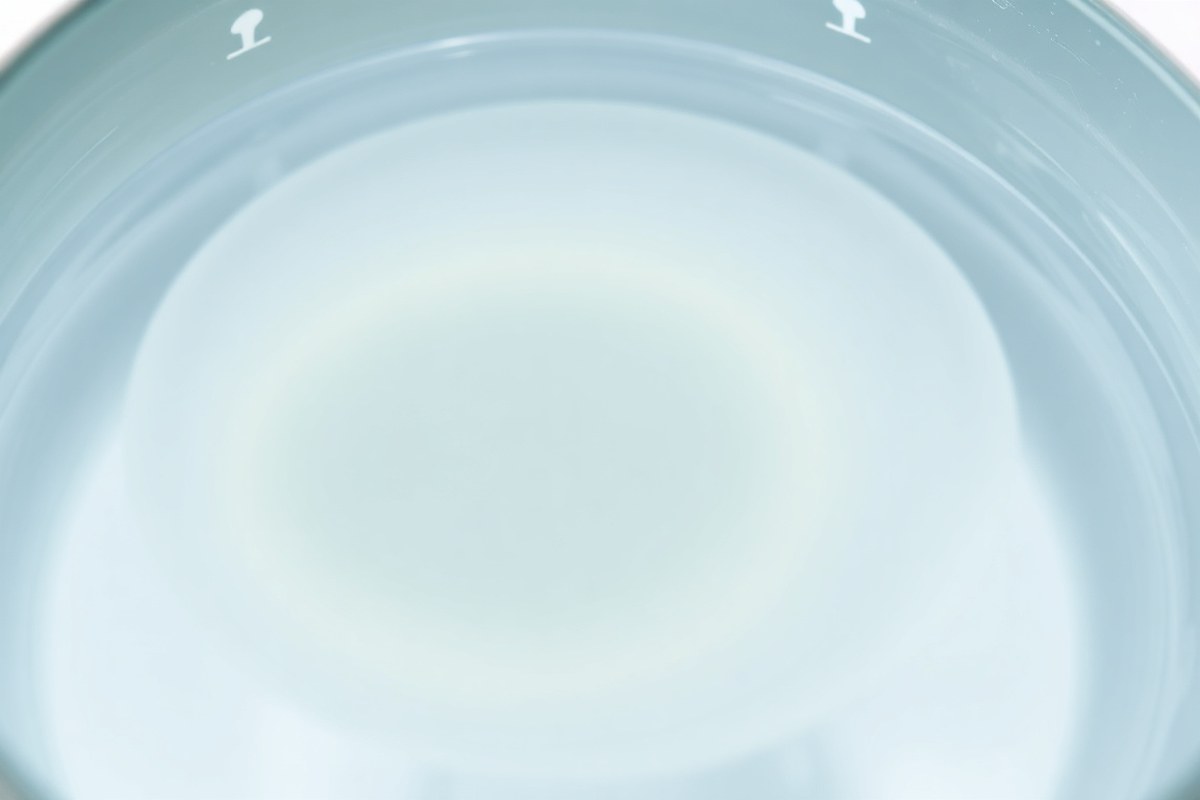
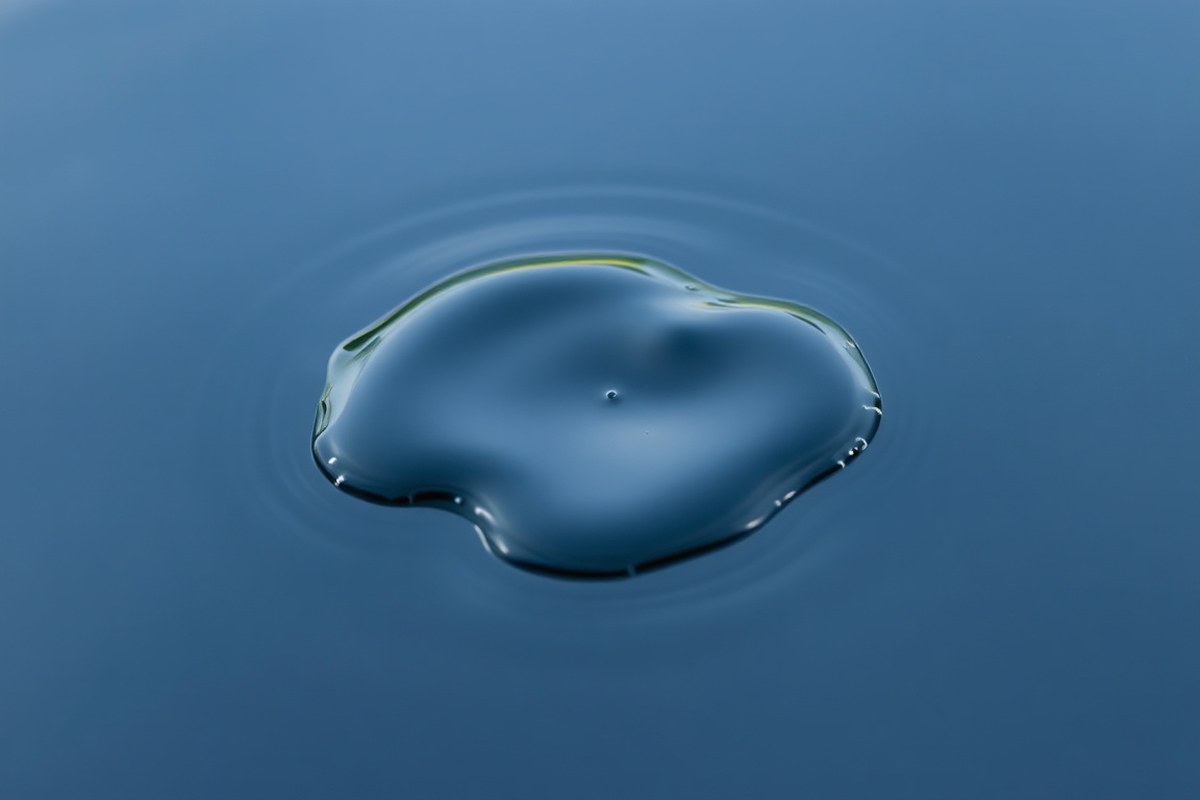
Diesel stays on top of water thanks to its lower density. Its density falls from 0.82 to 0.88 grams per milliliter at 15°C. Water has a density near 1.00 gram per milliliter.
Diesel weighs about 7 pounds per gallon. Water is roughly 8.34 pounds per gallon.
The heavier water sinks to the bottom when these two liquids are mixed. You often see a clear separation with water settling under diesel in tanks or spills.
This layering happens naturally because diesel is made of nonpolar hydrocarbons. Water contains polar molecules, so they don’t mix well.
This behavior matters in diesel fuel tanks, where water contamination can cause damage. Water collects at the tank bottom, making it easier to identify and remove.
Water won’t float on diesel. So if your fuel looks oily and floats on water, that’s the diesel layer, not water.
Why Diesel Floats: The Science of Density and Immiscibility
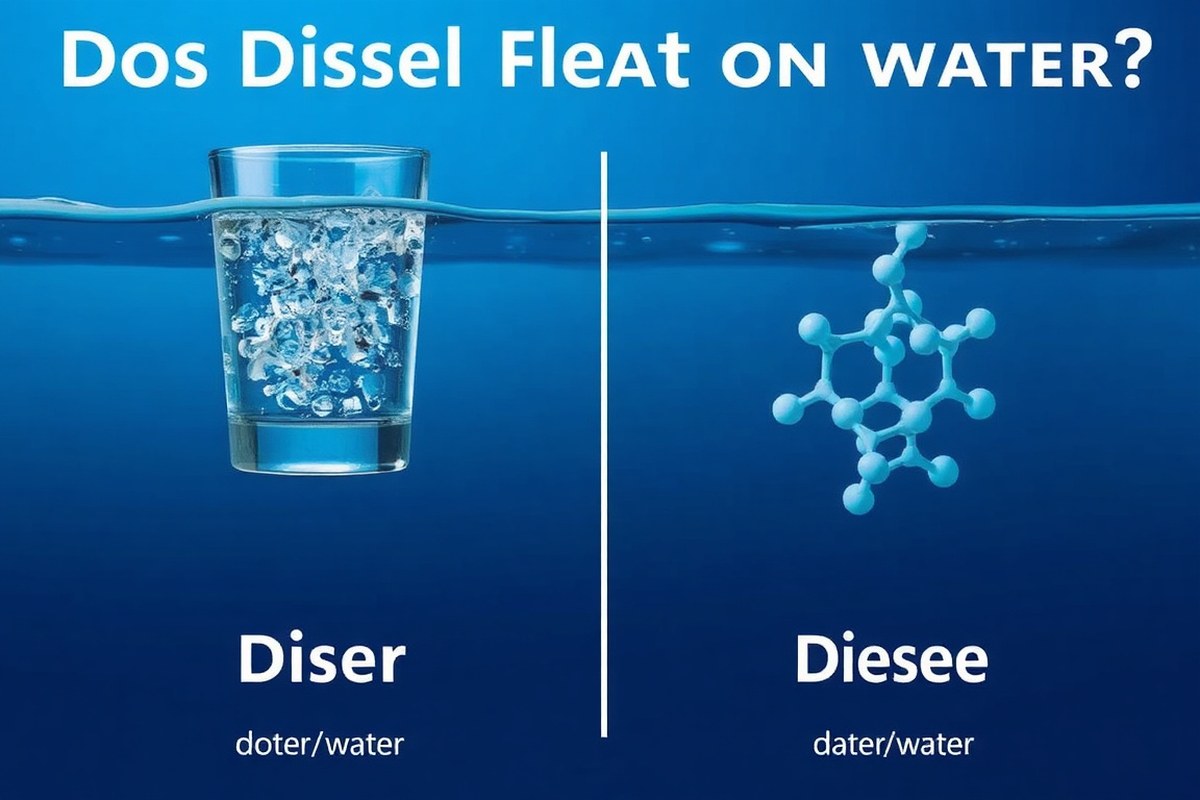
Diesel is lighter than water, so it stays on top. Water weighs about 8.34 pounds per gallon. Diesel weighs between 6.8 and 7.1 pounds per gallon, making it less dense than water.
Diesel and water don’t mix due to their molecular structure. Water molecules have strong hydrogen bonds, making them stick together tightly.
Diesel’s molecules are mostly hydrocarbons, which don’t bond well with water’s polar molecules. This mismatch causes diesel and water to stay separate.
Density explains the layering you see in a fuel tank. Water naturally sinks, sitting at the tank bottom.
Diesel, being lighter, stays on top, forming a clear oil layer above the water. Temperature changes can shift densities slightly, but diesel remains lighter across normal conditions.
| Substance | Density (g/mL) | Weight (lbs/gal) |
|---|---|---|
| Water | ~1.00 | 8.34 |
| Diesel | 0.82 – 0.88 | 6.8 – 7.1 |
Diesel’s lower density also comes from its weaker molecular forces. Hydrocarbon chains have more space between molecules compared to water’s tight bonds. This molecular spacing makes diesel less compact and less heavy per volume.
Even though diesel looks thick, viscosity doesn’t affect its density. A thick, sticky fuel isn’t necessarily heavier than water.
People often confuse viscosity with weight, but they are different properties. Density determines if one liquid floats on another.
In some cases, diesel can hold tiny amounts of water suspended in it. This happens when water droplets mix but don’t dissolve fully, making fuel look cloudy.
Suspended water can cause fuel problems. But it still separates over time if left undisturbed.
Keep diesel tanks sealed to stop moisture from getting in. Water can settle at the tank’s bottom. This water can harm your fuel system over time.
How Water Contaminates Diesel: Sources and Tank Behavior
Water enters diesel fuel tanks mainly through condensation and leaks. Changes in temperature make moisture in air condense inside tanks. This happens more when tanks are not sealed tightly.
Moisture buildup can cause problems. Rain or groundwater can also seep in through loose caps, damaged seals, or cracks in tanks.
Water is heavier than diesel. So once inside the tank, it sinks and collects at the bottom. Water settles below diesel, creating a separate layer.
Bacteria grow in this layer. This leads to slime forming inside the tank. This slime clogs fuel filters and damages fuel systems over time.
How fast water accumulates depends on tank conditions. When the tank is only half full, condensation can form faster. There’s more air space for moisture to collect.
Keeping tanks full reduces air space, which lowers moisture buildup. Water can appear in noticeable amounts within days during rapid temperature swings or heavy rain exposure.
To minimize water contamination, always keep diesel tanks sealed and dry. Check that caps and seals are intact after every refuel or maintenance.
Regularly inspect tanks for leaks or damage, especially if stored outdoors. Promptly drain any accumulated water from tank bottoms using a hand pump or drain valve.
Fuel handling and storage practices also matter. Moisture can enter during refills if fuel lines or transfer containers are open or dirty.
Use clean, closed equipment when handling diesel. Monitoring water levels inside a storage tank monthly helps catch contamination before it harms engines.
Remember, any water inside diesel tanks will expand as bacteria feed on the fuel and moisture. This expansion can clog filters and cause rust inside tanks. Removing water quickly takes effort but helps avoid bigger problems.
It protects fuel quality for your vehicle and equipment. This saves you maintenance costs later.
Signs You Have Water in Diesel Fuel
Water in diesel fuel shows up with clear signs you can spot early. Signs include engine trouble, fuel smells, and rusty parts. Testing helps catch water before it damages expensive parts.
Visual and Sensory Clues
You may notice diesel fuel looks cloudy or milky if it contains water. Sometimes you see a clear water layer at the tank’s bottom. It may also look like droplets on the fuel filter.
This means water is separated from the diesel. Diesel with water often smells sharp or sour instead of its usual oily scent.
Fuel system parts can rust or corrode when water is present. Microbes growing in the water-fuel mix cause sludge buildup inside fuel tanks and lines. Any sudden drop in engine power or rough running could signal water in the fuel.
Electronic Warning Systems
Many modern diesel trucks and cars have built-in sensors that detect water in fuel filters. These sensors trigger dashboard warning lights when water collects in the filter bowl. The alert tells you when it’s time to drain the water separator manually or get service.
Water sensors cost about $20 to $50 but save you from costly injector damage. Higher-end equipment for fuel testing uses electrical signals to measure water content precisely. Shops often use portable electronic testers to confirm contamination before repairs.
DIY Water Detection Methods
You can test diesel fuel for water using affordable kits that use chemical or visual indicators. A simple test is to pour some fuel into a clear jar. Let it sit without moving for a few minutes.
Watch for any clear water separating from fuel. Water quickly settles at the bottom, revealing contamination.
Here are some basic DIY methods and tools for water detection:
- Clear bottle or jar for fuel settling test
- Water detection paste applied on a dipstick
- Dedicated water-fuel test strips that change color
- Handheld water-in-fuel meters for quick onsite checks
- Manual draining of water separators to inspect collected water
Testing like this is best done regularly on your fuel system. It helps catch small water amounts before engine problems start.
Make it part of your routine vehicle checks. Always use clean containers and follow test kit instructions to avoid false results.
Risks and Damage Caused by Water in Diesel Fuel Systems
Water in diesel fuel can seriously damage your engine and key parts. Water lacks diesel’s lubrication. Without this, parts like fuel injection pumps and injectors wear out faster.
This leads to costly repairs and less reliability. Water in the engine causes more friction and speeds up wear.
Fuel filters, filter bowls, and fuel lines are highly vulnerable to water contamination. Water can freeze in these spots, especially in cold weather. Frozen water blocks fuel flow, causing stalling or misfires.
Contaminated fuel also encourages microbial growth and corrosion. These problems shorten the life of your entire fuel system.
Engine performance takes a hit when water mixes with diesel fuel. Water emulsions below 40% may keep power stable but raise risks of corrosion. When water passes the filter, the fuel system struggles to supply consistent combustion.
This leads to misfires and deposits inside the engine. Removing water early protects fuel system lifespan and keeps your truck reliable.
| Component | Damage From Water | Effect on Performance |
|---|---|---|
| Fuel Injection Pump | Increased wear due to lack of lubrication | Reduced fuel efficiency and power loss |
| Fuel Injectors | Corrosion and deposits buildup | Uneven spray, misfires, rough idling |
| Fuel Filters & Lines | Clogs, freezing, microbial growth | Restricted fuel flow, stalling |
Regular fuel system inspections help catch water contamination before it damages important parts.
Many diesel owners add fuel supplements to reduce water presence. These help prevent emulsions from becoming unstable. Still, removing water mechanically with proper filtration is necessary.
Trusting additives alone can let water reach the engine and cause damage. Spot water in your diesel? Remove it fast to prevent costly damage.
Methods to Remove Water from Diesel Fuel Safely
Removing water from diesel fuel tanks and filters means careful draining and cleaning. You want to stop damage to your engine parts and keep the fuel system working well. Doing it right takes the right tools, safety steps, and regular checks.
Draining Free Water from Tanks
Water collects at the bottom of diesel fuel tanks. So draining there removes most of it.
Completely draining your tank can take hours if it’s large. Remove every trace to avoid corrosion and injector damage.
Follow a methodical process to empty out the water and settle any sludge that may collect. You can then refill with clean diesel or use additives to help handle leftover moisture.
- Park your vehicle on level ground and turn off the engine.
- Locate the drain valve or plug at the tank’s lowest point.
- Place a container below to catch drained liquid safely.
- Slowly open the valve to let water and sediment drain out first.
- Close the valve once clear diesel fuel starts coming out.
- Inspect your tank for sludge or leftover water.
- Refill the tank with clean diesel fuel or add a water-removal additive.
Removing Water from Fuel Filters
Fuel filters often trap water before it reaches the engine. You should replace or refill filters regularly to prevent damage. Fill new or cleaned filters with a 50/50 mix of Diesel 911 and diesel fuel.
This mix helps stop water damage in the fuel system. Use a balanced ratio to protect your engine.
Some operators also add alcohol or emulsifiers to break up water droplets. Removing water before the final filtration stage protects fuel pumps and injectors from corrosion.
- Turn off the engine and remove the fuel filter carefully.
- Drain any water from the old filter by opening its drain plug.
- Fill the new filter with half Diesel 911 and half diesel fuel.
- Install the new or cleaned filter securely in place.
- Prime the fuel system to remove air before starting the engine.
Safety Precautions and Disposal
Water mixed with diesel fuel can be slippery and flammable. Always wear gloves and goggles to protect your skin and eyes. Work in a well-ventilated area to avoid breathing harmful fumes.
Dispose of drained water and contaminated fuel according to local regulations. Do not pour it on the ground or down drains, since it pollutes soil and waterways. Check your state’s environmental guidelines for proper disposal methods.
Do Water Removal Additives Work in Diesel Fuel?
Diesel additives like Diesel 911 help remove water by breaking it into tiny droplets. These droplets then pass safely through your fuel system and burn without causing damage. Diesel 911 has demulsifiers and alcohols.
These mix with water and fuel. But they don’t fully remove water from the tank.
These additives work best with small amounts of water. Your tank with a big water layer won’t clear with just additives. You might then need physical tank drainage or filtration instead.
Using the correct dosage is key. Follow the product instructions carefully to match your fuel tank size.
For Diesel 911, the common ratio is 1 ounce per 10 gallons of fuel. Add it directly to the tank before refueling to optimize mixing.
| Additive | Active Components | Recommended Dosage | Suitable For | Limitations |
|---|---|---|---|---|
| Diesel 911 | Demulsifiers, alcohols | 1 oz per 10 gallons fuel | Light water contamination | Not for heavy water layers |
| Demulsifiers (generic) | Surfactants, alkylene glycol ethers | Varies, usually 0.1% to 0.5% volume | Small dispersed water droplets | Not for bulk water removal |
| Alcohol-based additives | Alcohols like isopropanol | 1 to 2 oz per 10 gallons fuel | Minor water contamination | Can affect fuel properties |
Additives containing polar or hydrophilic parts dissolve water and reduce droplet size. This prevents water spots that clog injectors. Avoid overdosing additives.
Too much can damage fuel or engine parts. Use only the recommended amount.
Your tank temperature also matters. Water weighs about 8.35 pounds per gallon near 39°F, heavier than diesel at roughly 7.1 pounds. Cold climates may see more water settling, making additives less effective.
How Biodiesel and ULSD Affect Water Contamination Risks
Biodiesel and ultra-low sulfur diesel (ULSD) both change how much water can mix with diesel fuel. Biodiesel blends attract more water, while ULSD holds more dissolved water than older fuels. Handling water contamination risks means knowing these differences and adapting your fuel care routines.
Water Affinity in Biodiesel Blends
Biodiesel attracts water even at low blend levels like B5. This happens because biodiesel contains oxygen that pulls water into the fuel. The extra water increases the chance of microbial growth, which can clog filters and corrode tanks.
Biodiesel’s higher water solubility means you need to check fuel more often. Tests should be done monthly, especially in warm, humid climates where water and microbes thrive. Using biocides can help reduce microbial contamination but won’t remove water itself.
ULSD and Increased Water Solubility
ULSD fuels hold more dissolved water than older diesel fuels. Modern refining removes sulfur.
But this process also changes the fuel’s ability to mix slightly more with water. This means ULSD can have more hidden, dissolved water even when the visible water isn’t obvious.
Because water can dissolve in ULSD, simple water draining may not catch all contamination. Fuel testing needs to measure both free and dissolved water. Regular fuel polishing and filtration reduce dissolved water and keep engines safer.
Managing Water Risks by Fuel Type
Biodiesel blends need more frequent water checks and microbial control treatments. Use water absorbers in fuel filters and keep tanks sealed and dry. It helps to store biodiesel blends in cooler places to slow microbial growth.
For ULSD, focus on removing both dissolved and free water with polishing systems. Inspect tanks for rust or sludge, as these encourage water pooling.
Store fuel long-term with additives made for ULSD. These stop corrosion and microbial buildup.
Don’t ignore water in biodiesel or ULSD. Test your fuel regularly. Treat fuel to keep engines safe.
Preventing Water Contamination in Diesel Fuel Storage
Water contamination in diesel tanks damages engines and causes costly repairs. You can stop water buildup by controlling where and how you store fuel. Diesel fuel should be stored sealed and kept cool.
This stops water from forming and settling. Water in fuel can harm your engine.
Keeping tanks full limits air and moisture exposure, cutting condensation inside the tank. Use tanks with tight seals to keep water out. Install drain valves at the bottom of tanks.
These let you remove any water that gathers. Bacteria thrive in standing water. So removing that water quickly keeps fuel cleaner and safer to use.
Maintain fuel quality with regular checks on water levels and contamination. Sensors that measure water content are a smart investment for ongoing monitoring. Get professional tank checks if tanks are old or leaking.
Watch for fuel quality or engine issues. These can signal tank problems worth fixing.
Follow this checklist to prevent water in your diesel fuel storage:
- Choose high-quality, sealed tanks designed for diesel storage to prevent leaks.
- Keep fuel tanks topped off to minimize air space and moisture condensation.
- Install drain valves at the bottom of tanks for easy water removal.
- Check water levels weekly and drain any water found promptly.
- Use water sensors to monitor moisture continuously for early detection.
- Clean tanks annually to remove sludge and bacteria buildup inside.
- Schedule professional maintenance if water or fuel quality problems arise.
- Store fuel in a cool, shaded area away from temperature extremes.
Checking sensors takes a few minutes each week. Sensor costs range from $150 to $300. Regular checks help catch issues early.
Professional tank cleaning may cost several hundred dollars but reduces engine problems. Good maintenance keeps diesel fuel clear of water and bacteria, protecting your equipment.
Step-by-Step Action Plan to Manage Water in Diesel Fuel
Follow these steps to spot, remove, and prevent water in your diesel fuel. This plan helps protect your engine and fuel system.
- Before you start: Inspect your fuel storage tanks for leaks or cracks. Fix any damage to stop water entry.
- Day 1: Check your diesel fuel for signs of water, like cloudiness or bad smells. Notice these signs? Use water detection paste to test your fuel.
- Day 2: Use a sump pump to drain water from your tank. Drain all water collected at the tank’s bottom. Confirm removal by retesting for water.
- Week 1: Use a reputable water remover additive following label instructions. Check if fuel flows better and engine runs smoothly.
- Month 1: Clean or replace your fuel filters regularly. Clogged filters often signal water issues and affect performance.
- Ongoing: Inspect and maintain fuel caps and seals. Proper sealing prevents moisture and rain from entering tanks.
- Every fueling: Use quality fuel from trusted sources and avoid contamination from water at the pump.
Frequently Asked Questions
Does Diesel Float on Water in All Conditions?
Yes, diesel always floats on water because it’s less dense. It remains on top no matter the temperature or pressure changes.
Can Diesel and Water Mix over Time Inside a Fuel Tank?
No, diesel and water don’t mix due to different chemical properties. Diesel stays separate, which causes water to settle at the bottom.
How Much Water Can Diesel Hold Before Damage Occurs?
Even a small amount, like a few milliliters, can harm diesel engines. Water causes rust and clogs filters, so it’s best to prevent any water build-up.
Why Does Emulsified Water in Diesel Fuel Cause Engine Issues?
Emulsified water is suspended in diesel and doesn’t separate easily. It clogs fuel filters and harms injectors, leading to poor engine performance.
What’s the Best Way to Spot Water in Diesel Fuel Early?
Check fuel filters and look for a layer of water at the tank bottom. Regular testing with water-absorbing fuel testers also helps detect contamination early.
Before You Go
Diesel floats on water because it is lighter and doesn’t mix with it. Removing water quickly can save your fuel system from damage. Start by testing your fuel now and keep your tanks sealed tight.