Will Low Oil Cause Check Engine Light? What Actually Triggers It and How to Fix
Low oil can sometimes trigger your check engine light. The engine control unit monitors for issues and low oil may cause some.
Low or dirty oil may affect engine parts like variable valve timing. This causes the system to log a fault code and turn on the light. Always check your oil level first when the light appears.
Let your engine cool for five minutes before using the dipstick. This helps avoid burns and gives an accurate reading. Adding oil if low may fix the issue.
After topping off, drive 10 to 15 miles to see if the light turns off. If it stays on, the problem may be more serious. You might need a full engine scan but never skip checking oil.
Key Takeaways
- Low oil can cause the check engine light. But it doesn’t happen in every car.
- Check oil level first if your check engine light comes on unexpectedly.
- Wait 5 minutes after stopping to safely check oil with the dipstick.
- Adding oil might clear the light after driving 10 to 15 miles.
- Low or dirty oil can affect variable valve timing and trigger error codes.
- Older cars usually show an oil pressure light, not a check engine light, for low oil.
Can Low Oil Cause the Check Engine Light to Illuminate?
Low oil levels do not usually cause the check engine light to come on directly. This light appears when low oil causes other problems. Low oil pressure or engine misfires trigger sensors.
These sensors then turn on the light. The check engine light triggers from sensors reporting issues, not from the oil level sensor itself.
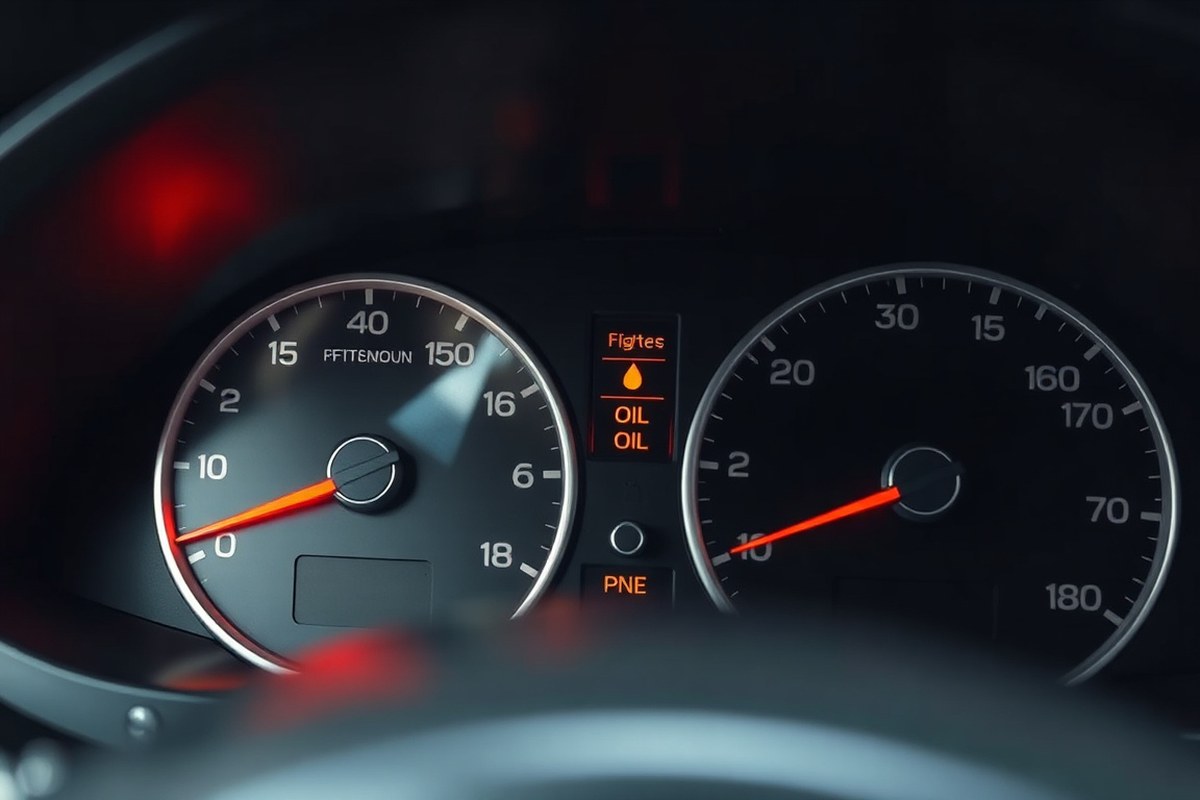
Cars usually have a separate oil pressure warning light. This light comes on first if oil pressure drops. It alerts you before the check engine light.
This light is more likely than the check engine light to signal low oil problems. Older cars from the 1990s often only showed the oil pressure light for low oil. Newer cars use engine management sensors that can make the check engine light come on.
Low oil can cause the engine to overheat. It can also cause engine misfires that sensors detect. These problems trigger the check engine light.
Codes like P0521 point to oil pressure problems. These codes cause the check engine light to turn on. They show there’s an issue with oil pressure.
Some vehicles monitor variable valve timing systems affected by oil flow. So issues there can also turn on the check engine light.
Certain cars display the check engine light when oil levels are low. This depends on the type of sensors installed in the vehicle. Engine design also plays a role in whether that light appears.
Newer vehicles come with multiple sensors monitoring oil pressure and flow. These sensors may activate the check engine light when they spot oil issues.
This means faults related to oil get detected more accurately. Older cars usually only have a basic oil pressure warning light, not the check engine light.
The cost and time to fix low oil causing the check engine light vary. Adding oil is quick and cheap but may not clear the light immediately. The check engine light may stay on for a while.
The engine computer needs several driving cycles with normal oil pressure. Then, the light may turn off.
The light staying on means more repairs are needed. It signals there’s a continuing issue to check.
Low oil alone rarely triggers the check engine light. But it often leads to conditions that do turn it on.
The oil pressure warning light usually alerts you first to low oil issues. Still, modern engines may set check engine codes as low oil affects engine performance and sensors.
How Low Oil Affects Engine Sensors and ECU Codes
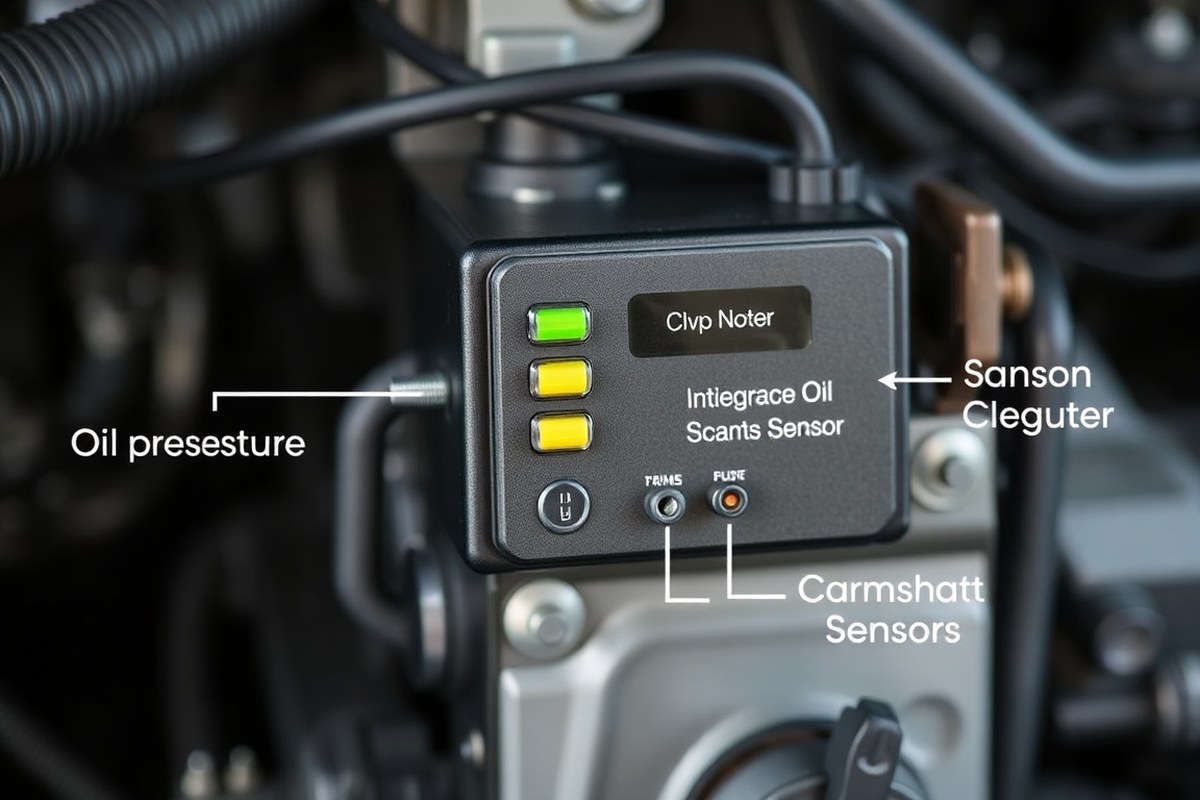
Oil Pressure Sensors and Their Role
Your engine has sensors that check oil pressure constantly. These sensors send data to the engine control unit (ECU).
When oil pressure drops very low, the sensor triggers a warning code. This code lights up the check engine light on your dashboard.
Low oil pressure usually means low oil levels or poor oil flow. The ECU reacts to force the issue by showing trouble codes related to oil pressure. This helps prevent engine damage caused by inadequate lubrication.
OBD Codes Linked to Low Oil Issues
Specific trouble codes like P0011 appear when the ECU senses timing or lubrication faults. P0011 often signals camshaft timing that’s off due to bad or insufficient oil flow. These codes directly relate to low oil or oil pressure problems.
Other codes can point to misfires triggered by low oil pressure. When oil flow isn’t steady, the engine’s parts may seize or slip, causing misfire faults. These faults register codes that make the check engine light switch on.
Low Oil’s Effect on Variable Valve Timing (VVT)
Low or dirty oil disrupts the VVT system’s operation by causing slow or blocked oil flow. VVT adjusts the engine’s valve timing depending on conditions, relying on smooth oil pressure. A failing VVT system sets off ECU faults and triggers the check engine light.
Cars with VVT from 2005 to 2025 often show a check engine light. This happens when the oil levels drop too low. Fixing low oil or changing oil promptly can restore VVT function and clear those warning codes.
Misfires Caused by Low Oil Pressure
Low oil pressure can cause parts inside the engine to wear unevenly or overheat. Low oil pressure can cause misfires in the engine.
The ECU detects this through oxygen sensors or crankshaft position sensors. Multiple misfire codes may light the check engine warning.
Driving with low oil lets friction increase and causes engine stress. The check engine light warns you about issues before serious damage happens. This helps you protect your car early on.
Sensors Detecting Oil Flow and Quality
Some newer cars have sensors that monitor oil flow near the filter. They also check the overall oil quality for safety.
These sensors catch oil starvation early, triggering the check engine light if flow problems arise. It helps catch issues like clogged oil filters or degraded oil before they worsen.
Fixing low oil and replacing filters based on sensor warnings typically costs between $30 and $100. Doing it quickly stops oil-related faults from damaging your engine’s timing and combustion systems.
Never ignore a check engine light with low oil signs. Scanning codes helps find if oil pressure or VVT caused the alert.
Differences Between Check Engine and Oil Pressure Warning Lights
The oil pressure warning light and the check engine light serve different purposes in your car. The oil pressure light warns you immediately if your engine isn’t getting enough oil pressure. The check engine light shows many engine problems.
Low oil is one cause. It could mean other issues too.
Sometimes only the oil pressure light comes on if oil pressure drops quickly. This happens even if the check engine light stays off. Sometimes, low oil makes the check engine light come on.
Sensors spot early engine troubles. That triggers the light. Seeing both lights together means your car has a serious oil problem.
This table shows each warning light and its meaning. It also advises what action to take. It can help you recognize the problem based on the lights you see.
| Warning Light | What It Means | What To Do |
|---|---|---|
| Oil Pressure Light (red oil can) | Engine not getting enough oil pressure NOW | Pull over and shut engine off immediately |
| Check Engine Light (amber engine icon) | ECU detected a fault, could be many causes | Get it scanned soon; don’t ignore it |
| Both Lights On Together | Critical oil condition causing engine faults | Stop driving immediately, serious risk of engine damage |
When only the check engine light comes on, scan the code. That tells you the exact problem. Low oil might not always trigger this light alone until damage is underway.
The oil pressure light warns you in real time. Stop driving to avoid more damage.
Interpreting these lights quickly can save your engine from costly damage. Both lights flashing or staying on means stop driving. Pull over safely as soon as possible.
Don’t ignore the check engine light if you suspect low oil. But remember the oil pressure warning light signals a more urgent problem.
Signs and Symptoms That Low Oil Is Behind the Check Engine Light
Your check engine light can flash or stay solid when oil levels drop too low. Low oil often causes the engine to run rough or make unusual noises. You might hear a knocking sound or tapping that gets louder when the engine warms up.
Some engines have a separate oil pressure warning light. But low oil can also cause troubles that trigger the check engine light instead. Check how the engine behaves along with the lights to spot low oil issues.
- Engine makes knocking or tapping noises under acceleration
- Check engine light flashes or stays on solid unexpectedly
- Oil pressure warning light may turn on alongside the check engine light
- Engine feels sluggish or stalls when idling
- Oil dipstick shows oil below the minimum mark
- Warning messages or alerts about engine performance on dashboard screen
- Smoke or burning smell from the engine bay
Look for these signs soon after you notice the check engine light. Check your oil with the dipstick to confirm the level and condition.
Adding oil may stop the noise and turn off the lights. But persistent symptoms need a mechanic’s check.
Low oil affects engine parts by reducing lubrication and causing friction. This can confuse sensors and damage components, causing the light to flash. A flashing check engine light usually means a more urgent problem than a steady glow.
How to Check and Correct Oil Levels Safely
Check your oil level when the engine is cool and the car is on flat ground. Use the dipstick to see if the oil is low. Add the right type of oil if the level is below the mark.
Step 1: Park on Level Ground and Cool Down
Find a flat spot to park your car. This keeps the oil from settling unevenly, giving a correct reading.
Turn off the engine and wait five minutes before checking. The oil needs time to flow back into the pan for an accurate check.
Step 2: Remove and Wipe the Dipstick
Open the hood and locate the oil dipstick. It usually has a brightly colored handle.
Pull the dipstick out and wipe it clean with a rag or paper towel. This removes old oil that could give a wrong reading.
Step 3: Reinsert Dipstick and Read Oil Level
Insert the clean dipstick fully back into its tube. Pull it out slowly and hold it horizontally.
Look at the oil line on the dipstick. It should be between the low and full marks. If oil is below low, you need to add some.
Step 4: Add Correct Oil Type If Needed
Check your owner’s manual for the recommended oil type and viscosity. Using the wrong oil can harm your engine.
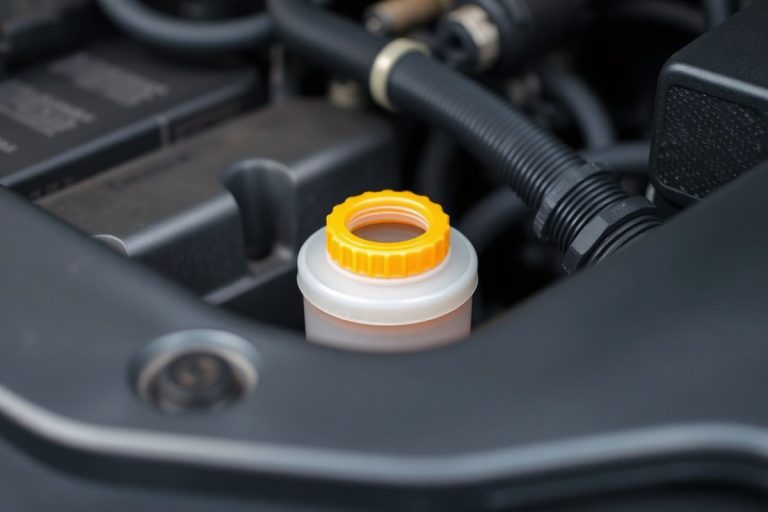
Add oil slowly to the filler cap, usually on top of the engine. Pour small amounts and recheck the dipstick to avoid overfilling.
- Park the car on level ground.
- Turn off the engine and wait five minutes.
- Open the hood and find the oil dipstick.
- Pull out the dipstick and wipe it clean.
- Reinsert the dipstick fully, then remove it to check oil level.
- Find the oil filler cap and unscrew it if oil is low.
- Pour in the correct type and amount of oil slowly.
- Replace the cap and check the oil level again with the dipstick.
Never check your oil right after driving hard. Hot oil expands and will give a false high reading.
Immediate Actions When the Check Engine Light and Low Oil Affect Your Car
Don’t keep driving if the check engine light is flashing and the oil is low. A flashing light means serious engine trouble that can quickly get worse. Stop your car as soon as you find a safe spot to avoid costly damage.
After you stop, check the oil level with the dipstick. Add oil if it’s below the safe mark.
Use the type of oil your owner’s manual recommends. Adding oil fixes the blinking light, so drive slowly while watching it.
Keep an eye on your engine temperature and listen for unusual noises. Strange sounds or a rising temperature mean stop driving immediately. Driving further without fixing low oil or engine warnings raises your repair bills significantly.
- Park safely and turn off the engine immediately.
- Check the oil level using the dipstick.
- Add the correct amount and type of oil if low.
- Look for leaks under the car after adding oil.
- Restart the engine and see if the light stops flashing.
- Drive no more than 10 to 15 miles at slow speeds if the light stays on.
- Stop and call a mechanic if the light flashes again or temperature rises.
Keep your trip short and slow if the light stays on but no longer flashes. This gives time to see if the issue clears.
Plan to visit a mechanic quickly. The warning light coming back after a few days means low oil isn’t the cause.
Driving with low oil or a flashing light risks major engine damage. It costs far more to fix damage than to top up oil or get early repairs. Checking oil regularly can prevent surprises and keep your car safe on the road.
Why the Check Engine Light Might Stay on After Adding Oil
Filling your engine with oil won’t always switch off the check engine light right away. The light stays on while the engine’s computer checks conditions. It needs time to confirm everything is back to normal.
This process can take a little while. This process can take several drive cycles or about a few hundred miles.
The car’s sensors and computer need several starts and stops. They work to clear the fault code slowly. It doesn’t happen instantly.
You might see the light blink or stay on after adding oil. This can happen during a short trip. It’s normal at first.
This does not always mean there’s a new problem. It just reflects the system confirming the fix.
The light stays on after several days of driving. You might need a diagnostic scan at this point. That helps find the problem.
Mechanics use an OBD-II scanner that reads error codes stored in the engine control unit. These codes tell you specifically what triggered the light.
Running a scan costs about $50 to $100 at most shops. But some quick service places offer free scans.
After repairing the oil-related issue, stored trouble codes can be cleared. This forces the light to turn off, assuming no other faults remain.
Check engine lights linked to low oil usually relate to sensor response or engine damage warnings. Even with the right oil, an old sensor can keep the light on. Damaged engine parts can also cause this issue.
It doesn’t always mean low oil. Getting a professional evaluation helps avoid long-term damage.
For best results, don’t ignore the light just because the oil level is fine now. Early action prevents more expensive repairs. Watch the oil level closely after you add more oil.
Keep track of any reset attempts you make. This helps know if the problem is fixed.
Which Car Models and Years Are Most Affected by Oil-Related Engine Lights?
Older cars, especially those made before 2000, often do not use the check engine light for low oil warnings. They usually have a separate oil warning light. The check engine light won’t come on for low oil in these cars.
These vehicles rely on a separate oil pressure light to alert drivers about oil problems. The check engine light in these models typically stays off unless another engine issue occurs.
Many modern cars have sensors for oil level and quality. These sensors connect to the onboard diagnostics system (OBD-II). This helps the car monitor oil conditions automatically.
The OBD-II system triggers the check engine light if oil is low. It also reacts if the oil pressure falls too much. This warns you before engine problems start.
Advanced engines with variable valve timing (VVT) systems detect oil-related problems early. VVT controls valve timing using oil pressure.
Low or dirty oil can cause misfires or timing issues. These problems can turn on the check engine light.
Some recent models also have sensors that monitor oil quality, not just quantity. These sensors watch for oil degradation that can affect engine parts. When oil quality gets poor, the car’s computer reacts.
It may turn on the check engine light. This signals you to consider an oil change soon. High-tech engines that focus on fuel efficiency and emissions often rely heavily on these sensors.
Older cars don’t always warn you with the check engine light. Ignoring low oil can seriously damage the engine. You should check oil levels regularly to avoid trouble.
Vehicles with VVT systems need clean, properly pressurized oil for smooth performance. When oil pressure falls below the safe level, the check engine light flashes. This is a warning to check your oil immediately.
Don’t ignore this signal on older cars. Addressing this quickly often costs under $100 for an oil top-up or change. Delays could lead to costly repairs beyond $1,000.
On older models, you can check the oil pressure light or gauge. But newer cars need a diagnostic scan to read OBD-II trouble codes. You can buy a simple scanner for $20 to $50.
It helps identify if low oil causes the check engine light. This tool can save time and guesswork. This tool guides your next steps, whether adding oil or visiting a mechanic.
When to Call a Professional Mechanic for Oil-Related Engine Warnings
Low oil and the check engine light can signal serious engine trouble. Calling a professional mechanic early avoids costly damage. Knowing when to get help, what info to gather, and common repairs helps you act fast.
Signs to Get Help Immediately
The engine will warn you before damage gets worse. Loud knocking, stalling, or overheating means stop driving. A flashing check engine light with oil warnings needs urgent service.
Watch for these urgent signs and pull over safely. Continuing to drive risks engine failure or costly repairs. Low oil pressure or smoke from under the hood are also red flags.
Preparing Information for the Mechanic
Check oil level yourself before you call. Note whether oil looks dark, dirty, or low. Write down when the light began and any other symptoms, like strange noises or smells.
Mechanics need clear info to diagnose quickly and correctly. You can say exactly when the light appeared and what you did. Mention if you added oil, what type, and how much.
- Exact time and conditions when the check engine light came on
- Oil level reading and oil color or smell
- Any odd engine noises or smells noticed
- Recent driving habits or recent oil changes
- Whether any leaks or drips were seen under the car
- Type and amount of oil added if any
This checklist saves time and money. It helps mechanics find the cause without repeated tests. Accurate info also reduces repair risks and surprises on the bill.
Common Repairs Linked to Low Oil and CEL
Dirty or low oil can trigger codes like P0011, P0012, and P0013. These codes usually mean the engine timing or variable valve timing needs adjustment or cleaning.
Repairs often include replacing oil filters, flushing old oil, or repairing oil pumps. Cost ranges from $150 to $600 depending on the labor and parts needed.
Ignoring low oil damage causes more serious fixes like rebuilding the engine. Getting a quick professional check prevents those expenses and keeps your car safe.
Step-by-Step Action Plan for Low Oil and Check Engine Light
Use this plan to check your oil safely. Follow these steps after the check engine light comes on. Do each step in order.
- Before you start: Park on a level surface and turn off the engine. Wait 10 minutes for oil to settle so you get an accurate level.
- Step 1: Pull out the dipstick, wipe it clean, then reinsert it fully. Pull it out again and check if the oil reaches the recommended mark. Proper level means no need to add oil.
- Step 2: If oil is low, add the correct oil grade slowly. Pour about half a quart at a time, then recheck the level. Stop once it hits the full mark. Overfilling causes damage too.
- Step 3: Start the engine and look for the oil pressure light. It staying off and the check engine light blinking or turning off means the oil fix worked. Lights staying on means you should go to step 4 next.
- Step 4: Get an OBD-II scanner or visit a store. Many auto parts stores will read codes for free. Note the error codes specifically related to oil pressure or engine sensors.
- Step 5: Clear the codes if possible, then test drive your car. Check if the light comes back on. It staying off shows the problem may have been fixed.
- Step 6: Keep the light on after these steps or hear noises? Call a mechanic soon. Your car may need a professional inspection.
- After 2 weeks: Recheck oil level regularly to prevent future low oil issues. Keep an eye on your dashboard lights daily.
Frequently Asked Questions
Can Low Oil Pressure Cause the Check Engine Light to Come On?
Yes, low oil pressure is a common cause of the check engine light. Low oil can stress the engine.
It can trigger sensors. This causes the warning light to come on.
Does Adding Oil Always Turn Off the Check Engine Light?
Not always. The light may stay on if the engine or sensors detected damage. It usually turns off after several drive cycles if oil levels are fixed.
Can a Dirty Oil Filter Cause the Check Engine Light to Illuminate?
Yes, a clogged oil filter can restrict oil flow and cause low pressure. This can trigger the check engine light due to engine stress.
Is Low Oil More Likely to Trigger the Oil Pressure Light or the Check Engine Light?
Low oil usually triggers the oil pressure warning light first. The check engine light comes on if low oil causes sensor-detectable issues.
What Should I Do If the Check Engine Light Comes on but Oil Level Is Normal?
Check for other engine problems or sensor issues. Get a diagnostic scan from a mechanic or auto parts store if you are unsure.
Wrapping Up
Low oil can trigger the check engine light through sensors. Checking and adding oil carefully helps avoid engine damage. If the light stays on or other problems show, see a mechanic quickly.