Why Would a Car Battery Die? Causes, Fixes, and Prevention Tips
Car batteries die often because they lose the ability to hold power. Batteries wear down as they age. A battery that’s a few years old might struggle to start the engine.
Use a volt meter to check your battery’s voltage. A good battery should show roughly 12.6 volts with the engine off.
Another common cause is leaving lights or accessories on when the engine isn’t running. Leaving a dome light on overnight can drain your battery quickly.
Cold weather makes this drain happen even faster. To avoid this, always remember to turn off all electrical items before you lock your car.
Short trips stop your battery from charging completely. Driving less than 20 minutes isn’t long enough for a full recharge. Aim for a 30-minute or longer drive once a week to keep your battery healthy.
Key Takeaways
- Replace your car battery every 3 to 4 years to avoid unexpected failures.
- Measure the battery’s voltage for a simple health check. It should read near 12.6 volts when your engine isn’t running.
- Avoid leaving interior lights or accessories on when your car is turned off.
- Drive at least 20 minutes each trip to allow sufficient battery recharging.
- Short drives aren’t enough to fully recharge your battery. Taking a longer trip once a week helps keep it charged.
- Inspect battery terminals for dirt or corrosion; clean them as needed.
Why Would a Car Battery Die? Common Reasons Explained
Your car battery can die for many reasons. But most fall into three groups: battery problems, electrical system issues, and user mistakes. A common cause is leaving your headlights or interior lights on when the car is off.
This mistake alone can drain a battery completely in a few hours. It costs nothing to avoid, just a check before you lock the door.
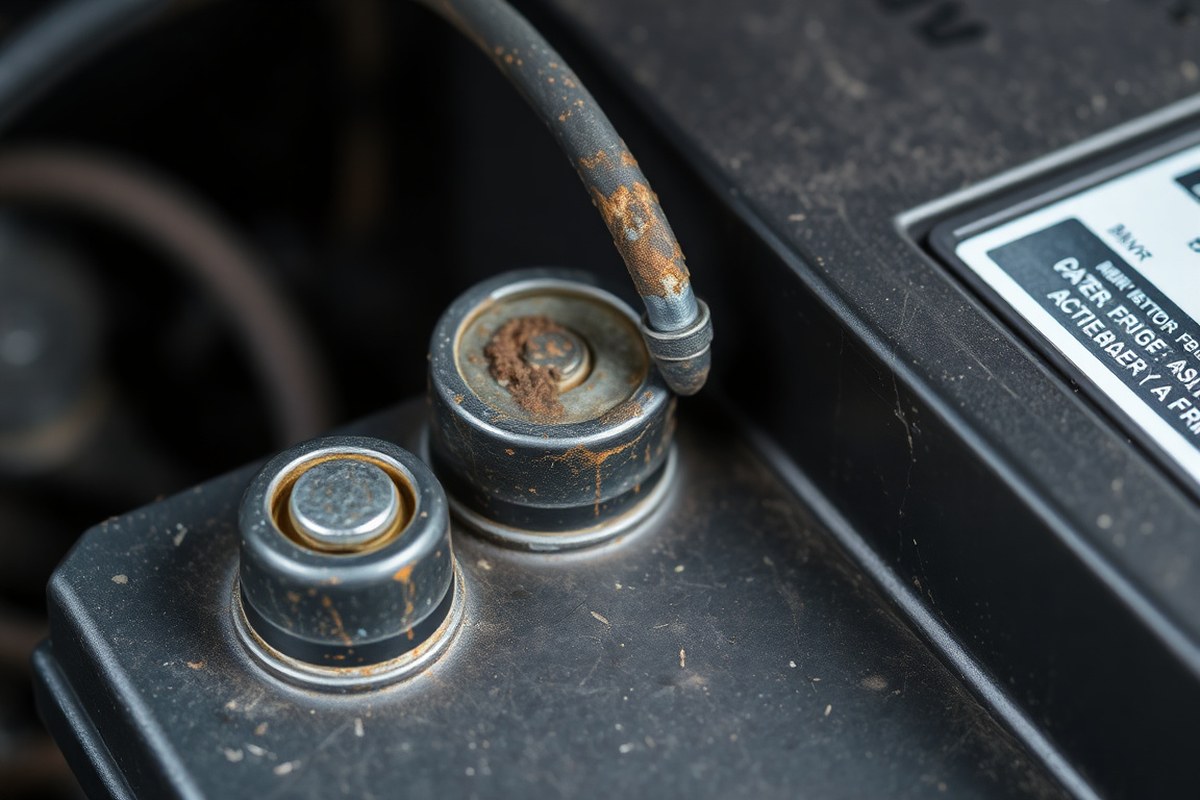
Loose or corroded battery terminals often cause sudden battery failure. Corrosion blocks the electrical connection and makes your battery work harder.
Cleaning the terminals with a wire brush and checking cable tightness usually fixes this quickly. You can buy a battery terminal cleaner kit for under $10 at auto stores.
A common battery killer is parasitic drain. It happens when something pulls power. This occurs even when your car is off.
This can be anything from a glove box light stuck on to a faulty aftermarket device. A mechanic finds the drain using a multimeter.
Fixing it costs $50 to $100. You can also test this yourself with the right tools.
Mechanical problems like a failing alternator lead to a dead battery too. The alternator charges the battery while you drive. The battery runs down if it doesn’t work right.
This happens even if the battery is new. A garage can test the alternator’s output for about $30 to $70. Driving short trips often makes this problem worse.
The alternator doesn’t recharge the battery fully. It needs more time to do so.
Batteries naturally lose strength over time, especially if they’re older than 3 or 4 years. High heat and extreme cold also speed this up. New drivers or those using extra electrical gear need more power.
Their alternator may not supply enough. This causes battery issues. That leads the battery to die faster than normal.
Using the wrong battery for your car or climate can cause unexpected failures too. Batteries have different sizes, power ratings, and are designed for certain conditions.
Picking the wrong one may mean it cannot hold a proper charge in your environment. Check your owner’s manual to find the right battery model and type for your vehicle.
Simple user habits cause many dead batteries. Forgetting to turn off lights is common, and poor maintenance makes problems worse. Regularly inspecting the battery, cleaning terminals, and checking cables prevent many issues.
Spending a few minutes each month on maintenance helps a lot. It saves time and money. You avoid roadside calls or towing fees.
How Battery Age and Condition Affect Performance
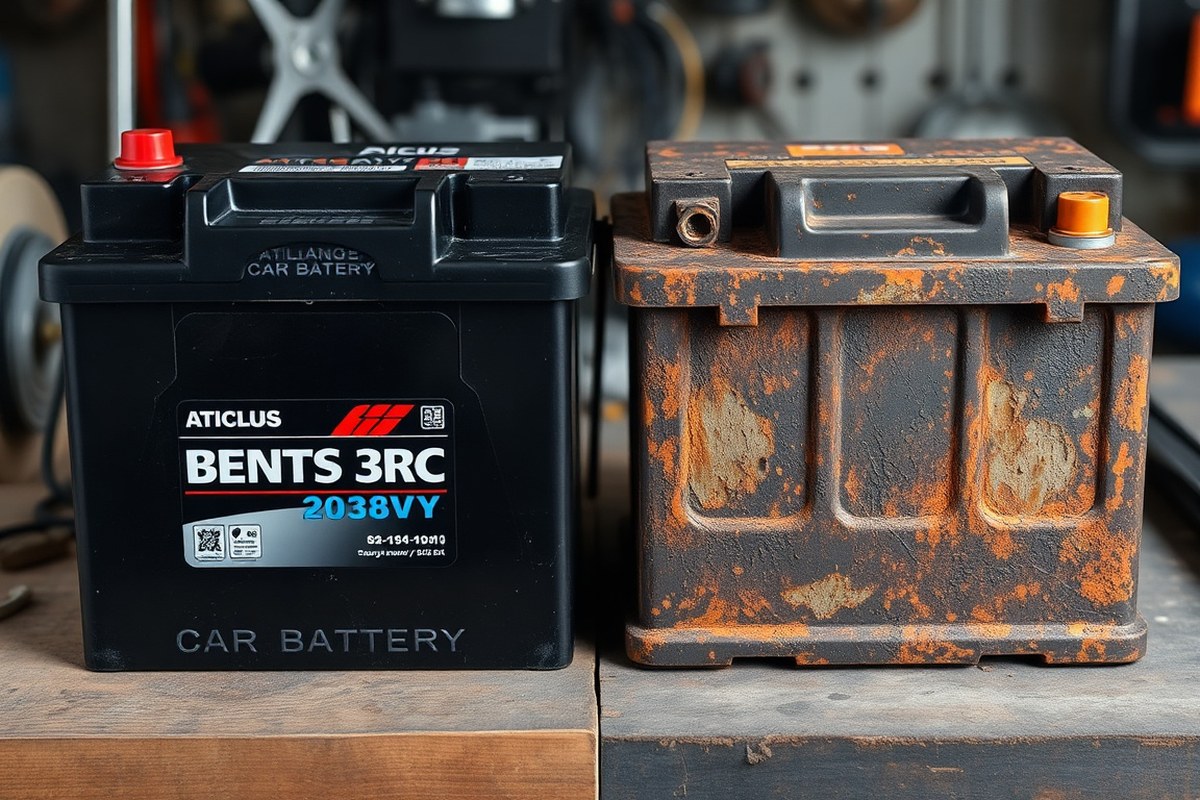
Car batteries typically last between 3 to 5 years. Their lifespan depends on where you live, how you drive, and the battery quality.
In hot climates, batteries wear out faster, lasting about 2.5 years on average. Cooler areas help batteries last longer. They can work for 5 years or more.
This is according to the Battery Council International. Heat speeds up chemical reactions inside the battery, which drains it quicker.
Signs your battery is aging include needing frequent jump-starts and slow engine cranks. Your battery is old if it’s over 3 or 4 years.
You notice these problems, it’s time to check it or think about replacing it. When a battery fails repeatedly, it usually means it’s weak or can’t hold a charge.
The voltage of a healthy battery should be about 12.6 volts when your engine is off. A reading below that means the battery is weak.
Corrosion on terminals shows battery problems. A warm battery when off does too.
Replacing a battery usually costs between $100 and $250. When buying a new one, pick the same size and power as the old battery. Changing a battery yourself takes about 20 to 30 minutes.
Have basic tools and safety gear ready. Many stores also offer installation.
Testing or replacing the battery prevents you from getting stranded unexpectedly. Don’t recharge old batteries more than once or twice. Repeated recharges only offer a short boost before the battery dies again.
Buy a new battery if yours is over 4 years old. Keep replacing it if it keeps failing.
Keep an eye on your battery’s age and symptoms. It’s easier to replace before it leaves you stranded.
How Weather Conditions Impact Battery Health
Extreme cold and heat can both wear out your car battery faster. Cold slows down the battery’s chemical reactions, making it harder to start your engine. Heat makes battery fluid evaporate faster.
This cuts battery life in half. It happens when batteries get too hot.
Cold Weather Effects on Batteries
Cold temperatures slow down the chemical reactions inside the battery. This means it delivers less power, which makes starting the engine harder. A weak battery might fail on cold mornings.
Another issue is that cold weather thickens engine oil. That makes the engine harder to turn over and requires more battery power.
Driving short trips won’t fully recharge your battery. This adds to battery problems.
Batteries can freeze below freezing temps. This happens more if the charge is low. Frozen batteries often need a replacement because the damage is severe.
Hot Weather Impact and Prevention
Heat damages batteries by speeding up the evaporation of the battery’s acid. Very hot weather shortens battery life by about 50%.
This happens at 95 to 100 °F (35 to 38 °C). A battery under constant heat stress will fail much sooner than one kept in cooler conditions.
High temperatures also increase corrosion inside the battery, which weakens its ability to hold a charge. This can show as slow engine starts or electrical system glitches.
Keeping your car in the shade or a garage during hot months helps reduce this damage. A battery insulation kit costs about $20 to $50.
It helps keep the battery cooler. This extends battery life.
Seasonal Battery Care Tips
Adjusting your routine with the seasons helps protect your battery. Drive 15 to 20 minutes or longer in cold weather.
This fully recharges the battery. Avoid using accessories like heaters or defrosters before the engine warms up.
In summer, park in shaded spots and check your battery’s water level if it’s not sealed. Regularly clean any corrosion from terminals to improve charging efficiency. Also, test your battery’s charge with a meter once or twice a year, especially before winter.
- Drive longer trips to recharge battery fully in cold seasons
- Park in shade or garage to keep battery cool during heat
- Inspect battery case for cracks or leaks after extreme weather
- Clean battery terminals every few months to prevent corrosion
- Use a battery insulation kit during hot months when recommended
- Test battery voltage before winter and summer extremes
- Turn off accessories before starting engine in cold to reduce load
Monitoring your battery this way helps catch early signs of failure. Replacing an older battery before extremes hit can save you from being stranded. Costs to maintain are low compared to the inconvenience of unexpected battery death.
What Is Parasitic Drain and How to Find It
Parasitic drain happens when electrical components draw power after your car is off. Devices like stereo systems, phone chargers, or faulty relays can cause it. Testing for this drain can show if your battery is losing charge unnecessarily.
Recognizing Parasitic Drain Symptoms
Your battery won’t hold charge even if nothing obvious is on. You may need to jump-start your car frequently. Sometimes accessories keep running without you noticing, slowly draining power over time.
Leaving the car unused for weeks can also cause a slow battery loss. Your lights or stereo running after parking increase battery drain. A failing alternator diode can sneakily let current flow back to drain the battery too.
Tools Needed to Test for Drain
Use a digital multimeter that measures current (amps). A basic multimeter that reads milliamps (mA) or amps works well. You’ll also want insulated gloves and safety glasses for protection.
Disconnect the negative battery cable carefully while the car is off. Leave the car alone for at least 20 minutes to let electrical systems go to sleep. A typical good drain draws under 50mA after that period.
Step-by-Step Parasitic Drain Test
Follow these steps to measure parasitic draw safely with your multimeter. This shows if excessive drain is causing your battery problems.
- Turn off the car and remove the keys. Close all doors and wait 20 minutes.
- Set your multimeter to the 10A current setting first, then to the mA range.
- Disconnect the negative battery cable from the battery terminal.
- Connect the multimeter leads in series between the negative battery post and the cable.
- Check the multimeter reading to see the current draw in milliamps.
- Measure drain. Above 50mA? Pull fuses one by one. Find the culprit.
- Reattach fuses after testing each one to keep systems working during checks.
- Find the bad circuit. Check devices connected to it closely. Turn off or fix them.
High current, over 50mA, means a component or accessory is draining your battery too much. Noisy or malfunctioning electronics, like hidden stereo components or glove box lights, often cause it. Resetting the battery by disconnecting the negative cable stops the drain, but erases settings.
How Driving Habits Affect Battery Charging and Life
Short drives often don’t give your battery enough time to get a full recharge. Each time you start your car, the battery uses power. But the alternator needs about 20 to 30 minutes of driving to replace that energy.
Short trips of 5 to 10 minutes make the battery lose charge. It doesn’t get fully recharged each time you drive. This weakens the battery over time.
Drive at least 20 to 30 minutes once a week. This helps your battery recharge properly. Short trips alone won’t do this.
This longer run helps the alternator complete a full recharge cycle. Without this, your battery weakens over time and eventually fails to start your car.
Pay attention to how often you drive. Leaving your car unused for days or taking it out rarely also reduces battery health.
Your battery slowly loses charge just sitting there. A weekly drive keeps it charged and healthy enough to start reliably.
You can’t avoid short trips every day. Use a battery tender or trickle charger to help. They keep the battery charged safely.
These devices keep the battery topped up when the engine isn’t running. Battery tenders cost $30 to $50.
They plug into a regular outlet. You can easily use them at home.
Your car’s alternator plays a key role when you’re driving. It constantly charges the battery. A weak alternator won’t fully recharge the battery.
Even long drives won’t help in this case. You might need to replace the alternator.
This could explain why the battery dies while driving. It usually means you need a mechanic’s help.
Consistent driving habits help your battery last longer. Avoid very short trips whenever possible. Try walking or biking for small errands under a mile.
Charging regularly lowers strain on your battery. This avoids constant partial discharge. It helps the battery last longer.
Drive for 20 minutes weekly to keep your battery healthy. This keeps it fully charged. Your battery will last longer this way.
Alternator Issues: How They Cause Battery Failure
The alternator charges your car’s battery while the engine runs. It powers the car’s electronics and keeps the battery full. Without a working alternator, the battery loses charge and can die even when driving.
To spot alternator trouble, watch for the battery warning light on your dashboard. Headlights dimming at idle but brightening when you rev the engine is another sign. Your car starts but dies shortly after; the battery might not charge.
Testing can help tell a bad alternator from a bad battery. Use a multimeter to check battery voltage with the engine off. It should read about 12 volts.6 volts.
Then start the car and check again. A healthy alternator raises voltage to 13.7, 14.7 volts. Voltage that stays low or drops means the alternator or belt could be bad.
You can also test by jump-starting your car. Your car starts then dies because the battery isn’t charging properly.
This usually means the alternator is failing. Replacing an older battery won’t fix the charge loss if the alternator is bad.
Driving less than 20 minutes at a time can cause most batteries to weaken. But a failing alternator can drain the battery much faster. Cars relying on the alternator compete between electronics and charging.
A worn alternator belt slips and reduces charging efficiency. It can cost $100 to $300 to replace, depending on the car. But fixing it prevents unexpected battery failure on the road.
Electrical issues like corroded terminals or wiring can mimic alternator problems. Check cables and battery terminals for corrosion or loose connections first. When clean, the alternator or belt is usually the next thing to check.
Checking and Cleaning Battery Terminals Properly
Corroded or loose battery terminals can cause your car not to start. They interrupt the flow of electricity, preventing proper charging. Cleaning and tightening these connections can fix many battery issues quickly.
Identifying Corrosion and Loose Cables
Check the battery terminals often for white, blue, or green powdery buildup. This corrosion blocks electrical flow, causing charging problems. Also, wiggle the cables to see if the clamps feel loose or move easily.
Look for damaged or frayed cables too. These signs mean the battery may not charge fully or deliver power correctly. Clean and tighten these connections regularly to avoid sudden breakdowns.
Tools Needed for Cleaning Terminals
You’ll need a few simple tools to clean battery terminals safely. Use a battery terminal brush or a stiff wire brush to remove corrosion. A baking soda and water mix helps to neutralize the acid buildup effectively.
Wear gloves and eye protection during cleaning since battery corrosion is mildly caustic. A wrench or pliers will help you loosen and tighten the clamps. Keep a cloth handy to wipe away residue and moisture.
Cleaning and Tightening Battery Connections
Clean and tighten your battery terminals every 6 months or if you notice poor car starting. This routine avoids buildup and loose connections that cause electrical issues. Follow these steps for safe and effective maintenance:
- Turn off the engine and remove the keys to avoid electrical shorts.
- Wear gloves and eye protection to guard against corrosion burns.
- Disconnect the negative (-) cable first, then the positive (+) cable.
- Mix equal parts baking soda and water and pour onto terminals to neutralize corrosion.
- Use a wire brush to scrub terminals and cable clamps until clean and shiny.
- Rinse with clean water and dry terminals thoroughly with a cloth.
- Reconnect the positive (+) cable first, then the negative (-) cable securely.
- Tighten the clamps firmly but avoid over-tightening to prevent damage.
After cleaning, terminals should look bright and free from foam or powder. Good connections feel snug without any wiggle. Avoid skipping this because corrosion often signals a battery replacement within a year is coming.
Common User Mistakes That Kill Batteries Quickly
The most common mistake that drains a car battery fast is leaving lights on. Headlights left on can kill a weak battery in just a few minutes. Even a small interior dome light running overnight can drain the battery completely.
Using accessories like the radio, GPS, or dashcams while the engine is off also drains power. Cars only have a limited battery capacity for running these devices without the engine running. Aftermarket electronics that draw power silently when off can be battery killers.
- Leaving headlights or interior lights on accidentally
- Using the radio or phone charger without the engine running
- Installing aftermarket devices that draw power when off
- Ignoring dashboard battery warning lights
- Not turning off accessories before exiting the car
- Not checking for electrical shorts or stuck relays
Make a habit of double-checking that all lights are off before leaving your car. Turn off accessories like radios and chargers whenever the engine isn’t running.
You should get devices like dashcams or amplifiers installed by a pro. This helps avoid hidden power drains in your car.
Slow engine cranking means your battery might be weak. Dashboard warnings also show the battery needs checking right away. Catching problems early helps avoid being stranded or damaging the car’s electrical system.
Always double-check your lights before locking your car to prevent accidental battery drain.
When and How to Replace Your Car Battery
Car batteries usually last about five years. You should think about replacing yours if it’s older or shows damage. Signs like swelling or cracks on the battery case mean trouble.
Leaks on the case also show it may need replacement. These are clear battery condition signs you should check for.
Testing the battery voltage helps too. A fully charged battery reads around 12.6 volts or more.
Battery voltage below 12 means it might not start your car well. You should test or replace the battery soon.4 volts, your battery might be weak.
When choosing a new battery, match it to your car’s size and power needs. Check the owner’s manual or battery label for specifications. Consider factors like cold cranking amps (CCA) especially if you live in cold climates.
The cost of a new battery varies by type and brand. Expect to pay between $50 and $200 at most auto stores or online.
Installation can be simple, you only need basic tools to disconnect and reconnect the terminals. But a mechanic can do it quickly if you’re unsure.
The table below shows when to replace your battery. It uses battery age and condition signs. That helps you pick the right time to change it.
| Battery Age | Condition Signs | Replacement Recommended? |
|---|---|---|
| Less than 3 years | No swelling, cracks, or leaks | No |
| 3 to 5 years | Minor corrosion, voltage near 12.4V | Check voltage; replace if below 12.4V or issues noticed |
| More than 5 years | Swelling, cracks, leaks, or voltage below 12.4V | Yes |
| Any age | Battery fails to hold charge repeatedly | Yes |
Before installing a new battery, clean the terminals to ensure good contact. Secure the battery firmly in place to avoid damage while driving. After installation, start the car to confirm proper function and check the voltage again.
Check extra features if your new battery costs more than usual. Look for longer warranties or higher CCA ratings. These justify paying extra for a battery.
Keep your receipt and warranty info safe. Batteries work best when replaced promptly after issues arise, avoiding unexpected breakdowns on the road.
Step-by-Step Action Plan to Protect Your Car Battery
Keep your car battery in good shape with these simple steps. Test the battery after each step to see how it performs. This helps prevent surprises from a dead battery on the road.
- Day 1: Inspect battery terminals for corrosion or loose connections. Clean if needed until they look shiny and tight.
- Day 2: Test battery voltage with a multimeter. A fully charged battery reads about 12.6 volts or higher.
- Week 1: Turn off all accessories in your car. Check if the battery drains after sitting overnight. This shows if a parasitic drain is eating your battery. A drop below 12.4 volts indicates a problem.
- Week 2: Review your driving habits. Aim for regular trips longer than 15 minutes to keep the battery charged properly.
- Week 3: Inspect the alternator belt and ask a mechanic to test the alternator output. The voltage should stay around 13.8 to 14.4 volts when running.
- Month 1: Batteries older than three years may fail soon. If test results are low, get ready to replace it. Do this before the battery dies when you least expect it.
- Ongoing: Avoid leaving lights or accessories on when the engine is off. Double-check before you lock the car.
Frequently Asked Questions
Can a Car Battery Die from Not Driving the Car for a Long Time?
Yes, not driving your car for weeks can drain the battery. The battery loses charge when you don’t use it often.
Start your car regularly to keep it charged. A trickle charger can also help maintain the battery.
How Does Leaving Lights on Affect Your Car Battery?
Leaving lights on can drain your battery quickly. Even a small light left on overnight might kill your battery.
Does a Faulty Alternator Cause the Battery to Die While Driving?
Yes, a bad alternator can cause the battery to die during driving. The battery doesn’t get charged properly and loses power.
How Do Cold Temperatures Kill Car Batteries?
Cold weather slows chemical reactions inside the battery, lowering power. This makes the battery weaker and more likely to die.
Can Driving Only Short Trips Kill a Car Battery?
Driving only short distances keeps the battery from recharging fully. This causes the battery to weaken more each time. Over weeks, the battery may fail due to this slow drain.
Key Points to Remember
Car batteries die mostly from age, poor charging, or accidental drain. Taking small steps now helps prevent getting stranded. Start today by checking your battery terminals for a cleaner connection.