How Many Steps in 5 Miles – a Complete Guide to Accurate Step Counting
How many steps in 5 miles depends on your stride length and pace. On average, walking 5 miles takes about 11,260 steps for most adults.
Running the same distance uses fewer steps, around 8,360, due to longer strides. Start by knowing your own stride length to get a more accurate step count.
Your height affects stride length, which changes steps needed per mile. Walking speed and terrain also play a role since faster paces increase stride length.
Counting steps on uneven ground or hills will differ from walking on flat surfaces. Knowing these details helps you track your distance better and adjust your goals.
Key Takeaways
- Five miles equals roughly 11,260 steps when walking at a moderate pace.
- Running 5 miles takes about 8,360 steps due to longer strides.
- Use your height to estimate stride length; it impacts step count.
- Walking faster increases stride length, lowering steps for the same distance.
- Terrain and hills add steps by shortening stride or slowing pace.
- Ten thousand steps usually covers 4.17 to 4.73 miles, not 5 miles.
How Many Steps Are in 5 Miles on Average?

The average number of steps in 5 miles is about 11,000 to 11,300 for most adults. This figure is based on an average of 2,200 to 2,260 steps per mile. It generally reflects a typical walking pace around 3 miles per hour.
The average step count per mile usually sits near 2,000 to 2,250 steps. Most adults take roughly 2,000 steps per mile due to an average stride length between 2.1 and 2.5 feet.
Walking 5 miles at a 20-minute mile pace gets you around 11,260 steps. This breaks down to about 2,250 steps per mile.
Your exact number of steps depends on stride length, walking speed, and terrain type. For example, men tend to take around 10,560 steps for 5 miles. Women average near 12,000 steps.
Different factors make that 5-mile step count vary. But aiming for 11,000 steps offers a reasonable estimate for many adults.
How to Calculate Your Personal Step Count for 5 Miles
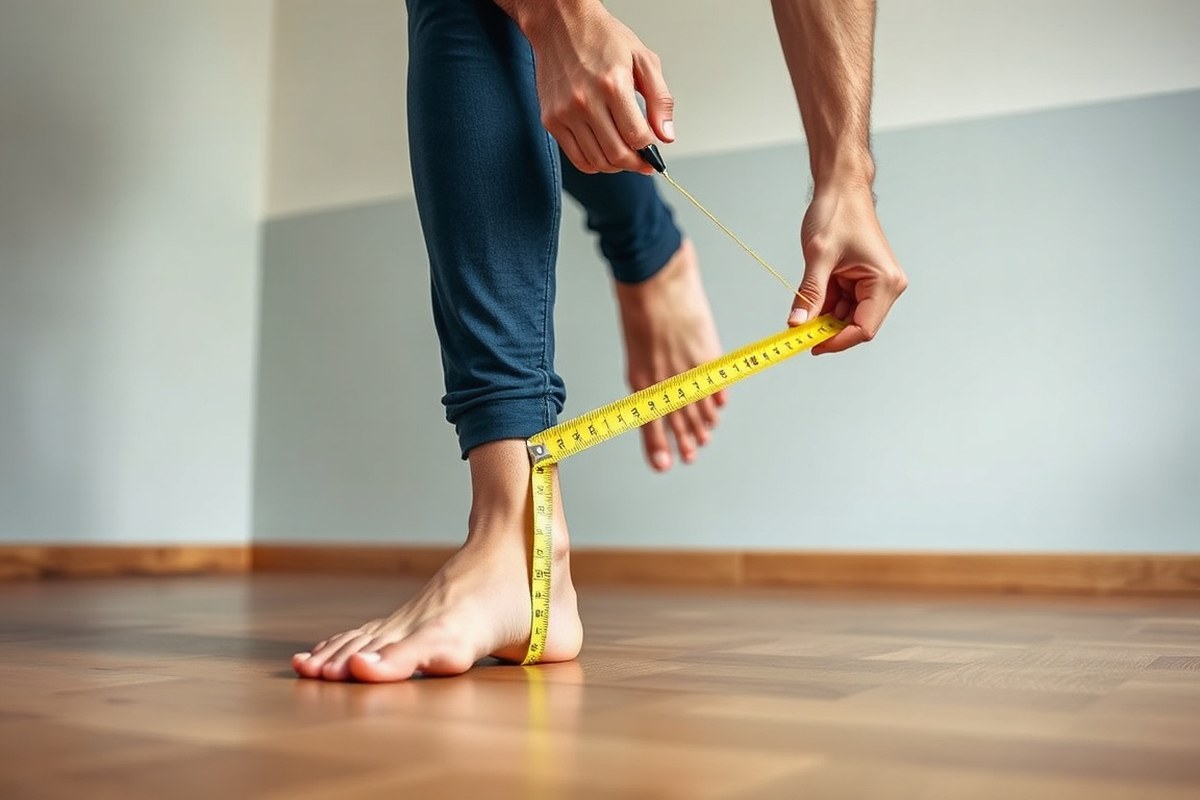
You can find your personal step count for 5 miles by measuring your stride length. Then divide 26,400 feet (which is 5 miles) by your stride length in feet. This gives you a customized step count instead of relying on averages.
Measuring Your Stride Length Precisely
Measuring your stride length helps track your steps more accurately. Find a flat place where you can walk a measured distance, at least 20 feet. Use a tape measure to mark the start and end points.
Follow this simple step-by-step process to measure your stride length:
- Mark your starting line with tape or chalk.
- Walk at your normal pace for 10 to 20 steps.
- Mark where your last step lands.
- Measure the total distance between the marks in inches.
- Divide the total distance by the number of steps you took.
- Convert inches to feet by dividing by 12.
Measure in your usual walking shoes on a flat surface for best results.
Using Height to Estimate Your Stride Length
You can estimate stride length based on your height as a starting point. Your stride length is usually about 41.4% of your height. For example, you are 5 feet 6 inches tall.
That is 66 inches. Your stride length is about 27 inches.3 inches or 2.28 feet.
Using height alone reduces error but is less accurate than measuring. Shorter people take more steps per mile.
Taller people have longer strides and fewer steps. This method is simple but best for quick estimates or early tracking.
Worked Calculation Example for 5 Miles
Suppose your measured stride length is 28 inches. Convert it to feet: 28 ÷ 12 = 2.33 feet per step. Now divide 26,400 feet by 2.33 feet to get steps for 5 miles: 26,400 ÷ 2.33 ≈ 11,337 steps.
This number fits the range of 10,000 to 12,500 steps for 5 miles. When you only know your height, say 68 inches, multiply it by 0.414 to get stride length: 68 × 0.414 = 28.2 inches. This is close to the measured example and works for rough counting.
Height and Stride Length’s Impact on Steps per Mile
Your height changes your stride length. This affects your step count over 5 miles. Taller people usually take fewer steps.
Taller people have longer strides, so they take fewer steps. Men and women of the same height walk differently.
Their stride ratios cause different step counts. This affects your steps for the same distance.
How Height Changes Your Stride Length
Stride length is about 41% of your height in inches. For example, if you’re 5 feet 6 inches tall, your stride length is roughly 27 inches. Longer legs mean longer steps, so taller people cover more ground with each step.
This means a taller person will need fewer steps to finish 5 miles. A person who is 6 feet tall might take around 10,600 steps to cover 5 miles. Someone shorter, like 5 feet 2 inches, might take about 12,300 steps for the same distance.
Differences Between Men and Women at the Same Height
Men usually have a longer stride than women of the same height. This difference comes from body shape, leg length, and walking style. For example, a 5-foot-3-inch woman generally takes more steps than a man who is also 5-foot-3.
This means men tend to take fewer steps for 5 miles at the same height. The typical step count for an average-height woman is near 11,640 for 5 miles. For average-height men, it’s closer to 11,056.
How Step Count Varies Across Heights over 5 Miles
The difference in steps over 5 miles can be large due to height. A person 4 feet 10 inches tall can take over 13,200 steps in 5 miles. Taller people take fewer than 10,100 steps at 6 feet 4 inches tall.
This difference can be more than 3,000 steps just because of height and stride length changes. It means tracking your steps without knowing your stride length may give misleading distance results.
Calculating Your Step Count Using Height and Stride
To estimate steps for 5 miles, find your stride length first. Multiply your height in inches by 0.413 to get stride length in inches. Then convert stride length to feet by dividing by 12.
Divide the total feet in 5 miles (26,400 feet) by your stride length in feet. The result shows how many steps you need for 5 miles. For example, if your stride length is 2.5 feet, you take about 10,560 steps to cover 5 miles.
Why Knowing This Helps with Fitness Goals
Knowing your step count for 5 miles helps track your workouts accurately. It ensures your daily step goals reflect real distance walked or run. You avoid under- or overestimating your activity, leading to better fitness planning.
Some devices estimate distance by steps but use average stride lengths. Your height can change distance and calorie numbers. Estimates may be off if you differ from average.
Use caution with these calculations. Adjusting for your height in fitness tracking apps improves your data.
Difference in Steps When Walking Versus Running 5 Miles
Running 5 miles takes fewer steps than walking the same distance. That’s because running significantly lengthens your stride. A longer stride covers more ground with each step, so you need fewer strides.
Your pace also changes step length. Faster speeds during running create longer strides.
Walking uses shorter steps, so you take more steps for 5 miles. This reduces the number of steps you take when running roughly by 25% or more.
Stride differences mean running 5 miles might take about 8,360 steps. Walking 5 miles usually takes around 11,260 steps.
These numbers can vary based on your height, weight, and how fast you move. Still, the general trend stays the same: running reduces your step count.
| Activity | Approximate Steps per Mile | Total Steps for 5 Miles |
|---|---|---|
| Walking (normal pace) | 2,252 | 11,260 |
| Running (faster pace) | 1,672 | 8,360 |
Notice how your running step length affects your total steps. It can cut your step count by nearly 3,000 for 5 miles. That’s a big difference.
Your step count links closely to how long your legs reach during each move. When running, your legs stretch more and touch the ground farther away.
Try measuring your own step length by walking a fixed distance. Count your steps for both walking and running. This helps you find your real step length.
Divide your total distance by steps counted. You can use this info to get a better idea of your step count. This gives more accurate results for your 5-mile walks or runs.
How Walking Speed and Terrain Affect Your Step Count
Walking speed changes your stride length, which affects your step count. At faster speeds, your strides naturally get longer and your cadence increases. So you take fewer steps to cover the same distance.
For example, a faster walk cuts steps by 5-10% over 5 miles. That means fewer overall steps than a slower pace.
Terrain also plays a big role in step count. Walking uphill usually shortens your stride because you lift your feet higher. This increases the total steps you take for the same 5-mile distance.
Rough or uneven ground makes you take smaller, careful steps. This adds extra steps to your count.
Your fitness level changes how your body handles these factors. Less fit walkers may take shorter strides on inclines or rough terrain to maintain balance.
This pushes their step count higher on the same route. More experienced walkers tend to keep a steadier stride, even uphill, which keeps steps lower.
Keep your usual stride on different surfaces to protect your joints. This also helps step counts stay accurate.
It’s tempting to take more steps by shortening your stride to boost counts. But that often causes joint issues. Instead, work on walking efficiently and increasing total daily steps.
Speed or terrain changes alter your stride length and step rhythm. These changes decide your total steps in 5 miles.
So walking faster usually reduces steps because of longer strides. Uphill or rough paths raise steps due to shorter strides and extra effort.
Your fitness and walking skill change how you adjust your stride. This affects your total step count for 5 miles.
Is 10,000 Steps Really Equal to 5 Miles?
Ten thousand steps don’t always equal 5 miles. Your stride length changes the math a lot. For example, an average person takes between 2,000 and 2,500 steps per mile.
Ten thousand steps usually cover about 4 to 5 miles. This depends on your height and walking style. Your personal stride length affects the distance you cover.
People who are shorter often have shorter strides. Someone who is 5 feet tall might take around 12,750 steps to walk 5 miles. A tall person, around 6 feet 4 inches, might take fewer steps.
They could only need about 10,000 steps for the same distance. Taller people have longer strides. This difference happens because taller people cover more ground with each step.
Other factors change your step count for 5 miles too. Walking pace matters. Walking faster often makes your stride longer.
This means fewer total steps are needed. Speed changes your step count per mile. Terrain also plays a role.
Hilly or rough paths can shorten your stride and push your step count up. Walk a measured 5-mile route to find your true step-to-mile rate. Use a step tracker or app to count your steps.
Then calculate your average steps per mile. This will give you a personalized and accurate number.
How Long Does It Take to Walk or Run 5 Miles?
Walking 5 miles usually takes between 1 hour 30 minutes and 2 hours. This range covers a moderate pace around 3 to 4 miles per hour. For example, a brisk walker at 4 mph might finish in about 1 hour 15 minutes.
Running 5 miles is much faster, often around 40 to 50 minutes for an average runner. Running speeds typically fall between 6 and 8 miles per hour.
Running at 6 mph usually takes about 50 minutes to finish. Faster runners near 8 mph can cut that time to about 37 or 38 minutes.
The time it takes depends on your fitness, terrain, and pace. Hills or rough surfaces slow you down, while flat, even paths speed you up. Your endurance matters, too, longer training results in quicker times over 5 miles.
You can change your 5-mile time by adjusting pace throughout your walk or run. Alternating between slower and faster segments adds variety and challenges different muscles. This approach can improve your overall speed when you keep practicing.
Many people walk at about 3 mph, taking roughly 2,300 to 2,500 steps per mile. Running usually involves fewer steps per mile because strides lengthen.
Faster paces use fewer steps and take less time. Your running cadence is higher at faster speeds.
Calories Burned Walking 5 Miles at Different Paces
Calories burned walking 5 miles depend on your weight, pace, and terrain. A person weighing 155 pounds burns about 394 calories walking 5 miles at a normal pace. Running the same distance burns more calories because it requires more effort per step.
Heavier people burn more calories over 5 miles. It takes more energy to move a bigger body. So, weight changes your calorie burn during exercise.
Walking on hilly or uneven terrain also raises the calorie burn compared to flat ground. These factors make calorie estimates useful for planning your fitness goals.
| Activity | Pace | Steps (5 miles) | Calories Burned (approx.) |
|---|---|---|---|
| Walking | Normal pace | 10,250 | 394 (155 lbs) |
| Walking | Brisk (120 spm) | ~10,250 | 450-500 (varies by weight) |
| Running | Average pace | 7,250 | Approx. 600-700 (155 lbs, varies) |
Use your weight to help estimate calories burned. Also, factor in your pace for a better estimate. This helps you plan your walking or running.
The table shows that running burns more calories with fewer steps. Tracking these numbers helps you adjust your workouts to hit weight loss or fitness goals.
Pick a pace that challenges you but is doable. Keep that pace for your entire 5 miles. This helps you burn the most calories possible.
Common Mistakes When Estimating Steps in 5 Miles and How to Avoid Them
Many people get step counts wrong when estimating 5 miles. This usually happens because of common misunderstandings about averages and device settings. Fixing these avoids big errors in tracking your fitness.
Misinterpreting Average Steps per Mile
People often assume the average of 2,000 steps per mile fits everyone. That 2,000-step figure comes from a roughly 2.5-foot step length, which suits taller adults. Your steps per mile change if you are taller or shorter.
Using a general average can lead to under- or overestimating your total step count. This mistake can make your 5-mile goal seem easier or harder than it really is. For better accuracy, use your personal stride measurement instead.
Ignoring Personal Stride Length Changes
Your step length changes with walking speed, fatigue, or mood. When you slow down, your steps may shorten without you noticing. Relying on a fixed stride length ignores these daily changes.
Tracking steps without adjustment means your final count over 5 miles can vary a lot. Recording your stride length in different conditions helps you get closer numbers. Try measuring your step length at a walking pace and a running pace separately.
Calibrating Your Fitness Tracker Properly
Fitness trackers are useful but not always correct out of the box. They need calibration to your stride to track steps correctly. Skip this, and your step count may not match your actual steps.
Calibration usually takes just a few minutes. Walk a known distance, like 100 feet, and let your tracker count your steps. Divide the total distance by your step count.
This gives your stride length. Put this number in your tracker settings.
- Measure your stride indoors on flat ground
- Walk a few different distances to check consistency
- Calibrate after changing your walking or running speed
- Update calibration every few months or after injury
- Compare your tracker’s steps with manual counting
Doing this regularly helps your tracker stay accurate over 5 miles. Otherwise, small errors add up quickly and skew your totals.
Accounting for Terrain and Pace Shifts
Step count can rise or fall with hills, rough ground, or different surfaces. Going uphill usually means shorter steps and more steps total. Running on trails can cause uneven stride lengths that confuse your tracker.
Changes in pace also affect how many steps you take for each mile. Speeding up can lengthen your stride or make you take more quick steps. Track how your count varies on different terrains and paces to adjust your goals.
Your Simple Plan to Track Steps for 5 Miles
Follow these steps to find your personal step count for 5 miles. This helps you walk or run smarter, not harder.
- Before you start: Measure your stride length at home. Walk 10 steps, measure that distance, then divide by 10. This is your average step length.
- Day 1: Use a step tracker or phone app to count steps during a 1-mile walk. Check your step count matches your stride length calculation.
- Day 3: Walk 5 miles on flat ground at your usual pace. Record total steps to see your real step count for 5 miles.
- Day 5: Try walking 5 miles on a varied terrain like hills or trails. Note how your steps compare to flat ground.
- Week 2: Switch to running 5 miles at a steady pace. Track your steps and see the change from walking steps.
- After 2 weeks: Add up your step counts for walking and running 5 miles. Divide the total by the number of days to get the average. Use your own data for this calculation. Adjust your fitness goals with these numbers.
- Ongoing: Use these personal step counts to plan workouts and track progress accurately, avoiding guesswork.
Frequently Asked Questions
How Many Steps Are in 5 Miles for Someone Shorter Than Average?
Shorter people usually take more steps because their stride is shorter. People usually take 11,500 to 12,000 steps for 5 miles. The exact count depends on your height and walking pace.
Does Running 5 Miles Burn More Calories Than Walking the Same Distance?
Running burns more calories than walking 5 miles due to higher intensity. The faster pace requires more energy, even though you take fewer steps.
Can Walking Uphill Affect the Number of Steps in 5 Miles?
Walking uphill generally increases your step count because your strides get shorter. It also demands more effort, which can slow your pace.
Is 5 Miles Considered Good Daily Exercise for Heart Health?
Yes, 5 miles is a solid amount of daily exercise and helps heart health. It improves endurance and can lower blood pressure.
How Do Different Shoes Impact My Step Count over 5 Miles?
Shoes that fit well can make your stride smoother and more consistent. Poor shoes might cause shorter steps and more fatigue.
Final Thoughts
Steps in 5 miles vary a lot by your height, speed, and terrain. Take time to track your own stride and step counts. This simple step helps you reach your fitness goals more reliably.