Is It Safe to Drive with Low Tire Pressure? A Complete Safety Guide
Is it safe to drive with low tire pressure? You can drive briefly if the pressure stays above 20 psi. Below that, your tires risk damage or failure, so do not drive at all.
Low tire pressure affects control and safety, so check your tires often. When the warning light comes on, slow down. Find a safe spot.
Check your tires carefully. Adding air promptly keeps you safer and protects your tires from wear.
Keep your speed under 50 mph. Drive short distances only. This helps if your tires have low pressure.
Tires below 20 psi get soft and unstable, which can cause accidents. Always carry a reliable pressure gauge to check tire health anytime.
Key Takeaways
- Never drive if any tire pressure drops below 20 psi.
- Slow down to under 50 mph when driving with low tire pressure.
- Stop and check tires immediately when the warning light activates.
- Use a quality tire pressure gauge for accurate, regular checks.
- Drive short distances only with low pressure to reach a safe stop.
- Cold weather lowers tire pressure by about 1 psi every 10°F drop.
Is It Safe to Drive with Low Tire Pressure?
Driving with low tire pressure is generally unsafe. Tires underinflated below 20 PSI pose immediate risks like blowouts or loss of control. It’s best not to drive at all if your tire pressure falls below 20 PSI.
For pressures between 25 and 28 PSI, drive cautiously for a short time. Head straight to a nearby gas station or safe place to add air.
Avoid highways, heavy loads, and fast speeds in this range. At 28 PSI, slow driving is okay if your tire looks normal.
Your tire pressure is around 25 PSI. Avoid normal driving and refill the tires right away. Many vehicles recommend around 32 to 35 PSI when cold.
Dropping below 28 PSI means you should act soon. This helps avoid damage and poor handling.
Tire pressure at 17 PSI is too low to drive on safely. At this level, tires are nearly flat and can cause severe vehicle control problems. Stop safely, inspect your tires, and call for roadside help rather than risk driving.
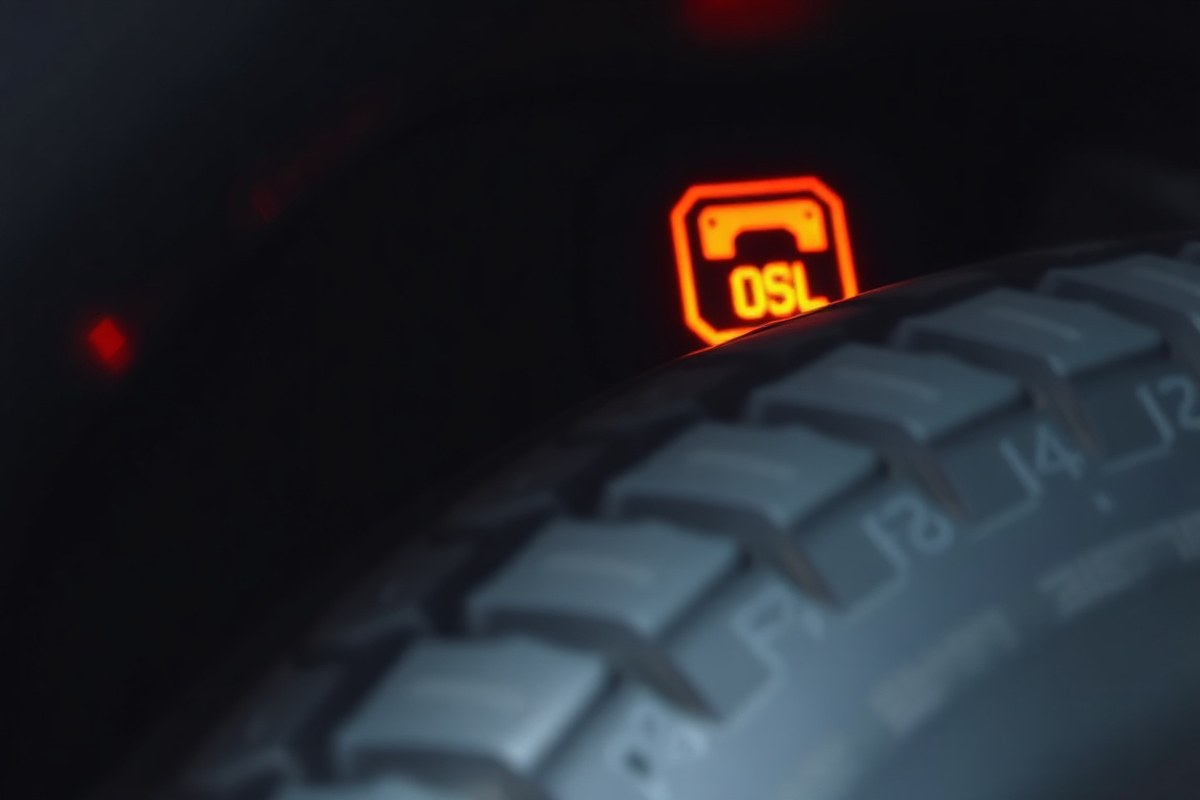
When low tire pressure warning lights come on, check your tires with a gauge. Confirm the readings before deciding what to do next. Adding air to reach the recommended cold tire pressure is the safest step before driving.
You must drive on low pressure for a short way. Keep your speed under 30 mph.
Slow speeds reduce heat buildup and tire stress. Plan to add air or get professional help as soon as possible to prevent damage.
Remember, a properly inflated tire improves gas mileage, handling, and tire life. So, don’t delay topping up your tires.
It costs just a few dollars to add air. But driving on low pressure risks costly repairs or accidents.
How Far and How Fast Can You Drive with Low Tire Pressure?
Safe Driving Distances Based on Low Tire Pressure
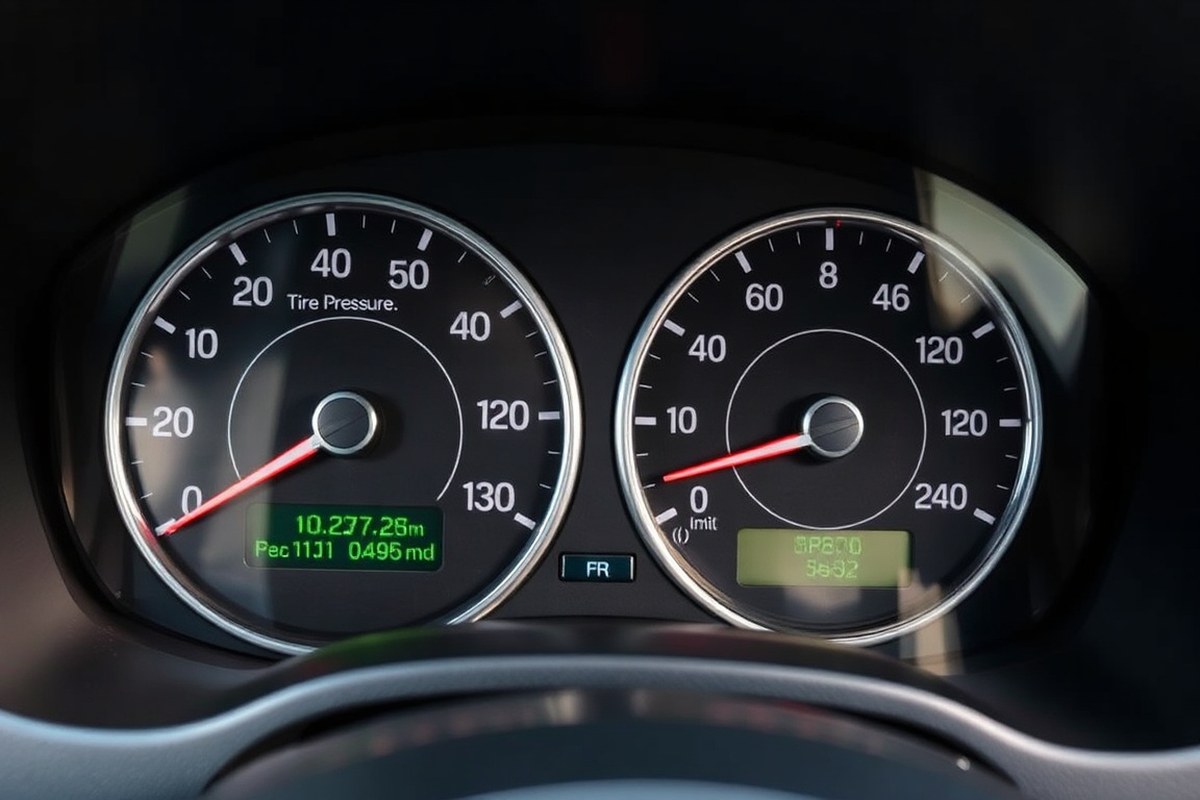
Driving with low tire pressure is only safe for a very short distance. Your tire pressure is above 28 PSI but below recommended.
Drive only to the nearest service station. This is usually under 5 miles on local roads.
Between 25 and 28 PSI, your trip must be even shorter and direct. You should avoid any unnecessary driving and keep to low-speed roads only. Driving beyond these limits risks tire damage and blowouts.
Recommended Speed Limits with Low Tire Pressure
Your speed should decrease when driving on low tire pressure. For slightly low pressure above 28 PSI, stick to city speeds below 35 mph for safety. Avoid highway speeds, which increase the risk of overheating and blowouts.
When tire pressure drops to 25-28 PSI, drive very slowly, around 20 mph or less. This helps reduce friction and heat buildup. Driving faster increases the chance of tire failure.
Driving on Highways with Low Tire Pressure
It’s not safe to drive on the highway with low tire pressure. The higher speeds cause tires to heat up quickly and can lead to blowouts.
Use the highway only with near-normal tire pressure. Keep a close watch on your speed.
Your tire light is on or the tire looks low. Exit the highway at the next safe spot. Adding air before resuming is the safest move.
Factors That Affect How Far and Fast You Can Drive
Several things change safe driving limits with low tire pressure. Your tire size, car weight, and outside temperature all impact safety. A bigger tire or heavier car heats tires faster, cutting down safe driving distance.
Low pressure also reduces grip, making braking and handling worse. Wet roads lower the safe speed further because of higher hydroplaning risk.
When You Can’t Measure Pressure but See Low Tires
Your tire looks low or the car pulls to one side. Avoid driving long distances like this. Stop in a safe place if you lack a gauge or pump.
Get help to check or fill your tire. Your tire may be dangerously low even if the warning light is off.
Running on a visibly low tire causes faster heat buildup and can lead to sudden blowouts. Immediate action avoids costly repairs and increases your safety on the road.
Always add air at the first safe chance if you notice tire pressure is low. Do not ignore the warning light or a visibly flat tire. Driving on low pressure even a short time raises blowout risk.
What to Do When the Low Tire Pressure Warning Light Comes On
The tire pressure warning light means at least one tire is low. You should find the right pressure and check all tires right away. Adding air carefully can keep you safe and prevent damage.
Locate the Recommended Tire Pressure
Open the driver’s door and look on the door jamb for a sticker. This sticker shows the proper pressure in PSI for your front and rear tires. It usually says something like “32 PSI” or “35 PSI” for cold tires.
Cold tire pressure means checking tires after parking at least three hours. The tires must not be warm from driving. This gives an accurate pressure reading.
This measure is accurate because driving warms up tires and raises pressure. Never guess the number; always use the door sticker as your guide.
Check All Four Tires with a Pressure Gauge
Even if your dashboard tells you which tire is low, check them all. Tires often lose pressure unevenly.
So one might be low but others still need air. Use a good quality tire pressure gauge for the best reading.
Remove the valve cap from each tire and press the gauge stem down firmly. Hold it for a second and read the number on the gauge screen or stick. Write down each tire’s pressure to compare with the recommended PSI.
Add Air Safely and Recheck Pressure
Find a gas station or air pump nearby if you are not already close to one. Avoid driving far when your tire is only a little low. Check for any visible damage first.
Drive only a short distance if it looks okay. Turn off the engine before adding air for safety.
Use the air pump nozzle to press the valve stem. Add air in short bursts, checking pressure after each attempt.
Stop when the pressure matches the recommended PSI on the door sticker. Replace the valve cap tightly to keep dirt out.
Inspect Tire for Damage Before Driving
Look closely at each tire after filling with air. Check for bulges, cuts, or cracks on the sidewall and tread. See visible damage or the tire feels very soft?
Avoid driving completely. Call roadside assistance for help right away.
A tire with damage can fail suddenly and cause an accident. Tire looks fine and you fixed the pressure? Drive slower and watch closely.
Get the tire checked by a professional soon. Low tire pressure wears tires faster and reduces fuel efficiency.
- Find the recommended tire pressure on the driver’s door sticker.
- Use a tire pressure gauge to check all four tires’ pressure.
- Compare each tire’s reading to the recommended PSI.
- Drive slowly a short distance if pressure is slightly low and safe.
- At an air pump, add air in short bursts and recheck pressure.
- Stop adding air when tires reach the recommended PSI.
- Replace valve caps and inspect tires for any damage.
- Drive cautiously or call for help if tires look damaged or very low.
How Low Tire Pressure Affects Vehicle Handling and Safety
How Low Pressure Changes Braking and Steering
Low tire pressure reduces the tire’s contact with the road. This makes your car slower to respond when you brake or turn. At about 25 PSI, many tires start feeling less stable and steering gets less crisp.
When pressure falls below 20 PSI, braking feels unpredictable, especially on wet roads. Steering can feel loose or “floaty,” which makes it harder to keep control. You could miss quick turns or stops in emergencies.
Traction Loss and Its Driving Risks
Underinflated tires don’t grip the road as well. This lowers traction. You may skid when braking hard.
Sharp turns become riskier too. Low pressure increases wear on tire edges, cutting their lifespan too.
You might notice your car slipping or drifting during turns when pressure is low. This is a sign that traction is compromised and control is fading. Rain or loose surfaces worsen this problem quickly.
Risk of Blowouts with Low Tire Pressure
Low pressure causes tires to flex more, building heat inside the tire. Excess heat greatly raises the chance of a blowout, which can be sudden and dangerous. At pressures below 25 PSI, the risk grows enough that you shouldn’t keep driving long.
A blowout can happen at any speed but is very hazardous on highways. A sudden pull to one side can mean tire trouble.
Loud thumping sounds also warn of tire failure. Watch for these signs early.
Signs While Driving That Pressure Is Too Low
Your car may feel sluggish or mushy underfoot when tires are low. Steering might seem vague or the car could pull to one side. Vibrations in the wheel or a thumping noise also warn you that pressure is off.
Watch for longer stopping distances or poor cornering. These clues mean your tires are not at the right pressure, and handling suffers. It’s best to check your tires as soon as you notice these changes.
Tips for Managing Low Tire Pressure on the Road
Slow down gently when your tires feel off while driving. Avoid sudden braking or sharp turns to keep control steady. Find a safe spot to check tire pressure or add air as soon as you can.
Keep a tire pressure gauge and air pump in your car. Checking tires monthly and when seasons change helps prevent low pressure surprises. This small effort keeps you safer and extends tire life.
How Weather and Temperature Changes Impact Tire Pressure and Driving Safety
Cold weather makes tire pressure drop because air inside the tire contracts. For every 10°F drop in temperature, tire pressure falls about 1 PSI. This means tires charged right in warm weather may become underinflated after a cold night.
Driving with low tire pressure in winter raises risks. The tire wears unevenly and heats up faster, raising the chance of damage or failure.
A tire that feels soft or bulges needs immediate attention. Avoid roads with heavy traffic or poor weather if tires feel low.
Check your tire pressure more often as seasons change, at least once a month. When the temperature swings a lot, check before driving or three hours after parking. Keep a tire gauge in your car and write down the pressure readings for comparison.
Watch the tire sidewalls for any distortion or being less firm. Your tire pressure warning light in cold weather needs attention fast. Fill your tires with the pressure listed on your car’s door sticker.
Check your owner’s manual if you don’t see it there. Don’t use the number on the tire itself.
Check tire pressure when tires are cold, meaning before driving or after three hours parked.
During winter, carry a portable air compressor or know where to find one nearby. Cold air causes tires to lose about 1 PSI each month. The falling temperature makes the pressure drop even more.
Proper tire pressure improves how your car handles snow and ice. It also helps your tires last longer.
After topping off your tires, recheck pressure regularly. Pressure dropping fast? Get a mechanic to check for leaks or damage.
Winter potholes and rims often cause these problems. Checking tires during weather changes only takes a few minutes. It prevents bigger issues and keeps driving safer.
How to Properly Check and Measure Your Tire Pressure
Use a reliable tire pressure gauge to check your tire pressure. Digital gauges cost around $15 and give precise readings. Avoid guessing or relying on gas station air machines, which often show inaccurate pressure.
Check tire pressure only when tires are cold. That means no driving for at least three hours or less than a mile. Driving heats tires and raises pressure, which can mislead your reading.
Look for the tire pressure sticker on the driver’s door jamb. It shows the recommended cold PSI for your exact tires. Do not use the maximum PSI shown on the tire sidewall.
Your car needs a different pressure for safety. Always follow the pressure listed for your vehicle.
Check each tire at least once a month and before long trips. Tire pressure tends to drop 1 to 2 PSI every month. Cold weather causes the pressure to fall even more.
Check pressure often, especially when temperature drops. Checking often helps you catch low tire pressure before it becomes a safety hazard.
When you check, press the gauge firmly onto the valve stem and hold it steady. Quick or loose checks can leak air and give wrong numbers. Write down each tire’s reading and compare it to your vehicle’s recommended PSI.
Add air if the tire pressure is more than 3 PSI below the recommended level. Keeping pressure close to the recommended value keeps tires safe. Use an air compressor and check pressure again until it matches the sticker.
Be careful not to overinflate. Too much pressure reduces tire grip and wears the center tread.
In cold weather, tire pressure can drop several PSI overnight. Adding a few PSI on chilly mornings helps keep tires at the right pressure all day. Just avoid overfilling, especially if you will drive long distances and the tires will warm up.
A soft or “mushy” tire sidewall shows low pressure. This means you need to add air soon. Driving on low pressure harms your tires.
This can cause the tire to roll over during sharp turns or quick avoidance maneuvers. In those cases, stop and add air before you continue driving.
Signs You Should Stop Driving Immediately Due to Low Tire Pressure
Stop driving right away if your tire pressure drops below 20 PSI. At this level, the tire is too weak to support your car safely. A tire near flat or visibly bulging needs immediate attention, not more driving.
Look for clear signs like rapid air loss or a tire that looks collapsed. The car pulling to one side, wobbling, or thumping means stop now. Driving on a tire like this risks a blowout or loss of control.
Never try to drive on a flat tire, even slowly. A flat tire can cause rim damage and makes your car unsafe on the road. Pull over safely and inspect the tire before moving on.
Use a tire pressure gauge to check the PSI quickly if you suspect low pressure. It takes 5 to 10 minutes. You only pay a few dollars.
This is for adding air. Store an air compressor or find a station nearby. Refill tires to the right pressure.
Your tire has a puncture, is shredded, smoking, or damaged. Stop driving immediately.
Any sign of tire damage means you should stop and get help. Driving longer only makes repairs more expensive and dangerous.
Running tires 5 or 6 PSI too low can damage them inside. It happens over time.
It shows no obvious warning outside but weakens your tire. Checking pressure regularly avoids surprises and keeps your drive safe.
Common Mistakes When Driving with Low Tire Pressure and How to Avoid Them
One common mistake is ignoring the low tire pressure warning light for too long. Drivers often keep driving without checking their tires. This raises the chance of a blowout, which can cause loss of control or an accident.
Another error is inflating tires incorrectly. Some add just a little air instead of reaching the recommended pressure. Adding too much air can also harm tire performance and safety.
Always use a reliable gauge to check tire pressure. Inflate tires to the PSI on the driver’s door sticker. That number is your vehicle’s recommended tire pressure.
It’s risky to take long trips with low tire pressure. Tires cook from friction when underinflated, leading to heat buildup. Excess heat damages the sidewall and tread, which may cause sudden failure on the road.
- Skip extended highway driving on low pressure tires.
- Stop after 50 miles or less to check and inflate tires properly.
- Carry a portable air compressor in your car for quick top-ups.
- Check tire pressure before every long drive, especially in cold weather.
- Look for cracks or bulges as signs you need a tire expert.
- Don’t rely only on your car’s warning light; check manually too.
- Use roadside air stations cautiously if tire sidewalls look damaged.
Fixing low tire pressure safely means stopping as soon as you notice the warning. Check all tires with a pressure gauge. Inflate them to the exact PSI recommended by the manufacturer.
Checking tire pressure usually costs just a few dollars at gas stations. You can also use an air pump at home. Both methods work well.
Stop driving immediately if the tire pressure light flashes. Don’t ignore the flashing light even if it doesn’t stay on. Check your tires carefully after seeing the signal.
Avoid driving further when you find a leak or visible damage. This helps prevent serious tire problems or accidents. Call roadside assistance or a tire professional.
Driving on damaged or low-pressure tires causes more harm quickly. It also increases repair costs and risks your safety.
Limit driving until you fix the problem. Fixing a slow leak quickly saves you from sudden blowouts and expensive replacements.
When to Call Roadside Assistance or a Professional for Tire Problems
The low tire pressure warning light goes off after driving. Check your tires as soon as you can. Sometimes pressure rises slightly as tires warm up.
Still, this doesn’t mean the problem is fixed. Make sure the pressure matches the vehicle’s recommended PSI using a gauge.
When you add air but the tire loses it again quickly, there is likely a leak. This could be from a nail, a puncture, or valve damage.
Driving on a tire that won’t hold air can cause further damage or a blowout. Stop driving and call roadside assistance or use a spare tire if you have one.
Drive no further if a tire reads below 20 PSI or shows damage. Flat, bulging, punctured tires or sidewall touching the rim are unsafe.
Inflate the tire with a portable compressor only if you can do it safely to reach a shop. Otherwise, get roadside help immediately.
Here’s a quick guide to decide when to call a professional. First, inspect your tire for visible damage like cuts, bubbles, or nails. Spot any tire damage or problems and stop driving right away.
The tire looks okay but pressure is low. Inflate it fully, then watch for leaks for 15 minutes. Pressure stays steady after inflating.
Drive slowly to the nearest repair shop. Pressure drops again after inflating. Call roadside help immediately.
Professional tire inflation usually costs between $10 and $30. Repairs cost more depending on the damage. Budget extra for puncture fixes and tire patching.
Tire repair shops fix punctured tires or replace sidewall damage. Sidewall damage must be fixed for your safety.
Some shops like LOF Xpress™ Oil Change offer quick tire checks. They also inflate tires while you wait, saving future trouble.
Step-by-Step Action Plan for Low Tire Pressure
Follow these steps to handle low tire pressure safely. Each step shows when to act and what to check.
- Right away: Pull over safely as soon as you notice the low tire pressure light. Park in a safe spot off the road.
- Within 5 minutes: Use a tire pressure gauge to check each tire. Confirm the reading matches the recommended pressure on your door sticker.
- Immediately after checking: Inflate any tires below the recommended pressure to the correct level. Use an air pump at a gas station or your own portable pump.
- After inflation: Recheck tire pressure to make sure all tires are at the right level. The light should go off after driving a few minutes.
- Within 24 hours: Inspect tires for damage like cuts, bubbles, or uneven wear. Replace or repair damaged tires before driving long distances.
- Daily for a week: Check tire pressure before driving, especially in cold weather. Tires lose pressure faster when temperatures drop.
- Within 1 week: Visit a tire professional if pressure drops again. Also, see a professional if you spot any damage. They can fix leaks or suggest replacements.
- Ongoing: Keep a tire gauge in your car and check pressure monthly. Regular checks help prevent unsafe low pressure while driving.
Frequently Asked Questions
How Long Can I Drive with Low Tire Pressure?
You can drive a short distance at low speeds if pressure isn’t below 20 PSI. Always limit driving to reaching a safe spot or gas station to fix tires.
Is 25 Psi Too Low for Tire Pressure?
Yes, 25 PSI is generally too low for normal driving. Avoid highway speeds and long trips if tire pressure is around 25 PSI.
Is 40 Tire Pressure Too High to Drive?
Usually, 40 PSI is safe if it’s within your vehicle’s recommended range. Check your owner’s manual to make sure the pressure isn’t above the placard’s number.
Is 17 Psi Too Low to Drive On?
No, 17 PSI is too low and unsafe. Driving with tire pressure under 20 PSI risks serious tire damage.
Low pressure can cause tire failure. Always keep tires properly inflated to avoid this risk.
Can Cold Weather Cause Tire Pressure to Drop Suddenly?
Tire pressure decreases roughly 1 PSI for every 10°F temperature drop. You should measure pressure regularly as seasons change. This helps keep your tires in safe condition.
Before You Go
Driving with low tire pressure risks your safety and vehicle performance. Stop and fix it quickly to avoid bigger problems. Check your tires regularly to keep your ride safe and smooth.