Is Brake Fluid and Power Steering Fluid the Same? Key Differences and Safety Tips
Is brake fluid and power steering fluid the same? No, they are quite different. Each fluid serves a specific purpose and has unique properties designed for its system.
Brake fluid must withstand intense heat from braking and resist moisture absorption. This helps keep brakes responsive and prevents corrosion in brake lines. Power steering fluid, on the other hand, lubricates and cools the steering pump and gears.
Power steering fluid often has a mineral or synthetic base, formulated for low friction and smooth steering. Brake fluid usually comes in DOT 3, 4, or 5.1 specifications, with different boiling points and chemical makeups.
Using the wrong fluid can damage seals, cause leaks, and lead to system failure. Always check your vehicle’s manual for the correct fluid type before topping off or replacing any fluid. Following these guidelines protects your vehicle’s performance and avoids costly repairs.
Key Takeaways
- Brake fluid has a high boiling point, suitable for brake system heat.
- Power steering fluid typically has an ISO VG 32 or 46 viscosity.
- Brake fluid is glycol-based and absorbs moisture over time.
- Power steering fluid is mineral or synthetic oil, not water-mixable.
- Using brake fluid in power steering can swell seals and cause leaks.
- Brake fluid should be flushed every 2 to 3 years to avoid corrosion.
Are Brake Fluid and Power Steering Fluid the Same?
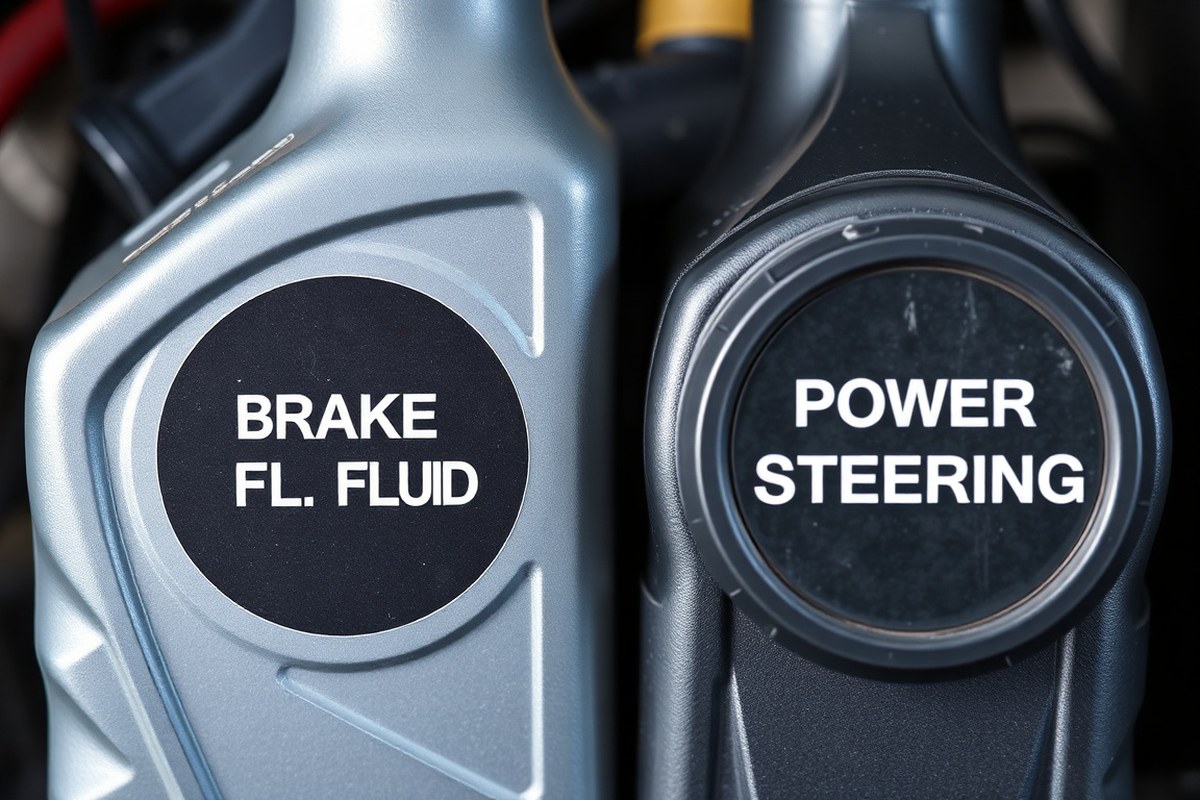
Brake fluid and power steering fluid are not the same and should never be swapped. Brake fluid is designed to handle extreme pressure instantly when you push the brake pedal. Power steering fluid lubricates the steering system.
It helps parts move smoothly. It works under lower pressure.
Brake fluid is a hydraulic fluid. It resists high heat. It also prevents corrosion in the brake system.
It also needs to avoid compressing to maintain firm brake response. Power steering fluid has special additives.
They focus on lubricating seals and pumps. It doesn’t handle high pressure spikes.
Using brake fluid in your power steering system can cause serious damage. Brake fluid makes some seals swell. NBR seals can grow over 200%.
This happens within three days. This swelling leads to leaks, pump damage, and even rack seal failure. Power steering fluid in brakes lacks corrosion inhibitors.
It can’t handle intense heat or pressure. This risks brake failure.
Both fluids look similar, sometimes red or clear, which causes mix-ups. Always check your vehicle’s manual to find the exact recommended fluid for each system. Your 2016 Honda Civic lists fluids separately.
Brake fluid and power steering fluid meet different standards. Use both as specified.
To avoid costly repairs, never assume fluids are interchangeable, even if they look alike. Removing the wrong fluid means a full system flush. Shops charge between $100 and $200 for this.
Start by using a fluid extractor. This tool works for power steering or brake fluid.
It removes old fluid safely. But flushing the system properly typically needs professional tools.
Brake fluid and power steering fluid each have unique chemical formulas tailored to their jobs. Using the wrong fluid compromises system performance and can lead to permanent damage. Always use the exact fluids in your manual.
This keeps the brake and steering systems safe. It ensures smooth operation.
How Brake Fluid and Power Steering Fluid Work in Your Vehicle
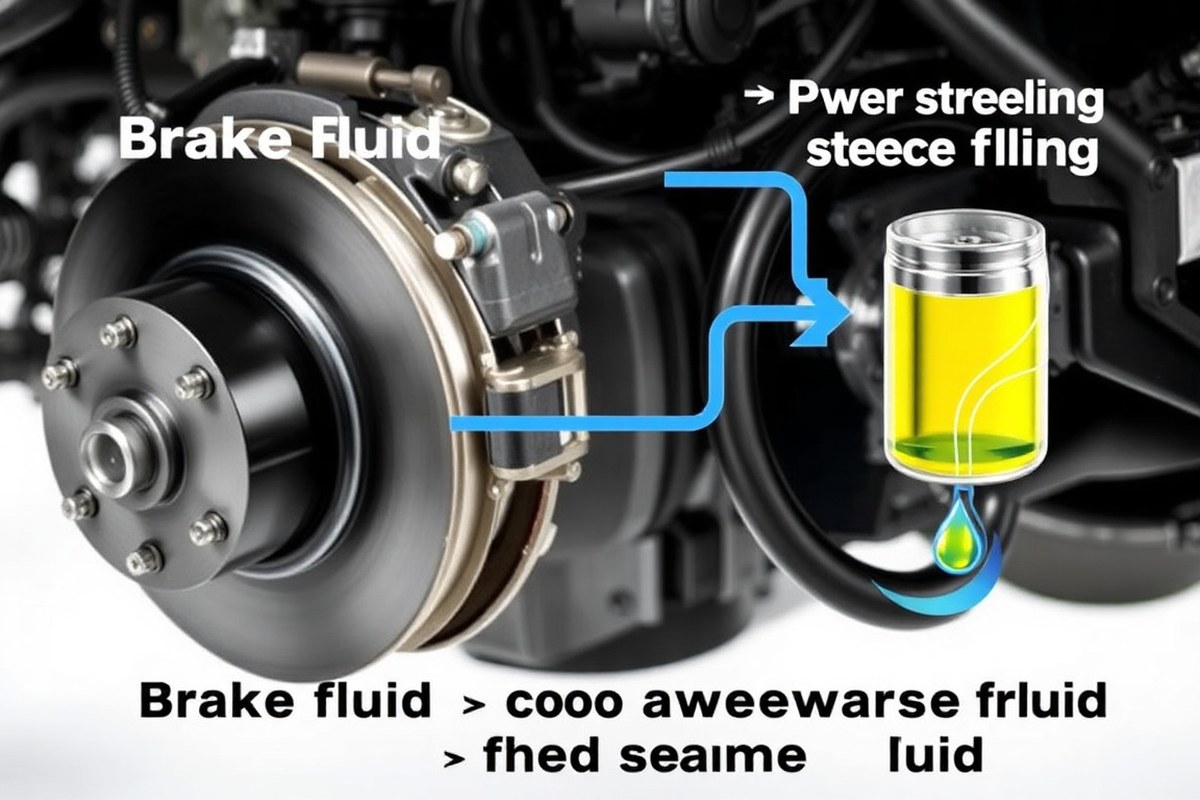
Brake fluid moves force from your foot to the brake pads. It transfers pressure directly to stop your car.
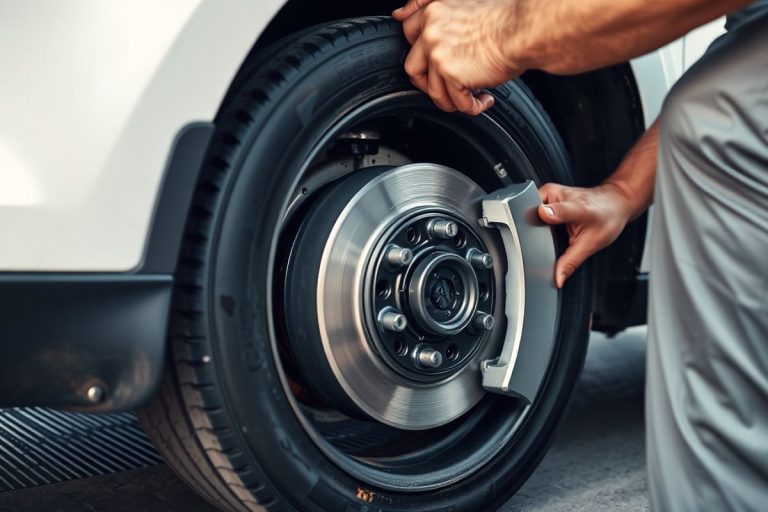
When you press the pedal, the fluid moves through brake lines under high pressure. This pressure pushes the pads to clamp the rotors, slowing or stopping your car.
Power steering fluid helps you turn the steering wheel with less effort. It delivers hydraulic pressure inside the power steering pump and steering gear.
This pressure moves the wheels. It helps you steer easily at low speeds or in parking.
These two fluids work in different environments and do very different jobs. Brake fluid faces extremely high pressure and temperatures up to 500°F. So it must resist boiling to avoid brake failure. Power steering fluid runs at lower heat and pressure.
It also lubricates the pump and seals. This helps protect the steering system.
The brake system requires a fluid that won’t compress or vaporize easily. Otherwise, pressing the pedal won’t push the brakes effectively. Power steering fluid must stay slippery.
It also needs to keep pressure stable. It cannot harm seals or parts. They use separate chemical formulas to meet these needs.
Putting brake fluid in the power steering can dry out seals and cause leaks. Putting power steering fluid in brakes can cause boiling.
This can lead to deadly brake failure. Each fluid’s design matches the exact pressure, temperature, and lubrication needs of its system.
Check your car’s manual first. Or contact a dealer. Always find the right fluid before adding or changing. Mixing fluids risks expensive damage and unsafe driving conditions.
Chemical Composition and Performance Differences
Brake fluid and power steering fluid differ chemically and physically. Brake fluid is usually glycol-ether based, designed to transfer pressure without compressing. It absorbs moisture over time, which helps prevent vapor lock under heat.
Power steering fluid, on the other hand, is often mineral oil-based or synthetic. It serves mainly as a lubricant with some compressibility to reduce steering effort. Unlike brake fluid, it must resist moisture to avoid losing lubricating ability and damaging seals.
| Aspect | Brake Fluid | Power Steering Fluid |
|---|---|---|
| Chemical Composition | Glycol-ether based (e.g., DOT 3, DOT 4, DOT 5.1) | Mineral oil-based, synthetic, or blended oils |
| Boiling Point | Power steering fluid needs to handle heat well. It must work dry at at least 230°C (446°F) and wet at 155°C (311°F). These temperatures show how tough the fluid is under pressure. | Lower than brake fluid; around 315°C (600°F) typical |
| Moisture Absorption | Hygroscopic; absorbs moisture to prevent vapor lock | Designed to resist moisture absorption |
| Viscosity and Lubrication | Low viscosity, non-compressible for precise pressure transfer | Viscous, compressible to lubricate and ease steering |
| Seal Compatibility | Formulated for brake system seals | Formulated for power steering seals; brake fluid can harm seals |
The high boiling point of brake fluid matters because brakes face intense heat during use. Moisture absorption lowers this boiling point quickly.
Even 2% water cuts it by 100 degrees. That’s why brake fluid needs replacing regularly.
Power steering fluid doesn’t need to absorb water. In fact, moisture harms steering parts by reducing lubrication and causing corrosion. Power steering fluid is thicker than brake fluid.
This thicker viscosity helps protect parts that move inside. It also shields seals when the system works under pressure.
Putting brake fluid into the power steering system could cause seal swelling and damage. Its moisture-absorbing nature and chemical makeup can block passages or cause leaks. Don’t swap power steering and brake fluids to avoid damage.
Trucks like the F150 and F250 need the right fluid for precise steering. Using the wrong fluid can cause expensive repairs.
Risks of Using the Wrong Fluid in Brake or Power Steering Systems
Putting brake fluid into the power steering system can harm the steering pump and seals. Brake fluid causes these seals to swell and break down, which leads to leaks. Ignoring this damage leads to costly repairs or a pump replacement.
Power steering fluid in the brake system creates a different problem. Many power steering fluids contain petroleum, which eats away at brake seals and rubber parts.
This causes leaks in the brakes, risking brake failure. You could feel a soft or sinking brake pedal as a warning sign.
Both cases require you to act fast to avoid costly damage. A quick full flush and refill with the correct fluid will help stop the damage.
Delaying repair risks hose deterioration, pump failure, and corrosion in the system. These issues raise repair bills and create safety hazards.
- Brake fluid in power steering: seal swelling, leaks, pump wear
- Power steering fluid in brakes: rubber seal erosion, brake failure risk
- Mixing fluids causes hose and internal component damage
- Foaming and corrosion can occur in power steering pumps
- Immediate drain and flush needed to prevent severe damage
- Delaying repairs raises cost and complexity dramatically
Signs like delayed steering response or a soft brake pedal suggest fluid crossover. Watch for high-pitched whines from the power steering pump at cold starts. These symptoms point to fluid contamination and seal damage.
You should flush and refill with the right fluid quickly. This step keeps the system safe. It also helps the system keep working.
How to Identify Brake Fluid and Power Steering Fluid Correctly
Brake fluid and power steering fluid look different and come in separate reservoirs. You can tell them apart by color and label.
Look under the hood for their reservoir locations. Checking these details helps avoid mixing fluids, which can mess up your brake or steering system.
Visual Inspection: Color and Consistency Differences
Brake fluid usually appears clear to yellowish. This light color helps you see the fluid level and whether it’s dirty or old.
Power steering fluid often has a reddish, brown, or green tint. Its color varies by manufacturer and type but is darker than brake fluid.
Consistency can also differ. Brake fluid is thin and watery. Power steering fluid feels a bit thicker or oily.
Reading Manufacturer Labels and OEM Specifications
Look for exact labels on the fluid bottle or reservoir. The brake fluid container will say “DOT 3,” “DOT 4,” or “DOT 5.1” on the label. Power steering fluid bottles and reservoirs often say “Power Steering Fluid” or “P/S.” Some also list parts numbers like Toyota’s 00275-00102 or GM’s ACDelco 10-4017.
Always check your owner’s manual for the right type. Using fluids that meet OEM specs keeps your system safe.
Locating Fluid Reservoirs Safely in Your Vehicle
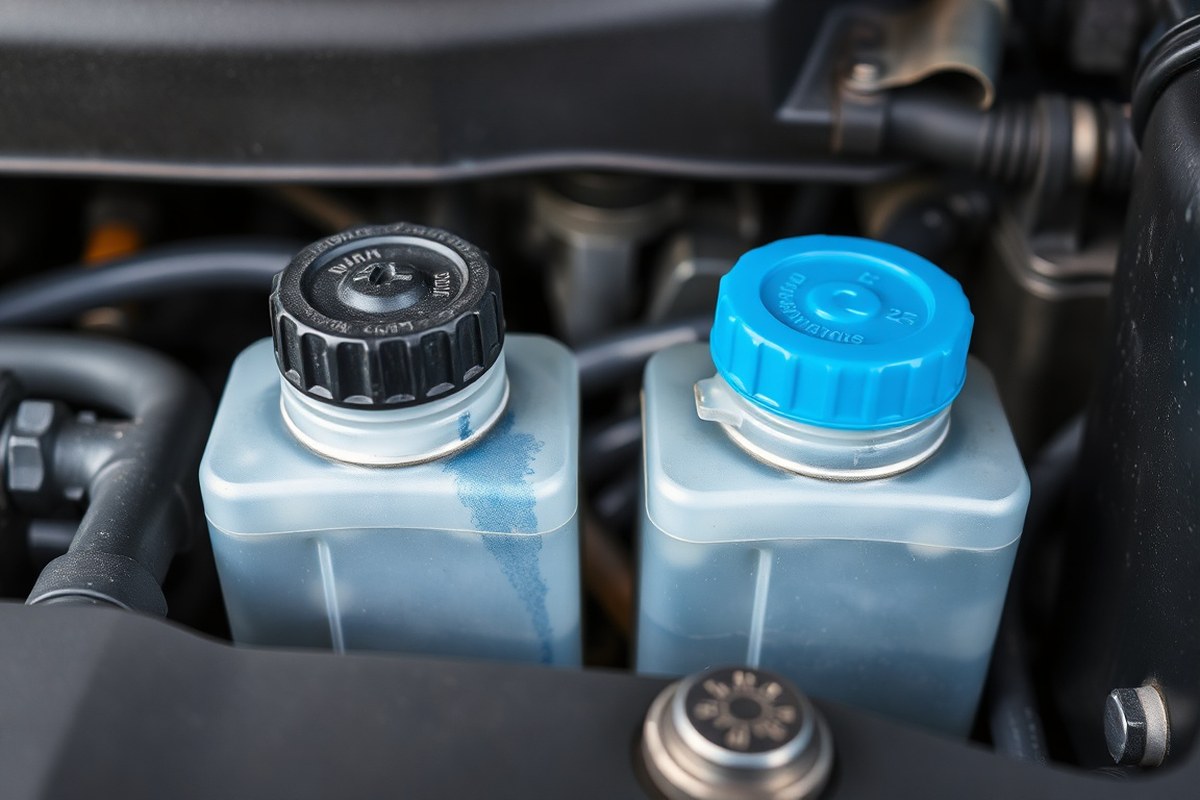
The brake fluid reservoir is near the back of the engine bay. You’ll find it close to the driver’s side firewall. It usually has a clear plastic container with a marked cap.
The power steering reservoir sits differently, often toward the front or side. Look for a small tank labeled “Power Steering” or “P/S.”
Before checking fluids, turn off the engine to avoid injury. Use a flashlight if needed to see the labels clearly.
- Check fluid color: brake fluid is clear to light yellow
- Power steering fluid is often red, brown, or green
- Confirm labels: look for “DOT” numbers on brake fluid
- Power steering fluid may have OEM part numbers
- Brake reservoir is near the firewall on the driver’s side
- Power steering reservoir is near the front or side of the engine bay
- Always verify with your vehicle’s owner manual before adding fluid
Never guess a fluid type by color alone. Always check labels or your manual before filling.
Proper Maintenance Schedule for Brake and Power Steering Fluids
Brake fluid needs replacing every 2 to 3 years. Power steering fluid lasts longer but still needs checks. Flushing these fluids keeps your vehicle safe and working well.
Brake Fluid Maintenance: 2 to 3 Year Replacement Cycle
Brake fluid absorbs moisture over time, which lowers its boiling point and risks brake failure. Most carmakers say flush brake fluid every 2 to 3 years. You should do it by 24,000 to 36,000 miles.
Use whichever comes first. Dark or cloudy brake fluid means it’s time for a flush, not just a top-off.
Flushing brake fluid means taking out the old stuff. Then, you put in fresh fluid. This keeps the brake system clean and working well.
You can use a brake bleeder kit to do this yourself. A mechanic can also do it for you. It usually costs between $70 and $120.
Check the owner’s manual to find the right fluid type. Always follow the proper steps for bleeding brakes. This keeps the procedure safe and effective.
Power Steering Fluid: When and How to Flush
Power steering fluid doesn’t need a flush as often as brake fluid. But it can still break down over time. This can cause steering problems.
Look at the reservoir every 6 months or 6,000 miles. Check for low fluid, dark color, or a burnt smell.
These signs mean it’s time to act. Any of these signs means you should flush the system.
Flushing power steering fluid means draining the old fluid out. Then refill with fresh fluid that matches your vehicle’s requirements. Getting a power steering flush at a shop takes about 30 minutes.
The cost is usually between $50 and $100. To do it yourself, you need a turkey baster or pump.
Remove the fluid carefully to avoid air in the system. Then refill the reservoir slowly.
Checking Fluid Levels Properly and Safely
Always check fluids when the engine is cool and parked on level ground. Use a clean rag to wipe the reservoirs’ tops before opening to avoid contamination. Look for clear fluid in the reservoirs without discoloration or particles.
- Check brake fluid level monthly or during oil changes
- Inspect power steering fluid every 6 months
- Use recommended fluid types only
- Replace fluids at recommended intervals or if contaminated
- Watch for leaks that may lower fluid levels
- Don’t mix brake and power steering fluid under any circumstances
Low fluid levels often signal leaks or worn system parts. Keeping fluids clean and topped helps maintain smooth braking and steering response. Regular checks can alert you to problems before they get costly or dangerous.
What to Do If You Accidentally Mix These Fluids
Stop driving the vehicle immediately once you realize you mixed brake fluid and power steering fluid. Driving can cause severe damage fast, making repairs cost much more. Next, find which system has the wrong fluid and prepare to flush it out thoroughly.
Stop Driving and Identify the Contamination
Turn off the engine as soon as possible to avoid spreading the wrong fluid. Check whether brake fluid was put in the power steering reservoir or vice versa. Look for leaks, noises, or unusual steering or brake feel that confirm contamination.
Brake fluid in power steering harms seals within hours. It can damage pumps fast. These effects happen quickly.
Power steering fluid in brakes can ruin pads, lines, and calipers almost immediately. You need to act fast to limit damage and costs.
Draining and Flushing the Affected System
Draining the contaminated fluid from the wrong system is essential before refilling. Drain the old power steering fluid. Replace the filter if your car has one.
Flush the lines with fresh fluid. Brake systems require bleeding from wheel cylinders after flushing to remove all fluid traces.
Follow these steps to flush the system properly:
- Locate and remove the fluid from the reservoir using a pump or siphon.
- Disconnect bleed valves and run fresh fluid through until only clean fluid flows out.
- Replace any damaged seals or filters found during inspection.
- Properly dispose of contaminated fluid at a hazardous waste center.
- Reconnect everything tightly to avoid leaks or air entry.
Flushing usually takes about 30 to 60 minutes if you have the right tools. Costs stay low when no parts need replacing.
But they rise fast if pumps or lines fail. Contamination causes costly repairs.
Refilling with Correct Fluid and Testing
Fill the cleared system carefully with factory-recommended fluid only. Use a clean funnel to avoid dirt contamination. Slowly fill, checking levels constantly as fluid moves through the system.
After refilling, start the engine and cycle the steering or brake pedal fully several times. Look for leaks or spongy feel which indicate trapped air or ongoing contamination. Test drive cautiously at low speed to be sure handling and stopping feel normal.
Spot fluid leaks, poor pedal or steering feel, or strange sounds? Stop driving and call a professional mechanic.
Repairs can cost a few hundred dollars or thousands. It depends on which parts need replacing.
Safe Substitutes and Alternatives for Power Steering Fluid
Automatic transmission fluid (ATF) can sometimes replace power steering fluid in older vehicles. Certain Ford F150 and F250 models, for example, use ATF as power steering fluid.
However, this is not common for all vehicles. Using ATF where not recommended may cause leaks or damage.
Brake fluid is never a safe substitute for power steering fluid. It has different chemical properties and can harm seals in the steering system. Even high-performance brake fluids like StopTech DOT 4 should not go into power steering systems.
Using the wrong fluid can cause damage. Always use the proper fluid type for your system.
| Fluid Type | Substitution Allowed? | Notes |
|---|---|---|
| Power Steering Fluid | Use recommended | Designed specifically for power steering systems |
| Automatic Transmission Fluid (ATF) | Sometimes | Older vehicles, some F150/F250 models only |
| Conventional Motor Oil | Rarely | Only specific older models allow this |
| Brake Fluid (DOT 3, DOT 4, Racing) | No | Damages seals and system components |
Check your owner’s manual before using ATF as power steering fluid. Some vehicles allow it, but many do not. Don’t guess on the fluid type.
Use the exact type specified, typically Dexron or Mercon. Replace power steering fluid every 50,000 miles or as recommended. Do not mix brake fluid and power steering fluid by mistake, that causes damage.
Using improper fluid can lead to leaks, noisy pumps, and steering failure. Power steering fluid lacks the extreme heat resistance of brake fluid but protects seals better. Buying the right power steering fluid costs about $10 to $15 per quart.
Using the correct fluid helps you avoid costly repairs. It’s worth spending a little more upfront.
Always read your owner’s manual before using ATF as power steering fluid. Avoid guessing to prevent costly damage.
Signs of Contamination and System Damage to Watch For
Dark or burnt-smelling fluid shows contamination in brake or steering fluid. This means the fluid has broken down or is dirty. You should check and replace it to avoid damage.
This happens when fluid breaks down due to heat or moisture. Foam forming in the fluid also shows trapped air, reducing system efficiency and increasing wear.
Listen for unusual noises like whining or groaning from the power steering pump. These sounds suggest fluid is not lubricating properly or the pump is struggling. A soft or spongy brake pedal means contamination or air in brake fluid, harming brake performance.
Check for leaks by looking under the vehicle or near the pump and hoses. Fluid pooling under the car or damp spots on steering parts need immediate attention. The wrong fluid can cause swelling and cracking of seals, causing leaks and pump failure.
- Fluid color turning dark or cloudy
- Burnt or sour smell from the fluid reservoir
- Unusual noises, like whining from the power steering pump
- Spongy brake pedal feel or longer stopping distance
- Visible leaks around hoses or reservoir
- Foam or bubbles visible inside fluid
- Difficulty steering or jerky movements
Check your fluid levels every month or at oil changes. Car makers often say to flush the system at 50,000 to 100,000 miles. Flushing clears out old fluid and stops dirt from harming parts.
Seek professional repair as soon as you spot these symptoms. Mechanics can pump out contaminated fluid and inspect seals or hoses for damage. Putting off repairs can cause pump failure or brake problems.
This leads to expensive fixes and makes driving unsafe. Fix issues early to avoid bigger trouble.
Step-by-Step Action Plan for Managing Brake and Power Steering Fluids
Follow these steps to keep your brake and power steering fluids in good shape. This helps your car work safely and smoothly.
- Before you start: Check your owner’s manual to find the right fluid types. This avoids using the wrong fluid by accident.
- Day 1: Open the brake fluid and power steering reservoirs. Look for clear labels or markings to confirm each fluid’s identity.
- Week 1: Inspect fluid color and clarity. Brake fluid usually looks clear or light amber, power steering fluid can be red or amber.
- Month 3: Test brake fluid with a moisture test strip. Replace it if moisture levels exceed 3%, which can harm brakes.
- Month 6: Check power steering fluid for foam or dirt. Replace the fluid if contamination or unusual smell happens.
- Before driving: Always make sure fluid caps are tight. This keeps dirt and water out of the systems.
- After 1 year: Flush the brake fluid and power steering fluid based on your manual’s recommendation. This keeps parts from wearing out early.
- Anytime you suspect mixing: Drain both systems fully and refill with the correct fluids. Look for normal steering and braking response after.
Frequently Asked Questions
Can I Use Power Steering Fluid for Brake Fluid?
No, power steering fluid should never replace brake fluid. Brake fluid handles high pressure and heat. Power steering fluid does not, risking brake failure.
What Happens If Brake Fluid Gets into the Power Steering System?
Brake fluid damages power steering seals by swelling them over 200%. This causes leaks and can ruin the pump and steering rack quickly.
Can I Drive If My Power Steering Fluid Is Low?
You can drive a short distance. But low fluid will make steering hard and noisy. Fix it soon to avoid pump damage and costly repairs.
What Can I Use If I Run Out of Power Steering Fluid?
It’s best to use the exact power steering fluid your vehicle requires. Avoid substitutes, as they may not protect the pump or work well in the system.
How Can I Tell If Brake Fluid and Power Steering Fluid Got Mixed?
Check for leaking, unusual noises, or steering issues. Also look for fluid color and consistency differences. These signs mean you need immediate system flushing.
Before You Go
Brake fluid and power steering fluid are not the same and serve very different jobs. Use the right fluid to keep your car safe and working well. Check your fluids today to prevent costly repairs later.