How Many Miles over Oil Change Is Safe? Complete Guide with Expert Tips
The safe number of miles you can go past an oil change varies. Most modern cars allow 500 to 1,000 extra miles without engine harm. This buffer helps you plan your oil change more easily.
Going too far over your oil change interval regularly isn’t a good idea. Old oil can’t protect the engine like new oil does. It gets dirty and causes engine parts to wear down.
This wear can lead to expensive repairs. Being 2,000 miles late on your oil change calls for quick action.
Schedule your oil change within the next week or two. This helps avoid engine problems.
Different oils hold up differently. Synthetic oil lets you drive about 10,000 miles between changes.
So a few hundred miles past that usually isn’t a problem. Conventional oil, on the other hand, usually requires changes every 5,000 to 7,500 miles.
Key Takeaways
- Drive no more than 1,000 miles past your oil change interval to avoid engine risk.
- Change your oil as soon as possible if you’re more than 1,000 miles overdue.
- Synthetic oil allows for longer intervals, often up to 10,000 miles per change.
- Conventional oil usually needs changing every 5,000 to 7,500 miles.
- Always check your owner’s manual for the recommended oil change mileage.
- Schedule your oil change within one or two weeks after missing the interval.
How Many Miles Can You Go over an Oil Change Without Damage?
You can drive 500 to 1,000 miles past your oil change. This usually won’t cause serious damage. Still, try not to wait too long.
Most modern cars handle this margin because oils and engines have improved over the years. Still, don’t make running late a habit, or engine wear might increase over time.
Conventional oil typically calls for changes every 5,000 to 7,500 miles. Using synthetic oil usually means it lasts about 10,000 miles.
So going a few hundred miles past that is generally fine. Synthetic blends fall in the middle, with recommended change intervals near 6,000 miles.
Being 500 to 1,000 miles overdue means you should schedule your oil change soon. Check what type of oil your car uses. Synthetic oil lasts a bit longer safely.
Don’t go more than 1,000 miles past due, especially with regular oil. The engine might start to break down.
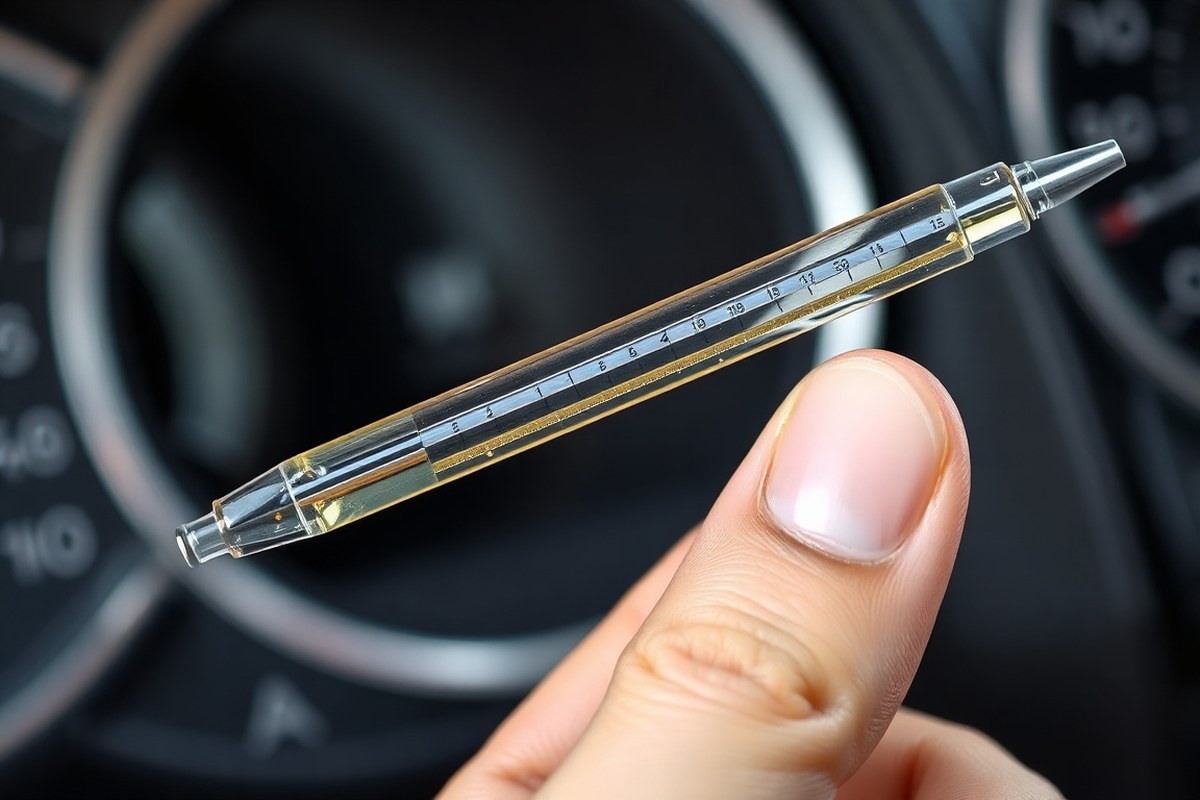
When overdue, check your oil’s color and level before driving more miles. Dark, gritty oil means it’s time to change immediately.
Also, consider your driving conditions; stop-and-go traffic and hot weather can reduce oil effectiveness. So don’t delay your service if you face these conditions.
Being a few hundred miles late means drive gently. Book an oil change soon to protect your engine. If you’re 2,000 miles or more overdue, get an oil change right away.
This avoids engine damage and high repair costs. Replacement oil and filter usually cost around $30 to $70.
Remember, oil changes aren’t only about miles. Oil can age chemically with time. Change it every 12 months even if you don’t drive much.
Follow your owner’s manual or maintenance minder. Change oil when either tells you to keep your engine healthy.
Which Oil Types Affect How Often You Should Change Your Oil?
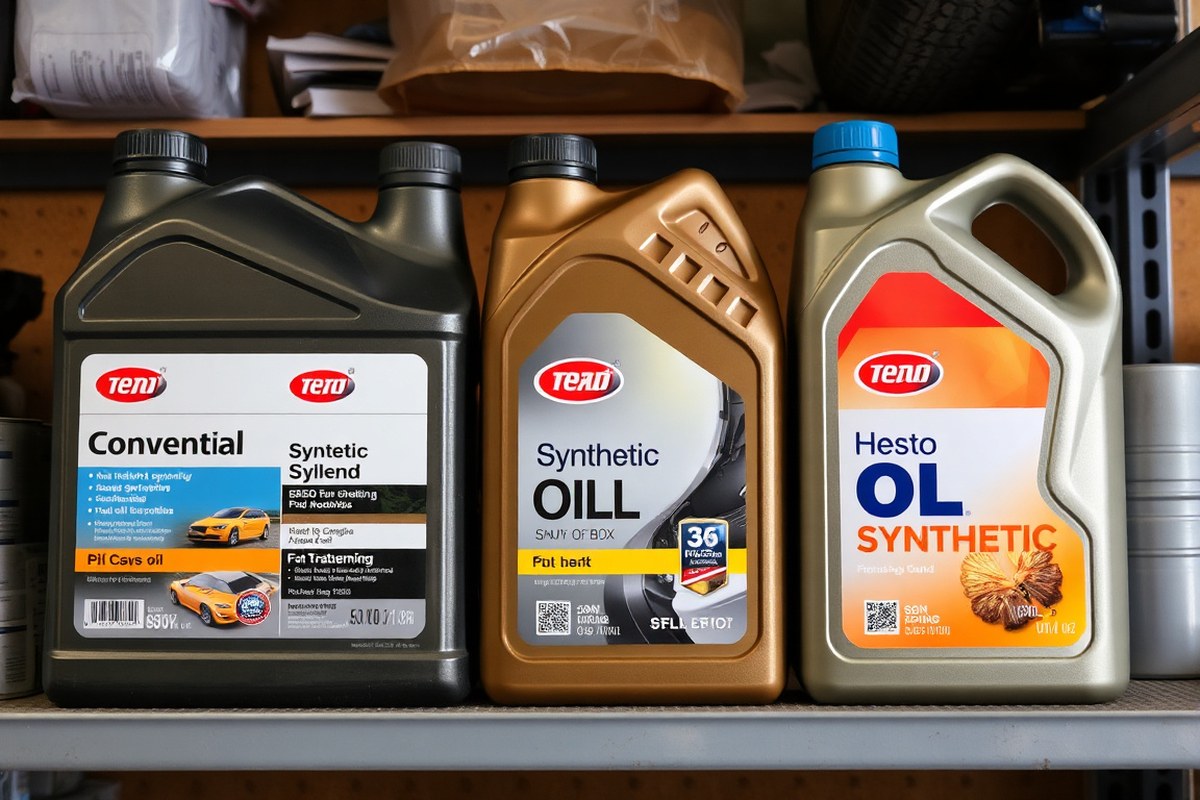
You can choose from conventional, synthetic blend, or full synthetic oils for your car. Conventional oil comes from crude oil and breaks down faster.
So you need to change it about every 5,000 miles. Synthetic blends mix conventional and synthetic oils and last a bit longer than conventional.
Full synthetic oil handles heat and engine stress much better. You can usually stretch oil change intervals with full synthetic oil to about 10,000 miles. This longer interval saves money despite its higher upfront cost because you change oil less often.
| Oil Type | Recommended Change Interval (Miles) | Cost Range Per Oil Change |
|---|---|---|
| Conventional | Up to 5,000 | $20 to $60 |
| Synthetic Blend | 5,000 to 7,500 | $30 to $75 |
| Full Synthetic | 7,500 to 10,000 | $40 to $125 |
Oil change intervals are not one-size-fits-all, though. Both mileage and time matter. Don’t drive much?
Change your oil at least once a year to protect the engine. Dark or sludgy oil means it’s time for a change, regardless of miles.
You might hear synthetic oil lets you drive well past the usual interval. That can happen, but only a little.
Driving habits and conditions affect how far you can push it. Regular checks and following your car manual’s guidelines matter most.
Don’t ignore the calendar. Even synthetic oil needs an annual change if you drive under 5,000 miles.
Full synthetic oil’s longer life means fewer visits to the shop. But it costs more each time.
Driving mainly in light city traffic may reduce how much you notice synthetic oil benefits. Rough driving conditions can shorten even synthetic oil’s life.
How Driving Conditions Change Your Safe Oil Change Interval
Your driving habits can change how long your oil stays fresh. Severe conditions like towing, short trips, or extreme weather speed up oil breakdown.
Short trips under 10 miles mean your engine doesn’t fully warm up. That causes moisture and dirt to build in the oil.
Extreme heat above 90°F or freezing cold below 32°F also harms oil life. Towing heavy loads or driving on dusty roads stresses the engine more.
- Trips shorter than 10 miles, especially in freezing weather
- Frequent stop-and-go or idling in traffic
- Regular driving in temperatures below 32°F or above 90°F
- Towing trailers or carrying heavy loads often
- Driving on dusty or hilly terrain
Cars usually come with two recommended schedules: normal and severe service. Most drivers who do short trips or face hard conditions should pick severe service intervals. These intervals cut your oil change mileage in half compared to normal driving.
You should plan oil changes every 3,500 to 5,000 miles. This applies if you mostly drive under severe conditions. For normal driving, oil can last 7,500 to 15,000 miles.
This depends on your vehicle and oil type. Watch your dipstick for oil that looks dark or gritty.
Also check if the level is low. These conditions need earlier changes.
Checking your owner’s manual helps confirm your car’s exact severe service interval. Some newer cars use oil-life monitors, adjusting when you need a change based on driving.
If you tow or take many short trips, follow severe interval rules. Do this even if your oil monitor shows more life remaining.
Key Signs Your Oil Is Overdue for a Change
You can tell oil needs changing by its look, smell, and engine sounds. Checking the oil yourself helps avoid costly engine problems. Watch for warning lights and odd noises too.
Visual Signs in Your Oil
First, check the oil’s color and texture. Fresh oil is amber or light brown and clear.
Old or overdue oil looks dark, dirty, or gritty. It may not meet the proper oil level on the dipstick either.
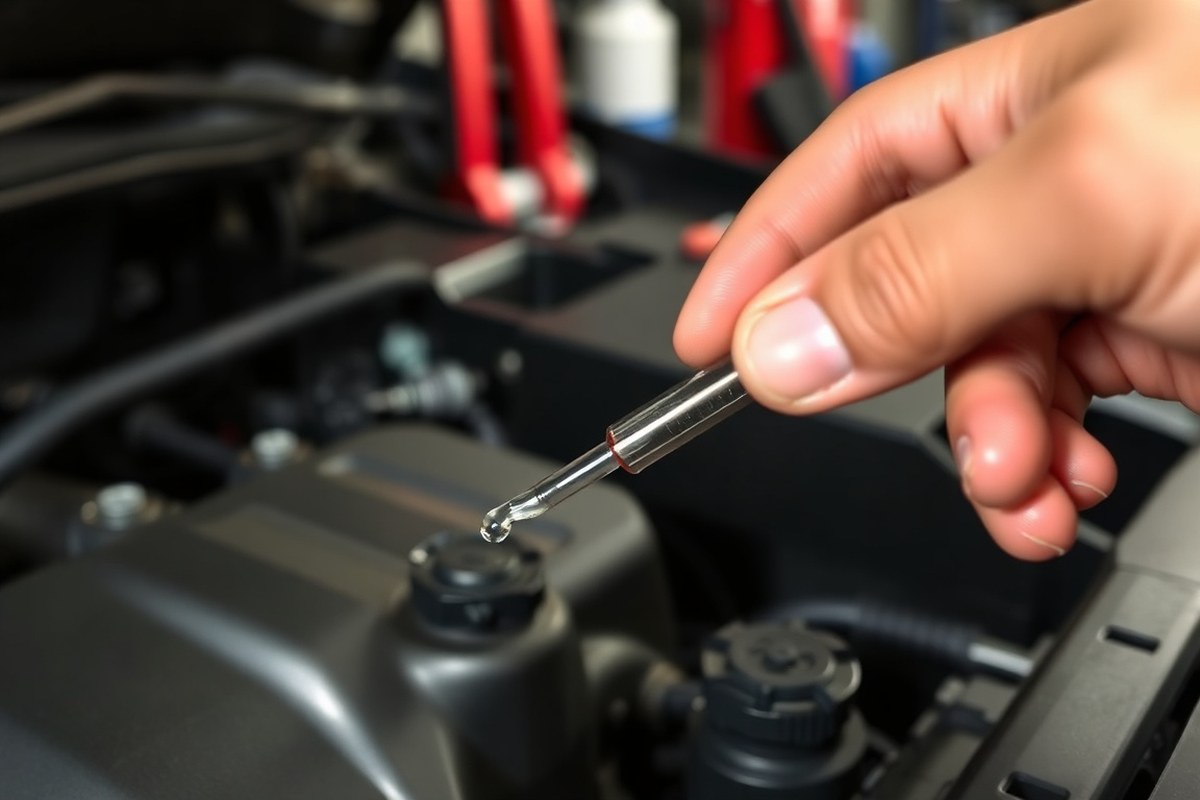
To inspect, turn off your engine and wait 20 minutes for oil to settle. Pull out the dipstick, wipe it clean, then reinsert and pull it out again.
Look at the oil on the end of the stick under good light. If it’s very dark or thick, it’s time for a change.
Dirty oil loses its ability to lubricate your engine well. This can lead to engine wear and overheating. Catching dirty oil early saves you money on repairs.
Engine and Dashboard Warning Signals
Your car’s dashboard lights give clear signs when the oil needs attention. The “Oil Change” or “Maintenance Required” light usually comes on near scheduled service time. Don’t delay scheduling an appointment after this light appears.
The “Check Engine” light might appear if oil quality worsens or engine components begin to suffer. This signals a more urgent problem needing mechanics’ attention quickly. Ignoring these lights can lead to engine damage and higher repair costs.
Also listen for new or unusual engine noises. Engine knocking, ticking, or louder than normal sounds suggest low or dirty oil. These noises mean the lubrication isn’t protecting the engine parts properly anymore.
Smell and Performance Indicators
A strange burning smell inside or outside the car can mean old oil overheating or leaking. This smell usually appears after driving for some time. Address burning smells promptly because continued driving could harm the engine.
Watch for drops in engine performance, like sluggish acceleration or rough idling. Poor oil condition affects engine efficiency. It can also cause higher fuel consumption and increased exhaust smoke.
Here’s a simple checklist to spot overdue oil change signs:
- Oil looks dark, dirty, or gritty on the dipstick
- Oil level is below the recommended mark
- Oil Change or Maintenance Required light turns on
- Check Engine light signals oil-related problems
- Engine noises such as knocking or ticking
- Burning oil smell inside or near the engine
- Decreased engine performance or rough idling
Follow your vehicle manual’s instructions to check oil properly. Schedule your oil change within the next one to two weeks after spotting these signs. Timely oil changes keep your engine running smooth and extend its life.
How Often Should You Really Change Your Oil According to Experts?
Modern carmakers usually say to change your oil every 5,000 miles or more. The old 3,000-mile rule isn’t always needed now because oil and engines have improved. Your best bet is to check your owner’s manual for the exact interval.
Legacy 3,000-Mile Rule vs Modern Recommendations
The 3,000-mile oil change rule dates back to older engines and oils. Back then, oil broke down faster, so frequent changes were a must.
Today’s oils last longer. Most engines can run 5,000 miles before needing a change.
Some modern cars even stretch oil changes to 7,500 or 10,000 miles under normal driving. Overdoing the 3,000-mile rule now can waste money and resources. However, severe driving conditions might still require shorter intervals.
Using Your Owner’s Manual and Vehicle Data
Your owner’s manual has the most accurate oil change schedule for your car. It considers your engine type, oil recommended, and other factors unique to your vehicle. Find the maintenance section and look for oil change mileage and time limits.
Most manuals say when to change the oil filter. This step is key to keep your oil clean. Changing the oil filter helps your engine run smoother.
Following the manual helps you avoid engine wear or voiding the warranty. You might not have the manual. Some automakers post digital versions online.
Role of Oil-Life Monitors and Maintenance Minder Systems
Many newer cars have oil-life monitors that track oil condition, not just miles. These systems warn you when it’s time to change oil based on real engine use. They adjust to how you drive, whether mostly highway or stop-and-go traffic.
When the oil change light comes on, plan your visit soon to avoid engine damage. Oil still breaks down from time and heat, even if you rarely drive. Scheduling your next change during service keeps you ahead of problems.
Always check your oil level regularly if you go past the recommended intervals.
What to Do If You Are Overdue on Your Oil Change Now
Your oil change is overdue; don’t panic, but act soon. Driving a little longer on old oil can cause engine wear. Still, rushing to a shop in heavy traffic or harsh conditions may cause more harm.
Adding oil can help if the level is low. But it’s not a full fix. Use the dipstick to check.
Add half a quart slowly, then check again. Keep adding until oil reaches the “full” mark on the dipstick.
Running on dirty oil for too long may need a professional check or oil analysis. This helps spot engine damage or oil breakdown. Ask your mechanic if you feel unusual engine noises or poor fuel economy.
- Park your car on level ground and turn off the engine. Wait five minutes for oil to settle.
- Pull out the dipstick and wipe it clean with a paper towel or rag.
- Reinsert the dipstick fully, then pull it out again to check the oil level.
- Add half a quart of the recommended oil type if the level is low.
- Wait a minute, then repeat the dipstick check and add more oil if needed.
- Schedule your overdue oil change for the earliest convenient time to avoid extra engine wear.
- Avoid driving long distances or hard conditions until your oil is changed.
- When the oil warning light is on or engine sounds rough, take your car to a mechanic right away.
How Time Factors into Oil Change Frequency Alongside Mileage
Your oil breaks down over time, even if your car’s mileage stays low. Chemical changes happen inside the oil as it sits, reacting with heat and moisture. These reactions reduce the oil’s ability to protect your engine properly.
Most car makers suggest an oil change every 12 months, regardless of mileage. This is because oil oxidizes and gets contaminated slowly but steadily. Waiting more than a year can cause sludge buildup.
Sludge harms engine parts. This hurts your engine’s performance.
Some drivers don’t hit high mileage quickly, especially on short trips or seasonal use. The oil loses quality after 6 to 12 months. Air and moisture affect it inside the engine.
This causes the oil to age. That’s why oil changes aren’t just about miles but also about calendar time.
Changing oil on time costs about $40 to $70 at most shops. It only takes 30 minutes but saves you costly repairs.
A good oil change keeps your engine running smoothly and can improve fuel efficiency. Skipping this for too long increases wear and overheating risks.
Driving in hot climates or heavy traffic makes oil degrade faster. Extreme conditions speed up oil wear. Then 6-month changes might suit you better than yearly ones.
Your owner’s manual explains if you need shorter oil change intervals. It depends on your driving and oil type. Check to be sure.
Common Myths About Oil Changes Debunked by Mechanics
Many believe you must change your oil every 3,000 miles. This is a leftover from older engine designs and conventional oils.
Modern cars and synthetic oils can go between 5,000 and 10,000 miles. This depends on your vehicle and how you drive.
Synthetic oil doesn’t harm older engines. In fact, it helps protect against wear better than conventional oil.
Some fear synthetic oil leaks or burns in older engines. But most manufacturers now recommend synthetics for all vehicles made in the past 20 years.
Waiting indefinitely for an oil change because your driving feels easy is risky. Even if you drive mostly on highways or gentle roads, oil breaks down over time. Change your oil at least once a year.
This keeps contaminants from building up. It helps protect your engine.
- 3,000-mile intervals are typically for older cars or severe driving conditions.
- Synthetic oil allows longer oil change intervals, often up to 10,000 miles.
- Change oil yearly even if you drive fewer miles.
- After an oil change, watch your car for 1,000 miles for leaks or issues.
- Harsh conditions may require oil changes closer to 5,000 miles.
- Look for your vehicle’s guide for recommended oil type and change intervals.
Troubles usually show up within the first 1,000 miles after switching oils or intervals. Check oil level and color regularly, especially with synthetic oil.
Fresh synthetic oil can boost fuel economy after 500 to 1,000 miles. You may see savings at the gas pump.
Don’t ignore time-based oil changes; oil breaks down even if miles are low.
How to Find Your Vehicle’s Specific Oil Change Interval
To find your car’s exact oil change mileage and time limits, check your owner’s manual first. Use online resources from your vehicle maker or dealer for updates. Oil analysis services can also fine-tune your intervals based on your engine’s condition.
Consulting Your Owner’s Manual
Your owner’s manual is the best place to start. It lists the oil type, mileage, and time intervals recommended for your car’s engine. Following these instructions helps keep your powertrain warranty valid and your engine healthy.
If you lost your manual, search online for a digital copy. Most manufacturers offer free access to owner’s manuals as PDFs.
It may take a few minutes. But you’ll get the official schedule straight from the source.
Using Manufacturer and Dealer Resources
Car makers and dealers often provide tools to help you find your oil change interval. Many sites have a service schedule finder where you enter your vehicle’s year and model. It shows the recommended miles and months between changes.
Visiting or calling your dealer can give you specific advice. They can explain what maintenance your car needs right now and what to skip. This avoids paying extra for unnecessary services that don’t fit your driving habits or engine type.
Considering Oil Analysis Services
Oil analysis offers a personalized way to know when to change oil. You send in a sample of your used oil. A lab tests it for contaminants, metal particles, and how much it’s broken down.
This test costs about $20 to $50 and takes a few days for results. It shows if your oil still protects your engine well or if it needs changing sooner. This method suits drivers who want a precise schedule based on actual oil condition.
Follow these steps to find your recommended oil change interval:
- Locate the owner’s manual for your vehicle or download it online.
- Check the oil change mileage and time intervals listed inside.
- Visit the manufacturer’s official website or dealer site.
- Use their tools by entering your car’s model and year.
- Note any updates to the oil change schedule specific to your vehicle.
- Ask your dealer about the best interval based on your driving conditions.
- Consider sending a used oil sample to an oil analysis lab.
- Adjust your oil change timing based on the oil test results and advice.
Your Step-by-Step Oil Change Action Plan
Follow these steps to handle your overdue oil change safely.
- Day 1: Check your oil level with the dipstick to spot any low oil. When oil is low, add the correct type soon.
- Within 2 days: Schedule an oil change appointment as soon as possible. Confirm the shop uses the oil grade recommended in your owner’s manual.
- Before driving long distances: Inspect your engine for leaks or unusual noises. Avoid long trips if you notice problems until the oil is fresh.
- After the oil change: Keep your receipt. Write down the date and mileage. This helps track your next oil change. This helps you track when the next service is due.
- Weekly: Check oil level. Watch for dark or dirty oil. It means you might need an early change.
- Monthly: Review your driving conditions. Heavy stop-and-go or dusty roads may require earlier oil changes despite mileage limits.
- Every 6 months: Change oil twice a year. Even if you don’t drive much, oil breaks down over time.
Frequently Asked Questions
How Risky Is Going 1,000 Miles over the Oil Change Interval?
Most cars can safely go 1,000 miles over once. Avoid making this a habit.
Frequent delays can cause engine problems. Driving style and conditions affect how much stretch is safe for your oil change.
Can Delayed Oil Changes Permanently Damage the Engine?
Yes, delaying too long can cause engine wear and poor lubrication. Regularly putting off oil changes increases the risk of costly engine damage over time.
What Happens If I Use Synthetic Oil but Follow Conventional Oil Change Intervals?
Using synthetic oil on a conventional schedule is safe but wastes its full potential. Synthetic oils usually allow for longer intervals, so you might change it too early.
Should I Reset My Oil Change Light If I Go More Miles Than Planned?
Resetting the oil change light won’t fix oil condition or engine wear. Change the oil first, then reset the light to keep accurate maintenance tracking.
How Do I Know If My Oil Filter Also Needs Replacement with My Delayed Oil Change?
Oil filters should be changed at every oil change, even if delayed. Old filters get clogged and reduce oil flow, risking engine damage.
Final Thoughts
Driving even a few hundred miles over your oil change can raise engine risk. But short delays generally won’t cause harm. Keep oil fresh as much as you can.
Check it often, especially with long gaps between changes. Schedule your next oil change now. Track mileage and conditions to protect your engine over time.