How Dangerous Is Working on an Oil Rig? A Complete Guide to Risks and Safety
How dangerous is working on an oil rig? It ranks among the riskiest jobs out there, with serious injuries and deaths occurring regularly. Major causes are contact with heavy equipment, slips, falls, fires, and gas exposure.
Know which hazards cause most accidents. Stay alert while you work. Safety depends on your awareness.
Fatigue is a big factor because shifts often last 12 hours or more. Lack of sleep affects your focus, increasing accident risks. Watch for tiredness signs.
Get rest whenever you can. Long shifts raise accident risk.
Transportation adds danger too. Vehicle crashes cause half of work deaths. Be extra careful traveling to rigs.
Always follow safety rules during travel and evacuations. Knowing these risks helps you stay safer overall while working.
Key Takeaways
- Contact with moving heavy equipment causes about 26% of oil rig deaths.
- Long shifts often last 12 hours, creating fatigue and lowering focus.
- Fires and explosions make up roughly 16% of rig worker fatalities.
- Falls are common with a 2% annual increase in rig industry injuries.
- Vehicle crashes account for 50% of deaths during transportation phases.
- Exposure to dangerous gases like H2S remains a frequent hazard.
How Dangerous Is Working on an Oil Rig Compared to Other Jobs?
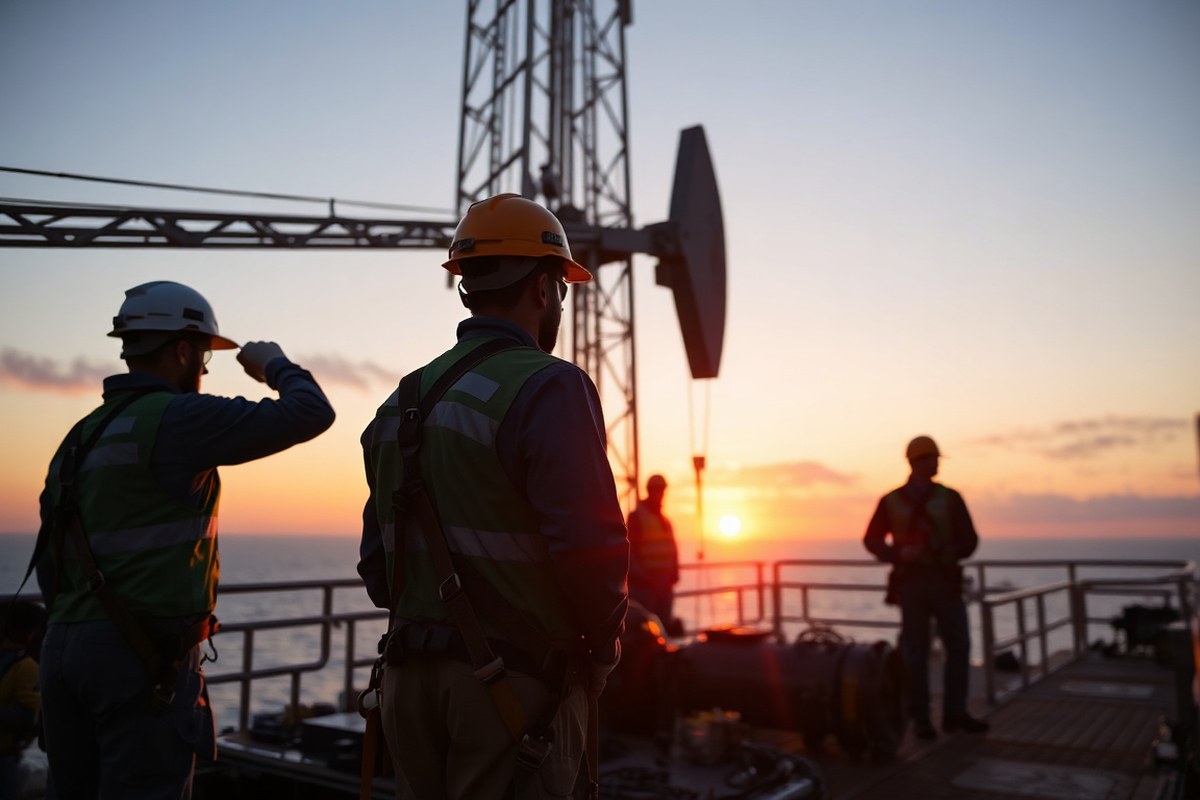
Working on an oil rig ranks as one of the riskiest jobs in America. The Bureau of Labor Statistics (BLS) recorded 14.2 deaths per 100,000 full-time oil and gas workers in 2022. This death rate is about four times higher than the private industry average of 3.7 deaths.
The danger is even more apparent when compared to industries that also carry significant risks. For example, construction workers face a fatality rate of about 9.5 per 100,000. Agriculture workers have rates closer to 23.9, according to the BLS.
Oil and gas extraction is riskier than construction work. It is somewhat safer than farming when it comes to fatal injuries.
Severe injury rates on oil rigs also highlight the risks. Reports from 32 states over seven years counted 2,101 serious injuries. These injuries happened to oil and gas extraction workers.
These included major injuries like amputations and hospitalizations. This injury rate is about seven times higher than in other fields. It shows rig injuries happen often and tend to be severe.
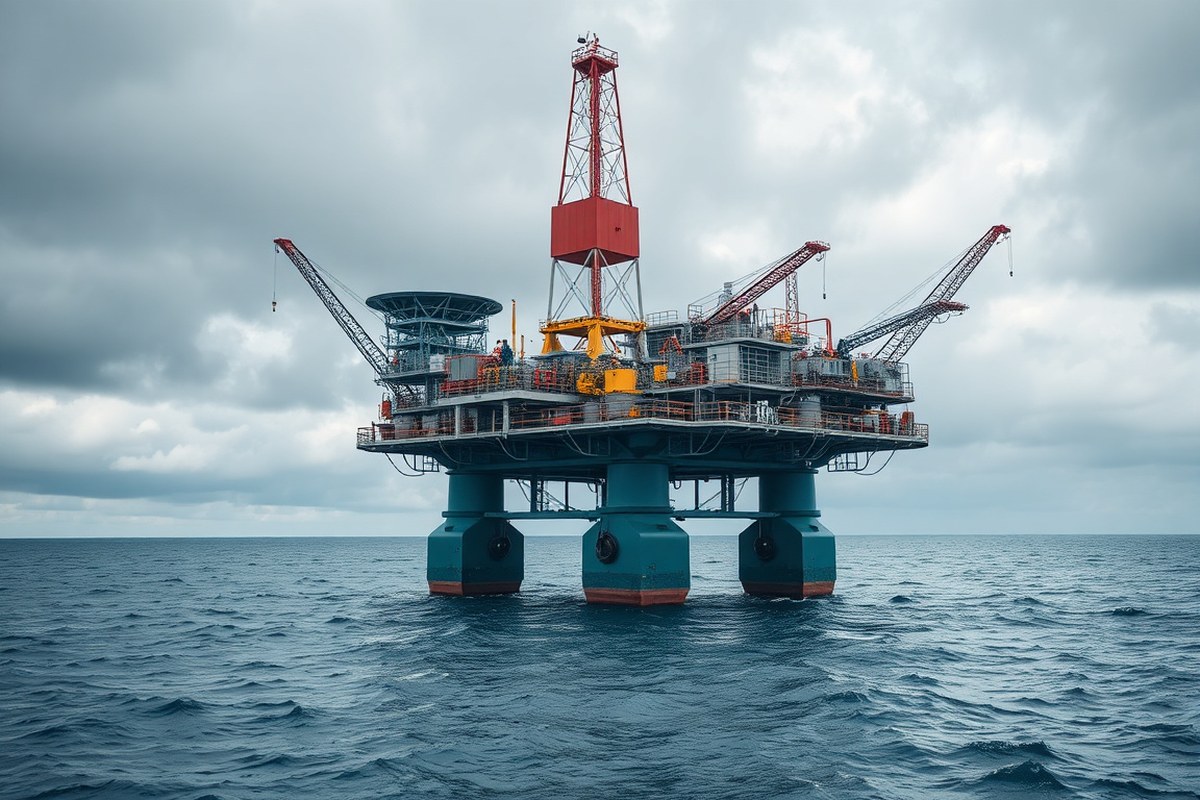
The national fatality rate for oil and gas jobs hovers around 16.6 per 100,000 workers, ranking it among the deadliest industries. Offshore rigs hold extra dangers for workers every day. Many deaths result from falls, drowning, and chemical exposures.
From 2009 to 2012, 63 workers died in rig accidents, many offshore. More recently, there were ten deaths in 2023 and five in early 2024. This shows the risk remains consistent, despite safety efforts.
Injury risk is compounded by the harsh marine environment and use of heavy machinery. Falls from heights and slippery surfaces cause many accidents. Workers wear steel-toed boots and safety gear.
But slips and falls into the water are common causes of injury and death. The unpredictable conditions offshore make every day on the rig a challenge.
Jobs on oil rigs involve higher risks than most other U.S. Jobs.S. Yet the industry still employs over 119,000 workers. Many injuries could be avoided with care and proper safety. Workers still face serious dangers, making this one of the deadliest careers.
What Are the Most Common Hazards Faced on Oil Rigs?
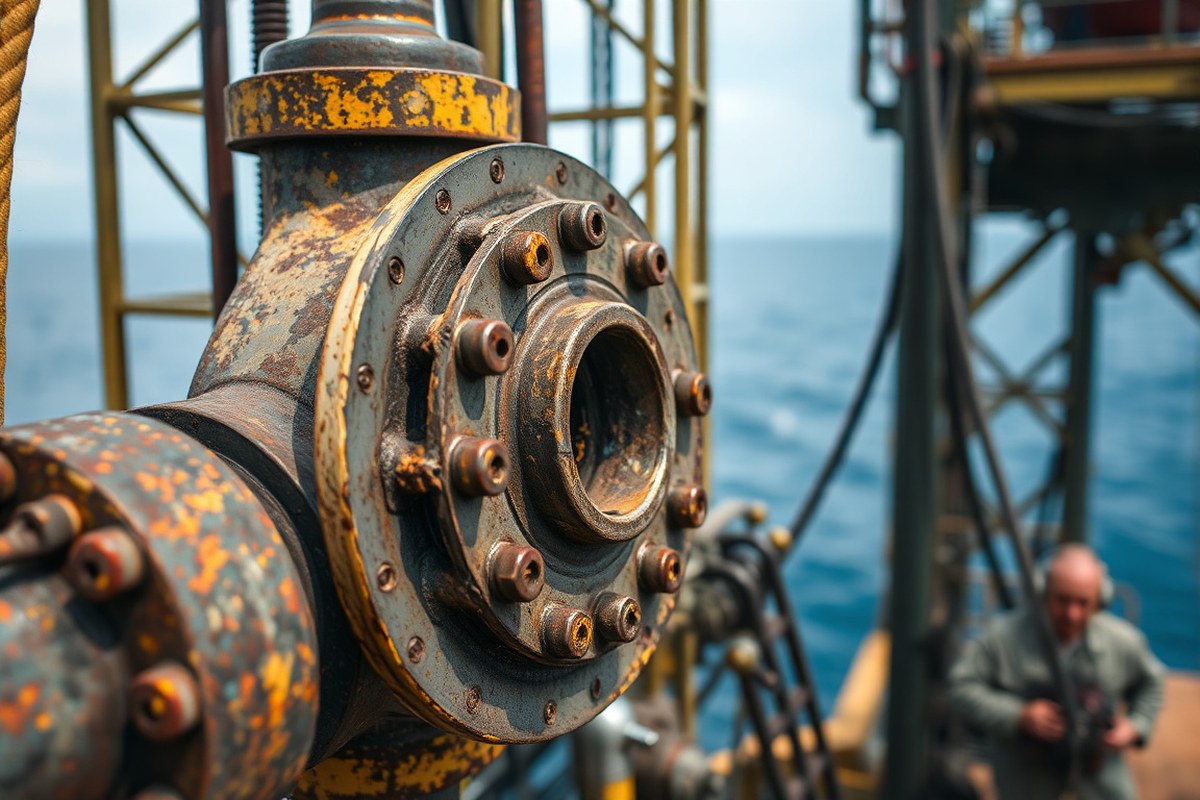
Contact with equipment causes nearly 26% of oil rig fatalities, according to the CDC. Heavy machinery is a constant physical hazard. Workers risk crush injuries, entanglement, or being hit by machine parts.
Mishandled or broken equipment increases these dangers. Stay alert and cautious around machinery. Safety depends on regular maintenance and careful operation of gear, plus clear communication among crews.
Chemical dangers on rigs include exposure to hazardous gases like hydrogen sulfide (H2S). These gases are often invisible and odorless but can be deadly quickly.
Workers must use gas detectors and wear personal protective equipment like respirators to reduce risk. Training on emergency response to gas leaks is critical, given recent fatal incidents.
Environmental conditions further increase danger. Offshore rigs face high winds, storms, and rough seas. These factors cause slippery surfaces and unstable footing.
Equipment or tools dropped from heights can strike workers or damage gear. Workers should secure tools and wear fall protection harnesses, especially when working several stories up.
Weather also affects equipment performance and worker alertness. Cold, wet, or hot environments increase fatigue and accident chances. Staying alert means taking regular breaks and following scheduled rotations.
Remote sites add hazards from storms and dangerous marine animals. These dangers need clear emergency plans. Workers must be ready for sudden natural events.
To reduce injury risks, crews must regularly check and maintain machinery. Follow this checklist: Check moving parts every day. Make sure guards are installed.
Test emergency stops regularly for safety. Replace worn components immediately.
For chemical hazards, always test the air quality before entering confined spaces. Use gas detectors continuously when working near tanks or wells.
Environmental precautions include checking weather forecasts every shift start. Secure loose gear and maintain clean, dry walkways. Wear non-slip boots and use handrails on stairs.
Training sessions should include hazard recognition drills and safe equipment handling. These efforts help reduce accidents significantly on every rig.
Never ignore warning alarms or safety checks, equipment failure and gas leaks can become deadly fast.
How Do Fires, Explosions, and Blowouts Happen on Oil Rigs?
Fires, explosions, and blowouts on oil rigs happen from fuel catching fire. Pressure can build up too high. Sometimes safety steps fail, causing accidents.
These events threaten lives and damage equipment. Knowing what triggers them and how to stop them can keep you safe.
Causes of Fires and Explosions
Any spark or heat near flammable oil or gas can start a fire or explosion. Friction from machinery parts or electrical shorts are common spark sources. Sudden pressure rises in the well can also cause ruptures leading to explosions.
Workers sometimes overlook small leaks or fail to check equipment carefully, which creates risks. Not following strict maintenance schedules or using the wrong tools can lead to dangerous failures.
The CDC reports 9 percent of oil extraction deaths are from explosions. This shows how important it is to avoid these errors.
Blowout Prevention Measures
Blowouts happen when pressure underground forces oil or gas uncontrollably to the surface. To avoid this, rigs use blowout preventers, which seal the well if pressure spikes. These devices are tested and maintained daily to catch pressure changes quickly.
Proper drilling techniques and continuous pressure monitoring detect problems early. Workers must carefully follow protocols during drilling and stop if unexpected pressure is detected. Ignoring pressure warnings or failing to maintain preventers can lead to blowouts with disastrous results.
Emergency Response Procedures
Rigs train workers to act fast if fires, explosions, or blowouts occur. They practice evacuation drills regularly.
So everyone knows exit routes and where to find safety gear. Personal protective equipment like flame-resistant clothing, helmets, and breathing apparatus help workers survive hazardous conditions.
After a fire or explosion, alarms warn the team immediately. They shut off power and fuel to stop feeding the fire.
Following these steps quickly reduces damage and injury risks. Not staying calm or failing to follow emergency steps often makes accidents worse.
What Are the Health Risks Beyond Immediate Injuries on Oil Rigs?
Chemicals on oil rigs pose serious health risks over time. Drilling fluids, solvents, and gases can cause skin irritation and respiratory troubles. Long-term exposure may increase risks of cancer and neurological problems.
Wearing proper protective gear like gloves and respirators helps reduce contact. Regular medical checkups can spot early signs of damage.
Noise on oil rigs is loud and constant. This exposure often leads to hearing loss or tinnitus. Using hearing protection such as earplugs or earmuffs during shifts is important.
It’s important to replace hearing protection regularly and get hearing tests at least annually. Avoiding unnecessary noise during off-hours also helps recovery.
Mental health challenges affect many rig workers. Long shifts and being away from family add to stress and anxiety. Fatigue worsens these problems by reducing focus and increasing irritability.
Prioritize at least 7 hours of sleep between shifts. Use relaxation techniques like deep breathing. Talking to a mental health professional can also support well-being.
Fatigue increases the odds of both injury and illness on rigs. Shifts often run 8 to 12 hours for up to two weeks nonstop. Fatigue lowers alertness, making accidents more likely and weakening the immune system.
Employers should schedule mandatory rest periods and limit overtime when possible. If you feel extremely tired, report it and rest before returning to work.
How Do Fatigue and Human Factors Increase Risk on Oil Rigs?
Workers on oil rigs often pull shifts lasting between 8 and 12 hours, sometimes even longer. These long hours can cause serious fatigue, especially without enough rest between shifts. Fatigue reduces alertness and slows reaction time, increasing the chance of mistakes that could cause accidents.
Fatigue leads to errors like forgetting safety steps or misjudging equipment conditions. For example, chemical spills can happen when tired workers fail to check gear properly. Rig operators face serious risks if they skip steps or lose focus during critical tasks.
Operators must follow strict work-rest schedules to manage fatigue. One rule is never to work more than 12 hours straight. You must have at least 8 hours off after that.
That helps you rest and stay alert. Companies use fatigue plans with regular breaks and good sleep. They also watch workers for signs of exhaustion.
These steps help keep workers safe. This helps keep focus sharp and errors low.
Reducing human error also means clear checklists for daily tasks. These lists guide workers step-by-step, ensuring no safety measure is missed even when tired.
For example, a checklist for inspecting pressure valves prevents dangerous oversights. Supervisors can use decision rules like “stop work if alertness drops” to avoid accidents.
Fatigue management costs time and some scheduling complexity but greatly lowers accident risk. A well-rested crew is less likely to cause costly injuries or delays. Trouble comes when workers skip rest or ignore safety checklists.
This raises risks of falls, burns, and equipment failures. Staying rested and following rules prevents accidents.
Always report feeling overly tired before your shift; working exhausted puts everyone in danger.
How Do Transportation and Evacuation Risks Add to Oil Rig Danger?
Helicopter and boat travel pose serious risks for oil rig workers. Helicopter crashes, while rare, can be deadly.
For example, a 2015 crash off Nigeria’s coast killed four workers. Boats face hazards like rough seas and collisions that can lead to drowning or injuries.
Most transportation accidents happen due to bad weather, mechanical failure, or pilot error. Fatigue among pilots or crew also raises risks.
Helicopter landings on small helipads require skill and vigilance. Boats must navigate stormy waters and avoid oil rig equipment and other vessels.
Safety checks aim to prevent these accidents. Pilots and crew undergo strict training and regular medical exams.
Aircraft and boats get detailed inspections before every trip. Workers receive safety briefings about the weather, emergency signals, and evacuation procedures before boarding.
In emergencies, evacuation plans start quickly and follow precise steps. Alarms sound on the rig, triggering worker muster points.
Crew help workers put on life jackets or immersion suits. Helicopters or boats then transport workers away from danger zones.
On-site, drills happen regularly to practice safe evacuation. Workers learn how to stay calm and move efficiently.
Special lifeboats and fast rescue craft are ready to launch. Personnel trained in survival and first aid support injured or stranded workers.
Off-site evacuations factor in distance, weather, and available transport. Some rigs are far offshore, so helicopter flights can last over half an hour.
Workers and emergency responders coordinate communication via radios and satellite phones. This ensures help reaches the right place at the right time.
Costs for safety checks and training vary but are essential. Helicopter maintenance can run thousands of dollars per flight hour.
Frequent drills require time and resources but lower injury and fatality risks. Skipping any step increases chances of accidents or confusion during evacuations.
Many rigs have backup systems for power loss or fire to keep communication working. This matters in sudden emergencies when fast decisions save lives.
Expect strict enforcement of safety rules for transport and evacuation on rigs. These measures reduce risks but cannot completely remove danger from offshore travel and evacuation.
What Legal Rights and Options Exist After Oil Rig Injuries?
Injured workers on oil rigs often have legal protections and options. They can file workers’ compensation claims and may sue their employers under maritime law. Whistleblower rules protect workers who report unsafe conditions.
Steps to Take After an Injury
Taking clear actions right after an injury helps protect your rights. Write down what happened and report the injury to your supervisor immediately. Keep copies of all medical records and communications about your injury.
- Notify your employer or supervisor about the injury in writing. Make sure to keep a copy.
- Seek medical care promptly and save all treatment records.
- Document where, when, and how the injury happened. Take photos if possible.
- File a workers’ compensation claim through your employer or insurance.
- Follow all medical and employer instructions to avoid claim denial.
- Contact an experienced oil rig injury lawyer if you face claim denial or unclear liability.
- Keep a diary of symptoms, treatment, and communications regarding your injury.
Legal Avenues for Compensation
Workers usually start with a workers’ compensation claim to cover medical bills and lost wages. Offshore oil rig workers often qualify under the Jones Act, letting them sue for employer negligence.
Filing a Jones Act lawsuit requires proving employer fault. It’s best to hire a lawyer experienced in maritime laws soon after the injury. Lawsuits can lead to higher compensation but take longer and cost more than workers’ compensation claims.
Choosing between options depends on your injury and employer’s response. Start with a compensation claim if you get hurt on the job.
Be ready to sue if your claim is denied. Also sue if negligence caused your injury.
Understanding Whistleblower Rights
Whistleblower laws protect oil rig workers who report unsafe conditions or violations. You can report your concerns to agencies like OSHA without fear of retaliation.
These laws allow you to keep your job and protect your health after reporting safety problems. Acting quickly and documenting your report helps strengthen your case if retaliation happens.
Contact a lawyer familiar with whistleblower protections before making formal complaints. They can guide you on safe steps to take and how to gather evidence.
What Safety Measures and Training Reduce Risks on Oil Rigs?
Oil rigs use strict safety protocols and training to reduce risks. Workers wear personal protective equipment and attend thorough drills often. Companies enforce rules through inspections and clear safety standards.
Common Safety Training Programs
Before starting work, every oil rig worker completes Basic Offshore Safety Induction and Emergency Training (BOSIET). This covers sea survival, firefighting, and escape from helicopter underwater crashes.
The training usually lasts several days and costs vary by provider. But it’s required everywhere offshore.
Companies also conduct ongoing job-specific training. This includes handling hazardous chemicals and machinery safely. Frequent refresher courses help workers stay sharp on changing safety rules and procedures.
- BOSIET with sea survival and firefighting skills
- Equipment handling and hazard recognition
- Chemical safety and proper disposal
- Tool tethering and fall prevention techniques
- Regular refresher sessions every 6 to 12 months
Consistent training helps stop mistakes that cause injuries or worse. Without it, risky behavior and accidents happen more often.
Personal Protective Equipment Standards
Wearing the right PPE on an oil rig is not optional. Workers always use hard hats, gloves, steel-toed boots, goggles, and flame-resistant clothing. These items protect from falling objects, fires, chemical exposure, and noise.
Respirators and chemical-resistant gear come into play during specific jobs with toxic substances. Rigs monitor air quality constantly and keep ventilation systems running to reduce exposure risks. Tool tethering programs and toe boards prevent objects from falling, which can cause serious injuries below.
- Hard hats and safety glasses worn at all times
- Steel-toed boots and flame-resistant clothing
- Respirators for chemical handling tasks
- Gloves suited to the work, including chemical-resistant types
- Tool tethering and safety nets to prevent falls
- Regular PPE inspections and replacements
Without proper PPE, injuries from burns, cuts, or fumes become much more common. Neglecting equipment wear or damage is a serious safety violation.
Emergency Preparedness Drills
Oil rigs run regular emergency drills to keep workers ready for fires, blowouts, or evacuations. These drills test firefighting, evacuation routes, and equipment handling skills. They usually happen monthly or quarterly, depending on the rig’s policies.
Workers practice the exact steps to take if something goes wrong. This builds muscle memory and reduces panic when real emergencies happen. Drills also help companies identify and fix safety gaps quickly.
Take every drill seriously and treat each like a real emergency. It could save your life.
- Fire and explosion response simulations
- Evacuation and muster point procedures
- Helicopter underwater escape drills
- Equipment shutdown and isolation practices
- First aid and rescue training
Skipping drills or going through the motions often results in poor response during real events. Companies track attendance and performance to ensure everyone understands the safety steps.
How Do Environmental and Natural Factors Affect Oil Rig Safety?
Storms and severe weather make oil rig work riskier by creating rough seas and strong winds. High waves can toss the rig or boats around a lot. This makes work unstable and raises the risk of falls.
Equipment mishaps are also more likely in rough seas. Lightning and heavy rain cut visibility and slow down work, increasing accident chances.
Natural dangers like dangerous marine life add another risk. Creatures like jellyfish and sharks can pose dangers near the water. Workers face these threats during routine tasks.
It adds risk to offshore operations. Cold ocean water can cause hypothermia quickly if someone falls overboard.
The risk grows if they’re far from shore. Rescue takes longer in remote areas.
Being far offshore slows down emergency aid arrival time. This is critical during serious accidents or health issues. Quick help is often impossible.
Fire or injury treatment may take hours to get from shore or a support boat. Rigs far from land need onboard doctors for emergencies.
They must also carry well-stocked medical supplies. This helps until outside help arrives.
Rigs use safety systems to handle these natural risks. They hold regular emergency drills simulating storms and accidents to keep workers ready.
Specialized gear for harsh weather, like anti-slip boots and cold-weather clothing, helps reduce injury. Rigs also monitor weather forecasts closely to stop work or evacuate early when a storm approaches.
Keeping safety measures on rigs costs thousands yearly per rig. These costs help bring injury rates down significantly. It’s an important investment.
Poor upkeep or ignored warnings can lead to tragic accidents or even blowouts. Rigs adjust safety plans based on local weather and sea conditions.
Each rig’s emergency approach reflects its unique environment. This helps manage risks better.
Your Quick-Start Action Plan for Oil Rig Safety
Follow these steps to reduce risks and protect yourself on an oil rig. Each step shows you how to check your progress.
- Before Your First Shift: Review all safety procedures and emergency drills. You know it worked when you can explain the fire alarm signals and evacuation routes.
- Day 1: Use all required personal protective equipment (PPE) like hard hats and flame-resistant clothing. Check your gear fits and is undamaged before starting work.
- Week 1: Participate in training focused on handling equipment and recognizing hazards. You’ll know you’re ready when you can spot unsafe conditions and fix them or report them.
- After Two Weeks: Track your hours and rest breaks carefully to avoid fatigue. Feeling alert during your shift shows you managed your work-rest schedule well.
- Ongoing: Report any unsafe conditions or near misses immediately. When supervisors act quickly, your report helped improve site safety.
- Monthly: Join all safety meetings and refresh your knowledge on emergency actions. You’ll see benefits when drills go smoothly and confusion drops.
- Before Transport: Confirm all evacuation equipment is ready and functional. Successful checks mean you won’t panic if a quick exit is needed.
Frequently Asked Questions
How Dangerous Is Working on an Oil Rig Compared to Other Jobs?
Working on an oil rig is statistically more dangerous than most jobs. It ranks among the highest-risk occupations due to hazards like heavy equipment and flammable gases.
What Are the Most Common Hazards Faced on Oil Rigs?
Contact with equipment causes about 26% of oil rig fatalities over 11 years. Workers also face risks from hazardous gasses, falls, and fires.
How Do Fires, Explosions, and Blowouts Happen on Oil Rigs?
Fires and explosions usually start from gas leaks or equipment failure. Blowouts occur when oil or gas escapes uncontrolled from the well.
What Are the Health Risks Beyond Immediate Injuries on Oil Rigs?
Long exposure to chemicals and gases can cause chronic health problems. Mental stress from remote work and fatigue also affect health.
How Do Fatigue and Human Factors Increase Risk on Oil Rigs?
Long shifts and sleep disruption cause fatigue, making mistakes more likely. Fatigue slows reaction times and lowers alertness during critical tasks.
Final Thoughts
Working on an oil rig is dangerous but manageable with the right steps. Start by focusing on your training and safety gear. Take action today to protect yourself on the rig.