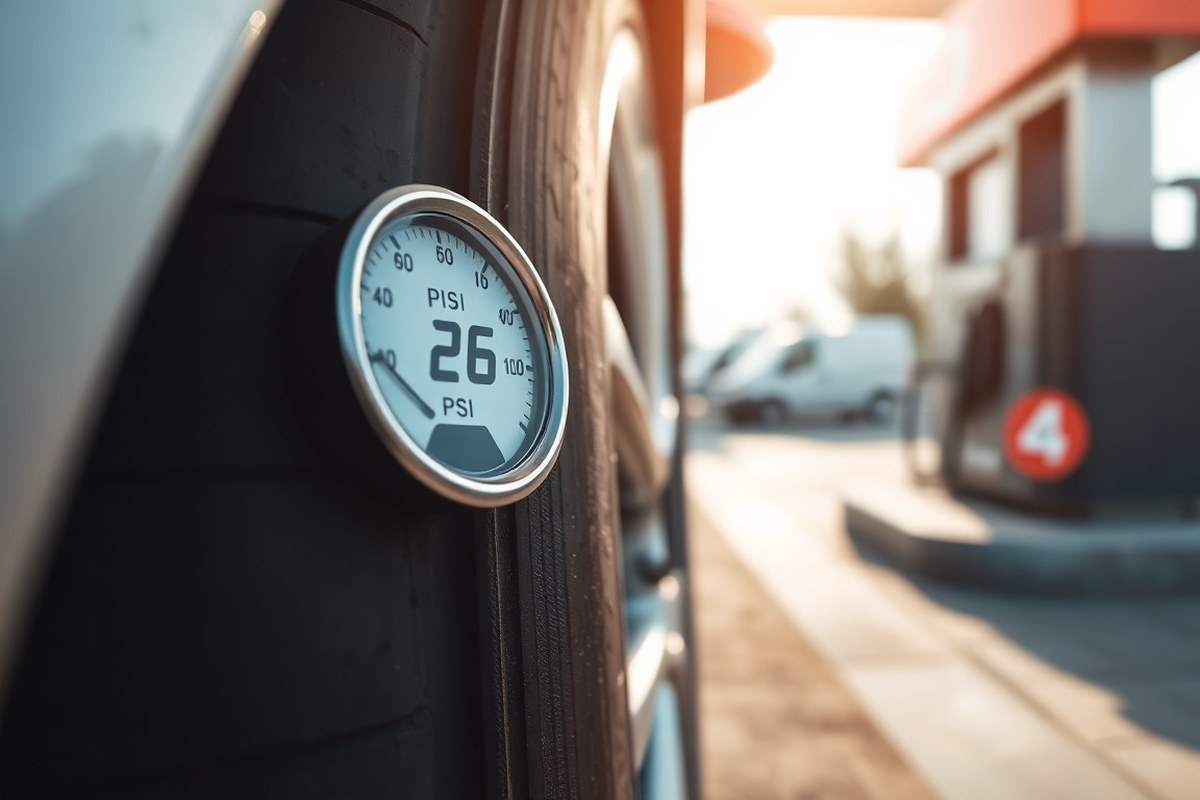
Is 26 Tire Pressure Too Low? Safety Risks and Fixes Explained
Is 26 tire pressure too low? For most passenger vehicles, yes, 26 PSI is below the recommended level.
Tires usually need between 30 and 35 PSI for safe driving. Low pressure can reduce traction, increase tire wear, and hurt fuel economy.
Driving on tires inflated to 26 PSI isn’t safe. Low pressure makes your car less stable and harder to control in turns or sudden stops. You should inflate your tires to the manufacturer’s recommended PSI as soon as you can.
This helps avoid poor handling and potential tire damage. Underinflated tires can cause heat build-up, leading to blowouts on the road. Using the right pressure also extends the life of your tires.
Use a reliable tire pressure gauge to check your pressure regularly. Check when tires are cold for the most accurate reading. Low pressure signals a possible leak, temperature drop, or slow puncture.
Key Takeaways
- Most passenger vehicles recommend tire pressure above 30 PSI, making 26 PSI too low.
- Inflate tires promptly if pressure reads 26 PSI to maintain safe handling.
- Check tire pressure when tires are cold to avoid inaccurate readings.
- Low tire pressure can cause uneven wear and reduce fuel efficiency.
- Use a digital gauge like ETENWOLF T300 for accurate pressure measurements.
- A 10°F drop in temperature lowers tire pressure about 1 PSI.
Is 26 PSI Too Low for Most Passenger Vehicle Tires?
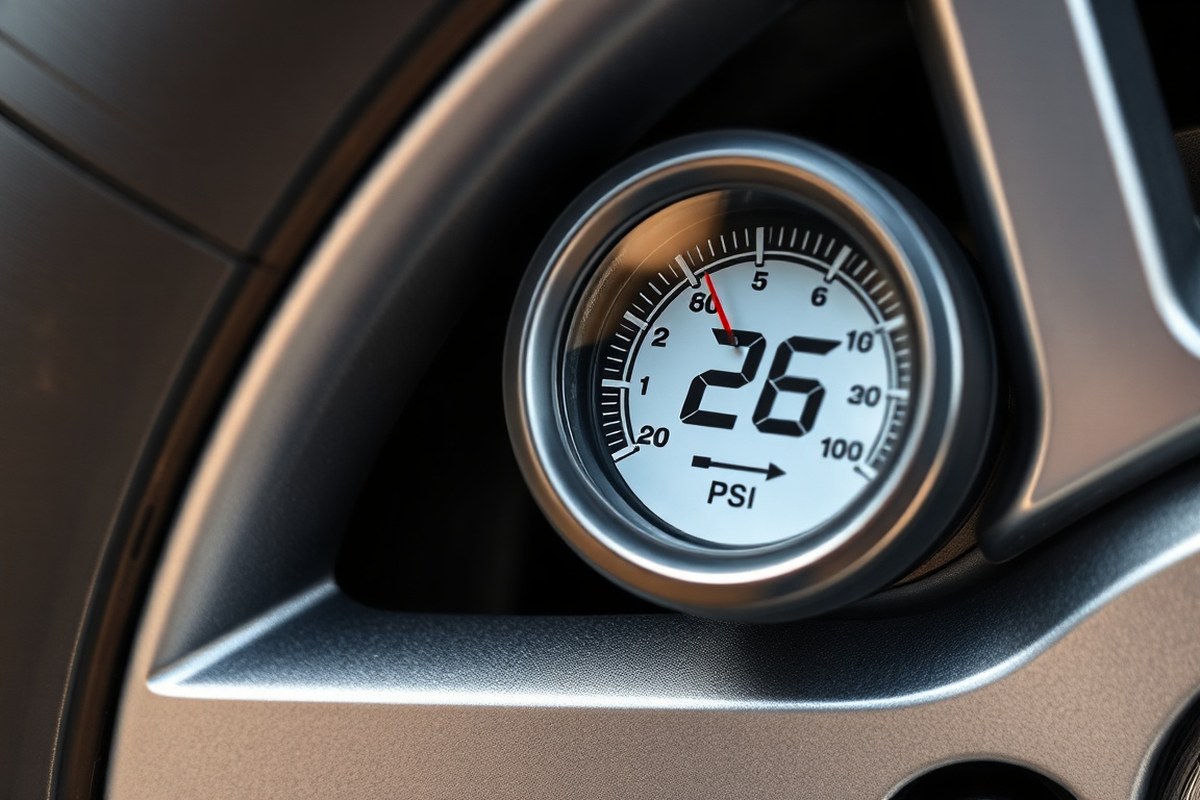
Most passenger vehicles recommend tire pressures between 30 and 35 PSI when the tires are cold. A reading of 26 PSI is usually low for many cars. It falls below the typical recommended range.
Low tire pressure can cause problems. This matters because underinflation can affect vehicle performance and safety.
You can find your car’s ideal tire pressure on the placard. Look inside the driver’s door or check the owner’s manual. Both show the right numbers.
Compare that number to your current pressure to see if 26 PSI is too low. For example, if your car needs 32 PSI, 26 PSI is about 19% lower.
This drop is a big deal. It means your tires are underinflated.
| Vehicle Typical Recommended Cold PSI | Is 26 PSI Low? |
|---|---|
| Most passenger cars 30, 35 PSI | Yes, below recommended range |
| Some light trucks 35, 40 PSI | Yes, well below recommended |
| Occasional exceptions (older or specialty tires) | 26 PSI might be acceptable |
Exceptions exist but are rare. Some specialty or older tires require lower pressures.
You need to follow what your vehicle specifies, not guess. Holding to the recommended cold PSI gives the best balance of safety and tire wear.
Use a reliable gauge to check tire pressure. Measure when your tires are cool. That means don’t drive the car for a few hours first.
This helps avoid false low readings due to heat changes. See 26 PSI and your car needs 30 or more?
Add air to the tires. This keeps pressure at a safe level.
A quick rule says more than 10 to 15% below recommended pressure is low. That means your tires don’t have enough air. Keep them properly inflated.
For a 32 PSI recommendation, below about 28 PSI signals low pressure. Since 26 PSI is usually lower than that, consider it too low for most everyday cars.
How Does 26 PSI Affect Vehicle Safety and Handling?
Driving with tire pressure at 26 PSI can increase your braking distance noticeably. Lower pressure cuts the tire’s grip on the road. This makes brakes work harder to stop you fast.
It can make your stops less safe. This effect becomes more serious if your recommended tire pressure is higher than 26 PSI.
Steering response also suffers when your tires run at 26 PSI. The tires flex more under loads, causing slower and less precise steering. This can make quick turns feel mushy and less controlled, especially on wet or slippery roads.
Fuel efficiency drops because lower pressure raises rolling resistance. Your engine must work harder, using more gas. Also, uneven tire wear often appears quicker, wearing edges faster than the center.
Operating at 26 PSI causes the tire to heat up more during driving. Extra heat builds up inside the tire from low pressure. This can damage tires over time.
It raises the chance of blowouts on long trips or hot days. Handling, braking, and safety get worse as tire pressure moves further below your vehicle’s placard pressure.
Your placard pressure near 26 PSI often matches cold tire pressure. This is usually the right pressure to use. If recommended pressure is 30 PSI or higher, 26 PSI is too low.
It’s a few pounds below what’s safe for your tires. You’ll notice reduced grip, harder steering, and longer stopping distances.
To reduce safety risks, avoid sharp turns and sudden stops at 26 PSI. Slow down and top off the tires to the correct pressure as soon as possible. Driving long distances at this pressure can cause uneven wear to accelerate, increasing maintenance costs.
Check tires when they are cold for correct pressure. Adjust the pressure before driving for better safety. This helps with handling and braking.
Can You Drive Safely on Tires Inflated to 26 PSI?
Driving on tires at 26 PSI is okay for short distances. Keep speeds slow during this time. Avoid long or fast trips with this pressure.
This applies if the tire shows no damage and is holding air well. The pressure is below the usual recommended 30 to 35 PSI for most passenger cars. So drive gently to avoid extra wear and safety risks.
Most experts say don’t go on highways or carry heavy loads with tires at 26 PSI. The tire sidewall bulges more with low air pressure. This makes handling weaker.
It can also cause uneven tire wear. At 26 PSI, limit your drive to just a few miles.
Get to an air pump quickly. Don’t keep driving far like this.
- Check tire for visible damage or bulges before driving
- Only drive slowly and avoid sharp turns or hard braking
- Keep the trip under 5 miles to prevent tire damage
- Avoid highways, heavy loads, and long trips at 26 PSI
- Refill to recommended pressure as soon as possible
- Use a tire gauge to confirm pressure when tires are cold
A short, cautious drive on 26 PSI lets you reach a gas station or tire shop. This limited driving reduces risks of tire blowouts or suspension harm. Notice the tire getting hot, vibrating, or changing shape?
Stop right away. Call for professional help to avoid danger.
Driving farther or faster at 26 PSI raises chances of tire failure and uneven tread wear. Below about 20 PSI, the danger grows critical. But 26 PSI is low enough to cause tire damage soon.
Driving on 26 PSI is unsafe for long or regular trips. Only use it for brief and careful drives. Replace or inflate tires ASAP.
How to Check and Accurately Measure Tire Pressure, Including 26 PSI Readings
Use a reliable tire pressure gauge to check your tire’s PSI accurately. Digital or manual gauges can tell you if 26 PSI is correct for your tires. Check pressure when the tires are cold for the best measurement.
Using Manual vs Digital Gauges
Manual gauges like the Milton S-921 pencil type give simple, clear readings in PSI and kPa. They cost about $5 to $10 and work well if you handle them carefully.
Digital gauges, such as the ETENWOLF T300, cost a little more, around $15 to $25. But offer faster and more precise readings.
Digital gauges give you exact pressure right away. Some are pre-calibrated for accuracy from 0 to 75 PSI. You get quick, precise readings with these tools.
Manual gauges need a steady hand to read the needle correctly. Both types do the job. But digital models reduce reading errors, especially when checking 26 PSI or low pressures.
Importance of Cold Tire Measurements
Tire pressure shifts with temperature changes. Check pressure when tires are cold.
Cold means parked three hours or driven less than a mile slowly. Measuring early morning helps avoid heat’s effect.
Measuring when hot can falsely inflate your reading by 3 to 5 PSI or more. For example, a tire with 26 PSI cold might show 30 PSI hot. Adjust inflation based on the cold measurement to stay within your car’s recommended pressure range.
How to Reset TPMS Warning After Refilling
After raising tire pressure from 26 PSI to correct, the TPMS light might stay on. It usually needs resetting. The light doesn’t always go off right away.
Many vehicles reset automatically after driving a few miles at 50 mph. Check your owner’s manual for specific reset steps if it doesn’t go off.
Sometimes a manual reset button exists near the steering wheel or under the dash. Having a calibrated gauge nearby helps you confirm each tire’s PSI.
Check the PSI before trusting the TPMS light reset. It ensures your tires have the right pressure.
Follow these steps to check your tire pressure accurately:
- Remove the valve cap from the tire’s valve stem.
- Press the tire pressure gauge straight onto the valve stem firmly.
- Hold until the gauge reading stabilizes, usually a couple of seconds with digital gauges.
- Read the pressure on the gauge; note the PSI value displayed.
- Repeat for all four tires and the spare tire if applicable.
- Compare readings to your vehicle’s recommended cold tire pressure printed on the doorjamb.
- Inflate or deflate tires as needed using an air compressor or pump.
- Replace valve caps securely after checking or filling tires.
What Causes Tire Pressure to Drop to 26 PSI Unexpectedly?
Tire pressure can drop to 26 PSI due to several reasons. Common causes include slow leaks, sudden punctures, and temperature changes. You should check these factors to find the exact reason for the pressure loss.
Seasonal Temperature Impact on PSI
As temperatures fall, tire pressure drops about 1 PSI for every 10°F decrease. If your tires were 32 PSI and the temperature drops 30°F, pressure falls.
The pressure can drop to about 29 PSI in that case. This seasonal change can make 26 PSI feel dangerously low, especially in cold weather.
Warm days increase air pressure, while cold nights deflate tires. This happens because air contracts in cold weather and expands in heat. Checking tire pressure during temperature shifts can show unexpected drops around 26 PSI.
Common Air Leak Locations
Leaks often happen at the valve stem, rim edges, or through a puncture in the tire. Valve stems can crack or fail, letting air seep out slowly.
Rim damage can break the seal and let air escape. Bead corrosion can cause the same problem under the tire’s edge.
Slow leaks cause a gradual drop of 1 or 2 PSI per month. A puncture can cause sudden pressure loss down to 26 PSI or lower. Watching for visual signs like hissing sounds or bubbling soap water tests helps find leaks.
Effect of Tire Damage on Pressure
Physical damage like nails, sharp objects, or sidewall cracks can let air escape quickly. Damage weakens the tire’s structure, reducing its ability to hold recommended air pressure. A tire with damage may look normal but still lose pressure to 26 PSI or less.
Age and wear also increase pressure loss risk. Older tires become porous and bleed air slowly. Regular tire inspections catch hidden damage before it causes unsafe pressure drops.
Check tire pressure monthly and after big temperature changes to avoid surprises like 26 PSI. Use soapy water to spot leaks around valves and rims.
How to Safely Inflate Tires from 26 PSI to Recommended Pressure
Adding air to a tire at 26 PSI requires care to avoid overinflation or damage. You need a reliable air compressor and a pressure gauge.
It also takes patience to get the right level. Follow safe steps to inflate the tire back to the recommended PSI.
Choosing the Right Air Compressor
Pick a compressor that can reach the pressure your tires need. Usually, this is up to 50 PSI or more.
Portable compressors designed for cars often come with built-in pressure gauges. Avoid using compressors without a gauge so you don’t guess the pressure.
Electric compressors powered by your vehicle’s 12V outlet cost between $30 and $70. They work well for inflating passenger tires from 26 PSI up to the recommended range. Manual pumps can work but take much longer and are less precise.
Monitoring Pressure During Inflation
Keep checking the pressure frequently, preferably after every few seconds of pumping air. Use a separate tire pressure gauge if your compressor’s gauge seems inaccurate. Stop inflating as soon as the pressure hits the recommended PSI to avoid overinflation.
It takes about 1 to 3 minutes to raise tire pressure. This is from 26 PSI to around 32-35 PSI with a good compressor.
Inflate the tires when they’re cold, before driving, because heat temporarily raises tire pressure. Keeping tires at the recommended PSI ensures safer handling and longer tire life.
Post-Inflation Inspection Steps
After inflating, inspect the tire and valve stem for any leaks or damage. Press around the tire’s edge to feel for softness that could signal uneven inflation or damage. Recheck the pressure after a few minutes to make sure it holds steady.
The pressure dropping quickly after inflation can mean a slow leak. It could also be a valve problem needing a pro.
Also, check your tire for wrinkles or bulges that sometimes appear when pressure is too low. Clean the valve cap back in place to keep dirt out and maintain a good seal.
Follow these steps to safely inflate from 26 PSI:
- Turn off your vehicle and park on a flat surface in a safe spot.
- Locate the recommended tire pressure on the sticker found inside the driver’s door.
- Remove the valve cap and check the existing pressure with your gauge.
- Attach the air hose securely to the valve stem to prevent leaks.
- Add air in short bursts, stopping frequently to check pressure.
- Inflate until the gauge reads the recommended PSI. This is usually between 30 and 35 PSI for most passenger cars.
- Remove the hose carefully and replace the valve cap tightly.
- Inspect the tire and valve for damage or leaks before driving away.
| Recommended PSI Setting | Common Range for Passenger Vehicles |
|---|---|
| Front Tires | 30-35 PSI |
| Rear Tires | 30-35 PSI |
When Should You Stop Driving and Seek Professional Tire Repair or Replacement?
Stop driving if your tire pressure at 26 PSI drops fast. Check if the tire looks flat. Get professional help right away.
Tires below 20 PSI or visibly touching the rim need immediate attention. Driving on a bulging, punctured, or damaged sidewall tire is risky.
It can cause a blowout or more harm. Avoid using tires with these issues.
A tire shop can fix punctures in the tread only. They cannot fix sidewall damage or big cuts. Replace tires with sidewall or large damage.
Damage caused by driving with low pressure for a long time often means replacing the tire. Low pressure makes the tire flex and heat up, which can ruin its structure quickly.
You can drive on 26 PSI if the tire holds pressure. Make sure there are no visible signs of damage. Keep checking the tire regularly.
Watch for uneven tread wear or cracks on the tire. These signs mean the tire is wearing out too fast.
Replace the tire to stay safe. Early replacement can save you from bigger costs later.
- Bulges or bubbles on the tire surface
- Deep cuts or sidewall damage
- Visible punctures in the tread area
- Cracks or dry rot on the tire
- Tire touching the rim or flat appearance
- Rapid air loss or repeated pressure drops
When you spot any of these signs while your tire is at 26 PSI, stop driving. Have a professional inspect the tire before you continue.
Costs vary, but basic repairs may cost around $20 to $40. Replacements can run $100 or more per tire.
Checking tires often and fixing issues early helps avoid expensive damage and safety hazards. Use a spare or call roadside assistance if the tire leaks air. Avoid driving if you suspect damage.
Handle tire problems carefully. It is safer and smarter than risking a blowout on the road.
How Do Tire Pressure Monitoring Systems (TPMS) Respond to 26 PSI and What Should Drivers Do?
Most TPMS systems alert drivers when pressure drops 5 to 7 PSI. They warn once pressure goes below the manufacturer’s recommended level. This keeps you aware of unsafe tire pressures.
For instance, if tires need 32 PSI, warnings appear near 26 PSI. That means alerts come about 6 PSI below the proper level. This helps catch leaks before things get worse.
Alerts don’t match exactly because car makers set different limits. Some use percentage drops instead of fixed PSI changes. This makes warning levels vary by vehicle.
TPMS come in two main types: direct and indirect. Direct TPMS use sensors inside each tire to measure pressure precisely. They trigger a warning almost immediately once pressure falls below the set threshold.
Indirect TPMS don’t measure pressure directly. Instead, they track wheel speed differences to estimate pressure loss. These systems may not warn at the PSI drop you expect.
They can be less accurate in some cars. You shouldn’t rely only on the warning light.
When the TPMS light turns on near 26 PSI, one tire is underinflated. This pressure is low enough to affect vehicle safety. You need to check and fix it right away.
First, stop safely and check your tires with a gauge. After confirming low pressure, add air to match the door placard’s PSI. Use a reliable gauge for accuracy.
Proper inflation keeps you safe and tires lasting longer. After inflating, some vehicles reset the TPMS warning automatically once pressure is correct. Others require a manual reset process.
Check your owner’s manual for button presses or a sequence to relearn tire pressures. Sometimes driving above 25 mph for a few minutes restarts the system.
TPMS sensors can lose accuracy over time or after a battery dies, especially direct types. Filling tires properly but seeing a persistent warning means sensor trouble. The sensor might require professional inspection or repair.
Have a mechanic check the TPMS system if needed. Older vehicles or those without TPMS won’t give a warning. You’ll need regular manual checks to avoid sudden low-pressure driving.
Never ignore a TPMS warning at 26 PSI. Underinflated tires reduce control and increase wear. Inflate tires promptly and reset the system as your manual guides.
Preventing Recurring Low Tire Pressure and Maintaining Safe PSI Levels
Check tire pressure every month and before long drives. Cold weather makes tires lose air faster. Regular checks help spot leaks before pressure hits a dangerous low like 26 PSI.
Slow leaks often come from small punctures, valve stem damage, or aging tires. Dirt and debris can also damage the valve seal. Pressure dropping many times shows a problem.
You must fix it soon. This avoids uneven wear or blowouts.
Inflate tires to the PSI recommended by your vehicle maker. Cold air drops pressure about 1 PSI for every 10°F fall. Adjust your tire pressure with the seasons, especially after cold or hot periods.
- Check tire pressure in the morning before driving.
- Use a reliable digital or dial gauge for accuracy.
- Keep the valve caps tight to prevent air leaks.
- Inspect tires and valve stems for damage regularly.
- Inflate tires to the recommended cold PSI on the door placard.
- Adjust pressure by 1, 2 PSI as the temperature changes seasonally.
- Rotate tires every 5,000 to 7,500 miles to even wear.
Good habits include keeping a portable air pump or gauge in your car. Tire shops or gas stations cost only a few dollars to inflate tires properly. Avoid filling tires too much; overinflation reduces traction and ride comfort.
Watch for pressure drops after hitting potholes or debris. Tire pressure often going down means you should see a pro.
They can find leaks or repair needs. Routine maintenance saves money on fuel and prevents unsafe driving conditions caused by underinflated tires.
Step-by-Step Action Plan for Safe Tire Pressure
Keep your tires at the right pressure to stay safe and avoid damage. Follow these steps to fix or check if you see 26 PSI on your gauge.
- Before driving: Use a tire pressure gauge to check each tire’s PSI. Make sure you get consistent readings that match your vehicle’s recommended pressure.
- Right after noticing 26 PSI: Inflate the tire slowly. Use the pressure level on your door sticker or manual. Stop and check the gauge every few pumps.
- After inflation: Drive a short distance (around 5 miles) and check the pressure again. It should be close to the recommended PSI and stay steady.
- Within 24 hours: Recheck your tire pressure in the morning when the tires are cold. Adjust if needed for any small changes.
- Weekly: Regularly inspect your tires for nail holes, leaks, or cracks that could cause pressure drops.
- Monthly: Rotate your tires to promote even wear and prevent pressure loss issues over time.
- Pressure drops again quickly: Visit a professional tire shop to check for leaks or damage.
Frequently Asked Questions
What Happens If I Drive with Tire Pressure Below 26 PSI?
Driving below 26 PSI increases risk of tire damage and poorer handling. The tire can get too hot and wear down unevenly.
You should inflate tires soon to avoid unsafe conditions. This keeps you safer on the road.
Can Tire Pressure of 26 PSI Trigger My Car’s TPMS Warning Light?
Yes, 26 PSI often triggers the tire pressure warning light in many cars. This alert signals you to check and inflate the tires promptly to the correct level.
Is 26 PSI Safe for Long Highway Trips?
No, 26 PSI is generally unsafe for long highway drives. Low pressure can cause tire instability and increase braking distances. So inflate tires before longer trips.
How Often Should Tire Pressure Be Checked If It’s Close to 26 PSI?
Check tire pressure at least once a week if it’s near 26 PSI. Tires naturally lose air over time, so frequent checks help maintain safe pressure.
Can Weather Affect Tire Pressure Dropping to Around 26 PSI?
Yes, cold weather can lower tire pressure by several PSI, sometimes to 26 PSI. Check tires more in cold months and add air as needed to stay safe.
Before You Go
Driving on 26 PSI is usually too low for most cars. So raise it to the right level.
Keep a gauge in your car to check often, especially before long trips. Fix any leaks fast to avoid unsafe driving conditions.