Does Brake Fluid Evaporate? What Actually Happens and How to Protect Your Brakes
Brake fluid does not evaporate like water or fuel. It’s designed to resist evaporation to keep your brakes safe under pressure. However, it can lose performance by absorbing moisture from the air over time.
Moisture lowers brake fluid’s boiling point, which can lead to vapor forming during heavy braking. This vapor causes a spongy brake pedal or even brake failure. Moisture buildup happens gradually and can seriously affect braking.
Regularly check and change your brake fluid to prevent moisture problems. Always use the type recommended in your vehicle’s manual. Different fluids react differently to heat and moisture, so never mix types.
Keep the brake fluid reservoir sealed tightly to stop moisture from getting in between changes. Proper maintenance helps keep your brakes working reliably and safely.
Key Takeaways
- Brake fluid does not evaporate under normal conditions inside your vehicle.
- Brake fluid absorbs moisture, which lowers its boiling point and harms braking.
- Change your brake fluid every 2 to 3 years to avoid moisture buildup.
- Always use the brake fluid type specified in your owner’s manual.
- Keep the brake fluid reservoir sealed to prevent moisture contamination.
- Contaminated brake fluid can boil at temperatures as low as 284°F (140°C).
Does Brake Fluid Actually Evaporate Inside Your Vehicle?
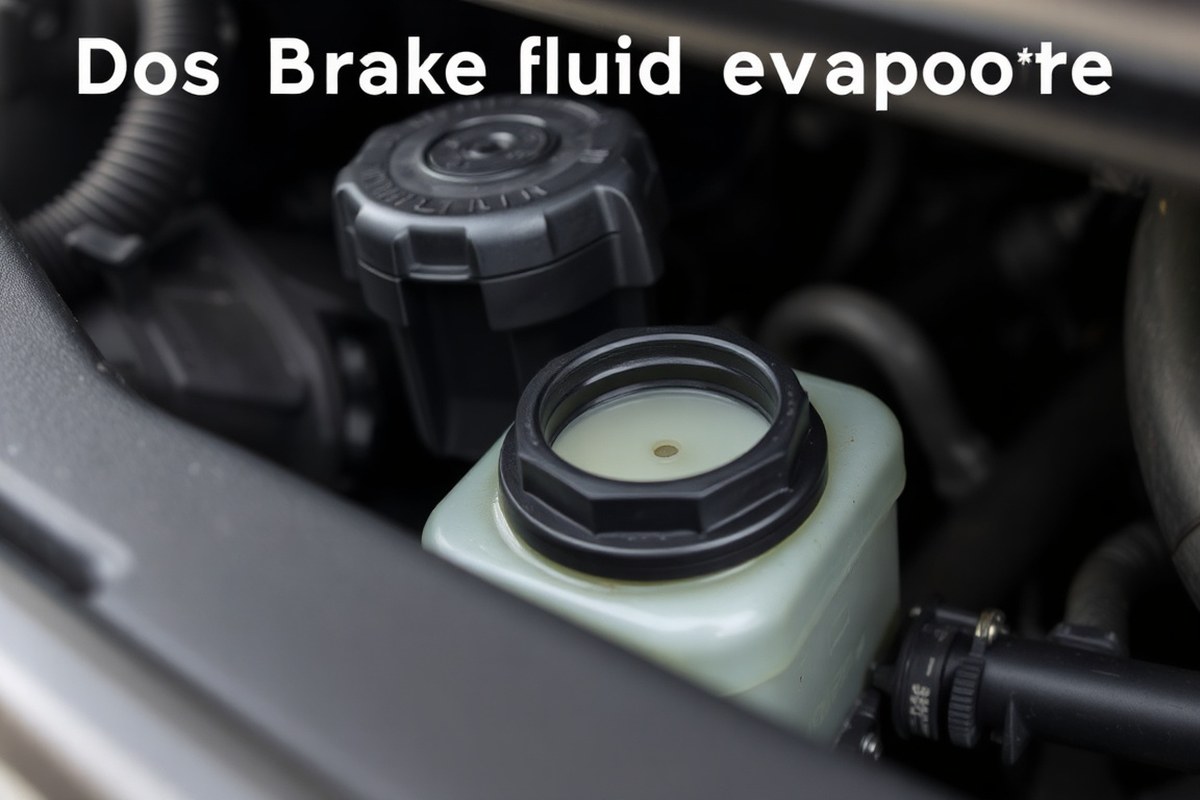
Brake fluid does not evaporate on its own inside your vehicle’s braking system. It has an extremely low evaporation rate and stays liquid under normal driving conditions.
The system is mostly closed. The reservoir cap and brake line seals keep air and moisture out.
You might notice the brake fluid level dropping. This usually isn’t because it turns to vapor. Instead, the level drops as the brake pads wear down.
The calipers move further out, requiring more fluid in those spaces, which lowers the reservoir level. This is a common reason for fluid level changes without any leaks.
You might worry about leaks when the fluid gets low. Sometimes leaks happen. If you don’t see wet spots or puddles under the car, the fluid likely isn’t escaping.
Brake fluid can soak up moisture from the air. This happens especially if the reservoir cap isn’t sealed well. But this causes fluid degradation, not evaporation.
Under heavy braking, the fluid may heat up enough to boil and create bubbles. That vapor is temporary and happens only in extreme cases.
The fluid quickly cools and returns to liquid form. So, refilling brake fluid regularly just because the level is a bit lower isn’t typically necessary.
Adding brake fluid is normal when changing brake pads. It’s also needed if a leak develops. Maintenance every 1 to 2 years helps keep the system in good shape.
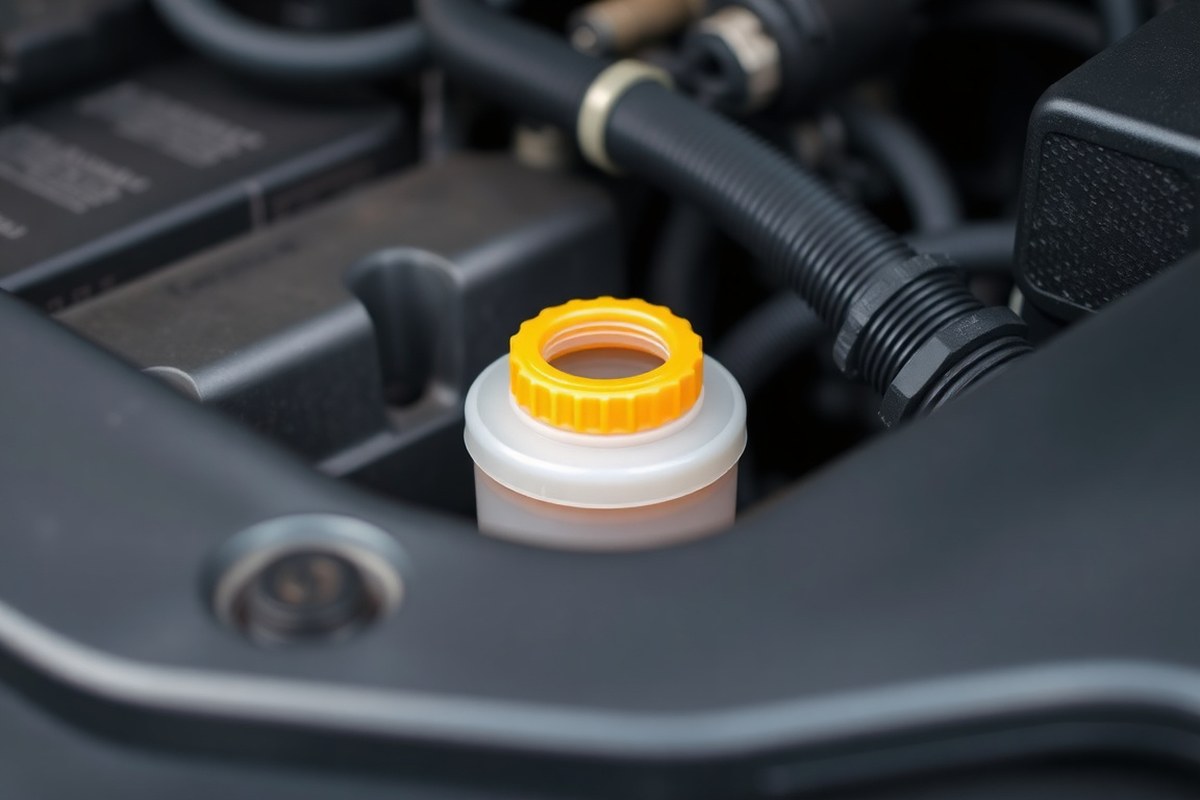
Checking the fluid level is easy: open the hood and look at the reservoir. It usually has transparent sides or a marked window to show the fluid level clearly.
How Moisture Absorption Causes Brake Fluid Degradation
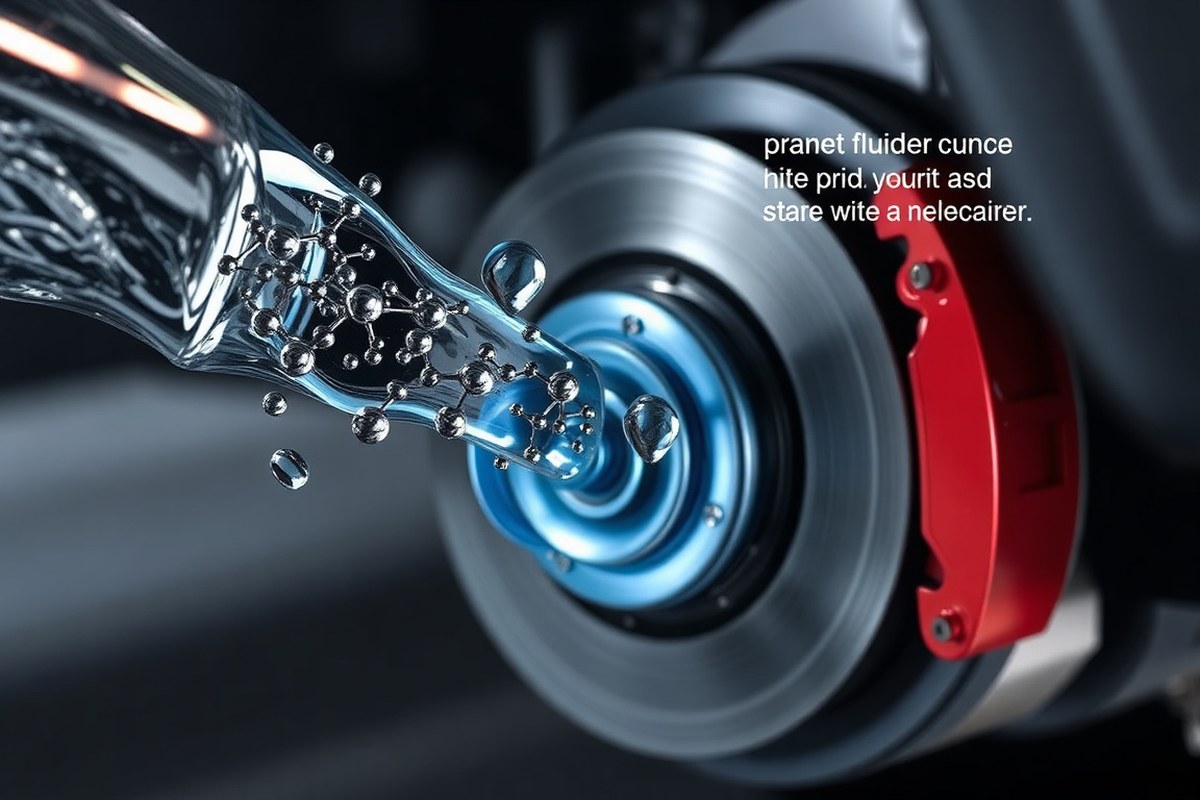
Brake fluid doesn’t evaporate but soaks up moisture from the air. This moisture cuts the boiling point and risks brake performance. Over time, wet brake fluid causes brake fade and unsafe stops.
Why Brake Fluid Absorbs Moisture
Most brake fluids are glycol-based, which means they pull moisture from the air. This happens through the fluid reservoir or tiny leaks in the system. The fluid is designed this way to stop free water from pooling and damaging metal parts.
However, absorbing moisture makes the fluid less effective. The small amount of water spreads throughout the fluid, lowering the boiling point. This change affects the fluid’s ability to handle heat safely during braking.
Impact of Moisture on Boiling Point
Fresh brake fluid can boil at temperatures around 460°F (238°C). Absorbing water makes the boiling point go down. It can drop to about 284°F (140°C).
This happens with moisture in the fluid. The boiling point becomes low enough to boil under hard braking. Boiling fluid leads to brake fade and less stopping power.
Brake fade happens when boiling brake fluid creates gas bubbles. These bubbles compress, reducing pressure sent to brake pads. This feels like a soft or spongy brake pedal and means brakes stop working well.
How Fast Brake Fluid Absorbs Moisture
Brake fluid starts absorbing moisture as soon as it’s exposed to air. The speed depends on humidity, temperature, and how well the system is sealed.
In humid areas, moisture builds up faster in brake fluid. Unsafe levels of moisture can develop in just one or two years.
Even if you don’t see leaks, the fluid slowly pulls water over time. This process can’t be stopped once contamination starts.
So regular fluid checks and changes are important. Using a sealed bottle and keeping the reservoir closed helps slow moisture pickup.
Signs and Consequences of Moisture Damage
Moisture-contaminated brake fluid leads to corrosion inside brake parts. Metal surfaces can rust, causing costly damage and brake failure. The fluid also loses its ability to transfer pressure correctly under heat stress.
You might notice your brake pedal feels soft during long or heavy braking. Brakes may also lose some power when stopping hard.
These are warning signs that moisture has degraded the fluid and lowered its boiling point. Delaying fluid changes increases repair costs and safety risks.
Keep brake fluid sealed and replace it every 1 to 2 years to prevent moisture buildup.
Types of Brake Fluid and Their Evaporation and Moisture Behaviors
Brake fluid types differ mainly in their chemical makeup, moisture absorption, and evaporation traits. Glycol-based fluids absorb water, which degrades them over time.
Silicone-based DOT 5 doesn’t absorb moisture like others. But it requires a specific system and won’t evaporate under normal use.
Glycol-Based Fluids (DOT 3, DOT 4, DOT 5.1)
DOT 3, DOT 4, and DOT 5.1 brake fluids share a glycol base. This makes them hygroscopic, meaning they absorb moisture from air over time. Moisture lowers their boiling point and reduces braking effectiveness.
Because these fluids absorb water, they do not truly evaporate under normal conditions. Instead, moisture absorption causes degradation. Flushing glycol-based brake fluid every 2 to 3 years keeps your brakes reliable and safe.
Using the wrong glycol fluid, like mixing DOT 3 or DOT 4 with DOT 5.1, can create an unknown chemical mix. This can harm seals or reduce braking performance. Always match the fluid to your vehicle manufacturer’s recommendation.
Silicone-Based Fluid (DOT 5)
DOT 5 brake fluid is silicone-based and not hygroscopic like glycol fluids. It doesn’t absorb moisture the same way, so it won’t degrade from water intake. This limits corrosion inside the brake system.
DOT 5 resists moisture. It does not evaporate like glycol fluids. Heat won’t break it down either.
However, DOT 5 is incompatible with systems designed for glycol fluids. Using it in a system not specified for DOT 5 may cause seal failure or damage.
DOT 5 is best in collector or classic cars that sit for long periods. It costs more than glycol fluids and requires careful system compatibility checks before use.
Boiling Points and Moisture Sensitivity Comparison
Each brake fluid type has different boiling points and moisture behaviors. Glycol-based fluids usually exceed 400°F (200°C) dry boiling points.
But this drops as moisture accumulates. DOT 5 silicone fluid has different thermal stability but does not absorb water like glycol ones.
Here is a comparison table to help you match your brake fluid to your car’s needs:
| Type | Base Chemistry | Absorbs Moisture? | Common Consideration |
|---|---|---|---|
| DOT 3 | Glycol-based | Yes | Follow replacement schedule |
| DOT 4 | Glycol-based | Yes | Often used in modern vehicles |
| DOT 4 LV | Specialized glycol-based | Yes | Designed for specific viscosity needs |
| DOT 5 | Silicone-based | No (not hygroscopic) | Requires compatible brake system |
| DOT 5.1 | Glycol-based | Yes | Different from DOT 5 chemically |
Using the right brake fluid type prevents system damage and maintains performance. Avoid mixing DOT 5 with glycol-based fluids to preserve your brake system’s integrity. Stick to manufacturer guidelines for fluid type and replacement intervals to keep brake fluid fresh.
Why Brake Fluid Levels Drop Without Visible Leaks
Brake fluid levels often drop without any visible leaks due to brake pad wear. As brake pads wear, caliper pistons push out more. This keeps contact with the rotor.
The pistons move farther as pads get thinner. This piston movement holds more fluid inside the calipers.
Fluid level drops in the reservoir too. No fluid actually escapes from the system.
Many people think brake fluid evaporates. But the truth is it does not evaporate like water. Brake fluid is made to avoid evaporation.
It must handle high temperatures inside the braking system. This helps keep the brakes working well. A fluid level drop with no leaks usually means worn brake pads.
It could also mean a small leak is present. Evaporation is rarely the cause.
Your fluid drops fast or you see wet spots under car. This might mean a small hydraulic leak is happening. Check for leaks to be safe.
These leaks can come from damaged seals or worn lines. They let fluid escape. Inspect brake lines, calipers, and master cylinder often.
Look for cracks, dampness, or damage. This helps catch leaks early before they get worse.
Adding brake fluid without checking pad wear can hide the real issue. When the pads wear down, the reservoir level falls naturally. Adding fluid to max without checking parts can cause problems.
It might make the brake system work poorly. It also can hide a leak.
Checking brake pads takes about 10 to 15 minutes. Doing it yourself usually costs nothing. It’s a quick way to monitor brake health.
Look for brake pad thickness through the wheel opening. Remove the wheel for a better view if needed. Both ways help check pad condition.
Pads thin or worn unevenly can cause fluid drop. This explains fluid loss even if no leak is found. Check pads to understand fluid changes.
Sometimes small leaks or bad seals let moisture enter the brake fluid. This causes the fluid to deteriorate rather than evaporate.
Contaminated fluid can lead to spongy brakes and eventual fluid loss. So watch for dark, cloudy fluid as a sign you need service.
How Heat and Driving Conditions Impact Brake Fluid Behavior
Brake fluid handles high temperatures better than most liquids in your car. It has a high boiling point, designed for the heat from braking. Under tough driving like stop-and-go city traffic, brakes heat up fast.
This heat pushes the fluid temperature higher in the system. Towing heavy loads adds to this brake heat buildup.
When brake fluid gets too hot, it can boil, especially if it absorbed water. Water in the fluid lowers the boiling point a lot, which is risky. Boiling creates vapor bubbles inside the brake fluid.
These bubbles make your brakes feel soft or spongy. You risk losing stopping power because of this.
This vaporization isn’t the same as evaporation, where fluid turns to gas and disappears. Brake fluid is sealed in a closed system. So it doesn’t evaporate in normal driving or even hot conditions.
Heat can cause the brake fluid to break down over time. It may also boil if there’s moisture inside it. This damages your brake performance while driving.
City driving often means frequent braking, which heats the fluid repeatedly. Heavy braking, like going downhill or hauling weight, raises brake temperature faster. Both scenarios increase the chances of fluid boiling if moisture has built up over time.
Keeping brake fluid fresh matters because new fluid has a dry boiling point above 446°F (230°C). Fluids with moisture can boil under 284°F (140°C). Regular fluid checks and changes help prevent overheating problems and keep brakes safe.
The type of brake pads you use impacts heat buildup, too. Performance pads hold more heat and transfer it to the fluid more quickly. Moisture in brake fluid pushes it closer to boiling point.
This situation stresses the brake system more than regular pads do. It can lead to brake problems on the road.
Check brake fluid every year or 20,000 miles to avoid moisture buildup and boiling risks.
Signs Your Brake Fluid Is Contaminated or Deteriorating
Your brake system relies on clean, healthy fluid to work right. Over time, moisture sneaks into the brake fluid. This drops its boiling point and causes problems like a soft or spongy brake pedal.
Spongy pedals usually mean gas bubbles form when overheated fluid boils. This can cause brake fade or even failure, definitely unsafe to drive with. Another sign is a brake pedal that’s harder to push.
It may also sink to the floor more than usual. This can mean a brake problem.
You might also notice discoloration. Fresh brake fluid looks clear or light amber.
Dark brown or dirty fluid means it’s full of contaminants like rust, dirt, or water. This builds corrosion inside the brake parts and wears them out faster.
Here are common signs that your brake fluid needs replacing:
- Spongy or soft brake pedal feeling
- Brake pedal sinks too low or feels hard to press
- Brake warning light on your dashboard
- Brake fluid appears dark or cloudy instead of clear
- Reduced braking power or longer stopping distances
- Corrosion or leaks visible around brake lines or calipers
Routine brake fluid changes usually happen every 2 to 3 years or 20,000 to 30,000 miles. Many auto shops offer quick moisture content tests to check fluid condition. This test helps you avoid waiting for symptoms to appear.
Driving with contaminated brake fluid risks dangerous braking failure. Gas bubbles and corrosion can cause your brakes to feel inconsistent or stop working completely.
It’s safer to replace the fluid promptly when signs show up or during scheduled maintenance. The cost for a brake fluid change typically ranges from $70 to $120 at most shops.
Testing Brake Fluid Moisture Content and Quality Easily
Testing brake fluid moisture and quality is easy. You only need a few tools. You can buy or find them at a shop.
Electronic testers quickly measure moisture levels, while simple visual checks offer a basic idea. For deeper detail, lab testing reveals the fluid’s chemical state and boiling point.
Using Electronic Moisture Testers
Electronic testers detect how much water is in the brake fluid by measuring electrical resistance. Moisture raises conductivity, showing fluid condition. These devices cost $20 to $50 and provide immediate results without fluid removal.
Connect the tester’s probe into the brake fluid reservoir. The device will display moisture as a percentage.
Aim for levels under 3%. Higher levels mean reduced boiling point and brake safety.
Visual and Color Inspection Methods
Checking brake fluid color is common but not reliable for moisture content. Fresh fluid is clear or pale yellow. Dark or cloudy fluid signals dirt or old fluid but not moisture specifically.
Use test strips that change color based on water content. Dip the strip in the fluid and compare it to the chart on the package. These strips cost about $10 and detect moisture above 3% accurately.
Lab Testing and Professional Analysis
Labs run detailed tests to find boiling point and chemical contaminations in brake fluid. Brakes feel spongy or fluid is old.
Getting a professional test is smart. This service costs around $50 to $100.
Labs test fluid from the reservoir or during a fluid change. They check moisture levels and DOT standards. This helps mechanics pick the right fluid and service steps.
Follow these steps to test brake fluid moisture with a tester or strips:
- Open the brake fluid reservoir cap carefully and check fluid level.
- For electronic testers, insert the probe into brake fluid without touching the sides.
- Read the moisture percentage on the tester’s screen.
- Use test strips by dipping one into the fluid. Hold it steady for three seconds.
- Compare the strip’s color to the reference chart on the package.
- Record results and decide if fluid needs replacement (over 3% moisture is risky).
- Close the reservoir cap firmly to prevent new moisture from entering.
- Clean any spilled brake fluid immediately to avoid damage.
Brake Fluid Maintenance Tips to Prevent Evaporation and Degradation
Brake fluid should be changed every 2 years or about 24,000 to 36,000 miles. This schedule helps prevent moisture buildup and fluid degradation that happen over time. Check your vehicle owner’s manual for the exact interval to follow your manufacturer’s recommendation.
Checking the brake fluid level every 2 to 3 months is a smart habit. Use a clean cloth to wipe the reservoir cap before opening it.
This keeps dirt from contaminating the fluid. The fluid should be clear or light yellow, never dark or cloudy.
- Inspect the brake fluid color and clarity each time you check the level.
- Top off fluid only with the exact type recommended by your vehicle’s manual.
- Keep fluid bottles tightly closed to avoid moisture contamination.
- Replace brake fluid as part of routine brake service or at recommended intervals.
- Never ignore small drops in fluid level; check for leaks or worn pads.
- Store spare brake fluid in a cool, dry place away from sunlight.
- Clean the reservoir cap area before opening to prevent dirt entering the system.
Clean brake fluid and correct levels mean better brake response and less corrosion inside the system. Avoid topping off if the brake fluid looks dirty or smells burnt. Old fluid must be flushed because topping off won’t restore its properties.
Always seal brake fluid containers tightly after you use them. Moisture causes brake fluid to break down fast. Keeping the container closed stops moisture from getting in.
Common Myths and Mistakes About Brake Fluid Evaporation
Brake fluid does not evaporate like water or gasoline. It is designed to stay liquid inside the braking system and should not disappear gradually.
Notice your brake fluid level dropping quickly? That means a problem exists.
Some people think brake fluid “evaporates” because they see new fluid added often. That often results from leaks or moisture buildup inside the brake lines. Water condenses and mixes with the brake fluid, lowering its boiling point.
This can cause the fluid to vaporize when hot. But that’s not ordinary evaporation over time.
Thinking brake fluid will just vanish leads to wrong maintenance habits. For example, topping off brake fluid too often wastes money. It doesn’t fix leaks or stop brake problems.
Check the entire brake system for leaks or damage first. Look at seals and brake lines before adding fluid.
Another common mistake is ignoring the brake fluid filter or reservoir condition. A dirty or clogged filter traps moisture and dirt. This can cause brake fluid to boil under heat.
Vapor pockets may form and cause issues. Vapor inside the system can cause spongy brakes or failure. So regular filter checks save headaches.
Frequent brake fluid replacements don’t mean the fluid evaporated. Brake fluid ages by absorbing moisture from air because it is hygroscopic.
This moisture changes how the fluid performs and requires a change every 2 years or so. Waiting too long risks corrosion inside brake parts and less effective braking.
When testing brake fluid, watch for moisture above 3%. That level signals you should take action. Good maintenance includes using the right fluid type and changing it on schedule.
Buying brake fluid isn’t expensive, often $8 to $15 a bottle. But ignoring leaks or contamination can lead to costly repairs or dangerous driving.
Step-by-Step Action Plan for Brake Fluid Care
Use this plan to keep your brake fluid safe and efficient. Follow each step to reduce moisture and maintain fluid quality.
- Before you drive: Check your brake fluid level. It should be between the minimum and maximum marks on the reservoir.
- Week 1: Inspect the brake fluid color. Clean fluid looks clear or light amber, not dark or cloudy.
- Month 1: Test brake fluid moisture with a simple tester or at a service shop. Below 3% water content is good.
- Every 6 months: Replace brake pads and check for leaks under wheels or brake lines. Fix any leaks you find.
- Once a year: Flush and replace brake fluid if it absorbs moisture or turns darker. Use the type your car recommends.
- After intense driving or heat: Monitor brake performance. Soft or spongy brakes suggest fluid or system problems.
- After home repairs: Make sure the brake fluid reservoir cap is tight and not cracked. This keeps moisture out.
- Every trip longer than 30 minutes: Notice if brake pedal response feels different. That may signal fluid issues that need checking.
Frequently Asked Questions
Does Brake Fluid Go Away on Its Own?
Brake fluid does not evaporate like water and won’t disappear on its own. Fluid levels may drop due to leaks or brake pad wear, not evaporation.
Is It Normal to Have to Refill Brake Fluid?
It’s normal to top off brake fluid now and then. Brake pads wear down over time.
This causes your brake system to use more fluid. However, frequent refills might indicate a leak to check.
How Long Does It Take for Brake Fluid to Absorb Moisture?
Brake fluid absorbs moisture continuously but noticeably over weeks to months. Humid air speeds this process, which harms braking performance.
How Long Is Brake Fluid Supposed to Last?
Brake fluid typically lasts 2 to 3 years before it degrades too much. Moisture buildup lowers its boiling point, so regular changes keep brakes safe.
Can Brake Fluid Evaporate Inside the Brake Lines?
No, brake fluid has a very low evaporation rate inside sealed brake lines. It mainly degrades by absorbing moisture, not by evaporating.
The Bottom Line
Brake fluid doesn’t evaporate like water but absorbs moisture that weakens it. Maintaining your fluid prevents brake fade and failures.
Check your fluid often. Replace it as needed to stay safe on the road.