How Much to Fix Coolant Leak: Complete Cost Guide & Smart Saving Tips
How much to fix a coolant leak varies widely depending on the issue. Most repairs cost between $150 and $400 for common problems like a cracked radiator.
Replacing hoses usually costs less, often under $200. More serious issues like head gasket or engine block repairs can be much more expensive.
Small leaks might only need $50 worth of work. Larger leaks or damaged parts can push costs over $1,000.
Luxury vehicles often have higher repair bills, ranging from $560 to $890 or more. Getting a clear diagnosis before starting repairs helps avoid unexpected bills.
Identify the exact source of the leak before deciding on repairs. A broken hose or radiator cap replacement tends to be fairly cheap. Delaying repairs risks more costly damage, including overheating or engine failure.
Key Takeaways
- Coolant leak repairs typically cost between $150 and $400 for common parts.
- Leaks from hoses usually cost under $200 to fix, making them cheaper.
- Major repairs like head gasket replacement can exceed $3,000 easily.
- Minor leaks might be fixed for as little as $50 in some cases.
- Luxury vehicles tend to have higher repair prices, around $560 to $890.
- Replacing a radiator cap usually costs less than $35.
How Much Does It Cost to Fix a Coolant Leak?
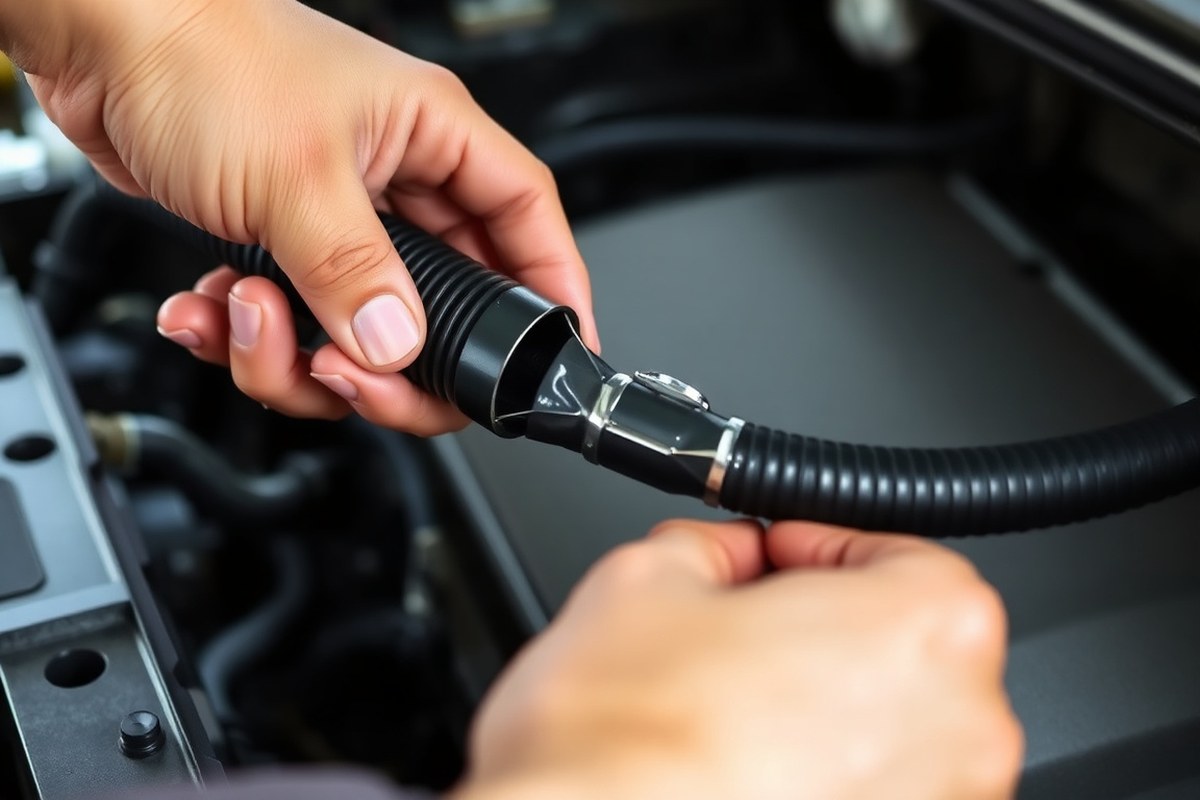
Repairing a coolant leak can cost between $150 and $900 for typical problems. Smaller leaks, like those in hoses, usually cost less than $150. Bigger issues, such as a head gasket replacement, often run from $1,500 to over $4,000.
Parts for coolant leaks range widely. Hoses often cost $20 to $150, while radiators run $300 to $1,000. Head gaskets cost more, generally between $1,800 and $2,100, with labor pushing total repair higher.
Labor rates vary from $50 to $150 per hour depending on your vehicle and repair type. Simple repairs may take less than an hour.
Complex jobs like replacing a head gasket can last up to two days. These time differences cause wide variations in cost.
Here is a rough cost comparison for common coolant leak sources:
| Component | Low | Average | High |
|---|---|---|---|
| Radiator hose | $100 | $250 | $434 |
| Radiator repair/replacement | $50 | $400 | $1,000 |
| Water pump | $180 | $800 | $1,200 |
| Head gasket | $1,500 | $2,000 | $4,000+ |
Fixing a leaking radiator hose might need a $75 part. Labor could take one hour at $90. This keeps costs manageable for minor repairs.
Total cost comes to about $165. Adding a coolant flush costs about $400. That raises your total bill to around $565.
Major leaks like head gaskets need parts up to $2,100. Labor takes 10 to 12 hours at $100 per hour. This makes the repair quite costly.
That totals $3,100 to $3,300, excluding extra repairs. This shows why leaks can be cheap or very expensive.
Common Sources of Coolant Leaks and Their Repair Costs
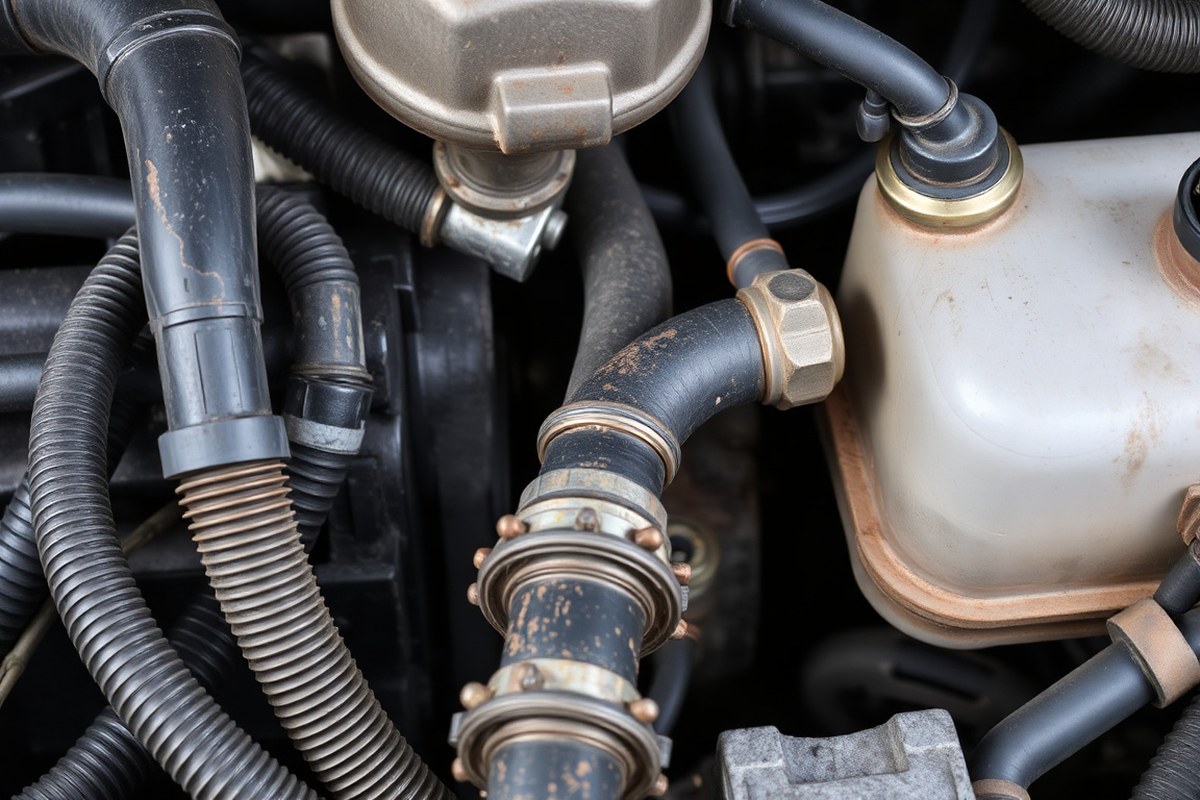
Coolant leaks usually come from worn hoses, a cracked radiator, or a failing water pump. Fixing small leaks like hose or clamp replacement costs $100 to $300. It usually takes about one to two hours to complete.
These fixes are simple and quick. Complex repairs like replacing a head gasket can cost thousands.
It needs many hours because the engine must be taken apart. Such repairs are time-consuming.
Radiator and Radiator Hose Leaks
Radiator hoses often crack or become brittle, causing visible coolant drips. These leaks happen because heat and pressure wear down the rubber over time. Hose replacement costs range from $100 to $300.
Labor time is about one to two hours. This cost depends on the vehicle.
The radiator itself can develop leaks from corrosion or physical damage. Small radiator repairs are cheaper, around $50 to $200.
But a full radiator replacement may cost up to $1,000. Look for signs like puddles under the front of the car or overheating engine warnings.
Check hose clamps regularly. A loose clamp often looks like a tiny drip but cuts repair time and cost.
Water Pump and Thermostat Housing Leaks
The water pump circulates coolant, and its seal can fail, causing leaks. This type of leak causes engine overheating and a sweet smell near the engine bay. Water pump repairs cost between $300 and $700.
Labor can take 3 to 5 hours, depending on your car. This repair varies by vehicle type.
Thermostat housing leaks occur where it meets the engine block. They happen because of gasket failure or cracks. These leaks need timely attention.
These repairs usually cost between $150 and $350. Labor takes about one to two hours for these fixes.
They are low-cost solutions. Watch for coolant pooling around the thermostat area or irregular engine temperatures.
Head Gasket and Engine Block Leaks
Leaks here rank as the most expensive and serious. A blown head gasket lets coolant mix with engine oil or escape externally.
Repair involves engine teardown and machining and can cost from $1,000 to over $2,500. Labor can take 14 to 22 hours.
An engine block crack is even worse, often causing massive coolant loss and severe overheating. Repair might mean replacing the block or engine itself, costing several thousand dollars. Symptoms include white smoke from the exhaust and overheating despite correct coolant levels.
Never ignore persistent overheating. A small head gasket leak can escalate quickly into a costly engine failure.
Expansion Tank and Reservoir Issues
Coolant reservoirs can crack or develop leaks from old plastic degradation or impact damage. These leaks are usually easy to spot and fix, costing about $100 to $250. Replacement requires minimal labor, typically under an hour.
A bad reservoir cap can cause pressure loss. This leads to coolant leaks or the engine overheating. Replace the cap to avoid these problems.
Caps cost under $20 but replacing them can prevent bigger leaks. Check for coolant loss without visible drips if symptoms include overheating or steam.
Heater Core and Intake Manifold Gasket Leaks
Heater core leaks let coolant inside the cabin, causing foggy windows and a sweet smell. Repairs cost $800 to $1,000 because the core sits deep and requires dashboard removal. Labor can stretch to 6-8 hours depending on the vehicle.
Intake manifold gasket leaks drip coolant outside onto the exhaust. They can also leak coolant inside the engine. Both leaks harm your car’s performance.
External leaks cost about $300 to $600. Internal leaks can cause misfires, overheating, or white exhaust smoke. Repair time ranges from 3 to 6 hours.
How Long Does It Take to Repair a Coolant Leak?
Simple coolant leak repairs usually take about 1 to 2 hours. Fixing a radiator cap leak can be quick. You mainly replace the cap.
Check the pressure after replacement. Jobs like replacing a water pump take longer.
Repairing hoses deep in the engine also takes time. These often require 3 to 5 hours or more.
The repair time depends on the leak’s location. It also depends on how hard the part is to reach. Corroded hoses or parts near the engine block can slow things down.
Cleaning surfaces and draining part of the coolant also add time. Fluid replacement after repairs takes extra time but is important to avoid future leaks and overheating.
Labor time affects the cost a lot because shops charge by the hour. A simple 1.A 5-hour job might cost less than another 5-hour job. This happens even if the parts cost about the same.
You can speed up repairs by scheduling ahead. Have your car’s history ready before you go.
Choose a trusted shop that communicates well. This helps avoid delays from unexpected issues or part orders.
What Factors Affect the Cost of Coolant Leak Repairs?
Where the coolant leak happens has a big say in the cost. Leaks in easy-to-reach places like a radiator hose often cost less, around $100 to $250. Leaks inside the engine or near the water pump take more time.
These repairs need more skill too. This can push the price over $500.
Luxury cars usually cost more to fix than regular ones. Parts for brands like BMW or Mercedes can be pricey. Labor charges are higher too because these cars need special knowledge and tools.
Dealerships usually charge $170 to $250 per hour. Independent shops cost less, around $100 to $180. This makes a big difference in your bill.
Shop type and labor rates matter a lot. Dealerships charge the most for labor but use factory parts and have trained technicians. Independent shops cost less but can deliver good work sometimes with aftermarket parts.
Quick lube or oil change places handle basic coolant fixes. But complex leaks often need a more skilled shop.
| Shop Type | Labor Rate Range (2025) | Typical Repair Cost Range |
|---|---|---|
| Dealership | $170 to $250/hr | $300 to $700+ |
| Independent Auto Repair Shop | $100 to $180/hr | $150 to $500+ |
| Quick Lube or Oil Change Shop | Varies, often lower | $50 to $200, basic fixes |
The quality and type of parts also shift prices. OEM parts usually cost more but fit better and last longer. Aftermarket parts can save money but range widely in quality.
Cheap parts might cause repeated leaks or damage, increasing your total cost later. Using the right coolant is key since wrong types can eat away parts quickly.
How bad the leak is plays a role too. A small hose clamp fix takes less time and money. But a cracked radiator or corroded engine parts require new parts and more labor.
Expect parts alone to cost between $200 and $500 or more for serious repairs before labor. Getting a clear diagnosis helps avoid surprises and keeps your budget on track.
Signs and Symptoms Indicating a Coolant Leak
Coolant leaks often show clear signs before they cause serious damage. You might notice fluid puddles under the car or a sweet, syrup-like smell. Your engine temperature gauge may start rising, signaling overheating from lost coolant.
Checking your coolant level regularly helps catch leaks early. If the level drops again after topping off, a leak exists.
Steam or white smoke from under the hood means coolant leaks. The leaking coolant hits hot engine parts and produces smoke.
- Visible puddles of green, orange, or pink fluid beneath your vehicle
- Sweet, syrupy odor around or inside the car cabin, especially when the heater runs
- Engine temperature gauge climbing above normal operating range (usually around 195-220°F)
- Coolant reservoir level consistently below the “full” mark
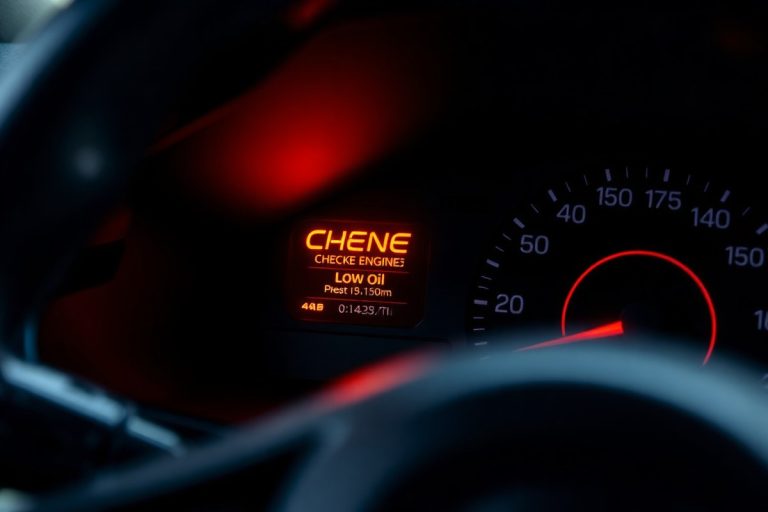
- Warning lights on the dashboard, such as engine temperature or coolant warning
- Steam or white smoke coming from the engine bay
Leaks from visible parts like the radiator or hoses will often leave puddles. Head gasket leaks are harder to spot but cause overheating.
They can also make coolant leak inside the engine. Any persistent overheating means you should stop driving and get a professional check immediately.
It’s risky to drive with a coolant leak. Not only does this cause engine overheating.
But it may also lead to cracked engine parts and costly repairs. Catching these signs early lets you handle the issue before it grows more expensive or dangerous.
Never ignore dashboard warnings or steam under the hood. Stop driving promptly to avoid severe engine damage.
DIY vs. Professional Coolant Leak Repairs: Which to Choose?
Choosing to fix a coolant leak yourself or hire a pro depends on a few things. You need to think about how complex the leak is.
Also consider your skill level and the tools you have. Simple fixes can save you money but risk mistakes if you rush.
Simple DIY Repairs: Hoses, Clamps, and Radiator Caps
Small leaks from hoses, clamps, or radiator caps are usually safe to fix yourself. You’ll need basic tools like pliers, screwdrivers, a new hose or clamp, and coolant. Expect to spend $20 to $50 on parts.
These repairs take about one to two hours depending on your comfort with cars. Always let the engine cool before working on it. Drain some coolant carefully to avoid spills.
Then replace or tighten the part causing the leak. Replacing a radiator cap is quick and often fixes minor leaks almost immediately.
Complex Repairs Requiring Professional Tools and Expertise
Engine block leaks, radiator replacements, or thermostat housing issues need pro attention. These jobs need special tools and skills you likely won’t have at home. Costs can range from $500 to over $2,500 for serious problems.
Professionals can diagnose hidden issues and prevent damage that DIYers might miss. Their work is often faster, saving you days of trial and error. Letting a mechanic handle complex repairs protects your engine from overheating and major damage.
Risks and Common DIY Mistakes to Avoid
One common mistake is working on a hot engine, which can cause burns or worsen leaks. Not using the right clamps or over-tightening hoses can lead to more leaks or damage. Skipping a full system flush after repair may leave old coolant that degrades and causes corrosion.
If you miss some leaks or use cheap parts, problems can happen. You might fix one leak but miss another. This can cause more damage later.
Mistakes could cost more if you cause engine overheating. Coolant system failure can also result from errors.
It’s better to be careful to avoid these issues. Always check your work carefully before you start the engine.
How to Choose a Reliable Mechanic or Shop
Look for shops with good reviews and ASE-certified mechanics to ensure quality work. Ask if they use OEM parts like Gates hoses or Dorman clamps. These parts match your vehicle’s original ones.
Using OEM parts helps ensure a proper fit and durability. Request a detailed estimate so you know what you’ll pay and what’s covered.
A local shop with experience on your vehicle type often works faster. They usually charge less than dealerships. This option can save you time and money.
Call around or check online to compare prices and wait times. Avoid shops that rush you or won’t explain the repair steps clearly.
How to Manage and Save on Coolant Leak Repair Costs
Saving on coolant leak repairs starts with regular maintenance. Check your coolant level every few weeks and inspect hoses for cracks or stiffness. Catching wear early prevents small leaks from becoming costly repairs.
Shopping around for parts and service can cut your expenses. Compare prices for replacement hoses, clamps, or radiators online and at local shops.
Some auto parts stores offer price matching. So bring a printout to negotiate better deals.
- Use OEM parts for better fit but compare prices with quality aftermarket options
- Get multiple repair quotes, especially if your vehicle is older or rare
- Ask shops if coolant leak diagnosis and coolant flush are included in quotes
- Consider local independent mechanics over dealership service for lower labor rates
- Save temporarily with a coolant leak sealant only on minor leaks and for short periods
- Keep up regular coolant system flushes every 30,000 miles to avoid buildup and leaks
- Check your vehicle’s specific maintenance schedule for hose replacement recommendations
Temporary sealants can help you drive safely to the garage but avoid relying on them long. They work best for small leaks under low pressure, like from a radiator hose. Avoid using stop-leak products if your vehicle’s cooling system is complex, such as some turbocharged engines.
To avoid overpaying, ask if shops include coolant flush or leak diagnosis separately. These extra services add $50 to $150 to your bill depending on your car. Some leaks happen in hidden spots like the water pump or heater core.
These leaks need a skilled mechanic to find and fix. Getting an expert diagnosis saves you time and money later. Being informed and comparing quotes guards against surprises that strain your budget.
Risks and Damages from Delaying Coolant Leak Repairs
Ignoring a coolant leak lets your engine run with low coolant levels. This causes the engine temperature to rise dangerously, risking damage to critical parts. For example, the cylinder heads and head gasket can warp, leading to costly repairs.
Small leaks may seem harmless but often worsen quickly. A minor leak can get bigger in a few days or weeks. Worn seals or cracked hoses break down more over time.
This causes the leak to grow larger. This increases coolant loss and can cause the engine to overheat.
A timeline of progressive damage starts with a small drip costing about $50 to fix. Overheating can damage the water pump and head gasket.
You should fix overheating quickly to avoid this damage. Repairing these parts may then cost hundreds or even thousands of dollars.
Continuous overheating risks engine seizure, which often requires a full engine rebuild or replacement. That repair might cost several thousand dollars, far above the initial leak fix cost. These problems may also cause you to lose your car for days or weeks.
Prevent escalating repair bills by fixing leaks early. Replacing a worn hose usually involves draining coolant, swapping the old hose, and refilling the system. This process often takes under an hour and costs much less than engine repair.
Don’t ignore small coolant leaks; a quick fix now saves big engine repairs later.
What to Expect During a Coolant Leak Repair Service
Coolant leak repair starts with a detailed diagnosis to find the leak’s source. Then mechanics fix or replace the bad parts. They flush the system.
After that, they refill it with fresh coolant. The process ends with testing to confirm the repair works and the system runs smoothly.
Initial Inspection and Leak Source Location
Technicians begin by inspecting the engine visually and using tests to pinpoint leaks. This step usually costs between $50 and $150 as a diagnostic fee.
They check hoses, radiator, water pump, and heater core for visible leaks. When nothing shows, mechanics try special tools. These help find hidden leaks.
Tests include using a block tester. This checks for combustion gases in coolant.
They may also flush dyes and use UV light. Cylinder leak-down tests identify head gasket leaks by measuring engine compression loss.
Disassembly and Part Replacement
After locating the leak, mechanics remove damaged parts to replace or repair them. The labor time typically ranges from 0.7 to 1.2 hours, depending on the repair’s complexity.
They might replace faulty hoses, clamps, radiator caps, or the water pump. For leaks in the engine block, repairs require more time and can cost more. Proper part installation prevents future leaks and ensures the cooling system holds pressure as designed.
Coolant System Flush and Refill
Once repairs are done, the system gets flushed to remove old or contaminated coolant. Flushes often cost between $100 and $250, depending on the vehicle and shop rates.
Fresh coolant refills restore the right mix of antifreeze and water. Mechanics then run the engine to bleed air pockets so the system flows correctly. Bleeding is important because trapped air can cause engine overheating or damage.
Final Testing and Quality Assurance
After refilling, mechanics do final tests. These check the leak is fixed.
They also make sure the system works well. They might pressure-test the cooling system again to watch for drops in pressure.
The engine runs at operating temperature while checking for circulation and heating inside the car cabin. Absence of leaks and stable temperature means the repair succeeded.
New or unexpected issues can add to costs. But they prevent bigger problems later. This helps protect your car.
- Run a visual and pressure test to find leaks.
- Use block tester or UV dye to confirm leak location.
- Remove and replace damaged parts causing the leak.
- Flush the cooling system to clear old coolant and debris.
- Refill with the correct coolant mix and bleed air pockets.
- Perform a final pressure test and check engine temperature.
- Verify no leaks remain and overall system functions properly.
Step-by-Step Action Plan to Handle a Coolant Leak
Follow this plan to get your coolant leak fixed without surprises. Each step shows when to act and what result to check for.
- Day 1: Check your coolant level and look for puddles. Spotting fluid or low coolant means you’ve found a leak.
- Day 2: Identify the leak source visually or with a UV dye kit. Knowing the exact spot helps you plan repair costs.
- Day 3: Decide if the leak is small and simple enough for a DIY fix. Try a patch or sealant, then check for leaks after running the engine.
- Day 4: If DIY looks risky or the leak is big, book a professional mechanic. Expect to explain your findings and symptoms clearly.
- Within One Week: Get the professional repair done. After service, check coolant levels and confirm no leaks with daily drives.
- After Repair: Keep monitoring coolant levels weekly for at least a month. Stable levels mean the fix worked.
- Ongoing: Follow a regular cooling system maintenance schedule. That helps avoid future leaks and unexpected costs.
Frequently Asked Questions
What Is the Cheapest Coolant Leak to Fix?
Replacing a radiator cap is usually the cheapest fix. It’s quick and simple, often costing under $50.
Does Insurance Cover Coolant Leak Repairs?
Most auto insurance policies don’t cover coolant leak repairs. They consider it maintenance, not accidental damage.
How Do Mechanics Find a Hidden Coolant Leak?
Mechanics use pressure tests and UV dye to locate leaks. These tools make hard-to-see leaks easier to find.
Can a Coolant Leak Cause Engine Overheating Right Away?
Yes, coolant leaks can cause rapid engine overheating. This happens when the coolant level drops too low.
Is It Safe to Drive with a Small Coolant Leak?
Driving with a small leak risks engine damage over time. It’s best to fix the leak quickly to avoid bigger problems.
Key Points to Remember
Fixing a coolant leak can vary a lot in cost and time. Spot your leak early and pick the right fix to avoid bigger damage. Start by checking your coolant level today and plan your next step from there.