How Long Does a AGM Battery Last? Complete Lifespan Guide and Maintenance Tips
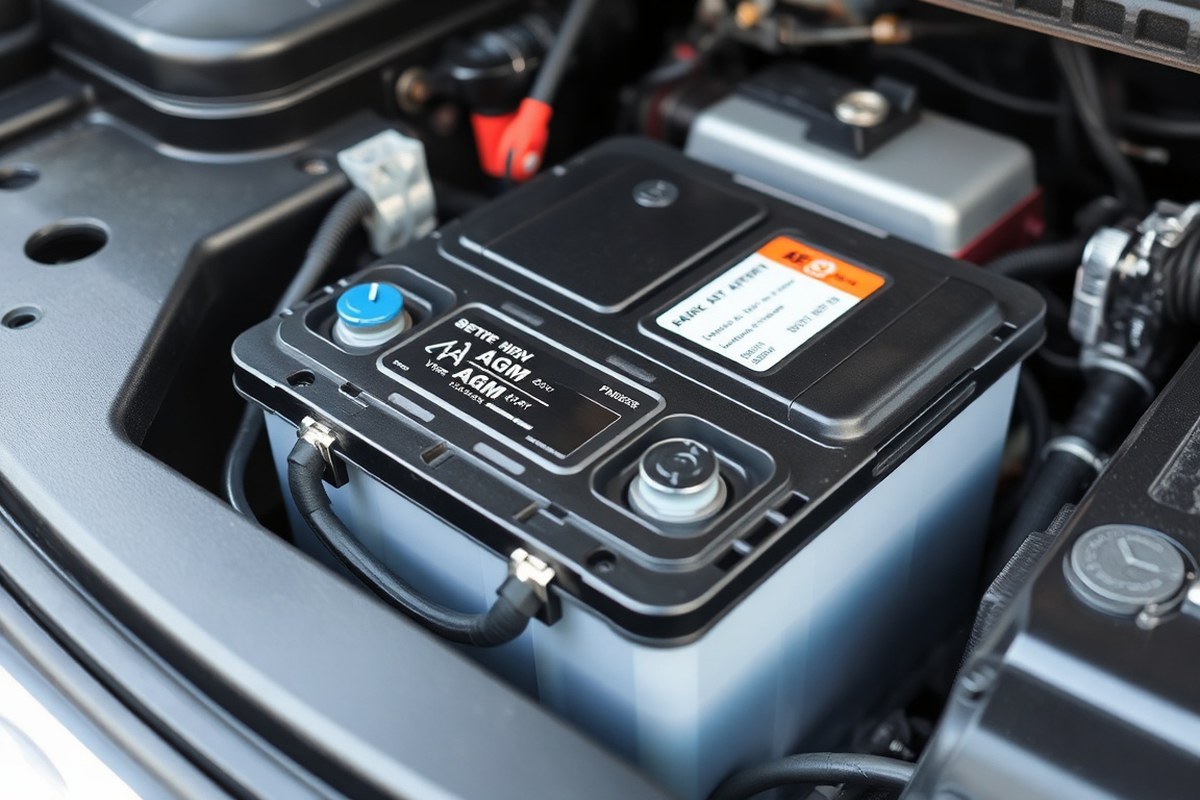
How long does a AGM battery last is a common question for anyone using one. Typically, an AGM battery lasts between 3 to 7 years depending on use and care. Regular driving and proper charging can push this lifespan closer to seven years.
Several things affect how long your AGM battery will last. Heat is a big factor. Each 15 to 18 degrees Fahrenheit above 77 degrees can halve its life.
Also, deep cycling drains the battery more quickly. So don’t fully run it down before recharging.
Watch for slow engine starts. Look for dimming lights too. These signs signal your battery is aging.
Keeping your battery at a normal temperature and charging it properly can help avoid early failures. Starting with a well-maintained battery reduces costly replacements down the road.
Key Takeaways
- An AGM battery usually lasts 3 to 7 years with proper use and care.
- Keep battery temperature below 77°F to avoid cutting lifespan in half.
- Regular driving and proper charging extend an AGM battery’s service life.
- Avoid deep cycling by recharging before the battery drops below 50%.
- Slow starts and dim lights often signal it’s time for a battery check.
- AGM batteries store well, losing roughly 1, 3% charge monthly at room temperature.
How Long Does an AGM Battery Typically Last?
AGM batteries usually last between 3 and 7 years under normal use. Their lifespan depends mostly on how you use and maintain them.
A car starter battery lasts 4 to 7 years on average. This covers daily driving conditions well.
In standby setups like solar power, AGM batteries last about 3 to 5 years. This is when kept on float charge.
This shorter span happens because they’re always connected and trickle-charged, which gradually wears them out. Still, keeping them cool and properly charged helps push their life toward the higher end.
Cycle life varies a lot too. AGM batteries handle around 500 to 1000 full charge-discharge cycles at 80% depth of discharge. AGM batteries last much longer than standard flooded lead-acid types.
Flooded batteries last around 200 cycles at the same depth. With shallow discharges, AGM batteries can reach up to 2000 cycles. This helps extend their overall calendar life.
Temperature plays a big role too. Hot climates can shave years off battery life by speeding up internal wear. Cold weather is milder on them but may reduce available capacity temporarily.
Avoid leaving AGM batteries in extreme heat. This helps keep their life near 3 to 7 years.
High-quality AGM batteries can last 6 to 10 years if handled well. Proper care is important for this lifespan.
This means avoiding deep discharges, charging fully, and storing them in moderate temperatures. Without these steps, you’ll see a shorter life closer to the 3-to-5-year average most brands give.
What Factors Most Affect AGM Battery Lifespan?
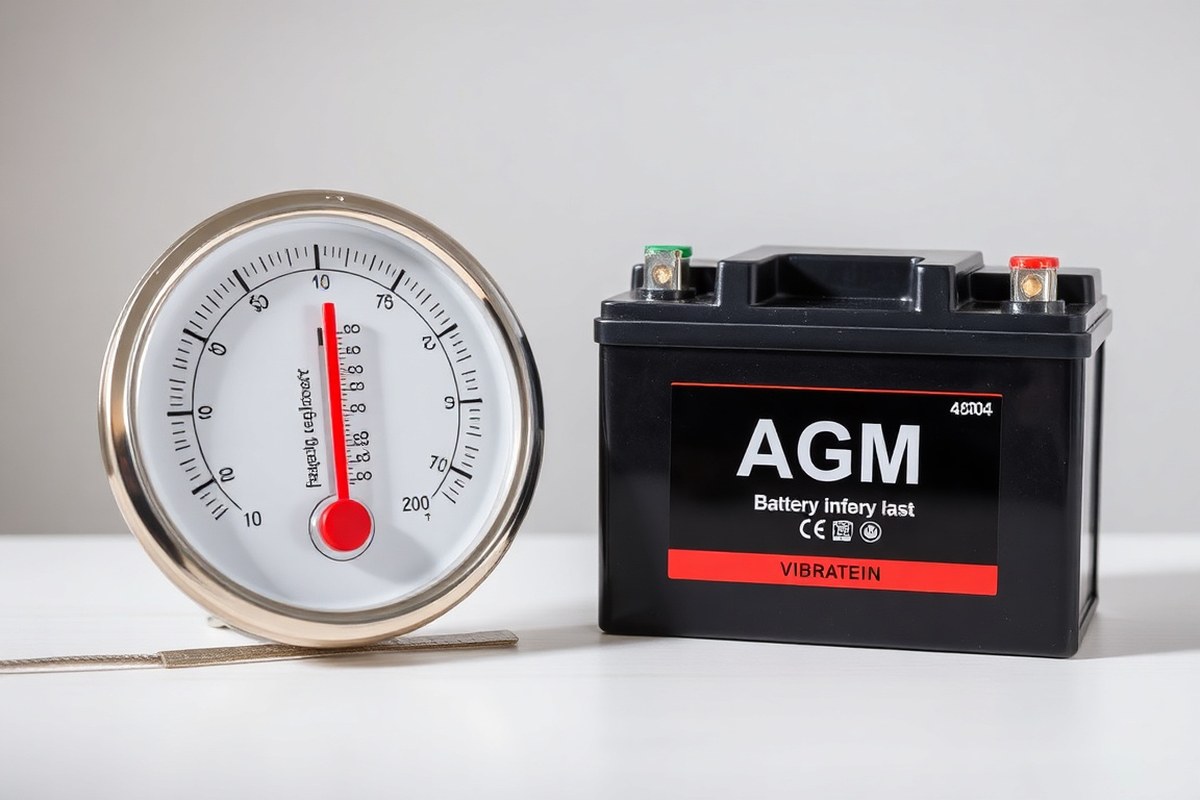
Temperature is the biggest factor that affects how long an AGM battery lasts. Every 10 to 12 degrees Fahrenheit above 77°F (25°C) can cut the battery life in half. A battery lasting 10 years at room temperature might last 5 years at 95°F. Heat cuts battery life in half.
High temperatures speed up battery wear. Keeping the battery cool makes a big difference.
This is true especially in hot climates. It also helps in engine bays exposed to heat.
Vibration and mechanical stress also wear down AGM batteries. Boats, motorcycles, and off-road vehicles produce constant shaking that can damage the battery plates inside. Over time, the glass mats separating the plates may break down.
Your battery should be mounted with cushioning to absorb strong vibrations. Use rubber padding or a vibration-dampening bracket. These methods reduce stress on the battery.
How you use the battery matters just as much. Deeply discharging your battery often makes it wear out faster. Regularly draining below 50% cuts its lifespan.
Avoid letting it get that low. Doing shallow discharges helps your battery last longer. Fewer full cycles extend life, especially for RV or solar use.
This is better than deep discharges. Batteries connected continuously to a proper charger at the right float voltage (13.5 to 13.8 volts for a 12V AGM) tend to last beyond their warranty. Leaving an AGM battery partly discharged for long periods causes sulphation, which lowers capacity permanently.
Start-stop car batteries face more cycles. They don’t last long if the trips are short. Short drives mean the battery doesn’t charge fully.
A vehicle driven well and charging fully extends battery life to 6 or 7 years. Regular use helps keep the battery healthy. Full charges prevent early wear.
Long idle times without charging shorten battery life. Seasonal motorcycles and standby solar setups face this risk. Keeping the battery topped up prevents this.
Never store an AGM battery partially charged for several weeks. It causes sulphation and cuts lifespan.
How Depth of Discharge Influences AGM Battery Life
Depth of discharge (DoD) means how much of your AGM battery’s capacity you use before recharging. Using a shallow DoD, like 20%, means you only drain a small part of the battery. Deeper discharges, such as 80% or 100%, remove much more energy and stress the battery.
DoD matters because it directly affects how many cycles your battery will last. A cycle is one full charge and discharge. A standard AGM battery can handle 2,000 to 3,000 cycles.
This is if you discharge only 20% each time. Such light use greatly extends the battery life. But at 50% DoD, the battery handles about 500 to 800 cycles.
That means you can expect a longer overall lifespan if you keep the discharge low. At 20% DoD, you might get 3,000 cycles.
Using the battery daily would last about 8 years. But if you regularly drain it 50%, you face fewer cycles, closer to 2 years.
AGM batteries made for solar or RV use last around 1,000 cycles. This happens if you cycle them at 50% depth of discharge. These are typical conditions for moderate daily use.
Dropping deeper to 80% discharge lowers cycle life. Expect only 200 to 350 cycles then.
This reduces battery life significantly. In practice, many don’t recommend discharging below 50%, as it shortens life quickly.
A solar bank cycling 50% daily lasts about 3 to 5 years. After this, battery performance starts to degrade. Regular use causes gradual wear over time.
Keeping depth of discharge below 30% can triple battery life. That might reach 9 to 15 years with good temperatures.
Cooler places help batteries last longer. Partial discharges reduce strain on internal plates and slow corrosion.
An AGM battery deeply discharged to 80% 350 times can fail quickly. It may last less than 2 years with daily deep cycling. Deep discharges cause faster battery wear.
But with shallow 20% discharge cycles, it could last up to a decade. The tradeoff is usable capacity; shallow cycling means less power is used per cycle.
To maximize lifespan, recharge the battery before it drops below 50% capacity. That practice keeps DoD low and stretches total cycles. Also, controlling temperature around 77°F (25°C) helps, as heat speeds wear regardless of DoD.
How to Tell When Your AGM Battery Needs Replacing
Check your AGM battery’s resting voltage with a digital multimeter. Do this at least four hours after charging or after the load is removed. A fully charged 12-volt AGM battery should read near 12.8 volts at rest.
The resting voltage regularly drops below 12 volts on your battery.4 volts, the battery has lost significant capacity. When it hangs around 12.2 volts or lower, it signals deep sulfation or battery failure. A battery stuck in this low voltage range won’t hold charge well and likely needs replacing.
Watch for slow engine cranking, a common early sign of a failing AGM battery. The engine may struggle to start or hesitate when cranking. The battery can’t supply enough power when in use.
Voltage tests might seem okay when resting. This means the battery is failing under load.
Inspect the battery physically for bloated or warped casing and corrosion at terminals. These signs mean the battery is stressed or damaged internally. Leakage or a swollen case usually indicates irreversible damage that requires replacement.
Start by fully charging the battery with an AGM-specific charger. Let it rest for several hours, then measure open-circuit voltage.
The voltage stays low or falls quickly after charging. This shows the battery is weak and unreliable.
An AGM battery that needs frequent recharging despite proper charging is a red flag. It struggles to hold voltage during normal use and shows rapid voltage drops under load. Replacing it prevents unexpected breakdowns.
Use this simple rule: If your resting voltage persistently reads below 12.4 volts, or if starting power decreases noticeably, it’s time to consider a new AGM battery. Testing the battery costs little and takes only minutes. It helps prevent getting stranded and protects your electrical system.
Best Charging Practices for Maximizing AGM Battery Lifespan
Charging AGM batteries right keeps them working longer and stronger. Use the proper voltage, avoid overcharging or undercharging, and select a charger with the correct amperage. This ensures the battery remains healthy and ready for use in cars, marine, or solar setups.
Recommended Charging Voltages
Most AGM batteries charge best at a float voltage between 13.5 and 13.8 volts. This range keeps the battery topped without stressing the parts.
It also avoids drying out the electrolyte. Check your battery label closely for specific voltage settings tailored for cycle or standby use.
Charging above 14.4 volts during bulk charge can be normal. But avoid holding high voltage too long. Too much voltage causes heat and damages the battery.
Switch to float mode when the battery almost reaches full charge. This keeps the battery healthy for a long time.
Avoiding Overcharge and Undercharge
Overcharging amps excess current into the battery, which dries out its glass mat and wastes energy. Undercharging leaves lead sulfate crystals behind and causes capacity loss.
Both shorten how long your AGM battery lasts. A smart charger with an AGM setting offers a controlled charging curve that prevents these problems.
Proper charging means moving to float voltage quickly once the battery reaches full charge. Float voltage keeps the battery topped off without stressing it. Older chargers for flooded batteries may run too high voltage on AGMs.
This risks battery damage. Watch the voltage and current closely.
Choosing the Right Charger Amperage
Match your charger output to at least 10% of the battery’s amp-hour rating. For example, a 100 Ah AGM battery needs a charger delivering around 10 amps minimum.
Chargers with 20 to 25 amps recharge faster without overheating the battery. This range is better for quick charging.
Using too little amperage extends charging time, increasing sulfation risk. Too much amperage causes heat and internal wear. Proper charger size balances speed and safety, filling your AGM battery efficiently while protecting its lifespan.
Use only chargers with a dedicated AGM mode or settings to protect your battery. Avoid using older flooded battery chargers without adjustments for AGM types.
AGM Battery Lifespan Differences by Application
AGM battery lifespan varies widely by application due to differences in use and discharge patterns. They last about 3 to 5 years in cars.
In solar or marine use, they can reach 7 years. Standby applications usually see the longest life, around 5 to 8 years with shallow discharges.
Automotive and Start-Stop Batteries
In cars, AGM batteries typically last 3 to 5 years. Modern vehicles with automatic start-stop systems use AGM batteries for better cycling. These systems cause more frequent starts, which demands more from the battery and shortens lifespan.
Start-stop technology repeatedly cycles the battery during driving. This frequent partial discharge stresses the battery compared to traditional starting. So proper charging and avoiding deep discharge help maintain life closer to 5 years.
Solar and Off-Grid Storage Batteries
AGM batteries in solar or off-grid systems last 4 to 7 years. These deep-cycle applications regularly drain the battery to 50% or more. The more you drain the battery, the shorter its life.
Solar systems usually cycle daily to store and supply energy. You can extend life by limiting the depth of discharge to around 50%. Consistent charging and staying within temperature limits also matter a lot here.
Marine and RV Deep Cycle Batteries
In marine or RV use, AGM batteries also last about 4 to 7 years. These applications involve heavy cycling, such as running appliances off the battery bank. Vibration and temperature swings in boats or RVs add stress to the battery.
Using battery monitors to avoid deep discharge keeps your battery healthier. Regular maintenance and charging after each use maintain voltage levels. Poor charging or leaving batteries discharged shortens the lifespan significantly.
Standby and Backup Power Batteries
AGM batteries used for standby power last the longest, typically 5 to 8 years. These batteries remain mostly charged and only discharge shallowly during outages. This light usage reduces wear compared to cycling in automotive or marine roles.
Proper storage temperature between 32°F to 77°F helps preserve capacity. Float chargers keep the battery fully ready without overcharging. This care maximizes life in applications like backup power or security systems.
Storage and Maintenance Tips to Extend AGM Battery Life
Keep AGM batteries stored in a cool, dry place with stable temperatures. Aim for 50°F to 77°F (10°C to 25°C) to slow self-discharge. Avoid freezing or exposing them to direct sunlight for long periods.
AGM batteries usually don’t need water added, but checking the terminals regularly helps. Inspect every 3 to 6 months for corrosion or dirt. Use a soft brush to clean battery terminals gently.
Mix baking soda with water to help. Clean terminals with this mixture if needed.
To prevent damage, always keep AGM batteries fully charged during storage. A battery charger designed for AGM types helps avoid overcharging. Old chargers made for flooded batteries can push too much voltage and dry out your battery.
- Store at around 50°F to 77°F (10°C to 25°C)
- Check terminals and cleanliness every 3 to 6 months
- Use AGM-compatible chargers to avoid overvoltage damage
- Keep batteries fully charged to prevent sulfation
- Remove batteries from vehicles or devices if unused for months
- Avoid freezing and direct sunlight exposures
Keep the battery topped up with regular charging to prevent capacity loss. Use a trickle charger or maintenance charger for standby AGM batteries. Check the battery’s voltage monthly, anything below 12.4 volts means it needs charging.
Disconnect your battery when storing marine or RV equipment. This stops parasitic drain that wears out the battery. Also, ensure the battery is clean and dry before storing it away for long periods.
Common Mistakes That Shorten AGM Battery Life and How to Fix Them
Discharging an AGM battery too deeply or too often cuts its life short. Avoid letting the charge dip below 50% to prevent damage. The Battery Council International advises charging before reaching half capacity.
Charging at the wrong voltage can cause harm. Using chargers not suited for AGM batteries often leads to under- or overcharging. Both can harm the battery’s internal chemistry, reducing performance and lifespan.
Heat speeds up battery wear, especially above 77°F (25°C). The battery’s life roughly halves every 15 to 18°F above this temperature. Keep batteries cool around 68°F to 77°F for the best results.
- Do not leave the battery below 10.5 volts for more than 48 hours.
- Use a charger with the correct AGM or VRLA setting.
- Charge the battery as soon as it drops below 50% capacity.
- Store the battery in a cool, dry place below 77°F.
- Check the battery for leaks or damage regularly.
- Avoid high discharge rates beyond battery specs.
- Do not mix charging sources or use generic chargers.
Leaving an AGM battery at very low voltage for days causes sulfation. This creates hardened crystals inside the battery plates and cuts capacity. Reversing sulfation often needs a special charger or a professional.
High discharge rates strain the battery, cutting life by about 30% when exceeding specs. Always check the battery label for max discharge rates and keep below them. A smart charger helps regulate both charging and discharging safely.
Always recharge your AGM battery promptly after use to avoid permanent damage.
Fixing improper charging usually means swapping to a charger designed for AGM batteries. These chargers adjust voltage and current automatically. Some cost between $30 and $100 and save you money long-term by extending battery life.
Can AGM Batteries Be Reconditioned or Brought Back to Life?
Yes, you can sometimes recondition a dead AGM battery, but success varies. Reconditioning helps restore some capacity if the battery isn’t too damaged. Knowing when to stop saves you time and money.
Common Reconditioning Techniques
One popular method is a slow, controlled charge using a smart charger. The charger applies a low current at first, then slowly increases voltage. This helps break down sulfate crystals that block plates inside the battery.
Another method is equalization charging. It keeps voltage near 15 to 16 volts. This lasts for a few hours.
It balances cells and sometimes reverses mild sulfation. You must follow the battery manufacturer’s voltage limits to avoid damage in AGM batteries.
Some people try chemical additives claimed to dissolve sulfation. These products cost between $10 and $25 per treatment.
Their results vary a lot. There is no strong proof they last.
Limitations of Battery Revival
AGM batteries deeply discharged for a long time rarely improve. Damaged batteries also don’t respond well to reconditioning. Sulfate crystals harden and cannot be fully removed after weeks or months of neglect.
Trying to revive a battery many times can reduce its life. Improper voltage or current control causes this. Overcharging can cause overheating and permanent damage to the battery’s internal plates.
Some damage like internal shorts or broken plates can’t be fixed at home. Also, reconditioning doesn’t replace lost battery capacity but only tries to regain some performance.
Signs to Replace Instead of Repair
When a battery fails to hold charge after several reconditioning attempts, replacement is the better option. Also, if voltage stays below 10.5 volts after charging, it usually means the battery is dead.
Physical signs like swollen cases, leaks, or corrosion show irreversible damage. You should not attempt repair with these conditions since they risk safety and battery failure.
If your AGM battery is over 4 or 5 years old, consider replacing it. A new battery saves hassle and ensures reliability.
Step-by-Step Action Plan to Maximize Your AGM Battery Life
Follow this plan to keep your AGM battery healthy and lasting longer. Each step helps you spot issues early and maintain optimal performance.
- Before Use: Check the battery voltage to ensure it’s fully charged. Use a voltmeter and look for at least 12.7 volts. This confirms the battery is ready for use.
- Day 1: Install the battery in a clean, dry area away from heat sources. Proper placement reduces stress and extends battery life.
- Week 1: Monitor the charging system on your vehicle, boat, or solar setup. It should keep the battery voltage between 13.2 and 13.8 volts when charging. This prevents overcharging or undercharging.
- Week 2: Limit deep discharges, don’t use more than 50% of the battery’s capacity regularly. Use a battery monitor or a multimeter to keep track. This step slows wear and tear.
- Month 1: Inspect terminals and cables for corrosion or looseness. Clean and tighten connections to avoid voltage drops and poor charging.
- Month 3: Use a battery tester to check the battery. You can also have a pro check its health. This helps catch issues early. A healthy battery should hold voltage during a load.
- Every 6 Months: Store the battery fully charged if unused. Charge it again before use. This prevents sulfation and capacity loss.
- As Needed: Replace the battery if voltage drops under load. Also replace if it needs charging too often. This keeps your system reliable. Don’t wait too long to avoid being stranded.
Frequently Asked Questions
How Long Does an AGM Battery Last in a Motorcycle?
AGM motorcycle batteries usually last around 3 to 5 years with regular use and proper maintenance. Keeping the battery charged and avoiding deep discharges can help extend its life.
How Long Should an AGM ATV Battery Last?
An AGM battery in an ATV typically lasts 3 to 5 years under normal conditions. Avoid storing it without charging to prevent capacity loss.
Can an AGM Battery Last Longer Than 5 Years in a Car?
Yes, AGM batteries can last up to 6 or 7 years. This depends on regular driving and good battery care. Regular charging and avoiding deep discharges are key.
Do Temperature Extremes Affect AGM Battery Lifespan?
Yes, high heat especially shortens AGM battery life by accelerating wear. Cold can reduce performance temporarily but won’t harm the battery permanently if it’s properly charged.
How Does Float Charging Impact AGM Battery Life?
Float charging at 13.5-13.8 volts keeps the AGM battery ready without overcharging. This helps extend battery life by preventing deep discharge and sulfation.
Key Points to Remember
AGM batteries usually last 3 to 5 years with good care. Keep an eye on charging and discharge habits to protect your battery’s health. Start monitoring your battery voltage regularly today to avoid surprise failures.