How Many Years Does Transmission Fluid Last? A Complete Guide for Car Owners
Transmission fluid typically lasts between 2 and 7 years, depending on usage. Changing it after 10 years is not recommended, even with synthetic fluid. Old fluid loses its ability to lubricate and cool effectively.
Generally, you should replace transmission fluid every 30,000 to 60,000 miles. This usually means changing it every 2 to 5 years, depending on use. Doing this keeps fluid clean and avoids expensive repairs like slipping gears or overheating.
Fluid lifespan varies with driving habits, fluid type, and vehicle model. Severe conditions like towing or stop-and-go traffic shorten fluid life. Always check your owner’s manual for recommended service intervals.
Check your transmission fluid for dark color or burnt smell as signs of wear. Early detection helps keep your transmission running smoothly. Replace the fluid right away if you notice those signs.
Key Takeaways
- Schedule a transmission fluid replacement every 30,000 to 60,000 miles. This maintenance keeps your transmission running smoothly over time. Sticking to this interval can save you on future repairs.
- Synthetic fluids can last up to 100,000 miles under ideal conditions.
- Check the fluid color and smell to assess its condition.
- Heavy stop-and-go driving shortens fluid life significantly.
- Follow manufacturer guidelines for your specific vehicle model.
- Changing fluid earlier often saves money by preventing repairs.
How Many Years Does Transmission Fluid Usually Last?
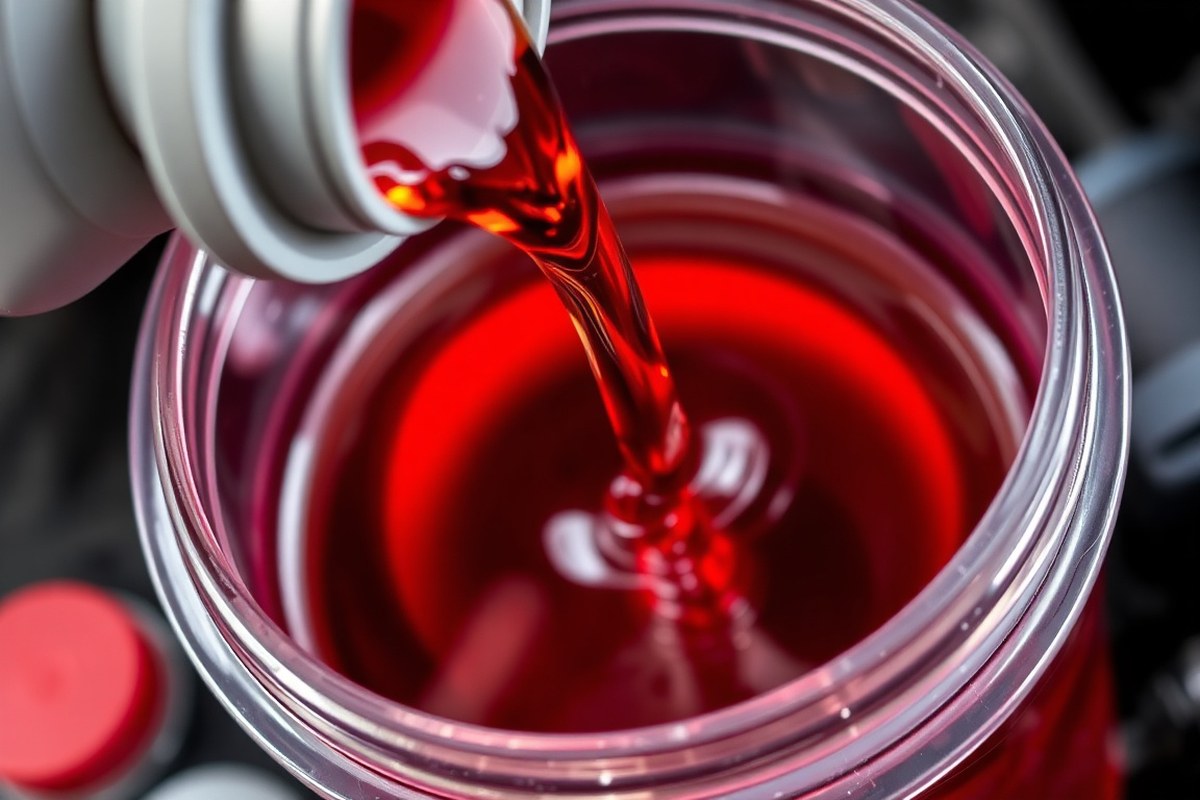
Transmission fluid life varies, usually lasting 2 to 7 years total. Automatic transmissions often need a fluid change every 30,000 to 60,000 miles. That equals about 2 to 5 years of typical driving.
Manual transmissions tend to last longer, with changes every 30,000 to 70,000 miles. This means you might go 3 to 6 years before changing fluid.
Synthetic transmission fluid has a longer lifespan than regular types. It typically lasts 60,000 to 100,000 miles or 5 to 7 years.
Avoid waiting 10 years to change fluid. Over time, fluid loses its ability to lubricate and cool the transmission well.
Drive conditions and vehicle use change these numbers. Vehicles used for towing need more frequent fluid changes. Change fluid every 1 to 3 years or every 20,000 to 40,000 miles.
Heavy-duty work stresses transmission fluid more. Automatic transmission fluid breaks down faster than manual fluid. This happens due to complex parts and heat buildup.
Manual fluid generally lasts longer under normal use. Synthetic fluid can extend change intervals but still requires periodic inspection and replacement for best results.
What Factors Affect Transmission Fluid Lifespan?

Transmission fluid lifespan depends on several key factors. Driving habits, fluid type, and vehicle age all play a role. These influence how often you should change the fluid for best performance.
Impact of Driving Conditions and Habits
Hard driving, such as towing or hauling heavy loads, heats transmission fluid more. Heat breaks down the fluid faster, reducing its lifespan. Stop-and-go traffic and frequent short trips add more stress, accelerating wear.
On the other hand, light driving mostly on highway keeps fluid cooler. This can stretch fluid life up to about 100,000 miles. That equals roughly 7 years.
It’s close to the top limit for fluid life. You should still check fluid condition regularly if you drive in tough environments.
Types of Transmission Fluids Used
Most transmissions use either synthetic or conventional fluid. Synthetic fluid generally lasts longer and resists heat and oxidation better. Some synthetic fluids claim to last up to 10 years under light driving conditions.
Conventional fluid tends to degrade faster, especially in heat or heavy use. Changing it every 30,000 to 60,000 miles is common. Using the fluid recommended by your vehicle manufacturer saves you trouble.
Vehicle Age and Maintenance History
Older vehicles often need transmission fluid changed more frequently. Wear from years of use contaminates the fluid with metal particles and dirt. This makes the fluid less effective at lubricating and cooling parts.
Newer cars might come with “lifetime” fluid. But many mechanics recommend changing it around 50,000 to 100,000 miles anyway. Inspecting fluid condition and vehicle performance helps decide when to act early.
How Driving Environment Influences Fluid Life
Hot climates and high temperatures speed fluid breakdown. Transmission fluid can begin to lose effectiveness well before normal intervals in these conditions. Living in heat or towing frequently means changing fluid more often.
Cold weather also affects fluid viscosity but usually does not shorten lifespan as much. However, frequent cold starts can increase transmission wear, indirectly affecting fluid life. Seasonal checks help catch problems early.
Check your transmission fluid color and smell once a year. Do this more if conditions are rough. It helps catch problems early.
How to Check Transmission Fluid Condition Yourself
Checking your transmission fluid condition yourself helps spot problems early. You look at the fluid’s color, smell, and level using the dipstick. These simple checks can tell if the fluid still works well or needs changing.
Warm Up the Vehicle Properly
Start the engine and let it run for about five to ten minutes. Warming the vehicle circulates the transmission fluid properly. This gives a more accurate reading when you check it.
Park your car on a flat, level surface after warming. Keep the parking brake on for safety. This step stops uneven fluid distribution inside the transmission.
Locate and Inspect the Dipstick
Open the hood and find the transmission dipstick. It usually has a bright handle marked “Transmission” or “Trans.” Check your owner’s manual if you can’t find it.
Pull the dipstick out gently and wipe it clean with a lint-free cloth. This removes old fluid and gives a clear view of current fluid condition. Then fully reinsert the dipstick for the next step.
Evaluate Fluid Color, Smell, and Consistency
Remove the dipstick again and look at the fluid’s color. Healthy fluid is bright red or pink. Dark red, brown, or black fluid signals a need for change.
Smell the fluid on the dipstick. A burnt odor means the fluid is overheated or broken down. Fresh transmission fluid usually has no strong smell or a slight sweet scent.
Feel the fluid between your fingers. It should be smooth without grit or particles. Granules or a sticky texture suggest contamination or wear inside your transmission.
Check Fluid Level Accurately
With the engine running and car in Park or Neutral, pull out the dipstick again. Look at the fluid level against the marked indicators. Low fluid may cause shifting problems or damage.
Add recommended transmission fluid only if the level is below the safe mark. Too much fluid causes foaming and shifting trouble. Follow your owner’s manual for the fluid type and amount.
- Warm the engine 5 to 10 minutes on level ground.
- Engage the parking brake and keep the engine running.
- Locate and wipe the transmission dipstick clean.
- Reinsert dipstick fully and pull it out again.
- Assess fluid color: healthy is bright red or pink.
- Smell for burnt odor indicating fluid breakdown.
- Feel for smooth consistency without grit or stickiness.
- Check fluid level on dipstick marks and top if low.
How Manufacturer Recommendations Influence Fluid Change Intervals
Manufacturers suggest you change transmission fluid between 30,000 and 60,000 miles. This depends on your vehicle’s make, model, and transmission type. Many mechanics advise changing it near 60,000 miles even if your car claims it has lifetime fluid.
Your owner’s manual is the best place to find the exact recommendation for your vehicle. It will list the correct type of transmission fluid based on your transmission design.
Automatic transmissions usually require a specific automatic transmission fluid (ATF). Manuals often need different fluid types that fit better with their gear systems.
Some transmission fluids handle high heat and heavy loads better than others. This affects how often you need to replace the fluid. Choose fluid based on your driving and transmission needs.
High-performance or heavy-duty vehicles might require changes sooner than everyday cars. Your driving style and conditions can also influence fluid life. But following the manufacturer’s timeline remains key to avoiding issues.
| Transmission Type | Fluid Change Interval | Recommended Fluid Type |
|---|---|---|
| Automatic | 30,000 to 60,000 miles or 2-3 years | Automatic Transmission Fluid (ATF) specific to model |
| Manual | 30,000 to 60,000 miles | Manual Transmission Fluid or gear oil |
| CVT (Continuously Variable Transmission) | 30,000 to 50,000 miles | CVT-specific fluid |
Some cars claim their transmission fluid lasts the vehicle’s lifetime. But this isn’t always safe to trust. Changing the fluid often keeps the transmission parts from wearing down.
Fluid alone can’t stop all the damage inside the transmission. Regular changes help keep your transmission working well longer. Changing fluid sooner than needed won’t cause harm and might save costly repairs later.
Following your vehicle’s maintenance schedule exactly helps the transmission work smoothly and last longer. Using the fluid type recommended by the manufacturer ensures proper lubrication and prevents damage. Look at your owner’s manual for the right fluid and change timing.
Ask a mechanic if you don’t know which fluid or interval to use. It’s best to get advice specific to your car.
Transmission Fluid Change vs Flush: Which Is Better?
A transmission fluid change means draining the old fluid and refilling with new fluid. It replaces around 40% to 60% of the fluid. Some fluid stays inside the torque converter and lines.
This service costs about $80 to $150 at most shops. It usually takes less than an hour. Changing fluid removes some contaminants but leaves behind sludge and deposits in the system.
A flush uses a machine to push out nearly all old fluid. It replaces about 92% of the fluid. This service costs between $220 and $380 and takes more time than a regular change.
The flush cleans better because it reaches inside deeper. But it might dislodge old deposits. These deposits can clog solenoids and cause shifting problems, especially in vehicles with over 120,000 miles.
People with newer or low-mileage transmissions get the most benefit. A flush cleans the system thoroughly. Older transmissions may get damaged by a full flush.
Built-up deposits can come loose and cause harm. High-mileage cars do better with a fluid change every 30,000 miles. This avoids flush-related risks.
In mild climates or light use, you might extend fluid change intervals. This is safer if driven seldom.
Driving on old or dirty transmission fluid makes your transmission work harder and wear faster. Old fluid loses its additives that cool and lubricate, causing metal parts to grind and overheat. This could lead to expensive repairs or full transmission failure.
Regular fluid changes or flushes help protect your transmission. They keep shifting smooth and avoid problems.
Always check your vehicle’s manual for recommended service intervals before choosing a flush or fluid change.
Mechanics agree that a flush between 60,000 and 120,000 miles helps most cars. But personal driving habits and vehicle age matter. The choice comes down to balancing risk, cost, and how deep a clean you want.
A fluid change is less costly and safer for older transmissions. A flush provides a more complete clean but might cause trouble in high-mileage cars.
To change fluid yourself, drain the pan first. Then replace the filter and refill with new fluid. A flush needs special tools to run new fluid through lines.
It’s best done by professional mechanics. A fluid change or flush both help stop buildup growth. Fresh fluid makes your transmission last longer.
Signs Your Transmission Fluid Needs Changing Immediately
Gears slipping when changing speeds clearly show your fluid is low. Old transmission fluid also causes slipping. Both mean it needs checking.
You might also notice the car jerking or hesitating while shifting. Check the fluid immediately if you feel these problems.
Another warning is a burning smell coming from the transmission area. This happens when the fluid overheats and loses its ability to lubricate. Dark, dirty, or thick fluid means it’s contaminated and needs replacement right away.
Low transmission fluid levels can cause overheating and increase wear on the transmission parts. Ignoring these signs can lead to costly damage.
Never changing fluid causes parts inside the transmission to fail. This can lead to total transmission failure.
Transmission fluid keeps gears cool and reduces friction. It breaks down over time and loses its qualities. Old fluid might have metal shavings, showing internal damage.
To check fluid, start the engine and warm the car up. Pull out the dipstick while the engine runs. Then inspect the fluid’s color and smell.
The fluid should be bright red or pink and smell slightly sweet or neutral. Brown color or burnt smell means you need a fluid change soon. Don’t wait too long to fix it.
Transmission fluid change costs about $80 to $250. Price depends on the vehicle type and repair shop.
Regular changes avoid bigger repair bills that can run thousands. Many mechanics advise changing fluid at least every 100,000 miles to prevent major issues.
DIY Transmission Fluid Change: Tools and Steps
Changing your transmission fluid yourself needs some tools, safety steps, and time. It usually takes about 30 to 60 minutes, depending on your vehicle. You must use the fluid type your vehicle’s manual calls for to avoid damage.
Gather Necessary Tools and Fluid Type
Start by collecting all the tools and fluids you’ll need. Using the right transmission fluid matters; wrong types can harm the transmission. Check your owner’s manual for the exact fluid specification and quantity.
The basic tools include a drain pan, socket wrench, funnel, new transmission filter, and gasket. These tools help you drain and refill the fluid without making a mess. Buying OEM fluid costs between $42 and $68 for 4 quarts.
Price depends on your car model. Choose the right fluid for your vehicle.
Drain Old Transmission Fluid Safely
Let the transmission fluid cool to avoid burns before you start. Position the drain pan under the transmission’s drain plug or pan. Slowly remove the plug or loosen the pan bolts using the socket wrench.
The fluid will flow out, so be patient and let it drain completely. Draining old fluid takes around 10 to 15 minutes. Don’t forget to dispose of the old fluid properly at a recycling center.
Replace Filter and Gasket If Applicable
Some vehicles have a transmission filter and gasket that need changing with the fluid. Removing the transmission pan lets you access the filter and gasket. Take off the old gasket and clean the pan thoroughly before installing new parts.
Install the new filter and gasket carefully without bending or damaging them. A new filter traps particles better, keeping your transmission cleaner. Skipping this step might cause leaks or poor fluid flow later.
Refill with Correct Transmission Fluid
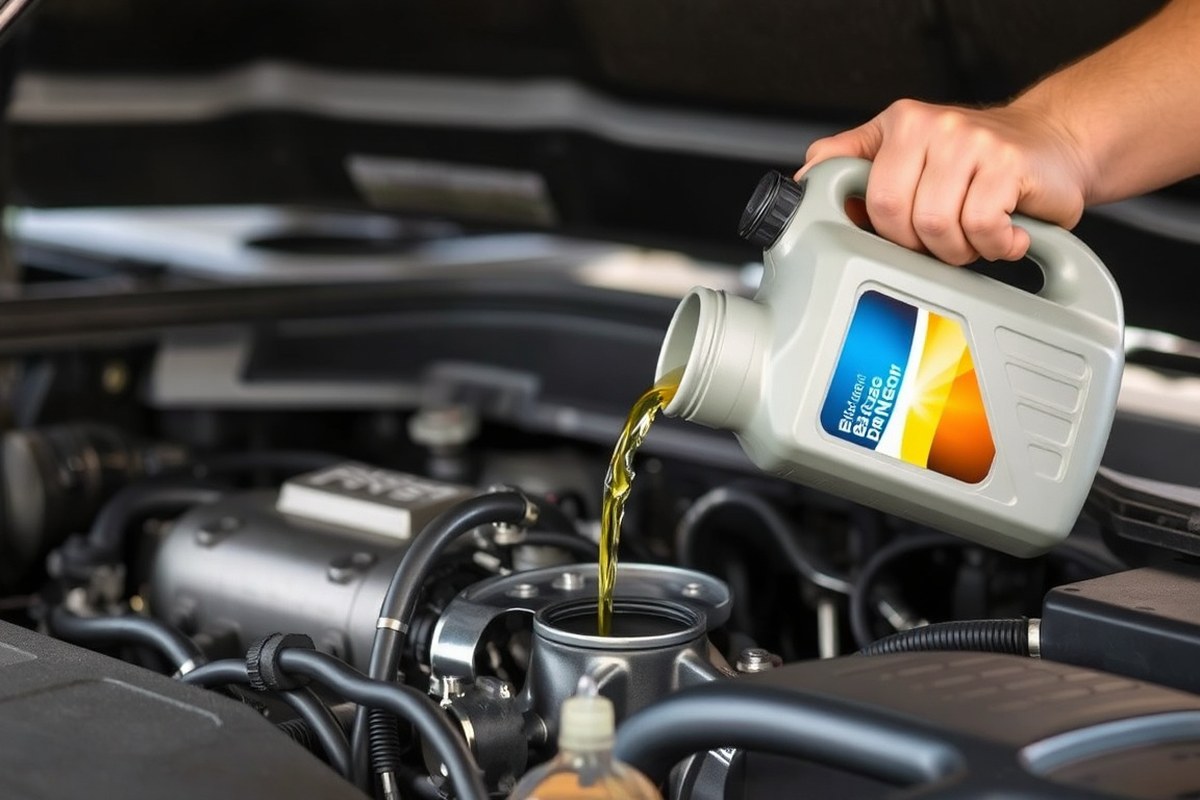
Use a funnel to pour the new transmission fluid into the fill hole. Fill slowly to avoid spilling, and add only the amount your manual recommends. Overfilling or underfilling can cause shifting problems or damage.
Double-check you used the exact fluid type your manufacturer requires. It’s usually printed on the fluid container or found in the vehicle’s service manual. Filling generally takes 15 to 20 minutes depending on your comfort level.
Test and Check for Leaks
Start the engine and let it warm up, then shift through all the gears. Look under your car for any leaks around the pan or drain plug. Running the transmission helps circulate the new fluid and settle everything in place.
Check the fluid level again once the engine is warm and adjust if necessary. A small leak means you might have to tighten bolts or replace the gasket. This final step ensures your transmission runs smoothly and lasts longer.
- Gather tools: drain pan, socket wrench, funnel, new filter, and gasket.
- Check your manual for the correct fluid type and amount to buy.
- Cool your transmission fluid and position a drain pan underneath.
- Remove drain plug or loosen pan bolts to drain old fluid fully.
- Remove old filter and gasket if your vehicle uses them, clean the pan.
- Install new filter and gasket carefully, then reinstall the pan.
- Pour new transmission fluid through the fill hole using a funnel.
- Warm up engine, test shifting, check fluid level again and inspect for leaks.
When to See a Professional for Transmission Fluid Service
Trust a professional mechanic to flush your transmission fluid. Complex car problems need expert care. Don’t try these tasks yourself.
Flushing replaces all old fluid plus debris in the system, unlike just draining and refilling. This service requires special equipment and care to avoid damaging sensitive transmission parts.
Check your owner’s manual for interval recommendations. Call a mechanic if the fluid smells burnt. Look for dark brown or black fluid colors.
Also seek help if the transmission slips or jerks. These signs mean the fluid and transmission may be in trouble. Mechanics can test the fluid properly and spot hidden issues like leaks or worn parts.
The cost difference between synthetic and conventional fluid changes can matter. Synthetic fluid costs $20 to $40 more per quart. Most vehicles need 5 to 15 quarts total.
These fluids last longer but cost more upfront. Conventional fluid is cheaper but may need changing twice as often. Labor for fluid service alone ranges from $80 to $150, rising with flushes or complex repairs.
Use this checklist before calling a mechanic: Has the vehicle passed 60,000 miles? High mileage cars often need expert transmission care. You notice fluid smells off or fluid color is very dark.
Slipping, rough shifting, or unusual noises occur. Your transmission fluid hasn’t been changed or flushed within your car’s recommended schedule. Or if you want a full system flush instead of a simple fluid change.
Flushing older cars or manual transmissions requires more care. Manual transmission service often involves changing fluid every 30,000 to 60,000 miles, depending on the make. Never try flushing a manual transmission on your own.
Their systems differ and need special care. Use specific fluids and procedures only professionals know.
Always follow your owner’s manual instructions. Ask a mechanic before choosing flushes or costly fluid changes. Getting advice can save you money and trouble.
Tips to Make Transmission Fluid Last Longer
Check your transmission fluid level regularly, about once a month. Use the dipstick when the engine is warm and running. Add fluid only when the level is below the “full” mark.
Avoid overfilling because it can cause leaks. Overfilled fluid may also damage your vehicle parts.
Keep your transmission fluid clean by following the manufacturer’s schedule for fluid changes. Most vehicles recommend a change between 30,000 and 60,000 miles. Sticking to this schedule helps stop dirt and debris from wearing down the fluid’s protective qualities.
Try to avoid heavy stop-and-go traffic and towing heavy loads frequently. These habits cause your transmission to work harder and heat up. High heat breaks down transmission fluid faster, cutting its lifespan.
Park in shade or a garage when you can, especially in hot weather. High temperatures raise the transmission fluid’s temperature. Cooler fluid conditions help maintain its effectiveness longer and prevent premature wear.
Drive smoothly by accelerating gently and avoiding sudden stops. Hard driving heats the fluid and stresses transmission parts. Keeping a steady speed puts less strain on the fluid and your transmission overall.
Have your transmission inspected every year or 12,000 miles. A mechanic can spot leaks or early wear before damage occurs. Early fixes protect your fluid from contamination and prolong its useful life.
Watch for leaks under your car, since fluid loss lowers fluid protection. Transmission fluid costs around $10 to $30 per quart depending on type. Fixing leaks right away helps you avoid costly repairs and keeps fluid levels stable.
Choose the correct transmission fluid based on your owner’s manual. Using the wrong fluid may speed up wear on parts. It can also make the fluid break down faster.
Avoid excessive idling when parked because it can raise transmission fluid temperature. Run your engine only as needed to reduce heat buildup. Lower fluid temperatures slow oxidation and maintain lubrication quality.
These habits combined keep your transmission fluid healthier. You save money by preventing premature changes and avoid sudden transmission failures. Checking the fluid regularly helps it last longer.
Staying away from excessive heat protects the fluid. These small steps improve how your vehicle runs.
Step-by-Step Action Plan for Maintaining Your Transmission Fluid
Follow these steps to keep your transmission fluid in good shape. It helps extend the life of your car’s transmission and avoid costly repairs.
- Before your next drive: Check the transmission fluid level and color using the dipstick. It should be pink or red and clean.
- After 500 miles: Note any unusual smells or noises from the transmission. This can show early fluid issues.
- Every 12 months or 12,000 miles: Change or flush the transmission fluid. Follow your car’s manual for proper timing. Fresh fluid keeps things working smoothly.
- Every 6 months: Inspect the transmission fluid for signs of contamination or a burnt smell. Catch problems early.
- When you notice shifting problems: Get a professional inspection immediately. Problems may need expert tools and knowledge.
- After heavy towing or stop-and-go driving: Consider an early fluid change. Extra stress wears out fluid faster.
- Regularly: Drive gently and avoid harsh acceleration. This prolongs fluid life and transmission health.
Frequently Asked Questions
How Often Should You Change Transmission Fluid in a New Car?
New cars usually require a transmission fluid change between 30,000 and 60,000 miles. Look at your owner’s manual for the specific schedule to maintain transmission health.
Can Old Transmission Fluid Cause Transmission Damage?
Yes, old fluid loses its lubricating power and can cause transmission wear. Changing it on time helps avoid costly repairs and keeps your shift smooth.
Is Synthetic Transmission Fluid Better Than Regular Fluid?
Synthetic fluid usually lasts longer and works better in extreme temperatures. It’s a smart choice but follow your manufacturer’s recommendations before switching.
Can You Drive Safely with Low Transmission Fluid?
Driving with low fluid risks overheating and damage to your transmission. Check and top off fluid if you notice slipping or strange noises to avoid breakdowns.
Does Transmission Fluid Color Always Indicate Its Condition?
Bright red typically means good fluid. Dark or burnt-smelling fluid signals a needed change. Always check smell and texture for a better assessment.
Final Thoughts
Transmission fluid usually lasts about 30,000 to 60,000 miles but can vary by car and use. Keeping an eye on fluid condition helps you avoid transmission damage. Check your transmission fluid now to see its condition.
Plan your next change by your driving habits. Also, follow your car’s manual advice.