How Much Does Transmission Weight? A Complete Guide with Exact Estimates
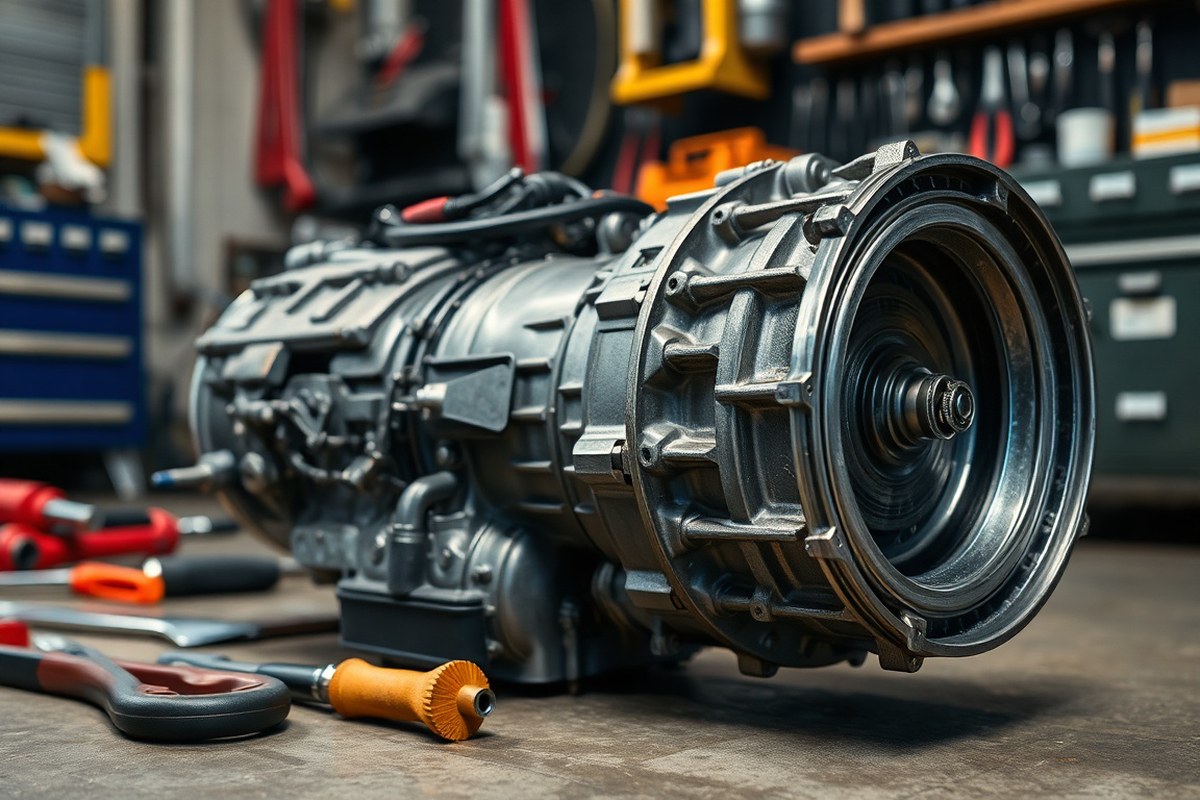
Most passenger car transmissions weigh between 100 and 400 pounds. Manual transmissions usually weigh less, around 100 to 150 pounds. They have fewer parts and less fluid inside, making them lighter overall.
Automatic transmissions are heavier, often over 200 pounds. They have extra parts and hold more fluid, adding to their weight. Transmission fluid can add 15 to 30 pounds depending on the type and size.
For example, a 4L80E automatic transmission weighs about 180 to 200 pounds dry. Adding fluid increases its total weight significantly. Vehicle type also affects transmission weight, especially in bigger trucks and heavy-duty models.
Some heavy-duty transmissions weigh over 215 pounds alone. The combined weight of engine and transmission can exceed 600 pounds. Proper equipment and care are needed for lifting them safely.
Key Takeaways
- Manual transmissions typically weigh less than automatics by about 50 to 100 pounds.
- Transmission fluid can add 15 to 30 pounds to the total weight.
- Heavy-duty truck transmissions often weigh over 215 pounds.
- Know whether the weight is dry or wet before lifting or shipping.
- Engine and transmission together may weigh 600 to 800 pounds, needing a shop crane.
- Smaller transmissions like the C4 weigh about 130 pounds dry, suitable for moderate vehicles.
How Much Does a Transmission Typically Weigh?
Passenger vehicle transmissions usually weigh between 100 and 400 pounds. Manual transmissions weigh between 75 and 150 pounds. They are lighter because they have fewer parts.
This makes them simpler and less heavy. Automatic transmissions weigh more, generally between 150 and 250 pounds due to more complex components.
Continuously Variable Transmissions (CVTs) weigh about 100 to 250 pounds. They usually fit in economy cars and crossovers. This range covers many popular vehicle types.
Dual-clutch transmissions (DCTs), common in performance cars, weigh around 220 pounds. The weight difference between manuals and automatics is often 20 to 50 pounds.
This depends on the transmission model. Automatics are generally heavier than manuals.
Transmission fluid adds extra weight to the total. Automatic transmissions can hold about 10 to 30 pounds of fluid.
For example, the 4L80E transmission holds roughly 13.5 quarts, adding about 25 to 30 pounds. Manual transmissions use less fluid, usually 2 to 4 quarts, adding only 4 to 8 pounds.
Transmission Types and Their Weight Differences
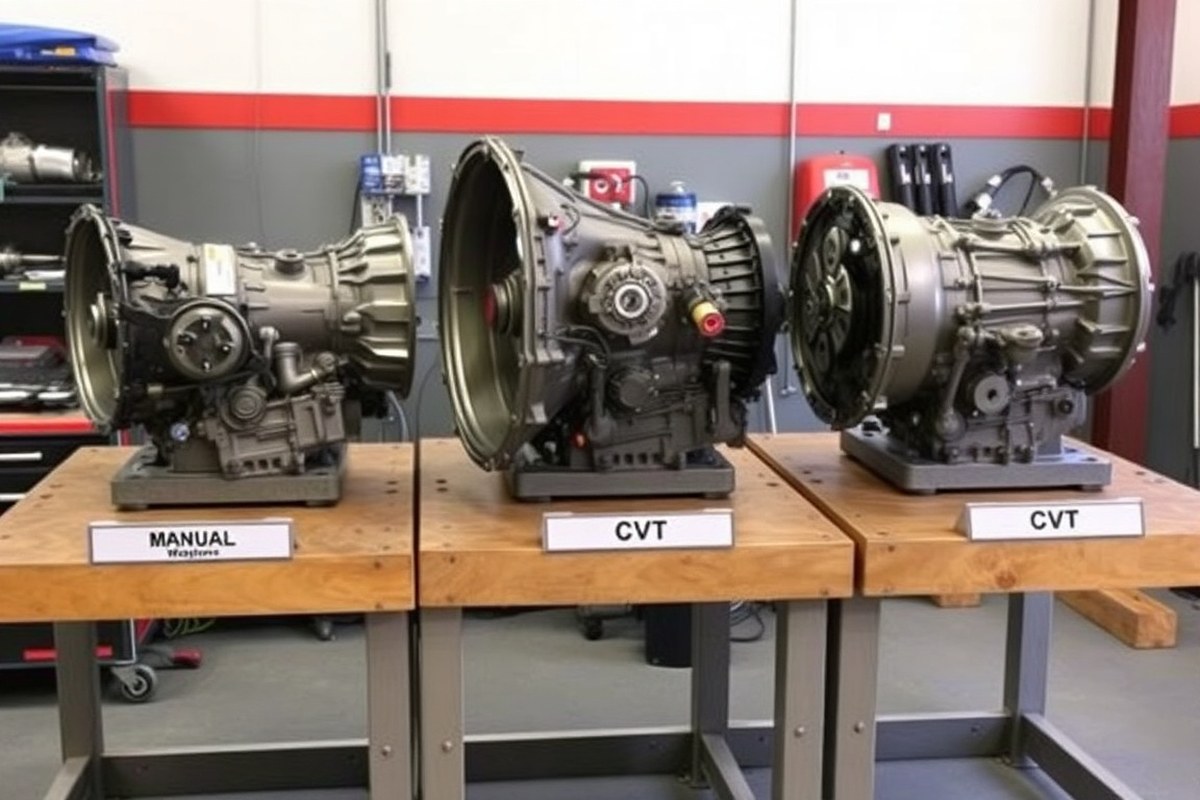
Transmission types differ in weight due to their design and complexity. Manuals typically weigh less, while automatics add more parts that increase weight. CVTs and dual-clutch transmissions sit in between, sharing some features of both manual and automatic systems.
Manual Transmissions Weight Range
Manual transmissions usually fall on the lighter side, with weights ranging from 75 to 160 pounds. Older and simpler manuals with 4 to 5 speeds weigh between 75 and 125 pounds.
More modern manuals with six or more speeds weigh between 100 and 160 pounds. This increase comes from adding more gears.
These transmissions have fewer components, such as no torque converter, which lowers their weight. That reduction improves fuel efficiency and provides a more direct feel in driving performance cars. Many compact and sports cars opt for manuals because they balance weight and control well.
Automatic Transmissions Weight Range
Automatic transmissions weigh significantly more than manuals, generally between 120 and over 300 pounds. Older automatics with 3 to 4 speeds weigh from 120 to 200 pounds.
Modern units with 6 to 10 speeds can weigh more than 180 pounds. Some reach 300 pounds or more.
This extra weight comes from parts like the torque converter, complex valve bodies, and hydraulic systems. Those parts make automatic shifting smoother but add bulk and weight.
SUVs and trucks use heavier automatic transmissions. They handle more torque and carry heavier loads.
CVT and Dual-Clutch Transmission Weights
CVTs usually weigh between 150 to 250 pounds, fitting economy cars and crossovers. They use belts and pulleys instead of fixed gears, which changes their weight profile.
CVTs are heavier than many manuals but lighter than some automatics. Their design makes them mid-weight.
Dual-clutch transmissions, or DCTs, weigh around 150 to 220 pounds on average. They combine two manual-style clutches for fast, smooth gear shifts.
DCTs are designed to be light with quick gear changes. They are common in luxury and performance cars.
The following table breaks down typical weight ranges by transmission type and their usual applications.
| Transmission Type | Typical Weight Range (Dry) | Common Applications |
|---|---|---|
| Manual (4-5 Speed) | 75, 125 lbs (34, 57 kg) | Compact Cars, Sports Cars |
| Manual (6+ Speed) | 100, 160 lbs (45, 73 kg) | Modern Sports Cars, Performance Sedans |
| Automatic (3-4 Speed) | 120, 200 lbs (54, 91 kg) | Older Sedans, Light Trucks |
| Automatic (6-10 Speed) | 180, 300+ lbs (82, 136+ kg) | Modern SUVs, Trucks, Luxury Cars |
| CVT | 150, 250 lbs (68, 113 kg) | Economy Cars, Crossovers |
| DCT | 150, 220 lbs | Performance and Luxury Vehicles |
Knowing these weight ranges helps when considering repairs or upgrades. Weight affects vehicle balance, fuel economy, and how transmissions fit within the car’s overall design. Always match transmission choices to your vehicle’s needs and intended use.
Manual transmissions weigh less, but automatics offer ease of use. Choose based on your driving style and vehicle type.
How Vehicle Size and Type Affect Transmission Weight
Vehicle size strongly affects transmission weight because bigger engines and drivetrains need stronger parts. Compact cars like the Honda Civic often use transmissions weighing around 100 to 150 pounds. These lighter transmissions support less torque and have fewer gears than those in larger vehicles.
Midsize cars and pickup trucks carry heavier transmissions, usually between 100 and 150 pounds. The Chevrolet Silverado 1500 midsize pickup uses a 6L80 transmission. It weighs between 150 and 200 pounds.
The weight depends on the model year and gear setup. These units handle more power and often include additional components that add weight.
Trucks and SUVs generally require more strong transmissions. Full-size trucks like the Ford F-150 with automatic transmissions might weigh about 215 pounds.
SUVs such as the Chevrolet Tahoe use similar or slightly heavier units for extra strength. Transmission weight in this class commonly ranges from 200 to over 300 pounds.
Heavy-duty commercial vehicles use very heavy transmissions to manage high torque and load demands. Commercial trucks and semis often carry transmissions weighing well over 400 pounds. These heavy-duty units are much larger and built with extra materials to last through tough conditions.
Rear-wheel drive transmissions generally weigh more than front-wheel drive ones. These transmissions are often longer and separate from the rear differential. Front-wheel drive units are smaller and lighter since they fit in front of the engine.
Knowing your vehicle’s size and drivetrain type helps estimate the transmission weight. This matters for tasks like swapping or shipping a transmission. Larger, heavier transmissions can increase shipping costs and also affect vehicle handling and fuel efficiency.
Material Composition’s Role in Transmission Weight
Transmission housings come in aluminum or cast iron. Aluminum weighs about 50 to 60 pounds less than cast iron. Cast iron was common in transmissions from the 1960s and ’70s, making them heavier and harder to move.
Cast iron adds durability and strength but is bulky and heavy. Aluminum, on the other hand, reduces weight and can improve fuel efficiency. However, aluminum might sacrifice some toughness, making it less ideal for heavy-duty towing or commercial uses.
You can often tell the housing material by just looking at it. Aluminum cases typically have a dull, matte grey finish that’s quite smooth. Cast iron casings look darker and have a rougher texture with a more solid, heavy feel.
Knowing the material tells you how to handle or ship the unit. Cast iron units need more care because they are heavy and brittle. This helps you avoid damage during transport.
- Aluminum housings cut about 50, 60 pounds off transmission weight
- Cast iron is heavier but offers more durability for tough use
- Aluminum shows a smooth, dull grey finish, cast iron is grainy and dark
- Aluminum saves fuel by lowering vehicle weight
- Cast iron requires sturdier supports and careful handling during shipping
- Lighter aluminum transmissions ease installation and lowering costs
- Heavier cast iron suits trucks needing high torque and long life
Choosing transmissions with aluminum housings can improve your car’s fuel efficiency by trimming weight. But additions like reinforcements in cast iron transmissions provide extra structural strength under heavy load.
Shipments of heavy cast iron units need more padding and support to prevent damage. Aluminum’s lighter weight makes handling easier but may need protection against dents.
Look for these material clues when inspecting a transmission housing to estimate its weight and durability. This info shows if installation will be simpler or tougher. You may need extra steps for shipping and handling.
Plan ahead based on the material type. The housing material always plays a big role in your transmission’s weight and practical use.
Exact Weight Examples for Popular Transmission Models
Here’s how much specific transmissions weigh for common vehicles. We list examples like the Chevy 350’s 4L80E and Ford F-150’s manuals. The automatics in Ford and heavy truck units include Allison models.
These cover a range of transmissions used in trucks and muscle cars. Exact weights vary by year and features, so use these as close guides.
Chevy and GM Transmission Weights
The 4L80E transmission is common in Chevy trucks and muscle cars. It weighs about 180 to 190 pounds dry. That’s the weight without any fluid inside.
With fluid added, it can reach around 220 pounds. The 6L80 automatic appears in Camaro and Corvette models.
It usually weighs a bit more than the 4L80E. This transmission handles higher power outputs well.
Chevy S10 swaps often use these transmissions because of their power and durability. These weights help when planning lifts or hoists to avoid injury during handling.
Ford F-150 and Mustang Transmission Weights
Ford Mustang manuals often use the 6-speed Getrag MT82. This transmission weighs about 120 pounds. It’s lighter than many automatics in the same class.
For the F-150, transmissions vary by engine and generation. But manuals generally weigh about 87 pounds, while automatics will be heavier.
Keep in mind, specific weights can shift with added features or newer models. So check the owner’s manual for your exact truck or car. Knowing these helps you prepare proper support for removal or installation.
Heavy-Duty Truck Transmission Weights
Heavy-duty trucks use large transmissions like Allison or Aisin models. These are found in the Ram 3500 and Super Duty lines. They handle much more torque and weight.
These transmissions can weigh 300 pounds at minimum. Some models easily exceed 500 pounds.
Weight varies by model and its setup. They require special equipment to remove safely.
Underestimating transmission weight can cause gear or hoist failures. Those failures can lead to serious injuries.
Always know the weight before lifting. Always use heavy-duty lifting gear rated above the estimated weight.
| Model | Vehicle | Dry Weight (lb) | Fluid Weight (lb) | Notes |
|---|---|---|---|---|
| 4L80E | Chevy 350, Trucks | 180-190 | Approx. 35 | Common in GM muscle cars and trucks |
| 6L80 | Chevy Camaro, Corvette | About 190-210 | Approx. 35-40 | Handles high power, used in performance cars |
| Getrag MT82 | Ford Mustang | 120 | N/A (manual) | Six-speed manual transmission |
| Ford Manual | F-150 | 87 | N/A (manual) | Weight varies by model year and options |
| Allison | Heavy-Duty Trucks, Ram 3500 | 300-500+ | Varies greatly | Used in heavy-duty diesel trucks, very heavy |
Use the table as a starting point to estimate your transmission’s weight. Always cross-check with your vehicle manual or service guide for specifics. This will keep your project on track and help avoid damage to heavy equipment or injury.
Never lift a transmission like the Allison without proper equipment. Use an engine hoist rated above the transmission’s weight. This keeps the lift safe and secure.
Dry Weight vs Wet Weight: What’s Included?
Dry weight means the transmission’s weight without any fluid inside. This excludes transmission fluid and usually the torque converter as well. Wet weight includes the transmission fluid and often the torque converter, since both add significant weight.
Transmission fluid weighs about 7 pounds per gallon. Most transmissions hold between 1.5 to 4 gallons of fluid. That means fluid alone adds roughly 10 to 30 pounds to the transmission’s total weight.
Torque converters typically add 30 to 50 pounds. This component sits between the engine and transmission in automatic setups.
The wet weight normally includes the torque converter. So you must add its weight if starting with dry weight.
To calculate wet weight from dry weight, first find the fluid capacity in gallons. Multiply that by 7 pounds per gallon to get fluid weight.
Then add torque converter weight if it’s separate. Finally, add these to the dry transmission weight.
For example, say a transmission weighs 150 pounds dry. It holds 3 gallons of fluid and has a torque converter weighing 40 pounds. Fluid weight is 3 × 7 = 21 pounds.
Add 40 pounds for the torque converter. Wet weight is 150 + 21 + 40 = 211 pounds.
Remember that residual fluid inside the torque converter can add 5 to 10 pounds. Drain it before weighing to avoid this “ghost weight.” Including or excluding these details changes your total weight estimate by a noticeable amount.
Knowing the difference between dry and wet weight matters. Fluid and torque converter weight affect handling and installation. When buying or installing transmissions, always check which weight figure you’re working with to avoid surprises.
How to Find or Estimate Your Transmission’s Exact Weight
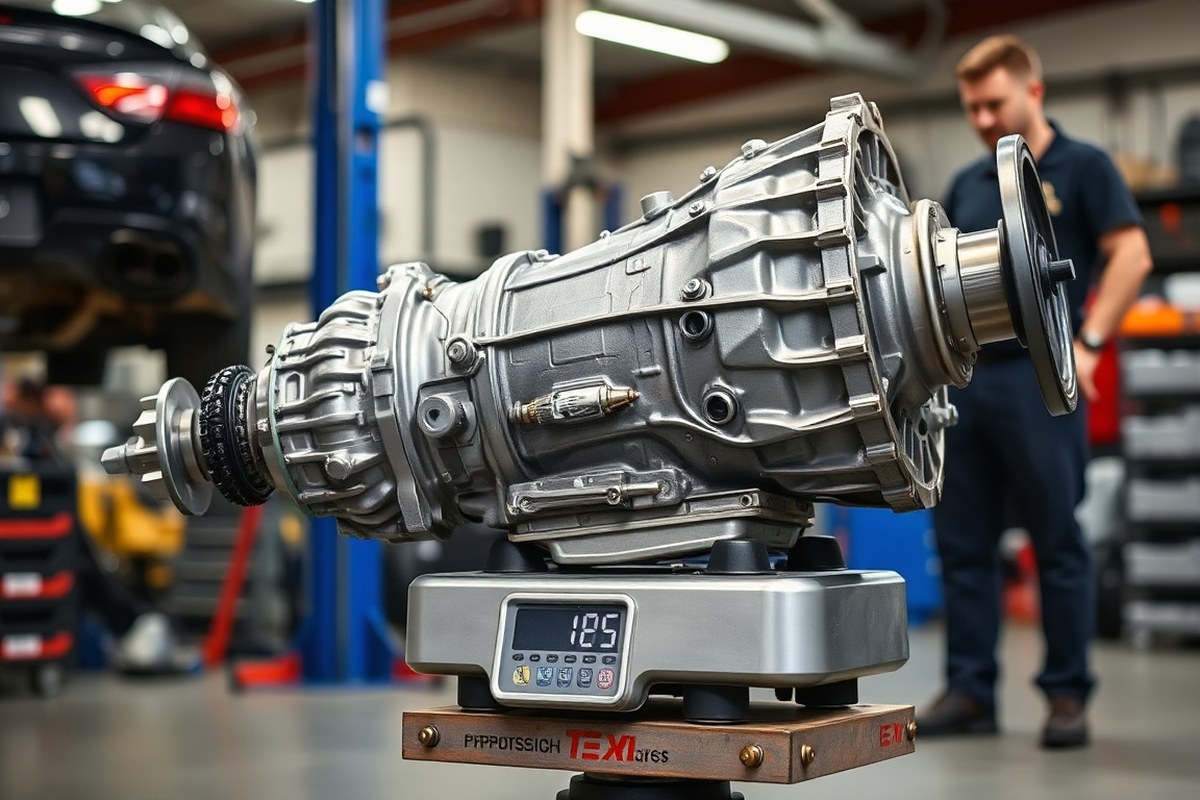
You can weigh a transmission using a floor or engine hoist scale for best accuracy. Estimating weight works too by checking your vehicle’s manual or transmission code online.
Bellhousing and fluids change the weight. So adjust your numbers carefully for parts removed or added.
Preparing the Transmission for Weighing
Clear any dirt or rust that could interfere with a stable weigh-in. Remove loose parts like the bellhousing or speed sensors if possible to weigh separately. This makes the handling safer and your weight reading more exact.
Follow these steps to prepare and weigh your transmission safely and accurately:
- Drain all transmission fluid to avoid messy spills and extra weight.
- Disconnect electrical connectors, linkages, and fluid lines carefully.
- Remove the bellhousing if it’s detachable to reduce weight by 10-20 pounds.
- Use a suitable lifting device like a transmission jack to take it out.
- Place the transmission on a heavy-duty scale that can handle at least 200 pounds.
- Record the weight, noting whether the bellhousing or other parts are attached.
- Reweigh any removed parts separately and add those numbers when needed.
Using Manufacturer Resources and Part Numbers
Look for your transmission’s code on the driver’s side door jamb sticker first. This code lets you find weight specs in factory manuals or manufacturer websites. Checking the exact generation and drivetrain type helps to get a reliable number.
Use these tips to find weight info from official documents or online databases:
- Check your vehicle owner’s manual or factory service guide for detailed specs.
- Search online with your transmission code and manufacturer name.
- Verify data matches your exact model year and 2WD or 4WD setup.
- Contact the manufacturer or a dealer if you can’t find precise info.
Adjusting for Bellhousing and Fluids
The bellhousing usually adds 10 to 20 pounds when attached. Subtract or add this weight based on whether you measured with or without it. Fluids contribute several pounds; dry weight means empty, wet weight includes fluids.
Keep these points in mind to estimate weight changes with parts removed or added:
- Remove transmission fluid before weighing to get dry weight.
- Add roughly 15 to 20 pounds if you want wet weight, depending on capacity.
- Include bellhousing weight separately; don’t count it twice.
- Adjust estimates if aftermarket parts or upgrades change the original weight.
Safety and Handling Tips for Heavy Transmissions
Handling transmissions safely means using the right tools and methods. Most transmissions weigh between 100 and 230 pounds, often more with fluids. Don’t try to lift transmissions by yourself.
Most people can safely lift 40 to 50 pounds. Heavy parts like transmissions require help or tools to avoid injury. Using mechanical help is strongly recommended.
Use a transmission jack rated for 500 pounds or more to remove transmissions safely. These jacks have wide cradles and chains to hold the transmission steady. Lighter manual transmissions might be lifted with a sturdy floor jack but watch for slipping or tipping.
Always disconnect the torque converter before lifting an automatic transmission. This avoids the converter swinging or falling during handling.
It usually weighs 15 to 40 pounds and can create imbalance or damage. Secure the transmission and torque converter separately during transport to prevent hazards.
- Wear gloves to improve grip and protect your hands.
- Use a transmission jack with a safety chain or straps.
- Clear the workspace to avoid tripping hazards.
- Have a helper assist with guiding or steadying the load.
- Lift slowly and keep the load close to your body if hand-carrying smaller parts.
- Transport the transmission on a sturdy dolly or pallet.
- Secure all parts in the vehicle with straps to avoid shifting.
Transporting transmissions requires secure positioning to avoid damage. Use a dolly or pallet to move heavy transmissions. Strapping them firmly inside your truck or van prevents movement during transit.
Avoid dragging the transmission on hard surfaces, as this can damage the case. For installations, inspect the transmission for leaks or damage before lifting.
Never attempt to lift a heavy transmission alone. Use a transmission jack and ask for help.
Key Factors That Cause Transmission Weight Variations
Transmissions with more gears generally weigh more because they need extra parts. Each additional gear adds planetary gear sets, clutches, and often sensors. A 10-speed automatic has more complex parts than a 3-speed.
This complexity adds noticeable weight. The internals are heavier overall.
Transmission design complexity also adds weight. Heavy-duty units built for higher torque use thicker casings and larger gears.
These parts handle more stress but increase mass too. Reinforced internals add a few extra pounds that improve durability and reliability under tough conditions.
Torque requirements strongly influence transmission weight. A transmission built for powerful engines needs beefier components.
That means bigger gear teeth, stronger shafts, and heavier casings. These design features prevent premature wear but add to the total weight.
Aftermarket or rebuilt transmissions often differ in weight. Rebuilt units typically replace some worn parts but keep others stock. So weight changes are usually slight.
However, performance rebuilds or specialty parts like a high-performance torque converter can add several pounds. You can find differences by checking casting marks or part sizes. Another way is to look up exact model specs from the supplier.
Electronic controls now found in many modern transmissions increase weight slightly. Sensors, wiring, and actuators add complexity and a bit of bulk. This adds some weight but gives smoother shifting.
It also improves system monitoring. These benefits help protect the transmission long term.
Knowing these factors helps when you decide on a swap or rebuild. It shows how your vehicle’s balance might change. Always check manufacturer specs or ask the rebuilder about internal changes.
Weighing the transmission with a floor scale can reveal differences before installation. Expect extra weight in heavy-duty or multi-gear transmissions. They weigh more than older, simpler models.
Step-by-Step Action Plan for Handling Transmission Weight
Use this plan to safely check and manage your transmission’s weight. Follow each step and watch for clear signs of success.
- Before you start: Gather the right tools like a transmission jack and a scale. This means you’re ready to lift and weigh safely.
- Day 1: Check your vehicle’s manual for specific transmission weight specs. Confirming this helps avoid guessing and saves time.
- Day 2: Remove the transmission carefully with help or a hoist. No damage or strain means you did this right.
- Day 3: Place the transmission on the scale using your jack or lift. Getting a stable weight reading shows you handled it safely.
- Day 4: Compare the dry and wet weights if possible. Seeing the difference gives you better insight into transmission conditions.
- Week 1: Store the transmission on a sturdy surface to avoid tipping. A secure setup keeps you and your parts safe.
- After 2 weeks: Review the vehicle’s handling after reinstalling the transmission. Smooth shifting and normal operation mean your weight assessment helped maintenance.
Frequently Asked Questions
How Heavy Is a Transmission Usually?
A transmission typically weighs between 100 and 400 pounds depending on type. Manual transmissions weigh between 75 and 160 pounds.
Automatics often weigh 300 pounds or more. This includes the fluid inside.
How Much Does a Chevy 350 Transmission Weigh?
The Chevy 350 uses the 4L60E transmission which weighs about 150 to 180 pounds dry. It can weigh more with fluid. This is common for GM trucks and SUVs.
How Heavy Is a 5 Speed Manual Transmission?
A 5-speed manual transmission typically weighs between 75 and 125 pounds dry. You add about 4 to 8 pounds of gear oil when you fill it. That makes the total weight around 80 to 133 pounds.
How Much Does a F150 Transmission Weigh?
The Ford F150 automatic transmission usually weighs between 180 and 300 pounds. This depends on the model. Manuals, if equipped, will weigh less but are rare in newer trucks.
Can Transmission Weight Affect Fuel Economy?
Yes, heavier transmissions can lower fuel economy a little by adding weight to the vehicle. Lighter transmissions help improve efficiency, especially in smaller cars or hybrids.
The Bottom Line
Transmission weights vary, but knowing what to expect helps you plan work safely. Use your vehicle’s manual and the right tools to get exact numbers. Start with careful removal and weighing to understand your transmission better.