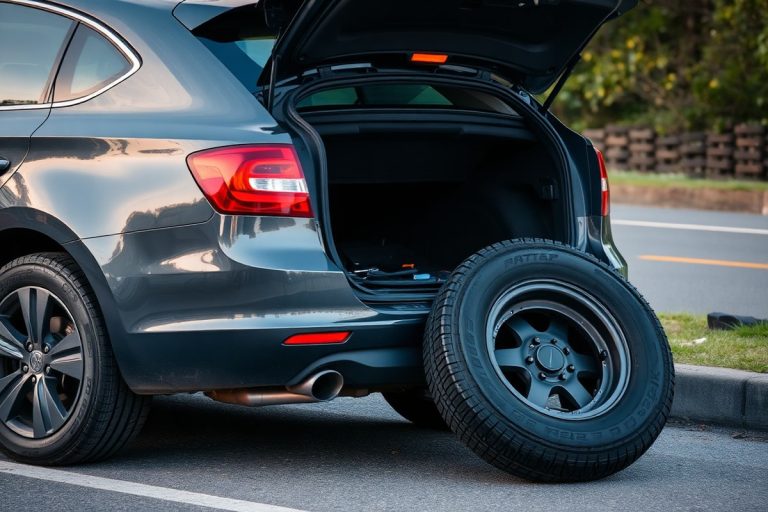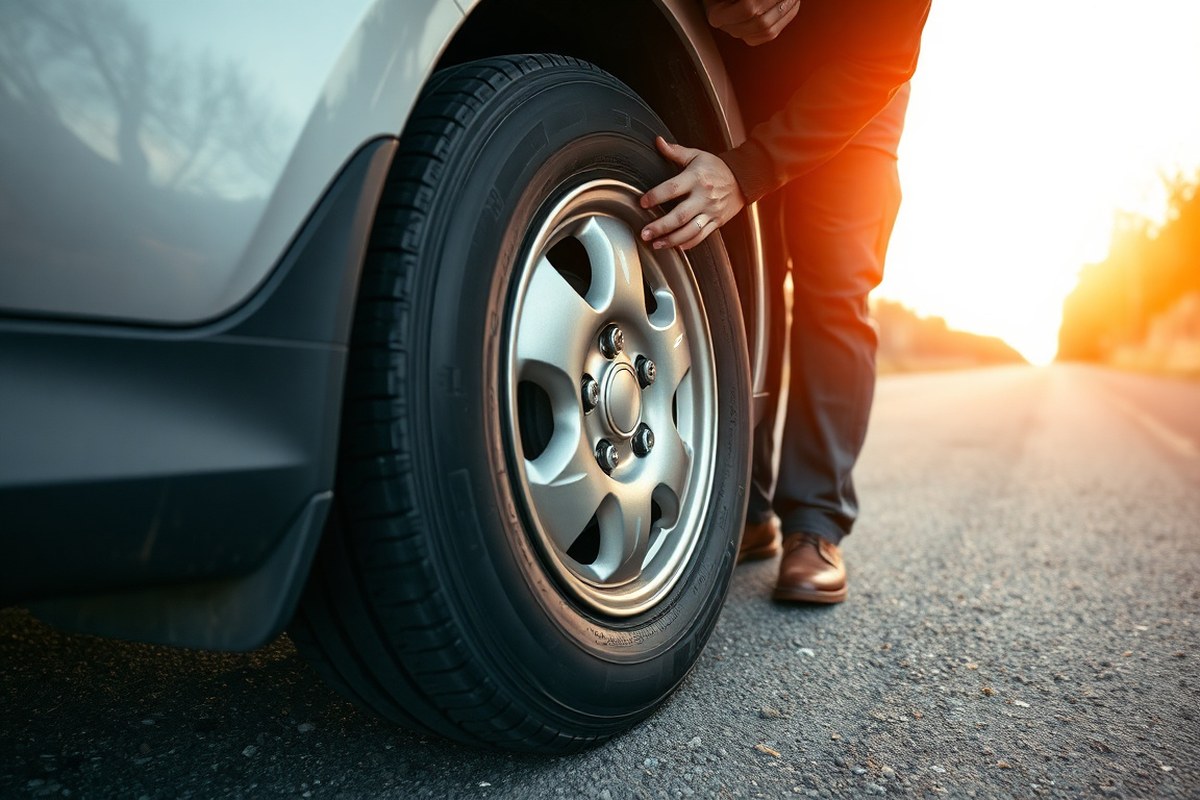
How Far Can You Drive on a Flat Tyre? Complete Safety & Distance Guide
How far you can drive on a flat tyre depends on its type and condition. For a regular flat tyre, limit driving to one or two miles. Going farther risks severe tyre and wheel damage and creates unsafe road conditions.
Run-flat tyres handle punctures better and usually allow about 50 miles of driving. Some advanced run-flat tyres let you drive up to 100 miles. You should keep your speed under 50 mph when using them.
Driving under 20 mph protects both the tyre and wheel from more damage. Easing off the accelerator helps reduce stress on your vehicle components. Check your car manual or tyre label for exact distance and speed limits.
Run-flat tyres are a short-term fix, not a permanent solution. Get your tyre repaired or replaced as soon as you can. Avoid long drives on a flat tyre to stay safe and protect your car.
Key Takeaways
- Never drive more than 2 miles on a standard flat tyre to avoid damage.
- Run-flat tyres let you drive up to 50 miles at 50 mph after losing air.
- Driving under 20 mph on a flat tyre helps prevent wheel and tyre damage.
- Press the accelerator gently to reduce stress on flat tyres while driving.
- Spare tyres usually allow driving for 50 to 70 miles before replacement is needed.
- Check your owner’s manual for tyre-specific distance and speed limits on flats.
How Far Can You Safely Drive on a Flat Tyre?
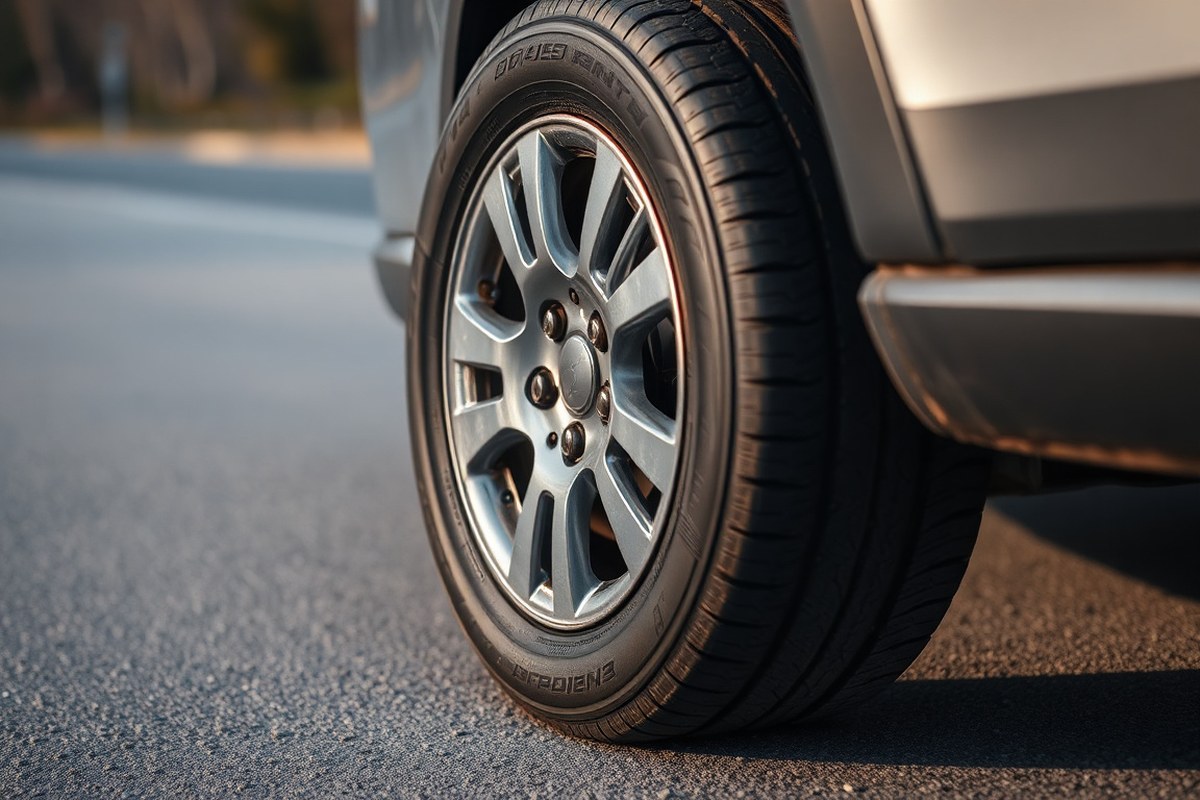
You can safely drive on a flat tire only for a very short distance. The general recommendation is to keep your speed under 20 mph. Driving a flat tire makes heat and pressure rise fast.
This damages the tire, wheel, and suspension quickly. Don’t drive fast with a flat tire.
With a fully flat tire, only drive as far as needed. Go just to a safe spot off the road. Avoid driving any farther than necessary.
Usually, this means just a few hundred feet or up to a quarter mile at most. Driving too far can damage the rim and brake parts.
Fixing them can get expensive over time. So, keep your trips on a flat tire short.
Run-flat tires let you drive farther than regular flats because they have reinforced sidewalls. Run-flat tires let you drive about 50 miles safely. You should not exceed speeds of 50 mph.
This is true after they lose pressure. Still, you want to check your vehicle manual or the tire’s sidewall for exact limits. Driving beyond those limits raises the chance of serious damage and loss of control.
You only have a spare tire, so expect limits. Spares usually aren’t for long trips or high speeds. Use them just to get to a repair shop.
Temporary spare tires suggest speeds under 50 mph. They also recommend not driving more than 70 miles. Follow these limits to avoid damage.
Even so, you should replace it with a regular tire as soon as possible. Driving on underinflated tires risks more car damage.
Keep these drives as short as possible. Check tire pressure to avoid problems.
In any case, stop as soon as it’s safe once you notice a flat tire. Driving slowly and carefully to a nearby safe place can avoid much damage.
Don’t try to keep going on a flat tire hoping it will hold up. The costs and risks are rarely worth it.
What Damage Happens from Driving on a Flat Tyre?
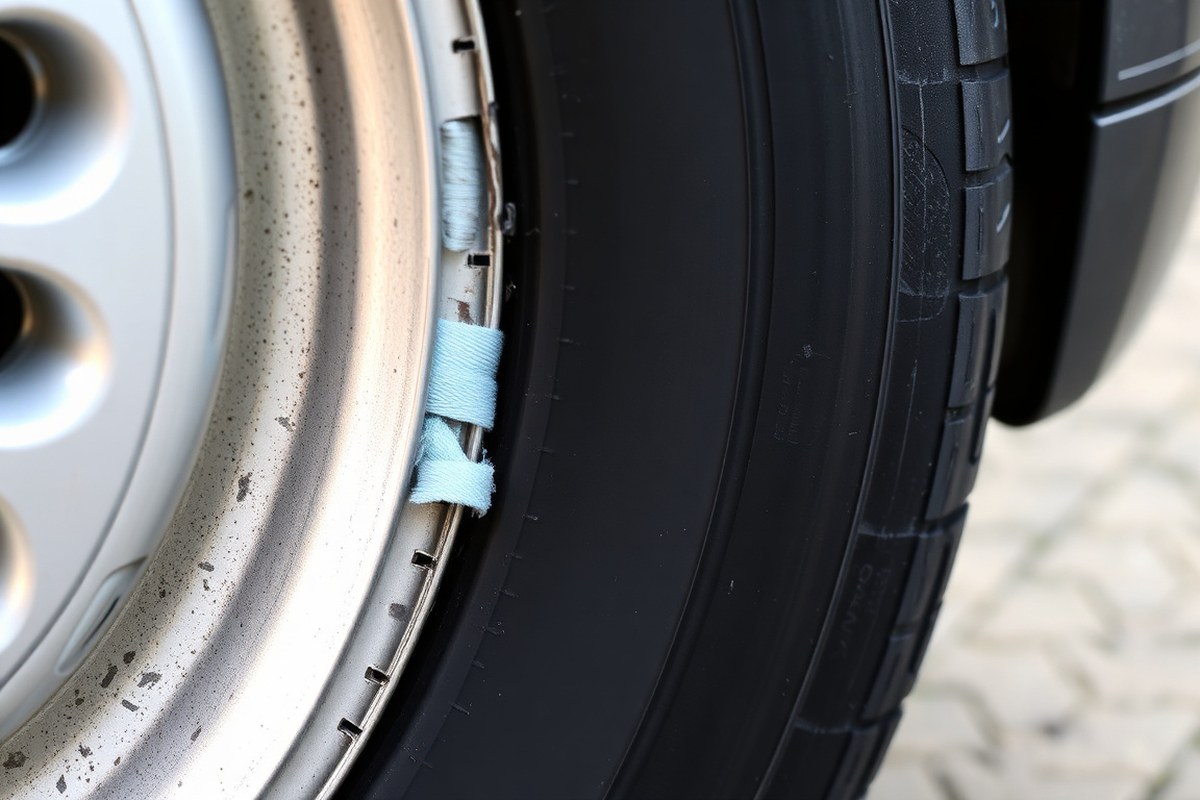
Driving on a flat tyre damages the tyre’s sidewall very quickly. The tyre sidewall is not designed to support the vehicle without air pressure.
Even a short distance can cause cracks, splits, or bulges that cannot be repaired. Once the sidewall is damaged, the tyre usually needs full replacement.
The wheel rim also suffers when driving on a flat. Without air cushioning, the metal rim can hit the road directly. This impact bends, dents, or scratches the rim.
Such damage can cause air leaks later and may require expensive rim repair or replacement. Heavy rim damage often makes the wheel unsafe to use.
Rim damage affects repairability more than tyre damage. A bent rim might be fixable by a specialist. But deep dents or cracks usually mean you must buy a new rim.
The cost of rim repair ranges from $50 to $150. But a new rim can cost several hundred dollars. Avoid driving on a flat to keep these expenses down.
Beyond the tyre and rim, driving on a flat can harm suspension parts. The uneven ride stresses components like shocks and control arms.
Damage here leads to poor handling and costly repairs, sometimes costing over $1,000. This risk grows with longer driving on a flat tyre.
Run-flat tyres handle losing air better but still have limits. They can usually travel 50 to 100 miles after losing all pressure. They drive at about 50 mph during this time.
This lets you reach a service point safely. Still, going beyond this risks permanent tyre and rim damage. Tires designed to puncture repairably can become useless after flat driving.
Driving just a mile or two on a flat tyre can ruin it. The sidewall and rim might get damaged beyond repair. This raises your repair costs significantly.
Differences Between Standard, Run-Flat, and Spare Tyres
Tyres behave very differently once they lose air. Standard tyres cannot be driven on safely when flat.
Run-flat tyres let you drive up to 50 miles at 50 mph after a puncture. Temporary spare tyres, or “doughnuts,” only work for short distances and low speeds.
Standard Tyres: Limits and Risks
Standard tyres rely fully on air pressure to support your car. Driving on a flat tyre even for a short distance can cause damage. It hurts the sidewall or inner liner quickly.
Avoid driving on a flat tyre to keep it safe. This damage often means you must buy a new tyre rather than repair it.
Trying to drive on a flat standard tyre risks losing vehicle control due to poor traction. You should stop immediately and avoid driving more than a few feet on a flat one. Even low-speed attempts can make things worse fast.
Run-Flat Tyres: Extended Driving Capabilities
Run-flat tyres have reinforced sidewalls designed to hold up when air escapes. Usually, you can drive up to 50 miles on a punctured run-flat tyre. You should keep your speed at or below 50 mph.
This helps you get where you need safely. The exact distance and speed depend on your vehicle’s instructions.
This extra driving range helps you reach a safe spot. You can also get to a garage. It means you don’t need an immediate tyre change.
These tyres aren’t for long-term use when flat. You usually need to repair or replace them afterward. Driving on them for too long causes more damage.
Temporary Spare Tyres: Restrictions and Recommendations
Temporary spares, called “doughnuts,” are smaller and lighter than regular tyres. They are only meant to get you to a repair shop safely. Usually, this distance is no more than 50 miles.
Don’t rely on them for long trips. The maximum safe speed on these tyres is about 55 mph.
Driving farther or faster on a spare tyre causes poor handling. It also puts stress on your vehicle’s parts. This makes your drive less safe.
It’s best to swap the spare for a full-size tyre as soon as possible. Follow your vehicle manual for exact limits and tyre change instructions.
Here is a clear comparison of each tyre type’s capabilities after a puncture:
| Tyre Type | Max Distance | Max Speed | Use Case |
|---|---|---|---|
| Standard Tyres (flat) | Few feet to very short | Not safe | Stop immediately, no driving |
| Run-Flat Tyres | Up to 50 miles | Up to 50 mph | Drive cautiously to repair |
| Temporary Spare Tyres | Up to 50 miles | Up to 55 mph | Short-term use only |
Using the right tyre type correctly keeps you safer and prevents more damage. Always check your vehicle manual for specific instructions on your tyres. Don’t stretch their limits beyond what the tyre or car manufacturer allows.
Factors That Affect Driving Distance on a Flat Tyre
Driving speed strongly affects how far and safely you can go on a flat tyre. At higher speeds, the tyre heat builds faster due to friction and sidewall flexing. This causes damage sooner, sometimes before you reach 1.5 miles (2.4 km), especially if your vehicle is heavy.
Road conditions also matter a lot. Smooth, paved roads cause less tyre and rim damage than rough or uneven surfaces. Driving on gravel or roads with potholes raises your risk of rim damage.
You might bend the rim or tear the tyre’s sidewall. Both problems can cause tyre failure.
The vehicle load plays a role too. More weight on the flat tyre pushes the rim closer to the ground.
This crushes the sidewall with every wheel rotation and speeds up damage. Also, worn tyres are more vulnerable because their sidewalls have less support and grip.
- Drive under 20 mph (32 km/h) to reduce heat and damage risk
- Choose smooth roads to limit bumps and sharp impacts
- Unload excess weight if possible to ease pressure on the tyre
- Check tyre wear before driving; replace tires with sidewall damage
- Avoid sharp turns and sudden stops to maintain better control
Each turn on a flat tyre pinches the sidewall. This makes heat build up inside. It also grinds against the rim below.
This damage causes cracks, tears, or bulges in the tyre. These signs mean you must replace the tyre soon.
Slowing down helps stop the rim from hitting the ground hard. It also reduces damage inside the tyre and wheel.
The rim may bend quickly if the tyre is fully flat. This can happen in less than a mile on rough roads with heavy loads. Lowering your speed gives better control over your vehicle.
It stops sudden impacts that could cause a crash or lose steering. Drive carefully for a short way to find a safer spot. You might reach roadside help or a place to fix the tyre.
How to Drive Safely on a Flat Tyre to Prevent Further Damage
Driving on a flat tyre is risky and should be as short as possible. You need to keep your speed low to avoid losing control and causing more damage. Slow and steady motions protect your vehicle and keep you safer when no other options exist.
Use careful techniques to avoid sudden movements. Accelerate and brake gently.
Sharp actions make steering harder and can cause the tyre or rim to break. Staying calm behind the wheel helps keep control and limits harm.
Follow these steps to drive on a flat tyre safely:
- Reduce speed: Aim to stay under 20 mph. Going faster increases risks and tyre damage.
- Release the accelerator gently: Slow down gradually instead of braking hard. This keeps the car steady.
- Brake smoothly: Apply brakes slowly and evenly. Avoid sudden braking that can cause loss of control.
- Hold the steering wheel firmly: Expect the car to pull or feel unstable. Keep a tight grip to steer steadily.
- Avoid sharp turns: Make wide, gentle turns to lessen stress on the damaged tyre and rim.
- Pull over safely: As soon as it’s safe, stop on the side of the road. Avoid driving longer than a mile or two.
- Call roadside help: Get professional assistance instead of trying to drive further. This prevents costly damage or accidents.
Drive slower to keep control on a flat tyre. Avoid sudden moves to prevent damage. This helps reduce harm and keeps your car safer.
What to Do Immediately After Discovering a Flat Tyre
Slow down gradually and signal your intention to pull over. Use your hazard lights as soon as you notice the flat tire to warn other drivers. Find a safe spot away from traffic to stop your car.
It could be the shoulder or a parking lot. Make sure you don’t block the road.
Once stopped, engage your parking brake to prevent the car from rolling. Turn off the engine. Put the vehicle in park if it has an automatic transmission.
Keep all passengers inside the vehicle if you are near busy traffic. Stay alert to your surroundings.
- Turn on hazard lights immediately after noticing the flat tire.
- Pull over slowly and as far from traffic as possible.
- Engage the parking brake and shift into park.
- Stay inside your car if the roadside is busy or dangerous.
- Check the spare tire and tools before deciding to change the tire.
- Call roadside assistance if the location or conditions feel unsafe.
- Use a reflective vest or emergency triangles to increase visibility if you must exit the vehicle.
After stopping, inspect the tire’s condition carefully. Do not drive farther if the tire is fully flat. Avoid driving if the damage looks severe.
Call roadside assistance or a tow truck to avoid risking control loss or further damage. Consider changing the tire yourself if the flat is from a slow leak.
Only do this if you have a spare tire and all the tools. Make sure you are in a safe place.
Avoid rushing this process. It usually takes 5 to 15 minutes to stop and assess the problem safely. Make sure you have a clear escape path, especially if roadside traffic is fast or heavy.
Having an emergency kit ready can save you time in a flat tire situation. It also helps reduce stress during the emergency. Keep your kit in an easy-to-reach spot in your car.
When to Repair, Replace, or Call Roadside Assistance
Deciding what to do depends on the tyre’s damage and location. You might repair it, replace it, or call for help. Choose based on your situation and safety.
Small punctures in the tread area often qualify for repair. Large damage, shredded tyres, or unsafe environments need professional help or replacement.
Repair vs Replacement Criteria
Most punctures smaller than 1/4 inch in the tread can be repaired safely. The tyre needs replacing if it has sidewall damage or is shredded. Also, deep cuts or exposed wheel rims mean you should not drive further.
Signs you need replacement include bulges, cracks, and a tyre losing air rapidly. Avoid driving if the tyre feels unstable or the car sways. In these cases, a professional assessment is safer and more reliable.
Cost Estimates for Flat Tyre Services
Repairing a typical puncture usually costs around $10 to $30 and takes 30 to 60 minutes. Tyre replacement costs vary widely, from $50 for budget tyres to over $200 for premium ones. Installation and balancing add $15 to $50, taking about one hour total.
Roadside repairs or tyre changes often cost $50 to $100. The price depends on the time and your location. Expect a service fee for professional help.
Expect a towing fee if the car must be moved to the shop. These costs rise during nights or weekends, so keep that in mind.
| Service | Typical Cost | Estimated Time |
|---|---|---|
| Puncture repair | $10 – $30 | 30 – 60 minutes |
| Tyre replacement | $50 – $200+ | 60 minutes |
| Roadside assistance repair | $50 – $100 service fee | Varies, often under 60 minutes |
| Towing service | $75 – $150+ | Depends on distance |
Knowing these costs helps you decide whether to repair or replace on the spot. It also shows when calling for help is more affordable or less risky.
When to Call Roadside Assistance
Call roadside help if you’re in traffic or on a narrow shoulder. Also call if you feel unsafe changing the tyre yourself. Call professionals if the tyre is shredded or the wheel shows.
Also if the car feels unstable when you try to drive. These conditions make driving dangerous or impossible.
Roadside clubs like AAA provide quick assistance with tyre changes and towing. Having a membership can save time and stress in emergencies. They may even patch the tyre on-site if conditions allow.
Common Mistakes and Myths About Driving on a Flat Tyre
Many drivers think they can safely drive several miles on a flat tire. In reality, this is risky with a standard tire.
You might manage a few hundred yards before the tire suffers irreversible damage. But continuing longer can lead to costly repairs or accidents.
Some confuse run-flat tires with regular ones. Run-flat tires can let you drive up to 100 miles at reduced speed.
Standard tires don’t offer this safety buffer. Always check your tire type to understand how far you can really drive.
Many people think a nail in the tire means it’s fine to drive. This isn’t true. You should check the tire right away.
Nails often cause slow leaks, which can suddenly flatten the tire. Ignoring these signs usually results in more severe damage and unsafe driving conditions.
- Turning off TPMS alerts to ignore low tire pressure is risky. The system warns you for safety reasons. Always take the alerts seriously.
- Believing standard tires tolerate slow leaks without immediate action risks tire failure.
- Thinking run-flat tires work the same as regular tires leads to overestimating driving distance.
- Overloading the car when driving on a flat tire worsens tire and suspension damage.
- Driving at high speeds on a flat tire greatly increases accident risk and damage.
Turning off the TPMS when your tire is flat removes a critical safety alert. The system warns you because underinflated tires can affect handling and braking. Ignoring low tire pressure can cause serious problems.
For example, your tire might blow out when driving fast. This is very dangerous.
Keep your TPMS on and address the alert immediately to avoid further damage or accidents.
Driving with a flat tire isn’t just about distance; speed and load matter too. Slow, short trips help reduce damage but only within very limited distances. Stop as soon as possible if you have a tire issue.
Fix or replace the tire promptly. Don’t take chances with your safety.
Maintenance Tips to Prevent Flat Tyres and Extend Tyre Life
Keeping your tires in good shape reduces the chance of a flat. Check pressure often, rotate tires on schedule, and look for damage. These steps help your tires last longer and keep you safer on the road.
Regular Pressure Checks
Check your tire pressure every month and before long trips. Use a good tire pressure gauge to get a correct number. Find the ideal pressure on a sticker inside the driver’s door or in your owner’s manual.
Cold tires give the best pressure reading because heat can raise pressure and mislead you. Adjust the air to match the recommended psi. Low pressure makes tires wear faster and increases the chance of a flat.
Scheduled Tyre Rotations
Rotate your tires every 5,000 to 8,000 miles to prevent uneven wear. Consult your owner’s manual for the exact rotation pattern for your vehicle. This helps all tires wear evenly, extending their life and improving handling.
You should follow the manual’s instructions if you usually drive in one direction or tow a lot. Skipping rotations can make some tires wear out too fast.
This can cause weak spots. Weak spots make flats more likely.
Visual and Physical Inspections
Check tires regularly for cuts, bulges, cracks, or embedded objects like nails or glass. Feel the tire sidewalls for bulges with your hand.
Look closely at the tread for small cuts or damage. Remove any debris lodged in the tread to avoid slow leaks.
Here is a simple inspection checklist you can use:
- Look for uneven tread wear across all tires.
- Check sidewalls for cracks or bubbles.
- Remove any stones, nails, or glass from tread grooves.
- Inspect valve stems for damage or leaks.
- Ensure the tread depth is above 2/32 inch, the legal minimum.
Catch damage early and replace tires if wear or damage look serious. Tires with deep cuts or large bulges can fail suddenly. Regular inspections help you spot small problems before they become dangerous flats.
Step-by-Step Action Plan for Driving on a Flat Tyre
You find yourself with a flat tyre, so follow these safe steps. This plan helps you avoid more damage and get back on the road wisely.
- Right away: Pull over safely to the side of the road. Check the tyre to confirm it’s flat and not just low on air.
- Within 5 minutes: Switch on hazard lights to warn nearby drivers. This helps keep you safe during the situation check.
- Within 10 minutes: Gather your spare tyre or check your run-flat tyres. Get ready to replace the flat tyre quickly and safely. Make sure the car is on firm ground and parking brake is on.
- Next 15 minutes: Change the tyre carefully or inflate the run-flat tyre if you can. Drive slowly and only a short distance if tyre pressure returns.
- As soon as possible: Drive to the nearest tyre shop or mechanic. Keep speeds under 30 mph to avoid tyre or wheel damage.
- Within 1 hour: Have a professional repair or replace the tyre. Check wheel and suspension for damage if you drove on it too far.
- After repair: Check tyre pressure regularly. Proper maintenance helps avoid flats and keep your tyres safer.
Frequently Asked Questions
Can You Drive on a Flat Tyre with a New Car Warranty?
Many new car warranties don’t cover damage from driving on a flat tyre. Check your warranty terms to avoid costly repairs or voiding coverage.
Do Certain Road Conditions Make Driving on a Flat Tyre More Dangerous?
Rough or uneven roads increase risks when driving on a flat tyre. It causes more damage and can hurt vehicle control.
Choose a smooth surface if you need to move. This will reduce damage and keep better control.
How Can My Car’s Suspension Be Affected After Driving on a Flat Tyre?
Driving on a flat tyre can stress your suspension system. It may wear out parts faster or cause alignment issues, leading to uneven tyre wear later.
Is It Safe to Drive a Short Distance on a Flat Tyre to Reach a Repair Shop?
Driving more than a few hundred feet on a flat tyre usually causes damage. Always stop as soon as possible to avoid costly repairs or an accident.
Can Temperature Changes Affect How Far I Can Drive on a Flat Tyre?
Cold weather makes tyre rubber stiffer, increasing damage risk on a flat. In hot weather, tyre pressure changes quickly. So limit driving distance to prevent rim damage.
Before You Go
Driving on a flat tyre can cause serious damage. So keep your distance short and drive slowly.
Stop and fix the tyre as soon as you can. Taking quick action helps protect your safety and your car.