Can You Drive After One Drink? What Happens to Your BAC and Safety
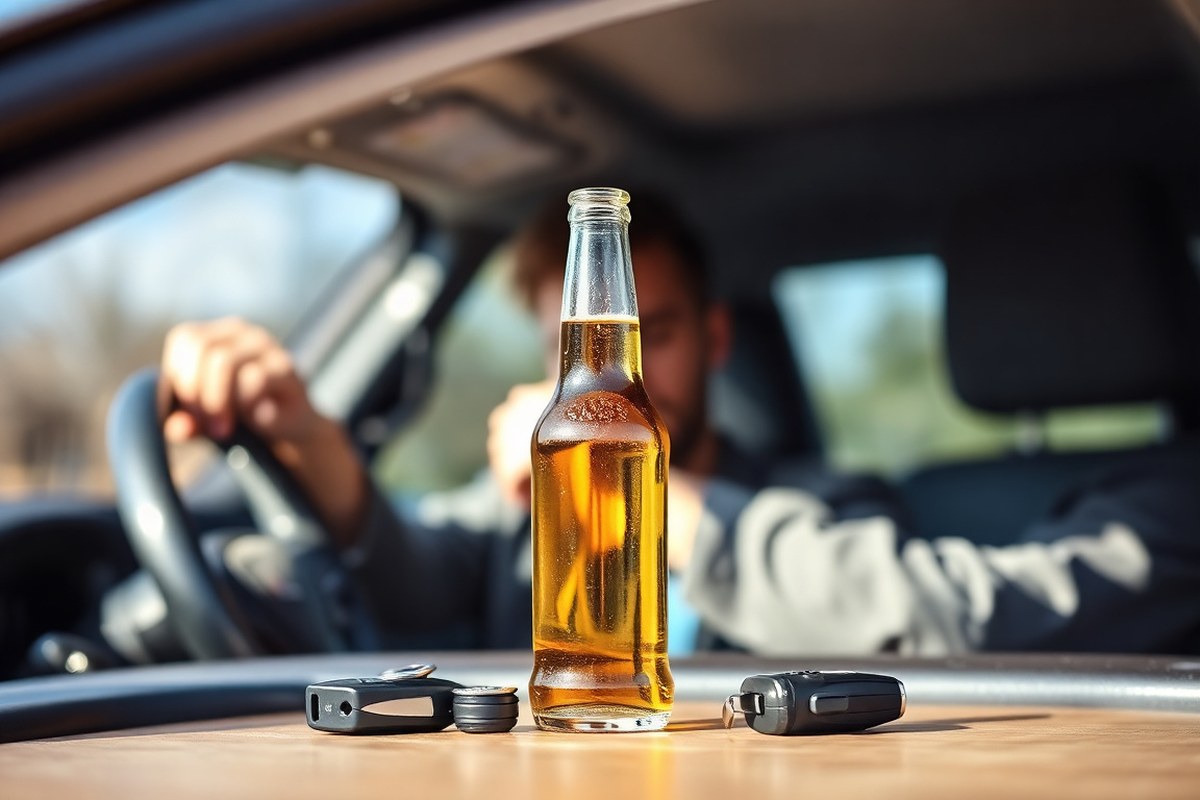
Can you drive after one drink? Legally, you often can, depending on your state’s BAC limit. Most states set the legal limit at 0.08 percent blood alcohol concentration (BAC).
One drink usually puts your BAC below that level. But it doesn’t guarantee your safety.
Alcohol affects your driving skills even at low BAC levels. At 0.At 0.02 percent BAC, you may start to lose focus. Your vision can also get blurry.
This can happen after just one drink. That means even a single drink can make driving riskier than zero drinks.
Before driving after one drink, give yourself time to sober up. Your body usually processes about one drink per hour, but this varies. Think about how you feel before driving.
Don’t rely only on the law. It’s the best way to stay safe on the road.
Key Takeaways
- One drink can raise your BAC to 0.02 percent, impairing focus and vision.
- The legal BAC limit in most U.S. States is 0.08 percent for driving.
- Even below 0.08 percent BAC, alcohol can reduce your driving ability.
- Your body metabolizes roughly one standard drink per hour on average.
- Don’t rely only on legal limits; assess your own alertness before driving.
- Visual decline and multitasking difficulty begin early at low BAC levels.
Can You Drive After One Drink and Stay Within the Law?
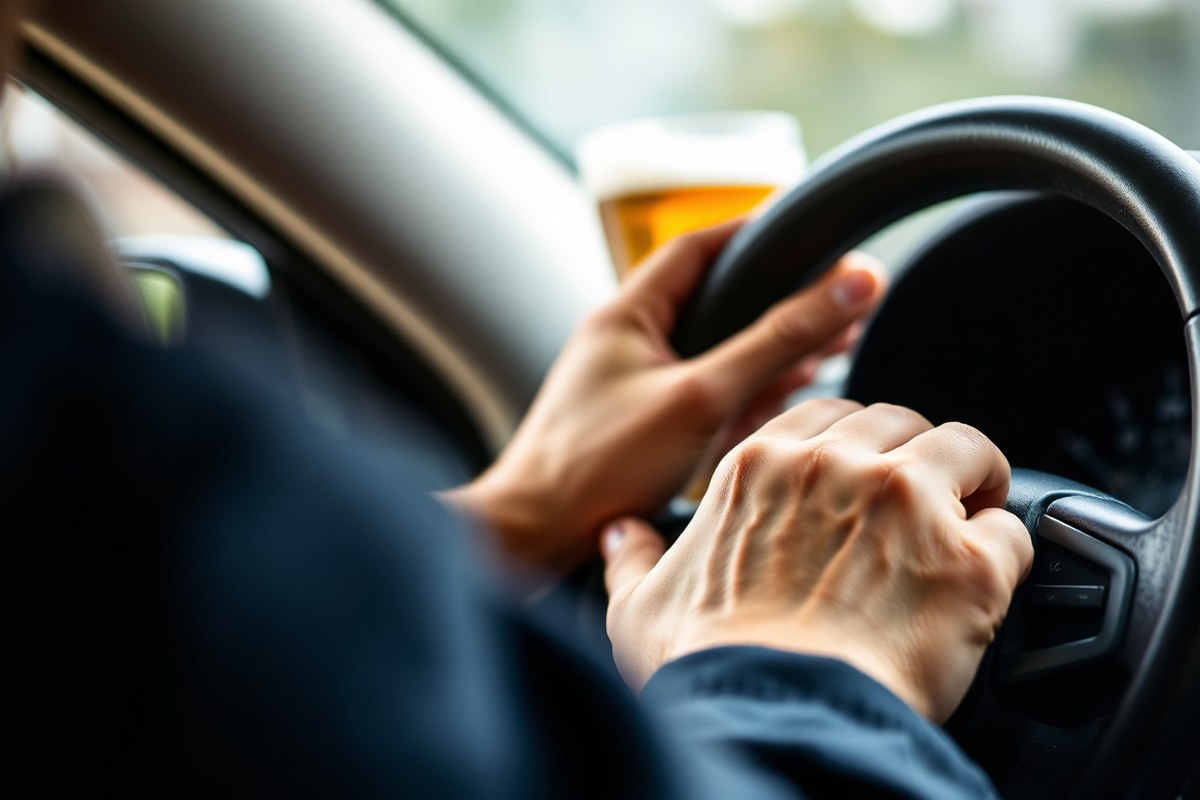
Driving after one standard alcoholic drink can be legal. But it depends on your blood alcohol concentration (BAC) and state laws.
Most states set the legal BAC limit at 0.08% for adults. Underage drivers usually face a zero-tolerance rule, meaning any detectable BAC can lead to charges.
Even if you only have one drink, your BAC may approach the legal limit. Everyone metabolizes alcohol differently. But on average, one drink raises BAC about 0.02% to 0.03%.
For example, a 150-pound adult might reach near 0.03% after one 12-ounce beer. This is below most adult legal limits. But it could be risky if your state lowers limits for some licenses.
You could still face DUI charges with a BAC below 0.08%. Some states allow law enforcement to charge you based on impairment signs alone. For commercial drivers, that limit shrinks to 0.04% in many states.
One drink could push you over the limit. This is true if you drive a commercial vehicle or are under 21.
Check your state’s rules carefully since BAC limits vary. States like California, New York, Texas, Florida, and Colorado maintain the 0.08% adult limit but apply zero-tolerance for underage drivers. This means a 0.00% BAC is required for those under 21 in these states.
Use this simple rule before driving. Skip any alcohol if you are under 21 or drive commercially. Adults with no license restrictions may not be legally impaired by one drink.
Allow about one hour per drink before driving to reduce BAC below limits. When in doubt, wait longer or choose a sober ride.
Legal consequences of DUI vary but can be severe. Penalties range from fines to jail time and license suspension. A first offense can lead to six months in jail.
You might also lose your driving license for a year or more. Staying well under your state’s legal BAC limit is the safest approach.
What Exactly Is One Standard Drink?
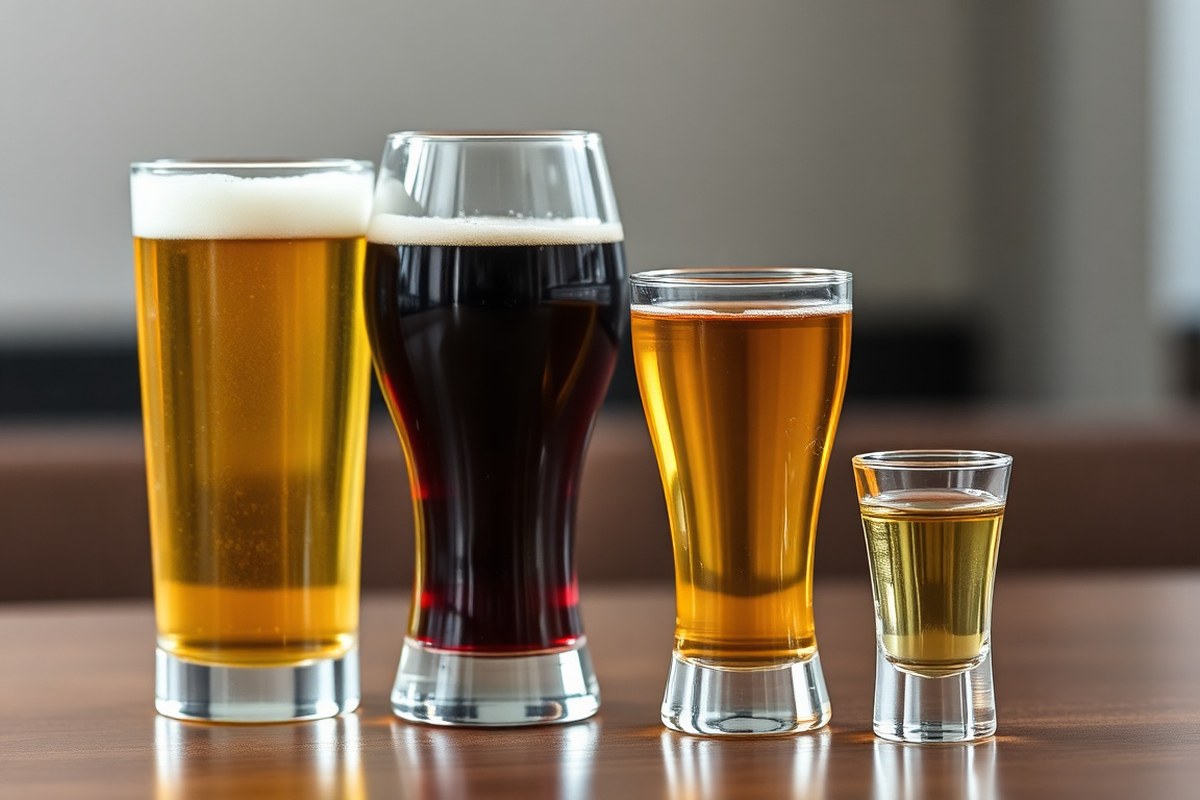
A typical drink holds about 0.6 fluid ounces (14 grams) of pure alcohol. Knowing this lets you measure your real alcohol consumption. Although drinks vary in size, they usually have the same alcohol level.
Below is a table showing typical volumes and alcohol content in different beverages. Each example matches one standard drink.
Light and craft beers can differ in alcohol content. Keep these variations in mind when measuring drinks.
| Beverage Type | Volume | Alcohol Content (ABV) | Standard Drinks |
|---|---|---|---|
| Regular Beer | 12 oz | 5% | 1.0 |
| Light Beer | 12 oz | 4% | 0.8 |
| IPA / Craft Beer | 12 oz | 7% | 1.4 |
| Wine | 5 oz | 12% | 1.0 |
| Fortified Wine | 3.5 oz | 18% | 1.0 |
| Spirits (Vodka, Whiskey, Rum) | 1.5 oz | 40% | 1.0 |
| Shot | 1.5 oz | 40% | 1.0 |
Keep in mind that craft beers with 7% alcohol have about 1.4 standard drinks per 12 ounces. That can quickly add up if you drink more than one glass. Fortified wines and spirits are served in smaller amounts but pack the same alcohol punch.
This standard drink measure helps you estimate your blood alcohol concentration. It sets a baseline. But your body processes alcohol in its own way depending on weight, gender, and metabolism.
Knowing how much pure alcohol you’ve drunk helps you stay safer. It guides better decisions before you get behind the wheel. Pay attention to your actual alcohol intake.
One drink for one person isn’t the same for everyone. Know your limits before driving.
How One Drink Affects Your Blood Alcohol Concentration (BAC)
One standard drink typically raises your blood alcohol concentration (BAC) by about 0.02% to 0.03%. How much your BAC rises depends on factors like your weight, gender, and metabolism. Usually, your BAC peaks within 30 to 90 minutes after one drink.
Average BAC Increase per Standard Drink
A standard beer has about 5% alcohol by volume. It raises your BAC by roughly 0.02% to 0.03%.
The difference depends mostly on how your body processes alcohol and your body size. Lighter people often see a bigger jump in BAC after one drink than heavier people.
You can estimate your BAC with the Widmark formula: (Alcohol ounces × 5.14) ÷ (Body weight × r) − (0.015 × hours). The “r” value is 0.73 for men and 0.66 for women, representing body water content.
For example, a 150-pound man drinks one 12-ounce beer with 5% alcohol. The alcohol ounces are about 0.6 (12 × 0.05).
Using the formula, (0.6 × 5.14) ÷ (150 × 0.73) = 0.028. This means his BAC peaks around 0.028%, assuming he finished the beer recently.
Impact of Weight and Gender on BAC
Body weight influences BAC because alcohol spreads through body water, which varies by size. A heavier person holds more water, diluting alcohol more.
Heavier people get a lower BAC from the same drink. Lighter people get a higher BAC.
Gender also matters. Women usually have less body water and lower enzymes to break down alcohol. A woman’s BAC goes up faster even if she weighs the same as a man.
Her body processes alcohol differently. Women tend to metabolize alcohol slower, too.
Age and health can affect this as well. Metabolism slows with age, causing higher BAC for older adults after drinking the same amount. Certain medications or health conditions might also slow alcohol breakdown.
Typical Timeline for BAC Peak After Drinking
After one beer, your BAC typically peaks within 30 to 90 minutes. Drinking on an empty stomach speeds up absorption, making BAC rise faster. Eating food slows it down by blocking some alcohol absorption in your stomach.
The liver breaks down alcohol right away. It clears about one drink each hour.
Your body and metabolism affect this speed. Your BAC stays high until the alcohol leaves your system.
For example, if you finish a beer at 7 PM, your BAC may peak later. It usually happens around 7:30 to 8 PM.
It then slowly declines, often going down by about 0.015% every hour. So, it might take 2 to 3 hours to return near zero from one drink.
How Alcohol Impairs Driving Performance After One Drink
Even one drink can hurt your driving skills. This starts at about 0 blood alcohol concentration (BAC). Driving impaired increases risks for accidents.02%.
At this level, your brain’s ability to process information slows down. Reaction time lengthens, making it harder to respond quickly to road hazards.
Your coordination also suffers with just one drink. Tasks like steering and braking require smooth muscle control. Alcohol slightly disrupts this control, which reduces your ability to handle sudden maneuvers.
Judgment and decision-making get affected early on as well. You may feel calm or relaxed, but your brain takes more risks unknowingly. This can lead to poor choices like misjudging traffic gaps or ignoring signs.
Visual skills that help you track moving objects begin declining around a 0.02% BAC. This alters how well you keep up with cars and pedestrians. Multitasking becomes tougher, so switching attention between mirrors, speed, and road conditions is difficult.
Feeling sober doesn’t mean you actually are. Your subjective sense of control can be misleading. Studies show that even if you don’t feel drunk, your coordination and focus are still impaired.
Driving safely after one drink requires extra caution. Slow your speed and keep more distance from other vehicles. Avoid complex road situations because your brain and body are not operating at full capacity.
Your liver needs time to clear alcohol, so drinking quickly raises impairment risk sharply. You should wait at least one hour per drink before driving. This helps your body clear the alcohol.
It keeps you safer on the road. But the safest choice is always zero alcohol before you get behind the wheel.
How Long Does It Take to Sober Up After One Drink?
Your liver breaks down alcohol at about 0.015% blood alcohol concentration (BAC) each hour. One standard drink usually raises BAC by roughly 0.02% to 0.03%. This means alcohol from one drink stays in your system for about two to three hours.
Coffee, cold showers, or exercise won’t speed up your liver’s work. Your body needs time to process the alcohol fully. Waiting at least three hours after one drink is a safer rule before considering driving.
Keep in mind that everyone’s body reacts differently. Hormones, body size, and metabolism may affect how fast alcohol leaves your blood.
Some people might feel sober sooner. But their BAC can still impair judgment and reaction time.
Never trust feeling sober as a sign you’re safe to drive. Always wait enough time for total alcohol clearance.
Young drivers face stricter rules. Many places make driving illegal for under 21s with any alcohol. Even a very small amount can count as illegal.
When unsure about your BAC, wait longer before driving. Avoid driving if you think your BAC isn’t zero.
Planning ahead helps, too. After one drink, wait more than three hours before driving.
Better yet, wait until the next day to drive safely. That timeline ensures your BAC returns to near zero and reduces risks of impairment.
Individual Factors That Affect Impairment from One Drink
Your weight affects how alcohol changes your driving skills after one drink. Smaller or lighter people feel alcohol effects faster. Alcohol spreads through less body water in them.
This makes the impact quicker and stronger. A 120-pound person may get twice the BAC of a 180-pound person.
This happens after drinking the same amount. Weight changes how alcohol affects your body.
Eating before or while drinking slows down alcohol absorption in your stomach and intestines. That means your BAC rises more slowly.
You might stay more alert for longer. A meal with protein or fat helps more than just snacking on salty or sugary foods.
Medications can change how alcohol affects you and your driving. Some drugs make alcohol’s effects stronger or last longer.
Others may reduce how your body breaks down alcohol, causing higher impairment after one drink. Always check your medication labels or ask a doctor before mixing anything with alcohol.
Gender also plays a role. Women usually have less body water and different enzymes for alcohol digestion. Women usually feel one drink’s effects sooner than men of the same weight.
This is because of body differences. It does not mean everyone reacts the same way.
Age matters, too. Older adults process alcohol more slowly, so impairment can last longer.
Keep in mind that how fast you drink the beverage affects your impairment level. Drinking a strong beer in 10 minutes hits you faster. Sipping a light beer over an hour has less effect.
How fast you drink matters a lot. Also, your liver’s health changes alcohol processing, liver problems make impairment worse even with one drink.
Your drinking history changes your tolerance. A regular drinker may feel less impaired after one drink compared to someone who rarely drinks.
But tolerance can trick you. So your skills and reaction time might still drop, raising crash risks.
Common Myths About Driving After One Drink Debunked
Driving after one drink is not always safe, even if you feel fine. Alcohol impairs your skills more than you might expect. Understanding common myths helps you avoid risky choices.
Myth: One Drink Doesn’t Impair Driving
Many people believe a single drink won’t affect their driving. But research shows even one drink can slow your reaction time and reduce coordination. These changes make it harder to respond to sudden hazards.
How much one drink affects you depends on many things. Your weight and metabolism play a big role. Also, how fast you drink matters.
Everyone’s body handles alcohol differently. So it’s not safe to assume one drink has no effect.
Myth: Feeling Sober Means You’re Safe to Drive
You might not feel drunk after one drink, but that feeling can be misleading. Alcohol impairs your judgment and motor skills even if you feel alert. This gap can cause risky decisions behind the wheel.
Trying to “beat” a breathalyzer by thinking you are sober is risky. You might not feel drunk at all.
But your blood alcohol concentration (BAC) can be near or above the legal limit. Driving focus can still suffer under these conditions.
Myth: Legal Limit Means Safe Driving Threshold
The legal BAC limit, often 0.08%, doesn’t guarantee safe driving. Some people get impaired at much lower levels.
Others might function better at the same BAC. The law sets a limit based on averages.
Lowering the legal BAC limit was suggested to reduce impaired driving risks. Real safety depends on you being fully focused and capable, not just under the limit. You can follow these tips to keep driving safe after drinking:
- Set a drink limit before you start drinking.
- Know your body’s reaction to alcohol over time.
- Count how long you wait before driving after drinking.
- Stay hydrated and eat food to slow alcohol absorption.
- Use a personal breathalyzer if you want extra caution.
- Plan for a safe ride if you expect to drink more.
These steps lower your risk but don’t make driving totally safe after one drink. Alcohol affects everyone differently, so caution is always best.
Safe Alternatives When You’ve Had One Drink
Driving after even one drink carries risks and legal uncertainty. Planning your ride home before drinking can save trouble.
Apps for rideshares like Uber and Lyft are convenient and quick options. They’re often safer than driving yourself if you’ve had any alcohol.
Public transit is another solid choice. It avoids any alcohol-related driving risks and often costs less than a taxi or ride-share.
Check schedules in advance to avoid long waits or missed connections. Public transit works best if your route and timing match its service hours.
Designated drivers are great but not always better. They should be sober and agree beforehand to stay alcohol-free. Sometimes the designated driver might have a drink.
They can also feel pressure to drink. This defeats the whole purpose of having a sober driver. Communicate clearly and pick someone responsible who understands the role.
- Save taxi and ride-share numbers in your phone before the event.
- Bring cash or a payment app to cover transportation costs.
- Check public transit times and routes ahead of time.
- Ask a trusted friend to be your designated driver.
- Consider booking an overnight stay if transport options aren’t available.
- Plan your sober ride home before you start drinking.
Sometimes the best choice is staying where you are until sober. An overnight stay might save you from a risky drive home.
This approach avoids the worry of a blurred judgement or law-breaking. Remember, any alcohol counts, nobody should drive if their body still absorbs or reacts to alcohol.
Always plan your ride home before having any drinks. So you won’t have to guess later.
Legal Consequences of Driving After One Drink in Different States
Yes, you can face DUI charges after just one drink. State laws often set lower blood alcohol concentration (BAC) limits for certain drivers. Penalties depend on where you drive and your driver category.
DUI Thresholds by State and Driver Type
In most U.S. States, the legal BAC limit for drivers 21 and older is 0.08%. Some states set stricter limits, especially for specific driver groups.
Commercial drivers often have a 0.04% BAC limit. Underage drivers usually face zero-tolerance rules.
Zero-tolerance means any measurable BAC can lead to a DUI charge. For example, if someone under 21 shows a BAC of 0.01%, they can still face penalties. Twenty-one-year-olds and older must hit at least 0.08% to get a DUI in most states.
Penalties for BAC Under Legal Limit
Several states punish drivers with a BAC below 0.08%, especially if impairment is evident. Penalties range from fines and license suspensions to mandatory alcohol education programs. Even a BAC as low as 0.05% can cause consequences in some places.
Penalties for low BAC often include fines up to several hundred dollars. You could also face a 90-day suspension of your driver’s license. These penalties aim to keep drunk drivers off the road.
Repeat offenses raise these penalties and might require formal alcohol treatment. These laws help deter impaired driving before serious intoxication happens.
Special Rules for Underage and Commercial Drivers
Drivers under 21 face zero-tolerance laws in every state. This means any alcohol in their system can trigger DUI charges. Penalties for underage drivers often include fines, license suspension, and community service.
Commercial drivers have stricter BAC limits set by federal rules. They must keep their BAC below 0.04% while driving on the job. Violating this limit can lead to job loss, heavy fines, and permanent license restrictions.
Quick-Start Action Plan for Driving After One Drink
Follow these steps to see if driving is safe and legal for you. First, think about how drinking one drink affects you.
Then, decide if driving feels right for you. Check your own body and local laws before getting behind the wheel.
- Right after drinking: Wait at least one hour before driving. This allows some alcohol to clear from your bloodstream.
- Within 30 minutes: Drink some water to help hydrate and reduce impairment effects.
- Before leaving: Assess how you feel, do you notice dizziness, slow reaction, or blurred vision? Don’t drive if the answer is yes.
- Check local laws today: Find your state’s BAC limit. Learn the penalties for driving after one drink to understand the risks.
- Tonight: Pick a sober driver if you feel unsure. Use a ride app if you think you’re over the limit.
- Tomorrow: Reflect on how one drink affected your coordination and decision making. This helps you learn your limits.
- Next time: Think about not driving after one drink. It helps keep you safe and out of legal trouble.
Frequently Asked Questions
Is It Safe to Drive After One Drink?
No, even one drink can impair your ability to drive safely. Your reaction times and coordination decline, which can increase accident risk.
Can You Legally Drive with One Drink in the U.S.?
Legally, one drink usually keeps you under the 0.08% BAC limit. However, impairment can still affect your driving even below this level.
How Long Should You Wait Before Driving After One Drink?
Wait at least one to two hours per drink to reduce impairment. Individual metabolism rates vary, so more time may be needed.
Does Caffeine Help Sober You Up After One Drink?
Caffeine cannot lower your BAC or reverse impairment. It may make you feel more alert but doesn’t improve actual driving skills.
Can a Single Drink Cause You to Fail a Breathalyzer Test in the UK?
Yes, one drink can put you over the UK drink-drive limit. The legal breath alcohol limit is very low at 35 micrograms per 100ml.
Key Points to Remember
One drink can impair your driving more than you expect. It’s safer to wait, hydrate, and check your own signs before driving. Use a sober ride if you have any doubts about your ability to drive safely.