Is Driving Expired License Without Getting License Suspended and Revoked Legal? A Complete Guide
Driving on an expired license is against the law everywhere. It can cause fines or misdemeanor charges. Avoid driving until you renew your license.
You might avoid suspension if the expiration is recent, but penalties still apply. Longer expiry periods mean a higher chance of suspension.
You might also need to retake the tests. Renewal gets harder with more time passed.
Start by renewing your license as soon as you notice it expired. Check your state rules for expired license penalties.
Some allow a grace period; others penalize right away. Know your state’s limits to avoid trouble.
If caught driving with an expired license, expect a citation or court appearance. Repeat offenses often increase fines and may lead to longer suspensions. Keep in mind, insurance may not cover accidents when your license is expired.
Key Takeaways
- All 50 states ban driving with an expired license. You risk fines and penalties everywhere. Stay legal by renewing before it expires.
- Fines range from $50 to $500, depending on how long your license expired.
- Suspensions occur more often if your license is expired over six months.
- Some states require retaking written, vision, and road tests after one year.
- Grace periods vary; for example, Alabama allows 60 days without penalties.
- Renew early to avoid late fees or penalties linked to long expiration.
Is Driving on an Expired License Without Suspension or Revocation Possible?
Driving with an expired license is illegal everywhere in the U.S. You must have a valid license to drive on public roads. Letting your license expire won’t stop suspension or revocation.
Some states allow a grace period for renewal after expiration. Alabama allows driving up to 60 days after license expiration. After that, penalties can apply.
This grace period is one example. Still, once this grace period ends, driving is no longer allowed without renewal.
Driving on an expired license usually doesn’t cause suspension fast. The problem starts when you delay renewing for a long time. So, renewing quickly helps avoid trouble.
However, law enforcement can fine or charge you for driving without a valid license. Many states charge fines up to $1,000 for long-expired licenses.
Having a license expired more than six months can cause misdemeanor charges. This varies by state but can be serious.
Suspended or revoked licenses mean the state took your driving rights. Expired licenses just mean the license is out of date. Both stop you from legally driving, but the reasons differ.
Driving during a suspension or revocation brings harsher consequences. Those include criminal charges, jail time, and vehicle impoundment.
Renewing a license usually requires a visit to the DMV and paying a renewal fee. Most states don’t need you to retake tests if your license expired under a year. You can renew without extra exams in this case.
Check your state’s rules to be sure. When your license is expired longer, retesting is usually required.
This may include vision, written, or driving tests. Rules vary by state but expect more steps.
Check your license status online or by phone with your DMV. This avoids surprises about your driving rights. It’s safer to confirm before driving.
Never assume your license is valid after expiration. Driving without a valid license can cost much more than a fee.
Suspension or revocation can take months or years to fix. Renewing on time avoids these long problems.
Key Differences Between Expired, Suspended, and Revoked Licenses

Your driver’s license expires when it passes the renewal date. It is no longer valid but has not been officially suspended or revoked. A suspension means the state takes your license away for a time.
It often happens because you have unpaid tickets or points for violations. Revocation is more severe. It cancels your license permanently until you meet specific conditions or reapply.
These distinctions matter because penalties for driving on a suspended or revoked license are harsher. Driving with an expired license usually results in a ticket or fine. Driving while your license is suspended or revoked can cause big trouble.
You might get arrested or have your vehicle taken away. It can also make your driving ban longer. Different states treat these issues differently, so knowing your status is important.
| License Status | Definition | Typical Penalties | Duration |
|---|---|---|---|
| Expired | Renewal date missed, not officially canceled | Fine or citation; possible court appearance | Valid again after renewal |
| Suspended | Temporarily revoked by court or DMV | Fines, possible arrest, vehicle impound | Set suspension period (weeks to years) |
| Revoked | License canceled until reapplication or court order | Severe fines, arrest, mandatory re-test | Indefinite until resolved |
States often apply zero grace period. At midnight on your birthday, your license expires and you must not drive without renewal. California treats driving without a valid license as an infraction or misdemeanor, showing its seriousness.
Laws vary widely. So check your state’s rules if your license expires or faces suspension.
Traffic violations often cause license suspension or revocation. This includes DUIs or failing to pay for accidents you caused. Getting pulled over with a suspended or revoked license risks arrest or longer suspensions.
Many drivers confuse expired licenses with suspension. The law sees suspended or revoked status as a bigger risk to public safety.
Always renew your license before it expires to avoid extra fines or legal trouble.
Typical Penalties for Driving with an Expired License
Driving with an expired license often leads to fines. These fines vary by state. The longer it’s expired, the higher the fines can be.
For example, fines can start at about $100. In some states like Illinois, they reach $1,000. These are usually for more serious cases.
Jail time is rare if it’s your first offense. It can happen though, especially with repeated violations. Driving after warnings increases your risk.
Penalties tend to increase the longer your license stays expired. A first offense may only cost a fine.
But repeated violations can bring misdemeanors, points on your driving record, and even short jail stays. Courts view deliberate or prolonged driving without a valid license more seriously.
Below is a table detailing typical penalties by time expired and offense type. It gives a quick look at how fines and jail terms can change. Remember, exact amounts and jail risks depend on your state and past record.
| Time License Expired | Typical Fine Range | Jail Time Risk | Offense Level |
|---|---|---|---|
| 0-30 days | $100 to $200 | Unlikely | Infraction or misdemeanor |
| 1-6 months | $200 to $500 | Possible short stay | Misdemeanor |
| Over 6 months | $500 to $1,000+ | Higher risk, up to 1 year | Class A misdemeanor |
| Repeated offenses | $500 to $2,500 | Likely jail time | Class A misdemeanor |
First offenses often get treated less harshly. A new expired license case might be just an infraction or minor misdemeanor. Driving again with an expired license increases your penalties.
You could face jail time. License suspension or revocation is also likely.
Driving with an expired license affects your legal status. It can also cause insurance problems. Renew your license as soon as possible.
Waiting too long to renew can cost more money. You might lose your driving privileges temporarily. Some states even impose jail time.
How Different States Handle Expired License Violations
Some states give a grace period after your license expires. This lets you drive legally for a few days or weeks. Check your state rules to know how long.
Others do not offer any grace and treat driving right after expiration as a violation. The existence of a grace period affects the fine amount. It also changes what extra steps you must take.
Penalties for driving with an expired license vary widely. Most states charge fines up to $250.
The fine often grows if your license has been expired a long time. Some states add court appearances or mandatory education classes to the penalties.
After certain expiration times, states may require you to retake the driving test or vision exam. This usually happens if your license has been expired for one year or more. Retesting helps confirm you still meet the state’s qualifications to drive safely.
| State | Grace Period | Max Fine | Retest Required After |
|---|---|---|---|
| California | None | $250 | 1 year expiration |
| Florida | Up to 6 months | $200 | Over 2 years |
| New York | None | $150 | Over 1 year |
| Texas | Up to 90 days | $200 | After 1 year |
| Illinois | None | $150 | More than 1 year |
Knowing your state’s rules helps avoid unnecessary penalties. You can usually renew your license online if it’s just recently expired.
Waiting too long often means paying more and retesting. Some states require you to visit an office in person for retesting after extended expiration.
Failing to check your state’s specifics might lead to surprises. The differences in grace periods and fines mean outcomes vary. You might get a small fine or a bigger one.
It depends on where you are driving. Always check local laws to be sure. A longer expired license combined with driving violations increases the chance of suspension or revocation.
How Driving on an Expired License Can Affect Your Insurance
Your insurance company may deny your claim if you crash while driving on an expired license. They usually cover damages to others but refuse repairs to your own vehicle under collision coverage. This means you could pay thousands of dollars out of pocket after an accident.
Insurance rates can rise after a ticket for driving with an expired license. States differ, but points on your record from this violation often increase premiums.
A first offense may just cost a fine. But repeated offenses lead insurers to see you as higher risk.
Carriers may cancel your policy if you drive with an expired license. They might also refuse to renew your policy later on. Multiple insurers marking you risky makes finding affordable coverage harder.
You’ll struggle to get good rates with those marks. You could struggle to get insurance, making legal driving impossible in many states.
Keep your license current and provide proof of insurance to avoid suspension. Driving without valid insurance often triggers a license suspension until you show coverage. This makes renewing your license and remaining legally insured more difficult.
Don’t wait to renew your license, or you risk denied claims and higher insurance costs.
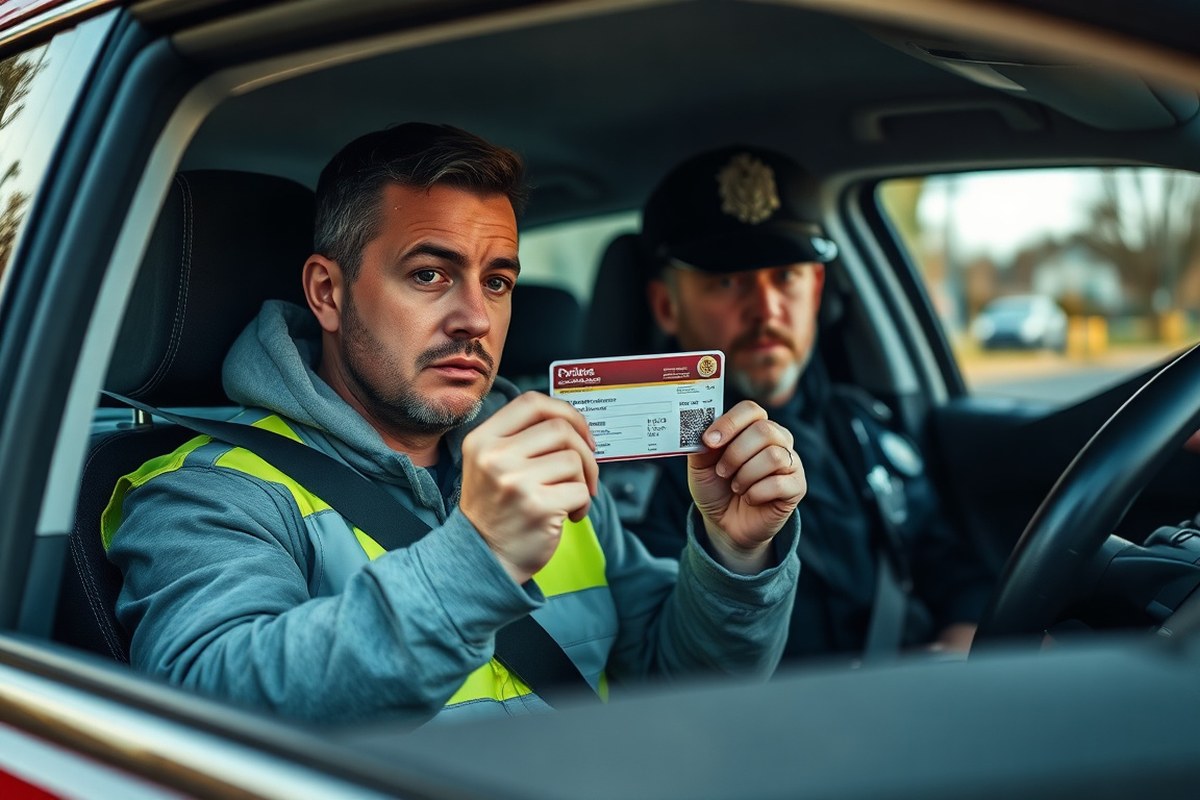
What to Do Immediately If You Are Stopped Driving with an Expired License
When stopped driving with an expired license, stay calm and cooperative. Show respect and respond carefully to avoid extra trouble. Knowing what to say and what documents to present helps a lot during the stop.
How to Calmly Interact with Law Enforcement
Keep your hands visible and stay inside your vehicle unless asked to step out. Take slow, deep breaths to stay calm, even if you feel nervous. Speak clearly and politely when answering questions.
Accept all instructions from the officer without arguing or raising your voice. Being respectful can reduce tension and the chance of added penalties. Remember, your goal is to cooperate, not argue.
Documents to Have Ready
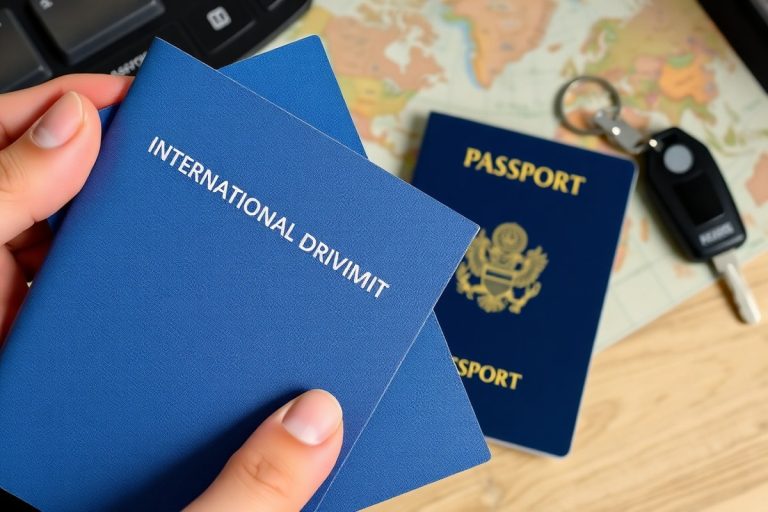
Bring your expired license if you still have it. Also bring proof of identity like a passport or state ID.
Have your vehicle registration and proof of insurance within easy reach. These documents show you are responsible even if your license expired.
You don’t have your expired license? Say so calmly without making excuses. The officer needs to confirm your identity and vehicle ownership during the stop.
Avoiding Additional Charges at the Scene
Do not drive away or try to argue about the expired license on the spot. Leaving, resisting, or causing a scene can lead to charges like resisting arrest or reckless driving. Stay calm and let the officer speak to you fully before responding.
You may be asked to get out of the car. Do this calmly unless you feel unsafe. Then politely explain why.
Follow all lawful orders carefully. Don’t admit guilt about DUI or other charges. Wait to talk to a lawyer first.
What to Say and What Not to Say
Do not immediately say your license is expired. Answer only what the officer asks and keep answers short and truthful. For example, say “Here is my ID and registration,” rather than volunteering extra information.
When asked about your license status, say calmly: “My license expired recently. I’m working on renewing it.””
Avoid admitting wrongdoing or explaining reasons without legal advice. Saying less protects you from additional charges or misunderstandings.
Follow these steps if stopped driving on an expired license:
- Pull over safely and turn off your engine.
- Keep your hands visible on the steering wheel.
- Wait quietly for the officer to approach and speak.
- Present your expired license, ID, registration, and insurance when asked.
- Answer questions politely and briefly without volunteering extra details.
- Comply with any lawful requests such as stepping out of the vehicle.
- Do not admit fault or discuss charges beyond answering questions.
- Ask if you can contact a lawyer if the situation escalates.
Renewal Requirements After License Expiration and Possible Retesting
You usually have a limited time to renew your expired license without extra steps. Renewing within six months to a year avoids late fees or retesting, depending on your state. Waiting too long may mean retaking tests and paying extra fees.
Renewal Window Overview
Most states allow a grace period between license expiration and renewal. This period is generally six months but can stretch to one year in some areas. Renew your license during this time.
It keeps the process simple. Usually, you won’t need any extra steps.
After that window closes, your state may treat your expired license like a new one. This often means retesting and visiting the DMV in person. Checking your state’s exact timeline lets you avoid surprises or extra hassle.
When Retesting Is Required
You might need to retake tests if your license has been expired too long. Vision screening is always required when renewing an expired license in person. Some states require the written test.
Others may also want the road test. This applies if your license expired over six months to a year.
Retesting aims to confirm your ability to drive safely after a long break. This process helps protect both you and other drivers on the road. In cases of a revoked license, retests and further legal steps are mandatory before renewal.
Methods of Renewal: Online, Mail, In-Person
Renewing online or by mail is common for recently expired licenses. It saves time and avoids a DMV visit.
If your license expired over one year, you must go in person. This is also true if you change your name or get a REAL ID.
Going in person lets the DMV perform vision tests and collects new photos. This face-to-face step is important for long-expired licenses or major updates. Confirm your state’s accepted renewal methods before starting the process.
Late Fees and Additional DMV Fees
Late renewal fees kick in once your license expires past the renewal window. Fees usually range from $20 to $100.
They can be higher depending on your location. Besides late fees, costs for retesting or administrative processing may apply.
Failing to pay fees or follow required steps delays your license renewal. This can lead to driving with an invalid license, which risks fines or legal trouble. Staying on top of deadlines saves money and keeps your license active.
Follow these steps to renew an expired license with minimal hassle:
- Check your state DMV website for renewal timelines and requirements.
- Gather your current or expired license and any identity documents.
- Decide if you qualify for online or mail renewal based on expiration time.
- Schedule an in-person appointment if your license expired over a year or you need ID changes.
- Complete any needed vision screening or retesting during your appointment.
- Pay the renewal fee plus any applicable late or retesting fees.
- Receive your renewed license or temporary permit, if applicable.
- Update your records, such as vehicle registration or insurance, if needed.
How Driving with a Suspended or Revoked License Escalates Legal Consequences
Driving with a suspended or revoked license leads to harsher penalties. These penalties are much worse than those for driving with an expired license. Avoid driving if your license isn’t valid.
Suspended or revoked licenses carry legal risks including bigger fines, possible criminal charges, and vehicle-related consequences. These stiff penalties exist because you’ve already broken important driving laws.
They also apply if you didn’t meet required license conditions. The law punishes repeat or serious violations more.
Legal Risks Unique to Suspended/Revoked Licenses
When your license is suspended or revoked, driving is a criminal offense in many states. A license that is expired usually results in traffic fines. But a suspended or revoked license often brings criminal charges.
These charges carry heavier consequences. Criminal charges can force you to appear in court.
They often bring higher fines too. Jail time is possible depending on the case.
The law requires proof to regain driving privileges after suspension or revocation. You need to show why you should drive again. This step is legally necessary.
Driving while suspended usually makes your suspension longer. It may also lead to revocation if you weren’t revoked before. Avoid driving to prevent more trouble.
The system treats suspended and revoked offenses as very serious. You lost your driving rights for a legal reason. The state or court made this decision.
Common Reasons for Suspensions and Revocations
Suspensions often come from unpaid tickets. They can also result from too many violations or missing court dates. These issues cause your license to get suspended.
More serious causes include DUI convictions, reckless driving, or failing to maintain insurance. Revocations occur mainly after major offenses like DUI or accumulating Points beyond limits.
Understanding why your license was suspended or revoked helps you address required steps for reinstatement. Without following legal steps, driving on a suspended license can lead to big fines. Fines can reach up to $1,000.
Your suspension period may also get longer. Plain expiry just means your license is outdated but still valid after renewal.
Vehicle Impoundment and Arrest Risks
Police can impound your vehicle for at least 30 days if you drive while suspended. Vehicle seizures are a common punishment. This adds to your legal trouble.
During impound, you’ll pay towing and storage fees, adding hundreds of dollars. Arrests are also possible, especially if you repeatedly drive without a valid license.
Impoundment is less common with expired licenses unless other violations appear. Your case usually gets harsher treatment if your license is suspended or revoked. The state can seize your vehicle in these cases.
This penalty aims to stop illegal driving. Arrest risk rises if you cause a crash while your license is suspended.
It also goes up if you have outstanding warrants. These worsen your legal problems.
| Violation Type | Typical Penalties | Additional Consequences |
|---|---|---|
| Expired License | Fines $250, $500 | Possible insurance claim denial |
| Suspended License | Fines $500, $1,000, criminal charges | Vehicle impoundment, extended suspension |
| Revoked License | Fines $750, $1,000, criminal charges | Arrest risk, vehicle impound, court hearings |
Never drive if your license is suspended or revoked. It can lead to arrest and higher costs.
Common Mistakes and How to Avoid License Suspension After Expired Driving
Many drivers think driving on an expired license is okay. They believe they can keep driving until they get a new one. This often leads to trouble with the law.
Some believe paying a late fee alone handles the issue. Ignoring renewal rules can cause license suspension.
Missing extra steps like retesting makes it worse. These mistakes hurt your driving record.
Driving right after the expiration is risky if you haven’t met all state conditions. Some states require you to complete fines or update your information before driving again. Ignoring those rules may cause your license to be suspended or revoked later on.
Act quickly if you miss fines or miss the renewal deadline. Contact your state DMV to find out what you owe and how to pay it.
Sometimes, a grace period applies, but it changes by state. Ask about reinstatement fees and required documents to catch up.
Use simple steps to stay legal and avoid surprises:
- Mark your license expiration date on your phone calendar immediately.
- Set reminders at 30, 15, and 5 days before renewal is due.
- Check your state’s DMV website for specific renewal rules yearly.
- Pay any fines or fees as soon as you get notices.
- Complete required tests or proof of insurance before renewing.
- Keep copies of your renewal receipt or confirmation emails.
- Renew online or in person early to avoid last-minute issues.
Missing renewal deadlines often triggers more than just fines. It can mean losing the right to drive until you finish all DMV requests. By following these tips, you reduce the chances of suspension and keep your driving records clean.
Be honest and cooperate if stopped driving with an expired license. This approach helps reduce problems with the officer. Stay calm and polite during the talk.
Then fix the problem fast by renewing and paying any fines. Ignoring DMV warnings only makes things worse.
Waiting too long can lead to costly bail or court. Act quickly to avoid added trouble.
Step-by-Step Action Plan to Handle an Expired License
Use this plan to fix your expired license issue and avoid suspension or revocation. Act quickly to reduce penalties and restore your legal driving status.
- Day 1: Check your license expiration date on the card or online. Confirm it is expired before taking further steps.
- Day 1, 2: Visit your state DMV website to see renewal requirements. Note if you need documents or fees for renewal.
- Day 3: Gather required documents like proof of identity, address, and social security number. This helps speed up renewal at the DMV.
- Day 4, 7: Submit your renewal application online or visit the DMV in person. Look for confirmation that your renewal is processed.
- Week 2: If your license expired a long time ago, check your state’s rules. You may have to retake the written or driving test. Schedule the test as soon as possible. Confirm your test date and prepare accordingly.
- Week 3: Pay any late fees or fines related to the expired license. Keep receipts as proof to avoid future issues.
- Week 4: Receive your new license by mail or pickup at the DMV. Verify all information is correct on the new card.
- After Renewal: Avoid driving until you have the current license in hand. Driving with an expired license risks suspension or additional penalties.
Frequently Asked Questions
Can I Avoid License Suspension If I Renew Right After My License Expires?
You might avoid suspension by renewing your license soon after expiration. Acting quickly shows good faith and can reduce penalties. Don’t wait too long, as longer delays increase the risk of suspension and fines.
Does a Police Officer Have to Warn Me Before Suspending My License for Expired Driving?
Officers do not have to warn you before reporting a violation that leads to suspension. Suspension happens through DMV or court processes, not on the spot. It’s best to check your license status before driving.
Can Unpaid Traffic Tickets Lead to License Suspension After It Expires?
Yes, unpaid tickets can trigger license suspension even if your license only expired. States use ticket records to decide on suspensions. Pay tickets on time to keep your driving privileges safe.
If My License Is Expired, Can I Still Get Car Insurance Legally?
You can keep car insurance with an expired license. But some insurers may charge more.
Driving without a valid license risks your coverage being voided. Always inform your insurer about your license status.
Is Borrowing a Friend’s Car with My Expired License Illegal?
Yes, driving any car with an expired license is illegal. Borrowing a friend’s car doesn’t change your legal requirement to have a valid license. This can lead to fines and your license suspension.
Wrapping Up
Driving on an expired license without suspension or revocation rarely happens without trouble. Acting fast to renew your license lowers your risk of legal trouble. Start your renewal process today to stay legal and protect your driving record.