How Do You Know If Your Transmission Slipping: 9 Clear Signs and Fixes That Work
How do you know if your transmission slipping? The clearest sign is your engine revving higher. The car doesn’t speed up even though the engine runs faster.
This shows your transmission may be slipping. This means the transmission isn’t fully engaging the gears, causing a loss of power.
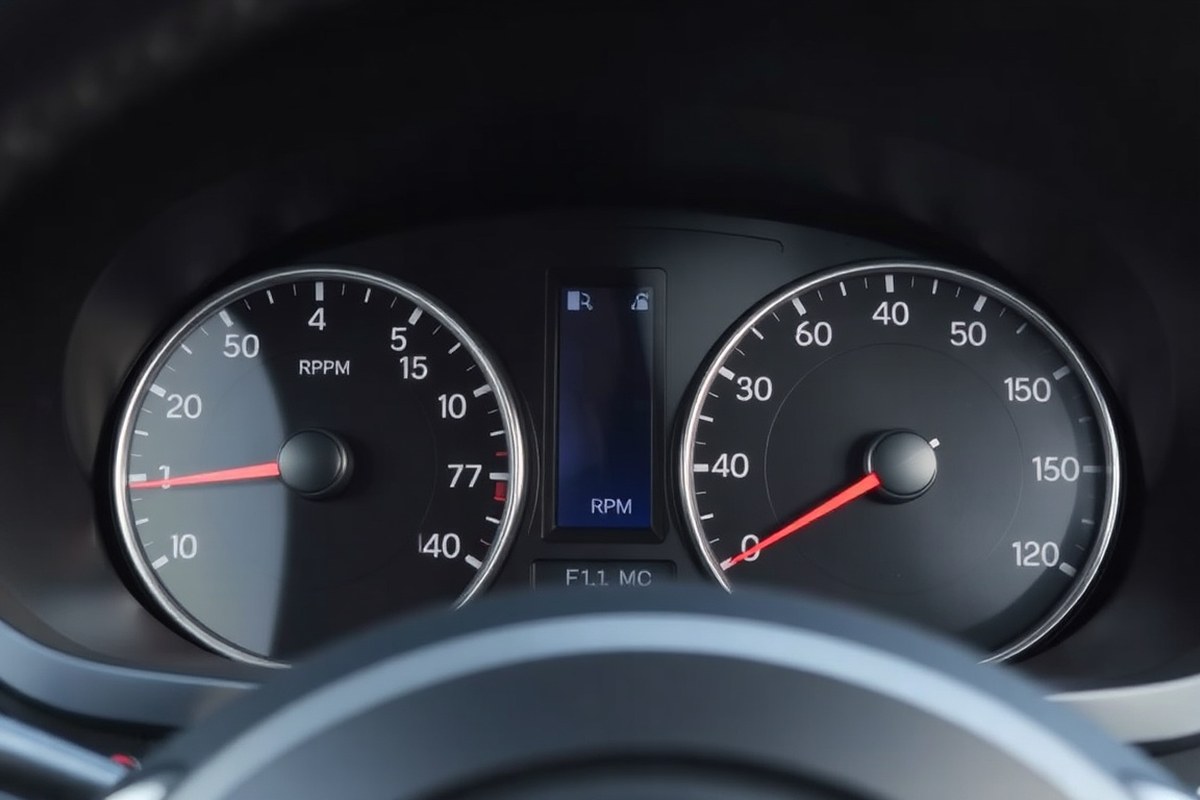
Pay close attention if your car hesitates or shifts roughly, especially around 2,000 to 3,500 RPM. You might see the tachometer jump without your speed rising.
Sometimes, your gears slip suddenly when you accelerate. These are signs of a transmission problem.
Start by checking your transmission fluid level and color. Dark or low transmission fluid often causes slipping.
A fluid and filter change can fix this problem. Doing this early stops further damage.
Key Takeaways
- A high RPM with little acceleration often signals transmission slipping.
- Rough or delayed gear shifts should raise concern for slipping transmission.
- Check transmission fluid level and color as a quick slipping test.
- Dark or burnt fluid means a need for immediate fluid service.
- A slipping transmission may worsen quickly if ignored, leading to costly repairs.
- Early slipping can sometimes be fixed for under $300 with fluid service.
1. What Are the Clear Signs Your Transmission Is Slipping?
Your car’s transmission slips when it fails to keep a steady link to the wheels. This causes the engine to rev higher while the vehicle speed doesn’t rise as expected. Noticing this mismatch early helps prevent costly fixes and unsafe driving.
Look for these clear signs that show your transmission is slipping. Your engine may suddenly rev up without you pressing the gas harder.
This usually happens during steady cruising or light acceleration. You might also hear jerky shifts or experience delayed engagement when moving from Park to Drive.
- Engine revs surge quickly, but the car barely accelerates
- Transmission delays engagement when shifting into gear
- Frequent hard or jerky gear changes during driving
- Burning smell from the transmission after driving
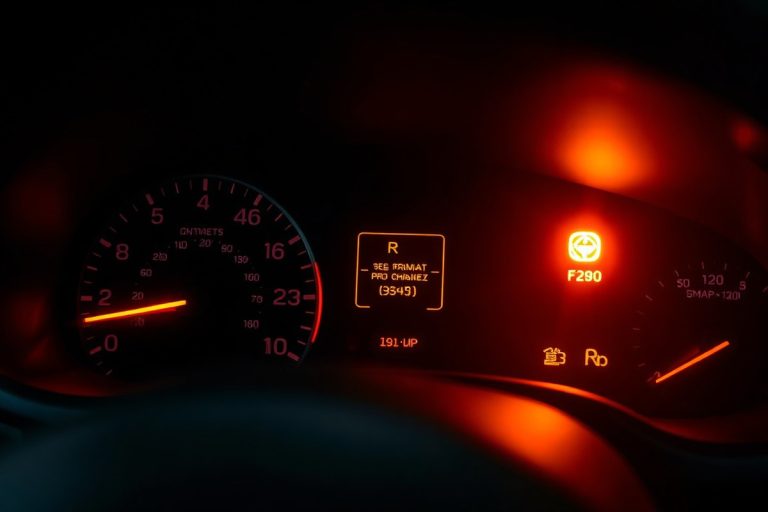
- Check Engine light comes on with transmission-related codes
- Transmission fluid is dark, dirty, or leaking
- Transmission hunts for proper gear during acceleration
When the transmission slips, the engine RPM no longer matches vehicle speed. If you press the gas gently and the RPM rises, slipping is likely. The car doesn’t speed up even though the engine revs higher.
This shows the transmission is slipping. This usually means the clutch packs inside can’t hold, or fluid pressure is too low.
Driving with a slipping transmission harms components quickly. The slipping creates overheating, causing a burning smell and rapid fluid wear. Getting a mechanic’s help immediately saves money and stops damage from getting worse.
2. How Transmission Slipping Feels When Driving
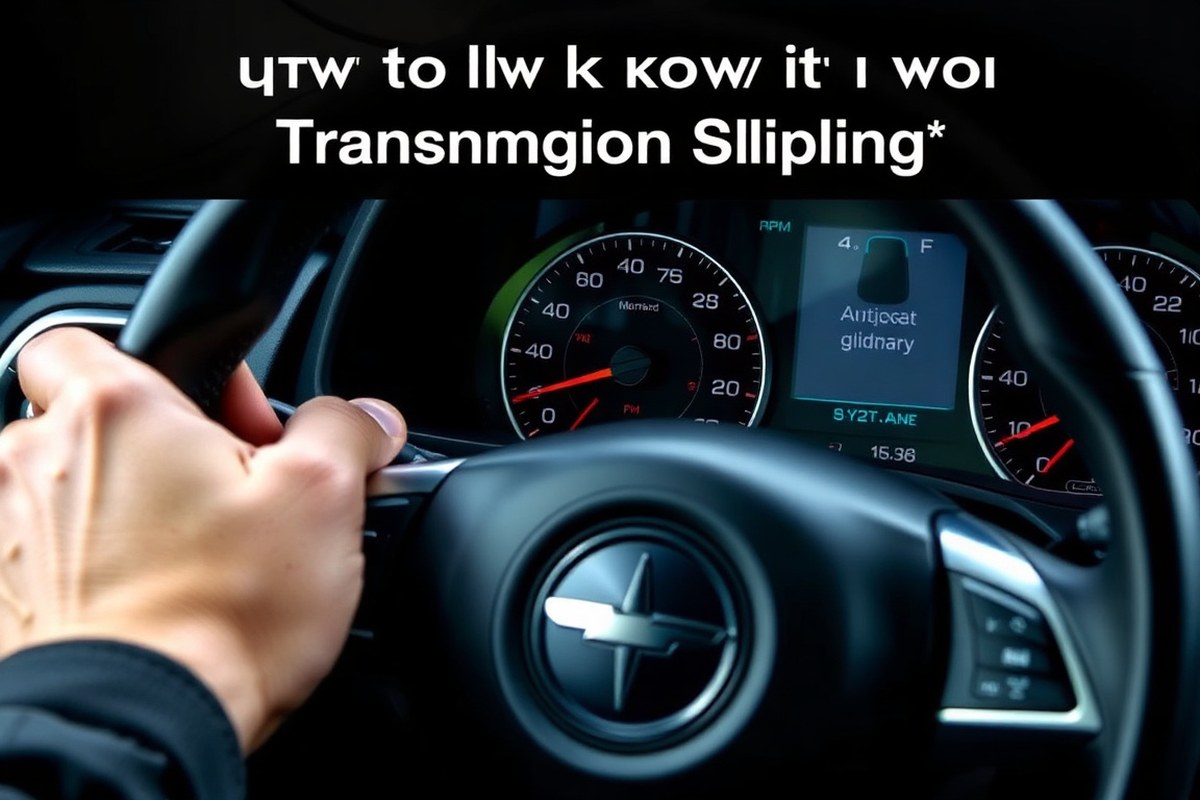
Transmission slipping happens when your engine speed goes up but your car doesn’t speed up. You might press the gas pedal, and the RPM will climb past 3,500. Still, your car doesn’t move faster, like your engine is working but going nowhere.
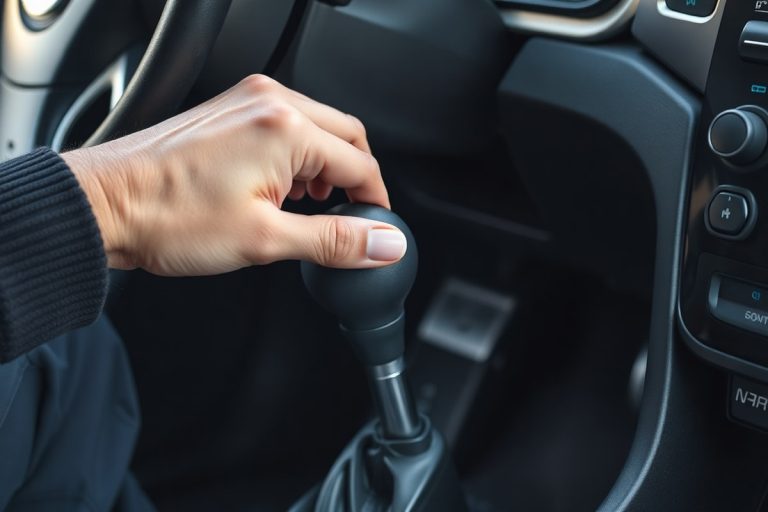
During shifts, slipping may cause jerks or hesitation. Gear changes feel sudden or rough, not smooth like usual. Sometimes the transmission shifts when you don’t expect it.
It can slip out of gear completely. This makes the car feel shaky or jumpy on the road. These jerks usually get worse over time, especially around the 2-3 gear change.
You can tell slipping from normal downshifting by how smooth and timely the gear change feels. A normal downshift is quick but steady with matching speed. Slipping causes delays, unusual noises, or a burning smell.
Slipping on hills makes it tough to maintain power. Your car may hesitate or slow down. This makes driving uphill more difficult than usual.
Pay attention to any delay between pressing the gas and the car moving. That usually signals slipping.
3. What Causes Transmission Slipping: Common and Hidden Reasons
Transmission slipping often happens because your transmission fluid is low or burnt. This fluid lubricates and cools the parts inside your transmission.
When transmission fluid is low or dirty, it loses friction. This causes slipping and rough shifting.
Checking and topping off your transmission fluid is the first step in fixing slipping. A simple fluid and filter service can cost between $100 and $250. It often stops mild slipping by restoring the fluid’s pressure and condition before things get worse.
Worn mechanical parts inside your transmission also cause slipping. Clutch packs and bands wear down over time.
When their friction material wears thin, they can’t grip properly, letting the gears slip. Fixing this often means a rebuild or part replacement costing from $1,800 to $3,500.
Faulty shift solenoids can cause slipping too. These electronic valves control fluid flow and pressure inside the transmission. A solenoid failure or stuck part causes pressure to drop.
This drop makes the transmission slip. Repair costs for solenoids usually range from $300 to $850.
Rarely, the transmission’s physical gears themselves might wear out or get damaged. This breakdown causes slipping because the gears no longer mesh correctly. Repairing or replacing damaged gears is expensive and complicated, usually reserved for severe cases.
Always remember transmission slipping is a symptom, not the problem itself. Low or bad fluid is the most common cause and usually the easiest fix. Mechanical wear and electrical faults lie under the surface and call for professional diagnosis.
4. How to Check Transmission Fluid to Diagnose Slipping
Checking your transmission fluid is a key step to spot slipping issues. You’ll want to safely inspect its level, color, and smell. These clues can tell you if the fluid is healthy or if slipping is likely.
Locate and Remove the Transmission Fluid Dipstick
Start by parking your car on a level surface. Let the engine warm up first.
Then turn it off. Leave it in “Park” or “Neutral.””
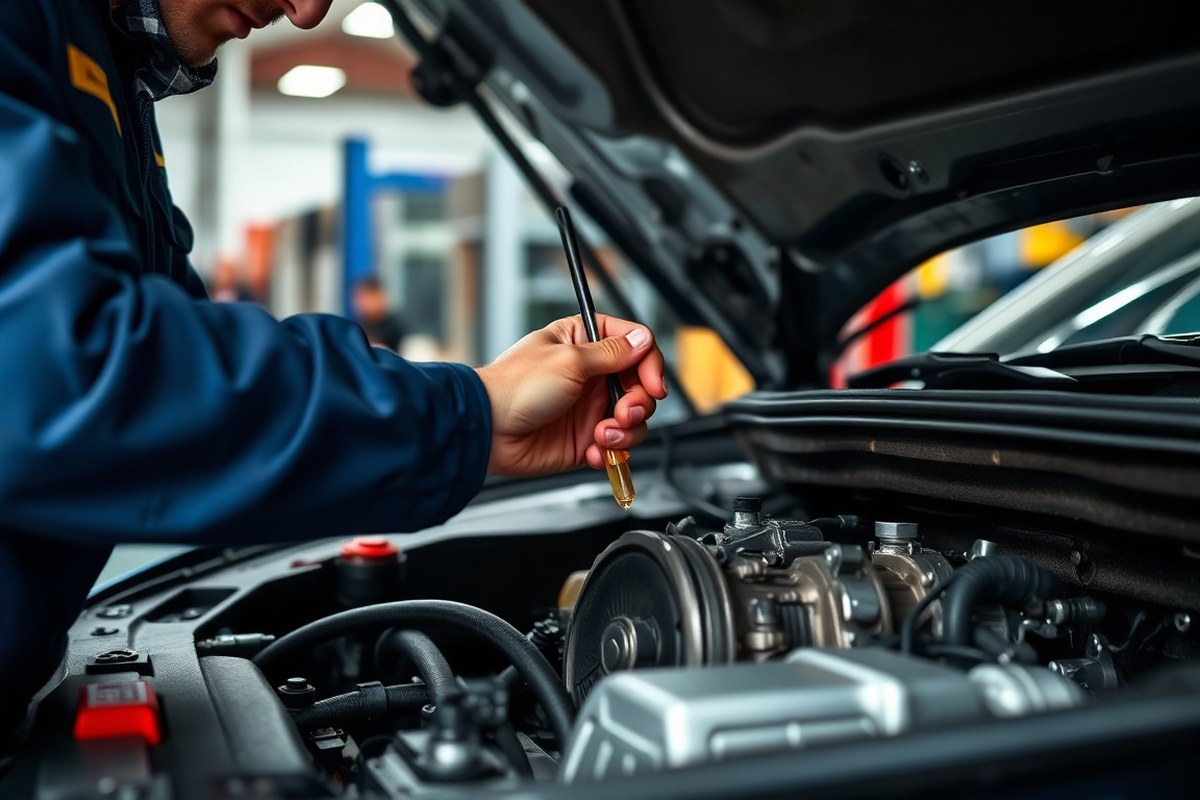
Open the hood and find the transmission dipstick. It usually has a bright handle labeled “transmission.” Refer to your owner’s manual if you can’t spot it.
Inspect Fluid Color, Smell, and Consistency
Pull out the dipstick and wipe it clean with a lint-free cloth. Reinsert the dipstick fully, then remove it again to check the fluid.
Look at the fluid’s color. Healthy fluid is usually bright red or pinkish.
Dark brown or black fluid signals trouble. Sniff the fluid for any burnt smell, which means overheating.
Check Fluid Level on a Warm Vehicle
Check the fluid level on the dipstick between the “MIN” and “MAX” or “HOT” marks. Levels below “MIN” can cause slipping.
Never check fluid on a cold engine unless your owner’s manual says it’s okay. Most cars need the fluid warm to get an accurate reading.
Check the fluid level. Use the exact transmission fluid for your vehicle.
Top off if low. Using the wrong fluid can damage your transmission.
Identify Signs of Contamination or Burning
Besides dark color and burnt smell, watch out for foamy or milky fluid. This could mean water or air entered the fluid.
Frequent slipping paired with burnt, dark, or foamy fluid means internal damage might be happening. In this case, stop driving and get help fast.
- Park on level ground and warm up the engine by driving a few minutes.
- Keep the engine running, then open the hood and locate the transmission dipstick.
- Pull the dipstick and wipe it clean with a soft cloth.
- Insert the dipstick fully again, then pull it out to check fluid level and color.
- Look for fluid between the “MIN” and “MAX” or “HOT” marks. Outside this range signals trouble.
- Smell the fluid; burnt odor or dark color often means overheating or slipping.
- Add the recommended transmission fluid slowly to avoid overfilling.
- Check your owner’s manual for how often to inspect. Usually every 30,000 to 60,000 miles.
5. Using Tools and Professional Tests to Confirm Transmission Slipping
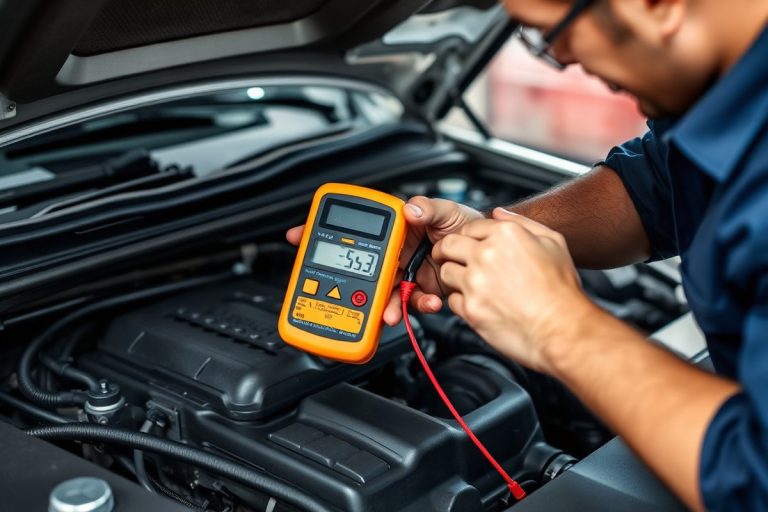
Using an OBD-II scanner with manufacturer-specific capabilities can confirm transmission slipping. Generic readers often miss detailed transmission codes.
So a scanner reading the transmission control module is better. Codes like P0730, P0740, and P0700 often show slipping or related faults.
Live data during a drive offers clues about the problem in real time. Watching fluid temperature, engine RPM, and vehicle speed can reveal abnormal shifts or torque converter issues. Comparing gear ratios logged to the expected values helps detect slipping as it happens.
When signs or codes point to slipping, a qualified mechanic should do a detailed check. They confirm problems by running pressure tests and inspecting solenoids, clutches, and the valve body.
This step checks if the problem is something simple, like low fluid. It also shows if you need an expensive internal rebuild.
Professional diagnosis usually costs between $100 and $200 but can save you from expensive mistakes. A mechanic’s inspection finds if slipping results from fluid problems, sensor faults, or worn parts. Getting this done soon stops damage from worsening and helps plan the repair.
Do not rely solely on basic code readers. Professional tools and tests catch slipping early and accurately.
6. Why It’s Unsafe to Drive with a Slipping Transmission
Driving with a slipping transmission can cause sudden vehicle failure. The transmission may unexpectedly shift gears or fail to engage, leading to loss of power. This can happen without warning and create dangerous situations on the road.
Slipping also affects your control and safety. Your vehicle may hesitate during gear changes. It can jerk suddenly.
This makes accelerating or keeping speed hard. That delay can be risky in traffic or on a highway when quick responses are needed.
Ignoring slipping worsens the damage inside your transmission. Excessive heat builds up and damages important parts like clutches, seals, and bands. Small issues get bigger over time.
That can mean a full rebuild. Or you might need a new transmission.
- Transmission fluid overheats and burns internal components.
- Gear shifts become unreliable, causing jolts or delays.
- Internal parts wear out faster, increasing repair costs.
- Transmission may slip into a wrong gear unexpectedly.
- The vehicle can lose power when you most need it.
- Complete transmission failure becomes more likely over time.
Fixing a slipping transmission early is usually cheaper. Repair costs vary by cause and vehicle. But replacing a transmission can run up to $5,000.
Have the problem checked at a shop soon. This helps avoid high costs. It also keeps you safer on the road.
7. How Much Does It Cost to Fix Transmission Slipping?
Fixing a slipping transmission can cost anywhere from under $150 to several thousand dollars. The cheapest repairs usually involve changing or adding transmission fluid. This simple step often helps if low or dirty fluid causes the slipping.
More expensive repairs include replacing solenoids or sensors, fixing valve bodies, or adjusting clutches. These repairs generally range from a few hundred to over $1,000, depending on labor and parts. Severe internal damage means you might need a full rebuild or replacement.
Rebuilding a transmission is a major job. It can cost $1,800 to $4,000 or more.
Sometimes it makes more financial sense to replace the transmission, especially in older vehicles. Replacement costs vary widely by make, model, and repair shop but often start around $3,000.
| Type of Repair | Typical Cost Range | What It Involves |
|---|---|---|
| Fluid Change or Addition | $100, $250 | Draining old fluid, refilling with correct type |
| Solenoid or Sensor Replacement | $300, $700 | Replacing faulty electrical parts controlling fluid flow |
| Valve Body Repair or Replacement | $500, $1,500 | Fixing or replacing complex hydraulic control valve |
| Clutch Adjustment or Replacement (Manual) | $400, $1,200 | Adjusting or replacing clutch parts that engage gears |
| Transmission Rebuild | $1,800, $4,000+ | Disassembling and reconditioning most internal parts |
| Transmission Replacement | $3,000, $6,000+ | Installing a new or remanufactured transmission |
You should budget repair costs according to the symptoms you notice. Early signs like slow shifting or unusual noises might just need a fluid change.
Slipping that keeps getting worse will cost more to fix. It may lead to rebuild or replacement.
The risk of driving with a slipping transmission is worse damage and higher costs later. Fixing fluid leaks and keeping fluid at the right level helps avoid major repairs. Repair costs near or go past your car’s worth.
Consider replacing the transmission. You might use a used one.
8. How to Fix a Slipping Transmission: Simple to Advanced Solutions
Fixing a slipping transmission can start with simple fluid servicing. Mild slipping might clear up after replacing fluid and the filter. More advanced repairs like replacing bands or a rebuild are needed if slipping keeps happening.
Add or Replace Transmission Fluid and Filter
Transmission fluid lubricates parts and helps shift gears smoothly. Old, dirty, or low fluid often causes slipping. You can fix minor slipping by draining the old fluid.
Replace the filter next. Add fresh fluid of the right type and amount.
- Warm up your engine to normal operating temperature by idling for about 10 minutes.
- Park on a level surface, engage the parking brake, and place wheel chocks behind the tires.
- Locate the transmission fluid drain plug or pan and drain the fluid into a pan.
- Remove the transmission filter if accessible; replace it with a new one.
- Reinstall the drain plug or pan with a new gasket to prevent leaks.
- Fill with the correct type and amount of fluid as specified in your owner’s manual.
- Start the engine and shift through the gears. This circulates the fluid. Check the fluid level and add more if needed.
Always use the transmission fluid grade your manual or mechanic recommends to avoid damage.
Repair Transmission Fluid Leaks
Fluid leaks might not cause obvious problems at first. But slipping can happen once fluid gets too low.
Check under your car for red or brown fluid puddles. Fixing leaks early prevents more serious damage.
Common leak points include the pan gasket, seals, cooler lines, and the axle shaft seal. Repairs often mean replacing worn seals or tightening bolts to stop leaks.
Replace Worn Bands or Clutches
Worn bands and clutches inside the transmission cause slipping and delayed shifting. These parts wear out after many miles or due to overheating. Tightening or replacing the bands often restores proper shifting in some cases.
Replacing clutches in a manual transmission needs a professional. The same goes for the torque converter in an automatic. Signs like shaking, shuddering, or repeated slip suggest these parts are worn out.
Professional Rebuild or Replacement Options
Slipping that doesn’t stop after fixing fluid and bands means more work. It might need a rebuild or replacement.
Transmission specialists diagnose specific issues using advanced tools to avoid guesswork. They can repair failed torque converters, solenoids, or worn internal parts.
Rebuilding a transmission typically costs $1,500 to $3,000. Replacing one can be $2,500 to $5,000, depending on the vehicle and location. Catching slipping early saves money by avoiding major repairs or replacements.
9. How to Prevent Transmission Slipping with Regular Maintenance
Preventing transmission slipping means staying on top of fluid care, driving smart, and catching problems early. Routine checks and scheduled maintenance keep the transmission smooth and avoid costly repairs. Here’s a practical upkeep plan you can follow to keep slippage at bay.
Maintain Proper Transmission Fluid Levels and Quality
Check your transmission fluid regularly to keep levels in the recommended range. Low or dirty fluid makes slipping more likely and wears down internal parts fast. Use your owner’s manual to find the right fluid type.
Check your dipstick when the engine is warm. This helps you get an accurate reading.
Changing the fluid isn’t just about topping off. Poor fluid causes shifting issues and overheating. Good quality fluid keeps the transmission cool and well lubricated.
This extends its life and lowers the risk of slipping. It helps your transmission run smoothly.
Schedule Fluid and Filter Changes Every 30,000, 60,000 Miles
Change your transmission fluid and filter every 30,000 miles if you tow. Driving in tough conditions also means you need to change it more often. This protects the transmission.
For normal driving, 60,000 miles is a typical interval. These replacements flush out debris and worn fluid that cause slipping and damage.
Missing these changes can lead to slipping and eventually major repair costs. A fluid and filter change usually costs between $150 and $250.
This is much less than replacing a failed transmission. Regular service saves you money.
Avoid Aggressive Driving and Overheating
Sudden accelerations, frequent stop-and-go driving, and heavy towing strain your transmission. This extra stress heats the fluid and wears out parts prematurely, increasing slipping chances. Drive gently and avoid hauling loads beyond your vehicle’s rating.
Here are good habits to keep your transmission safe:
- Accelerate smoothly without sudden gas pedal presses
- Use lower gears when towing heavy loads or climbing hills
- Allow the transmission time to cool if stuck in traffic or idling long
- Avoid high-speed driving on hot roads for long periods
- Monitor your transmission temperature if your vehicle has a gauge
These driving habits help reduce slipping and extend your transmission’s life.
Regular Professional Inspections for Early Detection
Getting your transmission inspected at least once a year catches slipping signs early. Mechanics can test fluid quality and spot issues before they become serious. Early intervention can mean just topping off fluid instead of costly repairs.
Also, listen for slipping signs like delayed shifts or strange noises. Report them quickly to your mechanic. A timely inspection often costs less than $100.
It can save you thousands by preventing major transmission repairs. Checking it early is a smart move.
Step-by-Step Action Plan to Stop Transmission Slipping
Follow these steps to identify and address your slipping transmission. Each step helps you check progress and stay on track.
- Day 1: Check the transmission fluid level and color. Clear red fluid means good health; dark or burnt smells need attention.
- Day 2: Test your car by driving at low speeds. Notice if the gears hesitate or slip when you shift.
- Week 1: Use a code scanner or visit a shop for a transmission scan. No codes or minor errors suggest fluid or sensor issues.
- Week 2: Check the fluid’s color and smell. Replace or top up with the correct type if it looks or smells bad. Proper fluid often improves slipping symptoms.
- Week 3: Check if the slipping decreases or stops. Plan a professional transmission inspection when the fluid looks and smells fine but issues remain.
- After 1 Month: Have a mechanic examine the transmission for worn parts or electronic problems. Ask for a repair estimate before any work.
- Monthly: Perform regular fluid checks and follow your vehicle’s maintenance schedule. Prevention is key to avoiding further slipping.
Frequently Asked Questions
Can a Transmission Slipping Problem Fix Itself over Time?
No, slipping won’t fix itself and usually worsens. Early repairs stop costly damage.
Does Transmission Slipping Affect Fuel Economy?
Yes, slipping wastes fuel by making the engine work harder. Fixing it improves mileage.
Can Cold Weather Cause Transmission Slipping?
Cold weather can thicken fluid, causing temporary slipping until it warms up. Use the right fluid.
Is a Slipping Transmission Related to Engine Problems?
Sometimes transmission slipping triggers engine light but they are different systems. Repairs focus on transmission.
Can Using the Wrong Transmission Fluid Cause Slipping?
Yes, wrong fluid can reduce pressure and cause slipping. Always use recommended fluid type.
Wrapping Up
Your transmission slipping is a sign that the system needs care now. Act on early signs to avoid bigger damage and costs. Start with a fluid check today to protect your ride.