How to Remove Pulley from Power Steering Pump: Simple Steps for Fast Results
Knowing how to remove pulley from power steering pump saves you time and money. You can usually remove the pulley without taking off the entire pump. Using a pulley remover tool makes the job quicker and prevents damage to parts.
Start by disconnecting the battery negative cable for safety. Next, loosen the belt tensioner to take off the belt. This step relieves pressure on the pulley before removal.
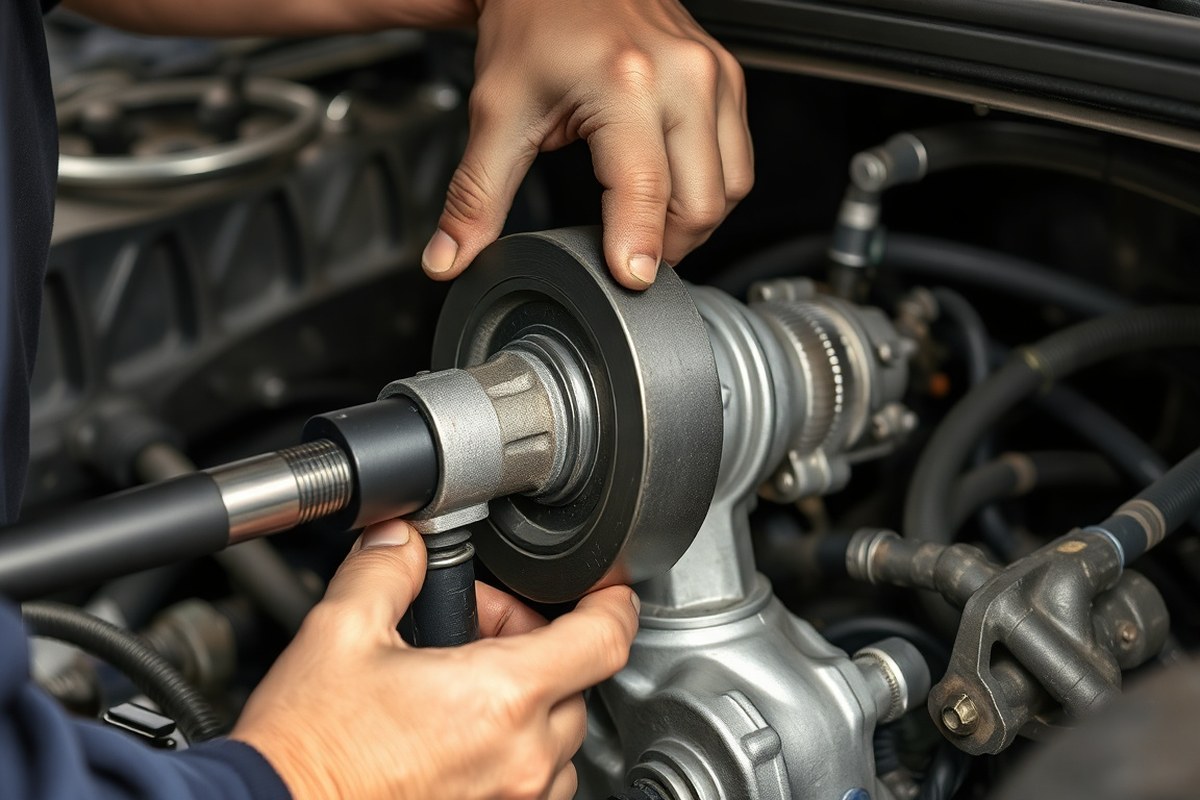
Then, attach a pulley puller tool properly to the pulley. Turn the tool’s center bolt slowly to pull the pulley off the shaft. Move steadily to avoid jerking or damaging the pump housing.
Using a dedicated puller set made for power steering helps the process. Most removals take about 10 minutes with the right tool. Don’t try to remove the pulley by hand or pry it loose.
Key Takeaways
- Disconnect your car’s negative battery cable before starting any work.
- Loosen the belt tensioner to remove the drive belt first.
- Use a dedicated power steering pulley puller tool for safe removal.
- You rarely need to remove the entire pump to take off the pulley.
- Applying steady, even pressure with the puller prevents damage.
- Expect the pulley removal step to take about 10 minutes with the right tool.
Can You Remove a Power Steering Pulley Without Removing the Pump?
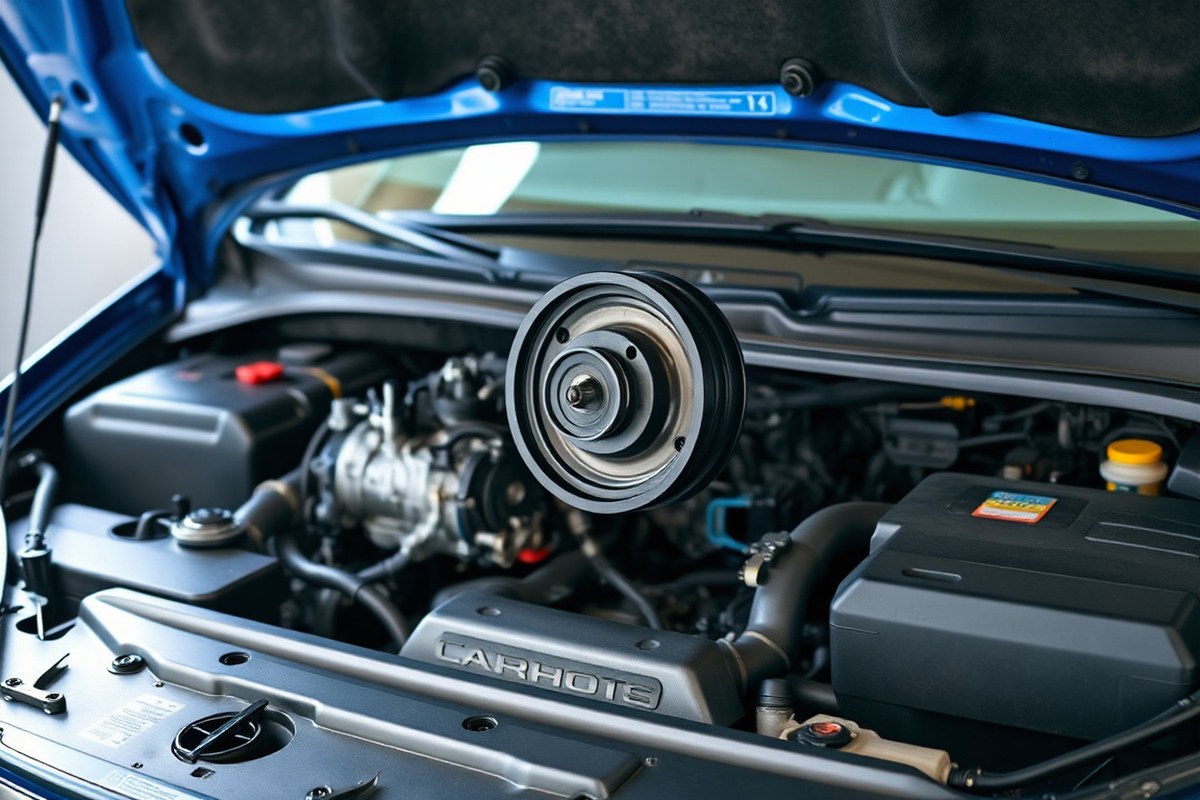
You can remove a power steering pulley without taking the pump out in many cases. Using a proper pulley removal tool allows you to work with the pump still installed. This saves time and avoids disconnecting hoses or belts.
Removing the pump is mandatory when you plan to rebuild or replace the entire unit. When the pulley is stuck or corroded, pulling it off may be tough.
Doing this with the pump still there can be risky or hard. Also, certain models have tight clearances that force you to remove the pump first.
Keeping the pump on stops you from unhooking fluid lines. It also saves you from taking off mounting bolts. That means less work overall.
It speeds up the job and limits the chance of damaging the pump or nearby parts. However, tight spaces make it harder to position the pulley puller correctly.
Use a small, quality pulley remover tool made for tight spots. This tool fits well around the pump and pulley. It helps you work safely.
Make sure you have room to see your work and apply steady, even pressure. Tight space?
Try adjusting the tool a bit or loosening nearby parts. This can give you the room needed to remove the pulley.
When the pump is out, you get full access to the pulley. This makes removal easier if the pulley is corroded or stuck.
Cleaning and inspecting the pump also become more manageable with it off the car. The tradeoff is spending extra time loosening and removing the pump assembly.
Decide based on your situation. Just changing the pulley? Keep the pump where it is if you have the right tool.
This makes the job simpler and faster. This task usually takes less than 30 minutes total. Renting or buying the tool costs about $30.
That’s often cheaper than removing the pump. Tight spaces or a full pump rebuild means pull the pump first.
Removing it first avoids damage to parts during work. This keeps things safe.
Tools Needed for Safe Power Steering Pulley Removal
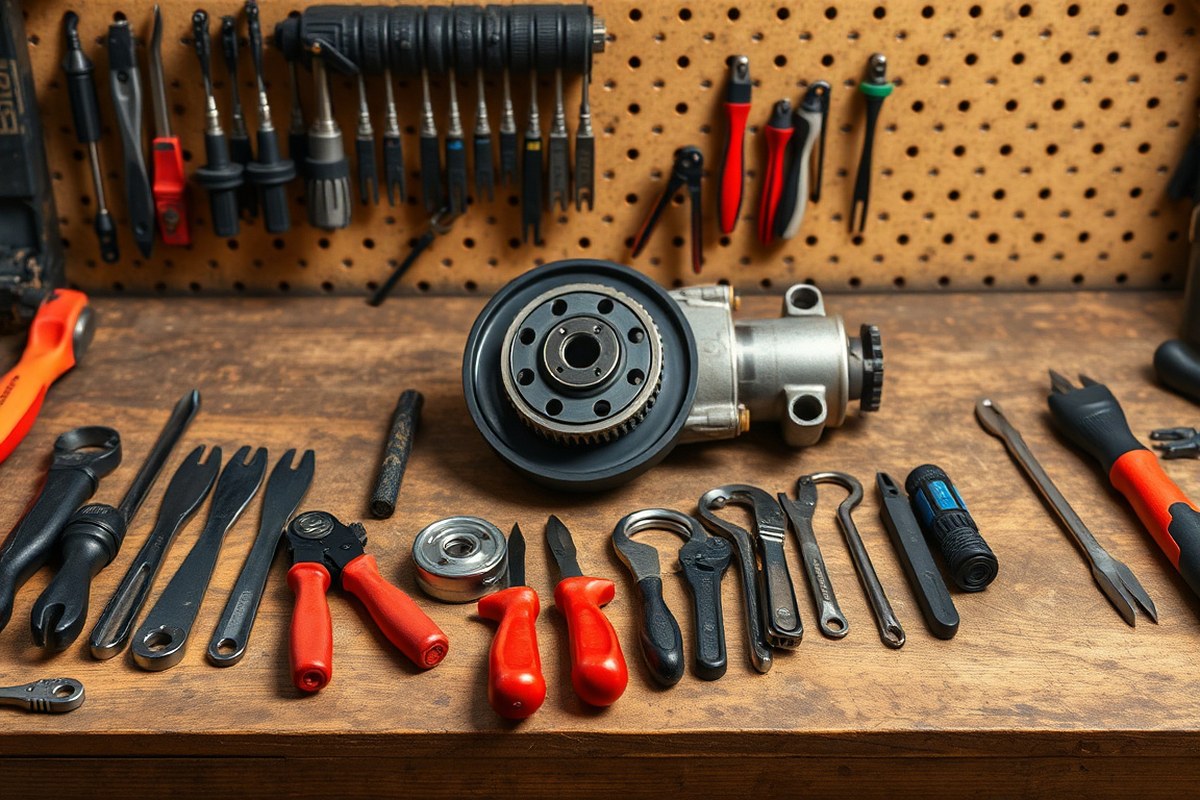
The most important tool for removing a power steering pulley is a specialized puller. These pullers are designed to fit the pulley without bending or damaging it. Common hand tools like screwdrivers or pry bars can cause damage if used improperly.
You need to hold the power steering pump in a bench vise. Secure it firmly. You can also use an engine stand.
This prevents movement and makes the removal safer. First, loosen the bolt holding the pulley.
Then use a puller tool to remove the pulley. It takes about 10 minutes.
| Tool | Price Range | Compatibility |
|---|---|---|
| Power Steering Pulley Puller Set | $20 to $50 | Most car models, fits standard pulley sizes |
| Gear Puller (3-jaw) | $15 to $40 | Works on some pulleys, can risk damage |
| Impact Gun (for bolt removal) | $50 to $200 | Removes pulley bolt quickly, cannot pull pulley |
| Large Screwdriver and Hammer | Less than $20 | Used cautiously, risk of bending pulley |
| Pry Bar | Under $30 | Can remove pulley but risky, may damage pump |
Before starting, gather a wrench set, bench vise, pulley puller, hammer, and a large screwdriver. Removing the serpentine belt first makes access easier. An impact gun speeds loosening the pulley bolt but is not mandatory.
Heating the pulley center with a heat gun helps on stuck pulleys. This loosens the metal and makes removal easier. Avoid prying aggressively since it often bends the pulley or damages the pump body.
Always secure the pump before removing the pulley to avoid slipping and damage.
Step-by-Step Guide to Removing a Power Steering Pulley
Start by preparing your workspace and loosening the belt. Then use the correct puller tool.
Taking each step carefully prevents damage to the pulley or pump. Follow these steps exactly for safe and smooth pulley removal.
Preparing the Vehicle and Workspace
Start by parking your car on a flat surface and turning off the engine. Engage the parking brake to keep the vehicle from moving.
Gather your tools before you start. You’ll need a pulley puller designed for power steering pumps, a wrench set, and safety glasses.
Wear gloves and eye protection to avoid injury from slipping tools or debris. Clear the area around the pump to have enough room to work.
Attaching the Pulley Removal Tool Correctly
First, loosen the serpentine belt by turning the tensioner pulley with a wrench. Slide the belt off the power steering pulley gently.
Find the central bolt that holds the pulley to the pump shaft. Use the right socket to remove it. Keep the bolt safe for reinstallation.
Place the puller arms evenly around the pulley’s edge. Make sure the puller’s center screw aligns with the pump’s shaft nut or the shaft itself.
Operating the Puller to Extract the Pulley
Turn the puller’s center bolt slowly using a wrench or ratchet. This pulls the pulley away from the pump shaft without causing damage.
Stop pulling once the pulley comes free. Avoid forcing the tool to prevent bending or breaking the pulley.
Take the pulley off the tool and check the pump shaft. Look for dirt or damage before fitting a new pulley.
- Park the vehicle on level ground and switch off the engine.
- Wear safety glasses and gloves for protection.
- Use a wrench to release tension on the serpentine belt. Remove the belt from the pulley.
- Remove the central bolt securing the pulley using the correct socket.
- Attach the pulley puller with its arms gripping the pulley evenly.
- Ensure the puller’s center screw is aligned with the shaft’s center.
- Turn the puller’s center screw slowly to pull the pulley off.
- Remove the pulley and check the pump shaft condition.
How to Handle a Stuck or Corroded Power Steering Pulley
Corrosion or seizing can make the power steering pulley tough to remove. Applying a penetrating lubricant is one of the best ways to loosen it. Spray lubricant around the pulley hub.
Let it sit for 10 to 15 minutes. This helps soak into rusty spots.
Heat can also help loosen the pulley. Carefully use a heat gun or propane torch on the pulley hub. Heat it for 1 to 2 minutes.
Avoid direct flame contact with rubber or plastic parts. Heating expands metal parts, making the stuck pulley easier to move.
Mechanical methods like tapping the pulley gently with a hammer can break loose corrosion. Tap around the pulley edges to avoid damaging its shape. Do this before using a puller to help ease the removal.
- Apply penetrating oil and give it 15 minutes to work.
- Use a heat gun for 1 to 2 minutes on the pulley hub only.
- Gently tap the pulley edges with a hammer to break corrosion.
- Loosen the securing bolt with a socket wrench before using a puller.
- Work slowly to avoid bending or cracking the pulley.
- Wear gloves and safety glasses when applying heat or oil.
Be careful with heat or force; too much can damage the pulley or pump. Avoid using a torch on the pump housing or belts to prevent warping or melting. Using too much force with hand tools might bend the pulley grooves, causing poor belt fit.
After loosening with oil and heat, use a pulley puller set to avoid damage. Never pry the pulley off with screwdrivers since that risks bending or breaking it. Taking time with these safer methods saves you the cost of replacing parts later.
Preventing Damage: Common Mistakes When Removing the Pulley
Using the wrong tools often causes damage when removing a power steering pulley. Many skip buying a special pulley puller and try prying or hammering it off. This can bend or crack the pulley.
It can also ruin the pump shaft. Repair costs go beyond just replacing the pulley.
Securing the power steering pump properly is important before pulling the pulley. The pump must be mounted firmly. If not, it can shift under pressure.
This causes puller slippage or shaft twisting. Make sure the pump mounting bolts are tight.
Or remove the pump first. Clamp it in a bench vise with soft jaws or rags.
Too much force also leads to damage. Applying steady, even pressure helps the pulley slip off naturally without hurting the bearings. Do not hit or bump the pulley with a hammer.
That shakes the shaft and bearings and may bend the pump’s internal parts. The pulley should loosen gradually as pressure builds.
- Never use pry bars, screwdrivers, or hammers on the pulley
- Always use the correct pulley puller designed for your pump
- Secure the pump tightly in a vise or on the car bracket before pulling
- Check and remove mounting bolts before attempting to pull the pulley
- Apply slow, steady pressure with the puller to avoid sudden jerks
- Do not force the pulley off if it doesn’t budge, soak it with penetrating oil first
The pulley’s fit on the pump shaft is tight but not glued. Increasing pressure slowly with the puller eventually frees it without damage. Tools break or slip when used hastily or improperly.
When the puller slips, adjust its placement and tighten mounting points. Double-check the pump is secure and won’t move.
Remove the pump from its bracket if you can’t secure it well. This prevents shaft damage. Don’t pull the pulley unless it’s held still.
Damage from poor technique can double or triple your repair costs. A bent pulley or damaged shaft usually means replacing the entire pump.
Spending $30 to $50 on a good puller saves hundreds in parts and labor. Take your time and follow proper procedures to avoid common mistakes and save frustration.
Costs and Time Required for Power Steering Pulley Removal
Removing a power steering pulley usually takes just a few minutes alone. That time only counts the pulley removal, not taking the pump off the car.
For first-timers, the total process takes 30 to 60 minutes. It depends on your experience and setup.
Professionals finish removing the pulley in 5 to 10 minutes. They use the right tools and know the job well. The biggest delay comes from removing the pump first.
This step varies a lot by vehicle model. Complex engine setups or tight spaces add time and frustration.
Tool costs vary depending on whether you rent or buy. A pulley puller, the key tool, costs $40 to $100 to buy. Rental shops may charge about $10 to $20 a day for the tool.
Owning a pulley puller means you don’t have any extra cost. Buying can make sense if you plan repeated repairs.
| Task | DIY Time | Professional Time | Cost (DIY) | Cost (Pro) |
|---|---|---|---|---|
| Removing pulley only | 10 to 15 minutes | 5 to 10 minutes | $0 to $100 (tool buy/rent) | Included in labor |
| Removing pump (if required) | 20 to 45 minutes | 10 to 20 minutes | $0 (except minor tools) | $50 to $150 labor |
| Pulley removal requires patience, the right tools, and vehicle knowledge. | 30 to 60 minutes | 15 to 30 minutes | Varies, usually tool cost only | $80 to $200 labor typical |
Complicated power steering pumps and engine layouts stretch the time and cost. Some cars make it nearly impossible to reach the pulley without removing the pump first.
Many beginners spend extra time aligning the puller properly and removing seized pulleys safely. It takes patience to avoid bending or damaging the pulley.
Specific Tips for Removing Pulleys on Ford, Chevy, and GM Pumps
Removing power steering pump pulleys varies by brand. Ford, Chevy, and GM pumps each need different tools and care. Understanding these variations helps you avoid damage and save time.
Ford Power Steering Pulley Removal Tips
Ford pulleys often use the C2 power steering pump design. These pulleys may have a thinner wall and smaller diameter than other brands. Using a puller that fits Ford’s specific groove size is critical to avoid bending the pulley.
Ford models sometimes require loosening belt tensioner bolts before pulley removal. This gives better access and reduces risk of harming the pump shaft. A common slip is forcing the puller with an incorrect fit, which can cause pulley warping.
Chevy and GMC Specific Considerations
Chevy and GMC pumps commonly have Saginaw or Thompson style pulleys. These are usually thicker and need pullers with wider arms for a secure grip. This fit prevents slipping that can damage the pulley edges.
Corrosion can be an issue on older Chevy and GMC pumps by the pulley hub. Applying penetrating oil 30 minutes ahead softens rust. Hammering on the pulley invites shaft damage, so use a proper puller instead.
GM Pump Pulley Tool Compatibility
GM power steering pumps need pullers compatible with multiple pulley styles. Popular tools like the SKI-0105 cover Ford C2, Saginaw, and Thompson pulleys well. Make sure your puller’s arm size matches the pulley groove width to avoid slippage.
Checking the puller fit ahead helps prevent stripped or bent pulleys. A correct puller allows even pressure removal without twisting. This cuts removal time to under 10 minutes, saving you labor costs if done yourself.
The table below compares pulley removal details for each brand and their common pump types.
| Brand | Common Pump Type | Pulley Features | Puller Fit Notes | Removal Tip |
|---|---|---|---|---|
| Ford | C2 Power Steering Pump | Thin pulley wall, smaller diameter | Puller arms must fit narrow groove | Loosen belt tensioner before removing |
| Chevy | Saginaw, Thompson Pumps | Thicker pulleys, wider arm needed | Use wider puller arms to avoid slipping | Apply penetrating oil for rusty hubs |
| GMC | Saginaw, Thompson Pumps | Similar to Chevy, corrosion common | Check puller fit for groove width | Use proper puller, avoid hammering |
Matching the tool to the pulley groove width and type ensures smooth removal. Avoid forcing the pulley to prevent shaft or pulley damage. Using the right puller saves money and keeps your pump functional.
Alternatives to Using a Puller: Removing a Pulley Without Specialized Tools
You can remove a power steering pump pulley without a puller. But the options carry risks.
Common alternatives use force that can bend or damage the pulley, shaft, or pump housing. Knowing your options helps you decide when to try them or wait for the right tool.
Here are some alternative removal methods people try:
- Use a large adjustable or pipe wrench to grip the pulley. Turn it carefully to twist the pulley off. Keep a steady grip while turning it.
- Applying heat with a propane torch to expand the pulley slightly before prying it off
- Pry the pulley off gently with a flat-head screwdriver. Tap the screwdriver with a hammer. Work slowly around the edges.
- Drilling small pilot holes around the pulley and tapping carefully to loosen it
- Place a piece of wood or metal under the pulley. Use it as a lever to pry the pulley free. Apply steady pressure without rushing.
These methods might work if the pulley isn’t stuck tight or corroded. You need a steady hand and patience because the pulley fits very snugly.
Drivers that use wrenches or pry tools risk bending the pulley or scoring the shaft. Heat helps loosen it but can damage rubber seals nearby if you aren’t careful.
The biggest risk is damaging the pump shaft or coil. Repairing those parts costs much more than renting a puller. Renting a pulley puller usually costs about $25.
Avoid hammering the pulley directly or using too much heat. Always protect surfaces from scratches by placing wood blocks or cloth between tools and metal.
Only try non-puller methods when you have no alternative and work slowly to avoid costly damage.
Heat the pulley with a propane torch for 1 to 2 minutes. Move the flame steadily around the pulley. Avoid staying in one spot too long.
Let it cool slightly before attempting to push or pry the pulley off. Use a wrench or lever gently, stopping if the pulley won’t move after a few attempts. Excess force can bend parts or break seals in the pump.
People sometimes drill small holes to weaken the pulley’s grip. But this usually causes permanent damage. You can try applying penetrating oil for several hours before using other methods.
Be ready to switch to a proper puller if you hit resistance. Pullers work faster, safer, and cause less chance of damaging the pump or pulley.
Installing a New Power Steering Pulley After Removal
Installing a new power steering pulley right after removal keeps your pump working well. You need to prepare the shaft and pulley, use the right tools, and check everything after. Tightening the pulley correctly helps avoid slipping or damage.
Preparing the Pump Shaft and New Pulley
Start by cleaning the pump shaft thoroughly. Use a rag and some solvent to remove dirt and rust. The shaft should be dry and smooth before you slide on the new pulley.
Check the new pulley for any defects or dirt inside the bore. Put a thin layer of lubricant, like grease or anti-seize, on the shaft. This helps the pulley slide on smoothly.
Avoid using too much or the pulley might slip. Avoid excess grease to prevent slipping.
Using the Pulley Installer Tool Correctly
A pulley installer tool presses the pulley onto the shaft evenly. This tool prevents damage that a hammer or makeshift tools might cause. Align the pulley so it sits flush and straight on the shaft before pressing it on.
Don’t force the pulley by hand. Use the installer tool and turn it slowly to press the pulley on. Press the pulley until it fits tight against the pump housing without wobbling or gaps.
Final Checks After Pulley Installation
Once installed, check the pulley for proper alignment with the other engine pulleys. Misalignment can cause belt wear or slipping. Use a straightedge or string to compare positions.
Tighten the pulley to the manufacturer’s recommended torque using a torque wrench. This is usually between 15 and 25 lb-ft, but check your vehicle’s manual. Over-tightening can damage the shaft, and under-tightening makes the pulley loose.
Run the belt by hand to confirm the pulley spins smoothly and doesn’t wobble. You might need to take off the pulley and put it back on right. Check carefully to spot any problems before you finish.
- Clean and dry the pump shaft thoroughly.
- Inspect the new pulley and apply light lubricant to the shaft.
- Position the pulley installer tool squarely onto the shaft and pulley.
- Turn the installer tool slowly to press the pulley on evenly.
- Press the pulley until it sits flush against the pump housing.
- Check pulley alignment with engine pulleys using a straightedge.
- Tighten the pulley to the recommended torque (usually 15-25 lb-ft).
- Spin the pulley by hand to ensure smooth, wobble-free operation.
Step-by-Step Action Plan for Removing a Power Steering Pulley
Follow these steps to remove your power steering pulley safely and efficiently.
- Before you start: Gather the right tools like a pulley puller and wrenches. Check that they fit your pump model.
- Step 1: Loosen the belt tension and remove the drive belt. Confirm the pulley can spin freely.
- Step 2: Secure the pulley puller onto the pulley firmly. Tighten the puller bolts evenly to avoid slipping.
- Step 3: Turn the puller center bolt slowly with a wrench. Watch for the pulley to slide off the pump shaft smoothly.
- Step 4: If stuck, spray penetrating oil around the pulley shaft connection. Wait 10-15 minutes, then retry the puller.
- Step 5: Once removed, check the pulley and pump shaft for damage. Replace parts if you see cracks or bending.
- Step 6: Clean the pump shaft area before installing a new pulley. Grease the shaft lightly to ease installation.
- Step 7: Press the new pulley on using a proper tool, ensuring it’s straight. Verify it spins without wobbling.
Frequently Asked Questions
Can You Take the Pulley Off a Power Steering Pump?
Yes, you can remove the pulley from a power steering pump. It requires the right tools and careful steps to avoid damaging the pump or pulley.
How Do You Remove a Power Steering Pump Pulley Without a Puller?
Removing the pulley without a puller is tough but possible with patience and proper tools. Use a hammer and screwdriver carefully after removing the belt and tensioner.
What Tool Do I Need to Remove a Power Steering Pulley?
You need a power steering pump pulley removal tool for safe and easy removal. This tool grips the pulley and pulls it off the pump shaft without damage.
How Can I Remove the Crank Pulley Without a Puller?
You can try loosening the crank pulley with a socket and wrench but it’s hard. Using a puller is safer and saves time on stubborn pulleys.
Can I Reuse a Power Steering Pulley After Removal?
Yes, you can reuse it if it’s not damaged or warped. Inspect it closely for signs of wear before reinstalling.
Before You Go
Removing the power steering pulley requires the right tools and patience. Take your time to avoid damage. Next, practice reinstalling the pulley to get comfortable before driving the car.