How Often Should Engine Oil Be Changed: A Complete Guide with Practical Tips
Most modern cars using full synthetic oil need an oil change every 5,000 to 7,500 miles. This schedule helps protect the engine and maintain smooth performance. Conventional oil requires more frequent changes, about every 3,000 to 5,000 miles.
If you drive only a few thousand miles yearly, one oil change a year might be enough. Regularly checking your oil level and condition helps avoid engine damage. Watch for warning signs to prevent costly problems.
Driving habits affect how often to change oil. Frequent short trips, stop-and-go traffic, or extreme heat wear oil faster. In these cases, changing oil closer to 3,000 miles is safer for your engine.
Your vehicle’s owner manual gives the best oil change guidelines. Different engines and oils need different care. Following the manual keeps your warranty valid and avoids repairs from delayed changes.
Key Takeaways
- Change full synthetic oil every 5,000 to 7,500 miles or 6 to 12 months.
- Conventional oil needs changing more often, about every 3,000 to 5,000 miles.
- Check your oil level and appearance monthly to catch issues early.
- One yearly oil change may suffice if driving less than 6,000 miles annually.
- Engines over 100,000 miles need closer oil monitoring to prevent wear.
- Freeway driving causes less engine wear than city driving, allowing longer intervals.
How Often Should Engine Oil Be Changed for Your Vehicle?
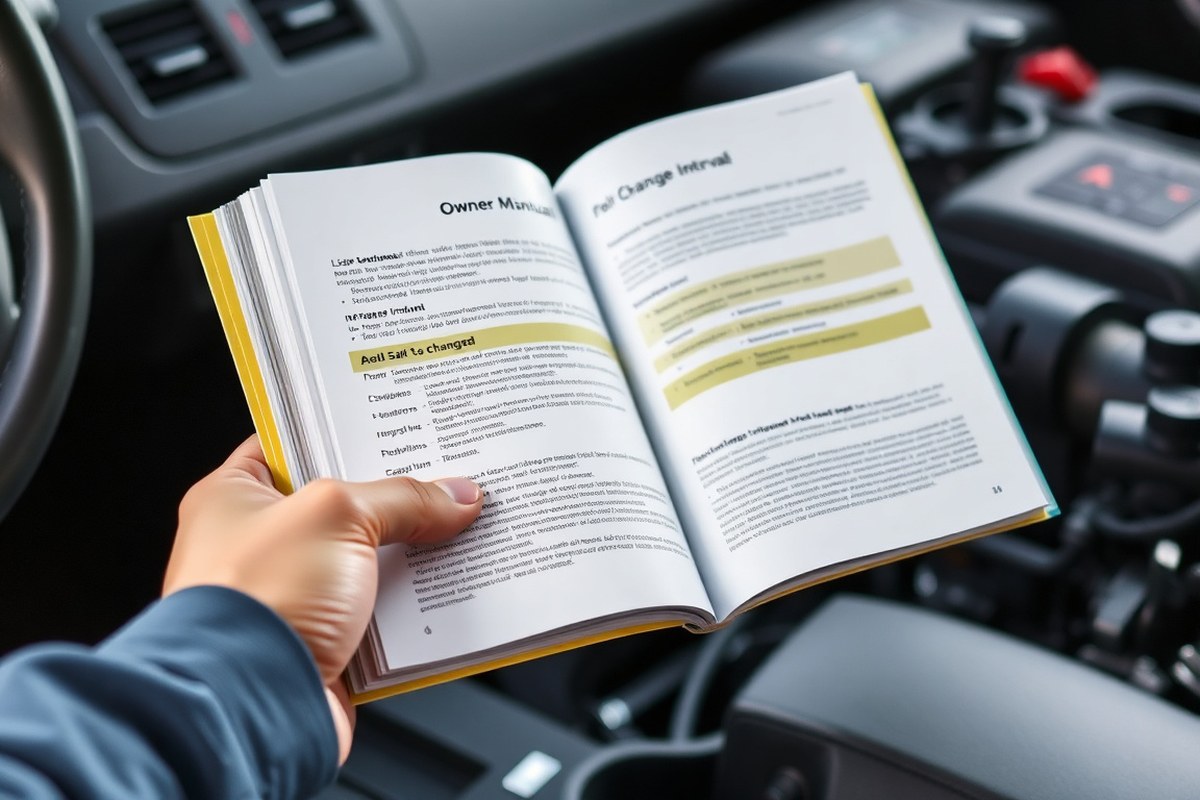
The best way to know oil change frequency is your owner’s manual. It tells you the exact schedule for your car. Check it before deciding.
It tells you the recommended interval based on your specific vehicle and engine type. Most manufacturers say change synthetic oil every 5,000 to 7,500 miles.
Conventional oil should be changed every 3,000 to 5,000 miles. Follow these guidelines closely.
Time matters as well as mileage. Try to change engine oil at least once every 6 to 12 months if you don’t drive much. Oil breaks down over time, even when your car isn’t on the road.
For example, a driver with under 6,000 miles yearly should change oil yearly. Old, degraded oil can damage the engine even without many miles.
Synthetic oil lasts longer because it handles heat and contaminants better than conventional types. Many modern vehicles recommend oil changes at 7,500 to 10,000 miles when using synthetic oil. A hybrid driver can go closer to 10,000 miles since hybrids typically produce less engine wear.
However, if you choose conventional oil instead, plan on changing it every 3,000 to 5,000 miles. Following the manual’s schedule is your safest bet.
Change your oil when you hit either the mileage limit or time limit. Do this whichever of these two comes first. For instance, if the manual says synthetic oil change at 7,500 miles or 12 months, change it sooner.
Pick the earlier option to protect your engine. Drive a lot in stop-and-go traffic or harsh conditions? Change your oil sooner like a high-mileage driver.
Some vehicles have different requirements depending on their engine and oil type. For instance, a Toyota RAV4 Hybrid owner may follow a 10,000-mile interval with synthetic oil. Conventional oil users typically stick to shorter intervals around 3,000 to 5,000 miles.
Few issues come from changing oil a bit earlier. But waiting too long risks engine wear and efficiency loss.
How Driving Conditions Affect Oil Change Frequency

Driving patterns strongly influence how often you’ll need to change your engine oil. Frequent short trips keep your engine cold. This stops oil from warming fully.
Moisture doesn’t burn off like it should. This moisture can mix with the oil and break it down faster. So changing oil more often helps your engine stay clean and protected.
Heavy towing strains your engine more. Stop-and-go traffic adds extra wear. Both make oil degrade faster.
This is because the engine works harder and heats up more regularly. In these cases, the burnt contaminants increase, reducing the oil’s ability to protect moving parts.
Extreme temperatures also matter. Cold weather thickens oil, making it less efficient until the engine warms up.
Hot weather, especially above 90°F, speeds up oil breakdown. You should shorten your oil change intervals during seasons with harsh temperatures to avoid engine wear.
- City driving with lots of idling and short trips speeds up oil wear.
- Towing heavy loads increases load and heat on the engine.
- Hot climates above 90°F cause faster oil oxidation.
- Cold climates below freezing make oil thick and less effective at startup.
- Stop-and-go traffic creates more contaminants in oil due to frequent starting.
- Commercial use, like delivery or ride-sharing, leads to quicker oil breakdown.
For tough driving, change oil every 3,000 to 5,000 miles. This is best with conventional oil. It helps protect your engine.
Full synthetic oil lets you drive longer between changes. You can go up to 7,500 miles. This works even with heavy engine stress.
But it’s safer to follow your vehicle manual’s severe use guidelines. Switching oil sooner helps keep sludge and buildup down, saving you costly engine repairs.
Check your owner’s manual for severe service intervals and stick close to those numbers.A trusted mechanic can adjust your oil change schedule. They base this on your driving habits. This helps protect your engine better.Check your oil levels and condition regularly. Don’t delay changes past the severe use interval. This keeps your engine safe from damage.
Types of Engine Oil and Their Impact on Change Intervals
Engine oil types differ in how long they last and protect your engine. Conventional oils need changes more often than synthetic blends or full synthetics. Choosing the right oil affects your oil change schedule.
It also changes what benefits your engine gets. Better oil means better engine care.
Conventional Oil Characteristics and Limits
Conventional oil comes from refined crude oil. It lubricates engine parts but breaks down faster under heat and stress. This means you usually need to change it every 3,000 to 5,000 miles.
Conventional oil is the least expensive option. Still, it wears out quicker, allowing dirt and contaminants to accumulate. This can increase engine wear if you skip changes.
Synthetic Blend Oil Benefits and Intervals
Synthetic blend oil mixes conventional oil with synthetic components. This mix improves durability and heat resistance compared to conventional oil. It generally lasts longer, needing changes around 5,000 to 7,000 miles.
Blends cost more than conventional but less than full synthetics. They balance performance with price for many drivers.
This suits those wanting better protection. It costs less than full synthetic oil.
Full Synthetic Oil Advantages and Lifespan
Full synthetic oil is made from engineered molecules to resist breakdown under heat and pressure. It keeps your engine cleaner and protects it better in extreme temperatures. This oil lasts longer, requiring changes every 5,000 to 7,500 miles, sometimes up to 25,000 miles.
Although costlier, full synthetic oil saves money over time by extending oil change intervals. High-end vehicles often need specialized full synthetic oils. Switching between oil types should happen during a full oil change.
Here’s a quick overview of these oil types and their typical change intervals:
| Oil Type | Typical Change Interval (Miles) | Cost Level | Key Benefits |
|---|---|---|---|
| Conventional | 3,000, 5,000 | Low | Good lubrication, affordable |
| Synthetic Blend | 5,000, 7,000 | Medium | Better heat resistance, longer life |
| Full Synthetic | 5,000, 7,500 (up to 25,000 in some cases) | High | Superior protection, cleaner engine |
Switching to full synthetic oil lets you drive 7,500 miles per change. Conventional oil changes come every 4,000 miles. This nearly halves how often you change oil.
For example, driving 15,000 miles yearly means 4 changes with conventional oil. With full synthetic, it drops to 2 changes each year. This saves time despite the higher upfront cost per quart.
Recognizing When Your Engine Oil Needs Changing Sooner
Engine oil can start to break down before your scheduled change. One way to spot this early is by checking the oil’s color.
Fresh oil looks amber or honey-colored, while old oil turns dark brown or black. Thick or gritty oil also shows it has lost its cleaning and lubricating power.
Aside from color, pay attention to oil level. Low oil means your engine lacks lubrication. You might need to add or change oil.
Don’t wait too long to fix it. You can measure this using your vehicle’s dipstick, usually found near the engine. Wipe the dipstick clean first.
Push it back in all the way. Pull it out again to check the level.
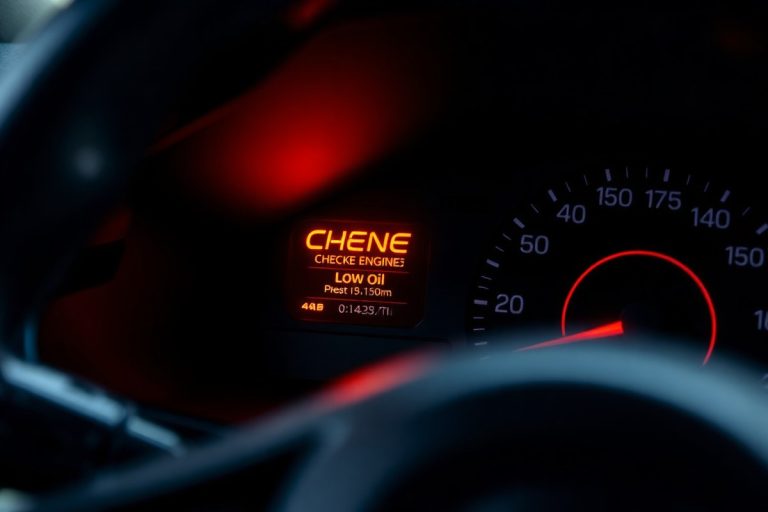
Modern cars often have oil life monitoring systems. These systems don’t depend only on mileage but track engine temperature, rpm, and trip length. The oil warning light appears when oil isn’t good.
The dashboard shows this light or a message. It means you need to check oil. Don’t ignore this alert; it means the oil isn’t protecting your engine properly anymore.
- Oil changes recommended around every 5,000 to 7,500 miles for most cars
- Check oil color every 1,000 miles or once per month
- Watch oil consistency for grittiness or thickness
- Monitor oil level weekly, especially if your car is older or exceeds 100,000 miles
- Respond immediately to an oil warning light or check engine alert
- Consider oil changes every 6 to 12 months, even with low mileage
You can’t always rely on mileage or time alone. Oil conditions can vary with driving styles and climate. For example, short trips and stop-and-go traffic wear oil faster than highway driving.
Also, engines running in very hot or cold places experience quicker oil degradation. Regular oil checks help you pick the right time to change.
Don’t just rely on the schedule or miles. Watch your oil condition too.
Pull out the dipstick to check oil. Wipe a drop on white paper towel. Look at the color and look for dirt.
Dark, thick, or gritty oil means it’s time to change. You may find this easier in clean, bright light. Low oil or foamy bubbles in oil can mean engine issues.
Check oil level often. Get a mechanic’s advice if you see this.
So do not delay a visit to a mechanic. Using both visual oil checks and dashboard warnings keeps your engine safe and running longer.
How to Check Your Engine Oil and Maintain Proper Levels
Check your engine oil level regularly to keep your engine safe. Use the dipstick to make sure the oil level stays within the safe zone. Top up oil if it is low to avoid engine damage or overheating.
Preparing to Check Oil Level Safely
Park your car on level ground to get an accurate reading. Turn off the engine and wait about five to ten minutes for the oil to settle. Avoid checking oil right after driving because it can give a false high reading.
Gather a clean rag or paper towel and open the hood carefully. Locate the oil dipstick, usually marked with a brightly colored handle. Make sure the engine is cool enough to avoid burns.
Reading the Dipstick Correctly
Pull the dipstick out and wipe it clean with your rag or towel. Fully reinsert the dipstick and pull it out again to get the true oil level. Check the oil level against the markings near the dipstick’s tip.
- Look for crosshatch or hash marks that create a safe zone on the dipstick.
- Confirm that the oil level is between the low and full marks.
- Examine the oil’s color and texture; clear and amber oil is good.
- Note if the oil is dark, gritty, or thick, this means it needs changing.
- Check the owner’s manual for the correct type of oil to add if needed.
Keep the oil level inside the crosshatch marks to protect your engine.
Adding Engine Oil Without Spills
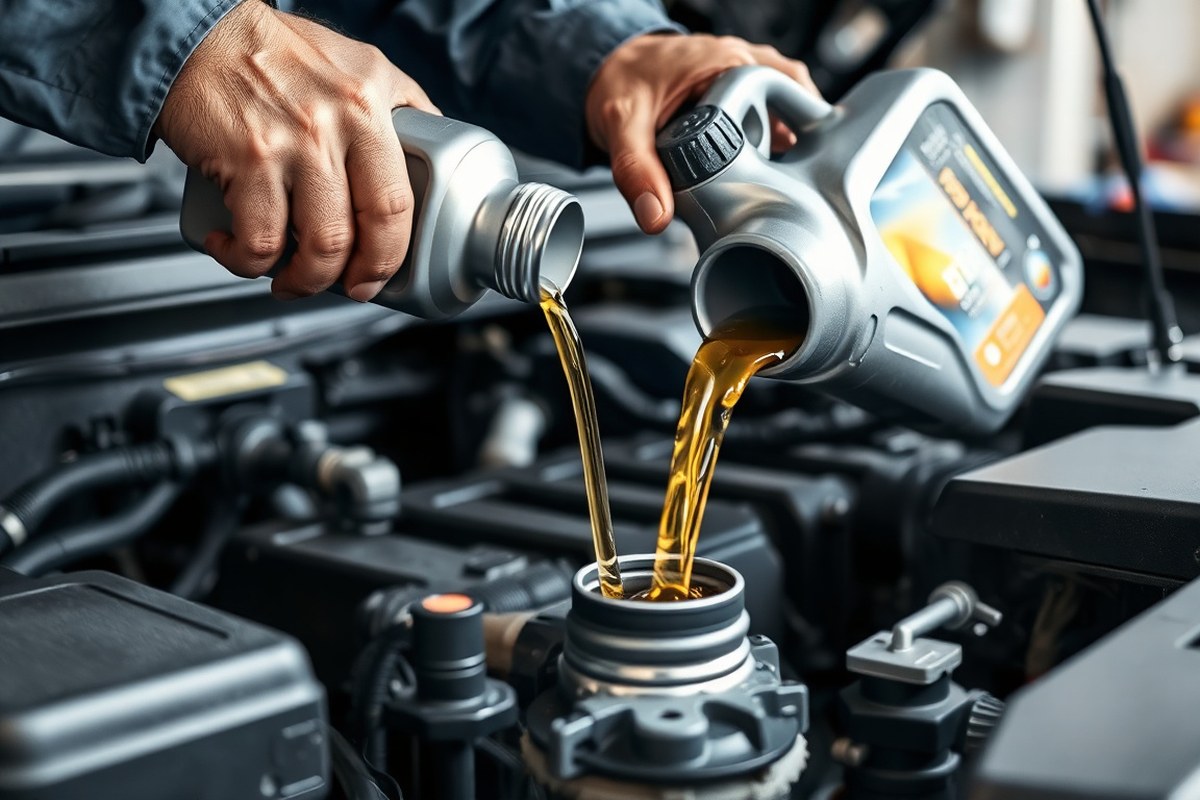
Use a funnel for a clean pour when adding oil to avoid spills. Add small amounts, then wait a few seconds before rechecking the dipstick. Overfilling can cause foaming and reduce lubrication effectiveness.
If the oil is below the safe zone, add enough to bring it to the full mark. Use the type and grade recommended in your owner’s manual. Never mix unknown or lower-quality oils as it can hurt your engine’s performance.
Step-by-Step Oil Change Process for DIY Enthusiasts
Changing your engine oil yourself needs proper tools, steps, and safety. Follow a clear process to avoid spills and protect your car. Doing this right keeps your engine running smoothly for thousands of miles.
Gathering Tools and Supplies
Collecting the right tools saves time and frustration. You’ll need the exact oil type and amount specified in your owner’s manual. A replacement oil filter designed for your vehicle is essential too.
You’ll need a wrench for the drain plug and an oil filter wrench. Grab a funnel, a drain pan, and protective gloves too.
These tools make the job cleaner and easier. Old rags and jack stands or ramps help keep the workspace clean and safe.
Draining Old Oil and Removing Filter
Warm your engine for about five minutes. This helps the oil flow better. Then, turn the engine off before starting work.
Safely lift the car with ramps or jack stands, never rely only on a jack. Place the drain pan under the oil drain plug to catch old oil.
Loosen the drain plug using a wrench and let all the oil drain out. Then remove the old oil filter with an oil filter wrench. Be careful, as the filter can still have hot oil inside.
Installing New Filter and Adding Fresh Oil
Lightly coat the rubber seal of the new filter with fresh oil. Screw the filter in by hand until snug, then tighten another 3/4 turn. Replace the drain plug securely to avoid leaks but don’t overtighten to avoid stripping threads.
Fill the engine with the correct amount of new oil using a funnel. Check the dipstick after a few minutes to ensure oil level is correct. Start the engine briefly and look for leaks at the filter and drain plug.
Disposal of Used Oil and Cleanup Tips
Pour used oil into a clean, sealable container for recycling. Most auto parts stores and service stations accept used oil for free. Never pour oil in the trash, on the ground, or down drains.
Oil harms the environment badly. Always dispose of it properly at a collection site.
Wipe any spills immediately and wash your hands thoroughly. Store leftover oil properly for your next oil change. This keeps your garage safe and clean.
- Warm up your engine for 3-5 minutes before starting.
- Lift the car securely using jack stands or ramps.
- Place a drain pan below the oil drain plug.
- Remove the drain plug and let all oil drain out.
- Remove the old oil filter with an oil filter wrench.
- Apply fresh oil to new filter’s seal and install it.
- Reinstall the drain plug and tighten securely without overdoing it.
- Refill the engine with new oil to the right level.
Why Oil Filters Matter and When to Replace Them
An oil filter captures dirt and metal particles from engine oil. This keeps the oil clean and protects engine parts from wear.
Dirty oil can cause damage. So the filter plays a key role in engine health.
When changing oil, you should always replace the oil filter too. Skipping filter changes means old grime stays in your engine. That can clog passages and reduce oil flow, raising repair costs later on.
Most mechanics recommend replacing the oil filter every time you change the oil. For typical driving, that’s about every 3,000 to 5,000 miles with conventional oil. With synthetic oil, filters often last up to 7,500 miles but check your manual.
Changing the filter yourself takes around 10 to 15 minutes. You drain the old oil first, then remove the old filter using an oil filter wrench.
Before installing a new filter, apply a thin layer of clean oil to its rubber seal. This helps it seal better and makes future removal easier.
Filters usually cost between $5 and $15. A fresh filter keeps oil flow steady and prevents engine wear. Ignoring filter replacement leads to clogged filters and dirty oil circulation, which speeds up engine damage.
Driving in dusty or rough conditions may require more frequent filter changes. Check the filter every oil change if you drive off-road or in heavy traffic. This helps maintain your engine’s longevity and performance.
First, drain all the engine oil completely from the car. Next, unscrew the old oil filter carefully by hand. Then, put fresh oil on the new filter’s seal.
Screw the new filter on by hand until it’s snug. Finally, turn the new filter three-quarters more by hand.
Throw away the old filter properly, since it contains oil residue. Keeping up with oil and filter changes saves money long-term. It prevents engine breakdowns and keeps your ride running smoothly for years.
Common Myths and Mistakes About Changing Engine Oil
Many people still believe the 3,000-mile oil change rule is essential. But that is usually outdated. Modern engines and synthetic oils often last 5,000 to 7,500 miles or more between changes.
Following the old 3,000-mile rule wastes your time and money. Many oil changes are not needed that often. You can save both by changing oil less frequently.
Some worry that changing oil too often might harm the engine. Actually, frequent oil changes won’t damage your engine. They keep it cleaner by removing dirt and contaminants.
Changing oil too often costs extra with no real gain. High-quality synthetic oil supports longer change intervals. This means you can save money without hurting your engine.
Dealer oil change specials often promise attractive deals like free oil changes for two years. These can be good if you regularly maintain your car through that dealer. Trusting every special oil may not fit your car’s needs.
Your car’s manufacturer has specific oil requirements. Use oils that match those specs for best results.
Skipping recommended oil changes can void your warranty. So you want to keep up with exactly what your manual requires.
- Check your owner’s manual for recommended oil change mileage and time limits.
- Reset oil life monitors after every oil change to track intervals properly.
- Use the specified oil type, especially if your car needs synthetic or a branded oil.
- Don’t extend intervals beyond what your car recommends to protect the engine.
- Consider your driving conditions: stop-and-go traffic needs more frequent changes.
- Watch for signs like oil color change, engine noise, or warning lights.
- Use reputable service centers or DIY methods if you know how to check oil properly.
Never skip your scheduled oil change, or your engine could suffer costly damage.
Your local dealer’s advice often matches what your owner’s manual says. For example, a Kia Forte owner might get a six-month or 4,000-mile synthetic oil change interval.
This frequency suits that engine and driving style best. Stick to your manufacturer’s advice instead of relying on general rules or dealer promotions alone.
When to Consult a Mechanic About Your Oil Change Needs
Unusual engine noises like knocking or ticking need a mechanic’s check right away. These sounds can mean oil isn’t properly lubricating parts. Also, visible oil leaks under your car suggest the seal or gasket might be failing.
Warning lights related to oil pressure or engine problems should never be ignored. They often mean the oil level is low or the oil pump may be damaged. Getting a pro to inspect your oil system can prevent bigger engine damage.
Professional oil analysis helps when you want to understand your oil’s condition in detail. This test detects engine wear and contaminants. You send a small oil sample to a lab for testing.
It usually costs about $20 to $50. The price depends on the service you choose.
- Engine knocking or unusual ticking sounds
- Oil spots or puddles under your vehicle
- Oil pressure or check engine warning lights on
- Uncertainty about the correct oil type or change interval
- High-mileage vehicles showing increased oil consumption
- Frequent short trips in extreme temperatures or dusty areas
- When planning for professional oil testing to check engine health
Describe your observations clearly when talking to a mechanic. Mention how long the noises last or how often you see leaks. Say if the warning lights blink or stay solid.
Tell the lab when you last changed your oil. Include how you changed it and the brand used. This info helps with their analysis.
Ask for oil recommendations based on your driving habits and vehicle age. This helps you pick the right type and change interval.
Mechanics can suggest high-mileage or synthetic oils that better protect your engine. Testing your oil regularly helps catch wear early and can extend your engine’s life by years.
Step-by-Step Action Plan for Engine Oil Care
Follow this plan to keep your engine oil fresh and your vehicle running smoothly.
- Before driving: Check your engine oil level using the dipstick. Make sure it’s between the minimum and maximum marks.
- Every 1,000 miles: Inspect the oil’s color and texture. Dark or gritty oil means you should change it sooner.
- After 3,000 to 5,000 miles: Change engine oil. This is especially true if you drive in tough conditions. City traffic and dusty roads count as severe conditions.
- At 5,000 to 7,500 miles: Use synthetic oil if possible. It lasts longer and protects better under tougher conditions.
- Every oil change: Replace your oil filter to keep oil clean and your engine protected.
- Monthly: Check the oil level and top it up if needed to avoid engine wear.
- Before long trips: Check your oil condition and level. Change the oil if it’s been a while or looks dirty.
- Every year: Even with low mileage, replace your oil and filter to prevent oil breakdown.
Frequently Asked Questions
How Often Should Engine Oil Be Changed for Most Vehicles?
Most vehicles need an oil change every 5,000 miles with synthetic oil. Conventional oil usually requires changes every 3,000 to 5,000 miles. Always check your owner’s manual for specific recommendations.
Can Harsh Driving Conditions Shorten the Oil Change Interval?
Yes, harsh conditions like frequent idling or stop-and-go traffic require more frequent oil changes. This helps prevent engine wear from dirty or broken-down oil.
Does the Type of Oil Affect How Often I Change It?
Synthetic oils last longer than conventional oils and need less frequent changes. Synthetic can allow 7,500 to 10,000 miles between changes, depending on your vehicle.
How Can I Tell If My Engine Oil Needs Changing Sooner?
Dark, gritty, or low oil levels signal it’s time for a change. Unusual engine noises can also indicate the oil isn’t lubricating well.
Is It Safe to Change Oil More Often Than Recommended?
Yes, changing oil more often won’t harm your engine but may waste money. Stick to intervals that match your driving for best value and engine health.
The Bottom Line
Keeping your engine oil fresh is key to your car’s health. Check and change oil based on your driving and oil type. Start by checking your oil level today to spot any early issues.