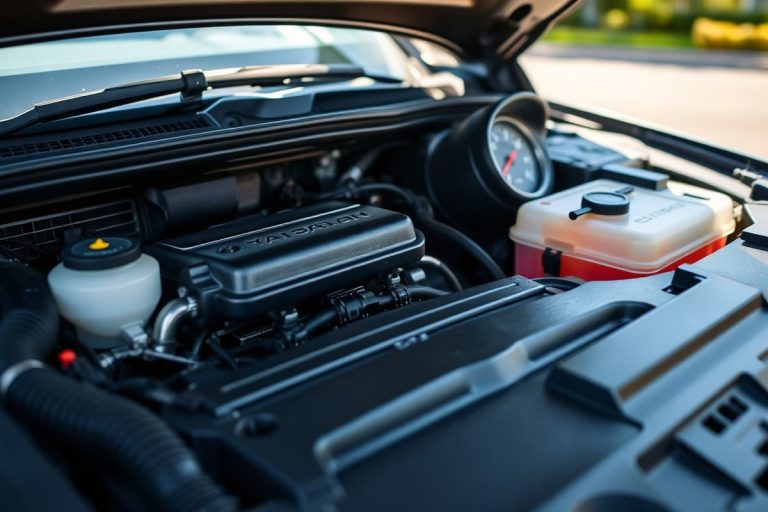
How Much Is It to Repair an Oil Leak? A Complete Cost Guide with Tips
How much is it to repair an oil leak depends on the leak’s size and location. Simple fixes can cost as little as $15 if you do it yourself. More complex repairs, like fixing a rear main seal, can run from $1,200 to over $2,500.
Labor rates and your vehicle type affect the final price a lot. Repairs usually take a few hours but some jobs can stretch much longer. It helps to diagnose the leak properly before starting repairs to avoid extra costs.
Look for where the oil is leaking and how much is dripping. A small drip might not be urgent.
But large leaks risk damage and safety hazards. Getting a professional diagnosis quickly can save you from bigger repair bills later.
Key Takeaways
- Basic oil leak repairs usually cost between $150 and $600.
- Rear main seal leaks are costly, often $1,200 to over $2,500.
- Labor rates and vehicle type can double or triple repair costs.
- A good oil leak diagnosis takes about one to two hours.
- Small leaks can sometimes be fixed with DIY gasket replacements.
- Driving with a large oil leak can cause engine damage and hazards.
How Much Does Repairing an Oil Leak Typically Cost?
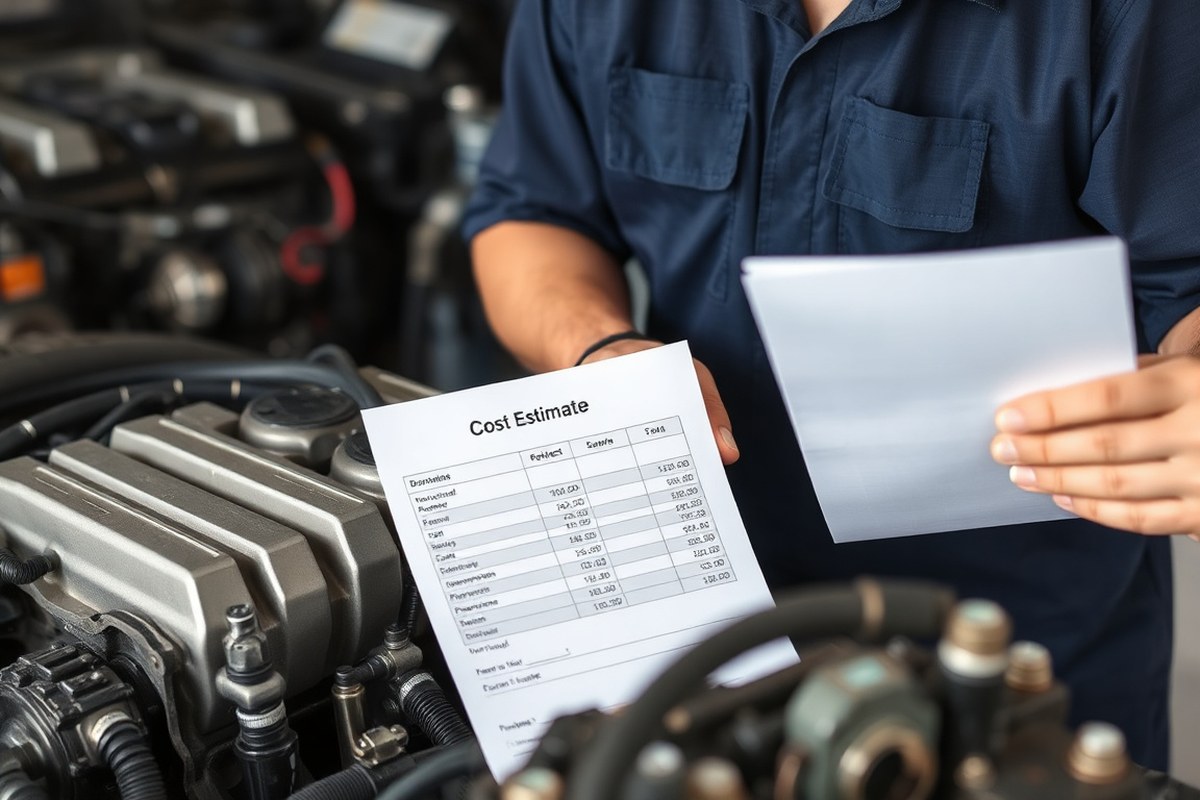
The average cost to repair an oil leak usually falls between $150 and $1,200. Simple leaks like a bad oil drain plug often cost less than $500. Valve cover gasket leaks also usually stay under this price.
These repairs are generally cheaper and quicker to fix. Complex leaks near the rear main seal can cost $1,200 to $2,500.
These fixes need a lot of work, which raises the price. Labor intensive repairs drive up the total cost.
Parts generally cost from $5 to $200, depending on the leak’s location. For example, an oil drain plug or washer might cost $5 to $20. Valve cover gaskets range from $40 to $150.
Seals like the rear main seal or crankshaft seal have parts priced between $40 and $150. Labor costs usually dominate the total repair bill.
Labor hours vary widely by repair type. Fixing a valve cover gasket typically takes one to three hours. Oil pan gasket replacements can take two to four hours.
Rear main seal repairs might require eight to twelve or more hours. Labor costs make these repairs expensive.
Many fixes require taking apart engine parts. This work takes time, increasing labor charges.
Valve cover gasket repair costs $200 to $500. Parts cost $40 to $150. Labor takes one to three hours.
Oil pan gasket repairs run from $300 to $700. Parts cost $50 to $200. Labor lasts two to four hours.
Rear main seal fixes cost $1,200 to over $2,000. Labor is the biggest expense. This is because the seal is hard to reach and repairs take time.
Labor dominates because many oil leaks occur where parts are hard to reach. The rear main seal sits deep between the engine and transmission, needing major teardown.
Valve cover gaskets sometimes require removing ignition coil packs or intake parts. Those extra steps add hours and inflate labor charges versus part costs.
What Common Parts Leak Oil and What Do Repairs Cost?
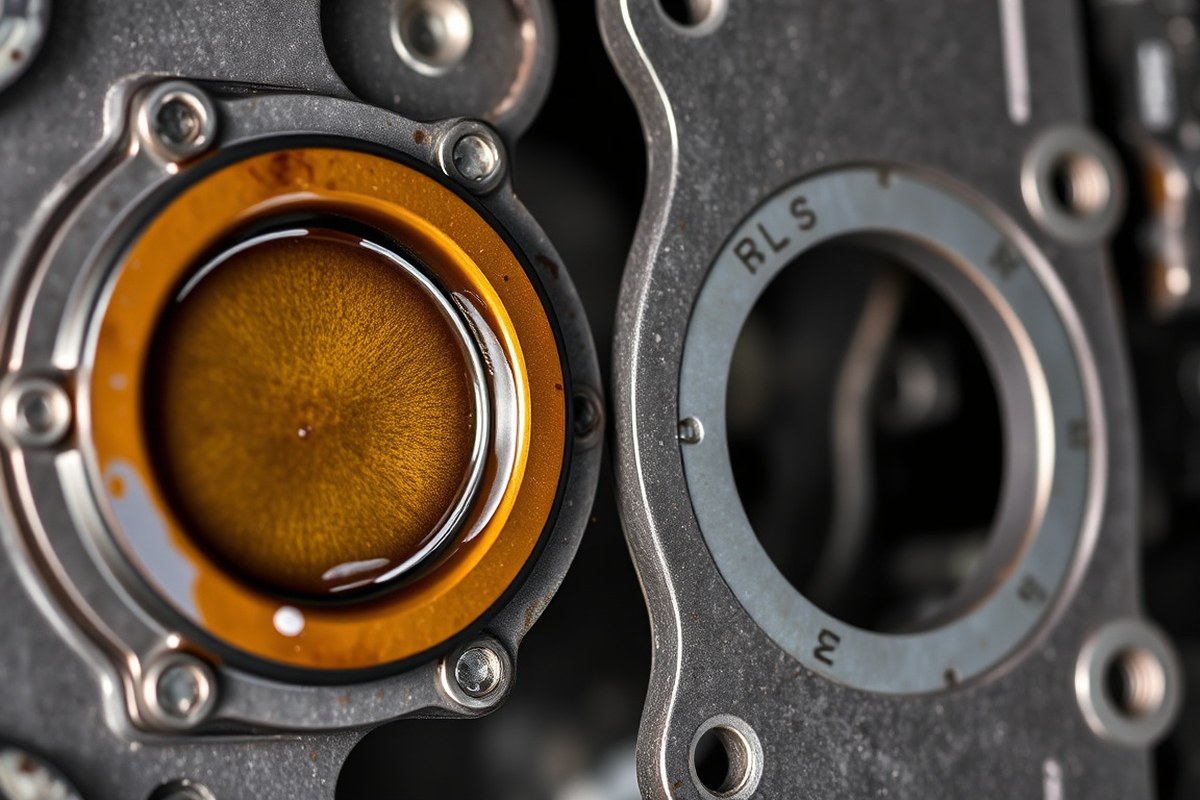
Common Parts That Leak Oil
Oil leaks usually come from parts like the valve cover gasket or oil pan gasket. They also happen at the rear main seal, oil filter housing, or oil pressure sensor. These parts sit where oil flows or pools.
Age or damage lets oil escape. Fixing these stops messy drips and protects engine parts from dry running.
Valves and gaskets provide seals holding oil inside the engine or below it. When they fail, oil makes a visible leak on engine surfaces or under the car. The rear main seal sits deep, near the transmission.
This makes it tougher to fix than valve gaskets. Repair needs more work and care.
How Much Do Common Repairs Cost?
Valve cover gasket repairs usually cost $200 to $500, including parts and labor. Oil pan gasket jobs range from $240 to $590 for most vehicles. These gaskets are midrange repairs that take a few hours.
Fixing a rear main seal leak costs a lot, around $1,200 to $2,500. This is because the transmission must be removed to reach it. It’s a tough job.
Oil filter housing gasket repairs typically cost from $190 to $460, depending on engine size. Sensor leaks cost less but can be harder to spot.
| Leak Source | Part Cost | Average Labor Time |
|---|---|---|
| Valve Cover Gasket | $20, $80 | 1, 3 hours |
| Oil Pan Gasket | $14, $70 | 2, 4 hours |
| Rear Main Seal | $100, $300 | 8, 12 hours+ |
| Oil Filter Housing Gasket | $10, $50 | 1, 2 hours |
| Oil Pressure Sensor | $20, $70 | 0.5, 1 hour |
Why Some Leaks Cost More to Fix
Labor dominates the cost for most repairs. Valve cover and oil pan gaskets are fairly easy to access.
So labor time is shorter. The rear main seal sits deep and requires removing the transmission, which drives up cost.
Complex engine layouts or tight spaces also increase repair time. Oil filter housing leaks can spread oil over other parts, adding diagnosis steps. Major leaks affecting engine timing covers or piston seals may raise costs exponentially.
Identifying Probable Leak Sources
Check where oil first appears to narrow down the leak. Oil near the top of the engine likely points to the valve cover gasket. Drips under the car near the middle usually come from the oil pan.
Oil pools behind the engine might mean a rear main seal leak. A mechanic needs to check to be sure if that’s the case.
Look for dampness around the oil filter housing if the leak spreads near hoses. Tight leaks on sensors need close visual checks or scanning for error codes.
Always clean the engine before inspecting a leak. Old oil can hide the true source, leading to unnecessary repairs.
How Do Labor Rates and Vehicle Type Impact Repair Price?
The cost to fix an oil leak depends on your car’s make. It also depends on the model and repair location. Different shops charge different prices.
Labor rates vary widely by region and shop type. Dealerships usually charge more than independent shops because of higher rates and OEM parts.
How Labor Rates Differ by Location and Shop
Labor rates vary by city and shop type. Independent shops often charge $75 to $150 per hour. The exact price depends on your location.
Dealerships often charge between $120 and $250 per hour or more. For example, a neighborhood shop may charge $95 per hour. A dealership service center for BMWs can charge $145 or higher per hour.
Metropolitan areas have higher labor rates than rural towns. Dealership shops typically add $20 to $40 more per hour than independents in the same city. Labor costs affect the final price of the oil leak fix.
Repairs can take hours, especially for hard-to-reach leaks. This adds to the total cost.
Vehicle Make and Model Affect Repair Complexity
Luxury cars and sports models usually have repair costs above economy cars. Their engines often use more expensive parts and require more labor time. A common oil leak repair costs $400 to $600 for an economy sedan.
For a luxury SUV, expect $700 to $1,200. Prices vary by vehicle type.
Some vehicles hide oil leaks behind other components. Fixing seals or gaskets on these cars takes extra time. That ups labor charges and might also require pricier parts.
Oil leak repairs on high-end cars can cost over $1,000 in labor. The parts might cost less than $50. Labor drives up the total bill.
Why Dealership Repairs Cost More
Dealerships stick to OEM parts that cost more than aftermarket equivalents. Their mechanics often have specialized training for specific brands. This expertise comes at a price, reflected in their higher hourly rates and part costs.
Dealerships may charge $145 or more per hour for labor. Independent shops often charge between $80 and $95 per hour. Prices differ by shop type.
Dealerships also tend to charge diagnostic fees between $100 and $200, which raise the initial bill. Independent shops usually have lower fees and more flexible part choices.
Regional Labor Rate Examples
In New York, labor rates at independent shops range from $120 to $150 per hour. City size can increase repair costs. Rates vary widely by region.
Dealerships charge up to $200 per hour. Smaller towns usually have independent shop rates between $75 and $95 per hour.
Dealerships in these areas might charge $120 to $145. Location affects costs.
Higher labor rates can push your oil leak repair cost over $1,000. Complex repairs add more labor time and expenses. Budget accordingly for tough cases.
Lower rates in rural or suburban areas save you hundreds. But availability of parts and expertise may vary.
Balancing Labor Rates and Shop Reputation
Choosing the cheapest labor rate isn’t always best. A cheap shop might cut corners or miss small leaks. Reputable shops balance fair rates with good reviews and proper warranties on repairs.
Ask about diagnostic fees upfront and whether they use OEM or aftermarket parts. Compare quotes from multiple shops. Independent shops offer good value with moderate labor rates.
They often use quality parts for repairs. This balance keeps costs reasonable.
How Long Does It Usually Take to Fix an Oil Leak?
| Repair Type | Typical Repair Time |
|---|---|
| Valve Cover Gasket | 0.5 to 2 hours |
| Oil Pan Gasket | 1 to 3 hours |
| Rear Main Seal | 6 to 12+ hours |
Fixing a valve cover gasket usually takes under two hours. This gasket sits on top of the engine. It is easy to reach.
So, the job goes faster. You often just remove the cover, swap the gasket, and bolt it back on. This repair normally takes 30 minutes to two hours, depending on your car’s engine layout.
An oil pan gasket replacement takes longer. The oil pan sits underneath the engine and often needs the car lifted up for access. The repair takes one to three hours.
It needs oil drained and the pan removed. Then the gasket surfaces get cleaned and the pan goes back on. The tight space below the engine can slow the work.
Replacing a rear main seal can take six to 12 hours or more. The seal fits between the engine and transmission.
Removing the transmission or big parts of it is necessary to get to the seal. This makes the job harder and costs more.
Repair time changes with engine design and how much you must disassemble. Older or simpler engines tend to take less time. Luxury or performance cars with compact or complex layouts often require more hours.
Delays can happen due to rusty parts, worn fasteners, or unexpected leaks. These issues become clear while working. They add time to the repair.
To estimate your repair time better, ask your mechanic specifically how many hours they expect. Check if your vehicle’s engine type affects access.
Also, note if they plan to remove big parts like the transmission. The more parts out, the longer it takes.
What Steps Are Involved in Diagnosing an Oil Leak?
Mechanics find oil leaks by checking the engine for wet spots and oil stains. They start with a visual check. Then they use UV dye tests.
These tests show exactly where the oil is leaking. Diagnosis usually costs between $50 and $200, which many shops apply toward repairs done there.
Visual and Physical Inspection
Visual checks are the first step. Mechanics search for oil on the engine block. They check around the oil pan and valve cover.
They also look at the seals. They also feel for wet, oily areas that show fresh leaks.
The mechanic traces oil stains starting from the highest point downward. That’s because oil drips down.
So the leak usually begins at the topmost wet area. This helps narrow down the source without tearing the engine apart.
Catching oil leaks early is best during oil changes. This stops bigger problems later.
It also prevents damage. It costs less to fix small leaks found early than big ones that spread.
Using UV Dye and Light Tests
Adding a UV dye to the engine oil makes leaks easier to spot. The mechanic flushes the engine oil or adds the dye to clean oil. They run the engine to let the dye circulate and leak out with the oil.
The mechanic uses a special UV light to see the glowing dye on oil stains. This pinpoints the leak’s exact location, even in hard-to-see spots. The engine may be cleaned first to see the dye clearer on fresh leaks.
UV tests usually cost $100 to $200 and avoid guessing the leak spot. They help prevent wrong repairs, saving time and money later.
Understanding Diagnosis Fees
Most shops charge $50 to $200 for an oil leak diagnosis. This fee covers visual inspection and any dye tests done. The price varies by shop and how complex the leak is to find.
Many shops count your diagnosis fee toward repairs done there. It acts like a down payment. Taking your car elsewhere usually means you lose that fee.
Keep in mind, some leaks hide in hard places and take longer to find. That raises the diagnosis cost. Tell your mechanic upfront if you want a simple inspection or a full leak-detection service.
- Check oil level and look around the engine for fresh oil spots.
- Spot-check common leak points: oil pan, valve cover, seals, and gaskets.
- Trace which part is the highest wet spot where oil seems to start.
- Clean the engine surface if needed to remove old oil stains.
- Add UV dye to the oil and run the engine to circulate it.
- Use a UV light in a dim setting to find glowing oil leaks.
- Document the leak location to prepare an accurate repair estimate.
- Explain findings and diagnosis costs before starting repairs.
Always clean the engine surface before UV testing. This helps find fresh leaks better. Cleaning also avoids wrong diagnoses.
Should I Repair an Oil Leak Myself or Hire a Professional?
You can fix some minor oil leaks yourself, mainly if they involve simple gasket replacements. These repairs cost about $50 in parts. You will need sockets, wrenches, and a gasket scraper.
RTV silicone sealant is also required. Only try DIY if you have mechanical experience and the right tools.
Get a solid repair manual or video for your car. Follow the guide closely.
Complex leaks like timing cover or rear main seal need a mechanic. These repairs require skills and tools beyond most DIYers’ reach. These parts can be tough to reach and often require removing other components.
Professionals spend a few hours on these jobs, charging $400 or more. But the work comes with a warranty and reduces the risk of damaging your engine.
Confirm the leak is small or just a seep before fixing. Avoid attempting if oil loss is fast or heavy. Driving with a big leak wastes oil and can cause engine damage fast.
Small leaks allow you to finish DIY without worrying about quick oil loss. Overheating usually won’t happen with minor leaks.
Some tools you’ll want on hand for common DIY gasket repairs include:
- Socket set and ratchet
- Torque wrench to tighten bolts correctly
- Gasket scraper or razor blade for old gasket removal
- Brake cleaner or degreaser to prep surfaces
- Shop rags or paper towels for cleanup
- RTV silicone sealant for additional sealing
- Car jack and stands if you need to access the underside
Avoid common mistakes like reusing old gaskets, over-tightening bolts, or skipping surface cleaning. These errors can cause leaks to come back or lead to costly engine damage. A mechanic saves time and frustration if you feel unsure about steps or tools.
Finally, consider your comfort level with working under your car and the time you have. A beginner’s repair might take hours and cost more time than a shop job. This could outweigh any money saved on parts.
Professional repairs seem expensive upfront but stop bigger bills later. Poorly fixed leaks cause costly damage down the road.
Can Driving with an Oil Leak Cause Damage or Safety Issues?
You can drive a short distance with a tiny oil leak. Make sure the oil level stays full. Check the oil often to avoid engine damage.
That means no oil pressure warning light, no smoke, and just a tiny seep. However, it’s not safe to keep driving long-term with any leak.
Leaks often start small but can quickly damage your engine if left untreated. Low oil levels cause internal parts to wear out faster, leading to engine seizure. Repair bills climb when a simple gasket fix turns into engine overhaul costs.
Stop driving right away if the oil pressure light comes on. Burning oil smell means you must stop too. Smoke from under the hood is also a stop sign.
A rapidly growing oil puddle under your car also signals a severe leak and fire risk. Oil needs very high heat to catch fire.
But oil leaking onto hot engine parts can start a fire. Always fix leaks to keep your car safe.
Another risk is damage to other engine parts like belts or pulleys. Oil leaks can make belts slip or wear prematurely, which might cause breakdowns. Knocking noises or rough running can mean oil flow is blocked.
Check your engine if you hear these sounds. Don’t ignore unusual engine noises.
Loose bolts on the oil pan or valve cover may cause leaks. Tightening them carefully to the right torque may help briefly. This fix is only temporary, so check the leak soon.
Still, getting a professional repair is the only way to avoid bigger problems. Ignoring a leak is what turns a cheap fix into a costly disaster.
Are Oil Leak Stop-Leak Additives Effective or Worth the Cost?
Oil leak stop-leak additives can seal small leaks temporarily but do not fix the root cause. For example, Liqui Moly Oil Stop-Leak costs about $15 to $20 per bottle.
It can help cover small leaks in older engines. But it might gum up parts like VVT solenoids later.
Most stop-leak additives work by softening engine seals. This reduces small leaks but won’t repair bigger gasket or seal damage. These products often cost between $10 and $30, depending on brand and size.
You add these products straight into the engine oil. Do this during an oil change or when the engine is warm. Results usually show within a few hundred miles but are not permanent.
Use these additives only as a short-term solution to delay repairs on older cars. A serious leak or broken part will keep leaking. The issue won’t fix itself on its own.
For example, a $300 repair on a $3,000 car is usually worth the cost. Additives can help you avoid costly repairs temporarily while saving for proper service.
Here is a comparison of popular stop-leak additives:
| Product | Cost | Effectiveness | Limitations |
|---|---|---|---|
| Liqui Moly Oil Stop-Leak | $15, $20 | Masks minor leaks | Can gum VVT solenoids; short term |
| Bar’s Leaks Oil Leak Repair | $10, $15 | Softens seals; minor leaks sealed | Not for severe leaks; temporary fix |
| BlueDevil Oil Stop Leak | $20, $30 | Effective on older seals | Won’t fix hardware failures |
These additives sometimes block oil passages if used too often. Avoid adding too much or using multiple additives.
Always check your oil level and condition after application. Driving with a known leak without repair risks damage and safety issues.
Do not rely on stop-leak additives as a permanent fix. Schedule a professional repair when possible.
When Is It Financially Worth Fixing an Oil Leak on an Older Car?
You should compare the cost of fixing the oil leak to your car’s current value. A common rule is not to spend more than 50% of the vehicle’s worth on repairs. For example, your car is worth $2,000.
Spending $1,000 to fix the leak may not make sense. It might be too costly for an old car.
Older cars with high mileage often have lower market values, sometimes under $3,000. Repairing an oil leak can cost anywhere from $200 to $1,200, depending on the issue. Spending half your car’s value on repairs is a lot.
It usually means thinking about other options. You might look for ways to avoid expensive fixes.
Selling or trading your car can avoid big repair costs. You can sell the car as it is now. This might get you a better deal.
Fixing it could cost more than selling it. Trade-in values might be low. But it also saves you time, hassle, and risk of future leaks or engine damage.
Some owners choose partial fixes or DIY options for minor leaks. Using gasket sealant can help with small oil leaks. Replacing parts like the oil pan drain plug also helps.
These are usually quick and simple fixes. These fixes don’t last forever but can buy time.
They work if you plan to sell the car soon. Temporary fixes might help before replacing the car.
Knowing your car’s value requires a few quick checks online. Use Kelley Blue Book or Edmunds to check your car’s value. Enter your car’s make, model, year, mileage, and condition.
This gives you an estimated value to compare. Compare repair quotes with your car’s estimated value.
This helps you decide if fixing the oil leak is worth it. Don’t spend more than the car is worth.
Spotting oil spots under your car? Need to add oil often? Don’t wait too long to check it out.
An unchecked leak can lead to engine damage or more expensive repairs later. Paying a little for quick repair can help the car last.
It’s useful if you plan to keep your car longer. Small fixes may save money in the short term.
Step-by-Step Action Plan to Handle Your Oil Leak Repair
Follow this plan to find out the leak source, decide on repairs, and prevent damage. Each step helps you move closer to fixing the problem safely and affordably.
- Day 1: Check for visible signs of the oil leak.Look under your car for fresh spots. Note their size and place. This helps find the leak spot.
- Day 2: Use an engine cleaner and UV dye if needed.Clean your engine well. Add dye to the oil. Run the engine to see where oil leaks.
- Day 3: Estimate repair costs by researching parts and labor locally. Call or check online for prices on common leak sources and labor rates in your area.
- Day 4: Decide on DIY or professional repair.Try fixing small leaks yourself if you have the tools. Otherwise, schedule a mechanic visit.
- Week 1: Get professional diagnosis if unsure. A mechanic can confirm the leak source fast and suggest the best action plan.
- Week 2: Complete the repair or monitor oil levels carefully. Fix the leak or watch your oil daily to avoid engine damage if repair waits.
- Week 3: Test drive and recheck for leaks post-repair. Ensure the leak is sealed and no new leaks appear before driving long distances.
- After 1 Month: Maintain regular oil checks and service. Prevent future leaks by changing oil on schedule and inspecting seals periodically.
Frequently Asked Questions
Can an Oil Leak Repair Cost More Than $2,500?
Yes, some oil leak repairs, like rear main seal jobs, can exceed $2,500. These repairs need extensive labor and parts replacement, which drives up the price significantly.
How Does the Oil Type Affect Repair Costs?
Using synthetic oil can increase your repair cost slightly. Shops may charge $40 to $120 to refill engine oil. The price depends on the oil grade and how much you need.
What Are Signs That Indicate a Major Oil Leak Repair Is Needed?
Large leaks dropping over 1 quart every 500 miles usually need major repairs. This volume suggests serious seal or line failure requiring professional service.
Is It Cheaper to Fix Oil Leaks Caused by Oil Filter or Plug Issues?
Leaks from bad filters, cracked caps, or loose plugs happen often. These issues are usually simple and cheap to fix. You might spend under $15 on parts if you DIY.
Can Weather or Driving Habits Affect Oil Leak Severity?
Yes, extreme temperatures and aggressive driving can worsen leaks by stressing seals and gaskets. Keeping your engine cool helps reduce leak chances.
Key Points to Remember
Repair costs for oil leaks depend on the leak’s location. Your car type also changes the price. Costs can vary a lot.
Quick diagnosis and action avoid bigger problems and costly repairs. First, find exactly where the leak is. Then choose if you’ll fix it or hire a pro.