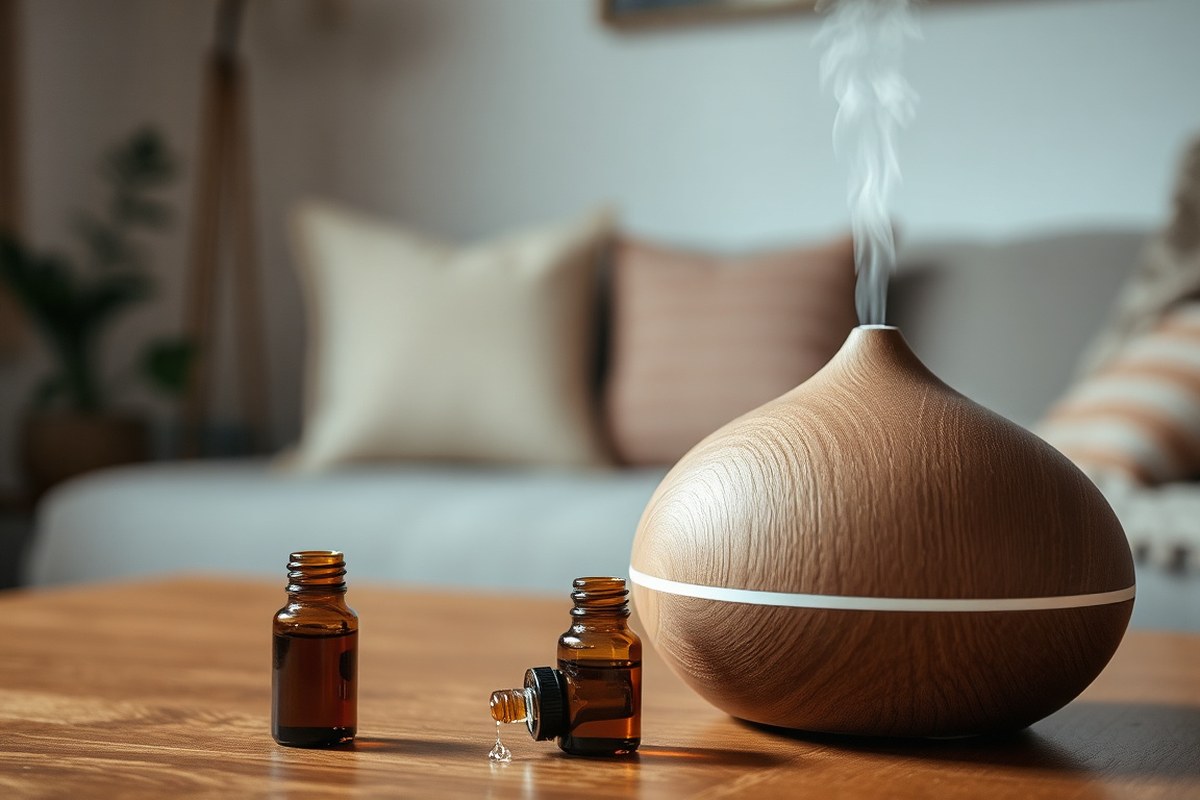
How Many Drops Essential Oil in Diffuser: A Complete Guide for Perfect Aroma
Wondering how many drops essential oil in diffuser you should use? The basic rule is 3 to 5 drops per 100ml of water. This range fits most ultrasonic diffusers well.
It fills an average room with scent. You get a nice aroma without overdoing it.
For larger diffusers, like 300ml models, start with 6 to 12 drops. Change the drop amount based on room size.
Also think about how strong you like the scent. Add more drops for bigger rooms or stronger smell.
Too many drops can make the scent overpowering or cause irritation. It’s best to start low, then add more if the aroma feels weak. This way, you avoid wasting essential oils and keep the air pleasant.
Key Takeaways
- Add roughly 3 to 5 drops of essential oil to every 100ml of water in your diffuser. This balance lets the scent spread nicely. Adjust according to your preference.
- For 300ml diffusers, start with 6 to 12 drops depending on size.
- Adjust drop numbers based on room size and air flow.
- Too many drops can overwhelm the room and irritate.
- Start with fewer drops and add more if scent is weak.
- A nebulizer diffuser needs 15-25 drops since it uses no water.
How Many Drops of Essential Oil to Add by Diffuser Size
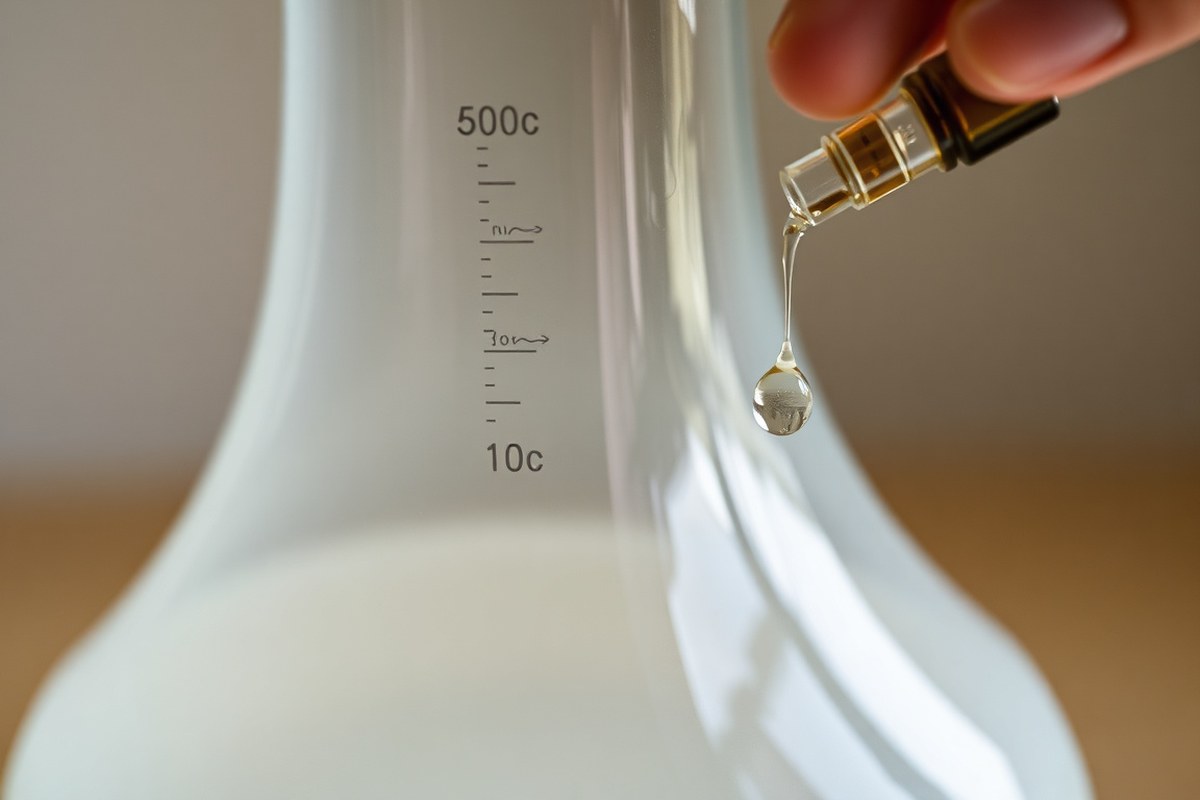
Start with 3 to 5 drops of essential oil in every 100ml of water. This amount is ideal for a new diffuser setup. You can change the number later if the scent feels too strong or weak.
Keeping drops within this range helps the fragrance stay noticeable but not too intense. Bigger diffusers require more drops, but increase them proportionally to keep the scent balanced.
For example, a 200ml diffuser requires about 6 to 9 drops. A 300ml diffuser works best with 10 to 12 drops. Adding too many drops risks clogs or a harsh smell.
Too few drops give a weak scent. Stick to this simple rule to get the best result.
| Diffuser Size | Number of Drops |
|---|---|
| 100ml | 3 – 5 |
| 200ml | 6 – 9 |
| 300ml | 10 – 12 |
| 400ml | 12 – 15 |
| 500ml | 15 – 18 |
Use this chart as a quick guide whenever you refill your diffuser. Your ultrasonic diffuser needs specific drop counts based on water volume.
Follow the recommended amounts to avoid damage. Ultrasonic types mix oil and water to diffuse scent evenly, so the ratio matters.
Nebulizing diffusers don’t use water and need more drops. Usually, they take 15 to 25 drops in their small oil bottle. This helps create a stronger scent.
Heat or evaporative diffusers require fewer drops, usually 1 to 3, as they work differently. Always check your diffuser’s instructions to match the correct drop amount.
How Room Size and Air Flow Affect Essential Oil Drop Needs

Room size matters for how many essential oil drops to use. Larger rooms need more drops. Smaller rooms should use fewer drops for safety.
Smaller rooms, like bedrooms or offices, usually need fewer drops, often just 3 to 5. Larger rooms require more, sometimes 15 to 25 drops, to fill the space evenly with scent.
Air flow also changes how much oil you need. Your room’s ventilation or air conditioning spreads scent faster. This means aroma fades quicker.
In those cases, adding a few extra drops helps maintain the aroma. But too much oil in a well-ventilated room can waste the scent because it escapes quickly.
Adjust your drops depending on your room’s size and airflow. For a small, closed room, use about 3 to 5 drops. Use the lower end of your oil range.
In a medium room with some air circulation, try about 10 to 15 drops. Large, open or well-ventilated spaces may need 20 drops or more. This approach balances scent strength with safety and oil use.
Keep in mind that strong diffusers in small rooms can feel overwhelming. Use fewer drops to avoid headaches or nausea. If the scent is too weak in bigger rooms, add drops slowly.
Increase the number bit by bit until smells right. This helps you find the right level without overdoing it.
Use fewer drops at first. Add more only if scent is weak after a few minutes.
Differences in Drop Guidelines for Various Diffuser Types
Different diffuser types need different drop amounts due to how they spread oils. The technology affects how strong your scent will be and how long it lasts. Knowing your diffuser’s drop guidelines helps you get good scent results.
It stops scent waste or making your space too strong. You can enjoy aroma better this way.
Ultrasonic Diffusers Drop Recommendations
Ultrasonic diffusers use vibration to break essential oils into tiny particles. They mix oil with water and create a cool mist that spreads slowly. Start with 5 to 10 drops for a 100 ml tank.
Change this for bigger or smaller diffusers. This helps you find the right scent level.
Adding too many drops can cause a greasy residue or clog the device. Six to eight drops usually give a nice scent balance. You get about 30 to 60 minutes of good aroma.
Many users find this timing works well. Always add oils after filling the water to avoid direct contact that can damage the diffuser.
Nebulizer Diffusers and Drop Counts
Nebulizers don’t use water; they spray pure essential oil particles directly into the air. This method needs fewer drops since it delivers a stronger, more concentrated aroma. Use 3 to 5 drops for 10 to 15 minutes of diffusion.
Smaller rooms might need even less of the oil. This amount usually fills a room nicely.
This diffuser can use more oil quickly. So you refill and add drops in small amounts.
Running it for 15 minutes then pausing helps avoid overwhelming the space. Cleaning the nebulizer regularly is important because oil buildup can block the nozzle and reduce effectiveness.
Evaporative Diffusers Drop Guidelines
Evaporative diffusers work by blowing air over a pad or filter soaked with essential oils. They usually need more drops than ultrasonic or nebulizer types.
Using 8 to 12 drops on the pad initially is common. But this depends on pad size and airflow strength.
The scent strength often fades faster since the oil evaporates continuously. You might add a few drops every 1 to 2 hours to keep the scent noticeable.
Too many drops can make the scent sharp or harsh. So add slowly and test how it fills your space.
- Ultrasonic: 5 to 10 drops in 100 ml water
- Nebulizer: 3 to 5 drops per 15 minutes of use
- Evaporative: 8 to 12 drops on filter or pad
- Adjust based on room size and scent strength
- Start low and add more drops gradually
- Clean your diffuser after each use
- Follow manufacturer instructions for best results
How to Measure and Count Essential Oil Drops Accurately
Counting essential oil drops for your diffuser calls for steady hands and a patient approach. Drops vary by bottle and oil thickness.
So take your time to avoid spills and waste. Using the right method ensures a precise scent without overpowering your space.
Choosing the Right Dropper or Bottle
Essential oil bottles often come with built-in droppers, but they aren’t all equal. Wide openings might pour too fast, causing spills or too many drops.
Smaller orifice droppers help control the flow, making counting easier. Your bottle might not have a dropper. Buy an insert or use a dropper bottle.
Techniques to Control Drop Size
Hold your diffuser or water container steady on a flat surface to avoid shaking. Allow each drop to fall fully before tilting for the next drop.
Count drops slowly. Keep the bottle tip just above the water surface.
Do not touch the water. This helps prevent splashes and uneven drop sizes.
Thicker oils like Patchouli make bigger drops. Start with fewer drops.
Add more drops each time. Remember, 3 to 5 drops suit a 100mL diffuser in most cases.
Common Errors and How to Avoid Them
Don’t squeeze the bottle hard; it causes uneven drops or spills. Let gravity do the work for consistent drop size. Avoid shaking the bottle before use, as it can change the drop size unpredictably.
Adding drops too fast can lead to too many drops or wasting oil. Also, be mindful that oil droplets can cling to the dropper tip. Wipe the tip gently with a tissue if needed to keep count accurate.
Follow these steps to measure your essential oil drops accurately:
- Check your diffuser’s recommended water volume for oil drops.
- Use a bottle with a small orifice dropper or add one.
- Place the diffuser on a flat, stable surface.
- Hold the oil bottle vertical and just above the water surface.
- Gently tilt the bottle and count each drop as it falls.
- Pause between drops to avoid rushing or dropping too many.
- When mixing oils, count all drops carefully. Check ratios for the best blend.
- Wipe the dropper tip occasionally to avoid oil buildup.
What Happens If You Add Too Many or Too Few Drops
Adding too many drops of essential oil can make the aroma overwhelming and harsh. The scent might become too strong, causing headaches or nausea for some people. Too much oil can clog the diffuser or make it break.
It shortens the device’s life. The mist may not come out evenly.
Using too few drops often makes the aroma too faint to notice or enjoy. The scent fading fast makes you think the diffuser is weak. A weak smell means the oil is not working well.
It wastes water in the diffuser. The scent barely spreads around.
Too much oil in a diffuser can damage its internal parts, especially in ultrasonic models. Thick oil sticks to the mist part or water tank. This can cause the diffuser to fail.
Cleaning this buildup takes time and effort. Ignoring it can lead to costly repairs or replacement.
Stick to the recommended drops for your diffuser size to avoid these problems. For example, a 100ml diffuser usually needs 3 to 5 drops of pure essential oil. Putting too much oil in a small diffuser is a common error.
It makes the mist quality bad. It might also damage the machine.
Diffusers designed for larger tanks, like 300ml models, tolerate more drops, often around 8 to 10. Using too many drops fills the air with oil.
This can hurt your sinuses or your pet’s health. Essential oils are potent, so more isn’t always better.
Change the drop count for room size and fresh air. This keeps the scent smelling nice. Smaller rooms need fewer drops, while a large, drafty space might require more.
Pay attention to how your body and others feel during use. That is your best guide.
Don’t exceed your diffuser’s drop recommendation to avoid both weak scents and clogged devices.
How to Mix Essential Oils and Determine Total Drops Safely
You can add drops of different oils in one diffuser blend. Keep the total drops between 3 and 5 to avoid overwhelming scents or risks. For example, try 2 drops of eucalyptus and 1 drop of lavender.
Add 1 drop of chamomile to make a total of 4 drops. This mix gives you three oils evenly combined.
Stronger oils need fewer drops. Eucalyptus or peppermint are potent, so just 1 or 2 drops work well.
Mild oils like chamomile can handle 2 or 3 drops without overpowering the blend. Adjust the drops based on how strong you want the aroma.
Start with 3 drops total if you aren’t sure. Add one drop of each oil and sniff the mix before adding more.
You can increase by one drop at a time. But never go past 5 drops to keep the scent balanced and safe.
Some people like a dominant oil with a few drops, then smaller amounts of supporting oils. For example, put 3 drops of lavender and 1 drop of eucalyptus. This approach helps the main scent stay clear while the others add depth.
Trial and error is key. Diffusers release scent differently depending on water volume and time. Run the diffuser for 5 or 10 minutes.
Then check if the smell is too strong or weak. Adjust the drops next time based on how it smells. Adjust drops on your next use accordingly.
Blending oils also depends on your room size and airflow. In a small room, fewer drops are better. Larger rooms or open spaces might need the full 5 drops.
Cut back right away if the scent feels too sharp. Reduce the drops so it is less strong. Find a balance that suits your nose.
Remember, essential oils are concentrated and can irritate sensitive noses or pets. Use fewer drops if anyone nearby reacts. You can always add drops later, but you can’t remove scent already diffused.
For safe and pleasant blends, aim for simplicity. Two or three oils with a total of 3 to 5 drops usually work well. Write down your blends in a notebook to track what you like.
Note which oils need fewer drops to smell right. This helps you repeat good combos easily.
How to Estimate How Many Uses You Get from One Essential Oil Bottle
Knowing how many diffuser sessions your essential oil bottle offers helps planning. This keeps your supply ready.
A typical drop size is about 0.05 milliliters. Knowing this lets you estimate total uses based on bottle volume and drops per session.
Most people use 3 to 5 drops per diffuser session. Using fewer drops can give a faint scent. Using too many might overwhelm the room or cause headaches.
| Volume | How Many Drops | How Many Uses |
|---|---|---|
| 5mL | 100 | 20-30 |
| 10mL | 200 | 40-60 |
| 15mL | 300 | 60-90 |
| 30mL (1oz) | 600 | 120-200 |
| 90mL | 1800 | 600 |
For example, a 10mL bottle holds about 200 drops. Using 4 drops each session gives you about 50 sessions in total.
How many drops you use depends on room size. The diffuser type also matters.
Using a stronger scent means fewer drops per session and more total sessions per bottle. With weak airflow or a large room, you may want to add more drops. This reduces total sessions, but gives a better aroma.
Safety Tips and Precautions When Adding Essential Oils
Start with a small number of drops to avoid overwhelming scents or irritation. Around 3 to 5 drops usually work well for most diffusers and rooms. Adding too much can cause headaches or trigger allergies for you or others nearby.
Pets and children need special attention since some oils can harm them. Keep pets in a scent-free room while you try new oils.
Stop diffusing if your pet acts anxious, coughs, or sneezes. Avoid oils like eucalyptus, tea tree, or citrus around cats and dogs.
Certain oils aren’t safe for young kids either. Avoid peppermint, cinnamon, or clove oils near children under five. Use gentle oils like lavender or chamomile and keep the diffuser out of their reach.
- Use 3, 5 drops per 100 ml of water in the diffuser.
- Stop diffusing if pets show signs of distress.
- Avoid toxic oils near kids and pets.
- Clean diffuser after each use to prevent mold and buildup.
- Wipe the water tank with a soft cloth and mild soap weekly.
- Empty leftover water after every session to keep the device fresh.
- Check diffuser instructions for specific cleaning needs.
Regular cleaning prevents clogging and maintains strong mist output. Use a soft cloth and mild soap to clean the water tank once a week. Empty leftover water after each use to stop bacteria buildup.
Follow your diffuser’s manual for any unique cleaning steps. Proper care extends your diffuser’s life and keeps your essential oils smelling fresh.
Stop diffusing immediately if pets start acting uneasy or restless around the oils.
Best Practices for Running Your Diffuser with Essential Oils
Your diffuser should run for 15 to 60 minutes each time. The time depends on your room size and oil strength. Adjust it to fit your space and preference.
Use intermittent cycles to avoid wasting oils and keep scents pleasant. Refill water and add oils once the tank runs low or the scent fades.
Recommended Diffusing Time and Cycle
Start by running your diffuser for about 30 minutes per session. This length releases enough aroma without over-saturating the air.
Use an intermittent cycle when available on your diffuser. For example, set it to 30 seconds on and 30 seconds off.
This helps save oil and keeps the scent fresh longer. It spreads aroma longer and saves oil.
For smaller rooms or personal use, 15 to 20 minutes is often enough. Larger rooms may need up to 60 minutes to fill the space.
Adjusting Based on Room Activity
People moving around in the room make scents spread faster. This causes the aroma to fade sooner from the space.
Keep this in mind when timing your diffuser sessions. Increase run time or use continuous mode briefly in this case.
In quiet spaces where you relax, like bedrooms, intermittent cycles work best. They keep the smell subtle over time.
For workspaces or busy living rooms, run for shorter bursts and repeat throughout the day. This avoids overwhelming your nose.
Tips for Refilling and Maintaining Aroma
Add water when the diffuser’s tank is empty or you notice less mist. Do not let it run dry to protect your device.
After refilling water, add your essential oil drops fresh each time. Old oils won’t stay strong in leftover water.
Clean your diffuser every 1 or 2 weeks. This prevents buildup that weakens scent release and shortens diffuser life. Follow these steps to keep aroma fresh without wasting oil:
- Turn off and unplug the diffuser before refilling or cleaning.
- Empty leftover water to avoid stale smells.
- Refill the tank with fresh, room temperature water up to the max line.
- Add your chosen essential oil drops fresh, based on your diffuser’s size.
- Attach the cover and turn on intermittent or continuous mode as needed.
- Enjoy the scent and stop the diffuser once the water runs low or the session ends.
- Clean the unit weekly using a soft cloth and mild soap if needed.
Step-by-Step Action Plan for Using Essential Oils in Your Diffuser
Follow these steps to add the right number of drops to your diffuser. This will help you get good scent and keep your diffuser working well.
- Before you start: Check your diffuser’s water tank size. Use about 3 to 5 drops for 100 ml, more for bigger tanks.
- Day 1: Add a small amount of drops (3 to 5) to test the scent strength. Turn on the diffuser and note the aroma.
- Day 2: Add or remove 1 or 2 drops. This adjusts the strength if the smell is too weak or too strong. Notice the room coverage.
- Week 1: Keep your windows and doors closed while diffusing. This helps you judge the true scent level in the room.
- Week 2: Mix two oils together. Keep total drops within your tank size limit. Watch for any skin irritations or strong smell.
- After 2 weeks: Clean your diffuser well before adding any new oil. This keeps oils pure and your diffuser safe.
- Monthly: Check your oil bottle to track how many drops you use each time. This helps estimate how long one bottle lasts.
Frequently Asked Questions
Can I Mix Essential Oils in My Diffuser at Different Ratios?
Yes, you can mix them. Try starting with 2 drops of one oil and 3 of another. Adjust the mix based on how you like the scent.
This helps you find the right balance. Keep the total drops within your diffuser’s recommended range.
How Often Should I Clean My Diffuser When Using Essential Oils?
Clean your diffuser every 5 to 6 uses or weekly if used daily. Oils build up and can clog the device or affect scent quality. Use mild soap and water or follow your diffuser’s manual.
Does Using More Drops in a Diffuser Make the Scent Stronger or Last Longer?
More drops usually make the scent stronger initially but don’t extend the scent’s lasting time much. The scent can become overpowering and may irritate some people if too strong. Stick to recommended drops for balance.
Should I Use a Humidifier Essential Oil Blend Differently Than a Pure Essential Oil?
Yes, blends designed for humidifiers often dilute oils for safety. Use the amount suggested on the blend label. Pure oils generally need fewer drops because they are more concentrated.
Can I Add Drops of Essential Oil Directly to the Diffuser Without Water?
Only if you have a nebulizer diffuser, which is waterless. It needs 15 to 25 drops of oil directly in its bottle. Other diffusers require water to avoid damage or poor diffusion.
Key Points to Remember
You get the best results with 3 to 5 drops per 100 ml of water. Adjust this based on your room size and scent preference. Next, try your first blend with careful drop counts and enjoy your diffuser safely.