How Much Coolant Does a Radiator Hold? A Complete Guide with Essential Tips
How much coolant does a radiator hold? Most car radiators hold between 1 and 2.5 gallons of coolant, depending on the vehicle’s size and engine.
Smaller cars usually need closer to 1.5 gallons. Larger trucks often require about 2.5 gallons or more.
The total coolant amount also depends on the entire cooling system, including hoses and extra parts. Coolant usually mixes antifreeze and water in equal parts.
This mix helps prevent engine freezing and overheating. Always check your vehicle’s manual to find the exact capacity.
Once you know the capacity, you can check and top off the coolant properly without overfilling. Too much coolant can cause leaks or pressure problems. So filling the right amount is key.
Wait until the engine is cool. Then check the overflow tank and radiator. Look for the coolant level and any leaks.
Key Takeaways
- The average radiator holds between 1 to 2.5 gallons of coolant.
- Smaller cars need about 1.5 gallons; larger trucks need up to 2.5 gallons.
- Coolant capacity includes radiator, hoses, and cooling system volume.
- A 50% antifreeze and 50% water mix is standard for most vehicles.
- Always find vehicle-specific capacity in the owner’s manual first.
- Check coolant levels only when the engine is cold to avoid burns.
How Much Coolant Does a Radiator Typically Hold?
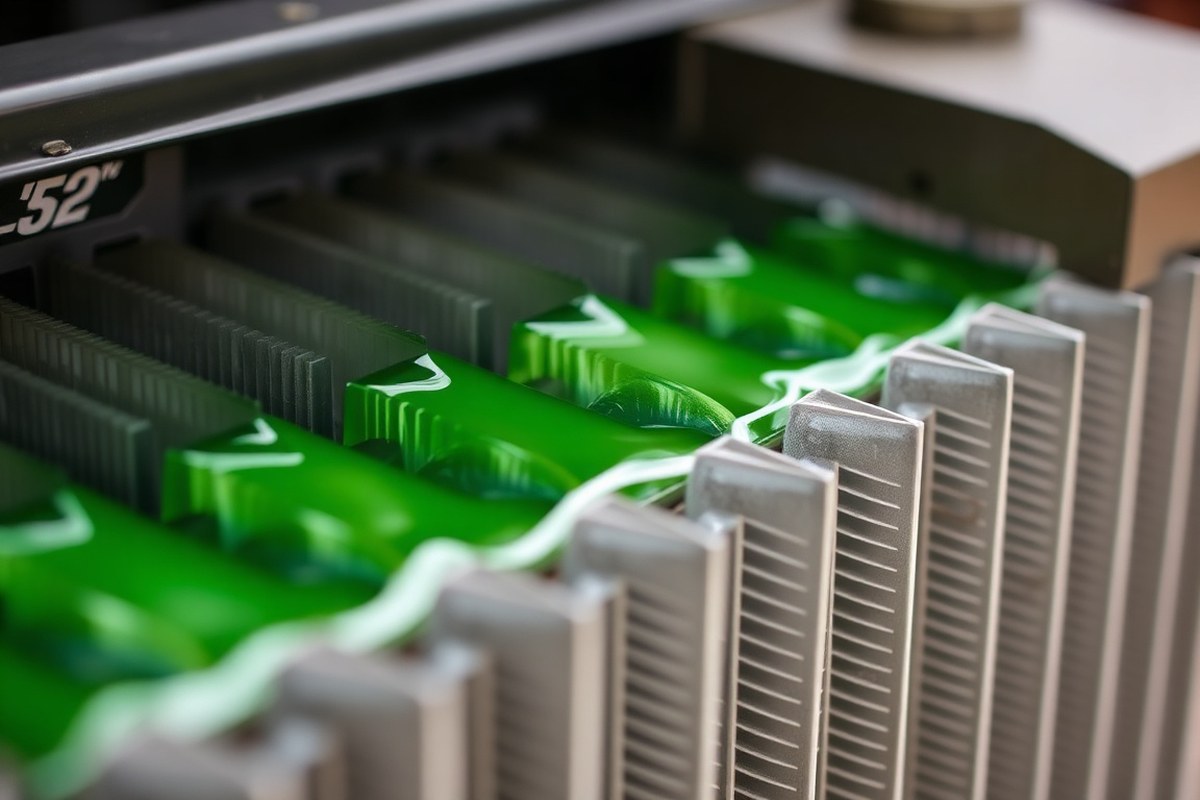
Radiator coolant capacity varies widely depending on your vehicle size and engine type. Compact cars usually hold less coolant.
Full-size trucks and heavy-duty engines need more fluid to keep running cool. Knowing the typical coolant volume helps you avoid underfilling or overfilling during maintenance or repairs.
Smaller, 4-cylinder engines require less coolant, typically around 1 to 1.5 gallons. Larger engines like V6 or V8s use more coolant. Sedans, SUVs, or pickups with these engines may need double the amount.
Heavy-duty diesel trucks can hold 5 gallons or more. Their cooling systems are bigger. They also have extra engine parts.
| Vehicle Type | Typical Coolant Capacity |
|---|---|
| Compact cars / sedans (4-cylinder) | 1, 1.5 gallons (4, 6 liters) |
| Mid-size sedans / crossovers (V6) | 1.5, 2 gallons (6, 7.5 liters) |
| Full-size SUVs / trucks (V8) | 2, 3 gallons (7.5, 11 liters) |
| Heavy-duty trucks / diesel engines | 3, 5 gallons (11, 19 liters) |
| Hybrid / electric vehicles | Varies widely; often smaller engine coolant volume plus separate systems |
Most passenger cars use 4 to 10 quarts of coolant. This is usually a 50/50 mix with water.
Your radiator’s size, including core design and hose length, changes the required volume. Larger systems with dual-core radiators hold more fluid than smaller, single-core ones.
Check your owner’s manual to find your vehicle’s coolant capacity. It gives the most exact information. Filling your radiator and reservoir to this amount ensures the engine stays at a safe temperature.
Overfilling can cause pressure problems, while underfilling risks overheating and damage. Adjust coolant volumes for any system modifications or added cooling components.
What Factors Influence a Radiator’s Coolant Capacity?
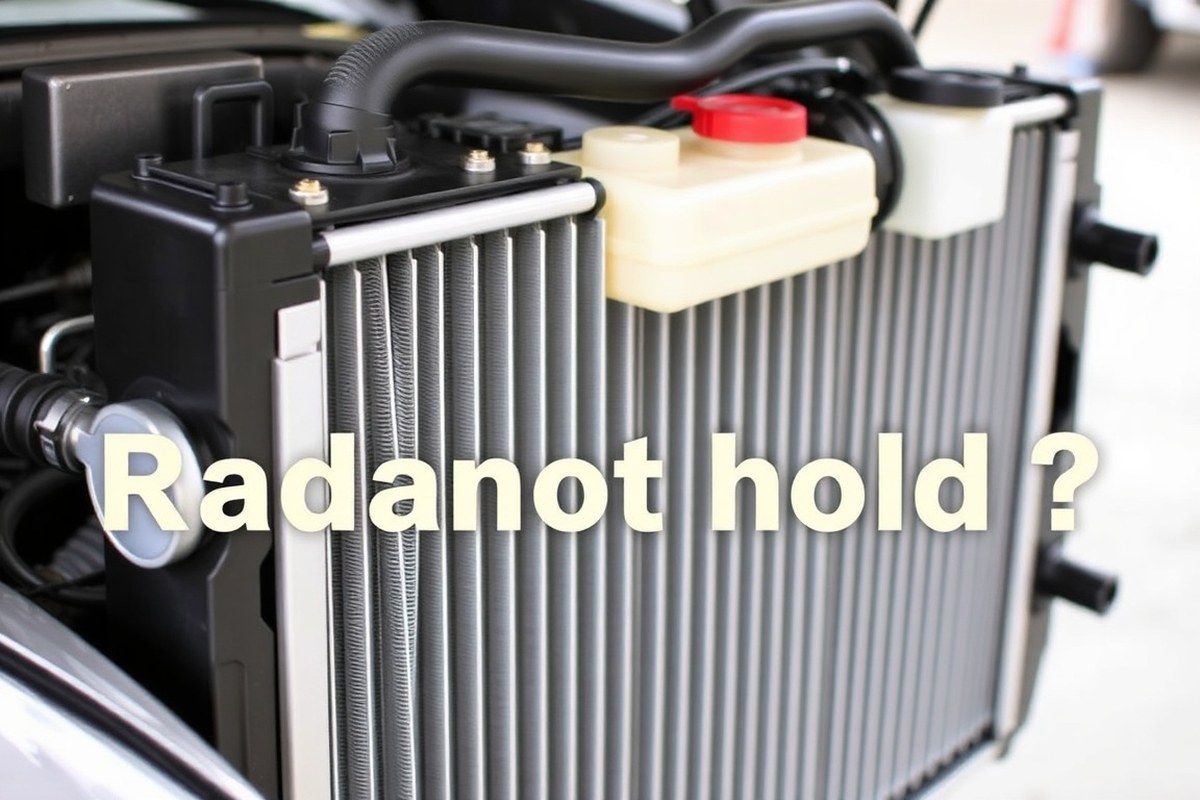
Radiator design greatly affects how much coolant it holds. A larger radiator with wider or more tubes holds more fluid.
Materials matter, too. Aluminum radiators often hold slightly less than copper brass ones because of tube thickness.
Engine size also changes coolant needs. Bigger engines generate more heat, so their cooling systems must be larger. For example, a V8 engine typically requires more coolant capacity than a four-cylinder setup.
Aftermarket radiators sometimes differ in size and layout from OEM parts. They might increase capacity to boost cooling for high-performance or heavy-duty use.
But not all aftermarket options hold more. Some trade capacity for lighter weight or fit specific engine bays.
- Vehicle type: SUVs and trucks usually have larger radiators than compact cars.
- Radiator thickness and tube count influence coolant volume.
- Additional cooling needs, like towing or turbocharging, raise coolant requirements.
- Aftermarket radiators may have different coolant capacities than OEM versions.
- Coolant volume depends on the vehicle’s make, model, and engine size.
Knowing these factors helps you pick the right radiator and coolant volume. Check your owner’s manual for exact capacity figures to avoid problems. Overfilling or underfilling coolant can cause overheating or leaks, risking engine damage.
Always wait for your engine to cool before opening the radiator cap to avoid burns.
How Vehicle and Engine Type Affect Coolant Volume
Coolant volumes vary a lot depending on your vehicle type and engine. Small cars like sedans use less coolant than trucks, SUVs, or diesel engines. Hybrid and electric vehicles have different cooling needs you should keep in mind.
Coolant Capacities of Small Vehicles
Compact cars typically need about 1.5 to 2 gallons (6 to 7.5 liters) of coolant. Engines in these vehicles are smaller and have less cooling demand.
Their radiators and cooling systems also take up less space. So coolant volume stays on the lower side.
You usually won’t need more than 2 gallons for sedans and similar small cars. Check the owner’s manual exactly to know which coolant type suits your engine best. Using the wrong type or mixing colors can cause damage and leaks.
Capacities for Larger Vehicles and Trucks
Trucks and SUVs often require between 2.5 to 3 gallons (9.5 to 11.5 liters) of coolant. Models like the Ford F-150 or Chevrolet Tahoe fall in this range. Their bigger engines and more extensive cooling systems demand extra fluid volume.
Performance cars or those with large engines may need even more coolant to handle heat. Larger radiators can hold from 11 quarts to 28 quarts (10.4 to 26.5 liters) depending on vehicle size. Using a radiator with too low capacity can cause overheating under heavy loads or hot weather.
| Vehicle Type | Typical Coolant Volume |
|---|---|
| Small Sedans/Compact Cars | 1.5 to 2 gallons (6 to 7.5 liters) |
| Standard SUVs and Trucks | 2.5 to 3 gallons (9.5 to 11.5 liters) |
| Performance Cars/Large Engines | 3 gallons or more (up to 28 quarts / 26.5 liters) |
Always monitor your coolant levels to prevent engine damage. Larger vehicles especially benefit from regular checks because of their bigger cooling systems.
Special Considerations for Diesel and Hybrid Vehicles
Diesel engines generally need more coolant since they produce more heat than gas engines. Their cooling systems can hold above 3 gallons (more than 11.5 liters) to cope with this. Check specs for your diesel vehicle because some heavy-duty trucks require even larger cooling volumes.
Hybrids and electric vehicles use coolant too, but often for battery and inverter cooling. Their systems rely on specific coolant types made for electronics and different cooling demands. Always use manufacturer-recommended fluids and service intervals to avoid costly damage.
Hybrid and electric coolant systems might have smaller reservoirs but require precise maintenance. Watch for leaks or contamination since these can affect electrical parts or reduce cooling efficiency.
How to Find and Measure Your Radiator’s Coolant Capacity
Measuring your radiator’s coolant capacity accurately is possible without a mechanic. You need a few simple tools. A clear plan to safely flush and measure the volume.
This helps you avoid guessing and protect your engine. Too little or too much coolant can cause damage.
Gathering the Right Tools and Equipment
First, get these basic tools ready before working on your cooling system. A clean container to catch old coolant is essential to avoid spills. A measuring jug or graduated container will help measure the coolant volume precisely.
You’ll also need a funnel to pour coolant without wasting any. Wear rubber gloves and safety glasses to protect yourself.
They keep your skin and eyes safe from hot fluids and chemicals. Finally, have distilled water and the correct coolant type for refilling.
Step-by-Step Coolant Capacity Measurement Process
Follow these steps to find your radiator’s exact coolant capacity. You’ll drain, flush, refill, and measure the fluid clearly. Avoid rushing to ensure safety and accuracy.
- Let your engine cool for at least 2 hours to avoid burns.
- Put a clean bucket below the radiator’s drain valve or petcock. This will catch the fluid as it drains out.
- Open the radiator drain and allow all coolant to flow out completely.
- Close the drain valve securely and refill the radiator fully with distilled water.
- Start the engine and let it run until warm, open the heater to circulate coolant.
- Turn off the engine, let it cool, then drain the distilled water into the measuring jug.
- Record the amount drained, that is your radiator’s coolant capacity volume.
- Mix the correct ratio of coolant to water and refill the system accordingly.
This process works at home with everyday tools. Knowing the exact volume helps you maintain proper coolant levels, saving on future repairs.
Safety Tips and Best Practices
Always work on a cool engine to avoid steam burns or hot fluid splashes. Wear gloves and safety glasses to protect against chemical contact.
Dispose of old coolant properly. Avoid pouring it down drains or onto soil. Most auto shops accept used coolant for recycling at no charge.
Keep the area well ventilated when working with coolant. Follow the product labels and your vehicle’s manual for temperature and refill instructions to avoid damage.
The Correct Coolant-to-Water Ratio and Types to Use
The most common coolant mixture is a 50/50 blend of antifreeze and distilled water. This ratio protects your engine from freezing in winter and overheating in summer. You can also use pre-mixed coolant.
It saves time. It already has the right water content. In colder places, increase the antifreeze to 70% to avoid freezing damage.
Different radiator materials respond better to certain types of coolant. Aluminum radiators work well with silicate-free or organic acid technology (OAT) coolants. Copper radiators do fine with traditional coolants containing silicates.
These prevent corrosion in older systems. Check your owner’s manual to avoid mixing incompatible coolants that might cause leaks or damage.
Mixing different coolant colors or types can cause chemical reactions that reduce protection. Stick to one type of coolant for your car. If you want to switch types, drain and flush the system first.
Use distilled water instead of tap water. Tap water has minerals. These minerals can clog the radiator or harm the engine.
| Coolant Type | Best For | Notes |
|---|---|---|
| Ethylene Glycol (Traditional) | Copper Radiators, Older Cars | Contains silicates for corrosion protection |
| Propylene Glycol (Less Toxic) | Safer for Pets and Environment | Good for most modern vehicles |
| OAT (Organic Acid Technology) | Aluminum Radiators, Newer Models | Longer life, free of silicates |
| Pre-mixed Coolant (50/50) | All Radiator Types | No mixing needed, ready to use straight from the bottle. |
When mixing coolant yourself, pour the concentrate and distilled water into a clean container. Mix gently to avoid foam, which can reduce cooling efficiency.
Using the right ratio prevents overheating, freezes, and corrosion, extending your radiator’s life. It also keeps the thermostat and water pump working smoothly.
Use only distilled water with your coolant. Tap water can cause scale buildup and clog your radiator.
How to Check, Top Off, and Maintain Proper Coolant Levels Safely
Check the coolant level often. Always do this when the engine is cold. This helps your cooling system work well.
You can add coolant without draining old fluid. Use safe steps to avoid burns or damage. Take your time when topping off.
Regular maintenance stops engine overheating. It helps you spot low coolant early. This can save you expensive repairs.
When and How to Check Coolant Level
Check your coolant at least once a month or before a long trip. Check coolant only when the engine is completely cold.
This avoids pressure buildup and burns. It’s safer for you this way.
Look at the translucent reservoir tank under the hood. The fluid level should be between the “MIN” and “MAX” marks.
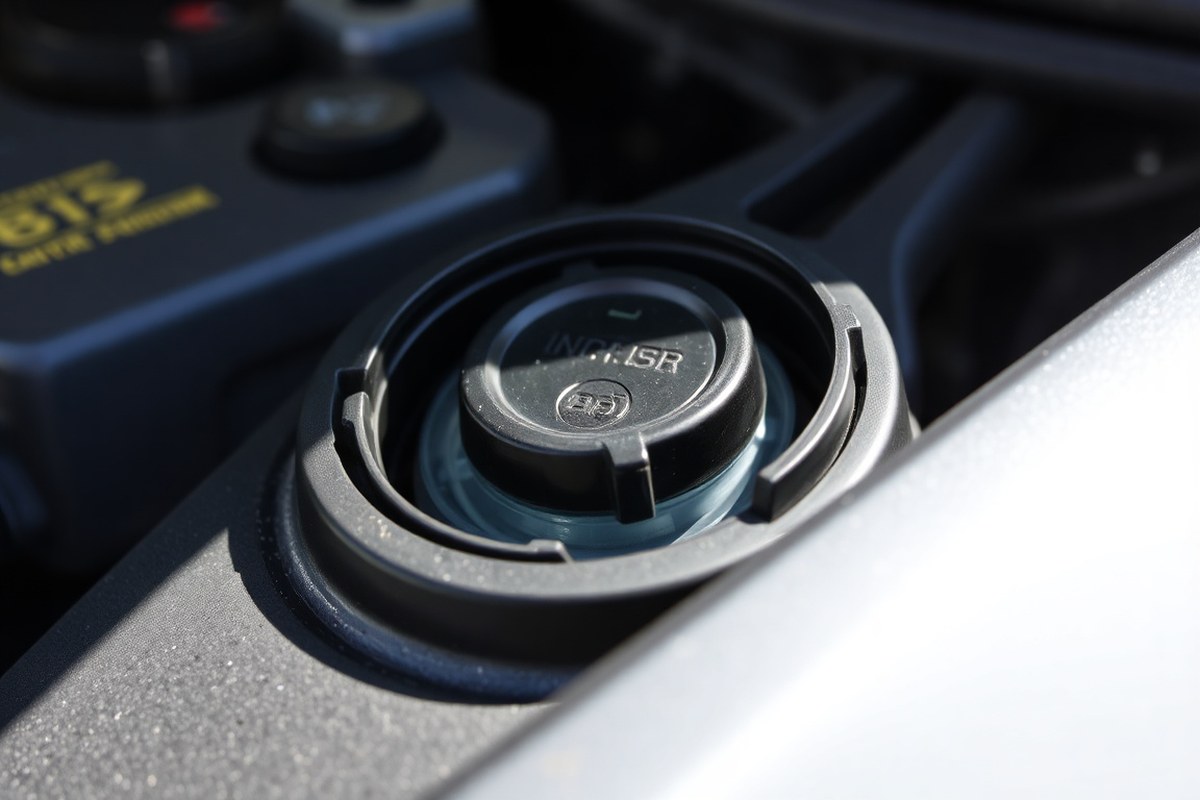
Do not open the radiator cap when the engine is hot. Opening it cold prevents scalding fluid spray.
Topping Off Without Draining Old Coolant
You can add coolant without a full flush if the fluid isn’t dirty or contaminated. Add coolant only if below the “LOW” line on the reservoir.
Make sure the engine is cold first. Don’t add coolant if levels are fine.
Follow these steps for a safe top off:
- Park your car on a flat surface and turn off the engine.
- Wait until the engine and radiator are cool to the touch.
- Open the hood and locate the translucent coolant reservoir.
- Check if coolant is below the “LOW” level on the tank.
- When coolant is low, gently open the radiator cap. Release any built-up pressure inside slowly. This keeps you safe from hot fluid sprays.
- Add a 50/50 mix of coolant and water up to the “MAX” mark.
- Replace the radiator cap tightly to prevent leaks.
- Start the engine and let it run for a few minutes, then turn it off.
Never add plain water alone because it dilutes the antifreeze’s protection against freezing and corrosion. Running the engine without the cap lets trapped air out.
This helps coolant reach all parts inside. It prevents hot spots and overheating.
Routine Coolant Maintenance Tips
Check your coolant frequently to spot leaks or drops early. A low level can show as engine overheating, steam from the hood, or dashboard warning lights.
Flush your cooling system every 2 to 3 years. Or do it every 30,000 miles.
This clears out rust and buildup inside the system. Flushing means draining all old coolant and refilling fresh fluid for best performance.
Check that the radiator cap seals tightly. A bad seal can cause coolant leaks. This may lead to engine overheating later.
Topping off coolant a lot? Look for leaks first. You might need a mechanic to inspect hoses and radiator.
Common Mistakes When Refilling Coolant and How to Avoid Them
Overfilling your radiator can cause pressure to build up, leading to leaks or damage to hoses. Coolant needs room to expand when hot, so fill only to the recommended level. This prevents overflow and possible engine overheating.
Mixing incompatible coolants, like OAT with IAT types, can cause a chemical reaction. This reaction creates a gel-like sludge that clogs your cooling system. It can also cause corrosion, damage seals, and reduce cooling efficiency.
Never open the radiator cap on a hot engine. The coolant is under pressure and can spray out, causing serious burns. Always wait until the engine cools down, usually 30 minutes or longer, before removing the cap.
Here are common mistakes and how to fix them:
- Filling past the maximum line, use a clean rag to soak up the extra coolant.
- Mixing different coolant types, flush the system fully and refill with one type.
- Opening the hot radiator cap, wait for the engine to cool completely before opening.
- Not using a funnel, use a funnel to prevent spills and air bubbles.
- Skipping coolant flushes, follow your owner’s manual for regular flush intervals.
Catch overfilling early? Use a turkey baster or clean cloth to remove extra. For mixed coolants, a complete system flush removes sludge and prevents damage.
Allow the engine to cool for safety when checking levels or topping off coolant. Flush and refill your cooling system regularly.
Do this every 30,000 to 100,000 miles. It helps keep the system working well and stops corrosion.
How Much Does It Cost and When to Call a Professional for Coolant Service
Replacing your vehicle’s coolant yourself usually costs between $20 and $50. This price covers buying the right coolant type and amount. It also includes basic tools like a funnel.
A coolant flush done by a professional shop typically costs from $150 to $300. The cost varies with labor rates and location.
Call a mechanic if the coolant looks rusty or smells bad. Also call if you spot leaks. A professional flush is safer with acidic or dirty coolant.
Dirty coolant can damage your engine. Also, if your car runs hot or the temperature gauge spikes, get expert help immediately.
Radiator replacements are more costly than just coolant service. A full radiator replacement at a shop usually costs $400 to $800. The price depends on your car’s make and model.
Labor charges and part prices influence this amount greatly. Minor repairs, like fixing leaks or replacing hoses, cost less but can still require skilled work.
| Service Type | Typical Cost Range |
|---|---|
| DIY Coolant Replacement | $20 – $50 |
| Professional Coolant Flush | $150 – $300 |
| Minor Radiator Repair | Varies, usually less than $150 |
| Radiator Replacement | $400 – $800+ |
Use this rule to decide: do simple coolant refills yourself if you’re confident. Make sure you have the right materials.
Choose professional help if the coolant is old, discolored, or your car overheats regularly. Avoid DIY radiator repairs because incorrect work can cause bigger engine problems.
Never open a radiator cap when the engine is hot to avoid severe burns.
Signs of Coolant Problems and When to Get a Repair
Coolant keeps your engine from overheating by absorbing and releasing heat. When coolant gets low or dirty, your engine runs hotter and parts wear faster. Watching for warning signs early can save you from big repairs later on.
The most common sign of low coolant is the temperature gauge. It moves into the red zone. This means your engine is too hot.
You might also hear boiling or hissing sounds under the hood. Sometimes the heater in your car stops blowing warm air because the coolant isn’t flowing properly.
| Symptom | Possible Cause | What to Do |
|---|---|---|
| Rising temperature gauge | Low or leaking coolant | Stop driving soon and check coolant level |
| Boiling or hissing sounds | Overheating engine or air in system | Turn off engine and let cool before inspecting |
| Dashboard coolant warning light | Low coolant or sensor fault | Check coolant and get sensor tested |
| Coolant leak (puddle or drop smell) | Cracked radiator or hose, loose clamp | Locate leak; avoid driving; get repairs |
| Low heater output | Poor coolant circulation | Flush cooling system if needed |
Leaks often show as bright green, orange, or pink puddles under your car. You might smell sweet, syrupy antifreeze.
Look closely around hoses, radiator bottom, and under the engine bay. Keep a container of coolant handy to top off slowly once the engine cools down.
Driving with low coolant is risky. It risks permanent damage to the engine block. Stop driving right away if the temperature gauge hits red.
Also, stop if the overheating warning light turns on. Keep your engine cool. Waiting to repair leaks or refill coolant can cost hundreds or thousands in engine repairs.
Catch coolant problems early by checking your level monthly or before long trips. Look for changes in heater performance and unusual smells. Consult your owner’s manual for the exact coolant type and amount your car needs.
Acting quickly when you see trouble keeps your engine healthy. It also prevents expensive repairs. Don’t wait if you notice problems.
Step-by-Step Action Plan to Manage Your Radiator Coolant
Follow these steps to check and maintain your radiator coolant properly. You’ll prevent overheating and costly repairs.
- Before You Start: Find your vehicle manual and note the coolant capacity listed. This lets you measure correctly later.
- Day 1: Wait until the engine is cold, then open the radiator cap carefully. Check the coolant level’s near the recommended mark.
- Day 2: Mix the right coolant-to-water ratio, usually 50/50 unless your manual says otherwise. Use distilled water to avoid deposits.
- Day 3: Add coolant slowly until the radiator is full but not overflowing. Watch for leaks under the vehicle.
- Week 2: Monitor coolant levels weekly for changes. Refill if the level drops but watch for leaks or overheating signs.
- Month 1: Inspect hoses and radiator for cracks or damage. Replace worn parts promptly to keep the system sealed.
- Every Year: Flush and replace coolant according to the vehicle’s service schedule. Use a professional if you’re unsure.
Frequently Asked Questions
How Much Coolant Should I Add If My Radiator Is Almost Empty?
Add enough coolant to reach the full mark on the reservoir. You should top off slowly and avoid overfilling to prevent pressure issues.
Can I Use Just Water Instead of Coolant in My Radiator?
Using only water is not recommended because it lacks corrosion protection. Coolant mix helps prevent rust and keeps the engine around the right temperature.
How Often Should I Replace My Car’s Coolant?
Coolant replacement typically happens every 2 to 5 years or 30,000 to 60,000 miles. Check your owner’s manual for the schedule specific to your vehicle.
What Happens If I Mix Different Types of Coolant?
Mixing different coolants can cause chemical reactions that damage your system. Always use the type recommended by your car’s manufacturer for best results.
Does the Radiator Capacity Affect My Car’s Fuel Efficiency?
Radiator capacity itself doesn’t directly affect fuel efficiency. A well-maintained cooling system keeps your engine running smoothly.
It stops overheating that can lower performance. Good care prevents costly engine problems.
Wrapping Up
Radiator coolant holds vary, but knowing your exact capacity matters most. Check and refill carefully using the right mix. Start by checking your level today to keep your car running cool.