Can Car Battery Die When Driving? What Actually Happens and How to React
Can car battery die when driving? Yes, it can, but usually not on its own. Your car’s alternator charges the battery while driving.
So the battery mainly supports starting the engine. The battery will lose charge while driving if the alternator stops working.
Battery failure while driving happens because the alternator can’t keep the battery charged. Dimming lights or a battery warning on your dash signal a problem. These signs mean the battery’s power is dropping and the car might soon lose electrical functions.
Test your battery and alternator every 6 to 12 months to stay prepared. Replace your battery every 3 to 5 years or per your car’s guide. Routine checks help avoid unexpected breakdowns on the road.
Key Takeaways
- Your alternator supplies power and charges the battery while driving.
- A battery can die while driving mainly if the alternator fails first.
- Watch for dim headlights or a battery warning light as early signs.
- Test your battery and alternator together every 6 to 12 months.
- Replace batteries every 3 to 5 years before they fail unexpectedly.
- Keep spare jumper cables or a portable jump starter in your car.
Can a Car Battery Die While Driving?
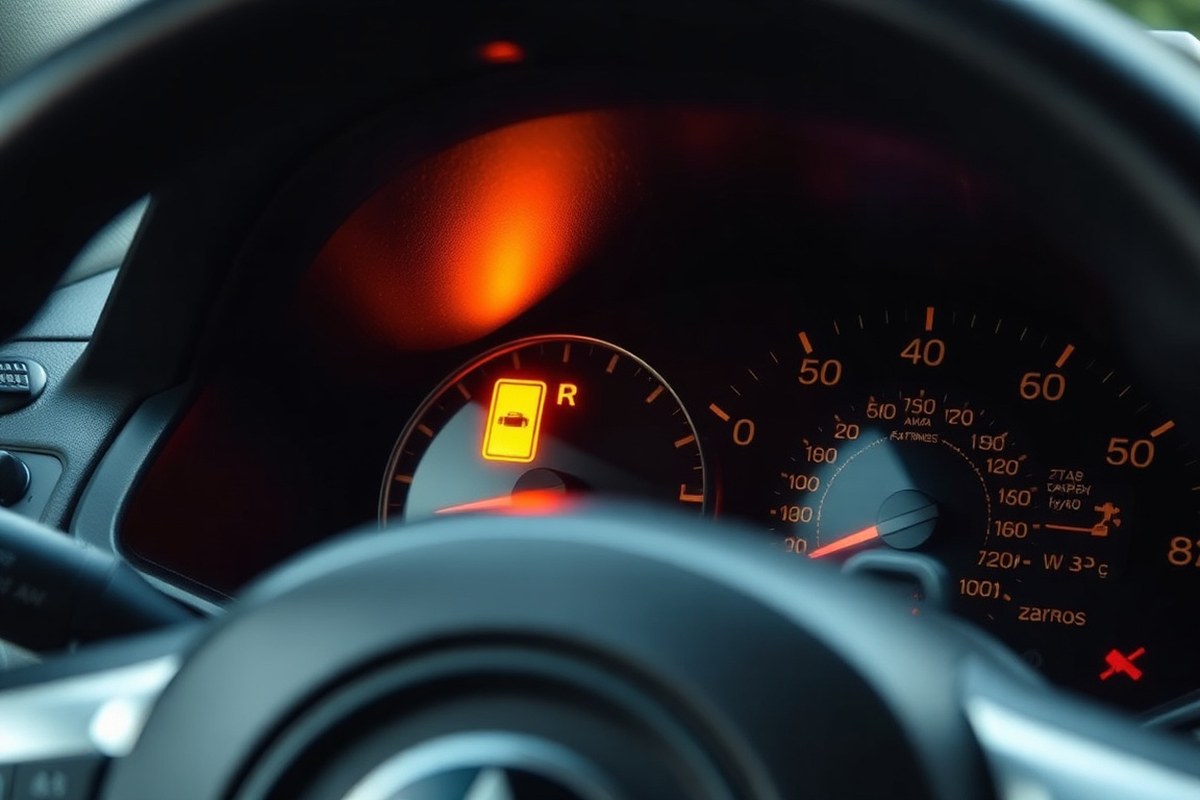
The car battery can die while driving, but rarely on its own. The alternator powers the car when the engine runs and recharges the battery. Without the alternator supporting it, the battery drains quickly and can eventually die.
The battery’s job is to start your engine and hold power. After the engine starts, the alternator powers the car’s electrical gear. This system also charges the battery while driving down the road.
The car will keep running if the alternator works and the battery dies. However, if the alternator fails, the battery carries all the electrical load. This drains the battery fast and can cause the engine to stop running.
A dead battery alone doesn’t shut off the car immediately when driving. The alternator usually replaces the battery’s power once the engine runs. A dead battery plus a bad alternator causes the car to stall.
The engine runs only for a short time before it stops. You’ll need to fix one or both parts to start again.
The alternator can’t keep the car running without a battery for very long. The battery helps smooth out voltage changes and powers some systems at low engine speeds. Without a battery, the electrical system is unstable, and the car may shut off unexpectedly.
Let your engine run for at least 30 minutes. This time lets the alternator fully recharge the battery. You’ll drive with a fresh battery after this charging.
Charging stops if the alternator belt breaks, causing the battery to die quickly. In such cases, the car will eventually stop running while driving.
How the Alternator Supports the Battery on the Road
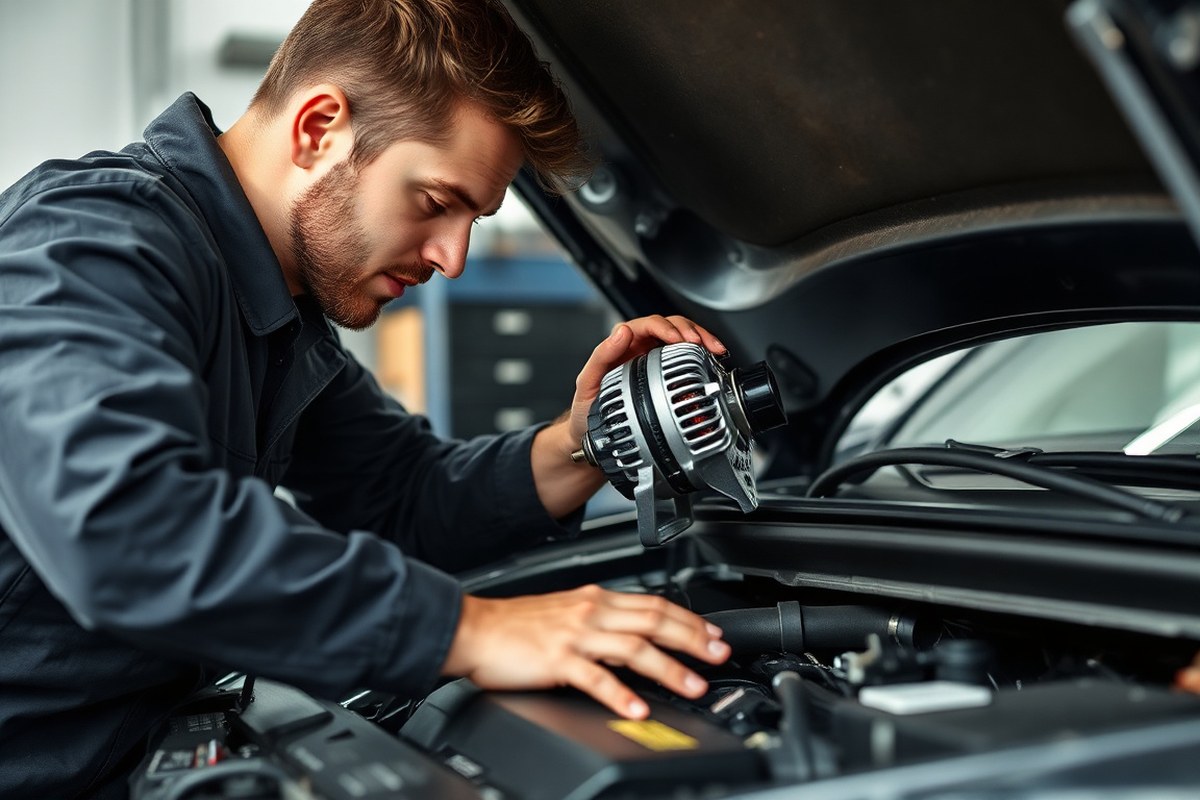
The alternator keeps your car running by charging the battery while you drive. It converts engine energy into electrical power, which runs your headlights, radio, and fuel system.
At the same time, it replenishes the battery’s charge. So the battery doesn’t run down as you use electricity.
When the alternator fails, the battery stops charging and drains quickly. The car may run for a short time afterward.
But usually, the battery can only power the car for about 30 minutes to an hour. After that, the engine and electrical systems will stop working and the car will stall.
Most car batteries last about 3 to 5 years. But this depends on climate and how you drive. A weak or old battery drains faster with a bad alternator.
The battery might still work briefly. But it quickly loses power without a good alternator.
Alternator failure can make the car die while driving. The battery might still look fine.
Test your alternator regularly by checking battery voltage when the engine runs. A healthy alternator keeps voltage between 13.5 and 14.5 volts.
Common Causes of Battery Failure While Driving
Your car runs mostly on alternator power once the engine starts. The battery charges during driving but can still fail for a few reasons. Alternator failure is the top cause of a battery dying on the road.
The alternator recharges the battery and powers electrical systems. If it stops working, the battery’s charge will quickly drain. Watch for signs like dim headlights before the car dies.
- Alternator failure: stops charging, drains battery during driving
- Loose or corroded battery connections: interrupt power flow and cause drops
- Battery age: old batteries lose capacity and can fail suddenly
- Shorted battery cells: internal faults cause sudden power loss
- Wiring issues: damage or wear disrupts current between alternator and battery
- Electrical overload: accessories drawing too much power drain the battery
Corroded or loose battery terminals create resistance in the circuit. This resistance blocks or reduces the current flow between the alternator and battery. It can cause intermittent power loss or the car to stall unexpectedly.
Batteries over three to five years old often start failing inside. They develop dead cells that stop holding a charge properly. A battery might work fine cold-starting but lose power quickly on the road.
Internal battery failure differs from alternator issues because the battery can’t store or deliver energy well. This leads to sudden drops in voltage and cause the engine or electronics to shut off. Getting a battery and alternator tested at a shop can pinpoint the problem.
Warning Signs Your Battery or Alternator Is Failing While Driving
Car batteries and alternators display warning signs you can spot while driving. Watching for these helps you avoid getting stranded. Knowing the difference can save you time and money.
Battery Warning Signs
Your car battery may die if the headlights dim or flicker. This often happens when you slow down or stop the car. Watch for this sign to avoid a breakdown.
The engine might hesitate or struggle to start after you shut it off. These signs occur because the battery no longer holds a full charge.
Watch for these symptoms as you drive:
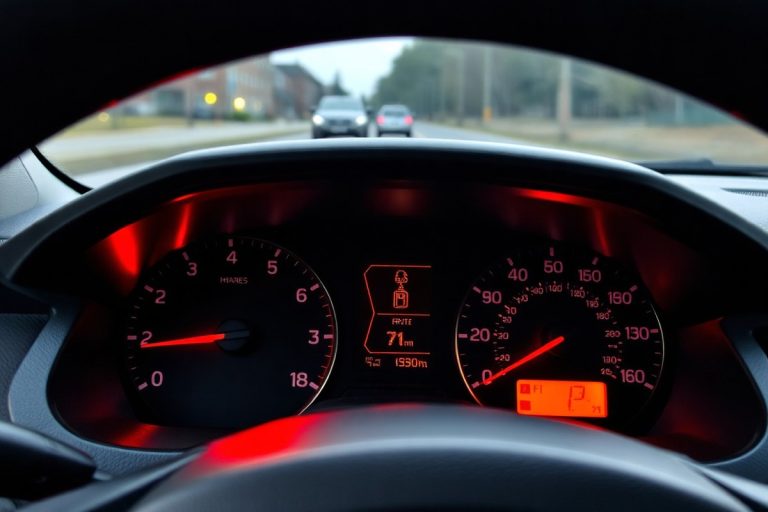
- Battery warning light appears on your dashboard
- Dim or flickering headlights and interior lights
- Radio or other accessories suddenly lose power or cut out
- Engine stalls or sputters at stoplights
- Hard starting or slow crank when you turn the key
Spotting these early helps prevent a total battery failure. Clean battery terminals and cables can sometimes solve minor problems at minimal cost.
Alternator Warning Signs
Alternator failures often start with electrical issues that worsen over time. The alternator charges the battery while driving. So a weak alternator means the battery loses power gradually.
Look for these red flags during your drives:
- Battery or ALT warning light glows on the dash
- Power steering gets heavier, especially at low speeds
- Several dashboard warning lights illuminate simultaneously
- Radio screen blacks out or cabin fan slows down
- Headlights dim to a yellow or amber color
The battery will soon lose power when the alternator stops charging. This can cause your car to stop running.
Check the alternator if your battery drains fast. Fixing alternator issues usually costs more than a battery replacement.
Electrical System Alerts
Your car’s electrical system gives clues before full failure happens. Voltage dropping below 13 volts signals trouble. Under 11.5 volts means critical low power.
Here are system warning steps to watch for in order:
- Red battery light turns on when voltage drops under 13.0 volts
- Non-essential systems like radio and fans turn off
- Brake system lights such as ABS and airbag alert
- Headlights dim severely; wipers slow down
These alerts mean the system is shutting down to save remaining power. Address these issues quickly to avoid losing control of your car’s electrical functions.
How Long Can a Car Run If the Battery or Alternator Fails?
Your car can keep running only on battery power if the alternator fails. A healthy battery typically provides 15 to 30 minutes of run time. After that, fuel pumps and spark plugs stop working, and the engine stalls.
The length of time depends heavily on battery condition and electrical demand. A slightly weak battery might let you drive longer.
A damaged one drains faster. If both battery and alternator are faulty, the car usually stalls quickly.
| Battery Condition | Likely Driving Result |
|---|---|
| Slightly weak | Usually keeps running for 15, 30 minutes |
| Very weak | May cause starting problems later |
| Internally damaged | Charging system should be checked immediately |
| Battery and alternator both faulty | High chance of a stall within minutes |
The “battery” or “ALT” light shows when the alternator is not charging enough. You might travel several miles after this light comes on.
But don’t rely on it. Driving distance after alternator failure varies by battery health and electrical load.
Vehicles can sometimes travel 10 to 30 miles on battery reserve. Using headlights, radio, or air conditioning drains power faster. Cooler weather helps battery last longer since heat speeds up depletion.
Keep your alternator belt checked regularly; a break can cause sudden power loss.
What to Do Immediately If Your Battery Dies While Driving
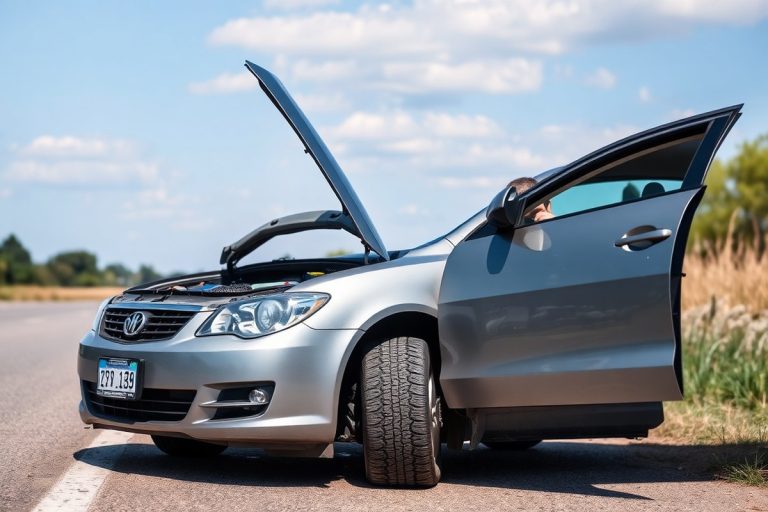
Your car battery dies while driving. Your first step: safely pull off the road.
Then, cut electrical use to keep power and call for help. Staying calm and following these steps protect you and others near traffic.
Pull over Safely
Don’t slam on the brakes right away. Look for a clear spot to pull over on the shoulder or a nearby parking area. Use your signals so others know what you plan to do.
Once stopped, turn on your hazard lights to warn other drivers. This reduces the risk of accidents, especially if your car sits close to flowing traffic.
Reduce Electrical Load
Keep the engine running if possible to avoid losing power completely. Shut off everything that’s not necessary, like your radio, air conditioning, and extra lights.
Use less electricity to save your battery. This may let you drive a bit further.
Drive carefully to reach a safe spot. Avoid restarting the engine repeatedly, since it uses stored battery power.
Call for Roadside Assistance
Use your phone or emergency call buttons if available. Contact roadside assistance or a tow service as soon as you can. Give your exact location and describe the problem clearly.
Wait inside your car if it’s safe, or find a secure spot away from traffic. Keep hazard lights on until help arrives to stay visible.
- Check mirrors and signal before steering to the shoulder.
- Reduce your speed gradually, avoiding sudden stops.
- Turn on your hazard lights immediately after stopping.
- Switch off all non-essential electrical devices.
- Keep the engine running if possible to maintain power.
- Call roadside assistance or emergency services.
- Stay inside the vehicle or move away from traffic if safe.
How to Tell If the Problem Is the Battery or Alternator
When your car has electrical problems, you need to find the cause. It could be the battery or the alternator. Knowing which one is at fault helps you fix it right.
These two parts work together, but each fails differently. You can spot the problem using symptoms and simple tests without special equipment right away.
The battery supplies power when you start the car. It also keeps the car running for a short time after the engine stops. The alternator charges the battery and powers the car’s electrical system while the engine runs.
Your battery may die fast after a jump start. The problem could be the alternator or its cables.
Here’s a table to help you compare the signs and tests for battery versus alternator problems:
| Symptom or Test | Battery Problem | Alternator Problem |
|---|---|---|
| Dashboard Lights Dim or Flicker | Possible | More Common |
| Engine Cranks Slowly or Won’t Start | Common | Less Common |
| Battery Warning Light On (Usually a Battery Icon) | Sometimes | Usually |
| Car Dies After a Short Drive | Yes | Yes |
| Multimeter Battery Voltage Test when Off | Below 12.4 volts (Weak Battery) | Normal |
| Multimeter Voltage Test at Engine Running | Low or Drops Below 13.5 volts (Bad Alternator) | Below 13.5 volts* |
| Jump Start Lasts Only a Few Minutes | Common | Yes |
Use a multimeter to measure voltage if you have one. Park the car, turn everything off, and check battery voltage. It should read 12.4 volts or higher if the battery is good.
Start the engine and measure again. The voltage should rise to 13.5-14.5 volts while the engine runs, showing the alternator is charging.
Some problems don’t show clear signs, like a charging cable failure or a bad ignition switch. In those cases, the battery may appear fine but won’t stay charged. Mechanics can use specialized tests to check alternator output under load.
These tests cost about $50 in a shop. Avoid guessing, as a new battery will fail quickly if the alternator doesn’t work.
How to Prevent Your Battery from Dying While Driving
To keep your car battery from dying while driving, stick to regular checks and good habits. Clean the terminals, limit short trips, and watch how you use electronics with the engine off. Replace your battery every 3 to 5 years to avoid surprises.
Regular Testing and Replacement
Test your battery and alternator at least once every 6 to 12 months. This helps find problems before they cause a breakdown. Many auto shops offer quick testing and diagnostics.
Replace old batteries every 3 to 5 years, even if they seem fine. Batteries lose strength with age and can fail unexpectedly. Replacing in time saves you from roadside trouble and towing bills.
Getting these checks done regularly fits easily into routine car care. It usually costs $50 to $100 at most shops for a full battery and system check.
Keep Terminals Clean and Tight
Battery terminals often get corrosion or loosen over time. Corrosion looks like white or green powder on the connectors. It blocks electricity from flowing properly, causing starting or charging issues.
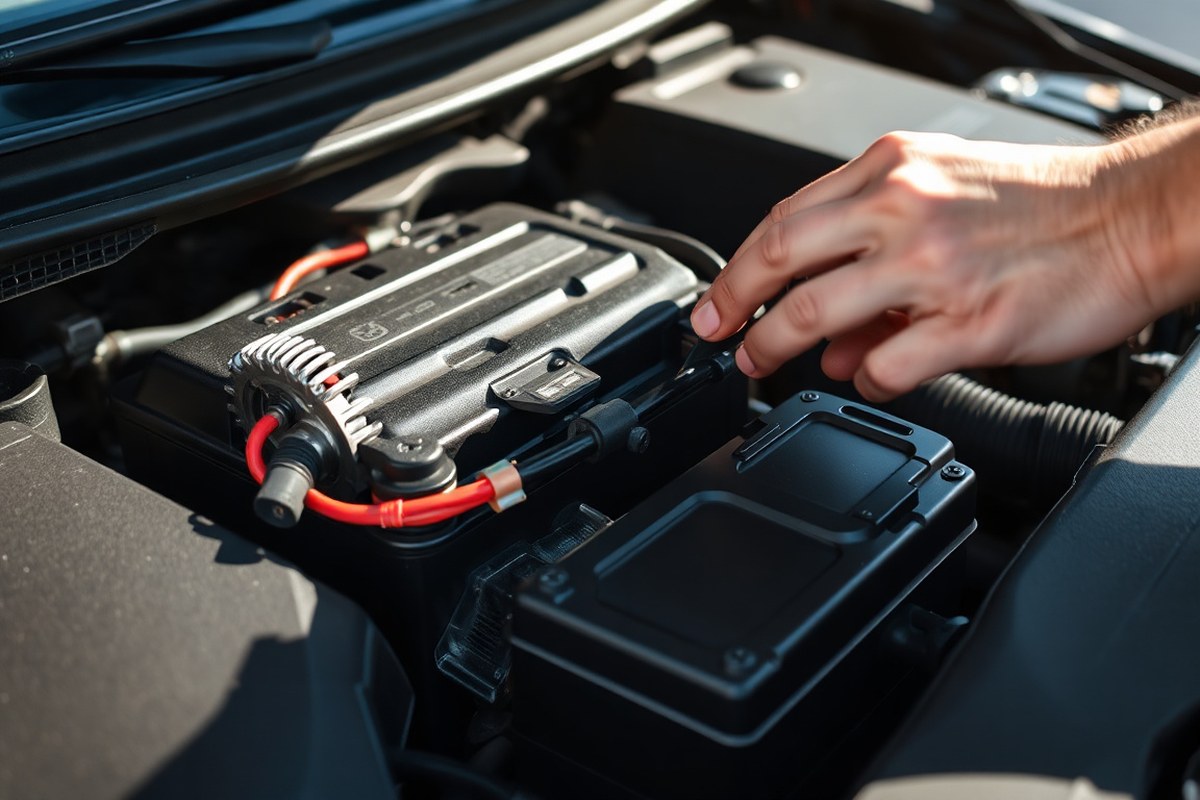
Clean battery terminals with a mix of baking soda and water. Use a special battery terminal cleaner from the auto store if you want.
This helps remove corrosion and keeps connections strong. Always disconnect the battery before cleaning, starting with the negative terminal.
After cleaning, tighten the terminal clamps firmly so they don’t wiggle. Loose connections can cause flickering lights and eventual battery failure.
Climate-Specific Care Tips
Heat and cold weather shorten battery life differently. Hot climates make batteries lose water and chemical efficiency fast. Cold climates reduce battery cranking power and slow chemical reactions.
Extreme heat means checking electrolyte levels every month. Top off with distilled water if your battery allows. This keeps the battery healthy in hot weather.
In cold places, check battery voltage more often before winter. Battery power drops fast when it gets below freezing. This prevents surprises on cold mornings.
- In hot areas, park in shade to limit heat stress
- In cold zones, use a battery blanket or insulated cover
- Use a battery charger or tender in winter for infrequent use
- Avoid short trips that prevent a full recharge, especially in cold
- Monitor battery health more closely if you use heat or AC often
Adjusting your care based on weather helps keep your battery strong year-round.
Avoid Electrical Drain
Don’t leave electronics like headlights or the radio on with the engine off. This can drain the battery quickly, sometimes deadly on short trips. Avoid heavy accessory use without the engine running.
Turn off all electrical devices before you shut the car down. Let the alternator recharge during longer drives.
Drive at highway speeds for 20 minutes or more. This ensures the battery charges properly while you drive.
Leaving cabin lights on overnight can kill your battery even if the car wasn’t driving.
This habit also helps prevent alternator overload, which can stress your battery. Keep electrical use balanced to extend battery life and avoid roadside failures.
Common Mistakes When Diagnosing Battery Problems and Fixes
Many car owners mistake alternator problems for battery issues. The battery might appear dead, but the alternator often fails to charge it. Testing only the battery voltage can lead to the wrong conclusion.
Some try jump-starting the battery and think the issue is solved. However, if the alternator is faulty, the battery soon drains again. This leads to repeated breakdowns and unnecessary battery replacements.
To avoid these errors, test both the battery and the alternator properly. A fully charged healthy battery reads about 12.6 volts at rest. When the engine runs, the voltage should be between 13.7 and 14.7 volts if the alternator works well.
- Using only a voltmeter without a load test can misdiagnose a weak battery.
- Replacing the battery before checking the alternator wastes $80 to $200.
- Ignoring the alternator belt wear, which costs $60 to $150 to replace, may cause charging failure.
- Failing to identify a shorted battery cell, which can drop voltage to 10.5 volts immediately, strains the alternator.
- Assuming battery age alone causes problems, even if it’s less than 3 years old.
To get accurate results, use a battery load tester or have a technician test the system. Checking the alternator with a multimeter during engine running gives better insight. Your car’s electrical system flickers or dashboard dims.
This signals the alternator might not keep up. You may need a check soon.
For repairs, start with the alternator if testing shows low charging voltage. Alternator replacements cost between $300 and $700. They usually last seven to ten years.
This makes them a solid investment. Replacing the battery costs less.
But it won’t fix charging problems. Alternator issues may still cause trouble.
Always inspect the alternator belt alongside the alternator test. A loose or worn belt slips and stops the alternator from generating electricity. Replacing the belt costs $60 to $150.
It stops battery drain caused by poor alternator work. Getting the belt changed can prevent repeated issues.
Step-by-Step Action Plan for Handling Battery or Alternator Issues
Follow these steps to check and fix battery or alternator problems safely. Take action quickly to avoid getting stranded.
- Before you drive: Check your battery terminals for corrosion or loose connections. Clean and tighten to ensure good power flow.
- Every 3 months: Test your battery voltage with a multimeter. It should read about 12.6 volts when the car is off.
- When your warning lights come on while driving: Slow down safely and turn off accessories like AC, radio, and lights. This reduces load on your battery and alternator.
- Immediately after noticing dim lights or stalling: Pull over and turn off your engine. Try restarting after a few minutes; if it fails, call for roadside help.
- Within 24 hours of any trouble: Have a mechanic test both your battery and alternator. They can find which part failed and fix it.
- After repair: Drive the car normally while watching for warning signs. Should problems return, schedule another checkup as soon as possible.
Frequently Asked Questions
Can a Car Battery Die If the Alternator Is Still Good?
Yes, a car battery can fail even with a good alternator. Old or damaged batteries lose charge fast.
They can’t hold power well while driving. Checking them often helps avoid surprise failures.
How Long Does It Take for a Bad Battery to Affect Car Performance?
A failing battery may cause issues immediately or after several drives. Symptoms get worse over time.
Dim lights or slow starts are early signs. These signs mean you should test the battery.
Can Cold Weather Make My Battery Die While Driving?
Cold weather makes battery chemicals less active, which reduces power output. Stress can make a weak battery die on the road. This happens more near the battery’s lifespan end.
Does Turning on Multiple Electrical Accessories Drain the Battery While Driving?
Using many electrical accessories can strain the alternator but usually won’t kill a healthy battery. If your battery or alternator is weak, heavy electrical use can overload them. This may cause sudden failure.
Is the Battery or Alternator More Likely to Cause a Car to Die While Driving?
The alternator tends to cause a car to stop running, not just the battery. The battery mainly starts the car’s engine. The alternator powers the engine and other accessories once running.
Final Thoughts
Yes, a car battery can die while driving if the alternator or battery fails. Catching warning signs early helps you avoid emergencies. Check your battery and alternator regularly to keep your car running smoothly.