Honda Accord When to Change Oil: Complete Guide with Timelines & Tips
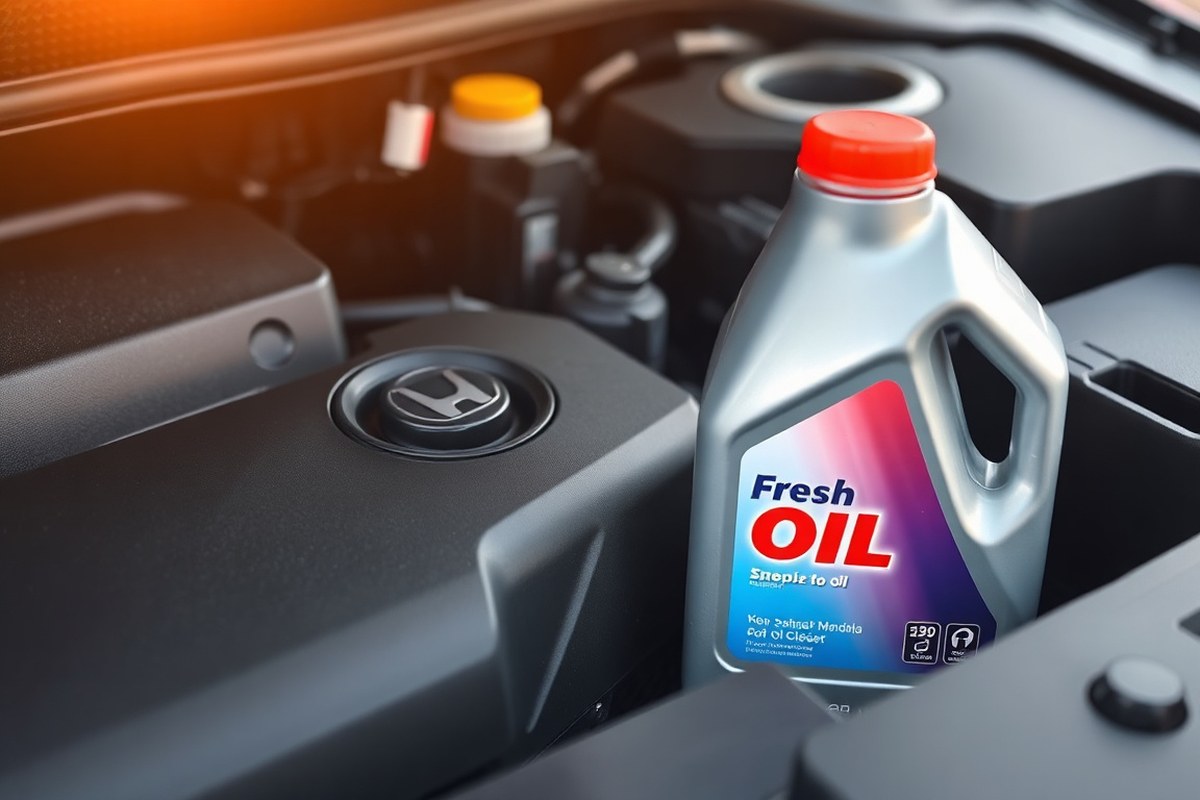
Figuring out the best time for a Honda Accord oil change is simple. Follow the Maintenance Minder on your dashboard or change oil every 12 months at most. For mileage, aim between 7,500 and 10,000 miles, as Honda suggests for late models.
How often to change your oil depends on the oil type you use and your driving. Synthetic oils tend to last longer than mineral or semi-synthetic oils. Watch your oil life monitor regularly.
It tells you when to change the oil. This helps you avoid changing it too soon or too late.
Checking your oil regularly helps spot problems early and keeps your engine safe. Changing your oil too late can cause engine wear.
Changing it too soon may waste money. Stick to the Mileage or Maintenance Minder warning for the best results.
Key Takeaways
- Change your Honda Accord’s oil when the dashboard minder signals it.
- Replace oil at least once every 12 months, regardless of mileage.
- Use synthetic oil for longer intervals, up to 9,000 miles between changes.
- Semi-synthetic oils last between 5,000 and 6,000 miles before change.
- Mineral oil needs changing every 3,000 miles for good engine health.
- Reset the oil life monitor after every oil change to track properly.
When Exactly Should You Change the Oil in a Honda Accord?

The best time to change your Honda Accord’s oil depends on the Maintenance Minder system. This system tells you when the oil needs changing. It helps keep your engine healthy.
This system calculates oil life based on engine use, driving habits, and conditions. When it alerts you, it’s time to change the oil and usually the oil filter too.
Honda recommends changing oil every 7,500 to 10,000 miles under normal driving for most late-model Accords. The precise mileage varies with engine type. For example, a 1.5L turbo engine might need oil changes closer to every 5,000 miles due to fuel dilution.
You can’t just rely on mileage to change your oil. Oil breaks down over time, even if you drive less. This is why time matters too.
Always change your oil at least once every 12 months, no matter the mileage. This one-year limit keeps the oil fresh and protects the engine from wear and corrosion. Ignoring the minder’s alert and keeping the oil past 12 months risks engine damage.
Sludge builds up and lubrication drops. That hurts your engine’s performance.
After each oil change, you must reset the Maintenance Minder light. Reset steps change by model year but usually involve the ignition and dashboard buttons. You use these to clear the oil life percentage.
It prepares the system for the new oil. Resetting the system lets it track your new oil life correctly.
This way, it alerts you when the next oil change is due. It keeps your engine maintenance on schedule.
The Maintenance Minder uses two main codes. Code A means just an oil change is needed. Code B means both oil and oil filter must be replaced.
Some models use these codes merged with other service indicators. But oil changes always come first. Following these codes keeps your Accord running smoothly and avoids premature engine wear.
Ignoring the system or delaying oil changes can harm your engine’s performance. Over time, dirty oil causes parts to wear more quickly. That can reduce how well your car runs.
Dirty oil doesn’t lubricate well, causing metal parts to wear out faster. Spending little time and money on timely oil changes can avoid high repair costs later.
Regular changes keep the engine clean and running smoothly. It’s a smart, simple way to save money.
How Oil Type and Driving Conditions Affect Oil Change Intervals
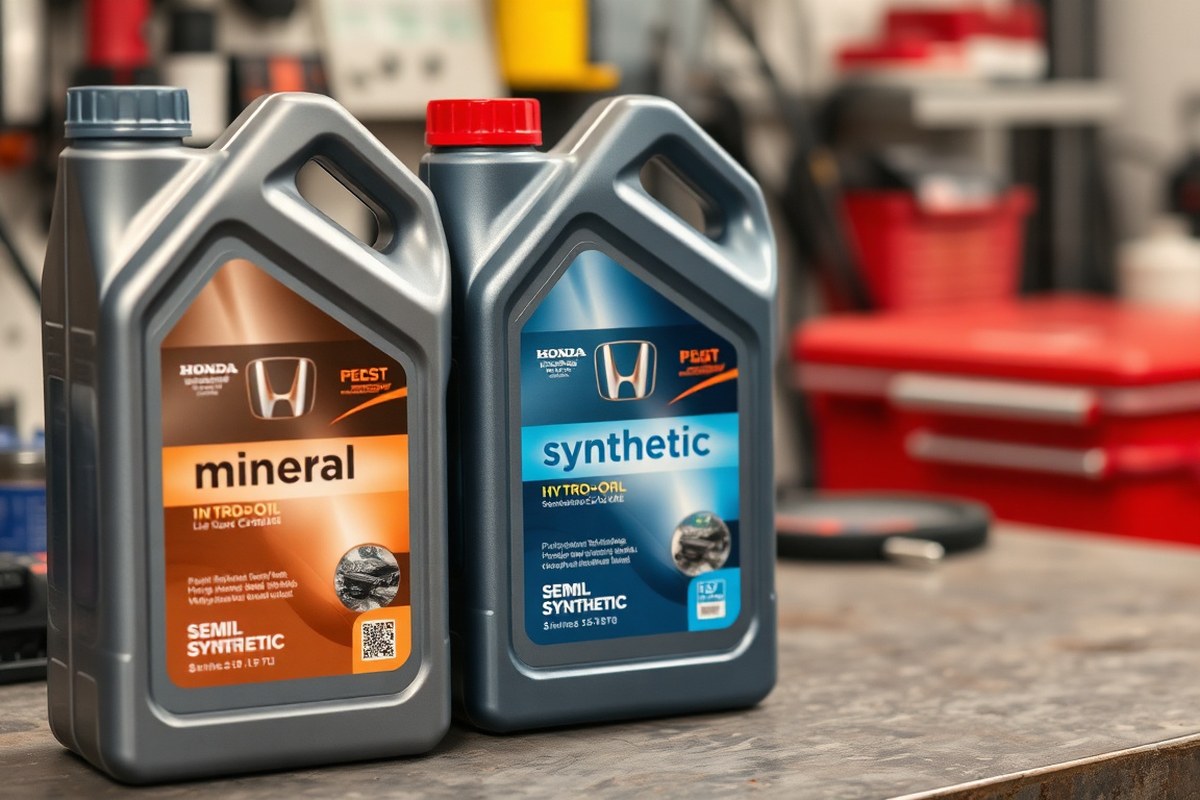
Different oil types and driving habits change how often you should change oil. Synthetic oils usually last longer than mineral or semi-synthetic oils. Turbocharged and hybrid Accords may need more frequent changes due to heat and engine load.
Mineral oil wears out faster and needs changing around every 3,000 miles. Full-synthetic oil can last 7,500 to 10,000 miles. Turbocharged engines and direct injection need shorter intervals.
Use oil changes every 5,000 to 7,500 miles for those engines. Semi-synthetic oil falls between these ranges.
Extreme weather or stop-and-go traffic breaks oil down faster. So shorter intervals help protect your engine.
Here is a comparison table based on typical Honda Accord oil change intervals:
| Oil Type | Mileage Between Changes | Notes |
|---|---|---|
| Mineral (Conventional) | 3,000 miles (5,000 km) | Good for older engines; frequent changes needed |
| Semi-Synthetic | 5,000-7,500 miles | Intermediate protection, cost less than full-synthetic |
| Full Synthetic | 7,500-10,000 miles | Best for newer engines; resists thermal breakdown |
| Turbo/DI Engines with Synthetic | 5,000-7,500 miles | Runs hotter, requires shorter interval than regular synth |
For your Accord, using 0W-20 synthetic oil is often best for newer models. Older models before 2011 can use 5W-20 synthetic. Hybrid models or turbocharged engines generate more heat.
That breaks oil down faster and shortens the oil’s useful life. Driving habits like frequent short trips or heavy idling also reduce oil life.
Switching between oil types isn’t generally needed. Sticking to one type avoids mixing additives that can reduce performance.
A synthetic-to-synthetic oil change is fine. But avoid mixing mineral oil with synthetic without a full oil flush.
Always check your Honda’s oil life monitor and follow its alerts. It adjusts based on your driving habits.
Extreme cold or hot weather speeds up oil degradation. Using the right oil grade like 0W-20 ensures good flow in cold.
For hot climates, synthetic oil handles temperature better without breaking down. Changing oil more frequently in harsh conditions keeps your engine clean and running well.
Good oil maintenance depends on matching oil type, driving conditions, and your Accord’s engine tech. Turbo and hybrid engines protect better with synthetic oil changes around 5,000 to 7,500 miles.
Conventional engines without extra stress can stretch synthetic oil changes up to 10,000 miles. Mineral oil demands the most frequent changes around 3,000 miles to avoid engine wear.
What Type of Motor Oil Is Best for Your Honda Accord Model Year?
The best motor oil for your Honda Accord depends on its model year. Newer Accords (2011 and later) need 0W-20 synthetic oil.
Older models, made before 2011, require 5W-20 oil. Both should meet the right API standards for proper engine protection.
Recommended Oil for 2011 and Newer Accords
Honda recommends using 0W-20 motor oil for Accords from 2011 onwards. This oil grade flows better in cold temperatures, which helps during cold starts. Full-synthetic 0W-20 oils, like Mobil 1 EP Full-Synthetic, suit these models well.
Using a synthetic 0W-20 helps maintain engine efficiency and cleanliness. It also meets modern API ratings that protect newer engine designs. Sticking to this grade avoids premature wear and keeps oil change intervals as designed.
Oil Types Suggested for Older Honda Accords
Models built before 2011 use 5W-20 motor oil as the standard grade. This oil thickness fits older Honda engine clearances and temperature ranges. A good example is Mobil 1 EP HM Full-Synthetic 5W-20.
Older Accords do not require ultra-thin oils used for newer cars. Using 5W-20 ensures the oil pressure stays within the manufacturer’s specs. It also keeps proper engine lubrication and helps avoid leaks or burn-off.
How to Verify Oil API and Viscosity Ratings
Look for API (American Petroleum Institute) certification symbols on oil containers. You want oil meeting API SN, SP, or newer standards for compatibility and performance. The API rating ensures the oil protects against wear, deposits, and oxidation.
The viscosity grade, like 0W-20 or 5W-20, is marked on the bottle’s label. This number shows how the oil flows when the engine is cold. The first number is for cold start.
The last number shows flow at engine temperature. Stick to Honda’s recommended grade for your model to avoid engine damage.
Here is a table comparing recommended oil types by Accord year. It also shows example synthetic oils for each model year.
| Model Year | Recommended Oil Grade | Example Oil | API Rating Needed |
|---|---|---|---|
| Before 2011 | 5W-20 | Mobil 1 EP HM Full-Synthetic (5W-20) | API SN or newer |
| 2011 to 2020 | 0W-20 | Mobil 1 EP Full-Synthetic (0W-20) | API SN or newer |
Choosing a different oil viscosity than recommended can lead to bad fuel economy or engine wear. Oils thicker or thinner than Honda suggests might not protect the engine properly. Always check your owner’s manual for your exact model engine specs.
Step-By-Step Procedure to Change Oil and Oil Filter on a Honda Accord
Changing the oil and oil filter on your Honda Accord takes about 30 to 45 minutes. Start by warming the engine slightly, then drain the old oil carefully. Put in the new filter.
Tighten the drain plug to the right torque. Add fresh oil and check the level.
Preparing Your Tools and Workspace
Grab an oil filter wrench, catch pan, ratchet, and metric sockets. Pick a flat, lit, and ventilated spot. Open the hood and take off the oil fill cap to help oil drain fast.
Put on gloves and have rags handy to clean spills and wipe your hands. Run the engine for about five minutes.
Make sure the oil gets warm but not hot. This helps the oil drain completely and removes dirt trapped inside.
Draining the Old Oil and Removing the Filter
Park on level ground and securely lift the car with ramps or a jack and stands. Position the catch pan under the drain plug below the engine. Use a socket wrench to loosen and then fully remove the drain plug and washer.
Let the oil drain out slowly until it nearly stops dripping. Next, use the oil filter wrench to turn the filter counterclockwise and remove it. Some oil may spill; keep the pan ready to catch it.
Installing the New Filter and Refilling Oil
Before installing the new filter, lightly coat its rubber gasket with clean engine oil. Screw the filter on by hand until the gasket touches, then tighten it another 3/4 turn. Do not over-tighten to avoid damage.
Replace the drain plug with its washer, and tighten it to 29 ft-lbs torque. Use a torque wrench for accuracy. Add the recommended 4.4 quarts of 5W-20 or 5W-30 oil for a 4-cylinder Accord through the fill hole.
Final Checks and Cleanup
Run the engine for a few minutes and watch for leaks near the drain plug and filter. Turn off the engine and wait three minutes. Check the oil level with the dipstick and add oil to the full mark if needed.
Dispose of the old oil and filter properly at a recycling center or auto shop. Clean tools and wipe any spills to keep your workspace safe and tidy. Reset the oil life monitor if your Accord has one following the manufacturer instructions.
- Run engine 5 minutes to warm oil, then turn off.
- Jack up car and place catch pan under drain plug.
- Remove drain plug and washer; drain oil completely.
- Remove old oil filter with filter wrench carefully.
- Lubricate new filter gasket, hand-tighten filter.
- Replace drain plug; torque to 29 ft-lbs using wrench.
- Refill engine with recommended 4.4 quarts of oil.
- Start engine, check for leaks; adjust oil level with dipstick.
How to Reset the Oil Life Monitor on Honda Accord Dashboards
Resetting the oil life monitor on your Honda Accord shows fresh oil. This helps your car know the oil change is done. You should reset it after every oil change.
This resets the percentage back to 100%, helping you track the next oil change accurately. The procedure depends on your model year.
Reset Procedure for 2016 and Newer Models
Newer Accords use the steering wheel buttons and a digital menu to reset the oil life. This means you navigate through the display to find the maintenance settings. It takes about 1 to 2 minutes.
- Turn the ignition to ON, but don’t start the engine.
- Use the steering wheel arrow buttons to highlight the “Home” menu screen.
- Press the “Menu” button and scroll to “Vehicle Settings.”
- Select “Maintenance Info” and then choose “Oil Life.”
- Press “Reset” to confirm you changed the oil.
- Wait until the oil life resets to 100%.
- Turn off the ignition.
Be gentle with the buttons to avoid missing the menu step. The screen may time out quickly.
Reset Procedure for Models Before 2016
Older models use the cluster buttons, usually “SEL/RESET” or “Trip” button near the speedometer. This method is simple and does not require navigating a menu. It takes less than a minute.
- Turn the ignition to ON but do not start the engine.
- Locate the “SEL/RESET” button on the instrument cluster.
- Press and hold the “SEL/RESET” button until the oil life indicator starts blinking.
- Release the button when the indicator resets to 100%.
- Turn off the ignition.
Hold the button firmly for about 10 seconds; too short will skip the reset.
What to Do If Reset Does Not Work
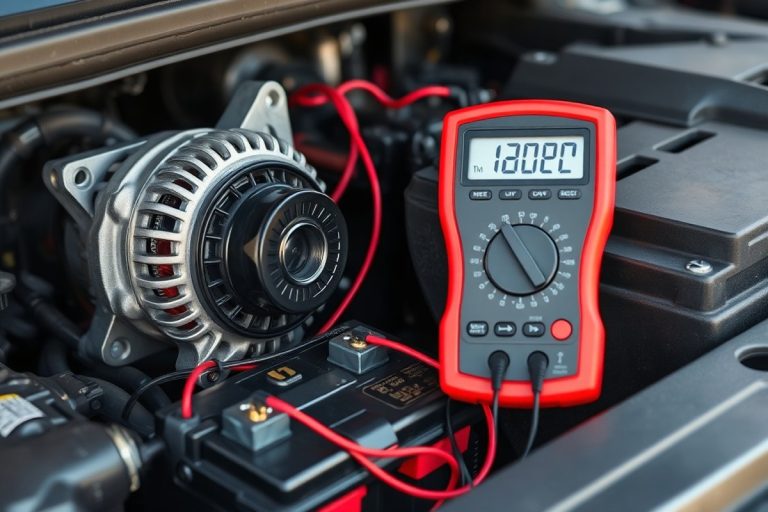
Your oil life monitor might not reset due to battery or system glitches. Check your battery if resetting fails. These issues can block the reset process.
Sometimes the car needs to be turned off fully between attempts. Trying again after a short delay often fixes this issue.
Check your owner’s manual if these steps fail. You might need a dealer’s diagnostic tool for software updates or electronic resets. A professional technician can reset the indicator safely.
Do not ignore a stubborn oil life reset. It might hide a deeper sensor problem.
Common Mistakes to Avoid When Changing Oil on a Honda Accord
Many people make simple mistakes when changing oil on a Honda Accord. One common error is overtightening the drain plug. This can strip the threads or crack the oil pan, leading to costly repairs.
The drain plug has a crush washer. Replace it each time you change oil. Don’t reuse the old washer to avoid problems.
This washer seals the plug to prevent leaks. Reusing the old washer lets oil seep out. This causes a mess or low oil levels.
Another mistake is skipping the oil filter change. The filter traps dirt and metal particles that harm your engine.
Replacing the filter each oil change keeps the engine clean and running smoothly. Skipping this step can let debris circulate, risking engine wear or damage.
Incomplete oil drainage is a typical slip-up. People often don’t let all the old oil drain out before tightening the plug. This leaves dirty oil behind, reducing the effectiveness of your fresh oil.
Wait at least five minutes after pulling out the drain plug. Tip the car slightly if oil won’t fully drain. Make sure all oil runs out before finishing.
- Use a torque wrench on the drain plug. Set it to the manufacturer’s spec. For Honda Accords, it’s usually 29 lb-ft.
- Always replace the crush washer with a new one for a tight seal.
- Remove and replace the oil filter every oil change to avoid engine damage.
- Wait several minutes to let oil fully drain before reinstalling the drain plug.
- Check oil level using the dipstick after refilling to avoid overfilling or underfilling.
- Keep rags and a catch pan handy to manage spills quickly and cleanly.
Pouring the new oil slowly helps prevent spills and overfilling. Use a funnel if the oil bottle is hard to control.
After filling, wait a few minutes, then dip the stick to check the oil level. Add more only if needed, keeping the level between the minimum and maximum marks.
When you change your type of oil, consider trying semi-synthetic first. This gives your engine time to adjust without sudden stress.
Always check your owner’s manual for oil type and quantity. Simple care will keep your Accord’s engine happy and save you money on repairs.
How Long Does an Oil Change Take and What Affects the Time?
A full oil change on a Honda Accord usually takes about 30 to 45 minutes. This includes warming up the engine and draining the old oil. Next, replace the oil filter and refill with new oil.
Finally, clean up the area. The warming process helps the oil drain faster and more completely.
Warming the engine by driving for 10 to 15 minutes is the first step. Warm oil flows better, so draining takes less time. Draining the oil usually takes 5 to 10 minutes.
The time depends on how fast the oil flows. It also depends on whether the drain plug is easy to reach.
Changing the oil filter can take about 5 minutes if you have the right tools. Sometimes the filter is hard to reach or stuck, which adds time.
Refilling the engine with fresh oil usually takes just a few minutes. But filling slowly avoids overfilling.
Cleanup involves wiping spills and properly disposing of rags and used oil containers. This step usually lasts 5 to 10 minutes. The cleanup keeps your workspace safe and prevents oil from causing damage or stains.
Your experience level makes a big difference. Experienced people often finish in about 30 minutes, while beginners might take longer. Tools like an oil filter wrench help speed up the job.
Use a proper drain pan and a funnel too. These tools reduce mess and make the process easier.
Other factors that affect the time include the condition of your car. Older or rusted parts may slow down removal. Weather matters too; cold temperatures thicken oil, making it drain more slowly.
The location of your workspace also counts. Changing oil in tight spaces takes longer than in a garage or driveway.
When to Call a Professional for Your Honda Accord Oil Change
Changing oil yourself on a Honda Accord can be safe if you know the exact steps. However, modern engines sometimes require special tools or procedures that make a professional the better choice.
Your Accord has a complex engine or turbo? A pro handles it best.
Honda warranties sometimes require oil changes done at authorized shops to stay valid. Before doing your own oil change, check your warranty terms closely.
Using the wrong oil can risk your warranty. Missing service records also cause issues.
Look for oil leaks under the car. Listen for odd engine noises. Watch dashboard oil alerts.
These issues usually mean you should seek professional help instead of changing oil yourself. Professionals can diagnose related problems beyond just replacing the oil.
Here’s a checklist: Is your Accord older? Does it have a simple engine layout? You have the right tools, DIY oil changes can work.
Newer model with turbo or V6? Hear leaks or noises?
Get a pro to check it. Also, if your dealership requires documented service to keep the warranty, they should do the work.
Pros charge $40 to $70 for an Accord oil change. Price depends on oil and location. This price covers the oil, filter, disposal, and often a multi-point check.
Doing your own oil change can save money. But spills or wrong oil levels risk damage.
Pros know Honda’s oil capacity is about four quarts for most four-cylinder engines. They use filters fit for your model year.
They also properly dispose of used oil following local rules. Doing this yourself without care can cause engine trouble or environmental harm.
Always check your owner’s manual for oil type and amount before changing oil yourself or hiring a pro.
How to Responsibly Dispose and Recycle Used Motor Oil
Used motor oil from your Honda Accord can harm the environment if not handled right. It can pollute soil and water, threatening plants and animals. Collecting and storing oil safely helps keep it from leaking or spilling.
Store used oil in a clean, leak-proof container with a tight lid. Use the original oil container or a sturdy plastic jug. Keep it in a cool, dry place away from direct sunlight and heat sources.
You can drop off used motor oil at many places. Local auto parts stores, service stations, and municipal recycling centers often accept it for free. Some stores even take used filters and oily rags with it.
- Use a clean container with a secure cap for storage
- Label the container clearly as “Used Motor Oil”
- Keep the container upright to avoid leaks or spills
- Check local rules about how much oil you can drop off
- Avoid mixing oil with other fluids or chemicals
- Ask if used oil filters or oily rags are accepted too
- Drop off oil during business hours for safer handling
Besides oil, fully drained oil filters should be recycled too. Some places handle oily rags and used antifreeze as well. Keeping these out of regular trash stops fires and pollution risks.
Proper disposal helps you avoid fines and protects your community’s water and wildlife. It also lets recycling centers turn used oil into new products. Following these steps keeps your Honda Accord maintenance responsible and eco-friendly.
Step-by-Step Action Plan for Honda Accord Oil Change
Follow these steps to make sure your Honda Accord’s oil change goes smoothly. Check each step to confirm you’re on track.
- Before you start: Gather the right oil and filter for your Accord’s year and model. Consult the owner’s manual or parts store to verify.
- Day 1: Warm up the engine for 5 to 10 minutes, then safely lift your car. Warm oil drains faster and more completely.
- Day 1: Drain the old oil, remove and replace the oil filter. Make sure no old gasket sticks around or leaks might form.
- Day 1: Pour in the proper amount of fresh motor oil. Double-check the level with the dipstick after filling to avoid over or underfilling.
- Day 1: Start the engine, look for leaks around the filter and drain plug. Fix any leaks before lowering the car.
- Day 1: Reset the oil life monitor using the dashboard controls. Verify the monitor shows 100% to track your new oil correctly.
- After 1 week: Check the oil level again to catch any leaks or oil settling. Top off if needed for smooth engine running.
- Every 3,000 to 7,500 miles: Repeat the oil change following your conditions and manual guidelines. Adjust interval for city or highway driving as noted earlier.
Frequently Asked Questions
How Often Should I Check the Oil Level in My Honda Accord?
Check your oil level at least once a month or before long trips. This helps catch leaks or low oil before it harms the engine. Keep your car on level ground for accurate reading.
Can I Use Synthetic Oil Instead of Regular Oil in My Honda Accord?
Yes, synthetic oil is safe and often better for Honda Accords. It handles high temperatures and lasts longer. Check your owner’s manual to match the right grade.
Does Driving in Cold Weather Affect My Honda Accord’s Oil Change Schedule?
Cold weather can thicken oil, making the engine work harder. Change oil more often in freezing conditions to protect your engine. Use an oil rated for cold temps like 0W-20.
What Happens If I Go Past the Oil Change Interval on My Honda Accord?
Delaying oil changes can cause sludge buildup and damage your engine. You risk costly repairs and worse fuel economy. Change oil as soon as the Maintenance Minder signals or yearly.
Is It Necessary to Change the Oil Filter Every Oil Change in a Honda Accord?
Yes, replace the oil filter every time you change oil to keep debris out. A dirty filter reduces oil flow and engine protection. Use the correct filter like the Mobil 1 M1-110A for many Accord models.
Final Thoughts
Changing your Honda Accord’s oil on the right schedule keeps the engine healthy. Use the manual’s recommendations and your driving habits to plan oil changes. Start by checking your oil life monitor today to see when you need your next change.