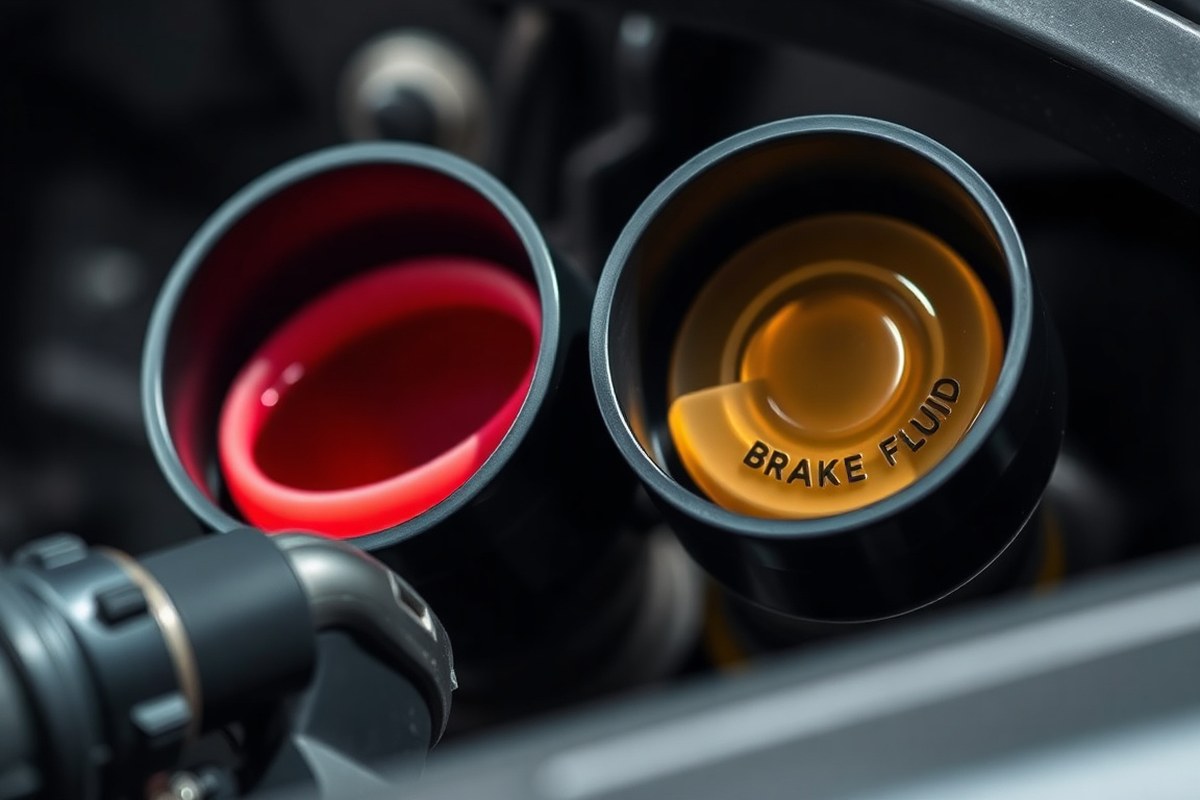
Can Power Steering Fluid Be Used as Brake Fluid? What Actually Happens If You Do
Using power steering fluid instead of brake fluid is dangerous. These two fluids have distinct chemical and physical traits that affect function. Combining them can lead to brake failure or harm your brake components.
Brake fluid is specially designed to handle extreme pressure and heat inside the brake lines. Power steering fluid, on the other hand, is oil-based and not meant for braking systems. Always use the brake fluid type your vehicle recommends to avoid costly repairs and safety risks.
Suspecting power steering fluid in your brake lines means you should have your vehicle checked immediately. Driving with the wrong fluid can cause the brakes to lose performance quickly. Catching the issue early may reduce repair costs and prevent accidents.
Key Takeaways
- Brake fluid is glycol- or silicone-based, unlike oil-based power steering fluid.
- Never replace brake fluid with power steering fluid under any circumstances.
- Power steering fluid is thicker and often darker than brake fluid by appearance.
- Use the brake fluid type recommended in your vehicle’s owner manual.
- Brake fluid transfers braking force under high pressure and heat safely.
- Mixing fluids can cause brake system failure and expensive repairs.
Is It Safe to Use Power Steering Fluid as Brake Fluid?
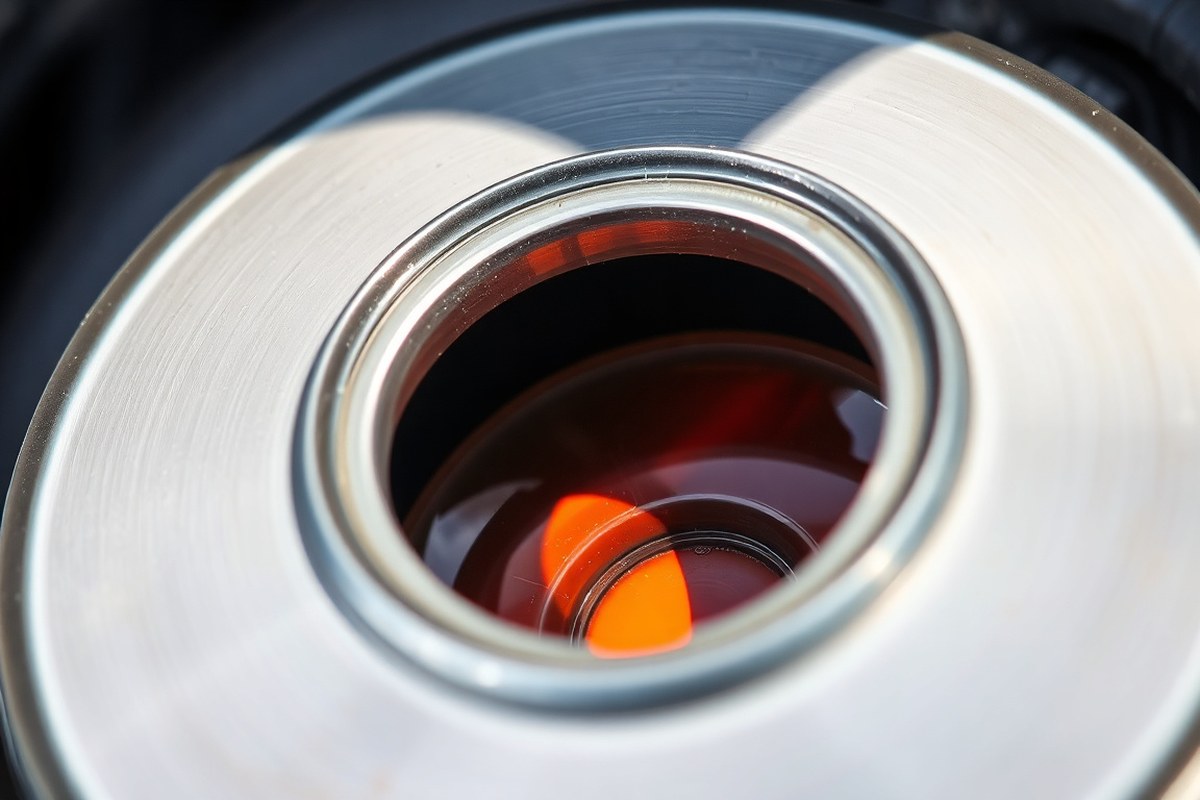
Power steering fluid cannot be used as brake fluid safely. They have very different formulas made for separate systems. Brake fluid needs high heat resistance and specific chemical properties power steering fluid lacks.
Brake fluid is glycol-based or silicone-based. It handles heat up to 400°F. It won’t boil under normal use.
Power steering fluid is petroleum-based or synthetic oil and not made to tolerate such extreme heat. Using power steering fluid in brakes can cause fluid boiling, leading to system failure.
Brakes rely on fluid pressure to stop your car reliably. Power steering fluid will compress under brake pressure and won’t transfer force properly. This problem can cause your brake pedal to feel soft.
It can lead to total brake failure. That is very dangerous on the road.
There is no safe or temporary way to substitute power steering fluid for brake fluid. Add the wrong fluid by mistake? Drain and flush your brake system immediately.
Power steering fluid in brake lines is risky. It can cause sudden brake failure. You could lose brake ability fast.
Choosing the right fluid keeps your car safe. Brake fluid’s ability to resist moisture and corrosion protects brake parts too. Power steering fluid does not protect brakes.
This can cause brake damage over time. It may not fail right away.
Always check your owner’s manual for the exact type of brake fluid your car needs. Only use those specified brake fluids for the braking system.
Using power steering fluid in the brake system isn’t just wrong. It’s a serious safety hazard requiring professional cleanup.
Key Chemical and Physical Differences Between Brake and Power Steering Fluids
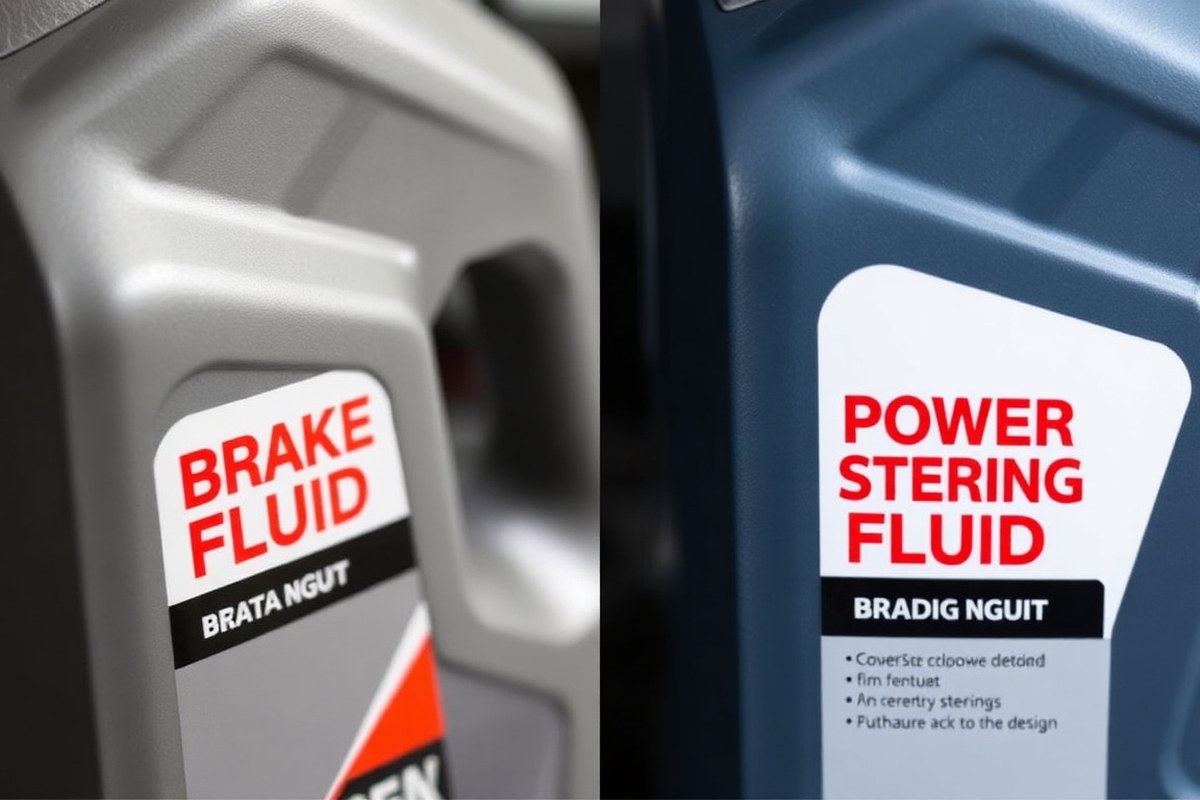
Brake fluid and power steering fluid serve very different roles in a vehicle’s hydraulic systems. Their chemical makeup fits their specific jobs. Viscosity and boiling points match these needs.
These traits help fluids work well in tough conditions. Using one in place of the other risks system failure and costly damage.
Brake fluid is a specialized hydraulic fluid usually made from glycol ethers, silicone, or mineral oils. It must remain incompressible to transmit force from the brake pedal to the calipers accurately. Power steering fluid is usually petroleum-based.
It has additives for lubrication and rust protection. These suit the steering system’s demands.
| Feature | Brake Fluid | Power Steering Fluid |
|---|---|---|
| Primary Purpose | Hydraulic braking | Hydraulic steering |
| Chemical Composition | Specialized brake formula (glycol, silicone, mineral oil) | Petroleum-based with lubricants |
| Moisture Handling | Designed to absorb moisture to prevent vapor lock | Different moisture properties, less moisture absorption |
| Seal Compatibility | Compatible with brake system seals and hoses | Formulated for steering system seals and hoses |
| Boiling Point Requirements | Very high boiling point, typically 400°F or higher, to handle brake heat | Lower boiling points, as steering systems generate less heat |
| Viscosity | Generally thicker to maintain pressure transmission | Lower viscosity for easier steering movement |
Boiling points make a big difference for safety and system function. Brake fluids usually have wet boiling points above 400°F. This helps stop vapor bubbles from forming. It’s important during heavy braking.
Power steering fluids don’t need such high boiling points because steering doesn’t create as much heat. This difference affects how each fluid maintains pressure.
Viscosity also affects performance. Brake fluid is thicker to avoid compressibility and maintain braking response. Power steering fluid is thinner to lubricate and allow smooth steering action.
Their seal compatibility varies too. Brake fluid can swell or damage steering seals.
Power steering fluid lacks the properties to keep brake seals safe. Mixing the fluids causes leaks and failures over time.
Never mix these fluids to avoid seal damage, system leaks, or loss of control.
Types of Brake Fluid and Their Compatibility with Vehicle Systems
Brake fluids are classified as DOT 3, DOT 4, DOT 5, and DOT 5.1 types. Each type has a distinct chemical composition and is designed for particular vehicle applications. Using the right brake fluid helps keep your braking system safe and working well.
Glycol-Based vs. Silicone-Based Fluids
DOT 3, DOT 4, and DOT 5.1 fluids use glycol as their base. These fluids soak up water, causing their boiling point to drop. DOT 5, made from silicone, stays dry and doesn’t absorb moisture.
Glycol-based fluids handle high pressure and heat, essential for stopping power. Silicone-based DOT 5 fluid resists corrosion but is compressible and not compatible with glycol types. Mixing these different bases often damages the brake system.
Mixing Compatibility Guidelines
Brake fluids with the same base, like DOT 3 and DOT 4, can typically be mixed. DOT 5 should never mix with glycol-based fluids. That causes seal damage and brake failure.
Vehicles requiring DOT 5.1 fluid share some properties with DOT 3 and 4 but have a higher boiling point. Mixing these fluids is possible but should be done cautiously and with manufacturer guidance.
Suitability for Different Brake Systems
DOT 3 is standard in older vehicles and lower-performance cars. DOT 4 suits modern vehicles and those needing better heat resistance. DOT 5 is mostly for cars stored long-term or vintage vehicles that want corrosion protection.
DOT 5.1 fluid fits high-performance or heavy-duty vehicles because it combines silicone-free glycol with better boiling points. Using the wrong type risks leaks, reduced braking, or system damage.
| Characteristic | DOT 3 | DOT 4 | DOT 5 | DOT 5.1 |
|---|---|---|---|---|
| Base | Glycol-ether | Glycol-ether | Silicone | Glycol-ether |
| Water Absorption | Yes | Yes | No | Yes |
| Boiling Point (°F – dry) | 401 | 446 | 500 | 500+ |
| Compressibility | Low | Low | High | Low |
| Compatibility | Mix with DOT 4, 5.1 | Mix with DOT 3, 5.1 | Do not mix with glycol types | Mix with DOT 3, 4 |
| Typical Use | Older vehicles | Modern vehicles | Specialty/vintage cars | Heavy-duty/high-performance |
Choosing the right brake fluid depends on your car’s brake system type and conditions. Always check your owner’s manual for exact fluid recommendations. Using the wrong type can lead to leaks, lower braking power, or damaged components.
What Happens If Power Steering Fluid Enters the Brake System?
Power steering fluid in the brake system can ruin rubber seals and hoses quickly. These parts swell, crack, or break down, causing fluid leaks. The brake system relies on tight seals to keep pressure and stop your vehicle safely.
At first, you may notice a soft brake pedal or reduced braking power. This happens because the fluid leaks lower pressure in the lines. Driving like this risks total brake failure, which can happen unexpectedly during use.
The timeline for damage varies but can be fast. Power steering fluid left in the brake system weeks makes seals brittle.
This brittleness can cause them to fail unexpectedly. This failure causes leaks, poor braking response, and can shut your brakes down completely.
Damage also spreads to metal parts like the brake calipers and master cylinder. The wrong fluid weakens these components, leading to costly repairs or replacements. Emergency stops become dangerous or impossible, increasing the risk of accidents.
Suspect power steering fluid in your brakes? Act quickly to stop damage. Fast action helps save costly repairs later.
The brake system must be fully flushed and refilled with the correct brake fluid. Here are the steps you should follow to fix the problem:
- Drain the contaminated brake fluid completely from the system.
- Flush the brake lines, calipers, and master cylinder thoroughly with brake fluid cleaner.
- Inspect all rubber seals and hoses for damage or swelling.
- Replace any seals or hoses that show signs of deterioration.
- Refill the brake system with the manufacturer-approved brake fluid.
- Bleed the brakes carefully to remove all air from the system.
- Test the brake pedal for firmness and check for leaks nearby.
- Drive slowly in a safe area to ensure braking performance is restored.
Costs vary depending on how many parts need replacement. Seals and hoses usually cost less to fix. Ignoring issues can wear the master cylinder.
Replacing calipers or master cylinders costs hundreds of dollars. Fixing the issue early usually keeps repairs reasonable and safer.
How to Identify and Avoid Mixing Brake and Power Steering Fluids
Brake fluid and power steering fluid look different if you know what to check. You can spot them by color, texture, and the markings on the reservoirs. Keeping fluids separate and following a regular maintenance routine stops costly mix-ups.
Visual Color and Texture Clues
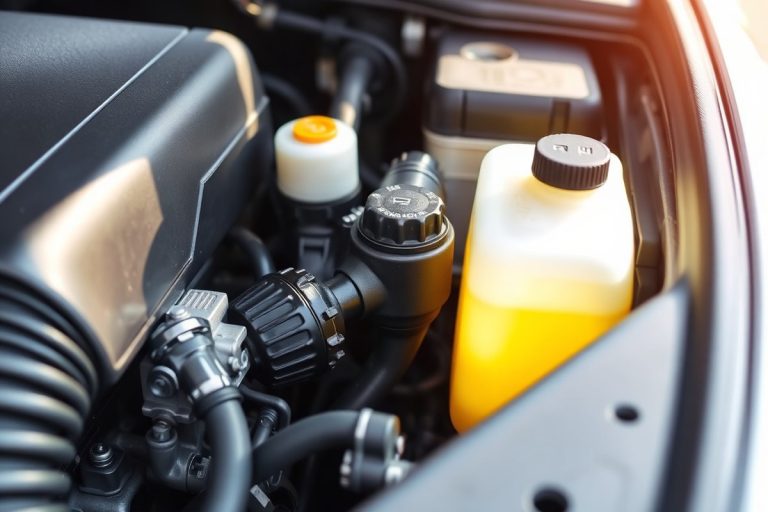
Brake fluid usually ranges from amber to light brown and has a thin, watery feel. Power steering fluid tends to be clearer or slightly reddish and feels thicker and slick.
Over time, brake fluid darkens as it absorbs moisture. Power steering fluid often stays clearer.
Look for subtle differences in shine and viscosity. Brake fluid flows easily with little shine.
But power steering fluid has a sheen and leaves a slight oily film. Checking these traits helps prevent mistakes during refills and quick top-offs.
Using Dipsticks and Reservoir Markings
Many brake and power steering reservoirs have clear level marks or dipsticks molded in plastic. These marks show the safe fluid range for each system. Use a clean rag to wipe dipsticks before checking fluid levels for accuracy.
Always check the owner’s manual for your car’s exact reservoir location and proper fill marks. Use only the dedicated dipstick or transparent reservoir for each fluid to avoid confusion. Labeling your reservoirs with masking tape and a marker adds an extra safety step.
Maintenance Best Practices
Keep hydraulic fluid tools and bottles separate during your car checks. Clean the reservoir caps before opening them. Wipe dipsticks too.
This stops dirt or the wrong fluid from getting in. Check your fluids every 3,000 to 6,000 miles.
Check sooner if you see leaks. Also check if the steering feels off.
Use a checklist each time you check fluids to stay on track. It might look like this:
- Confirm fluid type by checking the container label.
- Inspect fluid color and texture before opening the reservoir.
- Clean the reservoir cap and dipstick before checking levels.
- Check fluid level against reservoir markings or dipstick.
- Use a funnel and clean tools to avoid spills and mix-ups.
- Label reservoirs clearly with tape and permanent marker.
- Schedule regular fluid inspections every 3,000 to 6,000 miles.
Following these simple habits can save you from dangerous mistakes and expensive repairs.
Never trust fluid containers without clear labels, double-check before adding anything to your car.
Steps to Take If Power Steering Fluid Is Accidentally Added to the Brake System
Stop driving the car as soon as you see fluid in brakes. Power steering fluid in brakes can cause big problems. Take action immediately for safety.
Continuing to drive can worsen damage and risk safety. Immediate action is key to limit contamination and protect components.
Stop Driving and Assess the Issue
Turn off the engine and avoid pressing the brake pedal. This reduces spreading the contaminated fluid deeper into the brake lines. Check the brake fluid reservoir for signs of power steering fluid mixed in.
Look for fluid color changes or a strange smell from the brake fluid. Flush or repair urgency depends on contamination extent. Note if driving occurred after the mistake, which raises damage risk.
Drain and Flush the Brake System
Removing all contaminated fluid quickly is important to prevent system failure. Flushing means cleaning all brake lines, cylinders, and calipers until pure brake fluid flows through. Follow these steps to flush the brake system:
- Lift the vehicle and remove all four wheels to access brake bleeder valves.
- Place a catch container under each bleeder valve to collect old fluid.
- Open the bleeder valve on one brake caliper or drum brake slowly.
- Have an assistant press the brake pedal gently several times, then hold it down.
- Close the bleeder valve while the pedal is still held down to avoid air entering.
- Repeat for all wheels until brake fluid runs clear with no contamination signs.
- Check the brake fluid reservoir often. Keep it refilled with clean brake fluid. This stops air from getting into brake lines.
This process should take about 30 to 60 minutes, depending on your experience. Use brake fluid type specified for your vehicle, typically DOT 3, DOT 4, or DOT 5.1.
Replace Contaminated Components If Needed
Power steering fluid in the brake system can damage rubber seals and hoses. This can cause leaks or failure over time even after flushing. Inspect these parts closely for swelling, cracking, or soft spots.
Damage may show or the brake might feel spongy after flushing. Replace the parts you think are bad.
This includes brake lines, wheel cylinders, or master cylinder seals. Professional diagnostics can spot hidden damage.
Refill with Correct Brake Fluid and Test
Clean the system and fix the issues first. Then pour in the correct brake fluid. Make sure the brake fluid reservoir is full.
Fill it slowly and check the level carefully to avoid overfilling. Proper fluid ensures safe braking force and system longevity.
Test the brake pedal pressure in a safe area before driving. The pedal should feel firm and responsive with no sponginess. The brake pedal feels soft or moves too much.
Try bleeding the system again. Call a mechanic if the problem continues.
Why Brake Fluid Must Never Be Substituted with Power Steering Fluid or Other Oils
Substituting power steering fluid for brake fluid creates serious safety risks. Power steering fluid cannot handle the high heat and pressure inside brake lines.
This difference means the brake system may fail, producing a spongy or unresponsive brake pedal. Sometimes, this leads to a total loss of braking power, which can cause accidents.
Brake fluid is designed to resist moisture and high temperatures up to around 400°F. Power steering fluid thickens and breaks down much earlier under such heat. That causes inconsistent braking performance and damage to seals and brake components. The brake system needs the right fluid to work well.
It helps you stop quickly and firmly. Using wrong fluids can cause problems.
Using the wrong fluid also voids manufacturer warranties and may break local laws. Vehicle makers require you to follow specific fluid types listed in your manual.
Ignoring those rules may cause insurance issues after an accident. Mechanics often refuse warranty service if fluids don’t meet specifications, which could lead to costly repairs.
Always check your owner’s manual or service guide to use the exact brake fluid grade recommended. This prevents damage and keeps your brakes working reliably. You accidentally pour power steering fluid into the brake system.
Flush it right away using proper brake fluid. Flushing the brake system usually requires a professional.
It can cost between $100 and $300. The price varies with labor and fluid costs.
Maintaining the correct fluid also means sticking to service intervals. Brake fluid should be replaced every 2 to 3 years or as directed. This practice prevents moisture buildup that lowers boiling point and braking safety.
Power steering fluid changes happen on a different schedule, usually every 50,000 miles. Keep these fluids separate to avoid damage. Mixing fluids can cause system failure.
Understanding Power Steering Fluid Alternatives and Their Proper Use
Power steering systems usually need specific fluid types based on their design. Some use automatic transmission fluid (ATF).
Others require mineral oil-based or synthetic power steering fluids. Using the right fluid keeps the system lubricated and prevents damage.
Transmission fluid can sometimes replace power steering fluid if the manufacturer says so. However, for safety and performance, you should stick to the recommended fluid type. Mixing fluids or picking the wrong one can cause leaks, noise, or steering failure.
Regular maintenance means checking the power steering fluid every 30,000 miles or yearly. Look for fluid color changes or a burnt smell, which means a flush is needed. Flushing the system costs about $70 to $120 at most shops.
This includes refilling with the correct fluid. The total price depends on the shop’s rates.
| Fluid Type | Used In | Key Feature | Pros | Cons |
|---|---|---|---|---|
| Mineral Oil-Based Power Steering Fluid | Older and some European cars | Low friction, lubricates well | Good for metal seals | Not compatible with ATF systems |
| Synthetic Power Steering Fluid | Many modern systems | Resists oxidation and high temperatures | Longer fluid life, better performance | More expensive, may require specific fluid |
| Automatic Transmission Fluid (ATF) | Some power steering systems | Thin, hydraulic properties similar to PS fluid | Common and easy to find | Not all PS pumps work well with ATF |
| Brake Fluid | Brake systems only | Hydrophilic, withstands high heat | Essential for brake system function | Not suitable for power steering systems |
Choosing the proper fluid depends on what your vehicle’s manual lists. Some power steering systems are designed specifically for ATF, like certain GM models. Others require special synthetic or mineral oil fluids, often found in European cars.
Proper fluid choice avoids damage like seal leaks or pump wear. Changing fluid with the wrong type can cause performance loss or total system failure. For safety, always check the owner’s manual before picking a replacement fluid.
Never use brake fluid in power steering systems. It can ruin seals and pumps fast.
Cost and Repair Outcomes from Incorrect Fluid Use in Brake or Steering Systems
Using the wrong fluid in your brake or steering system can lead to expensive repairs. You might need to replace almost every part affected by the fluid mix-up. Power steering fluid lowers the boiling point in the brake system.
This change damages seals and other brake parts over time. It reduces the system’s overall safety and function.
Common repairs after fluid contamination include replacing brake lines, calipers, wheel cylinders, master cylinders, and seals. These parts fail because the incorrect fluid damages rubber and metal components. Brake fluid and power steering fluid have different chemical properties that react poorly with these materials.
Flushing and cleaning the system early can save money. But sometimes the damage is too severe.
Parts replacement costs vary by vehicle type and system size. Choosing correct fluids and professional service cuts down repair costs in the long term.
| Cost Component | Brake Fluid ‘Shortcut’ | OEM-Correct PS Fluid |
|---|---|---|
| Fluid Purchase (1 qt) | $11.99 (Valvoline DOT 3) | $22.47 (Honda PSF-3, part # 08798-9002) |
| Core Deposit (if applicable) | $0 | A $5.00 fee applies but gets refunded after you return the empty OEM bottle. This helps ensure you recycle the bottle properly. |
| Shipping (avg. Ground) | $4.95 (often waived for brake fluid) | $8.25 (OEM fluids ship refrigerated; carrier surcharge applies) |
| Shop Supplies Used | You only need one lint-free towel and one turkey baster to clean the system. No special flush kit is required for this process. | Use one OEM flush kit priced at $14.95 along with two quarts of specific fluid. These tools help complete the brake fluid change properly and safely. |
These costs only cover the fluid and basic supplies. Repair bills go much higher once you factor in labor for flushing or part replacement. Flushing a dirty brake system takes special tools and careful handling.
This extra work increases the time spent in the shop. It also raises the total cost of the service.
Don’t ignore fluid contamination signs like spongy brakes or strange noises. Acting quickly means fewer parts fail and lower repair totals. Always use the right fluid type for your system to avoid expensive replacements.
Quick-Start Action Plan to Handle Fluid Confusion
Use this plan when you think power steering fluid got in your brakes. It also helps to prevent mixing the wrong fluids. Follow these steps to keep your brake system safe.
- Before you start: Check your owner’s manual for the right brake and power steering fluids. This prevents mistakes.
- Immediately after noticing: Do not drive the car. Power steering fluid in brakes risks failure.
- Within 24 hours: Have a licensed mechanic flush the brake system. Confirm brake fluid is pure and system pressure is stable.
- After the flush: Test brake responsiveness carefully in a safe area. Firm pedal feel means the flush worked.
- Week 1: Monitor brake performance daily. The pedal feels spongy or brakes lag. Visit a mechanic again right away.
- Whenever refilling fluids: Use clean, clearly labeled containers to avoid future confusion.
- Long term: Stick to manufacturer-recommended fluids only. Mixing risks costly repairs and safety problems.
Frequently Asked Questions
Can Power Steering Fluid Be Used as Brake Fluid?
No, power steering fluid cannot replace brake fluid due to different chemical properties. Using it can damage your brake system and cause failure.
What Happens If Brake Fluid Enters the Power Steering Reservoir?
Brake fluid can damage power steering seals quickly. You should flush the system within 24 hours to prevent expensive repairs.
Is Power Steering Fluid Compatible with ABS Brake Systems?
Power steering fluid is not compatible with ABS brake systems. They require specific DOT brake fluids designed to handle high pressure.
Can Power Steering Fluid Cause Brake System Corrosion?
Power steering fluid can cause corrosion and seal damage in brake systems. This risks leaks and brake failure, so avoid mixing these fluids.
Why Can’t Brake Fluid and Power Steering Fluid Be Mixed?
Brake fluid has a different chemical base. It is glycol or silicone-based.
Power steering fluid uses petroleum or synthetic oil instead. Mixing causes seal damage and system failures.
Key Points to Remember
Power steering fluid cannot replace brake fluid safely. Using the wrong fluid risks brake failure and expensive damage. Always check your fluid types and fix any mix-up with a proper brake system flush first.