Can Low Oil Cause Engine Light to Come on? A Complete Guide That Works
Can low oil cause engine light to come on? Yes, it can.
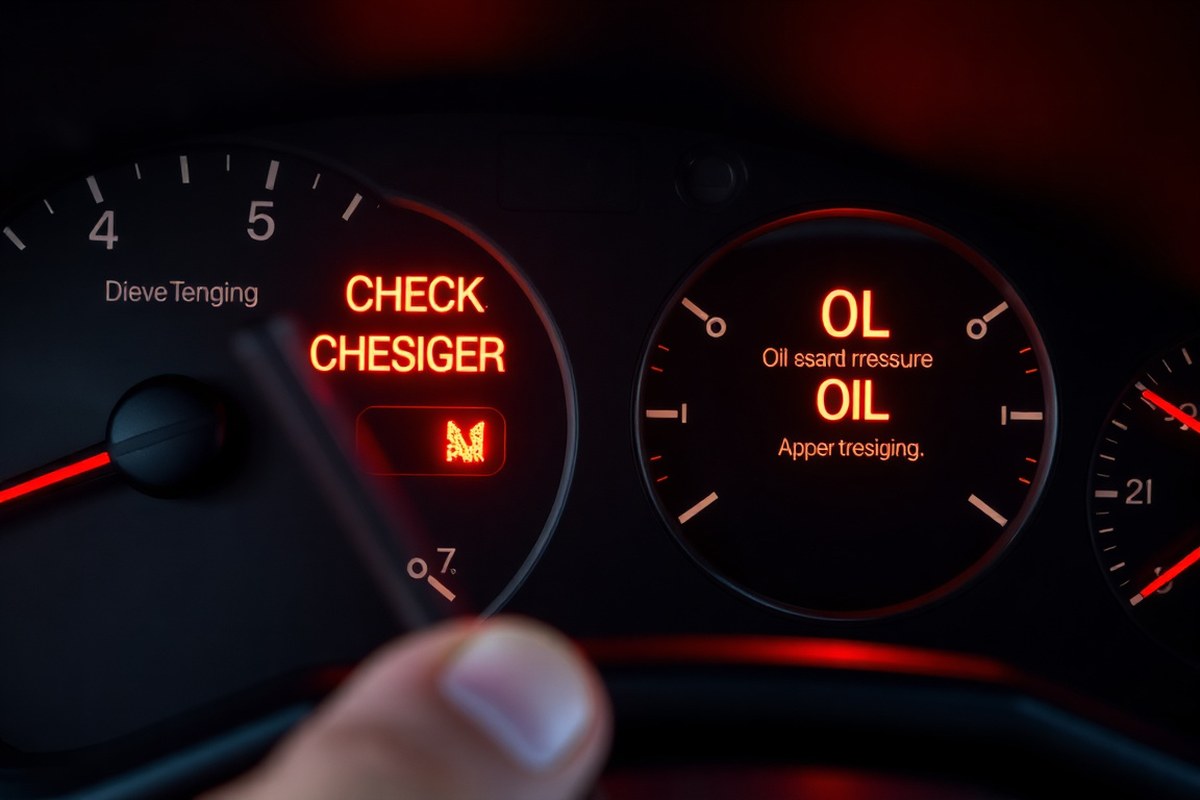
Low oil can trigger the engine light if it affects oil pressure or engine sensors. Adding oil often clears the light once pressure and levels return to normal.
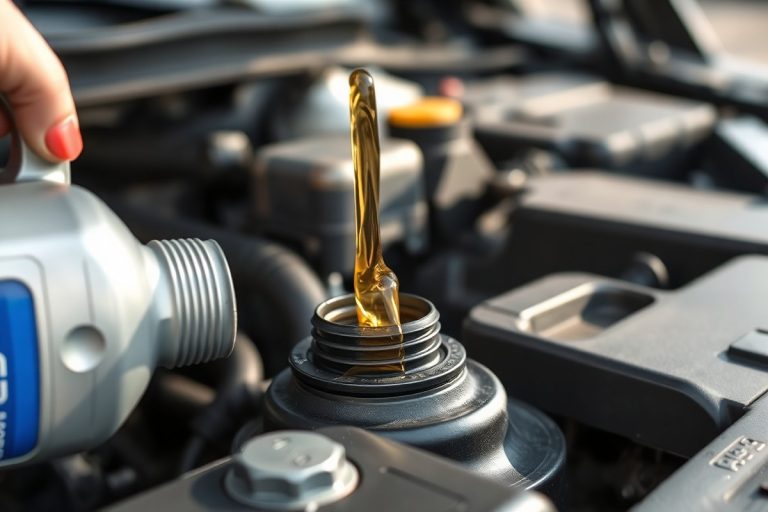
Start by checking your oil level with the dipstick after the engine cools for five minutes. Add oil if it’s low. Stop adding when just below max line.
Drive 10 to 15 miles after adding oil. This can reset the engine light. It only works if low oil caused the problem.
Sometimes, the check engine light shows up instead of the oil warning light. That’s especially true in cars with newer engine features like variable valve timing.
Those features depend on proper oil flow. So low or dirty oil can cause sensor alerts.
Key Takeaways
- Check oil level first if the engine light comes on unexpectedly.
- Add oil slowly using a funnel until it reaches just below the maximum fill line.
- Drive 10 to 15 miles after adding oil to see if the engine light turns off.
- Low oil pressure can make the check engine light blink. A faulty sensor can keep the light on too. Both need attention.
- Cars with variable valve timing are especially sensitive to low or dirty oil.
- Low oil can cause engine codes related to camshaft timing or oil pressure.
Can Low Oil Actually Cause the Check Engine Light to Come On?
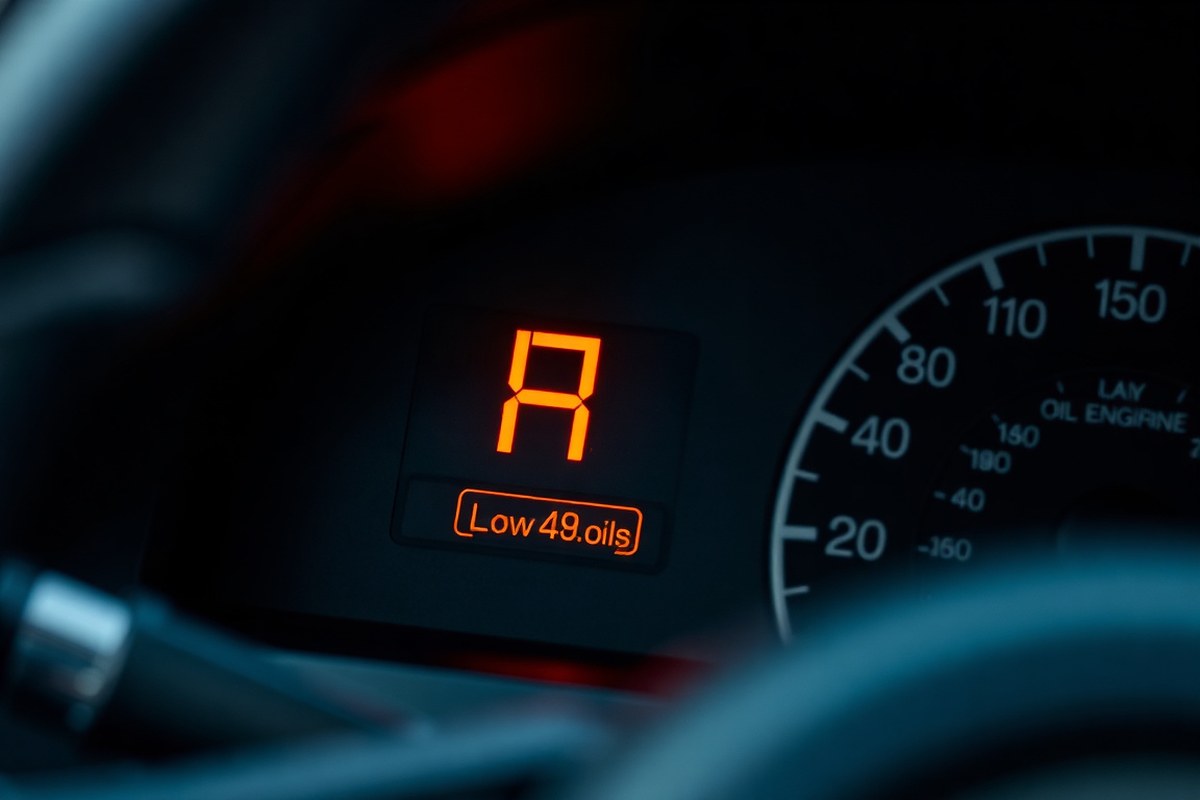
Low oil itself usually does not make the check engine light come on directly. Instead, it causes other engine problems that sensors can detect, which then trigger the warning.
If the oil level drops too low, oil pressure falls. The engine control module may report this problem as an issue.
Low oil can cause low oil pressure. This often triggers the check engine light. This happens when the oil pump can’t circulate enough oil to keep the engine parts lubricated.
Engine codes like P0520 or P0521 mean oil pressure sensor problems. These relate to sensor performance issues.
Another way low oil causes the check engine light is through engine misfires. When oil is insufficient, friction and heat can increase in engine parts. This causes timing or combustion problems.
The engine sensors detect these. Codes like P0300 show misfiring cylinders.
Newer engines with variable valve timing need good oil pressure. They also require clean oil to work properly. Low or dirty oil can cause parts in the timing system to malfunction.
This causes codes like P0011 or P0012. They relate to camshaft timing problems and light the check engine light.
Older vehicles often signal low oil through the oil pressure warning light, not the check engine light. Modern cars use extra sensors to spot oil-related problems, which makes the engine light activate. When the check engine light appears, immediately check your oil level before trying other fixes.
How Oil Level, Oil Pressure, and Engine Sensors Interact to Trigger Warnings
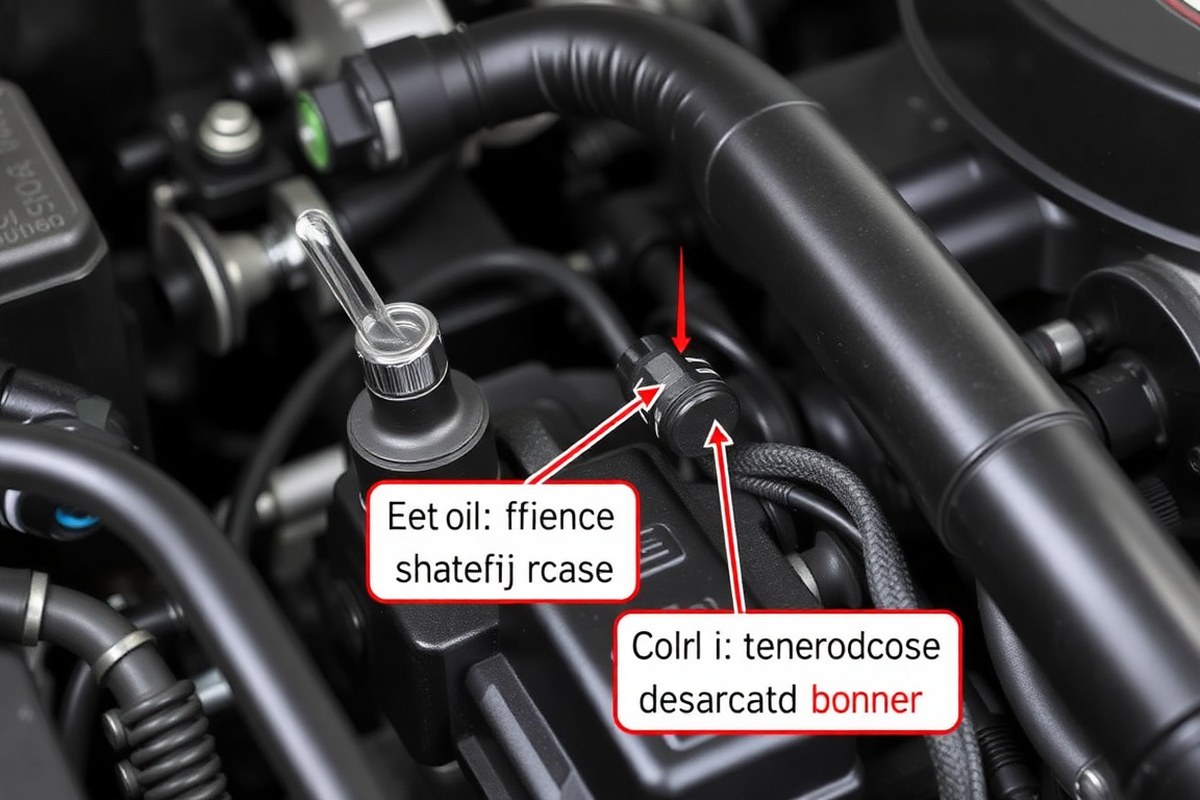
The oil level and oil pressure are related but different things. Oil level is how much oil is in the engine, measured with a dipstick or sensor. Oil pressure is the force of oil moving in the engine.
It keeps engine parts lubricated and working right. This force is essential for engine health.
Cars have sensors that watch oil pressure closely. The oil pressure sensor alerts the vehicle’s computer if pressure drops.
The computer turns on the oil pressure light on your dash. It does not usually light the check engine light.
Still, low oil level can lead to low oil pressure. The oil pressure sensor can trigger different lights. Usually, you see a red or yellow oil pressure warning light.
In some cars, the check engine light may come on instead. This happens if the engine computer finds sensor faults.
| Feature | Oil Level | Oil Pressure | Sensor Function |
|---|---|---|---|
| What it measures | Volume of engine oil | Force of oil flow | Monitors oil pressure for faults |
| How it’s checked | Dipstick or level sensor | Pressure sensor on engine block | Sends electrical signal to ECU |
| Warning triggered | Oil level warning light (some cars) | Oil pressure warning light | Activates dashboard warnings |
| Common issues detected | Low or leaking oil | Low pressure from worn pump or low oil | Faulty sensors or low pressure |
The engine computer gets signals from sensors and compares them to normal ranges. When oil pressure dips below a set point, the sensor alerts the computer.
The computer lights either oil pressure or check engine lights. This depends on the problem’s severity or the car model.
Sometimes, the oil pressure sensor itself wears out. The warning light can flicker even if oil level is good. This happens sometimes when the sensor gives false signals.
A cheap sensor replacement costing around $20 to $50 can solve this. Use a mechanical gauge to check oil pressure directly. This test shows if the sensor or oil system has issues.
Keep in mind: a flickering oil pressure warning might indicate a bad sensor, not low oil.
Low oil or dirty oil also affects oil viscosity, which changes oil pressure readings. This can confuse sensors and cause warnings.
Cleaning oil or changing to the correct grade fixes this. Using the wrong oil can cause serious engine damage over time.
What Symptoms Besides the Check Engine Light Indicate Low Oil?
Low oil causes several warning signs besides the check engine light. You may notice sounds, smells, or performance changes early on. Watching for these can save your engine from costly damage.
Common Noises That Hint at Low Oil
Knocking or ticking noises often mean the engine oil is low. These sounds come from metal parts rubbing without enough lubrication. A deep knocking sound can point to worn bearings, which is a serious issue.
Ticking noises usually happen when the oil pump struggles or the oil pressure drops. This is a high-severity problem because it can quickly lead to engine damage.
Overheating and Performance Drops
Low oil can make your engine run hotter than usual. This happens because oil helps carry heat away. Overheating causes internal parts to wear faster and may trigger warning lights.
You might also notice your engine struggling or losing power. Reduced performance occurs since low oil means higher friction. This problem signals medium-level risk for engine damage.
Burning Smells and Visible Leaks
A burning oil smell often shows up when oil leaks onto hot engine parts. This smell is a red flag for low oil levels or leaks. Check around the engine for wet spots or oil stains beneath your car.
Leaks might be small but can quickly lower oil levels. Look under your vehicle after parking. Puddles or dark spots suggest an oil loss problem.
Checklist for Detecting Low Oil Symptoms
Here’s what you should watch for to catch low oil early:
- Engine produces knocking or ticking sounds, especially when idling
- Dashboard oil pressure warning light or check engine light comes on
- Engine temperature gauge rises above normal levels
- Noticeable drop in overall engine power or acceleration
- Burning oil smell near the engine or inside the vehicle
- Oil puddles or spots under parked car
- Engine feels rough or shaky during acceleration or idle
Paying attention to these signs helps you catch oil issues before they get worse.
Tips for Early Detection and Safety
Check your oil level regularly using the dipstick, ideally every month or before long trips. Keep some engine oil in your car to top off as needed. Don’t ignore any new noises or smells, even if the lights don’t come on.
Stop driving if you hear loud knocking or see the oil pressure light. Continuing can ruin your engine and lead to expensive repairs. Always add the right oil type recommended by your vehicle’s manual to avoid damage.
How Do Variable Valve Timing (VVT) and Modern Engine Features Affect Oil-Related Warnings?
Low or dirty engine oil can harm systems like Variable Valve Timing. These systems need clean, pressurized oil to work correctly. Dirty or low oil stops them from working right.
Oil losing quality or volume can mess up timing adjustments. This often triggers fault codes. These codes make the check engine light turn on.
Modern engines have advanced features like VVT. These features rely a lot on clean oil and good oil pressure. They are sensitive to oil problems.
Understanding Variable Valve Timing (VVT)
Variable Valve Timing adjusts the opening and closing of engine valves for better power and efficiency. It uses oil pressure to activate hydraulic actuators that shift the camshaft position. Dirty or low oil reduces pressure, making it hard for VVT to control timing accurately.
This loss of control can lead to engine performance problems like rough idling or misfires. Without enough good oil, the VVT system can’t adjust valve timing as the engine demands. That causes the engine control unit to detect issues and trigger warning lights.
Common VVT-Related Diagnostic Trouble Codes
Codes such as P0011, P0012, P0010, and P0013 commonly show up when oil problems affect VVT. These codes indicate issues like incorrect camshaft timing or stuck solenoids that rely on oil flow. Codes like P0521 show oil pressure problems.
Code P0300 points to engine misfires. Both can be caused by oil issues.
These fault codes help pinpoint if low or dirty oil is disrupting VVT or related systems. Some vehicles also display “Maintenance Required” or “Oil Change” messages before engine damage occurs.
Not all low oil cases cause these codes. But poor oil quality increases the risk.
Preventative Oil Maintenance for VVT Systems
Change your engine oil on time to protect VVT systems. Usually, do it every 5,000 to 7,500 miles, based on oil and driving.
Use oil that matches the maker’s requirements for thickness and cleanliness. Also, keep the oil filter clean to avoid blockages and low pressure.
Use a dipstick or sensor to check your oil level often. Make sure the oil stays within the recommended range. This helps avoid engine problems.
Dirty or low oil puts stress on VVT parts, leading to expensive repairs. Quality oil changes cost about $30 to $70.
This is cheap compared to repairing VVT damage later. Spending on oil changes saves money long-term.
Diagnosing Check Engine Light Codes Related to Low Oil and Pressure
The check engine light stores codes that tell you why it lit up. Reading codes is the sure way to link the light to oil problems. These codes connect the warning light to low oil or pressure.
You need to check them to know the cause. Use an OBD-II scanner to find out if low oil caused the issue and avoid guessing.
How to Read Your Car’s Diagnostic Codes
Finding your car’s diagnostic trouble codes (DTCs) requires an OBD-II scanner. This device plugs into your vehicle’s port, usually under the dashboard near the steering column.
Turn your ignition on, connect the scanner, and follow its menu to read the stored codes. Codes starting with “P” are powertrain-related, including engine and oil problems.
- Locate the OBD-II port under the driver’s side dashboard.
- Plug in the OBD-II scanner and turn your ignition to “On.”
- Wait for the scanner to communicate with your car’s computer.
- Select “Read Codes” or similar option on the scanner screen.
- Note the codes shown, including letters and numbers (e.g., P0521).
- Look up the code meanings in your scanner’s guide or online.
- Write down important codes for future reference or mechanic’s use.
Always check your vehicle’s manual for port location before using the scanner.
Common Oil-Related Engine Codes Explained
| Code | Meaning | Why It Matters |
|---|---|---|
| P0521 | Engine Oil Pressure Sensor Circuit Range/Performance | Signals abnormal oil pressure, often due to low oil or sensor issues. |
| P0520 | Engine Oil Pressure Sensor Circuit Malfunction | Shows sensor or wiring failure, possible low oil pressure risk. |
| P0011 | Camshaft Position Timing Over-Advanced | May relate to oil control in VVT systems; low oil impacts timing. |
| P0300 | Random/Multiple Cylinder Misfire Detected | Low oil can cause misfires through poor lubrication or sensor faults. |
Oil codes often start with P05 or P00. They relate to sensors like oil pressure or valve timing.
These codes help identify oil issues in your car. Codes unrelated to oil usually focus on emissions, fuel system, or transmission errors.
When to Seek Professional Help
Simple scans can tell you the code but not the exact repair. A professional mechanic can perform oil pressure tests and inspect the engine closely.
Get help if the code shows low oil pressure. Also, if the light stays on after adding oil, ask a mechanic.
Don’t ignore these signs; they need attention. Running an engine with low oil pressure can cause damage quickly.
Ignoring sensor errors or misdiagnosing oil pressure issues can lead to higher repair costs. Professionals often have better tools for testing and clear repair advice.
Immediate Actions to Take When the Engine Light Comes on and Oil May Be Low
Your check engine light signals may mean low oil. Stop soon and check your oil level to protect your engine. Follow these steps to test oil safely and decide if driving can continue.
- Park your car on level ground and turn off the engine. This lets the oil settle for an accurate reading.
- Wait about five minutes to allow the oil to drain back into the oil pan. This prevents a false low reading.
- Pop the hood and find the dipstick, usually with a brightly colored handle.
- Pull out the dipstick. Wipe it clean with a rag. Then reinsert it into the tube fully.
- Remove the dipstick again and check the oil level against the marked indicators. The oil should be between the minimum and maximum marks.
- Look at the oil color too. It should be a clear amber, not dark or full of debris.
- Oil below the minimum mark means you should add oil. Pour the right oil slowly and in small amounts.
- Recheck the level after adding oil to avoid overfilling. Replace the dipstick and close the hood securely.
The low oil pressure warning means stop your car safely. Turn the engine off immediately to avoid damage. Continuing to drive risks destroying your engine.
Only the check engine light means watch oil carefully. You can drive 10 to 15 miles slowly and carefully.
Do not ignore warning signs. Engine damage can happen before you see a low oil light. Checking oil at home takes just a few minutes.
A quart of oil usually costs under $20. Safely knowing your oil level protects your engine and wallet.
How Often to Check and Change Oil to Prevent Engine Light Issues
Check your engine oil at least once a month or every 1,000 miles. Do this more often if your car is older or has a history of leaks. Check the oil level using the dipstick only when the engine is cold.
Make sure the vehicle is parked on flat, level ground. Pull out the dipstick, wipe it clean, then reinsert to check the level.
Changing your oil on time keeps it clean and flowing well. Car makers often suggest oil changes between 5,000 and 7,500 miles for regular drivers. Hard driving conditions like towing or heavy traffic might mean changing oil at 3,000 miles instead.
Oil quality affects how well it protects your engine and avoids sensor problems. Using the wrong oil viscosity can cause incorrect pressure readings or overheating. Follow your owner’s manual for oil type, usually a synthetic blend or full synthetic oil.
- Check oil level monthly or every 1,000 miles, more if older engine
- Change oil every 5,000-7,500 miles under normal driving
- Under severe conditions, change every 3,000 miles
- Always use the oil viscosity recommended by your vehicle’s manual
- Synthetic oils tend to last longer and perform better in heat
- Keep track of oil changes using logs or mileage reminders
- In cold weather, use oils with winter-grade ratings to ensure flow
Choose the right oil type based on your car’s engine and climate. For example, 5W-30 works well for most drivers in moderate climates.
Hotter areas might need 10W-40. Colder places require a lower winter rating like 0W-20.
Good oil maintenance avoids temporary drops in oil pressure, which sometimes trigger engine lights. Running out of oil or using old, dirty oil can make your engine overheat fast. That overheating is often the cause behind the warning lights showing up.
Common Mistakes and Misconceptions About Low Oil and Engine Lights
Many people think low oil only triggers the oil light. That’s not always true. Sometimes low oil doesn’t cause any warning light until the engine suffers damage.
The oil pressure light shows when oil pressure is low, which means less oil is circulating. Low oil doesn’t always reduce pressure enough to trigger this light. Some engines run low on oil before the pressure light comes on.
Faulty sensors are another source of confusion. More than 68% of cars with a check engine light have no serious failure. The problem often comes from a bad sensor or a loose gas cap.
- Believing low oil triggers only the oil light
- Ignoring check engine light because oil pressure light is off
- Misdiagnosing a faulty sensor as low oil
- Delaying oil checks due to sensor faults
- Assuming no oil light means oil level is fine
- Trusting only dashboard lights without checking oil manually
Sometimes a sensor fails and causes a false warning. Symptoms include random light flickering or warning lights without oil problems. This issue can make you skip important steps, risking real engine damage.
Ignoring a check engine light can lead to serious harm. The light can mean low oil or other engine problems. Driving with low oil makes engine parts wear out quickly.
It may cause the engine to fail completely. Repairing the damage could cost you hundreds or thousands.
Always check your oil level with the dipstick, even if no warning light shows. This helps catch problems early and avoid expensive repairs.
Risks and Costs of Ignoring Low Oil and Engine Warning Lights
Driving with low oil can cause serious damage to engine parts. Oil lubricates bearings and moving parts to stop friction and wear. Without enough oil, these components heat up and wear out fast, leading to costly repairs.
Ignoring engine warning lights often means ignoring growing engine problems. The red oil pressure light means your engine isn’t getting enough oil pressure right now. You should pull over and shut off the engine immediately to avoid damage.
The amber check engine light signals a fault detected by the engine computer. That fault might relate to oil pressure problems or other issues. You need to get your car scanned soon, because ignoring this light risks worsening damage.
When both warning lights come on together, it signals a critical oil issue causing engine faults. Driving longer in this state can destroy engine bearings, pistons, and other important parts. Stopping and calling for a tow is the safest choice.
Repair costs for damage caused by oil starvation vary depending on severity. Minor repairs like replacing bearings or gaskets typically cost around $1,000 to $2,500. More serious damage leading to piston or crankshaft replacement can reach $3,000 to $5,000 or more.
For example, a worn rod bearing might cost $1,200. A full engine rebuild could exceed $4,000. These prices also depend on your car model and labor rates in your area.
Damage begins within a few minutes of running low on oil. But often takes days or weeks of driving to cause failure.
The first signs include knocking noises, loss of power, or overheating. Continued driving risks complete engine seizure, which usually means engine replacement.
You can minimize damage by checking oil levels regularly and responding quickly to warning lights. Pull over safely and check your oil when the red oil pressure light shows. Add oil if it’s low or call for professional help if unsure.
Getting a diagnostic scan after the amber check engine light appears helps catch problems early. Don’t clear the light without fixing the cause. Clearing it hides real issues and can lead to long-term engine damage.
Step-by-Step Action Plan for Low Oil and Engine Light
Follow these steps to check your oil and handle the engine light safely.
- As Soon As Possible: Pull over safely and check your oil level with the dipstick. Check your oil level. Add oil only to the recommended mark. Secure the oil cap tight afterward.
- Within the Next Hour: Restart the engine and observe the dashboard. The light might turn off when oil level returns to normal. Move on to the next step if the light stays on.
- Use an OBD-II scanner or go to an auto parts store today. They can read your check engine codes for you. This helps identify if oil pressure or sensor issues triggered the light.
- Within Two Days: Inspect for oil leaks or damage under your car. Fixing leaks early prevents oil loss and repeated warning lights.
- Plan an oil change within a week. Do it if the oil looks dirty or if the interval is overdue. Fresh oil keeps sensors accurate.
- You should look at your oil level once a month or before long trips. Regular checks help avoid unexpected problems.
- Keep a close eye on the engine light after topping off oil or changing it. See a mechanic if it stays lit to avoid engine harm.
Frequently Asked Questions
Can Low Oil Damage My Engine Even If the Light Is Off?
Yes, low oil can damage your engine quietly. Check levels regularly to avoid costly repairs.
Why Doesn’t the Oil Light Always Come on with Low Oil?
The oil light triggers at specific pressure levels, not just low oil. Sensors may not detect a slow drop.
Can Topping Off Oil Reset the Check Engine Light?
No, adding oil won’t reset the light. You must fix the underlying issue and clear codes.
Is Low Oil Pressure the Same as Low Oil Level?
No, low oil pressure can happen even with enough oil. Both affect your engine differently.
Can Dirty Oil Cause the Check Engine Light to Come On?
Yes, dirty or degraded oil can harm engine parts and trigger sensors. Regular changes help prevent this.
Key Points to Remember
Low oil can definitely cause the engine light to come on. But it’s not the only reason.
Always check oil levels as your first step when the light appears. Taking quick action can save your engine and your wallet.