How Long Is Driving School: A Complete Guide to Timing and Requirements
How long is driving school depends on the program type and state rules. Most programs mix classroom and behind-the-wheel lessons, totaling from 10 to 40 hours. Classroom time usually spans 6 to 12 hours.
Driving practice takes about 10 hours to complete. States often require a minimum number of hours to qualify for a license.
Starting with the classroom portion helps build basic traffic knowledge before hitting the road. Watch for state-specific requirements, since some states mandate longer programs or extra practice hours.
Scheduling lessons regularly prevents delays and helps you finish on time. Canceling lessons late might cost you, so plan carefully.
Key Takeaways
- Driving school courses typically last between 10 and 40 total hours.
- Classroom instruction usually takes 6 to 12 hours, based on your state.
- Behind-the-wheel lessons often require around 10 hours to complete.
- State rules greatly affect the minimum hours needed for completion.
- Starting with classroom work prepares you well for practical driving lessons.
- Regular lesson scheduling helps you avoid common delays during training.
How Long Does Driving School Usually Take?

Driving school usually takes between 24 and 35 hours to complete. This time includes both classroom instruction and behind-the-wheel training.
Most programs require about 6 to 12 hours of classroom learning. Behind-the-wheel driving lessons typically add another 6 to 10 hours, depending on your state’s rules.
Teens often need more total time in driver education than adults. For example, a 16-year-old might take 30 hours of classroom work and 6 hours behind the wheel. States also ask for supervised driving, sometimes 40 to 50 hours including night driving.
Adults usually finish driving school faster because they have fewer required hours. Adults ages 18 to 20 in Ohio must finish 50 hours of supervised driving. They also must take an approved driver training course.
This can make learning to drive take longer. Some schools give a certificate after about 10 hours of driving lessons. This helps you keep track of your progress.
Certificates may be required for licensing steps. How long driver education takes depends on your school and state rules.
It also depends on how soon you set lessons and practice driving. Your schedule affects the total time needed.
What Does a Driving School Program Include?
Driving school programs include classroom education, behind-the-wheel training, and supervised practice. These components build your knowledge, skills, and confidence to drive safely. Each part covers different topics and skills you need before driving alone.
Classroom or Online Education
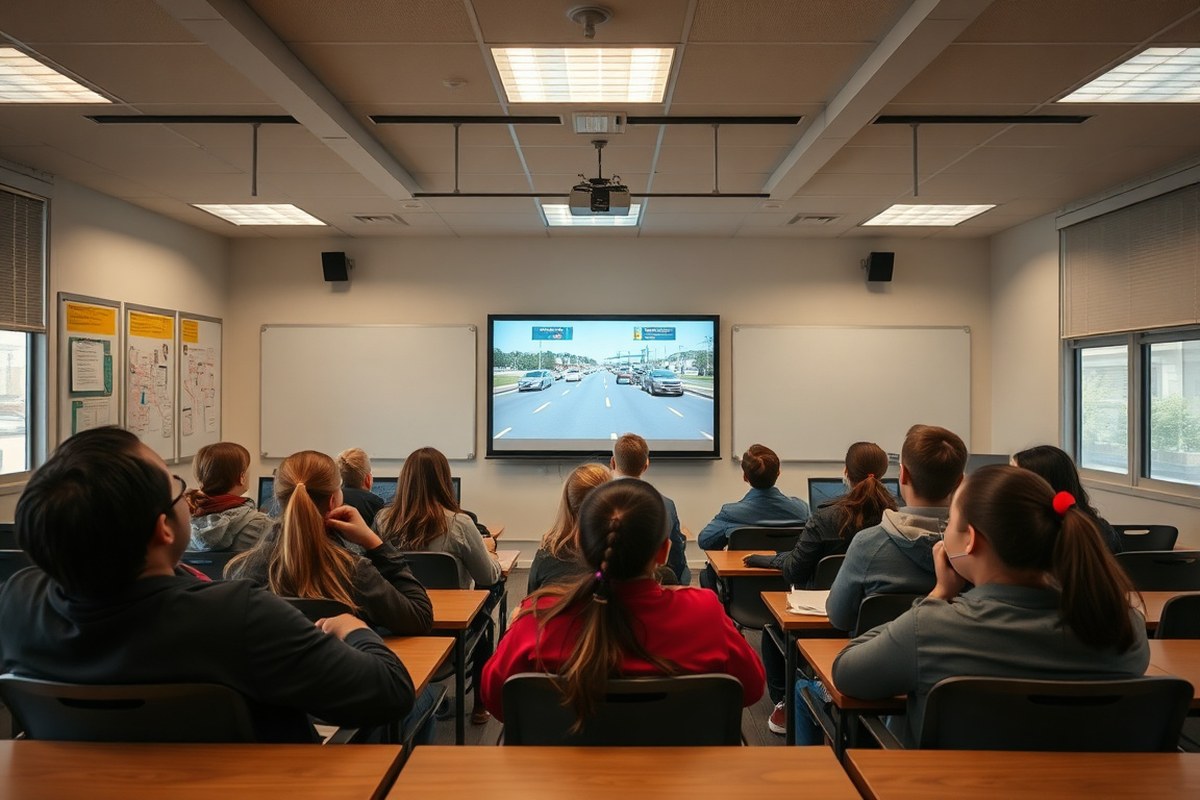
Classroom or online lessons teach you traffic laws, road signs, and safe driving habits. These lessons often take about 24 hours total and mix videos, quizzes, and discussions. You’ll learn why safety rules matter and how to respond to different driving situations.
Some states allow online courses that you can do at your own pace. These usually include step-by-step guides and parent training tools to help with at-home practice. The lessons get you ready for your permit test.
They also show you what to expect on the road. This helps you feel more confident behind the wheel.
Behind-the-Wheel Training
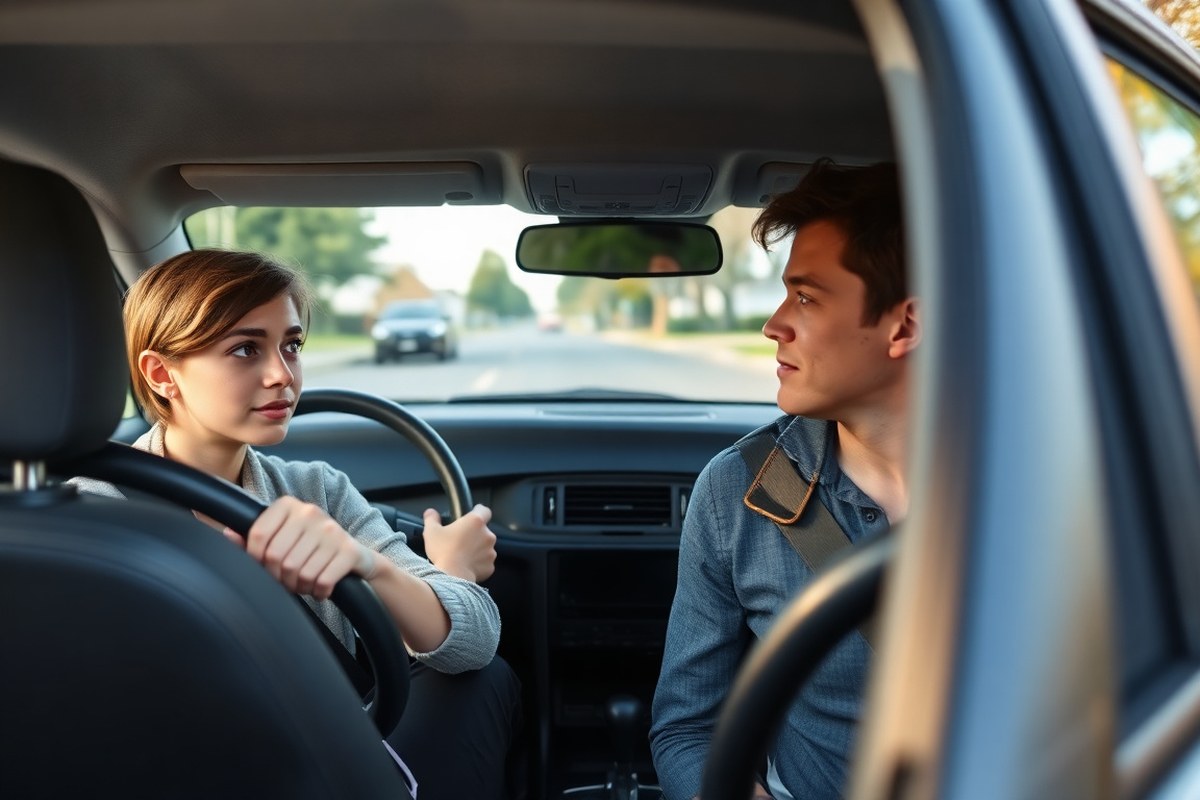
This hands-on part focuses on practicing driving skills with a professional instructor. You’ll spend about 8 hours driving in real traffic, learning how to control the car safely. Skills include steering, parking, lane changes, and obeying traffic signals.
Instructors also cover safety topics like defensive driving and hazard awareness. This training helps you use the rules you learned. It gets you ready for road tests.
You practice driving safely and following laws. Usually, you can schedule these lessons over several weeks at your convenience.
Supervised Practice Requirements
Most states require additional supervised driving hours outside of school. Teens often must complete 30 to 50 hours of driving with an adult over 21. This helps you get confident driving in different conditions, including 10 hours at night.
Parents usually must confirm your logged driving hours. They need to do this before your driving test. This shows you drove enough with supervision.
Practice drives build your experience safely and fill gaps before you drive solo. Some states have specific waiting periods between starting practice and getting your license.
Keep a log with dates and times of driving. It proves you met supervised driving hour rules. This record helps when you take your test.
Why Each Part Matters
Classroom education gives you the rules and reasoning behind safe driving. Behind-the-wheel training lets you practice skills in a controlled environment. Supervised practice ensures you get real-world experience before driving alone.
Skipping any part can leave you unprepared and increase risks on the road. Guided learning reduces mistakes and builds habits that protect you and others. Each phase builds on the last to make sure you’re ready to drive responsibly.
How State Requirements Affect Driving School Length
State rules change how long your driving school takes to finish. Each state sets its own requirements for course hours, permit holding, and supervised driving practice.
Some states need you to do 30 to 60 hours of driving with someone watching. This supervised driving has to finish before you get a full license.
These supervised hours can include specific night driving or driving in certain conditions. You might also need to complete written tests before the state grants your permit or license. That adds time beyond classroom or behind-the-wheel lessons.
In Texas, you typically spend about 45 hours in classroom learning. You also get 22 hours of driving time with an instructor.
Florida offers shorter programs like a 4-hour Basic Driver Improvement course for minor violations. But it also requires extra supervised driving with a qualified adult.
State differences also affect online and in-person options. So your entire timeline can stretch or shrink.
You’ll want to check your state’s driver education website to understand their exact rules. This helps you plan how long your driving school and learner period will really take.
Comparing Online, In-Person, and Accelerated Driving Schools
Driving school programs vary in time, cost, and how you learn. Online courses are quicker and cheaper but lack behind-the-wheel training.
Traditional in-person classes take longer with more hands-on practice. Accelerated courses fit a tight schedule by condensing lessons.
Duration of Online Courses
Online driving courses usually cover just the classroom part. They take less time, often a few weeks or less, depending on how fast you work. These courses let you study anytime, making them flexible for busy schedules.
The price is lower, often between $50 and $200, since they skip behind-the-wheel lessons. You still need to complete in-car training separately, either with a parent or a driving instructor. Most states require this before you can get your license.
Length of Traditional In-Person Training
In-person classes spread classroom and driving sessions across weeks or months. Some programs have 12 sessions. Each session lasts two hours.
Others have 6 sessions lasting four hours each. This format gives you time to practice driving safely and absorb lessons.
These longer courses cost more, usually between $800 and $1,500, especially if they include advanced skills. You’ll benefit from a mix of teaching styles and more direct feedback from instructors. It suits learners who want a thorough preparation.
Features of Accelerated Driving Programs
Accelerated courses are also called crash courses. They pack lessons into a few days. Or they can last a couple of weeks.
They focus on quick completion rather than spreading lessons out. Some programs combine classroom and behind-the-wheel training during this short span.
This option costs more than online-only courses but less than full-length in-person programs. You’ll get concentrated training tailored to fast learners or those who need a license quickly. It’s ideal if your schedule won’t fit in traditional timing.
Compare the main features of each driving school type below to decide what fits you best.
| School Type | Duration | Cost Range | Learning Format | In-Car Training |
|---|---|---|---|---|
| Online Courses | Few days to a few weeks | $50, $200 | Self-paced online classroom | Separate with parent/instructor |
| Traditional In-Person | Several weeks to months | $800, $1,500 | Scheduled classroom + driving | Included in program |
| Accelerated Program | Few days to 2 weeks | Mid-range, varies | Condensed classroom + driving | Included in program |
Choosing depends on your time, budget, and learning style. Online courses work well for fast, flexible learning. They let you fit lessons around your schedule.
They can help you finish quicker. For hands-on practice with steady pacing, pick in-person. Accelerated courses give fast, intense lessons.
They help you get your license quicker. They focus on what you really need to know.
How Long Is Supervised Driving Practice and Its Role?
You usually need to complete 40 to 50 hours of supervised driving. Family members or guardians provide this practice time outside formal lessons. This takes several months and helps prepare you for the road test.
Practicing with a trusted adult lets you experience real driving conditions. You gain confidence managing traffic, parking, and highway merges that formal lessons might not cover fully. This extra time solidifies what you learned in driving school and helps improve your skills.
Most learners finish these hours gradually, fitting drive times around work, school, or other chores. Driving frequently speeds up your progress. Adults with flexible schedules often complete these supervised hours faster than teens with limited free time.
Courts or the motor vehicles department require logged hours proof to qualify for the final test. Teens usually must hold a learner license for six months.
This practice period is required before they can take the road test. Completing supervised hours is critical before you can take that test.
Besides hours, quality matters. Driving in varied weather, places, and times sharpens your abilities.
Mistakes during practice help you learn without risking a license. Skipping these hours can delay your license or result in failing the road test.
Log your supervised driving hours carefully. Many states require proof before scheduling a road test.
Why Completing Driver’s Ed Doesn’t Mean You Can Drive Alone
Completing driver’s ed doesn’t mean you can drive alone right away. In Texas, you enter a graduated licensing system designed to build your skills gradually. After driving school, you get a learner’s permit.
This permit has rules to keep you safe. These rules help while you gain driving experience.
Once you have a learner’s permit, you must hold it for at least six months. You must complete 30 hours of supervised driving during this time. Ten of these hours must happen at night.
This helps build your skills safely. These extra hours prepare you for real driving challenges.
You’ll drive without an instructor watching. This practice helps you become more confident.
After finishing the permit period, you can apply for a Level 2 License. You must also complete the required driving practice. This is the next step in your license process.
This lets you drive independently but only between 5 a.m. And 10 p.m. There are still rules, like no driving with passengers under 21 unless they are family. This stage lasts until you turn 18 or finish the required 12 months without violations.
The final step is the Level 3 Full Driver’s License, which removes all restrictions. Bring documents like your driver’s ed certificate, ID, and forms to the DMV. These prove you’ve met all requirements.
Without them, you won’t get your license. There’s also a fee for testing and licensing. This process stops you from rushing to drive alone.
It reduces your chances of accidents. You get ready before driving solo.
Some driving schools may suggest extra behind-the-wheel sessions before you finish. These help if you need more practice to build confidence. Demand for classes can also affect your schedule, especially during busy times like summer break.
Plan ahead by checking with your driving school about timing. They can tell you how long to wait between steps. This keeps you from surprises in the process.
How to Build a Personal Driver’s Ed Timeline
Start building your driver’s ed timeline by looking at your weekly availability. Add state rules and school schedules before you set practice and test dates. Staying organized helps you finish efficiently and track your progress easily.
Assess Your Availability and Schedule
Check how many hours you can dedicate weekly to classroom lessons and supervised driving. Many students fit in 2 to 3 hours twice a week but your schedule may differ. Don’t forget to include travel time to and from driving school or practice locations.
Consider other commitments like school, work, and family obligations that affect your driving time. Flexible planning helps avoid burnout and keeps motivation high. Also, ask your instructor about their availability since limited openings can slow your progress.
Incorporate State-Specific Requirements
Each state sets minimum hours for classroom and behind-the-wheel training you must complete. For example, the typical case is 45 hours of classroom and 22 hours of driving practice. Check your state’s Department of Motor Vehicles website for exact numbers.
Some states require holding a learner’s permit for a fixed period before the road test. Factor in mandatory waiting times when planning your timeline so you don’t rush the process.
Include any retest rules. Some states allow multiple attempts without extra training under age 21.
Track Classroom, Practice, and Test Dates
Write down each classroom session once you finish it. Log every driving lesson. Use your notes to see how many hours you still need.
Use a simple calendar app or notebook to keep this record easy to update. This tracking shows if you need to speed up or can slow down your pace.
Schedule your final road test after meeting practice hour requirements. Only book it when you feel confident behind the wheel.
Confirm the test date with both your driving school and your local DMV. Having these dates set motivates steady progress and prevents last-minute stress.
Differences in Driving School Length for Teens vs. Adults
Teen drivers usually spend longer in driving school than adults do. Teens often follow programs lasting 2 to 4 weeks. These include 6 to 10 hours of behind-the-wheel driving.
The schedule is usually set and easy to follow. They also need extra supervised driving hours with a licensed adult before taking their road test.
Texas requires teens to finish 30 hours of supervised driving. Someone 21 or older must supervise this driving time. This rule helps teens get real experience.
This builds the skills teens need to drive safely on their own. Adults don’t have the same driving time requirements.
They often finish training faster with some prior experience. This speeds up the process for many adults.
Adult learner timelines vary by state, experience, and availability of lessons. Some adults who are new to driving may take a few weeks.
Others with some practice may wrap up in less than two weeks. Scheduling lessons and road tests can also affect how quickly adults finish.
Look for lesson packages that fit your time needs. Some let you spread out lessons or finish fast. This helps you match training to your schedule.
Costs usually fall between $200 and $400. Prices depend on a full program or just lessons. Check what you need before you sign up.
Teens might pay less if their school offers public or needs-based programs. Adults often choose partial programs focusing on behind-the-wheel training to finish faster.
The extra supervised driving for teens matters because it helps them handle real-world conditions safely. Adults skip this, but they should still get plenty of practice before the test. Matching your practice to your skill level helps avoid extra trips and fees later.
Common Delays and How to Avoid Them During Driver Training
Missing lessons often stretches out your time in driving school. Skipping a scheduled lesson means you lose valuable driving hours.
Plan lessons when you’re alert, not late at night after a long day. Nighttime lessons can cause delays due to tiredness and cancellations.
Problems with practice outside of class also slow you down. You need regular practice to get comfortable behind the wheel.
Try to practice at least a few times a week with a trusted adult. Consistent driving builds confidence for your road test and real-life driving.
Scheduling conflicts are a common issue. They happen when lessons overlap with school or work. To avoid this, book your lessons early and keep your calendar updated.
Contact your instructor quickly to reschedule when something comes up. Staying flexible helps you get all your hours in without delays.
Failing the road test can be frustrating and add weeks to your timeline. Take extra practice sessions focused on your weak spots right after a failed test. Some schools let you take the test with them, not the DMV.
This option may feel less stressful than going to the DMV. Ask for extra coaching before you try again.
Keep your instructor informed about your availability. Good communication prevents missed lessons and wasted slots.
Always show up on time and ready to drive. This respect for your schedule and theirs helps you finish your training on time.
Remember, all your training must finish before scheduling the official test in states like Ohio. Planning helps you avoid last-minute rushes. Early preparation means you’re less likely to run out of time or need extra sessions.
Your Step-by-Step Plan to Finish Driving School on Time
Use this plan to schedule your driver’s education and training smoothly. It breaks the process into simple steps with clear goals.
- Before You Enroll: Check your state’s driving school and license requirements. Knowing these helps you pick the right program and avoid surprises.
- Week 1: Start your classroom or online lessons. Make sure you complete each chapter or class to meet minimum hours required by law.
- Week 2: Book your first in-car lesson or behind-the-wheel practice. Your instructor tracks your progress to help you improve. They tell you when you are ready for more driving time. You get clear guidance every step of the way.
- Week 3: Practice supervised driving with a parent or guardian outside class. Log your hours to meet your state’s minimum supervised driving time.
- Week 4: Take your driving skills test at your driving school or DMV. Passing this confirms you completed the training well.
- After Passing: Get your learner’s permit or temporary license. Use your permit to practice more before applying for your full license.
- Next 3 to 6 Months: Complete your state’s required supervised driving hours. Track your time carefully to avoid delays when applying for your full license.
- When Ready: Schedule your final road test with your DMV. Passing this test earns you your official driver’s license.
Frequently Asked Questions
How Long Does It Take to Get a Certificate After Driving Lessons?
You usually get a certificate after about 10 hours of behind-the-wheel lessons. This certificate proves you completed the required training to move forward with your license. Timing can vary if lessons are spread out over weeks.
Can Taking Feedback Well Speed Up Finishing Driving School?
Yes, accepting feedback quickly helps you improve faster and finish sooner. Resisting criticism can make your training take longer than usual. This delays the moment your instructor approves you for the driving test.
Does Driving School Length Change If You Fail the Driving Test?
Failing your driving test often means more lessons and extra time in driving school. You might need a special training course if your certificate expired after a year. Plan for extra practice to pass next time.
Can Scheduling and Instructor Availability Affect Driving School Time?
Absolutely. Your training could be delayed if your school has few instructors or cars.
This can stretch your training from weeks into months. Try to book early to avoid delays.
Is There a Difference in Driving School Length Based on the Type of Course?
Yes. Accelerated courses can take just days, while traditional ones may last weeks.
Online courses offer flexibility but still need in-person driving hours. Pick the option that fits your schedule best.
Before You Go
Driving school length depends on your state’s rules and your speed. Usually, it lasts anywhere from weeks to several months. Your pace and state laws shape the schedule.
Start early and stick to a schedule to avoid delays. Your next step is to check your state’s licensing requirements and enroll in a suitable program.