How Long a Car Battery Will Last: A Complete Guide to Lifespan and Maintenance
Wondering how long a car battery will last? Usually, car batteries last about 3 to 5 years before they start to fail.
Driving habits and climate strongly affect this lifespan. Checking your battery regularly helps avoid surprises.
The type of battery also matters. Regular lead-acid batteries last about 3 to 5 years.
Improve flooded batteries (EFB) may last closer to 4 to 7 years. Lithium-ion batteries, mostly in hybrids or electric vehicles, usually last 4 to 6 years.
Keep in mind that short trips and extreme temperatures drain batteries faster. Driving at least 15 minutes regularly lets the alternator recharge the battery fully.
Watch for signs of weakness, like slow engine starts. So you can act before it dies.
Key Takeaways
- Most car batteries last 3 to 5 years under normal use.
- EFB batteries generally live longer, about 4 to 7 years.
- Lithium-ion batteries usually last 4 to 6 years in hybrids.
- Short drives limit battery recharge and reduce battery lifespan.
- Cold weather drains battery power quicker than warm weather.
- Drive at least 15 minutes regularly to keep the battery charged.
How Long Does a Car Battery Typically Last?
Car batteries usually last between three to five years. Most manufacturers recommend replacing them every 4 to 5 years to avoid unexpected failure. The exact lifespan depends on the battery type and how you use your car.
Standard lead-acid batteries have a typical life of 3 to 5 years. Flooded batteries are common in cars with start-stop systems. They usually last 4 to 6 years.
You can improve their lifespan with proper care. Absorbent glass mat (AGM) batteries handle higher electrical loads better.
They last about 4 to 7 years. These batteries often outlast regular flooded types.
Lithium-ion batteries are common in electric and performance cars. They last the longest, about 8 to 12 years or more. These batteries handle more charge cycles.
They cost more upfront but pay off with longer use. High heat and frequent short trips can cut battery life, sometimes down to 2.5 years.
Battery quality matters a lot. Cheap batteries may wear out fast, while good brands withstand tough conditions better.
Keep an eye on your battery after the third year. Testing it regularly can help you catch problems early before you get stranded.
How Different Types of Batteries Affect Longevity
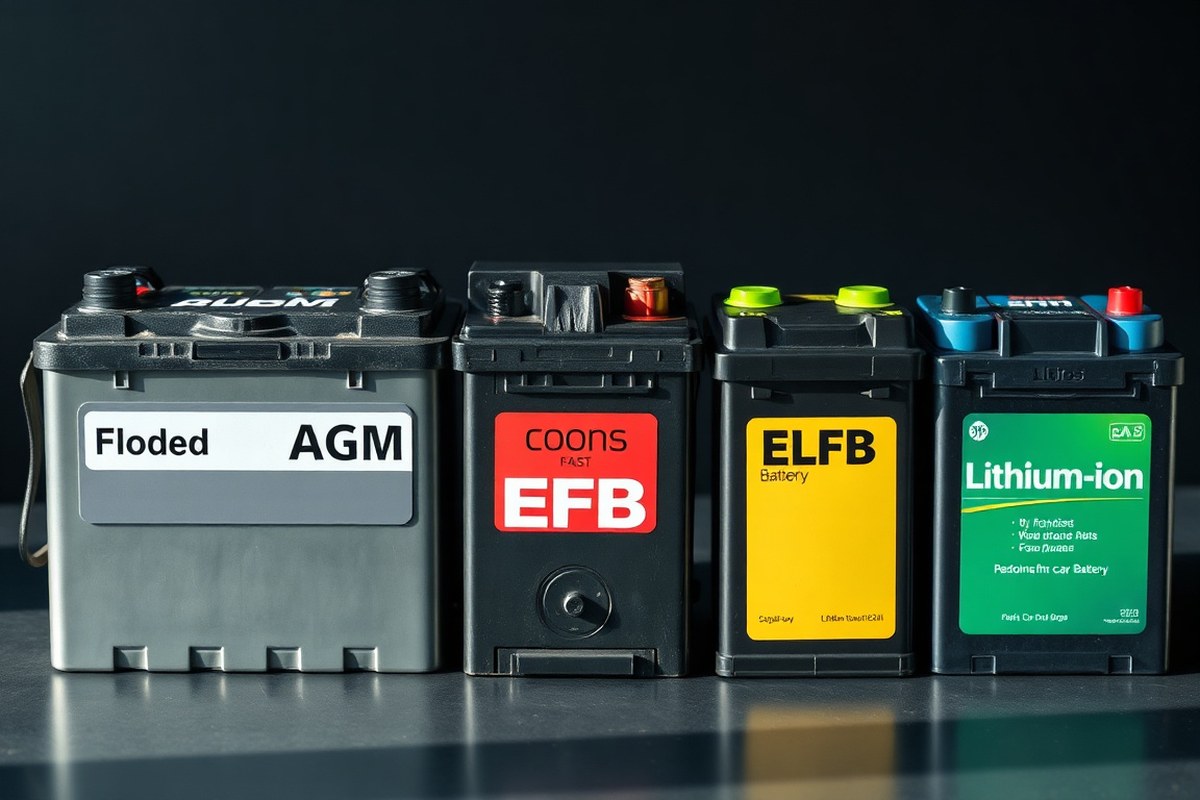
Different types of car batteries have distinct lifespans and uses. Standard flooded lead-acid batteries generally last 3 to 5 years.
Advanced flooded types like AGM and EFB can last up to 6 years. Lithium-ion batteries in hybrids and EVs often last around 10 years or more.
Flooded Lead-Acid Batteries
Flooded lead-acid batteries are the traditional type used in most gas-powered vehicles. They cost between $100 and $160 and usually last about 3 to 5 years. These batteries need periodic maintenance, like checking and refilling the water level.
Batteries face heat and vibration, which can shorten their lifespan. Driving in extreme conditions speeds up this wear.
Rarely using your car also hurts battery life. These batteries are simple and affordable but don’t perform as well in high electrical demand situations.
Advanced Flooded Batteries (EFB and AGM)
Flooded batteries, EFBs, and AGM types are for newer cars. These batteries handle more electrical needs than older models. They suit vehicles with advanced features well.
EFBs are common in vehicles with start-stop systems, lasting around 4 to 6 years. They cost roughly $150 to $220.
AGMs handle faster charging and deep cycling better than flooded or EFB batteries. These batteries usually last 4 to 7 years. Their life depends on use and conditions.
Prices range from $180 to $350. Both EFB and AGM batteries are sealed and maintenance-free, unlike flooded types.
Lithium-Ion Batteries for EVs
Lithium-ion batteries power most hybrids and electric vehicles. They are much more expensive, often costing $300 to over $1,000. Lifespan averages 8 to 12 years for these batteries.
Some may last as long as 15 years. Moderate conditions help extend battery life.
These batteries weigh less and store more energy, helping increase vehicle range. They require specific management systems to avoid damage and degradation. Unlike lead-acid, lithium-ion batteries need less upkeep but replacement can be costly.
| Battery Type | Typical Price (USD) | Expected Lifespan (Years) | Common Warranty (Months) | Typical Use |
|---|---|---|---|---|
| Flooded Lead-Acid | $100, $160 | 3, 5 | 24, 36 | Conventional vehicles |
| Improve Flooded Battery (EFB) | $150, $220 | 4, 6 | 36 | Start-stop system vehicles |
| Absorbent Glass Mat (AGM) | $180, $350 | 4, 7 | 36, 48 | High electrical demand cars |
| Lithium-Ion (LiFePO4) | $300, $1,000+ | 8, 12 (up to 15) | 36, 60 | Hybrids and electric vehicles |
Choosing the right battery type matters for your vehicle’s electrical system and overall performance. Using a battery not meant for your car can reduce its lifespan and cause electrical issues.
The upfront cost varies a lot. But investing in a longer-lasting battery often saves money over time.
Always choose a battery that fits your car’s needs. Wrong types can cause electrical issues. Using the right one helps your battery last longer.
What Environmental Factors Shorten Battery Life?
Heat speeds up the chemical reactions inside your car battery. This causes the battery fluid to evaporate faster, which reduces battery life. In very hot regions, batteries often last only three years.
Heat stress causes this shorter lifespan. The heat weakens battery parts faster than normal.
Cold temperatures slow down a battery’s chemical reactions, making it harder to start your car. Freezing weather can also cause the battery to lose charge more quickly. While cold doesn’t usually damage the battery permanently, it weakens performance until the engine warms up.
High humidity can increase corrosion on the battery terminals and connectors. Corroded terminals reduce the battery’s ability to deliver power. You can stop corrosion by keeping battery terminals clean.
Keep terminals dry, especially in wet or coastal areas. This helps your battery work better and last longer.
Vibration harms battery life by loosening the internal components and connections. The battery must be tightly secured to avoid damage. Rough roads can shake and harm an unsecured battery.
This shaking can cause internal damage to the battery. Check that your battery hold-down clamp is tight.
The battery should not move at all inside its tray. Moving can make the battery fail sooner than usual.
Location is a big factor in battery lifespan. Cars parked in a shaded garage stay cooler, which slows battery wear.
In contrast, vehicles left in direct sunlight or hot driveways face faster battery fluid loss. Cold climates mainly affect starting power and may need batteries with better cold-cranking amps.
Using a battery blanket or thermal wrap helps in very cold or very hot places. These insulators keep the battery closer to an ideal temperature range, around 70°F (21°C). This simple step can extend your battery life by months or even years in extreme climates.
How Driving Habits Influence Battery Longevity
Frequent short trips can hurt your car battery’s health. Starting your engine uses a lot of energy. But drives under 10 miles often don’t recharge the battery fully.
This “undercharging” hurts the battery over time. It can reduce its life by up to half. AAA reports this effect clearly.
Idling your engine doesn’t really help the battery either. The engine runs, but the alternator is not working enough. It can’t fully recharge the battery during long idling.
Long stops at traffic lights or parked with the engine on don’t keep the battery charged well. The charge drops during these times.
Driving your car on longer trips often helps keep the battery charged. AAA recommends running your car once a week for 20 minutes. This allows the alternator to charge the battery to about 12.6 volts or more.
- Keep trips longer than 10 miles to allow full battery charging.
- Limit engine idling; drive to recharge instead.
- Drive your car at least once a week for 20 minutes or more.
- Use a battery maintainer if not driving for weeks or during winter.
- A 12.6-volt resting battery means good charge; below 11.9 volts means dead battery.
- Watch for slow engine cranking; it could indicate battery issues.
Using a battery maintainer is a smart move if you can’t drive often. These devices keep the battery topped off without overcharging.
Also, frequent use of accessories like lights or radios on short trips drains the battery faster. So keep that in mind.
Keeping proper driving habits saves you money and hassle. Longer drives let the alternator properly recharge.
Avoid short hops or long idling to reduce battery wear. Doing these simple things helps your battery last closer to its maximum lifespan.
Warning Signs Your Car Battery May Be Failing
Slow cranking or a clicking sound shows the battery is struggling. This happens when it can’t deliver enough power. It often means the battery is weak or dying.
You might also notice headlights dimming, especially when the engine idles. These are signs your battery can’t hold a full charge and its cranking power is slipping.
Blue or white corrosion shows up on battery terminals. It cuts electrical flow and can prevent the car from starting. Cleaning this corrosion helps restore good connections.
A swollen or bubbled battery case means the battery is damaged internally from overheating or overcharging. Both issues harm the battery’s function and often lead to complete failure.
Flickering dash lights, slow power windows, or a radio cutting out show a weak battery. These electrical problems warn you the battery might fail. Watch for these signs.
These happen because the battery can’t power all your car’s electrical parts fully. A battery or charging system warning light appears on the dashboard.
This light tells you to get your system checked soon. Don’t ignore this direct alert.
- Slow engine crank or just clicks when starting
- Dim or flickering headlights, especially at idle
- Battery or charging system warning light on dash
- Corroded battery terminals with blue or white powder
- Swollen, bulged, or cracked battery case
- Electrical accessories working poorly or inconsistently
- Battery needs frequent jump-starts or charging
Check battery terminals two times a year for corrosion. Clean them well to keep a strong connection. This helps avoid starting problems.
Checking these signs early helps avoid getting stranded. Test batteries older than 3 to 5 years twice each year. Regular testing helps catch problems early before they cause trouble.
Waiting too long can leave you stranded. Repair shops can test voltage and cranking amps for around $15 to $30. Smell rotten eggs near the battery?
That shows acid leaking. Leaking acid means serious battery trouble and needs attention fast.
How to Test Your Car Battery at Home Accurately
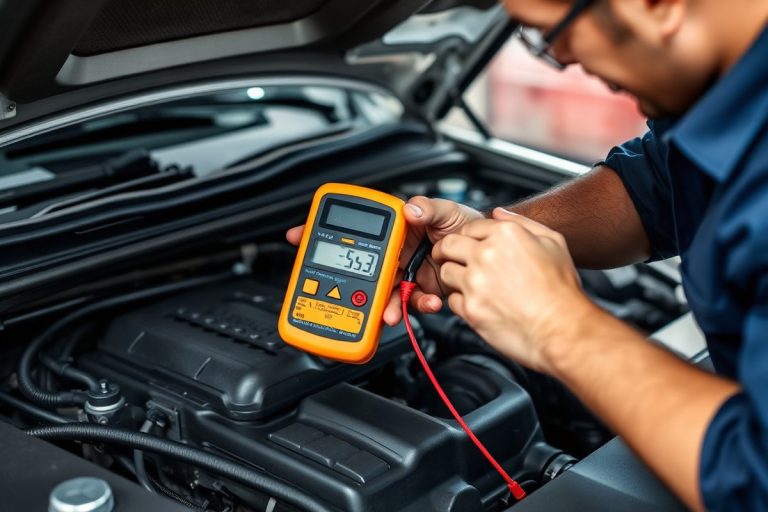
Testing your car battery at home needs just a multimeter and some care. First, measure its resting voltage with the engine off. A fully charged health battery reads about 12.6 volts.
Below 12.4 volts, it shows weakening power, and under 12.2 volts likely means it’s dead. Testing cold cranking amps (CCA) at home isn’t simple without special tools. So focus on voltage tests.
Preparing the Battery for Testing
Turn off your car and all electrical accessories before testing. The battery should rest for at least one hour after the car has been off. This pause ensures an accurate resting voltage reading without influence from recent engine use.
Clean the terminals if they look dirty or corroded. Dirt can cause poor contact and false voltage readings. Wear gloves to keep your hands safe during prep steps.
Measuring Voltage at Rest
Set your multimeter to the 20-volt DC range for testing. This range matches normal car battery voltage and detects minor shifts clearly. Connect the red probe to the positive terminal and the black probe to the negative one.
Hold the leads steady and read the multimeter display. A healthy battery usually shows about 12.6 volts.
Numbers between 12.4 and 12.6 volts mean the battery has medium charge but may need attention soon. You’ll see 12.2 volts or less if the battery is weak or failing.
Interpreting Voltage and Load Test Results
Resting voltage gives a quick health snapshot but doesn’t show cranking strength. A battery can have good resting voltage but still fail to start the engine. That’s because it lacks cold cranking amps (CCA) needed to turn the engine at low temperatures.
Testing CCA requires a load tester or a professional service. A fast voltage drop during engine start suggests your battery might have a low CCA. AAA and many auto shops offer free battery load tests to check this safely and accurately.
- Turn off the car and let the battery rest for 1 hour.
- Set the multimeter to 20V DC range.
- Touch red lead to positive terminal, black lead to negative.
- Hold leads steady and read voltage on the multimeter.
- Compare reading: 12.6V is healthy; 12.4-12.6V needs watch; below 12.2V means weak/dead.
- For deeper testing, visit a professional for a CCA load test.
Choosing the Right Replacement Battery for Your Car
Pick a car battery that fits your vehicle’s size. Match the cold cranking amps with what your car needs. Choose a battery type that suits your driving habits.
Use the owner’s manual to find the exact group size and recommended CCA rating. Choosing right avoids fitting issues and starting problems.
Understanding Battery Group Numbers
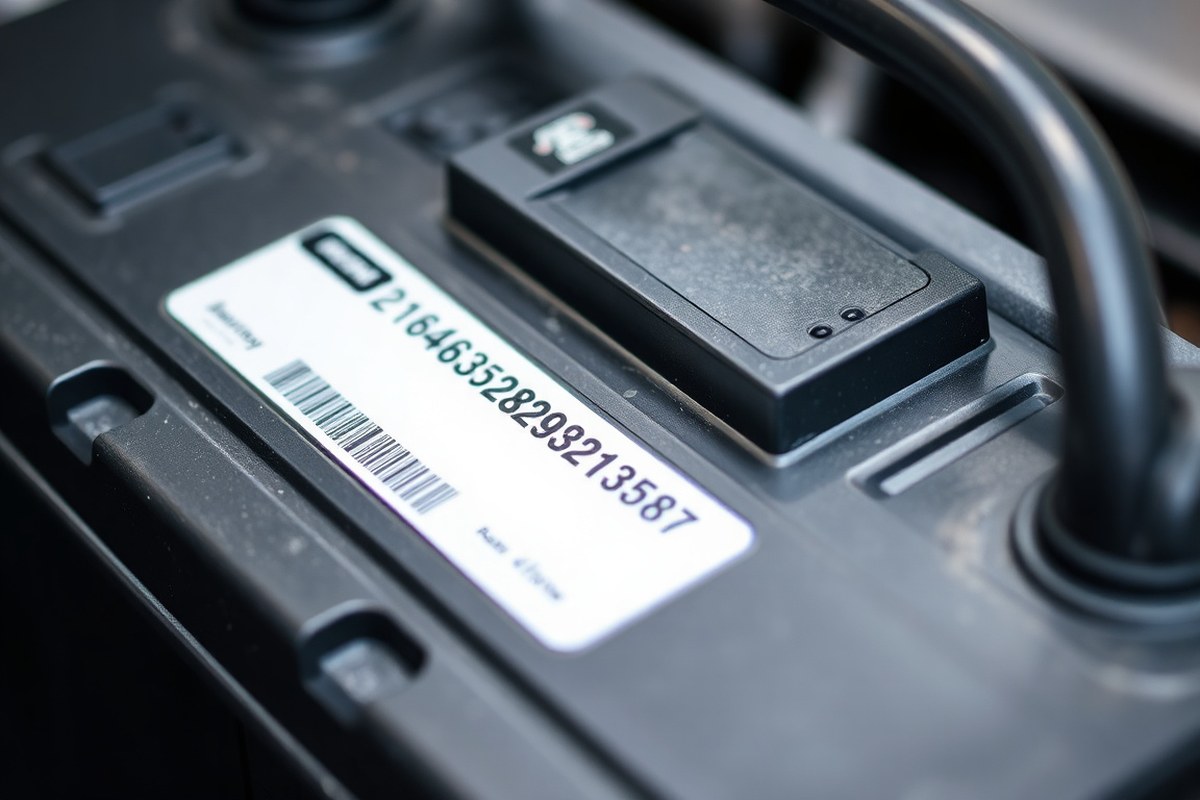
A group number shows the battery’s physical size and terminal layout. For example, Group 24 fits certain cars with specific hold-down brackets and cable connections. This number ensures your battery fits securely without loose movement.
Buy the group size listed in your car’s manual or under the hood near the battery. Using the wrong size risks poor contact or damage to cables. Group numbers also help when shopping so you can filter compatible options quickly.
Matching Cold Cranking Amps to Vehicle Requirements
Cold Cranking Amps (CCA) measure a battery’s ability to start an engine in cold weather. Higher CCA means stronger starting power, which is important in freezing conditions. Your car needs a minimum CCA to start reliably, especially if you live somewhere cold.
Check the CCA rating recommended for your vehicle in the manual. Buy a battery with at least that CCA rating or slightly higher to ensure good starts. Cutting costs on CCA can lead to weak starts or failure in winter.
- Locate your recommended CCA in the owner’s manual.
- Compare CCA numbers on new batteries to meet or exceed that value.
- Consider climate: colder regions need higher CCA for reliable starts.
- Don’t buy a battery with lower CCA than your car’s spec.
- A slight increase in CCA above minimum is safe and can help performance.
The best battery has a group size and CCA rating that both fit your vehicle. This balance avoids installation trouble and offers strong starts in cold weather.
Considerations for Battery Chemistry Upgrades
Regular lead-acid batteries suit most vehicles, but AGM or lithium types offer benefits. AGM batteries resist vibration better and last longer in stop-start driving. Lithium batteries weigh less and hold a charge longer but cost more upfront.
Check if your car supports AGM or lithium by asking a mechanic or reading the manual. Upgrading can improve battery life but comes with a higher price, typically $100 to $200 more. For everyday drivers, a quality lead-acid battery usually works fine.
- AGM is a good option if you want better durability and maintenance-free use.
- Lithium batteries suit drivers looking for lightweight and long life.
- Make sure your vehicle’s charging system works well with lithium types.
- Check warranty and expected lifespan when comparing battery types.
- Professional installation might be required for AGM or lithium batteries.
Match battery chemistry to how you drive and your budget. Both alternatives work well but may not fit every car or driver’s needs.
Essential Maintenance Tips to Extend Battery Life
Keeping your car battery clean and secure helps it last longer. Check the battery terminals every few months.
Use a wire brush and a mix of baking soda and water to remove corrosion safely. Always wear gloves and eye protection when cleaning the battery.
Make sure connections are tight but avoid overtightening. Loose cables cause poor contact and can drain your battery quickly. After cleaning, dry the terminals fully before reconnecting the cables to prevent new corrosion.
Test your battery at least twice a year, especially before winter and summer. Cold and hot weather stresses the battery differently. Many auto shops test batteries for free.
You can buy a digital tester too. These testers usually cost about $20.
- Clean terminals with a baking soda-water mix and a wire brush
- Wear gloves and eye protection during cleaning
- Check cable connections and tighten if loose
- Test battery voltage twice a year (below 12.4 volts means recharge)
- Use a battery maintainer for vehicles parked long-term
- Keep battery top dry and free from dirt
- Avoid short trips that don’t fully recharge the battery
A battery maintainer plugs into a wall outlet and connects to the battery terminals. It gives a slow, steady charge to the battery. This helps stop your battery from dying.
It works well during low driving times. These devices cost $20 to $50.
They can extend your battery’s life by months. Use them properly for best results.
While cleaning, avoid touching both terminals at once with a metal tool. A spark or short can cause injury or damage.
Also, never remove the battery while the engine is running. Doing so can harm your car’s electrical system.
Always disconnect the negative terminal first and reconnect it last to avoid shorts or shocks.
When to Replace Your Car Battery and Recycling Options
You can replace your car battery if it won’t hold a charge. Run tests to check charge levels. Replace it when test results show failure.
A normal battery voltage is about 12.6 volts when the engine is off. The voltage drops below 12 volts means the battery is weak.4 volts on a fully charged battery, it may need replacement rather than just a recharge.
More detailed checks, like a load test, help decide if replacement is needed. This test measures the battery’s ability to keep voltage under a heavy electrical load. AAA’s Mobile Battery Service uses load tests to check batteries.
Load tests find problems better than voltage checks alone. This gives more reliable battery health info.
The battery should be tested often once it hits 3 years old. Regular checks help avoid sudden battery failure. Batteries older than that often lose capacity, especially in cold weather or with short trips.
A weak battery can cause dim lights and slow engine starts. It may also trigger warning lights on your dashboard.
When it’s time to replace, remove the old battery carefully using gloves and eye protection. Most auto parts stores accept old batteries for recycling at no extra charge.
About 98 percent of lead-acid car batteries are recycled in the US. This helps keep harmful materials out of landfills.
Return your old battery to the store or a local auto shop. They handle proper recycling for you. They ensure it’s recycled properly.
Don’t throw car batteries in the trash since they contain acid. Acid and lead harm the environment badly.
Proper recycling also recovers valuable materials used in new batteries. You might pay a small deposit when buying a new battery.
This deposit is refunded when you recycle your old one. This system encourages safe disposal and keeps the recycling rate high.
Step-by-Step Action Plan to Keep Your Car Battery Healthy
Follow these steps regularly to extend your battery’s life and avoid surprises. Testing and maintenance are key for reliable starts.
- Day 1: Check your battery terminals for corrosion. Clean any buildup with a brush and baking soda. You’ll know it worked if the contacts look shiny and clean.
- Week 1: After your car has been off a few hours, test your battery voltage. Use a multimeter to measure the voltage carefully. This gives you a good baseline reading. It should read around 12.6 volts or higher for a healthy battery.
- Week 2: Inspect your battery’s case for any swelling or cracks. Replace the battery if you find damage, as it won’t hold charge well.
- Month 1: Review your driving habits. Make sure trips last at least 20 minutes to fully charge the battery during drive time. Short trips can drain it.
- Month 2: Secure your battery and terminals. A loose battery can cause vibrations that shorten battery life. Tighten any hold-downs or clamps.
- Month 3: Apply a thin coat of petroleum jelly to the terminals to prevent corrosion. It should stay clean and free of white crust.
- Every 6 Months: Have your battery and charging system tested professionally, especially before extreme weather seasons. This helps catch early problems.
Frequently Asked Questions
Can Extreme Weather Conditions Permanently Damage Car Batteries?
Yes, extreme heat or cold can reduce battery life by causing internal damage. Protect your battery by parking in shaded or insulated areas when possible.
How Often Should I Clean My Car Battery Terminals?
You should clean battery terminals every 6 months to prevent corrosion buildup. Corroded terminals can stop your car from starting and reduce battery efficiency.
Does Using Electronic Accessories with the Engine Off Drain the Battery?
Yes, using electronic accessories without the engine running can quickly drain the battery. Limit use of devices like radios or phone chargers when the car is off.
Can Frequent Short Trips Wear Out a Car Battery Faster?
Yes, frequent short trips don’t give the battery enough time to recharge fully. Try to take longer drives or charge the battery if you mostly do short trips.
Is It Safe to Jump-Start a Dead Car Battery Multiple Times?
Jump-starting works but repeated attempts can damage the battery or electrical system. Use it only as a temporary fix, then get the battery tested or replaced.
Before You Go
Most car batteries last three to five years but conditions change that. Keep a close eye on battery health with regular checks. Replace your battery before it fails to avoid getting stranded.