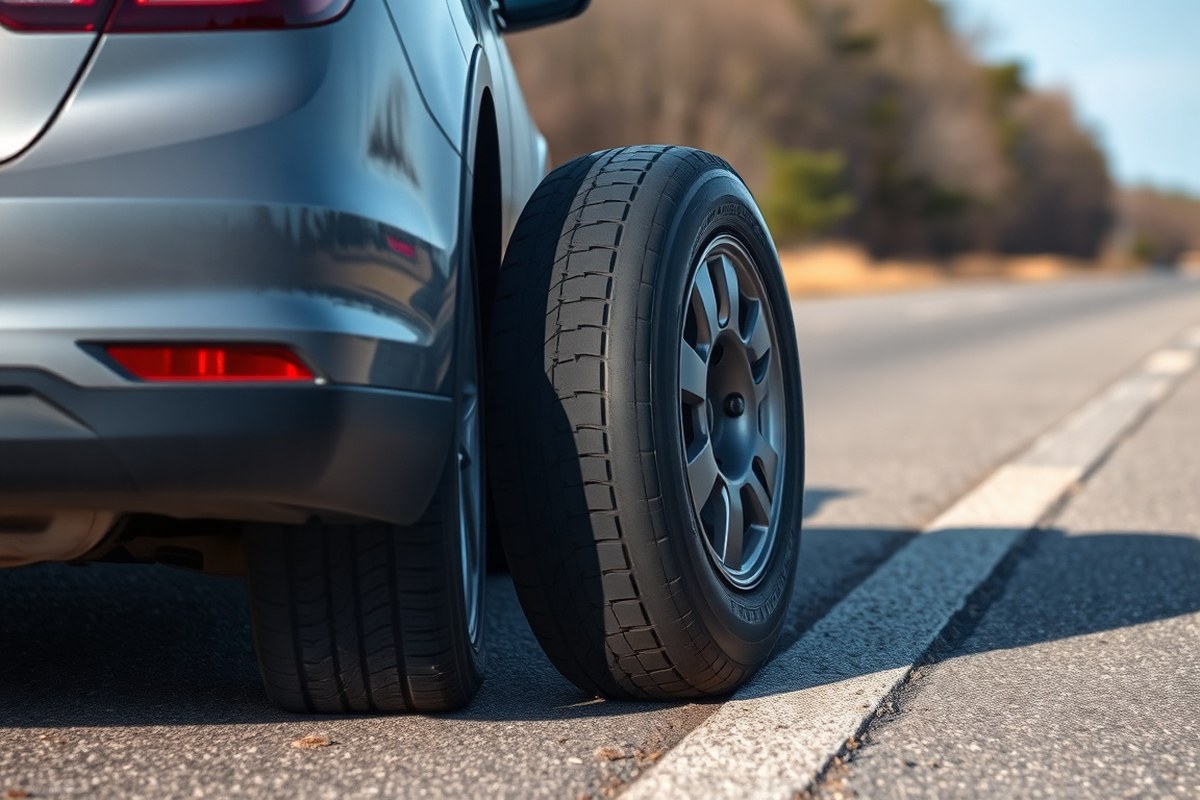
How Long Can You Use a Spare Tire? Complete Safety and Usage Guide
Wondering how long can you use a spare tire safely? You should limit your driving distance to about 50 miles on a temporary spare. Drive no faster than 50 miles per hour to protect the tire.
Keeping this speed helps reduce wear and strain on the spare tire. Slow down more on rough roads or sharp turns to stay safe.
Temporary spare tires, called donuts, are smaller and not built for long use. You should not drive more than 50 miles on a donut tire. Fix or replace your normal tire right after using the spare.
Full-size spare tires last longer but also age and degrade with time. Check the tire’s age and condition before relying on it. Tires often need replacement after six years, even if unused.
Key Takeaways
- Use a temporary spare tire for no more than 50 miles.
- Drive at or below 50 mph when using a temporary spare.
- Full-size spares should be inspected after six years of age.
- Replace tires and spares older than six to ten years, despite tread.
- Temporary spares reduce vehicle handling, so drive cautiously.
- Avoid using a spare tire for normal daily driving or long trips.
How Long and How Far Can You Drive on a Spare Tire?
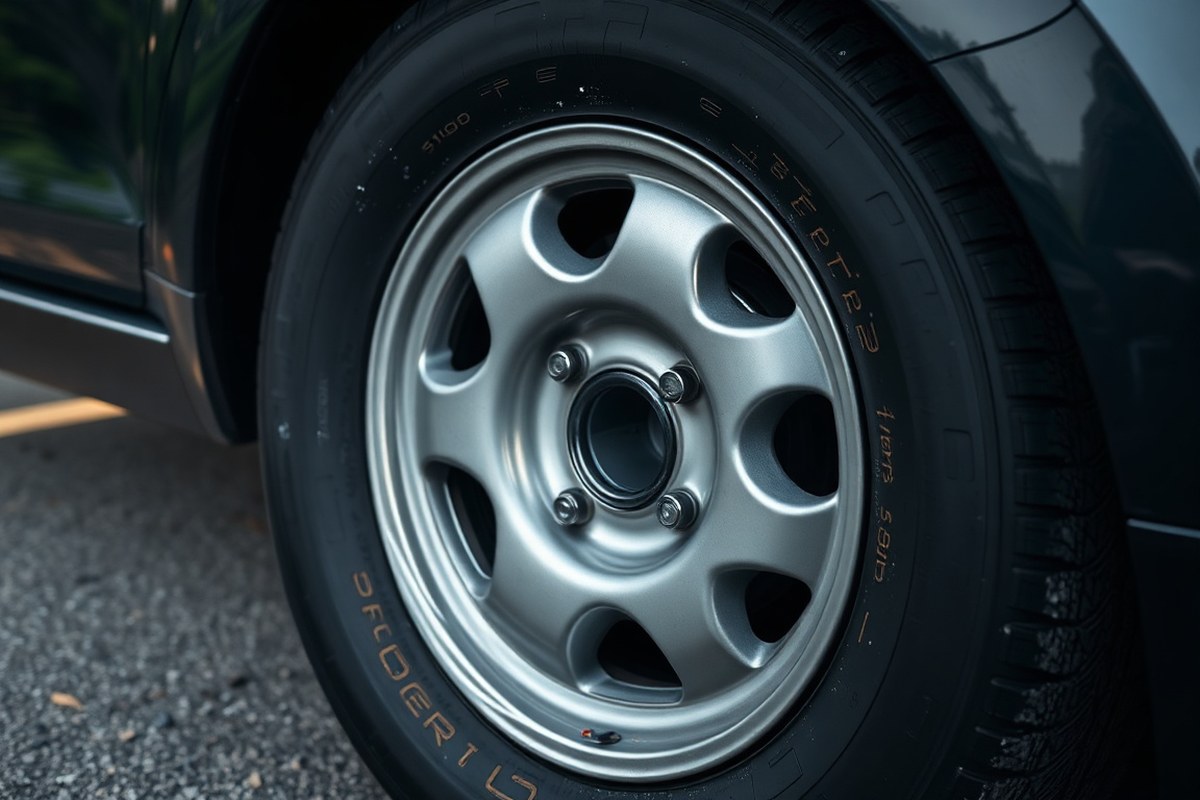
Driving on a spare tire is meant to help you reach a repair shop safely. Most temporary spare tires, often called “donuts,” should not be driven more than 50 miles. This distance limit helps avoid tire failure.
Temporary spares have less tread. They also have weaker construction than regular tires.
Time isn’t strictly limited; it’s about how far you drive on the spare. You can use a temporary spare for a few days. Keep your trips short.
Drive slowly during this time. Manufacturer guidelines say keep your speed at or below 50 mph.
This prevents damage. Follow this rule while using a temporary spare.
You can drive normally with a full-size spare that matches other tires. No special distance limits apply. No time limits either.
Just check its pressure and age before use. A run-flat tire has similar distance limits as a donut tire.
Usually about 50 miles. Speed limits are also about 50 mph.
Remember why these limits matter: temporary spares have less traction and are less durable. Driving more than 50 miles or faster risks tire failure. It can also cause loss of control.
Replace the spare with a proper tire as soon as possible. This helps you stay safe on the road.
What Types of Spare Tires Exist and How Do They Differ?
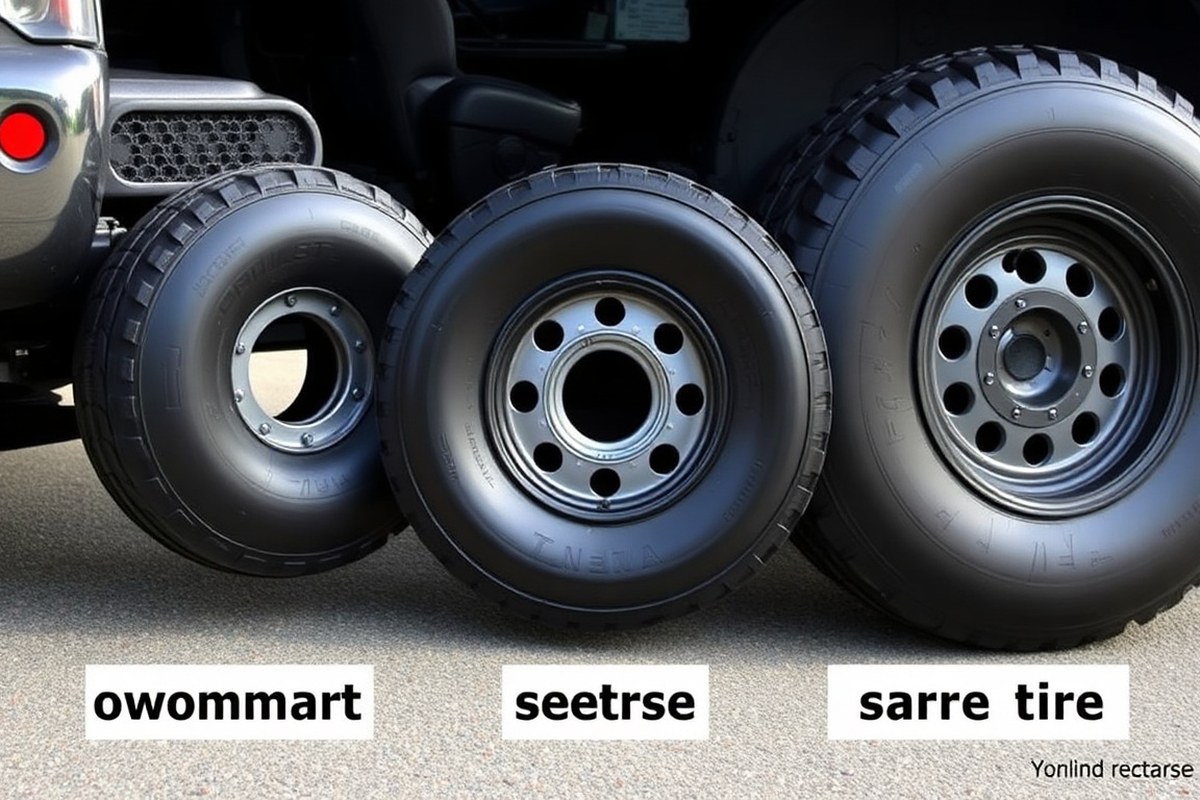
Spare tires mainly come in three types: compact or donut spares, full-size spares, and expandable/inflatable spares. Each type fits different vehicles and has distinct features. Knowing their differences helps you use the right spare safely and effectively.
Compact or Donut Spar Spare Tires
Compact spares, also called donut spares, are smaller and narrower than regular tires. They usually have a tread depth of about 3/32″ to 4/32″, much less than full-size tires. This makes them lighter and easier to store but less durable.
These spares need higher inflation pressure, often around 60 psi, to work properly. Usually, you should keep speeds below 50 mph. Most passenger cars use donut spares to keep space and weight down.
Full-Size Spare Tires
Full-size spares have tread depths similar to regular tires, between 10/32″ and 11/32″. They match your vehicle’s other tires in size and tread pattern. Bigger vehicles like SUVs, pickups, and Jeeps usually carry full-size spares.
These spares support normal driving speeds and can handle longer distances. However, older full-size spares more than six years old should be checked carefully for dry rot. Tire manufacturers advise replacing all tires after 10 years regardless of wear.
Expandable and Inflatable Spares
Some luxury or sports cars use expandable or inflatable spares that inflate quickly when needed. Brands like Porsche, Audi, and Ferrari feature these systems. They save space while still offering temporary mobility.
Expandable spares inflate with a canister or pump mechanism during emergencies to reach needed pressure. These go beyond donut spares but still aren’t designed for unlimited speed or distance. Follow your owner’s manual for usage limits carefully.
The table below compares the main features of each spare type:
| Type | Tread Depth | Inflation Pressure | Speed Limit | Typical Usage | Vehicle Common Use |
|---|---|---|---|---|---|
| Compact / Donut | 3/32″ to 4/32″ | ~60 psi | ~50 mph | Short distances, emergencies | Most passenger cars |
| Full-Size | 10/32″ to 11/32″ | Matches regular tires | Normal driving speeds | Longer trips, regular use | SUVs, pickups, Jeeps |
| Expandable / Inflatable | Varies; inflates on use | Inflates to proper pressure | Varies, usually <50 mph recommended | Emergency only, temporary | Luxury / Sports cars |
Choosing the right spare depends on your vehicle type and driving needs. Compact spares save space but limit speed and distance.
Full-size spares give more freedom but take more storage space and weight. Expandable spares offer a middle ground for select vehicles.
Check the spare tire inflation pressure regularly, especially with donut spares requiring higher psi. Proper pressure avoids unsafe driving conditions.
What Speed Limits Apply When Driving on a Spare Tire?
Driving speed on a spare tire depends on its type and the road conditions. Donut spares have lower speed limits than full-size spares. Weather also affects how fast you should go when using a spare tire.
Speed Limits for Donut Spare Tires
Donut spares are small, temporary tires designed to get you to a repair shop. Keep your speed under 50 mph to avoid damaging the spare or your vehicle. The smaller size means they spin faster and wear quicker than regular tires.
Donuts require proper inflation, usually around 60 psi, to maintain control and stability. Exceeding speed limits risks reduced traction and can cause handling issues. Follow your owner’s manual or the tire’s sidewall for exact speed recommendations.
Full-Size Spare Tire Speed Guidelines
A true full-size spare matches your regular tires in size and tread type. When properly inflated and well maintained, you can drive on it at normal highway speeds. This makes it safer for longer trips than a donut spare.
Still, limit your driving distance and inspect the tire frequently. Using a full-size spare long term without replacement can cause uneven tire wear and drivetrain stress. Aim to repair or replace the original tire as soon as possible.
Adjusting Speed for Weather Conditions
Rain, snow, or ice reduce traction, and spare tires are more prone to hydroplaning. In wet or slippery conditions, lower your speed below the spare’s recommended limit. Smooth, gentle inputs to brakes and steering help maintain control.
Proper tire pressure and avoiding sudden maneuvers become even more critical in poor weather. Remember, spare tires are temporary fixes and not meant for aggressive driving or harsh road surfaces.
- Always keep donut spares under 50 mph
- Drive full-size spares at normal speeds if matched and inflated
- Lower speeds in rain, snow, or icy roads
- Check tire pressure before driving on a spare
- Follow your owner’s manual for specific speed and distance limits
- Prioritize getting to a repair shop quickly but safely
How Does Spare Tire Age and Storage Affect Safety?
Spare tires can become unsafe after about 6 to 10 years. Rubber breaks down with age, even if the spare never touched the road. Most manufacturers suggest replacing spares in that timeframe to avoid unexpected failure.
Unused rubber still loses strength and flexibility. Heat, sunlight, and moisture speed up this process. A spare stored in a hot garage or outside breaks down faster.
You should keep it in a cool, dry spot. That helps it last longer.
Look closely at the spare’s rubber before using it. Press your thumb against the tread and sidewall to check for damage. Look for cracks, dry rot, or hard spots.
These signs mean the tire may be unsafe. The rubber is brittle or has deep cracks.
You need to replace the tire. Never use a tire that looks damaged like this.
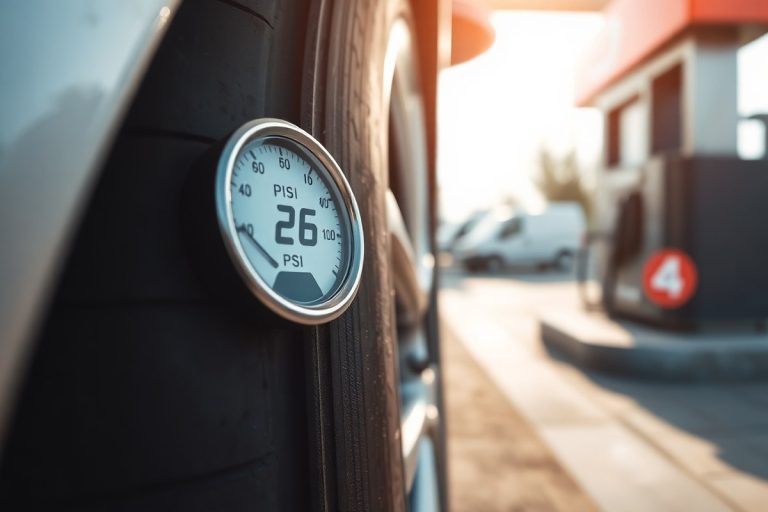
Make sure the spare tire holds the correct pressure. Compact spares often need about 60 PSI, which is more than regular tires. Check pressure monthly and before any trip to avoid flat or damaged spares.
Keep the spare off the ground and out of direct sunlight. Stay away from ozone sources like electric motors and chemicals like gasoline. This protects the tire’s rubber.
A spare under your vehicle gets more weather exposure. You should check it more often than a stored tire.
Look for signs of wear or damage each time. Covering it with a tire bag also helps reduce damage from the elements.
Spare tires usually wear out from age, not use. So replacement is safer than delay. You might only drive a few miles on the spare tire.
Still, change back to a regular tire as soon as possible. Don’t use the spare for long distances. This keeps your car handling predictable and avoids damage to the drivetrain, especially on all-wheel-drive vehicles.
How to Inspect and Maintain Your Spare Tire for Road Readiness?
Check your spare tire pressure monthly to keep it ready for use. Spares lose air even when not in use, so regular checks prevent surprises. Use a tire gauge to measure the pressure and inflate it to the manufacturer’s recommended PSI.
Always find the correct pressure listed in your owner’s manual or on the tire’s sidewall. This PSI is often higher than your regular tires, sometimes around 60 PSI for compact spares. Proper inflation helps the spare handle the load safely and improves its lifespan.
Look closely at the spare before you use it. Inspect the rubber for cracks, dry rot, or any damage. Spare tires age just like regular tires.
Rubber can dry out over time. The tread can also wear, making them unsafe.
- Check pressure with a reliable gauge monthly and before long trips
- Inflate to manufacturer’s recommended PSI, often on the tire sidewall
- Inspect the tread for wear; don’t use if below 2/32 inch depth
- Look for cracks, dry rot, or signs of rubber breakdown
- Check the valve stem for damage or leaks
- Keep the spare clean and dry in its storage spot
- Follow your vehicle’s manual for any specific spare tire care steps
Remember to check spare pressure every time you check your regular tires. It only takes a minute but keeps your emergency tire ready. Dry rot looks like small cracks or brittle rubber.
It means the spare is bad. You should replace the spare right away.
Don’t use a spare with dry rot. Lower air pressure also makes it unsafe. Replace or fix the tire before driving.
Store your spare in a dry place, away from heat or sunlight. This helps the rubber stay flexible longer. Check your spare twice a year for cracks and wear.
This helps you avoid problems. You get peace of mind on the road.
What Safety Risks Exist If You Exceed Spare Tire Limits?
Driving too far on a donut spare can cause tire failure. Donut spares are smaller and thinner than regular tires. This size difference puts strain on the tire.
It can cause a blowout if pushed too far. Avoid driving too long on mismatched tires.
Exceeding speed limits also raises accident risks. Donut spares are not designed for high speeds. Driving too fast on one makes handling worse, increasing the chance of losing control.
Using a spare tire for too long can damage your vehicle’s drivetrain. This problem is especially serious for all-wheel or four-wheel drive cars. Different tire sizes force the differential and transmission to work harder, possibly leading to costly repairs.
Uneven wear happens when you overuse a spare tire. It can affect suspension, brakes, and alignment. Driving hundreds of miles on a donut wears suspension unevenly.
This leads to pulling or vibration while driving. Donut tires are not made for long trips.
Drivetrain stress is another hidden risk. The smaller spare tire spins faster than others.
This mismatch strains your car’s gears and axles, increasing repair costs. AWD and 4WD vehicles are particularly vulnerable to this damage.
Replace the spare with a regular tire soon. Most makers advise against driving over 70 miles on a donut. Keep your speed below 50 mph to prevent damage.
Regularly check your spare tire’s pressure and condition before use. A poorly inflated or worn spare is more likely to fail.
Notice cracks or worn tread on the spare? Replace it right away, even if you haven’t used it.
Ignoring these precautions can lead to accidents and expensive car problems. For example, a blown donut tire on a highway could cause a sudden loss of control.
Damage to the drivetrain on AWD cars can cost thousands in repairs. Treat spare tires as temporary fixes only to avoid these hazards.
How Should You Adjust Your Driving When Using a Spare Tire?
When you drive on a spare tire, your car won’t handle like usual. The spare has less grip, so take turns slower and brake earlier than normal. Sharp turns can make your car unstable, so avoid them when possible.
Acceleration should be smooth and gradual. Sudden speed changes can cause loss of control because spares offer reduced traction. Keep your speed steady and under 50 mph to reduce risks and keep control.
It’s best to avoid highways or rough roads. Most temporary spares aren’t built for long stretches or uneven surfaces. Rough roads can damage the spare or cause it to wear out faster.
- Drive under 50 mph and keep speed steady
- Allow extra stopping distance to brake gently
- Take corners slowly and avoid sharp turns
- Avoid highways when possible, especially temporary spares
- Skip rough or uneven road surfaces
- Accelerate smoothly without sudden bursts
Following these tips lets you maintain better control and reduces wear on the spare. Sharp or sudden moves can cause slipping or damage. Driving carefully helps you get to a repair shop safely.
When Should You Replace Your Spare Tire Even If It’s Unused?
Spare tires can sit in your trunk for years. But you shouldn’t keep them longer than 6 to 10 years without checking.
The rubber dries out and weakens even if the tire hasn’t moved. This aging can cause cracks or bubbles that lead to sudden tire failure.
Look closely for visible cracks on the sidewall or tread. Bulges, deep cracks, or dry rot signal the tire needs replacing.
Also, check if the spare matches the size and brand of your driving tires. Using a different tire type or worn spare can affect your car’s handling and safety.
| Spare Tire Age (Years) | Recommended Action |
|---|---|
| 0 – 3 | Inspect regularly; usually safe if stored properly |
| 4 – 6 | Inspect every six months for wear and air pressure |
| 6 – 10 | Replace even if unused; check for cracks and dry rot |
| Over 10 | Replace immediately; risk of tire failure is high |
Check your spare tire’s pressure every six months since it naturally loses air while stored. Use a simple pressure gauge to keep it at the vehicle manufacturer’s recommended PSI. Low pressure damages the tire and can cause handling problems if you need to use it.
Many manufacturers suggest replacing tires after 6 to 10 years, even if the tread looks fine. Age often matters more than tread for spares because older rubber loses strength over time.
Regular tires exposed to daily wear wear out faster. But spares can become unsafe just sitting unused.
Don’t wait for an emergency to find your spare tire flat or cracked. Check it twice a year.
If you find cracks, bubbles, or if the spare doesn’t match the other tires, replace it. Buying a new tire costs between $50 and $200 depending on the size and brand. Matching the tire makes sure your car stays balanced and drives correctly.
What to Do Immediately After Installing and While Using a Spare Tire?
You should check your spare tire and surrounding area right after installing it. Drive carefully and head straight to the nearest repair shop. Use a full-size spare only like the original tire and not for long trips.
Immediate Safety Checks
Check the spare tire’s pressure even if it looks fine. A donut spare tire usually needs about 60 psi, which is higher than normal tires. Check for any loose lug nuts on the wheel.
Tighten them using a wrench as needed. Make sure each nut is secure before driving.
Also, make sure the spare is seated properly on the hub. Spin the wheel slowly by hand if you can, listening for wobbling or rubbing sounds. Confirm all your warning lights are off and the brakes feel normal before driving.
Planning Your Next Steps
Drive carefully and avoid high speeds until you reach the tire shop. Donut spares are meant for about 50 to 70 miles. So plan to get there quickly.
You can drive longer with a full-size spare that matches your tires. Watch how your car handles and check for uneven wear.
Contact roadside assistance if you feel unsafe or the spare tire has issues. They can help change the tire again or tow your car.
Always tell them you installed a spare. So they bring the right tools or replacement.
When to Seek Professional Repair
Get your flat tire fixed or replaced as soon as possible. Donut tires aren’t made for daily driving or highway speeds.
Consider rotating a full-size spare into your tire set after repair. This helps balance wear evenly across all tires.
Ask the technician whether repairing the original tire is safe or if you need a replacement. Sometimes a puncture is fixable if it’s outside the sidewall area.
A repaired tire usually costs around $20 to $30. A new one can be $100 or more.
- Check tire pressure on the spare and inflate if below recommended psi.
- Tighten all lug nuts securely with a wrench or lug wrench.
- Ensure the spare tire fits flush against the hub without gaps.
- Drive cautiously at or below 50 mph on a donut spare, avoid sharp turns.
- Contact roadside assistance for help if you feel unsafe or unsure.
- Head directly to a tire shop to repair or replace your original tire.
- Discuss with the shop if the tire can be safely repaired or must be replaced.
- Ask to rotate your matching spare tire into your set. It promotes even wear and longer tire life.
Step-by-Step Action Plan for Using Your Spare Tire Safely
Follow these steps to use your spare tire without risking damage or danger. Check each step to keep your journey safe and smooth.
- Before you start: Inspect the spare tire pressure and tread depth. Use a gauge to confirm it meets vehicle recommendations.
- Right after installation: Drive cautiously at no more than 50 mph. Notice if the car feels unstable or noisy.
- Within the first 10 miles: Avoid sharp turns and hard braking to prevent extra wear. Feel how the steering handles compared to normal.
- After 25 miles: Stop and check the spare tire again for heat or wear. When it feels unusually hot, take a longer break before driving.
- During use (up to 70 miles): Stay under 50 mph. Watch for any vibration or pulling. Adjust your driving to match road conditions.
- Immediately after use: Replace the spare with a full tire as soon as possible. Confirm the permanent tire is installed correctly and inflated.
- Once a month (for stored spares): Check spare tire pressure and condition on your parked vehicle. Inflate as needed to keep it ready.
- Every 6 years (even unused): Have the spare tire inspected by a pro and consider replacement. Old rubber can crack and lose strength.
Frequently Asked Questions
Can I Use a Spare Tire on All Four Wheels at Once?
No, spare tires are meant for one wheel only. They lack the durability for full replacement use on all wheels.
Does Driving on a Spare Tire Affect My Car’s Warranty?
Usually, using a spare tire as intended won’t void your warranty. Check your vehicle’s specific warranty terms to be sure.
Can I Use a Spare Tire in Snowy or Icy Conditions?
Temporary spare tires are not advised for winter driving. They have less traction and increase the risk of slipping.
How Often Should I Check the Air Pressure in My Spare Tire?
Check the spare tire’s pressure monthly. It can lose air over time, making it unusable in an emergency.
Will My Car’s Fuel Efficiency Change When Using a Spare Tire?
Yes, driving on a compact spare tire may lower fuel efficiency. It adds rolling resistance and can affect handling slightly.
Key Points to Remember
Your spare tire is a temporary fix, not a long-term solution. Drive slowly and carefully, and replace the spare soon. Check your tire after every use to stay safe on the road.