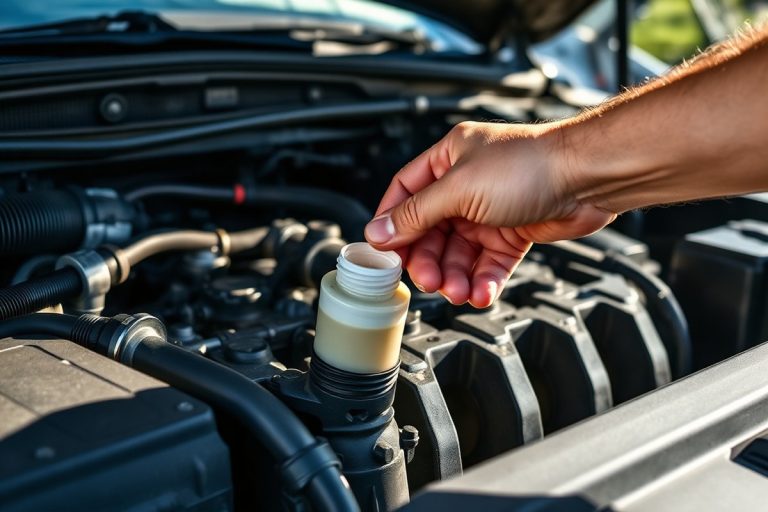
How to Know If Your Car Battery Is Dying: 9 Clear Signs and Tests
You can tell your car battery is failing by how your car acts. A slow start or no start usually shows a weak battery. These signs mean the battery might need replacement soon.
The age of your battery is very important. Typically, car batteries last between 3 and 5 years. Your driving habits also influence how long it stays good.
Your local climate also changes how long a battery lasts. Cold weather and dirt buildup can make the battery fail sooner. So check the terminals often.
Measuring the battery voltage is the fastest test you can do yourself. A healthy battery reads above 12.6 volts when the car is off. Battery voltage lower than 12 volts means your battery is weak.
It may not hold charge well anymore. Low voltage signals you might need a new battery soon.
Key Takeaways
- Car struggles to start or cranks slowly, check the battery first.
- Replace the battery if it’s older than 4 to 5 years.
- Keep battery terminals clean to avoid faster battery failure.
- A voltage reading below 12 volts confirms the battery is weak.
- Cold temperatures cause batteries to lose power quicker.
- Use a multimeter to check your battery voltage at home.
1. Common Signs Your Car Battery Is Dying

Your car battery gives several early signs before it fails completely. One of the first signs is slow engine cranking. When you turn the key, the engine takes longer than usual to start or sounds weak.
Dim headlights or interior lights also signal that the battery’s power is dropping. These lights might look dull when the engine isn’t running. They could flicker if the ignition is on.
This change in brightness is noticeable. It means your battery isn’t holding enough charge to run electrical systems well.
- Slow engine cranking when starting
- Dim or flickering headlights and interior lights
- Clicking sound when turning the ignition
- Strange smells like rotten eggs near the battery
- Visible damage or corrosion on battery terminals
- Swollen or bloated battery case
- Frequent electrical glitches, such as power windows or radio failing
Clicking sounds during ignition show the battery powers the starter relay. But the battery lacks enough charge to start the engine.
This means the engine won’t turn over. That clicking often happens just before the car won’t start at all.
Smells of rotten eggs usually mean battery acid is leaking inside the battery. You should look for white or greenish corrosion around battery terminals. Swelling or bulging on the battery case shows internal damage from overheating.
Some electrical parts might act up too. Power windows or radio may respond slowly or not work at all.
These are signs the battery can’t provide stable power. Checking these early signs helps you replace the battery before the car fails to start completely.
2. How Car Battery Age and Environmental Factors Affect Longevity
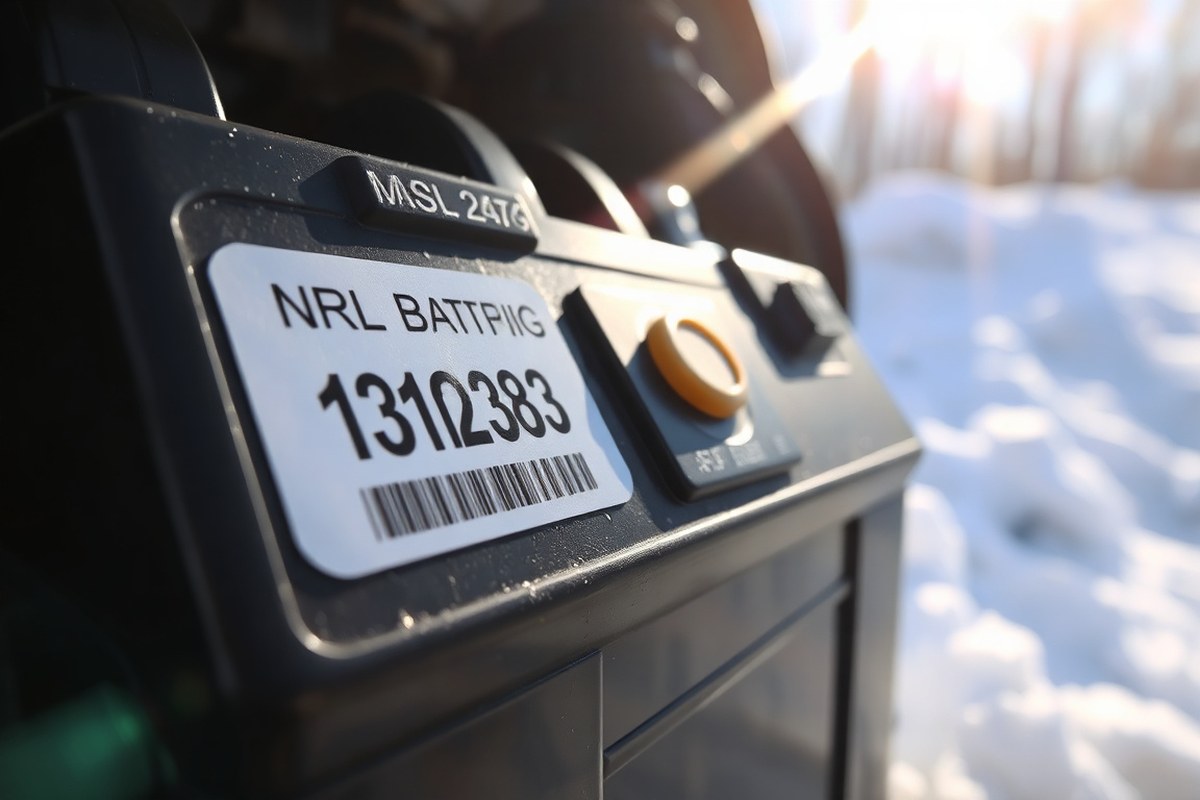
Most car batteries last between three and five years. But many factors speed up wear. Heat is tough on batteries, especially in hot climates where temperatures over 80°F shorten lifespan.
Cold weather slows the battery’s chemical reactions, making starting harder. But it usually does less long-term damage than heat.
Short drives under 15 minutes prevent the alternator from fully recharging the battery. This leaves it partially drained and stresses the battery over time. You often take quick trips.
Your battery is over three years old. Consider replacing it. Age combined with frequent short trips usually signals a battery won’t last much longer.
Batteries usually need replacement when their charge drops below 25 percent. Also, replace if voltage reads under 11.8 volts at 80°F. Age is a good reason for replacement. Plan it once your battery hits three years.
Replace definitely by five years. Buying a new battery before it fails avoids being stranded and costly towing fees.
Remember, high heat shortens battery life faster than cold does. Avoid exposing your battery to heat repeatedly. Park in the shade when you can.
3. How to Test Your Car Battery with a Multimeter
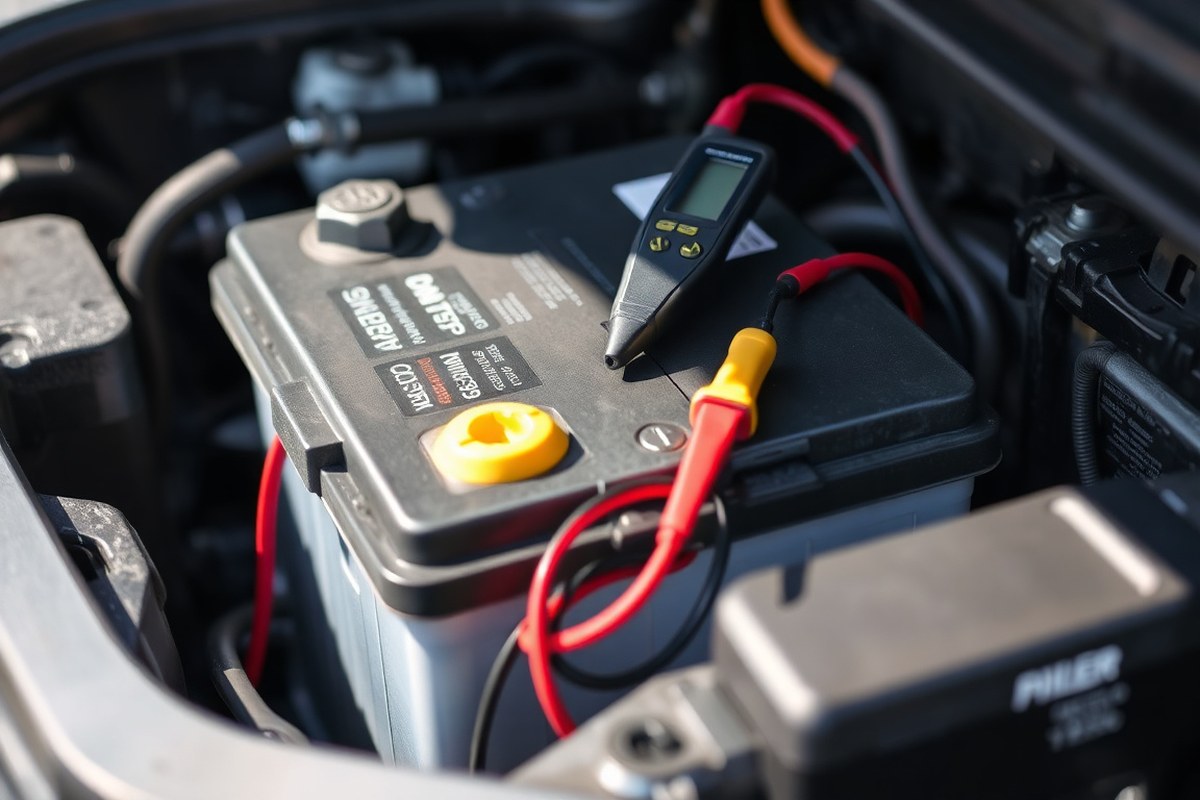
To test your car battery with a multimeter, first turn it on. Then, connect the red probe to the positive terminal. Finally, connect the black probe to the negative terminal to measure voltage.
This check tells you the battery’s charge level and if it needs charging or replacement. Always take safety precautions to avoid sparks or damage during testing.
Step 1: Prepare and Turn Off Car
Turn off your car completely before testing. Remove the key from the ignition to prevent any electrical current from running through the system.
Open the hood and locate the battery. You’ll find two terminals on the battery.
One is positive (+), and the other is negative (−). They are usually marked and have red and black covers.
Step 2: Connect Multimeter Probes Correctly
Put on gloves to protect your hands from battery acid or sparks. Set your multimeter to measure voltage (DC volts). Most models have a dial, select 20 volts DC.
Touch the red, positive (+) probe to the battery’s positive terminal. Next, touch the black, negative (, ) probe to the negative terminal. Hold the probes steadily to get a clear reading.
Connect the probes in this exact order: positive first, then negative. Keep your hands away from the terminals. This helps avoid electric shock or short circuits.
Step 3: Interpret Voltage Readings
Look at the multimeter’s screen to see the voltage reading. A fully charged battery should read around 12.6 volts or higher, meaning it is healthy.
Voltage between 12.4 and 12.5 volts signals a good battery. But watch it carefully in cold weather.
Between 12.1 and 12.3 volts means the battery is weak and needs charging or testing further. Below 11.9 volts is dead and most likely needs replacement.
Cold cranking amps (CCA) show how much power a battery can supply at 0°F. Higher CCA ratings, like 650 CCA, help in cold starts. Low readings or slow engine cranking point toward battery failure despite voltage.
- Turn off the vehicle and open the hood.
- Wear gloves to protect your hands.
- Set your multimeter to DC voltage, 20V range.
- Attach the red probe to the positive terminal.
- Attach the black probe to the negative terminal.
- Note the voltage reading on the meter display.
- Compare the reading with voltage status ranges to assess battery health.
- Disconnect the probes in reverse order after testing.
4. Identifying Corroded or Damaged Battery Terminals
Corrosion forms on battery terminals from acid leakage, dirt, and moisture. This buildup blocks the electrical flow and weakens starting power. You can clean terminals yourself with safe steps to restore a good connection.
Common Signs of Terminal Corrosion
Look for white powder or crystals on the battery posts. This buildup sometimes has a blue or green tint. Corrosion usually makes your headlights dim and can cause trouble starting your car.
Corroded terminals may feel sticky or flaky when touched. Loose or damaged cables can also cause starting issues. Corrosion coming back after cleaning means the battery could be leaking.
Safe Cleaning Procedure
Always wear rubber gloves and eye protection before handling your battery. Start by disconnecting the negative cable, then the positive cable. This prevents sparks and short circuits while cleaning.
Mix baking soda with water to form a paste. Use a wire brush to scrub off the corrosion from terminals and cable clamps. Rinse with water and dry everything completely before reconnecting the cables in reverse order.
Follow these steps to clean battery terminals safely and effectively:
- Put on rubber gloves and goggles for protection.
- Disconnect the negative cable followed by the positive cable.
- Inspect the terminals for white, blue, or green powder buildup.
- Mix 1 tablespoon baking soda with 1 cup water to make a paste.
- Use a wire brush to scrub the corrosion off terminals and clamps.
- Rinse terminals with water and wipe dry with a cloth.
- Reconnect the positive cable, then the negative cable securely.
- Test your car’s starting power after cleaning.
Preventing Future Corrosion
Apply petroleum jelly or a commercial battery terminal protector after cleaning. This layer blocks moisture and acid fumes from causing new corrosion. Clean terminals at least every six months to keep a reliable connection.
Keep battery cables tight to prevent sparks and buildup. Corrosion that returns fast after cleaning suggests an internal battery leak. Consider having the battery tested or replaced if this happens.
5. Using Load Tests and Professional Battery Check Services
A load test checks how well your battery works under real use. A load test simulates the car starting process. It is different from a simple voltage test.
A voltage test only measures resting voltage. The battery provides power like it does during ignition.
This checks if voltage drops below 9 volts. It helps see if the battery holds up under load.6 volts.
This test matters because a battery can show good voltage but still fail under load. The test shows if the battery can hold enough charge. It checks if the car and electrical parts run reliably.
This helps find weak or failing batteries. Load testing takes 10 to 15 minutes to complete.
It needs a special tool called a load tester. Some people use a digital battery analyzer instead.
| Test Type | What It Measures | Tools Needed | Time Required | What Good Results Look Like | When to Use |
|---|---|---|---|---|---|
| Voltage Test | Resting battery voltage | Multimeter | Under 5 minutes | 12.4 to 12.7 volts (engine off) | Initial quick check or routine |
| Load Test | Voltage under starting load | Load tester / Analyzer | 10 to 15 minutes | Voltage stays above 9.6 volts | Battery suspected of weakness |
| Professional Diagnostic | Battery and electrical system health | Advanced testers, scan tools | 15 to 30 minutes | Battery passes load, no system faults | Uncertain battery issues or electrical faults |
Professionals use tools that go beyond household gear. Digital analyzers check battery capacity and starting power. They also detect faults in the car’s electrical system.
Diagnostic scanners help spot other electrical issues too. These devices spot problems a multimeter can’t detect, like alternator or wiring issues causing battery drains.
You should ask a professional if you don’t trust yourself testing. They can check your battery and the whole electrical system. This helps avoid mistakes or damage.
Some services, like AAA Mobile Battery Service, come to your home or workplace. They test and replace batteries on the spot, saving you time and hassle.
Know this: A good battery handles start loads without voltage dropping below 9.6 volts.
Testing at a shop often costs $10 to $20, sometimes free when buying a battery there. Mobile testing usually includes the price of replacement if needed. Your car struggling to start after sitting is a bad sign.
It means you may need a load test. A pro can also advise if you need a replacement.
6. How to Differentiate Battery Issues from Alternator Problems
The alternator recharges your car battery while the engine runs. When the alternator fails, it won’t charge the battery properly. This causes symptoms like a dead battery.
Use a multimeter to check battery voltage with engine off. Then, check voltage again with engine running. Take note of the difference.
First, turn off your car and measure the battery voltage. A healthy battery should read about 12.6 volts when fully charged.
Next, start the engine and watch the voltage rise to around 13.7 to 14.7 volts. This higher voltage means the alternator is charging the battery correctly.
When voltage stays below 13 volts with the engine running, the alternator isn’t working right. This low voltage can overly drain a good battery.
Also, if your headlights flicker or dim while idling, it often points to alternator trouble. These flickers happen because the alternator output is unstable or weak.
You may hear rapid clicking when you try to start the car. This can mean the battery or alternator is weak. Check both parts.
But if a recently replaced battery keeps dying, suspect the alternator or a parasitic electrical draw. Those electrical drains pull power even when your car is off, wearing out your battery faster.
A bad alternator can damage a healthy battery over time. It leaves the battery undercharged, causing internal damage.
If your voltage test isn’t clear, get a professional to test your alternator. This confirms if the charging system works well.
7. Safe Steps to Jump-Start and Maintain a Weak Battery
You can jump-start a weak car battery safely by following clear steps. It only works if the battery still holds some charge. To avoid sparks, connect cables correctly.
Keep both cars running while disconnecting. This helps prevent electrical damage.
Preparing to Jump-Start
Park the booster car close, avoiding any contact between vehicles. Turn off both cars’ engines before you connect any cables. Check that battery terminals are clean and free of corrosion for proper contact.
Keep electrical components like headlights and radio off in both cars. Remove any metal jewelry to avoid accidental short circuits. Have gloves and safety glasses handy for extra protection during the process.
- Turn off both cars and open their hoods.
- Identify positive (+) and negative (-) terminals on both batteries.
- Ensure both batteries have similar voltage, usually 12 volts.
- Clean terminals if you see corrosion, using a wire brush or cloth.
- Position the cars so cables will reach comfortably without stretching.
Connecting Jumper Cables Correctly
Attach the positive red cable clamp to the dead battery’s positive terminal first. Connect the other end of the red cable to the booster battery’s positive terminal. Next, connect the negative black cable clamp to the good battery’s negative terminal.
Don’t attach the last negative clamp to the dead battery. Clip it to an unpainted engine block part.
This reduces risk during jump-start. This grounding helps prevent sparks near the battery and lowers electrical shock risks.
- Connect red clamp to dead battery’s positive terminal.
- Connect other red clamp to booster battery’s positive terminal.
- Connect black clamp to good battery’s negative terminal.
- Attach last black clamp to a grounded engine metal part on the dead car.
- Double-check all clamps are secure and won’t slip.
Post Jump-Start Driving Advice
Start the booster car and let it run a few minutes before trying the dead car. Once the dead car starts, keep both engines running while removing the cables in reverse order. Keep the dead car running to recharge the battery properly.
Drive for at least 20 to 30 minutes after the jump to recharge the battery. Short drives may not fully restore capacity and could leave you stalled again soon. Avoid turning off the engine immediately after a jump-start to prevent a reboot failure.
Jump-starting isn’t recommended if the battery is completely dead or damaged. Frequent jump-starts usually mean the battery needs replacement. Look for hesitation when starting the engine.
Notice if car dies right after cable removal. These can signal alternator or bigger problems.
8. Choosing the Right Replacement Battery for Your Car
Start by finding your original battery’s group number. It determines size, terminal placement, and shape needed to fit your car securely. The wrong group number means the battery won’t fit right or the hold-down won’t work.
Next, check the cold cranking amps (CCA). CCA measures the battery’s power to start an engine in cold weather.
A battery with too low CCA may struggle to start your car on cold mornings. Compare the CCA to your original battery and pick one that meets or exceeds it.
Amp-hour (Ah) rating shows how much charge a battery holds over time. It affects how long your car can run on battery power alone. Use a battery with a similar or higher Ah than your original for reliable performance.
| Specification | What It Is | Why It Matters | How to Check |
|---|---|---|---|
| Group Number | Battery size and terminal layout | Ensures secure fit and cable reach | Check original battery label or manual |
| Cold Cranking Amps (CCA) | Power to start car at 0°F (-18°C) | Needed for reliable cold starts | Match or exceed original battery CCA |
| Amp-Hour (Ah) Rating | Battery capacity over time | Supports electrical loads when engine off | Use same or higher Ah rating |
| Battery Type | Standard flooded or AGM | Affects performance and car design compatibility | Replace AGM with AGM; flooded with flooded |
The battery type also affects performance. If your vehicle originally used an AGM battery, stick with that type to avoid problems. Flooded batteries usually cost less but require more maintenance.
Battery prices vary widely, starting near $45 and going over $250. Budget models may work fine for basic needs.
But higher-quality brands often last longer and handle extremes better. Check the brand reputation and warranty to spot better deals.
Always confirm the battery fits your car’s hold-down bracket before buying online.
9. When to Call a Professional for Battery or Electrical System Issues
Call a professional if your battery shows repeated failure despite jump-starts. Warning signs include slow engine crank, frequent need for jumps, or swelling battery case. These symptoms often point to deeper electrical system issues or internal battery damage.
Also, seek help if you notice leaking battery acid or burning smells near the battery. These are safety risks that require expert handling to avoid injury or vehicle damage. Professionals have the right tools and protective gear to manage these problems safely.
Finding qualified service is simple. Local auto repair shops often offer battery testing, replacement, and electrical diagnostics. You can check online reviews or ask for recommendations to find a trusted shop near you.
Some places provide mobile battery services that come to your location. For example, AAA members can access mobile battery service in select areas and hours. This service tests and installs the correct replacement battery without needing a shop visit.
Experts can do more than simple voltage tests. They perform load testing under various temperatures and check the alternator, starter, and wiring. They also verify your vehicle’s charging system, not just the battery itself.
Professional shops often accept your old battery for recycling. This service helps dispose of hazardous materials properly.
Many places offer battery warranties on parts and labor. These usually last from one to three years.
You should get a professional check for unclear battery symptoms. Don’t wait if you face multiple issues. These experts provide a thorough diagnosis and fix issues beyond DIY limits.
Testing and diagnostics cost between $50 and $150. You will pay extra for any parts needed. This saves you time and costly mistakes.
Step-by-Step Action Plan to Handle a Dying Car Battery
Follow these steps to spot battery problems early, test your battery, and keep your car running. Each step helps you check or fix your battery right away.
- Day 1: Look for slow engine starts or dim headlights. These signs may mean your battery is getting weak.
- Day 2: Open the hood to check battery terminals. Clean any white or greenish corrosion using a baking soda mix. Your car should start smoother afterward.
- Day 3: Use a multimeter to test voltage. Healthy batteries show about 12.6 volts when off. Note down the reading when it is lower.
- Day 4: Jump-start your car if it won’t start. It runs after, so charge the battery fully soon.
- Within one week: Go to a local auto shop for a load test. You can also use a home load tester. This confirms battery health under stress.
- After one week: Replace the battery if tests indicate failure or age is over 4-5 years. Buy the right size and power rating for your car.
- Ongoing: Monitor electrical system alerts on your dashboard. Lights flickering often means alternator problems. See a professional.
Frequently Asked Questions
Can a Bad Car Battery Cause Dashboard Warning Lights to Flicker?
Yes, a bad battery can make warning lights flicker or dim. This happens because the battery can’t supply steady power to the electrical system, causing unstable voltage.
How Much Does a Professional Battery Load Test Cost?
A professional battery load test usually costs about $10 to $30. Many repair shops offer it free with other services, so check before you pay.
Can Extreme Heat Damage a Car Battery Faster Than Cold Weather?
Yes, extreme heat damages car batteries faster by speeding up chemical reactions inside. Heat can shorten battery life more than cold, which mainly reduces starting power temporarily.
Is a Slow Car Crank Always a Sign of a Bad Battery?
Not always. Slow cranking can also mean starter or alternator issues. Test the battery first, but don’t ignore other electrical components if problems persist.
How Often Should I Check My Car Battery Voltage?
Check your battery voltage every 3 to 6 months for peace of mind. Regular checks help catch early signs of a dying battery before big problems occur.
Final Thoughts
Recognizing battery problems early helps avoid breakdowns. Testing your battery is simple and shows its true state. Take action now to keep your car starting every time.