How Long Will a Hybrid Battery Last: Complete Guide to Lifespan & Costs
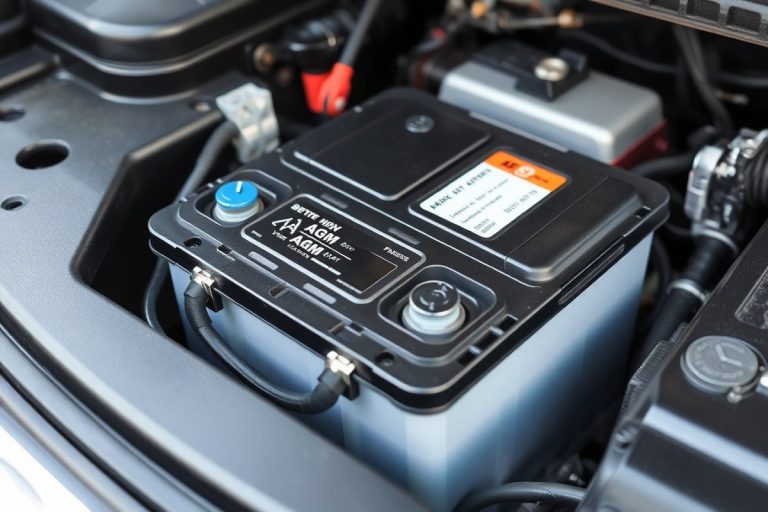
How long will a hybrid battery last is a common question from hybrid owners. Most hybrid batteries last around 150,000 miles or about 15 years, whichever comes first. Some can wear out sooner, while others keep going past 200,000 miles with care.
Hybrid battery warranties typically last between 8 and 10 years or cover 100,000 to 150,000 miles. Review the specific warranty details to know the exact coverage and terms. This helps you understand what protection you get with your battery.
Batteries slowly lose their ability to hold a charge. But cars usually keep working fine during this decline.
Knowing the typical lifespan helps you plan maintenance and replacement costs. Watch for warning signs like reduced fuel economy or a sudden drop in electric assist. Early attention can save you money and keep your hybrid running smoothly.
Key Takeaways
- Hybrid batteries typically last 150,000 miles or 15 years before replacement.
- Battery warranties often cover 8 to 10 years or up to 150,000 miles.
- Some hybrid batteries can last beyond 200,000 miles with good care.
- Check your vehicle’s warranty to understand battery coverage limits.
- Signs of battery wear include lower fuel efficiency and weaker electric assist.
- Replacing a hybrid battery can cost between $2,000 and $8,000.
How Long Does a Hybrid Battery Typically Last in Years and Miles?
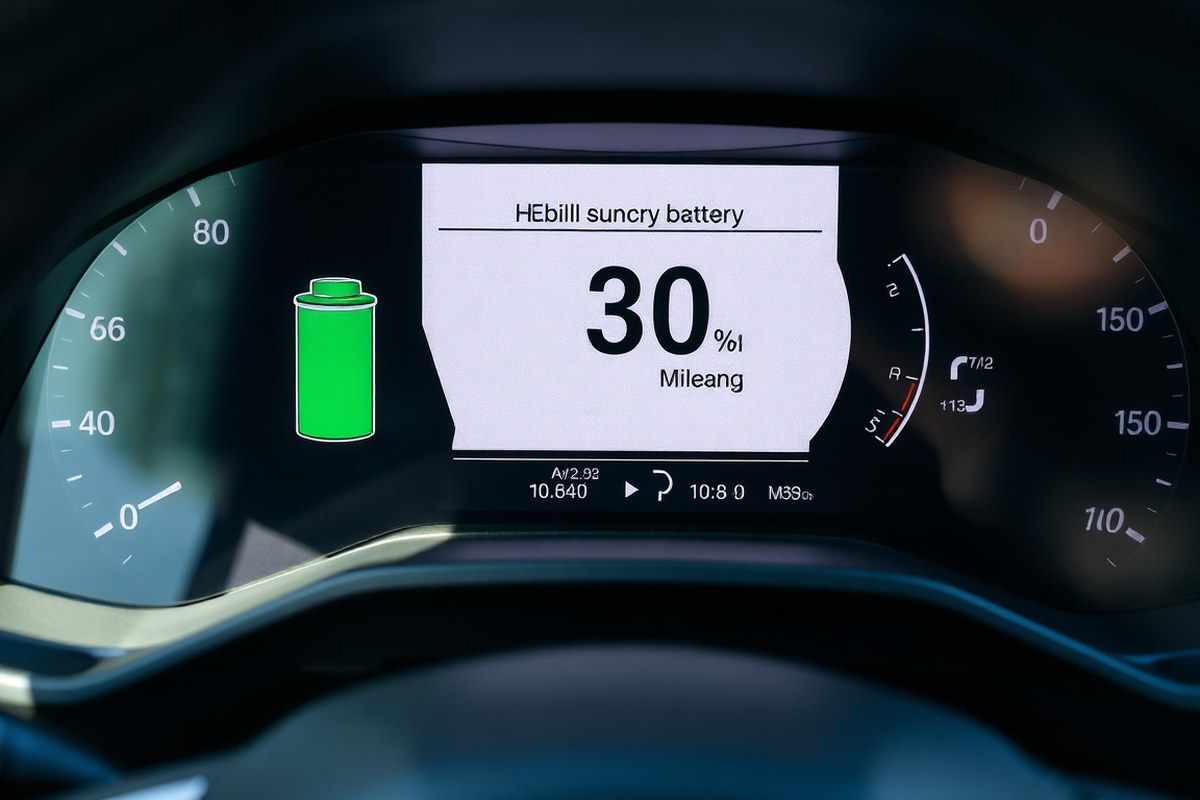
Hybrid batteries generally last between 8 to 15 years. Most last around 10 years or about 100,000 to 150,000 miles before their performance drops noticeably.
On average, drivers can expect hybrid batteries to keep working well for 100,000 to 150,000 miles. Some can last longer, reaching 200,000 miles or more under good conditions and careful use.
In the best-case scenario, batteries maintain strong capacity up to 15 years or 200,000 miles. Batteries can fail early due to extreme heat or poor care.
Consistently low charging wears them out quickly. Some fail as soon as 70,000 miles.
Warranties for hybrid batteries usually span 8 to 10 years or 100,000 to 150,000 miles. Some states enforce stricter rules requiring up to 10 years or 150,000 miles coverage. These rules reflect the expected lifetime of hybrid batteries for most buyers.
Battery lifespan depends on many factors. Most newer hybrids last at least 12 years or 150,000 miles. After that, you might see fuel efficiency drop.
But the decline usually happens slowly and later on. Regular driving habits help keep the battery healthy for that full range.
What Warranty Protections Apply to Hybrid Batteries?
Hybrid batteries commonly come with warranties covering 8 to 10 years or 100,000 to 150,000 miles. In places like California, the requirement can extend to 15 years or 200,000 miles. These warranties typically apply if the battery capacity drops below 70% or if it stops working.
Typical Warranty Durations by Manufacturer
Most hybrid car manufacturers back their batteries for at least 8 years or 100,000 miles. Certain brands extend this protection to 10 years or 150,000 miles. For example, Mazda offers an 8-year or 100,000-mile warranty on the CX-50 hybrid battery, similar to others in this class.
This coverage helps reduce repair costs if the battery fails early. Batteries rarely fail before these periods, but replacement can be costly without a warranty. Costs may range from $1,500 to over $8,000 depending on battery size and chemistry.
Warranty Coverage Conditions and Capacity Thresholds
The warranty often kicks in when battery capacity falls below roughly 70% of its original level. Minor, gradual loss of capacity typically does not qualify for replacement. Most claims happen when the battery malfunctions or fails suddenly rather than slow wear.
Manufacturers also cover faults or defects in the battery electronics or cooling systems. Some hybrids include two warranties. One covers capacity loss.
The other covers defects. Both last about 8 years or 100,000 miles. This dual protection provides added reassurance.
State-Specific Warranty Regulations Impacting Coverage
California and a few other states require longer warranties for hybrid batteries. Their mandates can extend coverage to 15 years or 200,000 miles. This rule applies to new hybrid and plug-in hybrid vehicles sold in those states.
Outside these states, warranty length depends on the manufacturer and dealer policies. Some brands voluntarily offer extended warranties in all states. Knowing your state’s regulations can help you shop for the best warranty coverage.
Here’s a quick comparison of hybrid battery warranties you might find:
| Manufacturer/Model | Warranty Duration | Mileage Limit |
|---|---|---|
| Mazda CX-50 Hybrid | 8 years | 100,000 miles |
| Toyota Camry Hybrid (2022) | 8-10 years | 100,000 – 150,000 miles |
| Ford Escape Plug-In Hybrid | 8 years | 100,000 miles |
| California State Requirement | Up to 15 years | Up to 200,000 miles |
| Mazda CX-70 / CX-90 PHEV | 8 years | 100,000 miles |
This table shows typical warranty timeframes you can expect. The exact terms depend on vehicle age, state, and model. Be sure to check your car’s warranty booklet for specific details.
Always keep your hybrid’s maintenance records and use authorized dealers for repairs to preserve warranty coverage.
Which Battery Chemistries Are Used in Hybrids and How Do They Differ?
Hybrid vehicles use different battery chemistries, each with unique strengths. The main types are nickel-metal hydride (NiMH), lithium iron phosphate (LFP), and nickel manganese cobalt (NMC). These chemistries affect battery life, cost, and performance in real driving conditions.
Lithium Iron Phosphate (LFP) Benefits and Cycle Life
LFP batteries last a long time. They often reach up to 6,000 full charge cycles. This happens before they drop to 80% capacity.
This makes LFP almost “immortal” for hybrids with small batteries that rarely fully cycle. LFP also has excellent thermal stability, lowering risks of overheating issues.
Because of its safety and lifespan, LFP is becoming popular for newer hybrids and plug-in hybrids. Its energy density is lower than NMC or NCA but still sufficient for many hybrid designs. This chemistry also costs less, helping keep vehicle prices down.
Nickel Manganese Cobalt (NMC) Trade-Offs
NMC batteries hold more energy than LFP. They fit well in plug-in hybrids. This is true especially with bigger battery packs.
They typically last 1,500 to 3,000 charge cycles before capacity drops near 80%. That’s less than LFP but still good for vehicle use.
These batteries handle cold temperatures better, maintaining performance in low heat. However, NMC costs more, partly due to cobalt and nickel materials. Manufacturers must balance energy, cost, and lifespan when choosing NMC cells.
Future Battery Technologies Impacting Hybrids
New battery technologies promise better life, energy density, and faster charging. Solid-state batteries are one example, though they are not yet ready for production hybrids. Timelines for these advances are still uncertain.
LFP growth in hybrids continues as more makers use it to reduce costs and improve longevity. BYD’s Blade Battery is based on LFP. It has logged over 300,000 miles in taxis.
This shows strong, real-world durability. Advances will gradually spread to more brands and models.
| Chemistry | Common In | Energy Density | Cycle Life | Cold Performance | Cost |
|---|---|---|---|---|---|
| NiMH (Nickel-Metal Hydride) | Older Toyota/Lexus HEVs (pre-2020 Prius, Camry Hybrid) | Low | 1,000, 2,000 cycles | Fair | Low |
| NMC (Nickel Manganese Cobalt) | Most modern PHEVs (Ford, BMW, Hyundai, VW) | High | 1,500, 3,000 cycles | Good | Higher |
| NCA (Nickel Cobalt Aluminum) | Some PHEVs and BEVs (Tesla, select Asian OEMs) | Very High | 1,500, 2,500 cycles | Good | Higher |
| LFP (Lithium Iron Phosphate) | Newer hybrids and BEVs (Toyota, BYD) | Moderate | 3,000, 6,000+ cycles | Good | Lower |
The table shows how common hybrid battery types compare in key areas. LFP’s longer cycle life and lower costs make it a growing choice. NMC and NCA offer more energy but at higher cost and somewhat lower longevity.
The battery chemistry in your hybrid affects its lifespan. It also changes daily performance. This matters for how your car runs.
What Factors Cause Hybrid Batteries to Degrade Faster?
Hybrid batteries last longer when they run in moderate temperatures. Heat above 95°F (35°C) speeds up chemical wear inside battery cells.
Cold also slows down battery reactions, making the system work harder. Extreme temperatures cause the internal parts to break down faster, reducing battery capacity over time.
Driving habits heavily influence battery health by affecting charge cycles and system stress. Frequent short trips mean the battery rarely completes full charge and discharge cycles. Incomplete cycling makes hybrid batteries wear out faster.
A Department of Energy study reported this in 2018. Avoiding partial charges can extend battery life.
Fast charging can also harm hybrid batteries. Hybrids usually don’t need fast charging like electric cars. Charging too fast raises the battery temperature.
High battery heat can lead to faster wear. Higher battery temperatures during charging worsen internal degradation.
Manufacturers avoid full charging limits. So the battery stays between safe energy levels, which helps avoid damage.
- Extreme heat above 95°F (35°C) speeds internal chemical reactions.
- Frequent short trips cause more incomplete charge cycles.
- Rapid charging raises battery temperature, increasing wear.
- Consistent speeds reduce frequent charge-discharge stress.
- Older batteries with high mileage degrade faster due to wear.
- Cold temperatures slow reactions but increase energy demand.
- Avoid deep discharges or staying fully charged for long.
Maintaining steady driving and minimizing stop-start patterns limits how often the battery cycles. Using the car on longer trips keeps battery chemistry balanced and healthy. Cold hurts hybrid batteries and can stress them out.
Parking inside a garage helps lower the cold’s effect. A shaded spot also protects batteries from freezing temperatures.
Battery life shortens if you often push it to extremes. Avoid leaving the battery fully charged or nearly empty for extended periods. This helps maintain good capacity and prevents electrode material loss.
Follow your hybrid’s charging rules for best battery health. Drive smoothly to keep the battery in good condition. This helps slow down battery wear over time.
How to Recognize When a Hybrid Battery Is Failing?
You’ll notice signs of a failing hybrid battery long before it dies completely. A big clue is reduced fuel economy, dropping by 3 or more miles per gallon. The gasoline engine will run more often, eating up gas that your battery used to save.
Keep an eye on your dashboard for warning lights related to the hybrid system. Codes like P0A80 and P0A7F often show up and mean the battery isn’t working right. Sometimes the check engine light glows with hybrid system warnings or a specific battery alert.
Another sign is unusual sounds near the battery pack. The cooling fan may run constantly, even when the car feels cool outside.
This means the battery is overheating or under stress. Also, the battery gauge might stop reaching full or show wrong charge levels.
- Fuel economy drops by 3+ MPG
- Hybrid warning lights or codes like P0A80, P0A7F
- Battery cooling fan runs constantly
- Battery gauge doesn’t reach full or acts erratic
- Gasoline engine runs more often than usual
- Difficulty starting the vehicle
- Unusual noises near the hybrid system
Diagnostics tools can also help. Plugging in an OBD-II scanner tracks battery codes and health metrics.
Some hybrids have apps or onboard displays to check battery status. A failing battery shows a low state of health or diminished capacity in these reports.
Don’t ignore dashboard warnings or poor fuel economy. Early checks save expensive repairs later.
Monitoring these signs regularly keeps you ahead of full battery failure. You can then choose to repair or replace the battery before leaving you stranded. Catching problems early helps keep your hybrid running smoothly and saves money in the long run.
What Does It Cost to Replace a Hybrid Battery and Available Options?
Replacing a hybrid battery usually costs between $1,500 and $8,000. The price depends on your vehicle type and battery size. You can pick new, remanufactured, or cell-level repair options.
Each choice changes the cost. New OEM batteries cost more. They include full warranties and high quality.
Remanufactured or refurbished batteries save you money. They usually cost 30% to 50% less than new ones. These batteries use recycled cells and get tested for reliability.
However, their lifespan and warranty coverage may be shorter than OEM units. Cell-level repairs focus on fixing or replacing individual cells, making this the least expensive option. It might only be practical for older hybrids with minor battery issues.
| Vehicle Type | Battery Size | OEM New (Parts + Labor) | Remanufactured | Cell-Level Repair |
|---|---|---|---|---|
| Toyota Prius / Camry HEV | ~1.0, 1.6 kWh (NiMH or LFP) | $2,500, $4,000 | $1,500, $2,500 | $500, $1,200 |
| Toyota RAV4 Hybrid | ~1.6 kWh | $3,000, $4,500 | $1,800, $2,800 | $600, $1,500 |
| Honda Accord Hybrid | ~1.3 kWh | $2,800, $4,000 | $1,600, $2,500 | $500, $1,200 |
| Ford Escape PHEV | ~14.4 kWh | $6,000, $9,000 | $4,000, $6,000 | $1,500, $3,000 |
| Hyundai Tucson PHEV | ~13.8 kWh | $5,500, $8,500 | $3,800, $5,500 |
Labor costs vary by location and dealer rates. So expect a $300 to $1,000 range. Hybrid batteries in plug-in models tend to be larger and cost more to replace.
Consider battery warranties, often covering 8 to 10 years or more. Taking advantage of warranty coverage can save thousands. After warranty, remanufactured batteries provide a reasonable compromise between cost and reliability.
Check that remanufactured batteries come with some warranty. A few years of coverage can reduce risk.
Cell-level repairs work well if diagnosis shows a few bad cells only. However, they may fail sooner than a full pack replacement.
How Can You Extend the Life of a Hybrid Battery with Maintenance and Driving Habits?
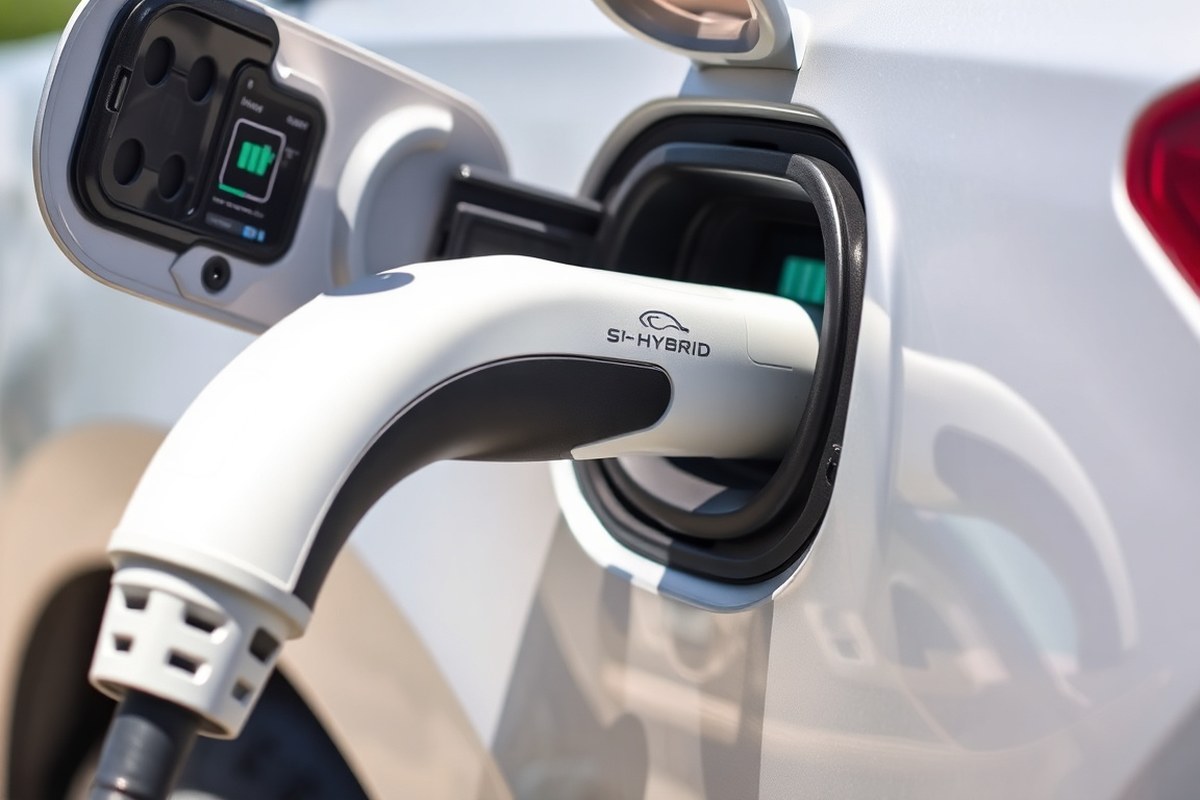
Your hybrid battery charges best using a Level 2 home charger. These chargers run on 240 volts and deliver between 3.3 and 7.2 kW of power.
Charging this way offers a good balance of speed and battery health. Fast chargers can cause more wear, so this method helps your battery last longer.
Driving gently helps prevent extra strain on the battery. Avoid hard accelerations and keep speeds moderate, especially in stop-and-go traffic. A 2018 Department of Energy report showed gentle driving reduces battery wear and extends its life.
- Use Level 2 (240V) charger for daily charging needs
- Avoid frequent fast charging to reduce battery stress
- Keep your driving smooth: accelerate and brake gently
- Drive at moderate speeds and avoid rapid stops
- Park in shaded or cool areas to avoid heat damage
- Use climate control sparingly to reduce battery load
- Have your hybrid system checked during regular maintenance
Extreme heat speeds up battery breakdown by increasing chemical stress. Try to park in shade or a garage to protect your battery.
Cold weather slows chemical reactions but doesn’t damage the battery much. It may even help extend battery life by keeping it cooler than normal.
The climate control system’s running depends on the car’s battery. Using AC or heating for long periods increases battery drain. This may affect overall battery life if you use it excessively.
You don’t need to stop using climate control completely. Just keep it low, especially on very hot or very cold days.
How Do Different Hybrid Vehicle Types Affect Battery Lifespan Expectations?
Hybrid electric vehicles (HEVs) use smaller batteries than plug-in hybrids (PHEVs) and extended range hybrids. This size difference changes how the batteries wear out. HEVs keep their batteries between 40% and 60% charge.
This limits stress on the battery. It helps the battery last longer.
PHEVs have larger batteries than HEVs. These batteries often allow 20 to 30 miles of electric-only driving. After that, the gas engine takes over.
Extended electric use means their batteries cycle more deeply and frequently. This heavier use can speed up battery wear compared to HEVs. But modern PHEV batteries are designed to handle this increased load.
PHEV owners use electric mode a lot sometimes. This might shorten the battery life to about 8 to 10 years. Frequent electric driving wears the battery faster.
| Hybrid Type | Battery Size | Electric Range (miles) | Typical Battery Life (years) | Warranty |
|---|---|---|---|---|
| Standard HEV (e.g., Toyota Prius) | Smaller (few kWh) | 0-1 mile (mostly assist) | 10+ years | 8 years or 100,000 miles |
| PHEV (e.g., Mazda CX-70 PHEV) | Larger (10+ kWh) | Up to 26 miles | 8-10 years | 8 years or 100,000 miles |
| Extended Range Hybrid | Similar to PHEV | ~20-30 miles | 8-10 years | Varies, often similar to PHEVs |
Battery warranties usually cover 8 years or 100,000 miles. This applies to all hybrid types. The coverage periods are mostly the same.
This coverage reflects manufacturer expectations about battery life under typical usage. Batteries on HEVs usually don’t face deep cycling, improving lifespan.
In contrast, PHEV batteries have more deep cycles. But both types generally hold up well within warranty.
Using your PHEV mainly in electric mode boosts battery degradation risk if done heavily without breaks. It’s fine to use electric range regularly. But blended driving where the gas engine assists can reduce battery strain.
Temperature also matters. Keeping the vehicle cool, ideally in a garage, helps all hybrid batteries last longer.
Don’t rely only on electric driving in a PHEV. Occasional gas engine use eases battery wear.
When Should You Replace a Hybrid Battery and What to Consider?
Replace your hybrid battery when its capacity loss hits about 20% or more. Watch for drops in vehicle performance and check if the warranty still covers the battery. These factors guide the right timing for replacement.
Battery Capacity Thresholds for Replacement
A hybrid battery usually works well until it loses 20% of its original capacity. When capacity falls below 80%, you’ll notice reduced electric driving range and less fuel efficiency. Testing capacity requires specialized tools that measure voltage and charge cycles.
Some owners might wait until capacity drops to 75%, but that risks sudden failures. Batteries below 70% capacity often cause warning lights or limp modes. Using a certified diagnostic test helps confirm whether the battery’s healthy enough or due for replacement.
Assessing Symptoms vs Warranty Coverage
Hybrid battery warranties typically last 8 to 10 years or 100,000 miles. Your battery shows signs of failing. Check if it’s still under warranty.
Contact the dealer for repairs or replacement if covered. Don’t ignore warning signs even if the warranty expired recently; problems can worsen quickly.
Symptoms to evaluate include frequent electric motor cutoffs, reduced acceleration, or dashboard alerts. Your car drives well and the warranty is active. No need to rush battery replacement.
Take your time to monitor the battery. Still, planning ahead makes for smoother scheduling and budgeting.
Balancing Replacement Costs and Vehicle Lifespan
Most hybrid battery packs require full replacement instead of swapping only failing cells. Partial repairs can lead to imbalanced packs and reduced performance. Replacing the full battery pack costs $2,000 to $5,000.
Partial fixes might save money short term. But they can cause problems over time.
Consider your car’s age and condition before replacing the battery. A new battery can cost thousands of dollars. It might not pay off with high mileage or other car problems.
Consider vehicle condition carefully before replacing. If your car has lower mileage and will last five years.
A new battery offers reliable use. It can also boost resale value.
Your Hybrid Battery Care: Step-by-Step Action Plan
Follow these steps to keep your hybrid battery healthy and catch problems early.
- Before buying: Check the car’s battery age and warranty status. A newer or covered battery means less risk.
- Week 1: Learn your car’s battery warning signs, like lower fuel economy or warning lights. Recognize these as early signals.
- Month 1: Keep up with regular maintenance, such as cooling system checks. A cool battery lasts longer.
- Month 3: Adjust driving habits to avoid hard accelerations and extreme heat exposure. Watch if your mileage improves.
- Every 6 months: Have a professional scan your battery’s health if possible. They’ll spot issues you might miss.
- Yearly: Check your battery’s warranty terms and any recalls. That can save big repair costs if problems arise.
- When noticing symptoms: Get a battery diagnostic test done. Know exactly if the battery needs replacing.
- At replacement time: Compare new, refurbished, and reconditioned battery options. Pick what fits your budget and needs.
Frequently Asked Questions
Can a Hybrid Battery Fail Suddenly Without Warning Signs?
Hybrid batteries usually show gradual signs before failure. You might notice reduced fuel economy or weaker electric assist. Sudden failure is rare but possible if internal damage occurs.
Will Extreme Cold Weather Shorten a Hybrid Battery’s Life?
Yes, very cold weather can reduce battery efficiency temporarily. It stresses the battery and slows chemical reactions inside. Cold climates may slightly shorten battery longevity over many years.
Can I Drive a Hybrid Car with a Failing Battery Safely?
You can drive, but performance will degrade noticeably. Fuel economy drops and electric assist lessens. It’s best to get the battery checked to avoid further damage.
Is a Used Hybrid Battery Cheaper to Replace Than a New One?
Used batteries cost less but have uncertain lifespan left. New batteries come with full warranty coverage and longer life. Consider how long you plan to keep your hybrid before deciding.
Do Hybrid Batteries Lose Capacity If the Car Sits Unused for Months?
Yes, capacity drops slowly if the car is idle long-term. It’s good to drive the hybrid occasionally to keep the battery healthy. Storage conditions also affect battery life during downtime.
Final Thoughts
Hybrid batteries often run for 8 to 15 years or 100,000 to 150,000 miles. Watch for warning lights and falling fuel efficiency as early problem clues. Have your battery tested at your upcoming car service appointment.