How Long Do Fuel Injectors Last? A Complete Guide with Maintenance Tips
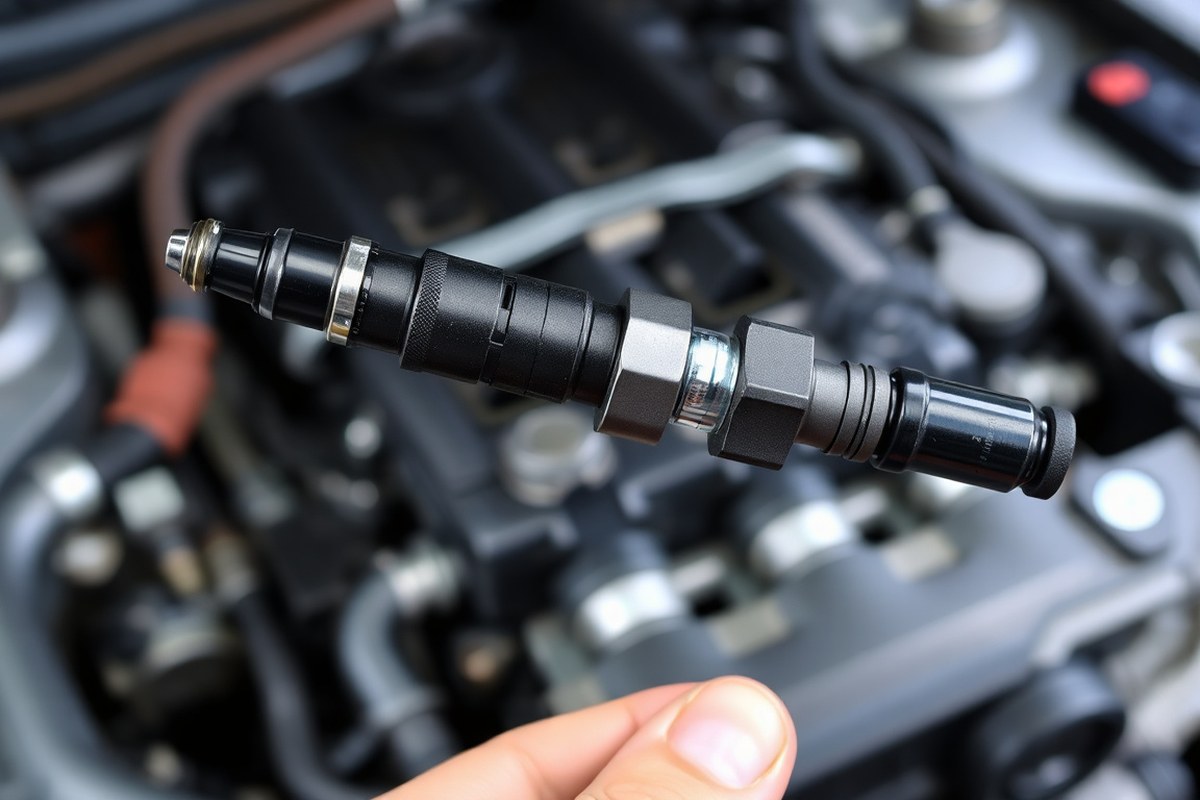
Fuel injectors usually last between 50,000 and 100,000 miles. High-quality ones can sometimes exceed 150,000 miles if you maintain them well. Clean fuel and regular care are essential to avoid early wear and clogging.
Using clean, high-grade fuel and following your vehicle’s maintenance schedule helps fuel injectors last longer. Poor fuel quality or neglect can cause buildup and damage. Dirty injectors often cause rough idling, poor fuel economy, and engine trouble.
Watch for changes in fuel economy or engine performance. Symptoms like hesitation, misfires, or rough running often indicate injector issues. Fixing problems early can stop complete injector failure and avoid costly replacements.
Checking fuel filters regularly and using fuel additives to clean injectors helps maintain their function. Routine care extends injector life and keeps your engine running smoothly. Skipping this boosts the risk of premature wear.
Key Takeaways
- Under typical driving conditions, fuel injectors tend to last around 50,000 to 100,000 miles. Proper maintenance influences their lifespan significantly. Careful use helps keep injectors working longer.
- Quality injectors with good care often reach 150,000 miles or more.
- Using high-quality fuel prevents contamination that damages injectors early.
- Poor maintenance and dirty fuel reduce injector lifespan significantly.
- A drop in fuel economy can signal injector problems.
- Regular inspections help you spot injector wear before failure.
How Long Do Fuel Injectors Typically Last?
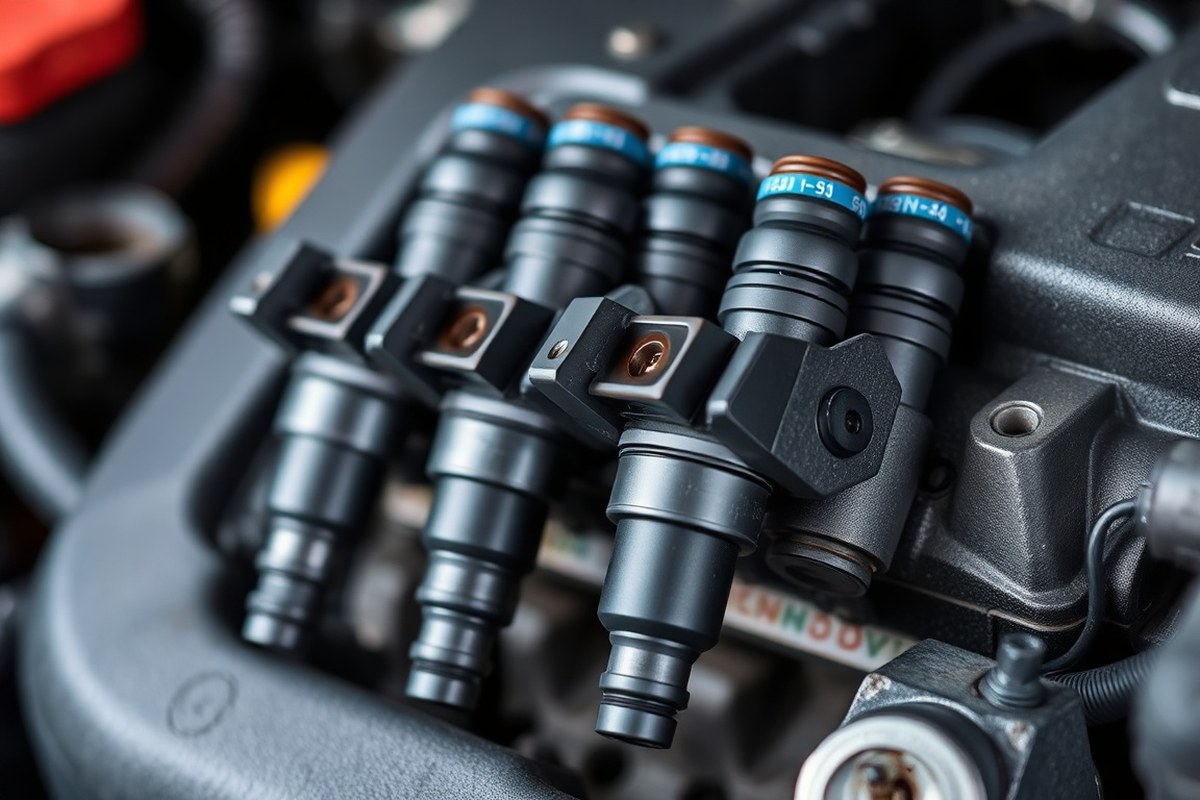
Fuel injectors last between 80,000 and 150,000 miles. This varies by engine type and fuel quality. Expect shorter life with poor fuel or harsh use.
Gasoline engine injectors can exceed 150,000 miles. They may last the car’s life if properly cared for. Regular maintenance helps keep them working well.
Diesel injectors usually last 100,000 to 200,000 miles. They need more care due to high pressure and complex fuel systems. Neglect can shorten their lifespan.
Poor fuel or skipped maintenance wears diesel injectors faster. Service or tip replacement may be needed between 37,000 and 62,000 miles. Keep fuel clean to avoid this.
Gasoline direct-injection (GDI) systems tend to need attention sooner, often between 100,000 and 150,000 miles. These differences arise because diesel injectors handle tougher conditions and more cycles.
Fuel injectors rarely need changing by mileage alone. They often last over 150,000 miles with clean fuel and upkeep. Problems usually start after about 100,000 miles but can come later.
Key Factors That Affect Fuel Injector Lifespan
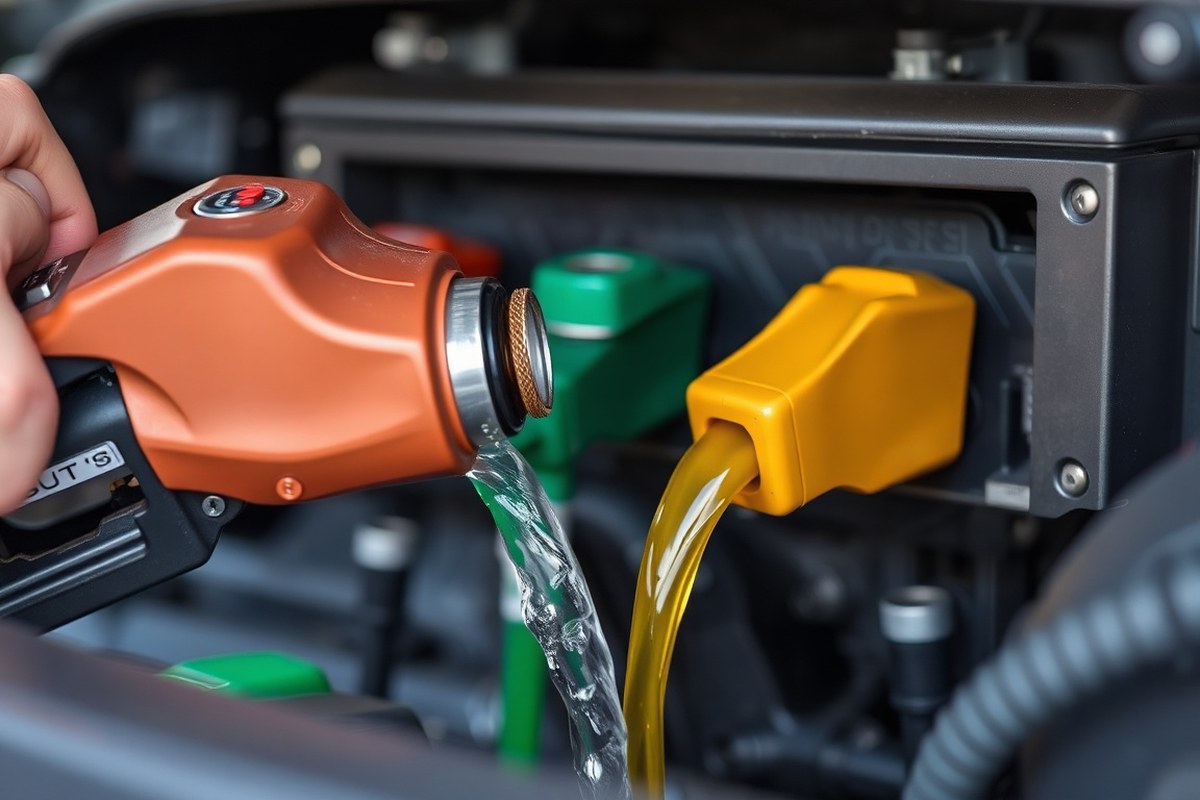
Fuel quality plays a big role in how long your fuel injectors last. Using low-quality or contaminated fuel can cause clogging and deposits inside the injectors. This slows fuel flow and may make your engine run rough.
Sticking to reputable gas stations and using fuel with the right additives helps prevent buildup. Adding a fuel system cleaner periodically can also break down deposits before they cause damage.
Your driving style also affects injector life. Frequent short trips, stop-and-go traffic, and aggressive acceleration stress the fuel system more. These conditions cause injectors to work harder and increase wear.
Long, steady drives at highway speeds help keep injectors cleaner by burning off deposits. Avoiding harsh throttle use and allowing the engine to warm up fully can extend injector lifespan.
Climate and geography can make a difference too. Dusty, sandy, or humid environments often introduce more contaminants into the fuel or air system. This dirt can clog injectors or cause corrosion.
Extremely cold climates may cause fuel to gel or thicken, which strains injectors during startup. Use fuel additives made for your climate to lower risks.
Maintain the fuel filter regularly to keep fuel clean. These steps help avoid fuel problems and damage.
Regular oil changes and fuel filter replacements help keep contaminants away from injectors, prolonging their life.
Recognizing Common Symptoms of Failing Fuel Injectors
Faulty fuel injectors often cause rough idling and engine misfires. These happen because the injector fails to keep the right fuel-air balance. You might smell strong fuel inside the car.
This happens if an injector leaks fuel on hot parts. The fuel smell is usually quite strong.
Bad injectors can cause higher emissions by letting unburnt fuel escape the engine. This often leads to failing an emissions test with raised hydrocarbon levels. Ignoring these issues risks engine damage and worse fuel economy.
- Rough idle due to uneven fuel in cylinders
- Misfires from inconsistent fuel delivery
- Strong fuel smell indicating leaking injectors
- Poor fuel economy as fuel sprays improperly
- Engine hesitation or loss of power
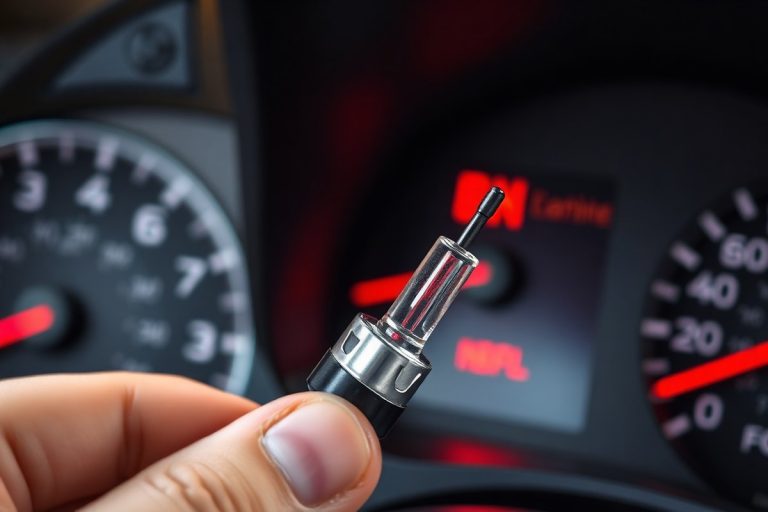
- Check engine light triggered by injector faults
Leaking fuel injectors drip fuel, causing a strong fuel odor. This waste reduces your mileage and can harm engine parts. Persistent misfires or rough running after cleaning usually mean you need new injectors.
Regular checks help spot problems early. Like noticing strange ticking noises or sudden power drops. Fixing injectors early keeps emissions low and protects your engine from damage.
How to Diagnose Fuel Injector Issues at Home and Professionally
You can diagnose fuel injector problems with simple home tests and professional checks. Some faulty injectors trigger the check engine light, but not all do. You can test injector resistance to spot problems.
Listen for unusual noises near the injector. A repair shop can do flow tests too.
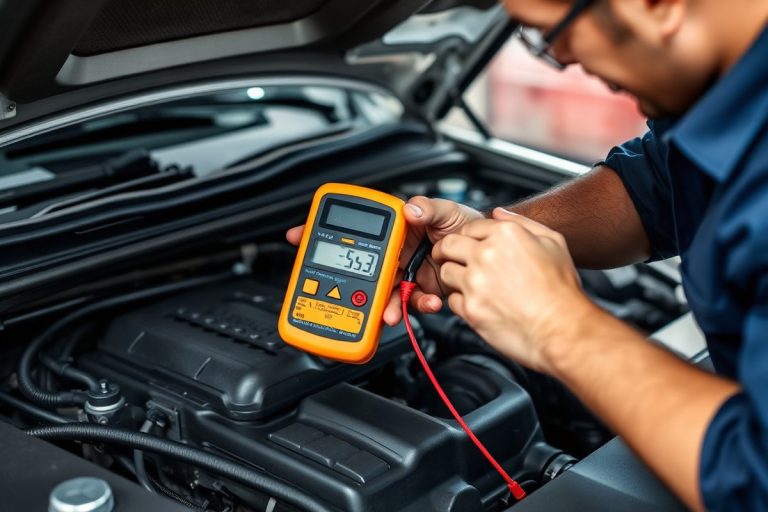
Electrical Resistance Test with Multimeter
Use a multimeter to measure the coil resistance of each injector. Unplug the injector’s electrical connector and set the multimeter to ohms. A healthy injector usually reads between 10 and 18 ohms.
Numbers outside that range suggest a faulty coil or internal wiring. Connect a noid light to the injector plug. This shows if the injector gets power.
Check during engine cranking for the light to flash. The light not flashing means the injector isn’t pulsing. This means you need more checks on the injector.
Listening for Injector Operation Noises
Fuel injectors make a faint clicking noise when working, especially at idle. Use a mechanic’s stethoscope on the injector body. Or hold a long screwdriver against it.
Listen carefully at the screwdriver’s handle. The clicking means the injector is cycling normally.
No noise or irregular sounds may indicate an injector that’s stuck or not operating. This test doesn’t confirm flow problems but helps identify non-responding injectors quickly without tools.
Balance and Flow Testing at Repair Shops
Mechanics can perform flow and balance tests to diagnose injectors accurately. They remove injectors and measure how much fuel each sprays under controlled conditions. Costs range from $20 to $40 per injector for off-car testing.
On-car chemical cleaning services test injector spray and flow while the engine runs. These tests detect blockages or leaks that cause poor fuel delivery and engine performance. Shops measure fuel trims to find injector issues.
They also check misfire counters. These tests spot problems home methods might miss.
When to Clean Fuel Injectors and How Often
Cleaning fuel injectors can extend their life by removing buildup that reduces efficiency. You should clean injectors every 60,000 to 90,000 miles to avoid premature failure. Regular maintenance keeps the fuel system stable and helps your car run smoothly longer.
Recommended Cleaning Mileage Intervals
Most experts suggest scheduling injector cleaning between 60,000 and 90,000 miles. This timing prevents deposits from growing thick enough to cause poor spray patterns or clogging. Vehicles driven in dusty or harsh conditions might need cleaning sooner.
Some manufacturers suggest replacing injectors near 60,000 miles. Do this if cleaning no longer helps your engine run well. Follow their specific guidelines to keep your car in good shape.
Regular inspections help decide if cleaning or replacement is necessary. Skipping cleaning risks fuel economy drops and engine roughness.
Effective Cleaning Methods and Products
Professional cleaning often involves using ultrasonic machines or specialized fuel system cleaners. These methods remove deposits stuck inside injectors. A single cleaning session typically costs $50 to $100, depending on where you go.
You can add DIY fuel injector cleaners to your tank. These cleaners work best to prevent problems before they start. They may not fix serious injector issues when used later.
These clear minor buildup but won’t fix severe clogs. Always follow product instructions and avoid overusing additives.
Don’t run your fuel tank too low; contaminants near the bottom worsen injector buildup.
Using Fuel Additives as Preventive Care
Using fuel additives every 3,000 to 5,000 miles can reduce sediment and slow deposit growth. This routine lowers the frequency of professional cleanings needed. Choose additives that name fuel injector cleaning on the label for best results.
Preventive additive use supports a clean fuel flow and extends injector life by maintaining steady performance. Avoid cheap fuels without detergents, as they speed buildup and wear. Combining high-quality fuel and additives gives the best protection.
Cleaning vs Replacing Fuel Injectors: When and Why
Choosing between cleaning or replacing fuel injectors depends on their condition, symptoms, and mileage. Your injectors have mild clogging, so cleaning can help performance. Notice rough idling, misfires, or poor fuel economy?
Cleaning can’t fix these. You need to replace the injectors then.
Fuel injectors generally last between 50,000 and 100,000 miles. So mileage helps guide your choice.
Cleaning suits injectors with minor deposits and fewer miles. Replacing suits worn or seriously clogged injectors, especially past 75,000 miles or those showing persistent issues.
Performance or flow-matched injectors can improve throttle response and fuel efficiency. Upgrade injectors if your vehicle needs more power. Better fuel atomization is another reason.
Keep in mind, these cost more. For everyday driving, OEM injectors are the reliable standard and meet factory specs.
Use a simple rule based on symptoms and mileage to decide. Check your vehicle’s issues first. Then choose to clean or replace.
| Condition | Mileage | Recommended Action |
|---|---|---|
| Minor clogging, no rough idle | Under 50,000 miles | Clean injectors |
| Moderate clogging, occasional performance issues | 50,000, 75,000 miles | Try cleaning first, replace if no improvement |
| Persistent rough idle, misfires, poor fuel economy | Over 75,000 miles | Replace injectors |
| Severe clogging or damaged injectors | Any mileage | Replace injectors immediately |
| Performance upgrade needed | Any mileage | Consider flow-matched or performance injectors |
Injector cleaning takes about 30 to 60 minutes. Professional costs range from $50 to $100. DIY cleaning kits cost less but may not fully clear severe blockages.
Replacement is pricier, around $200 to $800 depending on vehicle and parts. But fixes long-term wear issues.
Good results after cleaning mean smoother idling and better throttle response. Replacing injectors restores full fuel delivery and cuts emissions effectively. Ignoring symptoms or delaying replacement can stress fuel pumps and damage the engine.
Fuel Injector Replacement: Costs and Complexity
| Service | DIY Cost (in USD) | Shop Cost (in USD) |
|---|---|---|
| Fuel additive treatment | 10, 25 | N/A |
| On-car induction flush | N/A | 100, 190 |
| Off-car ultrasonic cleaning (per injector) | N/A | 60, 125 |
| Single injector replacement (parts) | 50, 250 | 185, 435 (including labor) |
| Full set replacement (4-cylinder) | 200, 500 | 495, 1125 (including labor) |
| Full set replacement (6-cylinder) | 300, 750 | 740, 1645 (including labor) |
| GDI intake valve cleaning | N/A | 250, 620 |
Replacing fuel injectors involves parts and labor costs that differ by vehicle and extent of work. The price to buy one injector can range from $50 to $250. Labor costs $135 to $185 per injector.
This raises total replacement to about $185 to $435 each. Replacing all injectors in a 4-cylinder engine might cost you $495 to $1125 at a shop.
The difficulty of replacement depends on your car’s engine layout. Some injectors sit beneath the intake manifold, which you must remove first.
This step can take 2 to 4 hours. Engines with direct injection systems often require extra disassembly, increasing labor time and complexity.
You can save money by replacing injectors yourself if you have the right tools and skills. Use clean gloves, disconnect the battery, and relieve fuel system pressure before starting.
Fuel is highly flammable. So work in a well-ventilated area away from sparks or flames.
After taking out old injectors, clean the seat well. Use a soft cloth and brake cleaner spray.
Install new O-rings and lubricate them with engine oil before inserting. Tighten all mounting bolts to the manufacturer’s recommended torque to avoid leaks and damage.
Some repair shops offer ultrasonic cleaning to restore injectors instead of replacing them. This service costs about $60 to $125 per injector.
It improves spray patterns and saves fuel. But cleaning won’t fix injectors with internal electrical failures or severe clogging.
Replacing injectors during engine work saves labor costs later. This happens when intake parts get disturbed.
A mechanic can check injector resistance and spray patterns to decide on cleaning or replacement. Doing all the work at once prevents return visits that cost more in time and money.
Maintenance Checklist to Extend Fuel Injector Life
Fuel injector health depends a lot on keeping your fuel system clean. Changing the fuel filter regularly stops dirt and rust from reaching the injectors. A clogged fuel filter forces the injectors to work harder and wears them out faster.
Replace the fuel filter as your owner’s manual suggests. This is usually every 20,000 to 30,000 miles.
Follow those intervals to keep fuel flow clean. It costs around $20 to $50 and can save you from a costly injector replacement.
Quality of fuel is another key factor. Cheap or contaminated fuel clogs injectors and reduces efficiency. Using a fuel additive to fix poor fuel rarely works and sometimes adds more residue.
Instead, buy fuel from trusted stations with good turnover, especially if your engine requires premium gasoline. Keep an eye on your fuel economy. A sudden drop without changes in driving shows your injectors may be struggling.
- Change the fuel filter every 20,000 to 30,000 miles
- Use fuel from reputable stations to avoid contaminants
- Add a quality fuel injector cleaner to the tank every 3,000 to 5,000 miles
- Check fuel economy regularly for sudden drops
- Keep smooth, steady driving habits to avoid overloading injectors
Add a fuel injector cleaner to your tank every few thousand miles. This helps break down buildup early. It keeps your injectors working better.
It keeps the system cleaner and lengthens injector life. You don’t need to use injector cleaner all the time. Using it every 3,000 to 5,000 miles is enough.
This schedule prevents buildup without waste. Try to avoid constant stop-and-go driving, as harsh acceleration strains injectors and causes premature wear. Gentle driving reduces stress on fuel system components.
Skipping fuel filter changes to save time is risky. It can cause expensive injector repairs later. Regular maintenance saves money in the long run.
Following these steps keeps injectors working well longer. Monitoring fuel quality and changing filters helps prevent clogs and wear. Cleaning additives smooth out fuel flow and protect internal parts.
Good driving habits reduce stress on fuel delivery. A little maintenance now can delay injector failure by tens of thousands of miles.
Differentiating Fuel Injector Symptoms from Other Engine Problems
Fuel injector problems can look like other engine issues. But careful checks help tell them apart.
Some injector faults don’t always trigger the check engine light. Sorting injector trouble from ignition or sensor problems avoids costly misdiagnosis and fixes the real cause.
Similar Symptoms with Ignition Problems
Ignition faults and faulty injectors both cause rough idling and poor acceleration. Misfires may feel the same in both cases.
But ignition issues often produce a popping sound. Checking spark plugs and ignition coils helps rule out ignition problems first.
Injector failure can also make starting the engine harder, just like ignition troubles. However, a key marker for injectors is poor fuel economy.
Your mileage drops suddenly? Check fuel delivery, not just the spark.
Sensor Faults vs Injector Faults
A bad MAF sensor triggers wrong air readings and confuses the ECU. This causes all injectors to deliver improper fuel amounts, which looks like injector failure but isn’t. Testing the MAF sensor’s voltage and airflow readings avoids treating the wrong problem.
Other sensors like oxygen sensors or throttle position sensors influence fuel injection too. These parts can cause similar engine codes or problems.
Fixing them usually clears injector-like issues. A scan tool can pinpoint whether sensors or injectors cause trouble.
Importance of Accurate Diagnostics
The check engine light often signals injector trouble by flashing during misfires. Injectors might fail without a warning light.
Some faults don’t trigger a code at first. A professional diagnostic scan reads trouble codes and live injector data to confirm injector health.
DIY injector tests measure fuel pressure, listening for injector clicks or spraying patterns. These checks distinguish injector problems from mechanical or electrical engine faults. Getting a clear diagnosis prevents replacing parts that don’t need it and saves money.
Fuel Injector Care: Your Step-by-Step Action Plan
This plan helps you keep fuel injectors working well and catch problems early.
- Before You Start: Check your vehicle’s owner manual for fuel injector recommendations. This sets your maintenance baseline.
- Week 1: Inspect fuel system for leaks or damage. Fix any issues to prevent injector harm.
- Month 1: Use a fuel injector cleaner additive with your next tank. Notice if the engine runs smoother or idle steadier.
- Quarterly: Listen for misfires, rough idling, or poor acceleration, which suggest injector trouble.
- Every 30,000 to 50,000 miles: Have a professional check or clean your injectors. Cleaning keeps spray patterns tight and fuel efficient.
- At Signs of Trouble: Test injectors with a mechanic. Replace any that fail to spray or leak.
- Annually: Replace fuel filter to stop dirt reaching your injectors. A clean system lasts longer.
- Ongoing: Use quality fuel and avoid letting your tank get too low. This prevents sediment buildup in injectors.
Frequently Asked Questions
Can Fuel Injector Lifespan Vary by Vehicle Type?
Yes, diesel injectors usually last 100,000 to 200,000 miles. Gasoline injectors can go over 150,000 miles with good care. Vehicle type and fuel system design influence longevity and maintenance needs.
Does Using Premium Fuel Extend Fuel Injector Life?
High-quality fuel helps prevent deposits that clog injectors. Using premium or cleaner fuel regularly supports longer injector life by reducing buildup and wear.
How Often Should Fuel Injectors Be Professionally Inspected?
A good rule is every 30,000 to 50,000 miles or during major tune-ups. Professional inspection can catch early wear or clogging before it causes engine issues.
Do Performance Fuel Injectors Wear Out Faster?
Properly maintained performance injectors last about as long as regular ones. Cleaning fuel and avoiding contamination are key to their longevity.
Can Fuel Injector Lifespan Improve with Additives?
Some additives claim to clean injectors, but results vary. Use additives recommended by your vehicle manufacturer to avoid damage or voiding warranties.
Key Points to Remember
Fuel injectors usually last around 50,000 to 100,000 miles with care. Regular cleaning and quick fixes help keep them strong longer. Start by adding a fuel system cleaner at your next fill-up and watch your engine’s response.