2 Miles Is How Many Minutes? Accurate Time Estimates for All Modes and Paces
2 miles is how many minutes depends on how you travel and your speed. Walking two miles usually takes about 30 to 40 minutes at a relaxed pace. You could run 2 miles in 6 to 8 minutes if you push hard.
Cycling often covers 2 miles in under 15 minutes for many people. Driving time changes a lot with traffic. City driving might take 10 minutes or more due to lights and jams.
But highway driving is much faster. Knowing your pace helps you estimate your travel time more accurately.
Start by figuring out your usual speed or pace for walking, running, cycling, or driving. Then use the simple formula: time equals distance divided by speed.
This helps you know exactly how long 2 miles takes. You get clear timing every time you go.
Key Takeaways
- Walking 2 miles at a comfortable pace takes about 30 to 40 minutes.
- Running 2 miles usually takes 6 to 8 minutes when pushing hard.
- Cycling 2 miles often takes less than 15 minutes at average speeds.
- Driving 2 miles in city traffic may take 10 minutes or longer.
- Highway driving covers 2 miles much faster, time varies by speed.
- Calculate time by dividing distance by your travel speed or pace.
How Many Minutes Does It Take to Cover 2 Miles by Different Modes?
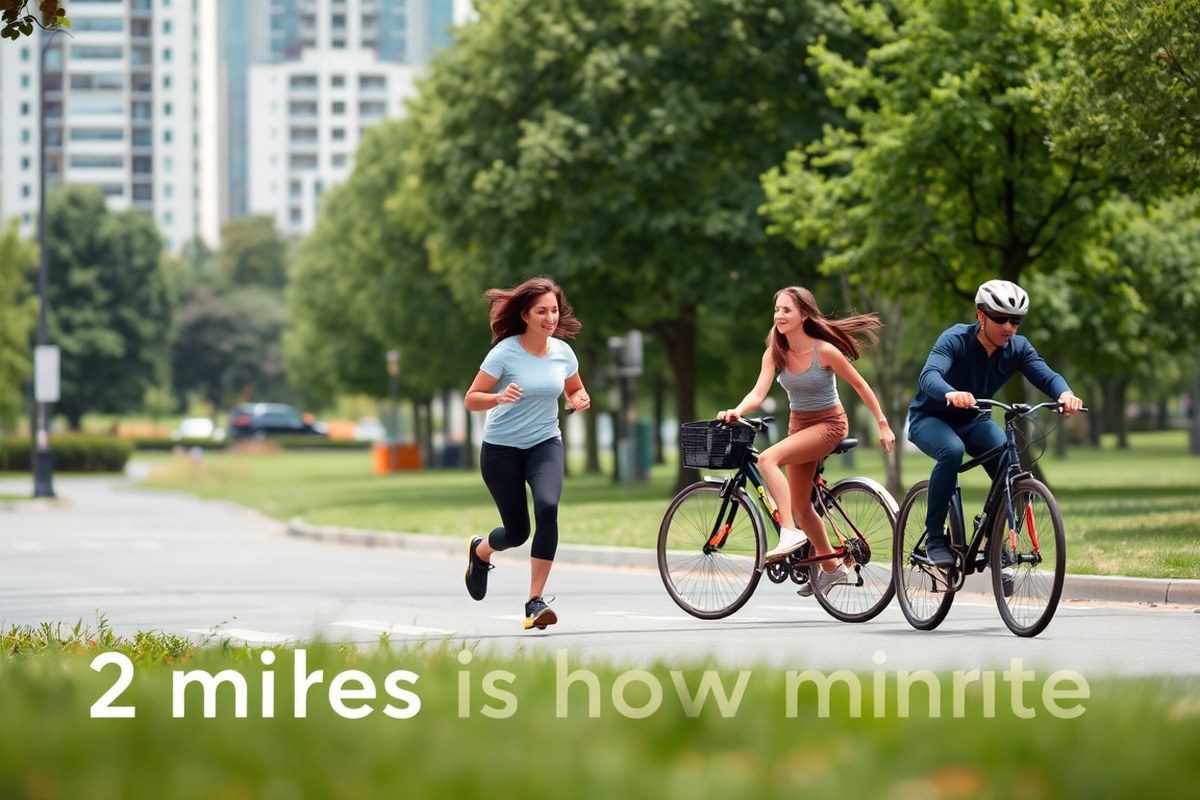
Covering 2 miles takes different times depending on how you travel. Walking usually takes the longest, especially at a casual pace. Driving is the fastest, especially on highways with little traffic.
Knowing these times helps you plan trips, workouts, or errands. For walking and running, pace matters a lot. For cycling and driving, speed limits and traffic are key factors.
| Activity | Average Time (minutes) |
|---|---|
| Casual Walk (3 mph) | 40 |
| Brisk Walk (4 mph) | 30, 35 |
| Fast Walk (4.5 mph) | 25, 30 |
| Jog (6 mph) | 18, 24 |
| Recreational Run (7.5 mph) | 16, 20 |
| Cycling (12-15 mph) | 8, 12 |
| Driving City (25-30 mph) | 6, 10 |
| Driving Highway (60-70 mph) | 2, 4 |
For example, walking 2 miles at a casual pace of 3 mph takes about 40 minutes. Moving faster at a brisk 4 mph walk takes 30 to 35 minutes. Running cuts the time to about half.
It ranges from 16 to 24 minutes. Your speed affects how fast you finish.
Cycling 2 miles will take around 8 to 12 minutes under normal conditions. Driving that same distance varies with traffic and speed limits.
In city traffic averaging 25 mph, expect 6 to 10 minutes. On an open highway at 65 mph, you can cover 2 miles in under 2 minutes.
How to Calculate Time for 2 Miles from Speed or Pace
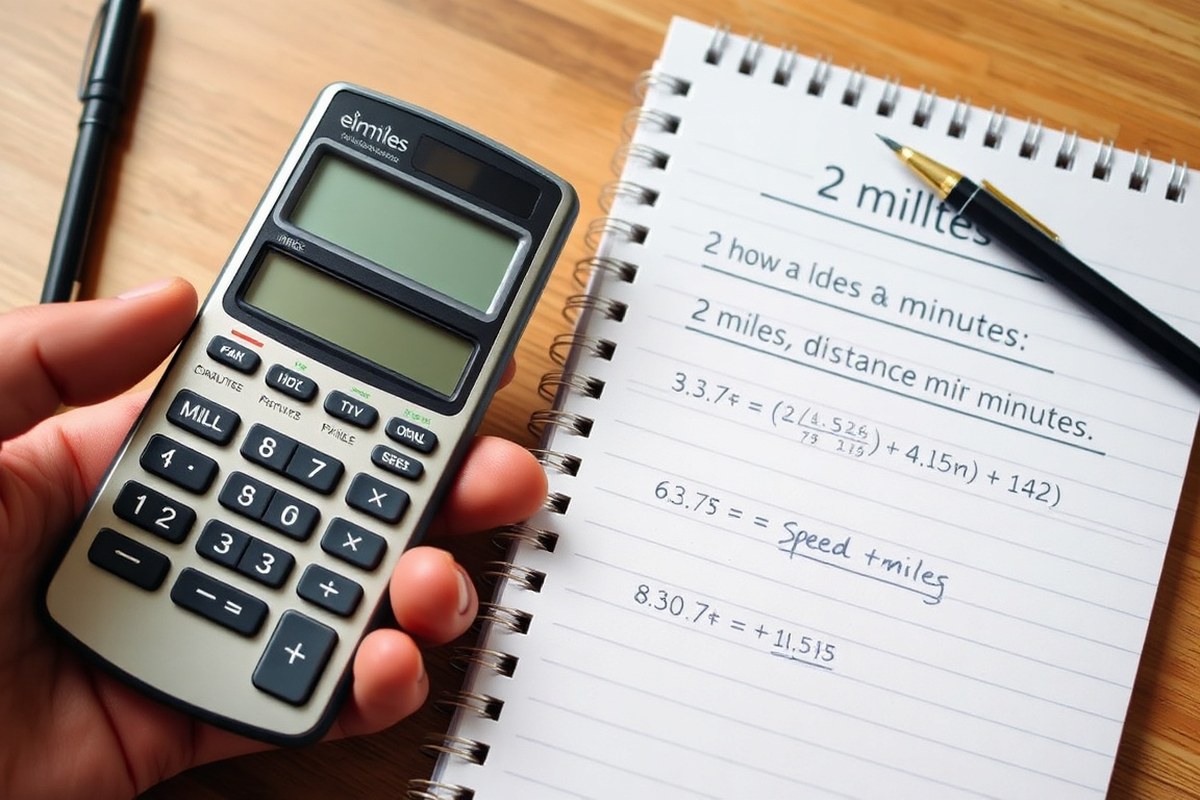
To find out minutes for 2 miles, know your speed first. Speed or pace tells you how fast you’ll go. Then you can calculate the time needed.
Use a simple formula to convert mph to minutes. It helps you get the time for 2 miles.
Just plug in your speed to start. This is useful for walking, running, cycling, or driving.
Formula to Convert Mph to Minutes
Find time by dividing distance by speed. Then multiply by 60 to get minutes.
This gives you how long 2 miles will take. The basic formula is:
Time (minutes) = (Distance in miles ÷ Speed in mph) × 60 This equation gives you the travel time for any distance at a steady speed.
Calculating Minutes per Mile
To get your pace, find minutes per mile first. Pace tells you how many minutes it takes to cover one mile. Use this formula to find pace:
Minutes per mile = 60 ÷ Speed (mph)
Know your pace per mile first. Then multiply it by 2 for total time.
This gives the minutes for 2 miles. This method also helps if your speed varies, by finding different paces for each segment.
Example Calculation for 2 Miles
Say you walk at 3 mph speed. You want to find how long 2 miles take.
Use the formula to get the time. Use the formula:
- Divide 2 miles by 3 mph → 2 ÷ 3 = 0.6667 hours.
- Convert 0.6667 hours to minutes → 0.6667 × 60 = 40 minutes.
- The walk will take 40 minutes at 3 mph.
Find pace by dividing 60 by speed in mph. For 3 mph, it equals 20 minutes each mile.
This helps you know how long to walk one mile. Double that for 2 miles and get 40 minutes again.
For a cyclist going 12 mph, dividing 2 by 12 equals 0.1667 hours or 10 minutes. This shows how different speeds change travel times significantly.
Note that changing speeds mid-trip means you add the time for each segment separately. Always calculate each section’s time then sum them up.
What Factors Affect the Time It Takes to Complete 2 Miles?
Several factors change how long it takes to cover 2 miles. Terrain, traffic, fitness, and weather all alter your pace. Stops and obstacles can add extra time to your trip.
Terrain and Hills Affect Your Walking and Running Time
Walking or running uphill slows you down quite a bit. Even a gentle incline requires more energy, making you take longer to finish 2 miles.
Downhill can speed you up. But it may be painful on your knees or ankles.
Rough terrain or uneven paths also add time. Walking on dirt, gravel, or grass usually takes longer than on flat pavement. Your steps get shorter, and you often pause to keep balance.
Traffic and Stops Slow Down Driving and Cycling
Traffic conditions are a big factor for driving 2 miles. Rush hour or stoplights can slow your trip down a lot. Instead of taking 3 to 5 minutes, it might take 4 to 8.
Traffic affects your total travel time. Traffic jams cause further delays, so timing varies widely.
Cycling faces similar problems. Busy roads and stop signs force you to stop often. Smooth bike lanes help keep your speed steady, cutting down your total time.
Personal Fitness Changes Your Walking and Running Speeds
Your fitness level affects how fast you cover 2 miles. Stronger, fitter runners finish closer to 15 minutes. Beginners or less fit walkers might take 30 to 40 minutes or longer.
Fitness also helps you manage hills and rough terrain better. Consistent practice improves endurance, making your pace steadier. Walking or running indoors, like on a treadmill, lets you control your speed precisely.
Weather Conditions Impact Your Travel Pace
Cold, heat, rain, or wind all slow you down. Hot weather pulls energy away, so you slow your pace to stay safe. Cold or icy roads force you to be cautious and slow down, too.
Wind can be a big factor, especially on bikes or runs. Riding or running into a strong wind cuts your speed.
A tailwind can help you go faster. Rain or wet surfaces make you more careful, increasing time.
Tips to Adjust Time Based on Conditions
- Plan extra 5 to 10 minutes for hilly terrain or uneven paths
- Allow 2 to 4 additional minutes for heavy city traffic driving 2 miles
- Warm up before running to catch a consistent pace
- Dress appropriately for weather to maintain comfort and speed
- Use a treadmill or stationary bike indoors for controlled pacing
- Check traffic apps to avoid rush hour delays when driving
- Carry water and take short breaks if heat or humidity is high
Adjusting your expected time based on these variables keeps your schedule realistic. Preparation helps you manage unexpected delays and finish your 2-mile travel smoothly.
Typical Walking Paces and Corresponding 2 Mile Times
Walking speeds vary a lot based on how fast you go and your walking style. Casual walking usually goes about 2 to 3 mph. It takes around 40 to 60 minutes to walk 2 miles.
This pace feels relaxed and easy. Brisk walking speeds can reach about 4 mph.
At this pace, you cut the time to 30 minutes for 2 miles. It feels faster and more active.
Power walking is faster and more intense, usually hitting around 4.5 to 5 mph. At this pace, most people can walk 2 miles in 24 to 27 minutes. This speed requires more effort but burns more calories too.
| Pace Style | Average Speed (mph) | Estimated Time for 2 Miles (minutes) | Effort Level |
|---|---|---|---|
| Slow/Casual | 2, 3 | 40, 60 | Low (Leisurely) |
| Moderate | 3, 4 | 30, 40 | Moderate |
| Brisk | 4 | 30 | Moderate to High |
| Power Walking | 4.5, 5 | 24, 27 | High |
Knowing your walking pace helps with planning your trips or workouts. To walk 2 miles in 30 minutes, you need to keep about 4 mph. This pace is quicker than casual walking.
You stay steady and fast. Walking slower than this means the time will stretch closer to an hour.
Effort also rises as pace increases. Power walking burns more calories but may tire you out faster. Watching your speed helps you adjust your energy use.
You can plan for longer walks or steady workouts. This keeps your pace steady and efficient.
How Long Does Running 2 Miles Usually Take by Ability Level?
Typical Times for Beginners
Beginners usually take 20 to 24 minutes to run 2 miles. Beginners often run at 13 to 15 minutes for each mile. Two miles usually take about 26 to 30 minutes at this speed.
Intermediate Runner Speed Ranges
Intermediate runners often finish 2 miles between 14 and 16 minutes. They keep a steadier pace of about 7 to 8 minutes per mile. This group recovers quicker and runs more consistently.
Advanced Runner Pacing
Advanced runners cover 2 miles in 12 to 14 minutes, usually faster. They run about 6 to 7 minutes per mile with low fatigue and rapid recovery. Some even finish near 11 or 12 minutes.
How to Improve Your Running Pace
Improving pace means training smarter and running regularly. Speed workouts, like intervals and tempo runs, help you get faster.
Consistency matters too. Running three to five times a week builds endurance. Also, strength training improves overall muscle power.
- Start with easy runs to avoid injury.
- Include intervals to boost speed quickly.
- Add tempo runs for better stamina.
- Strength-train twice weekly for muscle support.
- Stretch to improve flexibility and reduce soreness.
- Track your runs with a watch or app.
Don’t push too hard too soon; gradual progress lowers risk of injury.
What Pace Means for Your Fitness
Running pace shows how fit you are and helps set goals. Beginners may get tired fast and need longer rest periods after running.
Advanced runners have better energy use and bounce back quickly. Knowing your pace can guide your training and avoid burnout.
Driving 2 Miles: City Traffic vs Highway Conditions
Driving 2 miles takes different amounts of time depending on traffic and road type. Heavy city traffic with many stops can stretch the trip to 10 minutes or more. On highways, the same distance usually takes less time due to fewer stops and higher speeds.
Traffic lights, stop signs, and congestion slow you down. Each stop can add 20 to 30 seconds or more.
Even short waiting times multiply quickly over several intersections. That’s why city driving often doubles the time compared to light traffic or highway driving.
| Driving Situation | Estimated Time (minutes) |
|---|---|
| Residential Streets | 5, 8 |
| City Traffic | 6, 10 |
| Light Traffic | 4, 6 |
| Highway | 2, 4 |
To get a good estimate, check the time of day you’re driving. Drive 2 miles early in the morning or late evening. Traffic is lighter then.
You’ll save time this way. Also, use navigation apps to see traffic delays and stop counts ahead.
Expect longer times during rush hour in city centers. Sitting at red lights or bumper-to-bumper traffic adds minutes without covering any distance.
On highways, you mostly keep a steady speed. So 2 miles often takes less than 4 minutes.
Cycling Times for 2 Miles at Common Speeds
Cycling 2 miles can take from about 6 to 15 minutes, depending on your speed. Casual riders usually move slower, while fitness-focused cyclists go faster. Strong riders racing or training cover 2 miles even quicker.
Here’s a simple table showing how long it takes to bike 2 miles at common speeds. It ranges from easy rides to fast cycling. The times assume flat terrain and no stops.
| Cycling Speed (mph) | Time to Bike 2 Miles (minutes) |
|---|---|
| 8 (Casual pace) | 15 |
| 12 (Moderate fitness) | 10 |
| 15 (Fitness level) | 8 |
| 20+ (Experienced/racing) | 6 or less |
Casual cyclists tend to pedal at about 8 mph. They cover 2 miles in around 15 minutes. This pace fits a relaxed ride around your neighborhood or errands.
You cycle regularly and want moderate exercise, so aim for 12 mph. It takes roughly 10 minutes to cover 2 miles at that speed. This pace is common for fitness rides and short commutes.
Strong cyclists who train often push 15 mph or more. They finish 2 miles in about 8 minutes.
Experienced racers or enthusiasts might cycle faster than 20 mph. This speed cuts the time to 6 minutes or less.
To keep track of your cycling times, use a bike computer or smartphone app with GPS. Stopwatch and distance tracking help you see your pace. Track your ride in similar conditions for fair comparisons.
Remember that hills, wind, and traffic affect your speed. On flat roads without stops, time estimates above hold well. Adjust your expectations if your route has many hills or stops.
How Many Steps Are in 2 Miles and Why It Matters
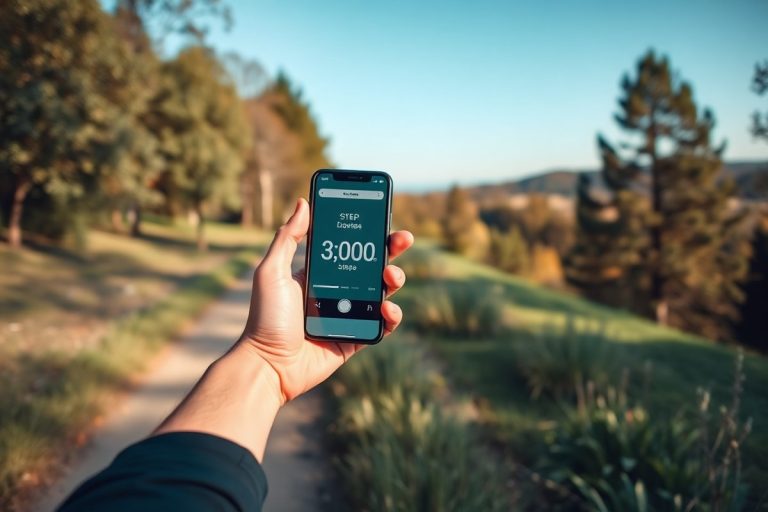
About 4,500 to 5,000 steps cover 2 miles for most adults. This range depends a lot on your stride length. Stride lengths differ by height and walking style, usually between 2.1 and 2.5 feet per step.
Stride length affects step counts more than walking speed does. At a moderate pace of 3 miles per hour, you take roughly 2,252 steps per mile.
So about 4,504 steps for 2 miles. Walking faster or slower changes your step length slightly but won’t drastically alter the total steps.
Knowing how many steps you take for 2 miles helps track your fitness goals. It lets you set daily step targets linked to distance. If you want to walk 2 miles every day, aim for 4,500 steps.
That number is a good general target to follow. It helps keep your walking consistent and effective.
To estimate your steps for 2 miles, follow this method. Walk 10 steps and measure the distance you covered. Use this to find your average stride length.
Divide 10 steps by that distance to find your steps per mile. Then multiply by 2 for your 2-mile total.
This approach helps you match your activity to calorie targets and fitness plans. Your stride affects how many steps you take to walk 2 miles. Shorter strides mean more steps and more foot movement.
This can help burn more calories too. Longer strides mean fewer steps but usually faster walking speed.
Check your stride length regularly to track your steps better. Changes in your walking style or different ground can alter your step count. Keep this in mind for accurate tracking.
When Is 2 Miles in 30 Minutes a Good Pace to Maintain?
Walking 2 miles in 30 minutes means you maintain a 4 mph pace. This is faster than a casual stroll and shows a moderate level of fitness. Many healthy adults can do this comfortably.
Some may find this pace brisk when new to walking. Others with mobility issues might struggle with it. Take it slower if needed to stay comfortable.
This pace helps improve cardiovascular health and burns calories effectively. It raises your heart rate enough to benefit your heart and lungs without causing overexertion. Regularly walking at this speed can boost endurance and keep your weight in check.
Try breaking your walk into 10 minutes fast and 5 minutes slow. This helps you ease into the exercise. It balances effort and rest well.
This approach can build stamina without risking injury. Experienced walkers may walk 2 miles in 20 to 25 minutes.
They often push beyond 30 minutes to build fitness. This helps improve endurance over time.
People with joint pain or chronic conditions might find holding 4 mph too intense. Slower pacing or more breaks can make walking safer and more enjoyable. Always pay attention to your body when starting exercise.
Check with a doctor if you feel unsure about your routine. Safety should always come first.
A good way to track your progress is using a smartwatch or phone app. These tools help keep your pace steady and show improvements over weeks. Adjust your pace based on how you feel and your fitness goals, balancing challenge with comfort.
Step-by-Step Action Plan for Timing Your 2-Mile Trips
Start by choosing how you want to cover 2 miles. Follow these simple steps to plan and measure your time accurately.
- Before You Start: Pick your mode, walking, running, cycling, or driving. Write down your regular pace or speed.
- Day 1: Start a stopwatch or use your phone timer. Track your time for the full 2 miles. Note your total time when you finish. Note the exact minutes it takes.
- Day 2: Calculate your pace or speed by dividing 2 miles by your time. Check if it fits typical ranges for your mode.
- Week 1: Adjust your pace for any factors you noticed, like hills or traffic. Record a new time after this change.
- After 2 Weeks: Test your 2-mile time again under normal conditions. Check if your pace and estimate feel right. Compare this time to your first run.
- Month 1: Try changing your mode or speed to see how time varies. Make notes for planning future trips or workouts.
- Ongoing: Use your pace plus weather or terrain changes. Predict your 2-mile time with more confidence. Adjust your estimate based on these factors.
Frequently Asked Questions
How Long Does It Usually Take to Walk 2 Miles Outside?
Most people walk 2 miles outdoors in about 35 to 40 minutes. That pace feels comfortable for most. It works for a casual walk outside.
Walking on uneven ground slows you down. Cold weather does, too. Expect extra time in tough conditions.
Is a 2-mile Run in 12 Minutes a Good Time for Beginners?
Running 2 miles in 12 minutes is quite fast, even for experienced runners. Beginners typically take between 16 and 20 minutes for 2 miles. Focus on steady progress rather than speed if you are new to running.
How Much Time Do You Save Driving 2 Miles on the Highway Versus City Streets?
Driving 2 miles on the highway takes about 2 to 3 minutes. This is faster than city traffic. Highways let you drive quicker.
City roads have stoplights and slower speed limits. This slows your trip to 4 to 8 minutes. It usually takes longer than under 5 minutes.
What Factors Can Make Walking 2 Miles Take Longer Than Expected?
Walking speed can slow down due to hills, heavy traffic, or carrying bags. Health and weather also matter.
You may take longer walking 2 miles if tired or hot outside. Your pace often drops in tough weather or fatigue.
Is Walking 2 Miles in 30 Minutes Considered a Good Pace for Health?
Walking 2 miles in 30 minutes means you walk around 4 mph. That is a good, steady pace.
It matches a healthy speed for walking. It burns calories and improves fitness, but speed matters less than consistency over time.
The Bottom Line
Knowing how long 2 miles takes depends on your mode and speed. Use your timing skills to plan walks, runs, rides, or drives. Try measuring your own time today to see how it matches estimates.