How Long Can You Drive on a Flat Tire: Safe Distances and Speed Limits
You should never drive more than 1 to 2 miles on a flat tire. Keep your speed very slow, around 5 to 10 mph, to avoid more damage. Driving faster or farther can ruin your tire and wheel, which gets expensive to fix.
Once you notice a flat, slow down below 20 mph quickly. Find a safe place to stop and avoid sharp turns or hard braking. Driving gently helps protect your wheel and suspension from damage.
Run-flat tires allow driving up to 50 miles at speeds near 50 mph after losing air. They provide extra time before professional help, but repair or replacement must follow soon. Unlike standard tires, run-flats still need care to avoid major damage from flats.
Key Takeaways
- Do not drive more than 1 to 2 miles on a flat standard tire.
- Keep speed under 20 mph when moving on a flat tire.
- Run-flat tires allow up to 50 miles at speeds below 50 mph.
- Always drive gently to avoid damaging the wheel and suspension.
- Replace or fix the flat tire as soon as you reach safety.
- Spare tires can be driven up to 50 miles, not more.
How Far Can You Drive on a Flat Tire Without Damage?
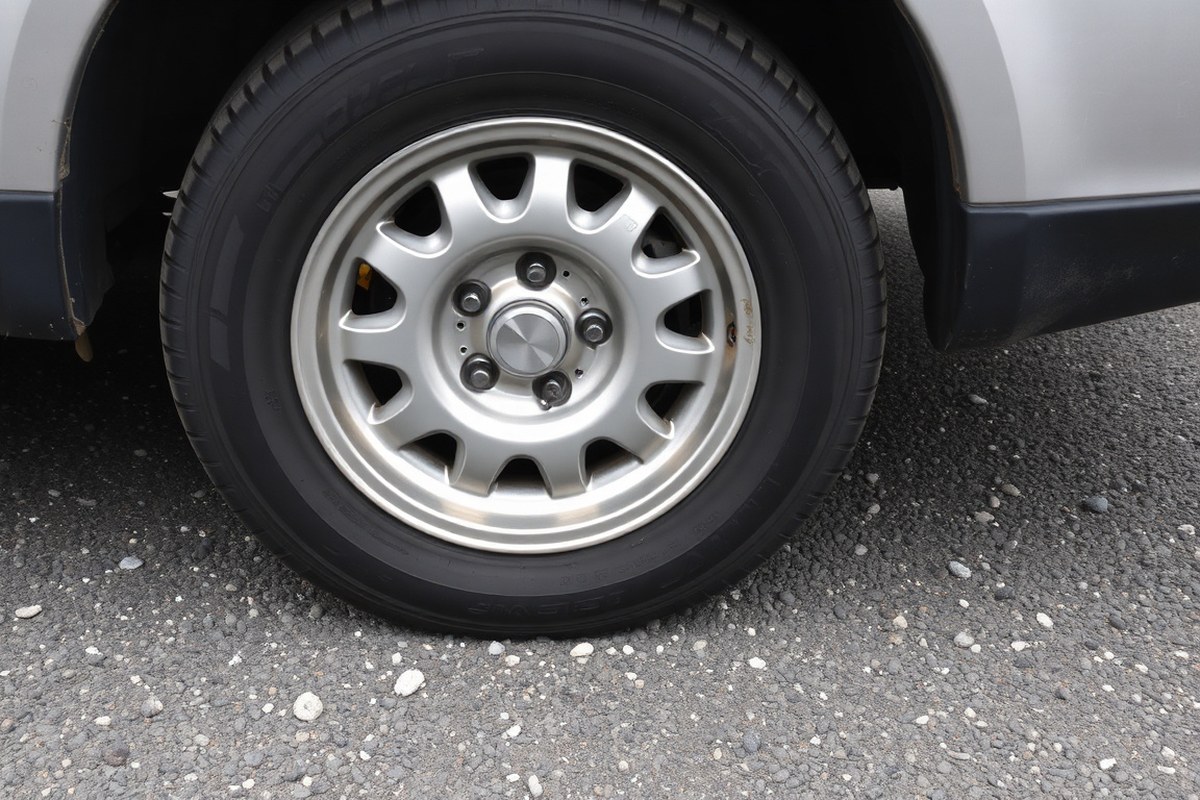
You can drive 1 to 2 miles on a flat tire. Keep your speed very low. This helps avoid immediate damage.
Keep your speed between 5 and 10 mph. This prevents serious tire damage.
Moving slower protects both tire and wheel. This short distance helps you reach a safe spot to stop or call for help.
Driving faster or farther can break the tire sidewalls. It can also damage the rim. Repairing this can get expensive.
Most tire makers say not to drive on a flat. Your car’s weight quickly crushes the tire. This ruins the tire structure fast.
Going over these limits will likely destroy the tire. The tire won’t be repairable after that. You’ll need a replacement.
Run-flat tires have built-in support to handle driving while flat, but only within limits. Pirelli run-flat tires can go 50 miles after a flat. You can drive up to 50 mph.
This helps you get to a shop safer. This added mobility gives you time to reach a tire shop without changing the tire immediately.
Still, it’s best to stick to the tire maker’s recommended speed and distance limits. Even run-flat tires can suffer damage if you push them beyond the stated range. Driving slower and only as far as necessary reduces risks to your vehicle.
A tire with some air lost lets you drive slowly. You might go 3 to 5 miles at 15 mph. This can be safe for light leaks.
Some air pressure cushions the impact and lessens harm. Minor leaks keeping 80% pressure let you drive 10 miles.
You should keep speed under 25 mph. This distance reaches many service centers.
A complete flat tire needs immediate attention. Do not try to cover long distances at normal speeds. Towing costs about $60 to $150, less than repairs.
Rim and suspension fixes are usually pricier. Avoid driving on a flat to save money.
What Happens to Your Tire and Wheel When Driving on a Flat?
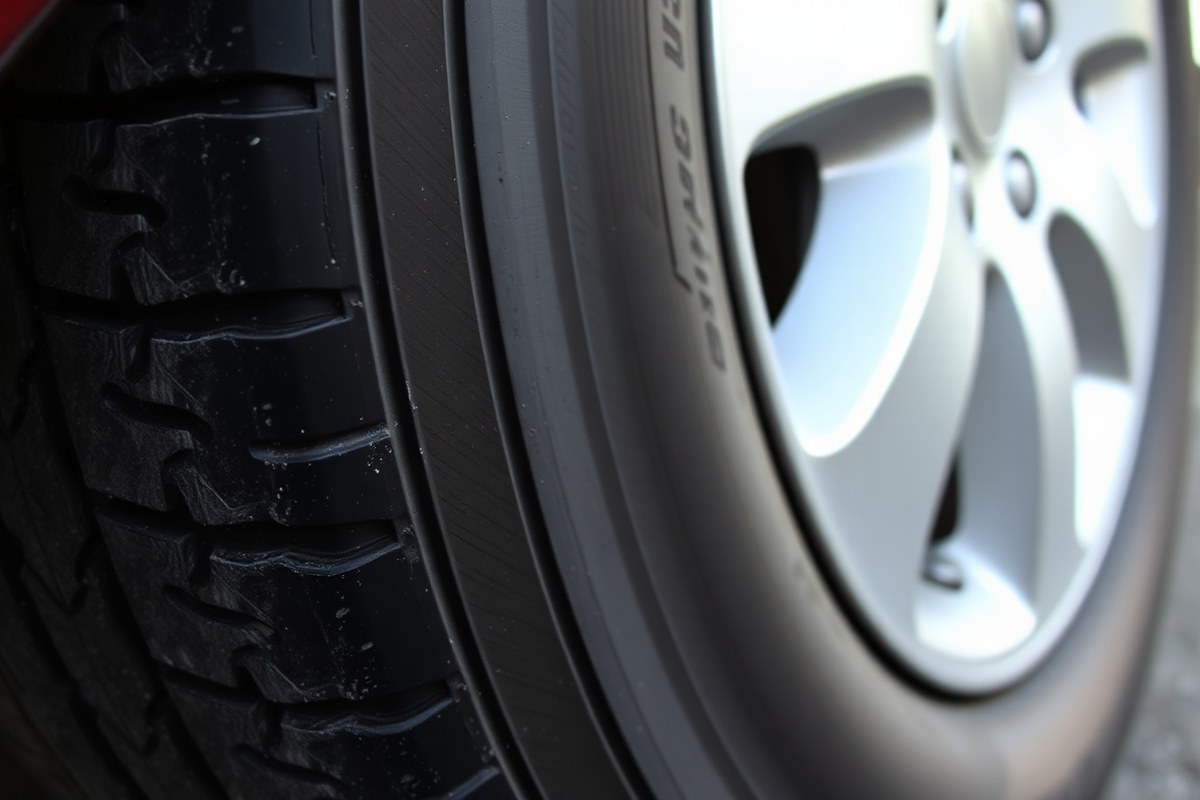
A flat tire loses air pressure, which weakens the sidewall almost immediately. Without air, the sidewall can no longer support the vehicle’s weight. As you keep driving, the sidewall bends, folds, and eventually cracks, causing irreparable damage.
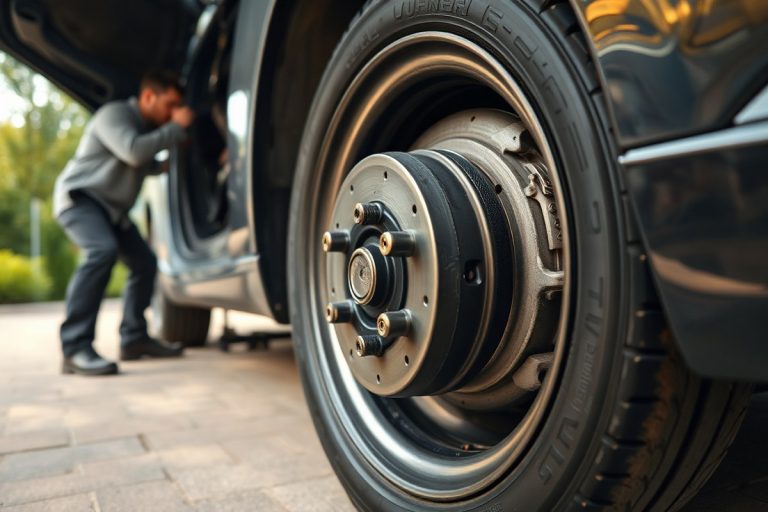
When the tire is fully flat, the metal rim hits the road. This can cause damage to the wheel and vehicle. This contact quickly damages the rim by bending or cracking it.
Driving even a few miles on a flat can bend the rims. Bent rims may need costly repairs or new parts.
Driving on a flat tire also stresses suspension parts, like shocks and control arms. They try to compensate for the uneven ride and extra jolts.
After three miles on a flat, parts of the car can get damaged. This damage can affect your steering and braking.
The risk grows if you drive on rough roads or make sharp turns. A flat tire reduces the car’s stability, making it harder to control. This danger adds up with longer driving, increasing wear on suspension and braking systems.
Damage happens quickly. Driving five miles on a flat tire often causes serious tire and rim damage. This damage is usually permanent.
The tire sidewalls, rim metal, and suspension work together. So any damage affects the whole system.
It’s safer and cheaper to tow if the tire is shredded or rim hits the road. Driving on a bad tire can cause more damage.
Do not keep driving if the tire is completely flat. Stop and get help immediately.
How to Safely Drive a Short Distance on a Flat Tire
Driving a short distance on a flat tire is risky. You must control your speed and steering carefully. This helps avoid damage or losing control.
Keep your speed very low and handle the steering gently. Prepare your vehicle before you start driving.
Pick the safest route near your location. Move only to a safe place close by.
Check Tire Pressure and Vehicle Load
Before moving, assess the flat tire pressure if you can. Driving is risky if tire pressure is zero or close. You could lose control or cause damage.
Avoid driving at all in this case. Lighten your vehicle’s load by removing extra weight if you need to move it.
Confirm your tire status using a pressure gauge or visually inspect it. Drive very carefully if tire pressure is over 20 PSI. You can travel 1 to 2 miles at most.
Check the tire often during this short drive. Below that, limit movement to a few feet to avoid wheel damage.
Select a Safe Route and Keep Low Speed
Pick a route with smooth surfaces and little traffic. Stay off highways and busy roads to minimize dangers to yourself and others. Choose a straight path that avoids potholes and sharp curves.
Drive under 5 mph if tire is almost flat. Go no faster than 15 mph if pressure is low but not flat.
Slow speeds reduce damage risks. Slower speeds reduce vibrations and prevent the tire from shredding or the wheel from bending.
Use Gentle Acceleration and Avoid Sharp Turns
Start moving slowly by gently pressing the gas pedal. Avoid sudden acceleration to keep the car stable on the damaged tire. Keep the steering wheel steady and avoid quick turns or hard braking.
Steering smoothly helps prevent the flat tire from digging into the road or scraping the rim. Sharp turns cause additional strain, increasing the risk of tire and suspension damage.
Pull over at the Nearest Safe Location
Stop as soon as you reach a safe spot. Find a flat area off the road, like a wide shoulder. Parking lots also work well.
Use your hazard lights to alert other drivers and avoid stopping in dangerous spots. Turning off your engine and setting the parking brake helps secure your vehicle.
After stopping, check your tire carefully. Call roadside assist or use your spare tire if you have one.
Make sure you are safe before continuing. Moving further risks more damage and losing control of your vehicle.
- Check your tire pressure or look for signs of flatness.
- Remove heavy items from your car to reduce load.
- Choose a straight, flat route with little traffic and no sharp turns.
- Drive slowly, keeping your speed under 5 mph for flat or very low pressure tires.
- Accelerate gently and steer carefully to maintain control.
- Watch for noises, vibrations, or pulling to one side.
- Pull over as soon as you reach a safe spot away from traffic.
- Turn on hazard lights and apply the parking brake.
Run-Flat vs Regular Tires: Driving Limits Compared
Run-flat tires let you drive farther safely after a puncture than regular tires. They typically allow up to 50 miles at speeds near 50 mph while deflated.
Regular tires become unsafe almost right away when flat. You should not drive more than a few hundred feet on them.
Design Features of Run-Flat Tires
Run-flat tires have reinforced sidewalls that support the vehicle’s weight without air pressure. This design stops the tire from collapsing and damaging the wheel or car. The thick sidewalls keep the tire’s shape even when fully deflated.
In contrast, regular tires lose their sidewall strength when air escapes. The tire collapses, causing the rim to rub the road and damaging the wheel quickly. That’s why driving on a flat regular tire often ruins the tire and wheel.
Distance and Speed Limits
Most run-flat tires let you drive up to 50 miles after a puncture. The speed should not go over 50 mph. The exact distance varies, sometimes reaching up to 100 miles.
But 50 miles is the common safe range. This limit is a maximum, not a goal to push.
Regular tires should not be driven on when flat beyond a few hundred yards. The tire structure fails quickly, and handling becomes dangerous.
Run-flat tires let you drive to a repair shop without changing to a spare. This means no need to stop immediately.
| Feature | Run-Flat Tires | Regular Tires |
|---|---|---|
| Sidewall Support | Reinforced to hold car weight without air | Collapses without air, causing wheel damage |
| Distance After Puncture | Up to 50 miles (sometimes 100 miles) | Only a few hundred yards |
| Maximum Speed Flat | About 50 mph | Very low speed, unsafe to drive |
| Risk to Wheel | Minimal with limited driving | High risk of wheel damage |
| Repairability After Flat | Often still repairable | Often ruined beyond repair |
Following manufacturer guidelines is key for run-flats. Check your tire’s manual for exact limits. Exceeding distance or speed risks tire and wheel damage, even with run-flats.
Pros and Cons Compared to Standard Tires
Run-flat tires offer convenience and safety by letting you keep driving after a puncture. You can avoid roadside tire changes and get to a shop more easily. However, they cost more than regular tires and often provide a stiffer, less comfortable ride.
Regular tires are cheaper and offer more cushioning on the road. But when flat, they become unsafe to drive on. Driving even short distances risks ruining both tire and rim, which often means costly replacements.
Don’t drive faster or farther than the limits if your vehicle has run-flats. Driving past limits can cause damage.
Fixing it may cost more than a tire change. For regular tires, stop driving as soon as a flat occurs to avoid severe wheel damage.
When Is It Too Dangerous to Drive on a Flat Tire?
Driving on a flat tire is dangerous. It can harm your car. You also risk your safety.
Rough or uneven roads increase this risk and can quickly ruin your wheel or suspension. Even slow driving on a flat tire can cause damage.
Bumps, potholes, and sharp turns make it worse. Avoid these to protect your car.
Heavy wobbling, loud thumping, or the car pulling one way show tire trouble. These signs mean the flat tire is unsafe to drive on. Pay attention to these problems.
Notice these problems? Stop driving your car right away.
Keep driving with a flat tire and you might lose control. This puts you and other drivers at serious risk.
- Avoid driving on highways or busy streets with a flat tire.
- Stop if you feel severe vibration or handling issues.
- Drive only a few hundred yards on smooth, straight roads if needed.
- Pull over to a safe spot as soon as possible.
- Do not try to drive with a completely shredded or flat tire.
- Check your surroundings for safe places to stop before moving.
Keep in mind that driving just a short distance on a flat still risks rim damage. The tire’s sidewall cannot support the car’s weight, pressing directly on the rim. This can bend or crack your wheel and harm suspension parts, which is expensive to fix.
Stop driving as soon as a flat tire starts to affect your steering or control.
How Long Can Your Car Sit on a Flat Tire Safely?
A car can sit on a flat tire for a short time without major harm. Generally, a car parked on a flat tire up to 24 hours usually won’t suffer much damage. Leaving it longer might increase risk.
The vehicle’s weight presses down on the tire sidewall. This pressure can cause cracks or deformities over time.
Try to park the car on soft ground like grass or dirt if it has a flat tire. This reduces pressure on the rim and sidewall.
You can put a sturdy board or plywood under the flat tire. This helps spread the weight and avoid damage.
Heavier vehicles and those with regular tires are more vulnerable. Run-flat tires or those with strong sidewalls hold weight better than regular tires.
Still, they aren’t built for long periods flat. Trucks and SUVs have higher risk of damage to the sidewall or wheel after one or two days on a flat tire.
When a tire deflates fully, its rim ends up touching the ground. This can bend or crack the rim if the car stays parked too long. Moisture from rain or dew can cause rust and corrosion where the rim touches the ground.
Check your tire pressure daily if you can’t fix the flat right away. Inflate the tire just enough to support the vehicle safely. Avoid driving on it until fully fixed.
Mark the flat tire’s location clearly. This helps prevent accidents or making the damage worse.
Cover the flat tire if you leave your car overnight. This protects it from sun and extreme heat or cold. Heat makes the rubber softer and can speed up sidewall damage.
Cold weather risks cracking. So try to store your car in a garage or covered area if possible.
Fixing a tire damaged by sitting flat usually costs $80 to $300. The price depends on the tire type.
Rim repair or replacement can add $100 to $300 more. Avoid these repair bills by fixing flats promptly and parking carefully to reduce tire stress.
Using Spare Tires: Limits and Best Practices
Spare tires come in two main types: full-size and compact. Full-size spares match your regular tires, letting you drive normally. Compact spares, often called donuts, limit your speed and distance to protect your vehicle.
Types of Spare Tires
Full-size spare tires look and perform like your regular tires. You can use them for as long as you need without special limits.
Compact spares are smaller and lighter to save space in your trunk. They are narrower, which helps in emergencies but reduces traction and durability.
You should not treat compact spares like regular tires. Their design limits how far you can safely drive on them. Driving too much can damage the spare or your car.
Keep to the recommended distance to avoid problems. Knowing which spare you have helps you avoid risky driving habits after a flat.
Speed and Distance Guidelines
Driving on a spare tire requires strict attention to speed and distance limits. Full-size spares allow normal speeds and distances, just like regular tires. Compact spares, however, need slower speeds and shorter trips to avoid wear and safety issues.
The table below shows typical limits you should follow depending on your spare tire type.
| Spare Type | Max Speed (mph) | Max Distance (miles) |
|---|---|---|
| Full-Size Spare | Same as regular tire | Same as regular tire |
| Compact Spare (Donut) | 50 mph | 70 miles |
| Run Flat Tire (if spare) | 50-55 mph | Up to 100 miles |
Follow these limits to avoid overheating or overloading the spare tire. Going faster or driving farther can cause tire failure or damage your car. These rules keep you safe until you replace the flat tire.
Safety Tips for Driving on a Spare
Always check your spare’s inflation pressure before using it. A properly inflated spare performs best and lasts longer. Check the air pressure with a pressure gauge.
Fill the tire to the right PSI. You can find the recommended PSI on the spare or in the owner’s manual.
Also inspect the spare for dry rot, cracks, or worn tread. Avoid using a spare that looks damaged or very old.
Pack a jack, lug wrench, and your spare tire for emergencies. So you can switch the tire safely.
Drive cautiously, avoiding sharp turns and sudden stops, which extra stress the spare. Remember, compact spares reduce traction, so stopping distances may be longer. Plan to replace your spare with a regular tire as soon as possible.
Immediate Actions to Take After Discovering a Flat Tire
Stop your car safely as soon as the tire goes flat. Turn on your hazard lights to warn other drivers nearby. Move your car to the shoulder or a clear, safe spot away from traffic.
Check your surroundings. Feeling unsafe or seeing a narrow shoulder means call roadside assistance now.
It’s safer to wait for help than risk changing the tire yourself. You might also want help if the tire is shredded or the car feels unstable.
- Pull over safely and turn on hazard lights
- Inspect the tire and wheel for visible damage
- Decide if you can change to a spare tire safely
- Use tire sealant or inflator only for temporary help
- Call roadside assistance if you lack tools or feel unsafe
- Keep your phone handy to call for help
Have a spare tire? Get ready to swap it out carefully and slowly. Use your jack and tools properly to avoid injuries or mistakes.
Make sure your car is on level ground and set the parking brake. Use the jack and tools from your car’s emergency kit to remove the flat tire. Changing the tire yourself usually takes 15 to 30 minutes if you know how.
No spare tire? Calling for professional help will save you time and trouble. They can fix or tow your car safely where you need.
Temporary products like tire sealants or inflators can get you to a shop safely. Follow the sealant instructions on the can carefully for best results. Pump the tire up to the pressure recommended, around 30 to 35 psi.
Take your time to get the right pressure level. These fixes only last short term and aren’t perfect repairs. They won’t fix serious damage like big holes or tears in the tire.
Plan to visit a tire shop quickly after using sealant. Use temporary fixes just to get to the closest service.
Don’t rely on them as a permanent solution for tire problems. Changing the tire soon is always safer and smarter.
Only drive a short distance on a flat tire to move off road. Don’t try to drive far or at speed, as this causes more damage. Stop quickly at a safer place or call for help.
How to Prevent Flats and Maintain Tires for Safety
Check your tire pressure monthly. Test it before long drives too. Temperature changes affect pressure, cold lowers it, hot raises it.
Proper pressure prevents uneven wear and blowouts. Use a good gauge to check pressure. Find the right psi on the door or manual.
Match your tire pressure with that number. Avoid guessing by eye or car inflation stations, which may be inaccurate.
Rotate your tires every 5,000 to 7,500 miles to spread out wear. This routine extends tread life and keeps your car stable on the road. Tires wearing unevenly hurt driving control.
Thin spots can cause punctures more often. Keep the tread even to stay safer.
- Check tire pressure monthly and before long drives
- Use a quality gauge to reach the recommended psi
- Rotate tires every 5,000 to 7,500 miles for even wear
- Get wheel alignment checked yearly or if the car pulls
- Inspect tires for nails, cracks, or bulges regularly
- Adapt tire care for seasons: lower psi in cold, avoid overinflation in heat
Wheel alignment each year or when you notice pulling keeps tire wear balanced. Poor alignment causes quick tread loss and increases flat chances. Look for sidewall damage and loose nails that can slowly cause leaks.
Driving habits play a role too. Avoid potholes, debris, and curbs to reduce puncture risk and maintain tire health.
Seasonal changes require adjustments. In winter, check pressure more often since cold air contracts. In summer, watch for overinflation which raises flat and accident risk.
Spend a few minutes monthly on tire care. Watch how you drive to avoid flats. This helps you stay safer on the road.
Step-by-Step Action Plan for Dealing with a Flat Tire
Follow these steps right after you find out your tire is flat. This will keep you safe and protect your car from damage.
- Immediately: Pull over safely to the side of the road or a flat parking spot. You know you are safe when your hazard lights are on and you’re out of traffic.
- Within 5 minutes: Check your tire type to see if it’s run-flat or regular. Look for markings on the tire sidewall to confirm it.
- Next 10 minutes: If you have a spare, switch to it quickly. The replaced tire should be inflated and looking solid on the road.
- Within 15 minutes: Call roadside assistance if you don’t have a spare or feel unsure. You’ll know help is on the way when they confirm your location.
- Immediately before driving: Drive slowly, no more than 20 mph, and only for a short distance. Stop if you hear any new noises or feel vibrations.
- Within 30 minutes: Drive directly to a tire shop or mechanic. Get your tire fully inspected or replaced there. A professional will confirm your tire’s condition and repair or replace it.
Frequently Asked Questions
Can Driving on a Flat Tire Damage Your Car’s Suspension?
Yes, driving on a flat tire can harm your suspension. It puts extra stress on parts like shocks and struts, leading to costly repairs.
How Does Weather Affect Driving on a Flat Tire?
Wet or icy roads make driving on a flat tire more dangerous. You have less control, increasing the risk of accidents.
Can You Use Air Compressors to Temporarily Fix a Flat Tire?
Yes, a portable air compressor can add air temporarily. This helps you reach a safe spot but won’t fix permanent damage.
Is It Safe to Drive on a Flat Tire in Heavy Traffic?
No, driving on a flat in heavy traffic is unsafe. It raises accident risks and threatens both you and others nearby.
Will Tire Pressure Monitoring Systems Warn You Immediately About a Flat Tire?
Most TPMS alert you quickly when tire pressure drops. However, it’s best to check tires manually before driving.
Wrapping Up
You should never drive far or fast on a flat tire to avoid damage and danger. Stop quickly and switch to a spare or get help. Your safest move is to fix or replace the tire before driving again.