9 000 Steps Is How Many Miles? Accurate Distance, Time and Calories Explained
30,000 steps is how many miles depends on your step length. For most adults, 30,000 steps translate to about 13 to 14 miles. Walking 30,000 steps covers nearly a half marathon distance.
It also adds a bit more distance beyond that. This means you walk 13.1 miles plus some extra.
Your height and walking style change the exact miles. Taller people with longer steps will cover more miles with the same step count. A person with a 30-inch step hits about 14.2 miles after 30,000 steps.
Knowing this helps you set realistic daily goals. Start by measuring your step length or use a common average. This way, you get a better idea of your true distance and progress.
Key Takeaways
- 30,000 steps equal about 13 to 14 miles for most adults.
- A 30-inch step length corresponds to roughly 14.2 miles at 30,000 steps.
- Your height affects step length, altering distance covered per step count.
- Measure your stride to accurately convert steps to miles.
- 30,000 steps exceed a half marathon distance by about one mile.
- Tracking real distance helps create practical walking or fitness goals.
1. How Many Miles Are in 30,000 Steps?
Thirty thousand steps usually equal about 14.2 miles for an average adult. This calculation uses a typical step length of 30 inches, or 2.5 feet, which is common for many people.
At this length, every 10,000 steps is roughly 4.73 miles. So 30,000 steps multiply that distance by three.
Step length varies among individuals, largely depending on height and walking style. Most adults’ step lengths range from 2.0 to 2.8 feet, which changes the total distance from about 12.3 miles to 16.1 miles for 30,000 steps. A taller person has a longer stride.
They cover more ground with the same steps. Shorter people cover less ground in the same steps.
Knowing your own step length helps you estimate distances more accurately when tracking walking fitness. Measure your step length by walking a set number of steps. Use a flat surface to walk on.
Divide the total distance by the steps you took. This simple check adjusts your total miles walked.
It works better than using general averages. General averages often don’t fit everyone well.
2. How to Calculate Miles from Your Step Count Accurately
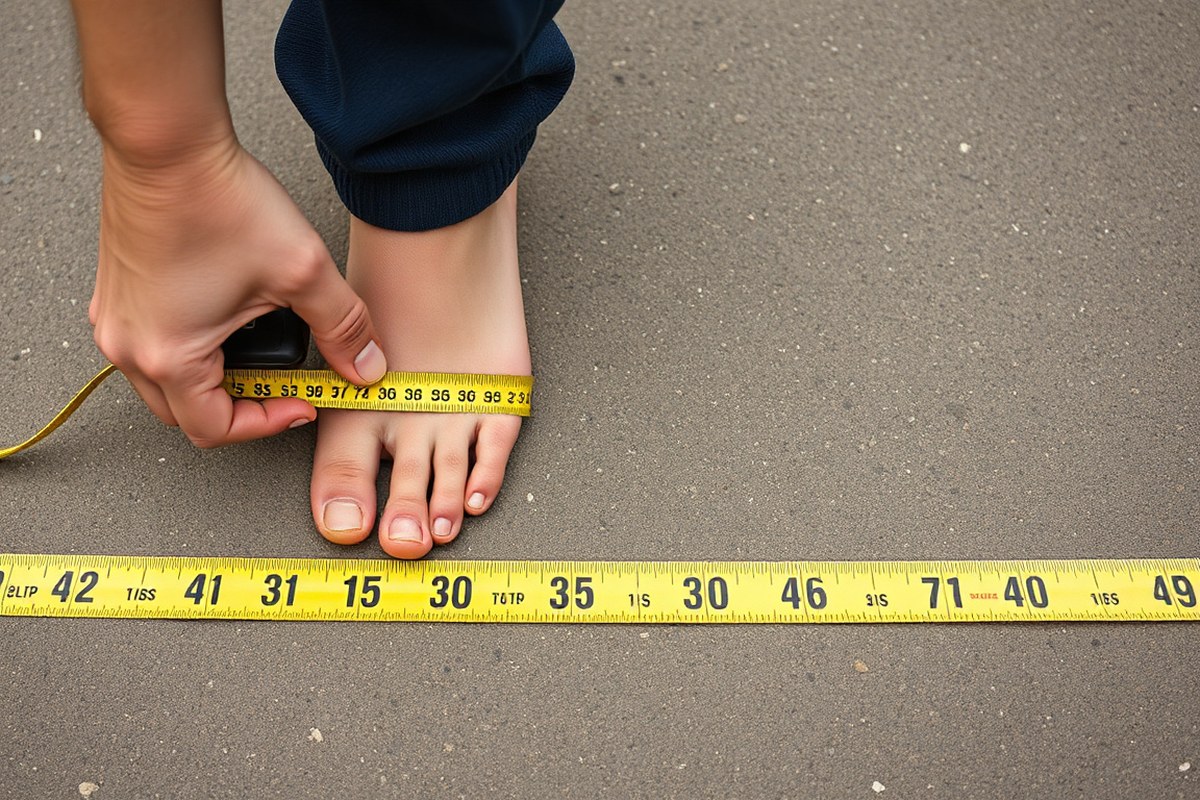
You can calculate your walking distance from steps more accurately by measuring your own step length. Step length is how far you move with one step. It is different from stride length.
Stride length covers the distance of two steps. To find miles from steps, first measure your step length.
You can also estimate it from your height. Then use simple math to convert steps into miles.
Measuring Your Step on Flat Ground
Start by walking on a flat surface like a driveway or hallway. Walk a set number of steps and measure the distance.
Divide the distance by the number of steps. This gives your step length.
Here are the steps to measure your step length accurately:
- Pick a flat, straight path about 20 feet long.
- Mark your starting point on the ground.
- Walk normally and count each step until you reach the end.
- Stop and measure the exact distance you walked.
- Divide the total distance by your step count.
- The result is your average step length in feet.
Measuring on uneven or sloped ground will give inaccurate step lengths.
Using Height to Estimate Step Length
Don’t want to measure? You can estimate your step length. Use your height for a simple estimate.
Your stride length is roughly 0.41 times your height. So your step length is about half of that.
For example, if you’re 5 feet 7 inches tall (67 inches), your stride length is 0.41 × 67 inches = about 27.5 inches. Divide that by two to get step length, roughly 13.75 inches or 1.15 feet.
This method works well for normal walking pace on flat ground. Step length can change with speed, terrain, or walking style. So results may vary.
Calculating Miles from Measured Step Length
Once you have your step length in feet, use this formula to convert steps into miles: Distance (miles) = (number of steps × step length in feet) ÷ 5,280. There are 5,280 feet in a mile. For example, say your step length is 2.5 feet and you walked 30,000 steps:
- Multiply 30,000 steps × 2.5 feet = 75,000 feet
- Divide 75,000 feet ÷ 5,280 = 14.2 miles
This gives a more accurate distance than using generic step-to-mile conversions. Step length may change slightly each day.
It depends on your walking pace or the terrain. Keep this in mind when estimating.
3. How Height and Gender Affect Step Length and Distance
Step length varies naturally by height and gender. Men generally have longer steps than women due to differences in body structure. Your total walking distance changes if your step length changes.
This happens even when your step count stays the same. Step length affects how far you actually walk each step.
Average Step Lengths by Gender and Height
Men tend to have longer legs and a bigger stride than women. The average step length for men is around 28 inches.
For women it’s closer to 24 inches. Height affects step length because taller people naturally take longer steps.
For example, someone 5’4″ usually has a step length near 25 inches. A person 6 feet tall often steps about 30 inches each time. Differences in muscle strength and hip flexibility also affect how long each step is.
Examples of 30,000 Steps Distance by Height
Here’s a useful table showing typical step lengths by gender and height. The total miles covered after walking 30,000 steps depend on these values. This shows you why the same number of steps can equal different distances.
| Height | Gender | Step Length (inches) | Distance for 30,000 Steps (miles) |
|---|---|---|---|
| 5’4″ | Female | 25 | 11.8 |
| 5’4″ | Male | 26.5 | 12.5 |
| 5’10” | Female | 27 | 12.9 |
| 5’10” | Male | 30 | 14.2 |
| 6’2″ | Male | 31.5 | 14.9 |
This table uses simple math: multiply step length by 30,000 steps, then convert to miles. For example, a 5’4″ female stepping 25 inches covers about 11.8 miles. The distance increases as step length grows with height.
Impact of Step Length Variation on Distance Estimates
Small differences in step length add up over thousands of steps. Adding a few extra inches to your step can change your walk a lot. At 30,000 steps, it can mean almost a mile more or less.
Small changes in step length add up over many steps. Not accounting for step length leads to wrong distance guesses and tracking errors.
For fitness or weight loss goals, knowing your real step length helps plan better. You’ll time your walks and calories burned more accurately. Measure or estimate your step length before you convert steps to miles.
Use your height and gender to guess your step length. This gives a more accurate distance from your steps.
4. How Long Does It Take to Walk 30,000 Steps?
Walking 30,000 steps usually takes around five hours for most people. This estimate assumes a normal walking pace of about 3 miles per hour, covering roughly 13.5 miles.
At this pace, you climb about 3,000 steps in half an hour. So doing 30,000 steps requires ten times that duration.
Walking speed greatly affects how long 30,000 steps will take. At a slower pace of 2 miles per hour, expect to spend over seven hours walking. A brisk pace of 4 miles per hour shortens the time significantly.
It takes about three and a half hours at that speed. This pace is faster than a casual walk. Your fitness level and terrain can shift these times too.
Adults usually walk between 2.5 and 4 miles per hour. Most people walk at about 3 miles per hour. This speed feels comfortable for a casual stroll.
It doesn’t push you too hard. Walking faster helps burn more calories.
But it can tire you out faster. This is true for long walks like 30,000 steps.
5. Calories Burned Walking 30,000 Steps: What to Expect
Walking 30,000 steps usually burns between 1,000 and 2,000 calories. How many you burn depends on your weight, pace, and the terrain you walk on. The heavier you are and the faster you go, the more calories you burn.
Calories Burned by Weight and Pace
Body weight greatly affects calorie burn during walking. Heavier people burn more calories walking the same steps as lighter people. For example, a person weighing 240 pounds burns more calories.
They burn about twice as many calories as someone weighing 120 pounds. Weight greatly affects how many calories you burn.
The pace also changes calorie counts. Walking faster uses more energy per step but can feel harder to keep up for long. You can estimate your burn using typical walking speeds of 3 mph and 3.5 mph.
| Body weight | Calories (3 mph) | Calories (3.5 mph) |
|---|---|---|
| 120 lb (54 kg) | 825 | 789 |
| 150 lb (68 kg) | 1,031 | 986 |
| 180 lb (82 kg) | 1,237 | 1,183 |
| 210 lb (95 kg) | 1,443 | 1,381 |
| 240 lb (109 kg) | 1,649 | 1,578 |
This chart helps match your body weight and walking speed to calories burned. Use it as a starting point for estimating energy use from walking 30,000 steps.
Calories Burned at Different Walking Speeds
Walking speed changes the number of calories you burn per step. Moderate speeds near 3 mph burn a solid amount without being too tiring. Faster walking at 3.5 mph increases calorie burn slightly but may not last as long.
Terrain plays a role too. Walking uphill or on rough surfaces burns more calories than flat, smooth ground. Your step length changes, affecting both pace and how many calories you use for 30,000 steps.
Estimating Calories with Step Counters and Apps
Many step counters estimate calories burned using weight, steps, and pace data. These tools give useful ballpark numbers but can miss subtle changes due to terrain or fatigue. Make sure to enter your correct weight for better accuracy.
The numbers might be off by a few hundred calories. So use apps as a guide, not an exact measure. Check your progress by noticing how much energy you use.
Adjust your activity and food based on your energy level. This helps you keep your goals on track.
Check your step counter’s settings for accuracy. Make sure your weight and stride length are entered correctly. This gives better calorie count estimates.
6. Is Walking 30,000 Steps a Day Healthy and Safe?
Walking 30,000 steps a day is far beyond the typical physical activity guidelines. Adults should aim for 6,000 to 8,000 steps daily for health. Walking 30,000 steps is nearly four times that amount.
This is a huge increase from normal recommendations. Most people who walk this much every day are experienced hikers or athletes, not beginners.
Trying to reach 30,000 steps can mean walking around 7.5 miles, often spread throughout the day. This means about 1,750 to 2,000 steps per hour. This assumes you stay active for 12 to 16 hours each day.
It’s a consistent pace all day long. Walking this much can be very tiring.
It may cause injuries like shin splints or joint pain. Your body needs time to adjust first.
People with metabolic health issues, like diabetes or heart conditions, need to be especially careful. Overexerting can cause dizziness, breathing problems, or worse.
Talk to a doctor before raising your step goals if you have chronic illness. Seek advice if you feel unusual pain or fatigue while walking.
Getting close to 10,000 steps is a good daily target for most. That level already improves heart health, weight control, and mood. To reach 30,000 steps, increase your count slowly.
Add a few thousand steps each week to build up safely. Pay attention to aches, soreness, or changes in energy, and don’t hesitate to rest.
Walking this much requires solid shoes, proper hydration, and breaks to avoid injury. Overtraining without rest can cause stress fractures or tendonitis.
Make sure you eat enough to fuel the extra activity. This is especially important if you plan to keep this routine long-term.
See a healthcare provider if you have joint pain, heart disease, or unusual tiredness. They can advise if walking this much is safe for you. They can help set safe limits that work for your health.
Going beyond your limits without advice can cause harm. This is true even if you feel physically capable. It’s better to be cautious.
7. Comparing 30,000 Steps to Standard Running and Walking Distances
Thirty thousand steps cover roughly 14.2 miles. That distance is just over a half marathon, which measures 13.1 miles. Walking 30,000 steps usually takes about 4.5 hours at a steady pace of 3 mph.
Most people aim for 10,000 steps daily as a basic fitness goal. Running strides cover more ground, so you take fewer steps over the same distance. A full marathon is 26.2 miles, which equals about 50,000 walking steps for most people.
You can use 30,000 steps as a daily training target if you’re preparing for long-distance events. It builds endurance without the strain of running. Just space the steps out during the day to avoid overuse injuries.
| Step Target | Distance (avg) | Calories (70 kg) | Best For |
|---|---|---|---|
| 3,000 | 1.4 mi · 2.3 km | 95 kcal | Sedentary baseline |
| 5,000 | 2.4 mi · 3.8 km | 158 kcal | Light activity |
| 7,500 | 3.6 mi · 5.7 km | 236 kcal | Mortality benefit plateau (older adults) |
| 10,000 | 4.7 mi · 7.6 km | 315 kcal | Classic daily target |
| 15,000 | 7.1 mi · 11.4 km | 473 kcal | High activity / training |
For a full marathon, plan about 50,000 steps based on an average 2,100 steps per mile. If you want to match running distances, adjust for longer strides when running. Tracking steps daily helps you see progress toward big race distances.
Walking 30,000 steps daily is challenging but doable for many. It beats sitting for hours and burns calories steadily. Avoid sudden jumps in step counts to prevent soreness or injury.
8. Common Mistakes When Estimating Steps to Miles Conversion
Using 2,000 steps per mile is a rough estimate that doesn’t fit everyone. Most people have a step length between 2.1 and 2.5 feet. So they usually walk about 2,250 steps per mile.
Your pace, terrain, and walking style change this number too. So it’s not a one-size-fits-all figure.
Step counters and fitness trackers sometimes miss steps or count extra ones. Wrist movements or carrying things can confuse the device. This affects how accurately your steps translate into miles on your tracker.
- Measure your own step length by walking a known distance and counting steps.
- Use your height and gender as a starting point. But adjust with real walk tests.
- Track different walking paces separately to see how they affect your step length.
- Calibrate your tracker regularly by comparing it to a measured distance.
- Don’t rely solely on generic conversions; personalize your estimates for accuracy.
Measuring your step length can be easy. Walk 20 or 30 feet on flat ground. Then measure exactly how far you walked.
Count your steps across that distance. Divide the total feet by steps you counted.
This gives your step length in feet. Multiply that by your total steps to estimate miles more accurately.
Regularly check your step length with a real distance walk to avoid tracking errors.
Improving your distance estimates takes a little effort but pays off in more reliable tracking. Adjust for different shoes or walking surfaces, since those affect how long your steps are. Average adults take 2,250 steps per mile walking 3 mph.
This speed is common for many walkers. Keep this in mind for your pace. But slower or faster walking changes that.
9. Planning and Tracking Your 30,000 Steps Effectively
Tracking 30,000 steps needs reliable tools like a pedometer, fitness tracker, or smartphone app. Devices such as Fitbit, Apple Watch, and Garmin can measure your steps and estimate mileage accurately. Some free apps like Google Fit track steps well.
Samsung Health also does this and syncs with your phone’s GPS. This improves distance tracking data.
Setting goals along the way helps you pace yourself and stay motivated. Break 30,000 steps into smaller goals. You can hit 10,000 steps three times a day.
Or try 5,000 steps every hour if you can. This approach prevents burnout and keeps your energy steady.
Pay attention to how your body feels while walking long distances. Watch for signs of soreness, tight muscles, or unusual fatigue. Rest breaks and proper hydration are key to avoiding injuries or exhaustion during long walks.
- Use a device or app that syncs with GPS for better accuracy
- Divide your total steps into 2-4 smaller daily goals
- Wear comfortable shoes with good support
- Take a short break every 5,000 to 7,000 steps
- Stretch before and after walking to avoid stiffness
- Keep hydrated by drinking water frequently
- Track your progress and adjust pace if feeling tired
Monitoring step count alongside your pace and heart rate gives a fuller picture of your effort. Some trackers alert you to slow down or take breaks based on your body’s signals.
Sharp pain or long-lasting tiredness means stop walking. Talk to a healthcare pro before you walk again.
Planning your walking route ahead lets you manage distance and time efficiently. Choose flat, safe paths with bathroom access if needed.
This helps you avoid sudden stops or detours. It also prevents getting too tired early.
Your Step-by-Step Action Plan for Walking 30,000 Steps
This plan helps you reach 30,000 steps safely with clear milestones. Follow these steps and track your progress along the way.
- Before you start: Measure your average step length using a tape measure at home. This lets you convert your steps to miles accurately.
- Day 1: Walk for at least 30 minutes at a comfortable pace. Note how many steps you take to estimate your walking speed.
- Week 1: Increase your daily steps by about 5,000 over your usual amount. Check if you feel comfortable without pain or fatigue.
- Week 2: Aim for 20,000 daily steps. Use a pedometer or phone app to track. Adjust your pace if you feel tired or sore.
- After 3 weeks: Reach 30,000 steps daily by adding more walking breaks or longer sessions. Keep noting your energy levels and any aches.
- Week 4: Add light stretching after your walks. This helps recovery and keeps you flexible for high step days.
- Ongoing: Track calories burned and distance weekly to see improvements. Celebrate when you hit 30,000 steps and feel stronger.
Frequently Asked Questions
Is 30k Steps a Day Too Much?
Walking 30,000 steps a day is a lot for most people. It could cause fatigue or injury if you aren’t used to that much walking. Start lower and increase gradually to avoid problems.
How Long Will It Take to Walk 30k Steps a Day?
It takes about 4 to 6 hours to walk 30,000 steps at a moderate pace. Your speed and fitness level will change that time. Break it up throughout the day to make it easier.
Will I Lose Weight Walking 30,000 Steps a Day?
Walking 30,000 steps daily can help you lose weight if you keep your diet the same. Your body burns more calories with extra steps, especially if you usually walk less. Weight loss may slow when your body adapts.
Is It Healthy to Walk 30,000 Steps a Day for a Month?
Walking 30,000 steps daily for a month can be healthy if you’re fit and injury-free. But it might be too much for beginners or people with joint issues. Pay attention to pain and rest as needed.
How Can I Make Counting 30,000 Steps More Manageable Each Day?
Break your walking into smaller sessions throughout the day to reach 30,000 steps. This spreads out the effort and reduces fatigue. Use a pedometer or app to track progress easily.
Key Points to Remember
Walking 30,000 steps usually equals about 12 to 15 miles depending on your stride. You can measure your step length for a personal distance estimate. Start tracking your steps today to see how far you walk and build your fitness safely.