Are Motorcycles Cheaper Than Cars? A Complete Cost Comparison Guide
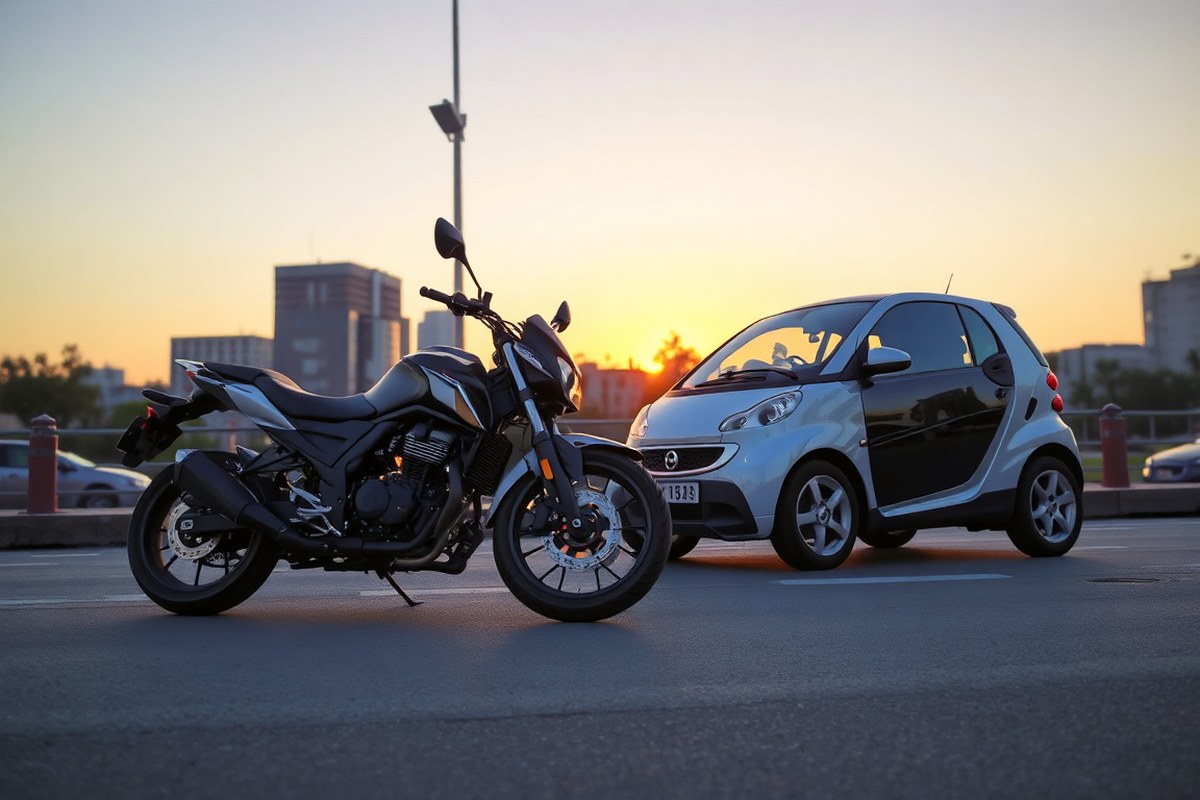
Are motorcycles cheaper than cars? Yes, they usually cost less to buy and run. Entry-level bikes can start around $3,000 to $5,000.
Even basic cars often begin near $20,000. Motorcycles also tend to cost less for fuel and insurance.
Fuel efficiency is a big factor, motorcycles often get 50 to 60 miles per gallon. They use less gas, saving money at the pump. Insurance on smaller bikes usually costs less too, sometimes half of car insurance rates.
Motorcycles need more frequent maintenance, every 3,000 to 6,000 miles. However, annual maintenance costs can still be lower, around $300 compared to $800 for cars. Tires and brakes for bikes may wear faster but are cheaper to replace.
Keep in mind, motorcycles might not suit every need or weather. They offer less cargo space and less protection in bad weather. Still, for many, the cost savings make riding a bike a good option.
Key Takeaways
- Entry-level motorcycles start much cheaper than basic cars, often under $5,000.
- Motorcycles generally get double the miles per gallon compared to cars.
- Annual insurance for bikes under 500cc usually costs less than car insurance.
- Maintenance is more frequent on motorcycles but typically costs less yearly.
- High-end motorcycles remain less costly than most luxury cars.
- Motorcycles may not fit all lifestyles or passenger needs like cars do.
Are Motorcycles Truly Cheaper to Own Than Cars?
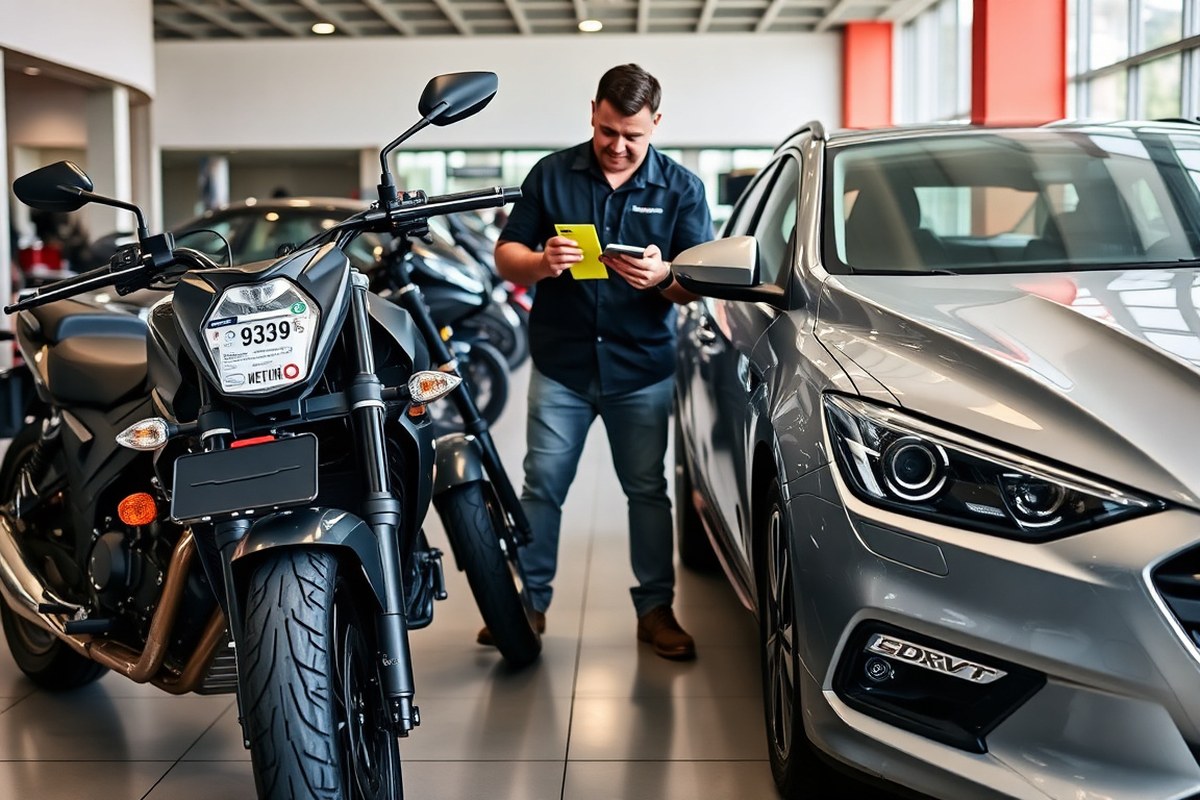
Motorcycles generally cost less than cars overall, but it depends on your situation. Their lower purchase price, better fuel efficiency, and cheaper insurance add up to big savings.
You can expect an entry-level bike for $3,000 to $5,000. Cars often start around $6,000 to $12,000.
Motorcycles use less fuel, about 40 to 60 miles per gallon. Cars get around 25 to 30 miles per gallon. This difference saves you money on gas.
Filling a motorcycle’s tank typically costs under $4, less than most cars. Bikes cost less to maintain. You might spend about $300 yearly for a motorcycle.
Cars often cost around $800 annually. But motorcycles require buying safety gear, which can add hundreds upfront.
Here’s a quick look at typical annual costs comparing a basic motorcycle to a compact car:
| Expense | Motorcycle | Car |
|---|---|---|
| Purchase | $4,000 | $8,000 |
| Fuel (12,000 miles) | $360 | $720 |
| Insurance | $400 | $1,000 |
| Maintenance | $300 | $800 |
| Safety gear | $300 | $0 |
| Annual Total (excl. Purchase) | $1,360 | $2,520 |
While motorcycles save you money each year, their practical limits can increase other expenses. You may spend more on motorcycle training and safety gear. Riding in bad weather can raise your costs too.
These extra costs add up. Also, wear and tear on tires and frequent oil changes can add up faster.
In many cases, motorcycles do cost less overall. They combine lower fixed and running costs but you must factor in your personal needs. For daily driving in a city with mild weather, a motorcycle can be a cheaper choice.
Cars offer more comfort and space year-round. This could save you money over time.
Comfort and space come with a price. Your usage, location, and safety choices change the final numbers a lot.
How Do Purchase Prices of Motorcycles and Cars Compare?
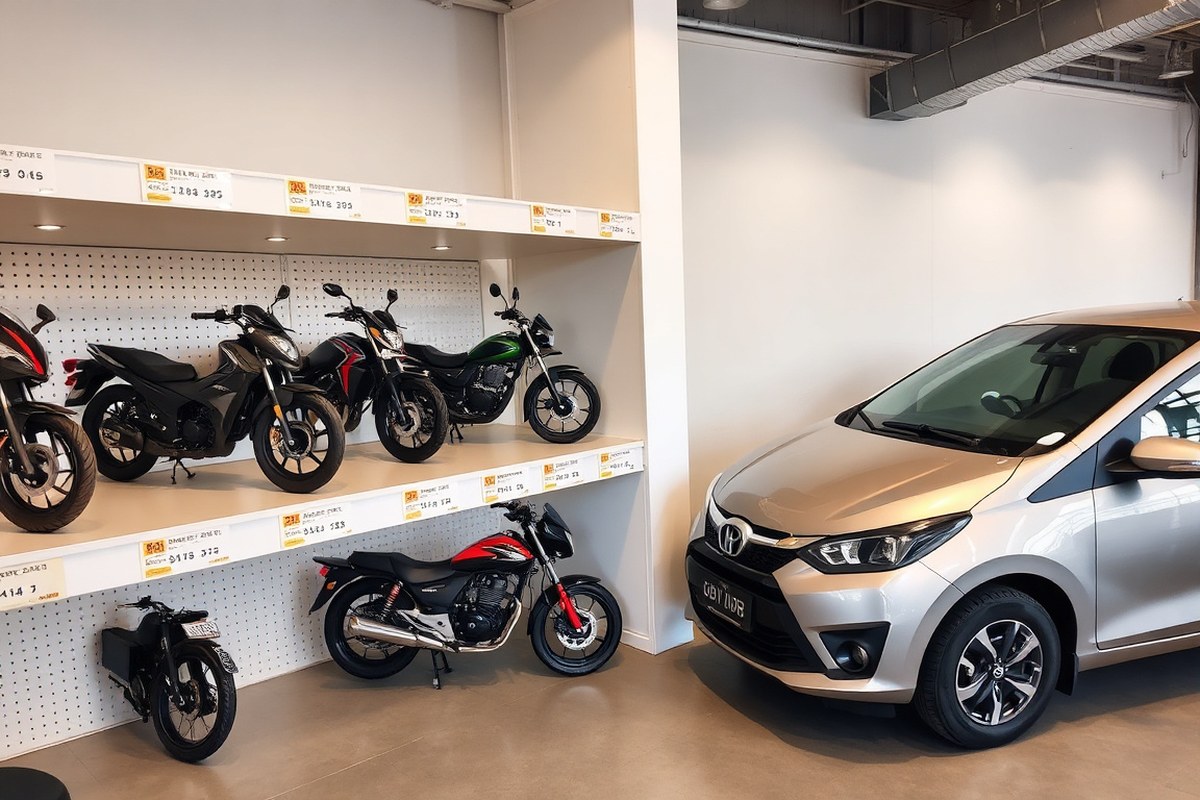
Motorcycles usually cost less to buy than cars across entry-level, mid-range, and premium models. Entry-level bikes start around $4,000, while basic new cars often begin near $20,000. Premium motorcycles can cost over $20,000.
They still cost less than mid to high-end cars. Those cars usually start at $30,000 or more.
Buying a motorcycle may save you thousands upfront. However, prices vary widely due to brand, type, and features. Comparing models side-by-side helps you see the real cost difference clearly.
| Vehicle Type | Price Range (USD) | Example Model |
|---|---|---|
| Entry-Level Motorcycle | $4,000 – $7,000 | Small-displacement bike |
| Entry-Level Car | $20,000 – $25,000 | Kia Picanto, Ford Puma |
| Mid-Range Motorcycle | $8,000 – $15,000 | Cruiser, Standard bikes |
| Mid-Range Car | $25,000 – $35,000 | Honda Accord, Toyota Camry |
| Premium Motorcycle | $20,000 – $30,000+ | Touring, Premium sportbike |
| Premium Car | $30,000 – $50,000+ | BMW 330i, Mercedes C-Class |
This table shows how much more cars generally cost upfront. The price gap is largest at entry-level models. Cars begin around $20,000.
Motorcycles start near $4,000. Premium motorcycles still tend to cost less than comparable luxury cars.
Think about your rider experience before buying expensive motorcycles. Insurance rates can be higher for new riders. This adds to your overall cost.
Keep in mind, the initial price is only part of ownership costs. Starting with a lower purchase price can make motorcycles appealing.
It’s a good way to save money upfront. Watching actual model prices in your area helps narrow down a good deal.
What Are the Differences in Annual Insurance Costs?
Motorcycle insurance usually costs less each year than car insurance. The average motorcycle premium ranges from about $100 to $700 annually.
Car insurance often exceeds $1,600. Differences depend on bike size, rider skill, and insurance coverage.
Average Motorcycle Insurance Premiums
The yearly cost to insure a motorcycle is $100 to $700. This depends on the bike model and how experienced the rider is. For cars, the average insurance cost is about $1,680 per year.
This price reflects higher repair bills and accident risks. Full motorcycle insurance covering damage and theft often costs more. It rises for high-end or sport bikes.
Smaller motorcycles with less powerful engines generally have cheaper insurance rates. Basic commuter motorcycles under 500cc cost less to insure.
Bikes with bigger engines or fancy features cost more. Shopping around can also find lower prices; some insurers charge significantly less than others.
Factors Driving Motorcycle Insurance Costs
Insurance premiums depend heavily on engine size, bike type, and rider location. Bigger engines usually mean higher insurance rates. They’re linked to faster speeds and more accidents.
Sport bikes and cruisers have different premium prices. This depends on risk and repair costs.
Where you live matters too. Urban areas with higher traffic and theft rates typically have costlier insurance than rural regions.
Your driving record and claims history also influence premiums. Some states require safety courses that reduce premiums if completed by the rider.
How Rider Experience Affects Insurance Rates
Insurance companies lower premiums for experienced riders with clean records. Beginners or younger riders pay more because statistics show they have higher crash risks.
Many insurers give discounts for completed training courses. These courses cost between $200 and $400.
Older riders with years of safe riding pay the lowest premiums. Sometimes that’s under $400 per year. A steady driving record and bike safety features also help keep insurance costs down.
New or aggressive riders face higher insurance rates. They pay more until they prove safe habits.
How Do Fuel Efficiency and Fuel Costs Differ?
Motorcycles generally get much better gas mileage than cars. Most motorcycles average 50 to 70 miles per gallon (MPG). Cars usually fall between 25 and 35 MPG.
Riding a motorcycle instead of driving a car saves you fuel money. You can save hundreds of dollars per year. This comes from better fuel efficiency on motorcycles.
Motorcycle Fuel Efficiency Trends
Most motorcycles deliver between 40 and 70 MPG, depending on engine size and riding style. Smaller bikes and efficient models can even exceed 80 MPG under ideal conditions. This means you use less fuel to cover the same distance, lowering your overall fuel costs.
Riding style affects motorcycle fuel efficiency. Aggressive acceleration lowers mileage. Carrying a passenger or going fast also uses more fuel.
Good aerodynamic gear and steady cruising help keep MPG numbers high. For example, a mid-sized motorcycle may get around 50 to 60 MPG in real-world situations.
Car Fuel Consumption Averages
Average cars get 25 to 35 MPG. Smaller powerful models often reach around 30 MPG. This trend favors better mileage for certain vehicles.
Big cars or SUVs usually get below 25 MPG. Their size and weight reduce fuel economy. That means more money spent on gas.
Cars waste fuel when idling or stuck in traffic. This lowers their fuel efficiency. It can raise your yearly fuel expenses.
Driving habits change car fuel economy just like motorcycles. Quick starts, heavy loads, and short trips lower MPG. A sedan might get 30 MPG on highways.
City stop-and-go traffic cuts that number a lot. Fuel economy depends on driving conditions.
Calculating Annual Fuel Costs
Knowing your expected miles per gallon helps estimate yearly fuel expenses. Multiply your annual mileage by the fuel price, then divide by your vehicle’s MPG. Riding 12,000 miles on a motorcycle with 60 MPG costs less fuel.
At $3 per gallon, this saves money compared to 30 MPG cars. The difference adds up over time.
Both a rider and a driver cover 12,000 miles a year. Gas costs $3 per gallon for each. Let’s look at their typical fuel expenses.
| Vehicle Type | Average MPG | Annual Miles | Gallons Used Annually | Annual Fuel Cost |
|---|---|---|---|---|
| Motorcycle | 50-60 | 12,000 | 200 to 240 | $600 to $720 |
| Car | 25-30 | 12,000 | 400 to 480 | $1,200 to $1,440 |
This shows you can save $600 to $840 yearly on fuel. Motorcycles offer big savings over cars for many riders. That’s a clear advantage for your budget.
Your savings grow with more miles or rising fuel prices. However, keep in mind that motorcycles have different maintenance needs that also affect overall costs.
What Are the Maintenance and Repair Cost Differences?
Motorcycles generally require routine maintenance more often than cars. But their yearly maintenance cost is usually lower. On average, motorcycles cost about $300 to $600 annually.
Cars cost $800 to $1,200. Repair costs and how often they happen vary a lot.
Cars usually have more expensive repairs. Motorcycles might need more often but special work.
Motorcycle Maintenance Intervals and Costs
Motorcycles need oil changes roughly every 3,000 to 5,000 miles or every six months. You’ll also check the chain tension and lubricate it every 500 miles.
You need to check tires, brakes, and filters yearly or every 5,000-10,000 miles. The exact time depends on your bike and riding style.
Typical yearly maintenance runs between $300 and $600 for motorcycles. Chains, sprockets, and brake pads wear out quicker with frequent riding or bad weather.
These parts need regular attention to stay safe. Weather exposure can increase rust and corrosion risks, adding to maintenance tasks.
Car Maintenance Frequency and Expenses
Cars typically need oil changes every 5,000 to 7,500 miles, which often means twice yearly service. Brake pads have a lifespan ranging from 30,000 to 70,000 miles depending on use.
Tires generally wear down after roughly 50,000 miles. Other maintenance like fluid checks occur yearly or at scheduled service intervals.
Maintenance costs hover around $800 to $1,200 per year for most cars. This includes regular parts replacement and labor for more complex systems like transmissions or air conditioning. These car costs add up faster than what you pay for motorcycle upkeep.
Common Repairs and Their Price Impact
Motorcycle repairs can be more frequent because of exposure to rain, dirt, and temperature changes. Repairs on electrical parts or special pieces often cost more.
Fewer mechanics nearby have skills to fix these well. Still, the simpler design often keeps costs below typical car repair bills.
Cars might have fewer repair visits but often face more expensive fixes. Transmission failures or engine repairs can cost thousands.
Tires and brakes cost more for cars. But these replacements happen less often than on motorcycles.
Check your owner’s manual for exact service intervals to avoid costly repairs later.
How Do Depreciation and Resale Values Compare?
Motorcycles usually drop 25% to 40% in value after five years. Cars often lose more value, sometimes as much as 60%.
Motorcycles lose value quickly in the first three years but slow down later. This means motorcycles often keep their resale price better over time.
The resale value depends on brand, mileage, and condition. Seasonal demand affects motorcycle prices. For example, sales drop in winter when fewer riders buy bikes.
Cars have steady demand all year. They lose value faster in the early years. This happens because there are more cars available on the market.
Below is a comparison of typical five-year depreciation rates for both vehicle types:
| Vehicle Type | 5-Year Depreciation Range | Factors Affecting Resale Value |
|---|---|---|
| Motorcycles | 25% – 40% | Brand, mileage, condition, seasonal demand |
| Cars | 40% – 60% | Brand, mileage, condition, market supply |
| High-demand motorcycle models | Lower end of 25% | Strong brand reputation, low mileage |
| Older or low-demand motorcycles | Closer to 40% | Poor condition, high mileage, off-season sale |
To get good resale value, keep either vehicle well maintained and drive fewer miles. Bikes benefit more from staying in season when selling.
Cars must stay clean and have no major damage to slow depreciation. Choosing popular brands also helps for both types.
In short, motorcycles usually depreciate slower overall. They might lose value fast at first but then level off better than cars.
Cars lose a larger chunk quickly, so your resale price can drop more sharply. This matters when you plan to resell or trade in after about five years.
What Extra Costs Do Motorcycle Riders Face?
You need protective gear before riding a motorcycle. Helmets typically cost $100 to $400 depending on safety ratings and style. Jackets, gloves, pants, and boots add $300 to $700 more.
Over the years, you might need to replace gloves or liners. Riding often or in bad weather wears them out faster. Plan to update these items every few years.
Safety training often costs between $150 and $300. Basic courses teach skills and handling techniques needed for your license. Some states require these courses to get your motorcycle endorsement.
Taking a motorcycle course can lower your insurance rates. It also helps reduce your chance of a crash. This makes it worth the cost if you’re new to riding.
Licensing fees vary by state but usually run $25 to $50 for a motorcycle endorsement. You might need to take a skills test or written exam. Some states allow skipping the riding test if you finish a course.
This saves time and reduces stress. Check your state’s rules to see if this applies.
Seasonal storage can be an extra cost if you don’t ride year-round. Renting garage space or using a storage unit can cost $50 to $150 a month.
Winterizing your bike with fuel stabilizer, battery tenders, and proper covers saves money by preventing damage. Regular inspections after storage help avoid costly issues.
Many riders buy extras like side cases or phone mounts. These accessories usually cost between $20 and several hundred dollars. Adding them can raise your total gear expenses.
These extras improve convenience but increase your initial cost. Planning for gear upgrades and seasonal costs helps with budgeting.
It shows expenses beyond just buying the motorcycle. This gives you a clearer idea of overall costs.
How Do Safety and Accident Costs Affect Ownership Expenses?
Motorcycles generally cost less to insure, at about $71 per year versus $830 for cars. This happens because motorcycles have lower vehicle values and fewer liability claims. However, motorcycle riders face higher accident risk.
Motorcycle accidents tend to be more severe and cause more injuries. That can mean bigger medical bills and liability costs. A motorcycle rider may pay more for injury claims.
Car drivers usually pay less out of pocket. This difference can affect your overall costs.
Insurance premiums for motorcycles stay lower despite accident risks because motorcycles cause less property damage. Cars involved in accidents often lead to expensive repairs on multiple vehicles. Motorcycles usually affect just the bike and the rider.
Still, the cost of accidents impacts ownership expenses differently. Medical and injury costs from motorcycle crashes can be very high. You should expect higher health-related expenses after a crash than with a car.
Accident frequency is higher for motorcycles, which sometimes boosts insurance claims. But the overall claim cost is often smaller. Car accidents create more claims involving repairs and liability, raising insurance costs more.
Tracking your insurance claims helps you plan for accident costs. Request detailed claim history from your insurer or check public records. Compare the frequency and size of claims for motorcycles and cars before buying.
Riders should always wear protective gear to lower injury costs after accidents.
How Do Practical Factors Influence Motorcycle Cost-Effectiveness?
Motorcycles often save money on parking compared to cars. Parking permits for bikes tend to be cheaper. Some cities exempt motorcycles from congestion charges.
Plus, parking a bike takes less space. So you might spend less time and fuel searching for spots.
Urban maneuverability is another perk. Bikes weave through traffic easier, which helps during rush hours.
It also lets you park in tighter spaces, making short trips more cost-effective. But remember, motorcycles carry less cargo and fewer passengers, which affects daily use.
| Factor | Motorcycle | Car |
|---|---|---|
| Cargo Space | Limited | Ample |
| Passenger Capacity | 1-2 | 4-5 |
| Weather Protection | No Protection | Full Protection |
One downside for motorcycles is cargo capacity. You’ll often carry a backpack or small bag, unlike cars with trunk space.
This limits moving groceries, gear, or bigger items, influencing whether a bike fits your life. Passenger capacity also matters if you ride with others often.
Weather affects usability and cost too. Bikes give no shelter, so rain, cold, or snow can stop you from riding. In winter, temperatures below 40°F (4°C) make riding uncomfortable and sometimes unsafe.
You might need a car for these conditions. This means owning both a motorcycle and a car could make the most sense for some.
To keep your motorcycle a cost-effective choice in cities, try these tips:
- Use secure, affordable parking spots reserved for motorcycles.
- Wear weather-appropriate gear to extend riding days through mild weather.
- Plan routes that avoid heavy traffic and bad weather delays.
- Combine errands into fewer trips to reduce overall costs.
Winters are mild where you live. You have a second car for bad weather. This makes motorcycles cheaper in the long run.
Otherwise, the need for two vehicles or limited cargo and passenger space might reduce cost savings. Your storage space matters.
The weather also affects your cost savings. These factors change how much you save with a motorcycle.
Your First Steps: Comparing Motorcycle and Car Costs
Follow these steps to see which vehicle costs less for your situation. Track expenses carefully for a fair comparison.
- Day 1: List current vehicle expenses, including fuel, insurance, and maintenance. This shows your starting point clearly.
- Week 1: Research prices for motorcycles and cars you like. Check purchase prices and insurance quotes to compare.
- Week 2: Calculate possible fuel costs based on your typical driving. Use mpg ratings for each vehicle type.
- Month 1: Visit a mechanic or service center to estimate maintenance costs for both. Know what routine upkeep might cost.
- Month 2: Check resale values for your vehicle choices. This helps predict how much you’ll lose or keep over time.
- Month 3: Review safety gear costs and potential accident expenses for motorcycles. Factor these into the total budget.
- After 6 Months: Track actual expenses and compare with your estimates. Adjust your plan based on real numbers.
Frequently Asked Questions
Are Motorcycles Cheaper to Insure Compared to Cars?
Yes, motorcycles usually have lower insurance costs than cars. This saves you money but depends on bike size and coverage type.
Can I Save Money on Fuel with a Motorcycle Instead of a Car?
Motorcycles generally use less fuel and cost less to run. You’ll save on gas with most bikes, especially smaller engines.
Do Maintenance Costs for Motorcycles Really Beat Cars?
Motorcycles typically cost less to maintain and repair than cars. Parts and labor are often cheaper and repairs happen more often but cost less.
How Does Depreciation Affect the Cost Difference Between Motorcycles and Cars?
Motorcycles usually lose value slower than cars. This makes them a better investment if you plan to resell later.
Are There Hidden Costs in Owning a Motorcycle Not Found with Cars?
Yes, gear like helmets, jackets, and protective equipment add to motorcycle costs. These are essential for safe riding and legal compliance.
The Bottom Line
Motorcycles often cost less to buy and save fuel money. They may cost more for insurance and safety gear. These extra expenses can add up.
Consider your daily needs and risks carefully before choosing. Start by comparing real prices and costs you expect to face every year.