Is Power Steering Fluid Flammable? What You Need to Know About Safety
Power steering fluid isn’t very flammable. It has a flashpoint near 400 degrees Fahrenheit, which is hotter than many common flammable liquids. This high flashpoint means it’s unlikely to catch fire during regular car operation or short exposure to heat.
Power steering fluid only ignites if it reaches very high temperatures, near 400 degrees Fahrenheit. Since your steering system usually runs well below that, the fluid remains stable and safe while driving. However, leaking fluid can drip onto very hot engine parts, which might cause a fire if the conditions are right.
It’s important to check for leaks and clean spills promptly to prevent risks. Avoid storing containers of power steering fluid near open flames, sparks, or intense heat sources. Handling the fluid carefully during maintenance helps reduce the chance of accidents even though it’s not highly flammable.
Key Takeaways
- Power steering fluid’s flashpoint ranges between 300 and 500 degrees Fahrenheit.
- Power steering fluid boils between 600 and 700 degrees Fahrenheit. This high boiling point helps it stay stable under the heat in a vehicle.
- Normal vehicle operation rarely heats power steering fluid near its flashpoint.
- Leaking fluid on hot engine parts can reach ignition temperature and cause fire.
- Different types of power steering fluid may have varied flashpoints and flammability.
- Clean up power steering fluid spills promptly using absorbent materials and soap.
Is Power Steering Fluid Flammable and at What Temperature?
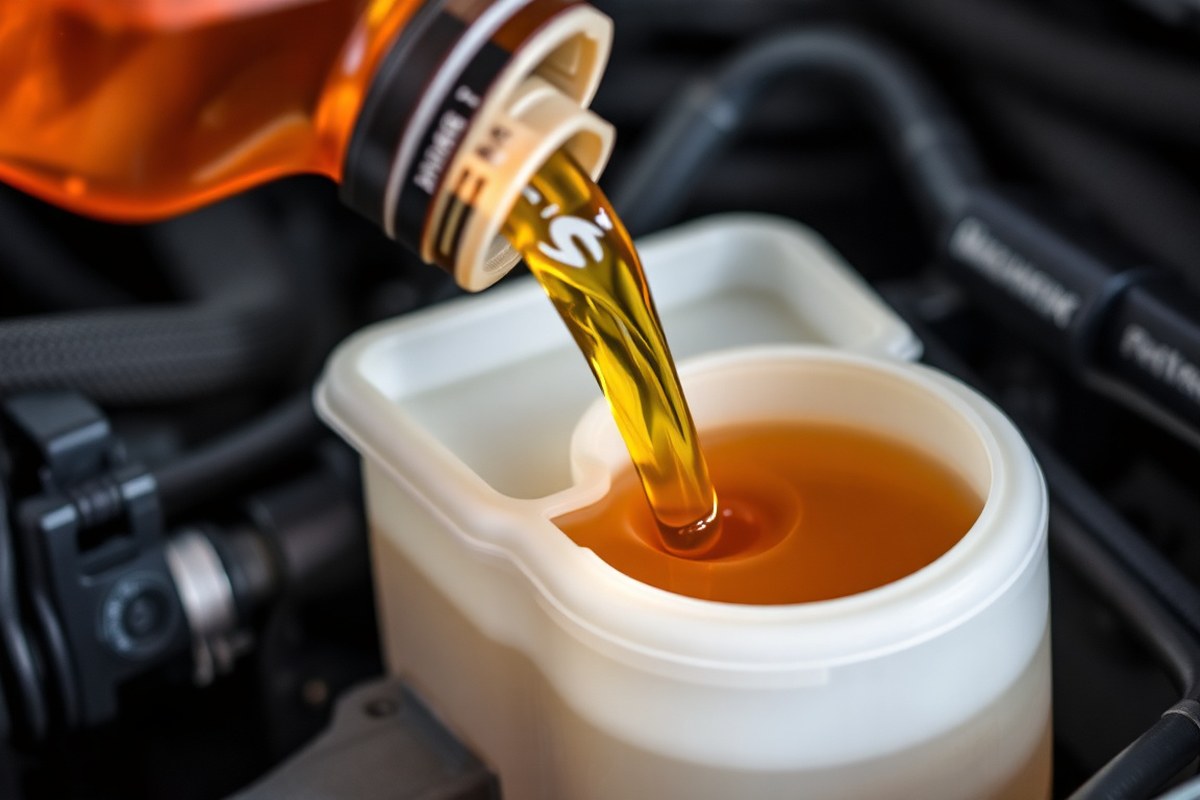
Power steering fluid is flammable, but its flashpoint is quite high. The flashpoint usually sits around 400 degrees Fahrenheit. This means it needs a fairly hot source or spark to ignite.
The flashpoint is the lowest temperature where the fluid can vaporize. It catches fire if a flame is nearby.
Power steering fluid won’t ignite just from heat alone below that mark. It requires an external flame or spark at about 400°F to start burning.
The auto-ignition temperature, where the fluid catches fire without any spark, is even higher. This makes power steering fluid safer during normal driving. However, leaks onto very hot engine parts could reach those high temperatures and cause a fire.
Most power steering fluids are mineral or synthetic oils, which increase flammability at high heat. Typical engine temperatures don’t usually get near 400°F, so standard use is low risk. Still, care should be taken around leaks or open flames.
The flashpoint range varies depending on the fluid type. It often falls between 392°F and 410°F. Conventional mineral oil-based fluids tend to have a slightly higher flashpoint.
Synthetic types might be a bit more volatile. But both require high heat to ignite.
Knowing this helps you handle and store power steering fluid more safely. Avoid spilling it near hot engine parts or sparks. Use gloves and clean up any spills promptly to reduce fire risks.
Flashpoint and Boiling Point: Understanding Power Steering Fluid’s Heat Thresholds

Power steering fluid has a flashpoint between 300 and 500 degrees Fahrenheit. Its boiling point ranges from about 600 to 700 degrees Fahrenheit. These high temperatures make the fluid less likely to catch fire.
Flashpoint Ranges of Common Power Steering Fluids
The flashpoint is the lowest temperature that lets the fluid’s vapors ignite briefly. Most power steering fluids flash between 340°F and 400°F. Some types may vary within the broader 300°F to 500°F range.
A higher flashpoint means the fluid won’t catch fire easily near engine heat. In garages or during repairs, handling fluids with these flashpoints reduces immediate fire risk.
Boiling Points Compared with Other Car Fluids
The boiling point is where the liquid turns to gas, often a prerequisite for sustained burning. Power steering fluid boils at roughly 600°F to 700°F.
This is well above common car engine temperatures, which usually stay below 400°F under normal conditions. Compared to gasoline, which boils around 100°F, power steering fluid is much harder to ignite.
| Fluid Type | Flashpoint (°F) | Boiling Point (°F) |
|---|---|---|
| Power Steering Fluid | 300 – 500 | 600 – 700 |
| Gasoline | −45 to −40 | 100 – 400 (varies) |
| Motor Oil | 400 – 450 | 600+ |
| Brake Fluid | 300 – 400 | 400 – 500 |
Boiling points give a better idea of the heat needed to sustain fire. Power steering fluid’s boiling range makes it safer than many volatile fuels.
How Flash and Boiling Points Influence Fire Risk
Flashpoints tell you how easily vapors can ignite but don’t guarantee a fire. Power steering fluid requires temperatures above 300°F to create enough vapor to catch fire.
Even then, the fluid must reach boiling temperatures between 600°F and 700°F for sustained burning. These thresholds keep fire risk low under typical engine heat and pressure.
Leaks can raise danger if the fluid contacts very hot surfaces or flames. Routine car use barely heats fluid near these points, keeping fires unlikely.
Store power steering fluid away from open flames and extreme heat to avoid fire hazards.
How Hot Does Power Steering Fluid Get During Normal Operation?
Power steering fluid usually runs between 150 and 200 degrees Fahrenheit. This happens when your car is running normally. It stays in this range during regular use.
The fluid circulates through the steering system, absorbing heat from the pump and engine. Heating of the fluid is normal and expected.
The fluid’s ignition range is much higher at 300 to 500 degrees Fahrenheit. The heat does not come close to causing ignition.
On long drives or in hot weather, the fluid stays cool. It rarely reaches temperatures that could catch fire on its own. This means the fluid is generally safe.
Overheating fluid can lose its ability to lubricate. This can lead to damage in the power steering pump. Protecting from overheating is important.
But this is different from reaching combustion temperatures. Power steering systems handle normal heat levels well.
The fluid does not vaporize or ignite under these conditions. The design keeps the fluid safe.
Fire risk appears if fluid leaks onto very hot engine parts. Parts like the exhaust manifold run much hotter than usual. Leaked fluid in these spots can catch fire.
Those surfaces can exceed 1,000 degrees Fahrenheit, hot enough to vaporize and ignite the fluid instantly. Catching leaks early is very important to avoid fire hazards.
Avoid spilling power steering fluid near hot engine parts. This helps keep your vehicle safe.
Can Leaking Power Steering Fluid Ignite and Cause Fires?
Yes, a leaking power steering fluid can ignite and cause fires. The fluid itself isn’t highly flammable like gasoline. But it is combustible if it contacts hot engine parts.
The risk grows when enough fluid sprays onto the exhaust pipe. It also grows when fluid hits the engine block directly.
Leaks that drip or spray onto components running around 300°F or hotter can ignite the fluid. Small leaks may just waste fluid and cause damage to the steering pump.
Still, large leaks increase fire risk and need quick attention. A significant leak usually means fluid pools or sprays near hot spots.
- Check for puddles or damp spots under the vehicle regularly
- Look for fluid on or around the power steering pump and hoses
- Notice any burning smells or smoke while the engine runs
- Inspect near the exhaust manifold and pipes for wet fluid
- Fix any leaks promptly to avoid fluid reaching engine heat
- Use only recommended power steering fluid to prevent seal failures
Leaks that go unnoticed allow fluid to build near hot engine parts. This may cause the engine to overheat or even start a fire. Repairing leaks early usually costs between $100 and $300 depending on the part and labor.
Ignoring leaks leads to worse damage and higher fire risk. Spot a leak? Clean it up.
Then get a mechanic to check it soon. Avoid topping off fluid repeatedly without fixing leaks, as overfilling can worsen the problem.
Types of Power Steering Fluid and Their Flammability Differences
Power steering fluids come mainly in three types: conventional, synthetic, and biodegradable. Each has different chemical makeups, affecting their flammability and safety levels. Synthetic and biodegradable fluids usually pose less fire risk than conventional fluids.
Conventional power steering fluid typically uses petroleum-based oils. It is flammable but with a higher flashpoint than fuels like gasoline.
Synthetic fluids often blend synthetic oils, which resist heat and fire better. Biodegradable options reduce environmental impact and tend to be less flammable.
Using the right fluid type helps avoid leaks and system damage. Leaks can increase fire hazards because the fluid might reach hotter engine parts. Choosing a fluid with a higher flashpoint lowers ignition chances.
This helps even if a leak happens. It keeps your vehicle safer in that situation.
| Type of Fluid | Base Material | Typical Flashpoint (°F) | Fire Risk | Notes |
|---|---|---|---|---|
| Conventional | Petroleum-based | 300, 350 | Moderate | Common, but higher fire risk with leaks |
| Synthetic | Synthetic oils | 350, 400 | Lower | Better heat and fire resistance |
| Biodegradable | Plant-based or synthetic blend | 360, 410 | Lowest | Environmentally friendly, less flammable |
Check your vehicle’s manual for the recommended fluid type to keep safety and performance. Mixing fluids from different categories can cause chemical reactions, risking seal damage and leaks. Leaks not only harm your power steering but also increase fire hazards.
Always clean up power steering fluid spills promptly to avoid slippery surfaces and fire risks.
Common Myths and Misconceptions About Power Steering Fluid Flammability
Power steering fluid is often mistaken for being as flammable as gasoline. It’s not. Gasoline ignites easily and evaporates quickly, but power steering fluid doesn’t behave that way.
Unlike gasoline, power steering fluid has a higher flashpoint. So it won’t catch fire as soon as it spills. It needs to reach a much higher temperature to ignite.
Small leaks or spills in your engine bay won’t cause flames. Power steering fluid doesn’t ignite easily on its own. Flames need more heat or contact to start.
Some people think power steering fluid evaporates fast, causing dangerous vapors. It doesn’t evaporate like gasoline. Power steering fluid mostly stays liquid when spilled.
It only burns when heated enough to ignite. This usually happens on hot parts like exhaust pipes.
Adding power steering fluid to a hot engine raises concerns for many. You can safely add the fluid once the engine is warm, not red hot.
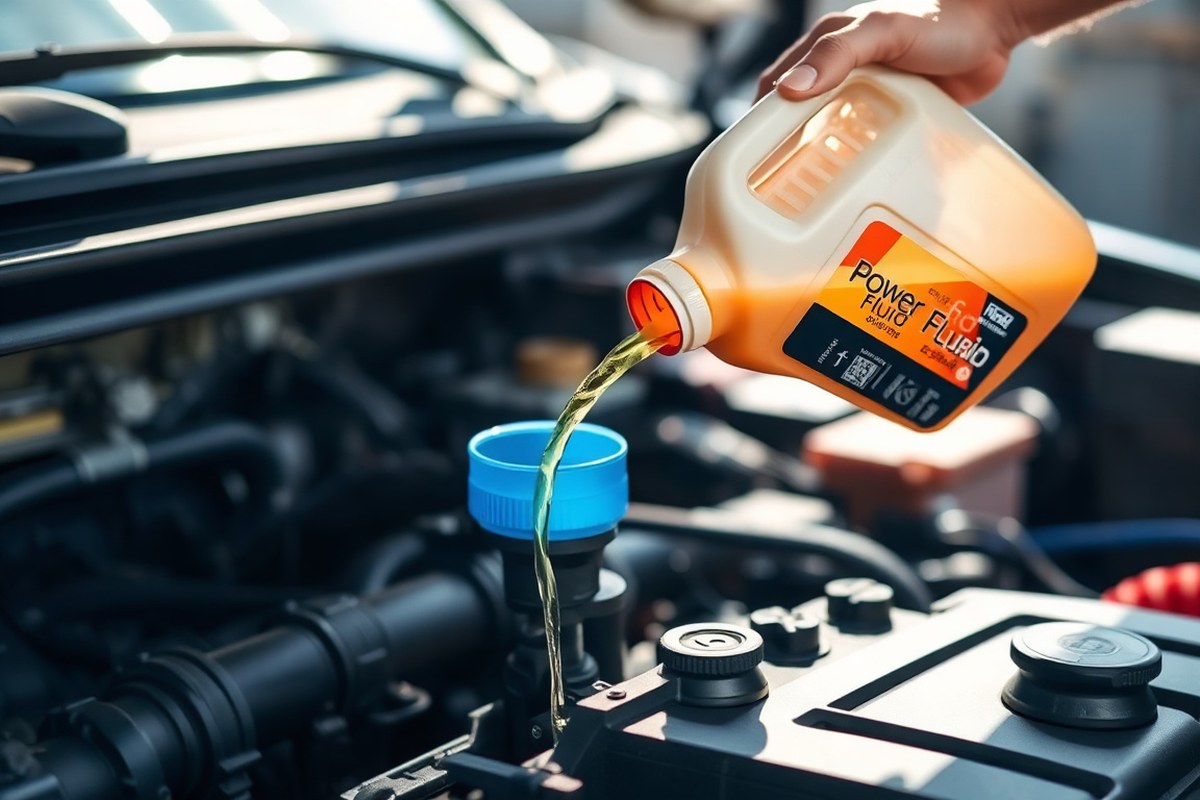
Avoid pouring it on hot engine parts. Pour slowly directly into the reservoir to prevent spills.
Fires from burnt or leaking power steering fluid happen when it drips. The fluid must touch very hot engine parts to catch fire. This is the main cause of such fires.
Sparks near these leaks can start a fire. But that’s uncommon if your vehicle is properly maintained. Keep an eye out for leaks to reduce risks.
Many think there’s no risk handling it. Still, it’s wise to avoid open flames and sparks around power steering fluid. Treat power steering fluid like you would brake fluid or engine oil.
Handle it with care and avoid spills or leaks. It can be hazardous if mishandled. These can all pose fire risks if mishandled.
People sometimes confuse how flammable means in automotive fluids. Power steering fluid is combustible, meaning it can burn but under stricter conditions than gasoline.
So it isn’t safe to treat it casually. Yet it isn’t as dangerous as fuel spills.
When filling power steering fluid, doing it in a cool area helps avoid spills and burns. Buying the right fluid type for your car avoids damage or leaks. Watch the fluid level as you add it to avoid overflow.
Expansion happens when the fluid gets hot. Overflow can cause a mess or damage.
Leaked power steering fluid can make your engine messy. Heat causes it to expand and spill from the reservoir. Check fluid levels often to keep your engine clean.
Fix any leaks quickly to reduce fire risks. This helps keep your vehicle safer overall.
Safe Handling, Storage, and Spill Cleanup of Power Steering Fluid
Handle power steering fluid carefully to avoid fire risks. Store it properly in a cool, dry place away from flames. Clean spills quickly to prevent ignition and damage.
Handling Precautions to Avoid Fire
Wear gloves to protect your skin when working with power steering fluid. Avoid smoking or using open flames near the fluid or your vehicle’s engine. Keep the fluid container tightly closed when not in use to reduce fumes.
Don’t overfill the reservoir to prevent leaks and spills during operation. Use a funnel when pouring fluid to control flow and avoid splashes. Wash your hands well after handling the fluid to remove residue.
Storage Guidelines for Safety
Keep power steering fluid in its original container with a clear label. Store it in a cabinet or shelf that’s cool, dry, and away from direct sunlight. Make sure the location is far from heat sources, flames, or sparks.
Avoid storing fluid near other chemicals that might react with it. Check containers regularly for cracks or leaks and replace if damaged. Limit the quantity on hand to only what you need for your vehicle.
Step-By-Step Spill Cleanup Process
First, stop any source of ignition and move away from fire or sparks. Soak up the spill immediately using absorbent materials like rags, kitty litter, or commercial absorbents. Avoid using water, which can spread the fluid and increase fire risk.
Dispose of soaked materials in a sealed, non-combustible container following local hazardous waste rules. Clean the area with a degreasing cleaner and dry it thoroughly afterward. Ventilate the space well while cleaning to clear any fumes and reduce inhalation risk.
- Wear protective gloves and eye protection during cleanup
- Use a funnel to reduce pouring spills
- Keep fire extinguishers nearby in case of ignition
- Store absorbent materials and disposal bags for spills
- Dispose of waste according to local hazardous waste guidelines
- Keep the fluid away from heat or open flames
- Check your vehicle’s power steering system for leaks
Preventing Power Steering Fluid Fires: Risk Management Tips
Power steering fluid leaks near hot engine parts create a fire risk. Look under the hood regularly for any wet spots or smell of burnt fluid. Check hoses and fittings for cracks or loose clamps that let fluid escape.
Doing routine maintenance lowers fire chances and helps your steering work right. Old power steering fluid breaks down and loses lubrication, which can stress parts and cause leaks. Change the fluid every 2 years or as your manual says.
Top off fluid yourself if levels drop. But call a mechanic when leaks or noises happen.
- Inspect hoses and reservoir for cracks or hardening monthly
- Wipe up any spilled fluid immediately to avoid heat buildup
- Use only the fluid type your vehicle recommends
- Schedule fluid replacement every 2 years or 24,000 miles
- Listen for whining or groaning sounds that signal problems
- Have a pro fix any visible leaks or unusual steering effort
- Keep engine components clean to spot fluid leaks sooner
Low fluid and leaks can damage your pump, increasing risks. Professionals can pressure test systems to find hidden leaks.
They spot worn parts and fix them before fires or steering failure start. Repairs like hose replacement cost around $100 to $200 but prevent bigger damage.
Never drive if power steering fluid level is low and you suspect leaks. Call a mechanic promptly to avoid fire hazards.
What to Do If Power Steering Fluid Catches Fire in Your Vehicle
Stop your vehicle right away if power steering fluid catches fire. Stay clear and avoid breathing smoke. Use the right extinguisher if you are confident.
But get away fast if the fire spreads. Call for help as soon as you are safe.
Safe Evacuation and Emergency Response
Park your vehicle safely away from traffic and turn off the engine. Get everyone out quickly and move at least 100 feet away from the car. Stay uphill if you can, to avoid smoke or toxic fumes.
Keep others from approaching the vehicle. Avoid opening the hood, which can feed the flames with oxygen. Wait for the fire to subside before trying any action.
Using Appropriate Fire Extinguishers
Only use extinguishers designed for flammable liquids on power steering fluid fires. Foams, dry chemical, water fog, or carbon dioxide extinguishers work well. Never try to put out the fire with plain water.
Use the PASS method to put out the fire. Pull the pin first. Aim low at the fire’s base.
Squeeze the handle to spray. Sweep side to side until the fire is out. Approach from a safe distance and move closer as the fire shrinks.
- Foam extinguisher for liquid fuel fires
- Dry chemical extinguisher for fast knockdown
- Carbon dioxide extinguisher to reduce oxygen
- Water fog extinguisher to cool and suppress vapors
- Keep a safe exit route
Stop using the extinguisher and retreat if the fire grows. Call professionals if the fire lasts more than a minute.
When to Call Emergency Services
Call 911 right after you park safely and evacuate. Early fire department response limits damage and protects lives. Inform them about the power steering fluid fire specifically.
Do not re-enter or try to fight large flames on your own. Waiting for firefighters is safer when the fire covers a large area or threatens pedestrians. Stay clear until they arrive and follow their instructions.
Step-by-Step Action Plan for Handling Power Steering Fluid Safely
Follow these simple steps to reduce fire risks and handle power steering fluid with care.
- Before repairs: Check your vehicle’s power steering system for leaks and worn hoses. Fix any issues before fluid spills or heats up dangerously.
- During maintenance: Use the recommended type of power steering fluid to avoid unexpected flammability risks. Confirm by checking the owner’s manual or fluid label.
- Immediately after a spill: Clean up power steering fluid with absorbent cloths or commercial spill pads. Keep the area dry and ventilated to prevent ignition.
- Weekly checks: Inspect the power steering reservoir and lines for cracks or leaks. Replace faulty parts to stop leaks early and lower fire risk.
- Before hot weather drives: Ensure your fluid levels are right and leaks are sealed. This stops fluid from overheating and possibly catching fire.
- After parking: Watch for strong fluid smells or oily puddles under your car. These signs show you might have a leak that needs fixing.
- Emergency prep: Carry a fire extinguisher rated for chemical or oil fires in your vehicle. Know how to use it if a power steering fluid fire starts.
Frequently Asked Questions
Is Power Steering Fluid Combustible?
Yes, power steering fluid is combustible but requires high heat or a spark to ignite. It’s not easily flammable under normal conditions.
Can Mixing Power Steering Fluid with Oil Increase Fire Risk?
Mixing fluids can change their properties and might increase fire risk. Always keep fluids separate and follow manufacturer guidelines.
Does Old or Degraded Power Steering Fluid Become More Flammable?
Older power steering fluid may break down but does not become significantly more flammable. Still, changing fluid on schedule is safer.
Can Power Steering Fluid Catch Fire from Electrical Shorts?
Electrical shorts can ignite leaking power steering fluid if it’s present. Avoid leaks near wiring to reduce this risk.
Are DIY Repairs on Power Steering Leaks Risky Because of Fluid Flammability?
Yes, DIY repairs near hot engine parts can be risky. Wear gloves and work in a ventilated area to stay safe.
Wrapping Up
Power steering fluid can catch fire. This usually happens under high heat. It can also catch fire if it leaks on hot parts.
Keep your system sealed and fix leaks fast to lower fire chances. Check your car’s fluid regularly to stay safe on the road.