Does Miles Matter on a Tesla? What You Need to Know About Mileage Impact
Does miles matter on a Tesla is a common question. The short answer is no, not as much as you might think.
Tesla batteries degrade slowly, losing only about 10-15% of their range over 100,000 miles. That means a Tesla with 100,000 miles is far from worn out.
Tesla batteries are designed to last well beyond 150,000 miles with minor range loss. Many owners report their cars running smoothly past 200,000 miles with original batteries. Still, it’s smart to check battery health and warranty coverage before buying a high-mileage Tesla.
Start with the battery’s range compared to a new Tesla. Look for cars with 30,000 to 70,000 miles. This offers a good price range.
You also get a decent remaining lifespan. Check how the previous owner charged the car.
Usage affects the battery’s health. Knowing this helps you decide if the car is right.
Key Takeaways
- Tesla batteries typically lose only 10-15% range after 100,000 miles.
- A Tesla with 100,000 miles is still reliable with minor battery degradation.
- Best used Tesla range is between 30,000 and 70,000 miles.
- Battery and drivetrain warranties last 8 years or 100,000, 150,000 miles.
- Check battery health and range before buying a high-mileage Tesla.
- Good charging habits help maintain Tesla battery life over miles.
Does Mileage Really Matter on a Tesla?
Tesla mileage matters, but differently than gas cars. Tesla batteries degrade slowly, with about 10-15% capacity loss after 100,000 miles. This gradual wear means Teslas can last 300,000 to 500,000 miles before needing a battery replacement.
Gas cars wear out many mechanical parts over time. Teslas have fewer moving parts.
So mileage doesn’t wear the engine and transmission like gas cars. Their electric motors usually remain reliable well past 200,000 miles.
Tesla’s battery range drops slightly with more miles. For example, a Model 3 Long Range starts with 310 miles per charge. After 200,000 miles, expect about 15% loss in range.
This still gives you a good driving distance. The battery holds up well over time.
Charging habits impact battery health more than miles do. Frequent fast charging or letting the battery drain too low can speed up degradation. Keeping the charge between 20% and 80% and avoiding extreme temperatures helps the battery last.
High-mileage Teslas usually remain reliable. Tesla warranties cover batteries and drivetrains up to 150,000 miles. The coverage also lasts up to 8 years.
This depends on which Tesla model you have. A Tesla with over 100,000 miles and good care keeps its value.
It holds value better than many older gas cars. Maintenance is key for this.
Resale prices reflect this durability. A 5-year-old Tesla with 100,000 miles can sell for 50-60% of its original price. Comparable gas cars often lose more value at the same mileage and age.
Tesla mileage affects battery life and value but not too much. It’s not a reason to avoid buying one. Good care matters more than miles.
Expect gradual capacity loss rather than sudden failure. How you charge and maintain your Tesla matters most for reliability.
Odometer reading alone doesn’t tell the full story. Smart habits keep your car running.
How Tesla Batteries Degrade over Time and Miles
Tesla batteries typically lose about 5% to 10% of their capacity after 100,000 miles. Real-world data shows this degradation slows down after initial use. Battery health depends on mileage but also on how the car was charged and driven.
Typical Battery Capacity Loss After 100,000 Miles
On average, a Tesla battery loses 5% to 10% capacity after 100,000 miles. This means it holds less charge than when new. The drop happens over many miles driven.
Some Model 3 owners report as little as 2.5% loss around this mark. That means a battery originally rated for 310 miles may still deliver roughly 300 miles.
This gradual drop means the battery still holds most of its original range. Tesla builds batteries to work well beyond 100,000 miles.
They only lose a small amount of driving range. This helps you keep driving longer without much change.
Tesla’s Real-World Battery Degradation Rates
The 2023 Tesla Impact Report says Model 3 and Model Y lose 15% battery after 200,000 miles. This shows Tesla batteries hold most of their charge even then. It means they last a long time.
Model S and Model X show similar trends with roughly 12% loss. The decline slows at higher mileage, so earlier miles wear the battery more.
Tesla owners and studies show the biggest battery decline happens in the first 50,000 miles. After that, the battery loses capacity more slowly. This is common for Tesla batteries.
Battery degradation slows down after 50,000 miles. This keeps your driving range steady for years. Driving gently helps you keep your range stable longer.
How Battery Health Correlates with Mileage
Batteries show some decline with more miles but not in a straight line. Good charging habits keep capacity between 80% and 90% over 150,000 miles. Thermal management and avoiding constant max charge help reduce wear.
Using DC fast chargers often or charging to 100% frequently can harm battery health faster. You can have a Tesla with 100,000 miles but still healthy battery capacity close to new. That’s why battery condition matters more than just mileage.
What Controls Battery Longevity Beyond Miles
A battery’s life depends on how you charge and drive the car. Avoiding high charge levels and limiting fast charging can cut stress on the battery. This means a battery in good shape lasts longer, even with high mileage.
Also, battery warranty protects against major loss for 8 years or up to 100,000, 150,000 miles. A Tesla under warranty offers peace of mind about battery health and replacement costs.
Practical Signs of Battery Health in High-Mile Teslas
Look for the real driving range when buying a used Tesla. Even with some wear, a 250-mile range can still mean 220+ miles left after 100,000 miles. Check if the car’s range matches its original specs minus typical 5-10% drop.
Ask about charging habits to gauge battery care. Frequent Supercharging or full charges might point to faster degradation. A well-maintained battery still performs well well after 100,000 miles and saves you from costly replacements.
Watch out for cars charged mostly by DC fast chargers. That often means faster battery wear.
Ideal Mileage Ranges When Buying a Used Tesla
Look for a used Tesla with 30,000 to 70,000 miles for the best balance. This range means the battery is still strong and the price is reasonable. Teslas can last well beyond 100,000 miles, but higher mileage usually lowers resale value.
Why 30,000 to 70,000 Miles Is the Sweet Spot
Between 30,000 and 70,000 miles, the battery generally shows less than 5% degradation. Tesla’s battery management keeps range loss low for many years. Cars in this range usually avoid major battery replacement costs.
Prices tend to drop after about 70,000 miles, reflecting added wear and lower warranty coverage. Batteries tend to keep about 85% to 90% of their original capacity before that point.
Is Buying over 100,000 Miles Worth It?
You can buy a Tesla with more than 100,000 miles after testing the battery. Teslas typically lose only 10-15% range by 200,000 miles. However, high mileage usually means a lower resale price.
Batteries past this mileage may need more attention or eventual replacement. The car might be a good deal if priced fairly. Make sure the battery test shows good health.
How Mileage Affects Resale Prices
Higher mileage usually lowers resale value, but not as much as gas cars. Tesla’s strong battery retention softens the price drop across miles. Most buyers expect a 5% to 10% price drop per 10,000 miles after 30,000 miles.
Additional factors like model year and condition also impact price. Mileage is important but not the only thing dealers or buyers consider.
Checklist for Finding Good Mileage Value
- Focus on Teslas with 30,000 to 70,000 miles for best value.
- Confirm battery health using Tesla’s diagnostics or third-party scans.
- Check for any battery warranty remaining on the car.
- Consider the model year and vehicle condition alongside mileage.
- Compare pricing with similar Teslas at different mileage levels.
- Know that 100,000 miles is okay if battery condition is strong.
- Factor in potential battery repair or replacement costs if over 100,000 miles.
Follow this routine to find a used Tesla that balances price and road life. Always take a close look at battery reports before buying high-mileage cars.
Tesla Model Differences in Mileage Impact and Battery Longevity
Tesla battery life depends on the model but often goes beyond 200,000 miles. Elon Musk mentioned batteries might last between 300,000 and 500,000 miles before major flaws. Many owners notice little power loss after 100,000 miles with proper maintenance.
The Model 3 and Model S have different battery sizes. This affects how mileage impacts their range and performance. Model 3 has newer, lighter battery tech that keeps range better over time.
Model S batteries are larger but heavier. So they may lose more range with high mileage.
The battery warranty offers 8 years of coverage. It applies between 120,000 and 150,000 miles, based on the model. This warranty protects you if the battery wears out faster than expected.
| Model | Typical Range (New, Miles) | Battery Warranty (Miles) | Expected Battery Life (Miles) |
|---|---|---|---|
| Model 3 | 358 | 120,000 | 300,000 to 500,000 |
| Model S | 370 (varies by trim) | 150,000 | 300,000 to 500,000 |
Model 3 typically maintains range better over miles because of newer battery tech. Model S offers more range initially but suffers slightly faster capacity loss with heavy use. High-mileage drivers might prefer Model 3 for its lighter, efficient battery.
Older Tesla models or trims with big batteries can handle high mileage fairly well. They may lose more driving range sooner, though.
Batteries weaken slower under normal use including stop-and-go city driving or highway miles. Good maintenance and charging habits help any Tesla last longer.
How Driving and Charging Habits Affect Tesla Battery over Miles
Frequent use of Tesla Superchargers can speed up battery wear. Superchargers deliver high power quickly, which heats the battery and strains cells. Use fast charging occasionally, not daily, to keep battery life longer.
Charging your Tesla to 100% regularly also adds stress to the battery. Keeping it fully charged for hours increases chemical wear inside the cells. Charge your Tesla daily between 20% and 80%.
Only fill the battery to 100% before long trips. This habit helps protect your battery life.
Aggressive driving, like rapid acceleration and hard braking, causes deeper battery discharge. That wears the battery faster than steady, mild driving. Gentle speeds and smooth stops reduce degradation over the miles.
Charging patterns affect battery life more than mileage alone. Two Teslas with equal mileage can show very different battery health. Charging habits affect this a lot.
How you charge matters more than miles. Avoid constant deep discharges and regular supercharging for the best longevity.
Use home charging with a standard Level 2 charger as your main source. It adds less heat and stress than fast chargers. It’s cheaper too, saving you money on charging costs while helping protect your battery.
Don’t leave your Tesla plugged in at 100% charge for hours unless you’re about to drive. This habit shortens battery life faster.
Tesla’s system manages battery heat and charging rates to reduce wear. Your charging routine still impacts battery life significantly. Using proper charging steps keeps your battery healthier longer.
Environmental factors also matter. Hot climates increase battery stress during charging and driving. Using shady parking spots and avoiding charging during peak heat helps keep temperatures down.
Replacing a Tesla battery is costly but improves performance and extends the vehicle’s life if needed. Sticking to better driving and charging habits delays this need and maintains resale value.
Checking Battery Health Before Buying a High-Mileage Tesla
You can check a used Tesla’s battery health with several tools and methods. Start by requesting a detailed battery report from the seller or Tesla service. This report shows battery health and how much Tesla chargers were used.
Charger use affects battery life. It also shows battery capacity and degradation.
Using Tesla’s onboard diagnostics helps verify battery condition. The car’s touchscreen shows the “Estimated Range” at full charge, giving an idea of battery health. Newer Tesla models with 80% or higher charge range are in good shape.
This holds true even over 100,000 miles. Higher range means less battery wear.
Third-party apps like Teslafi or Scan My Tesla can provide deeper battery insights. You need to connect your Tesla account or use an OBD-II adapter to access detailed logs. These apps show real-time battery voltage, temperature, and degradation percentages, helping spot hidden issues.
Look out for low range or range drops after charging. Slow charging is another sign of bad battery health. These signs suggest the battery might need attention.
Pay attention if the battery temperature fluctuates a lot, which can indicate cooling system problems. These issues may appear even if mileage looks reasonable.
Battery checks can cost nothing during purchase inspections. Full diagnostic tests can cost between $100 and $200.
Tesla and third parties offer these services. You might also find battery health details included in vehicle service history for no extra charge.
Verify the Tesla warranty duration before purchasing your car. The battery and drive units receive coverage for 8 years or between 100,000 and 150,000 miles. Understanding the remaining warranty can prevent unexpected repair expenses.
Review charging habits through records or app data. Frequent use of DC fast chargers can slightly speed battery wear compared to slow, home charging. Confirming balanced charging habits helps you trust the battery’s long-term performance.
Remember, mileage alone doesn’t reflect battery health. A Tesla with 120,000 miles but 88% battery health can still perform reliably. Read battery reports carefully and look beyond the miles to trust high-mileage Teslas.
Maintenance and Wear Beyond Mileage in Teslas
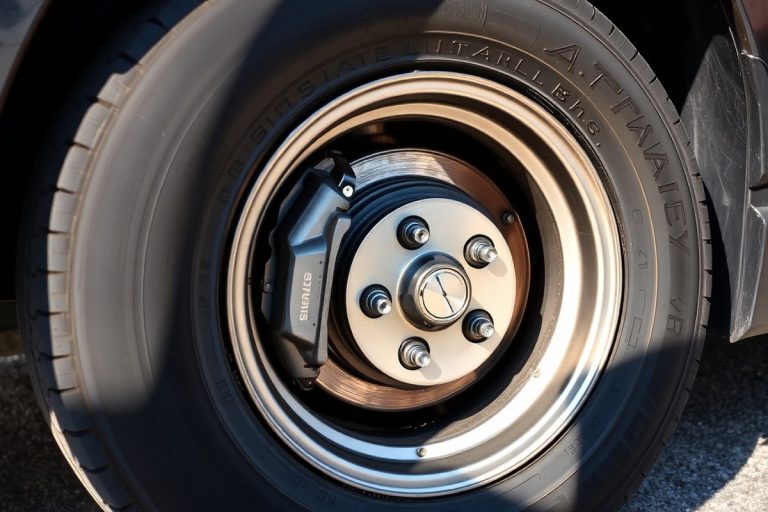
Teslas still show wear in certain mechanical areas despite low maintenance needs. Electric drivetrains have fewer moving parts. But things like brakes, tires, and suspension still age with use.
Regenerative braking helps Tesla brake pads last past 100,000 miles. But inspecting them remains necessary.
Electric motors rarely need repairs. So you won’t find many typical gas car issues in Teslas. Road wear or driving style can damage suspension parts.
It can also affect wheel alignment and tire tread. These need regular checks to avoid problems. These parts need regular checks to avoid costly repairs later.
- Brake pads and rotors should be inspected for wear even with regenerative braking
- Suspension components like shocks and bushings can wear out or leak fluid
- Tires need regular inspection and replacement as tread wears down
- Wheel alignment affects tire wear and vehicle handling
- Cabin filters and windshield wipers require scheduled replacement like any car
- Check door seals and trim for wear to prevent water leaks
- Keep an eye on electric vehicle coolant and HVAC system maintenance
Look for signs of uneven tire wear or noises from suspension when driving. Ask a mechanic to check for shock leaks. Also check bushings for wear during pre-purchase inspections.
These checks help avoid future repair costs. Most inspections take under an hour to complete.
The cost usually stays below $200. This depends on the repair shop you choose.
Inspecting these areas gives clarity beyond mileage about overall vehicle condition. Gentle driving on smooth roads causes less wear on suspension. Harsh driving or rough roads wear parts faster.
The tire condition tells a lot about driving style. Neglect or rough use shows up first in suspension parts.
The motor and battery usually stay in better shape. Check these parts closely when buying used.
When Does Tesla Battery Replacement Become Necessary?
Tesla batteries generally last well beyond 100,000 miles before needing replacement. Battery degradation affects range first, so you’ll notice shorter trips before outright failure occurs. Most owners see 70% to 80% capacity at 150,000 miles, which usually keeps the car usable.
Battery replacement becomes necessary when capacity drops so low that range loss impacts daily use. Tesla might also recommend replacement if battery health triggers warning lights or power limits. Typically, serious degradation appears after about 200,000 miles, depending on charging habits and climate.
Swapping a Tesla battery pack can cost between $12,000 and $16,000. Tesla quotes vary by model and warranty status. Labor and shipping add thousands more to the cost.
This makes replacement expensive compared to selling the car. Buying a newer Tesla might be cheaper.
Before swapping a high-mileage Tesla battery, check its overall condition. Also, think about the car’s current market price. These factors can affect your decision.
Your car’s shape matters. A battery swap can add years if it looks good. For older models or heavily used cars, repair costs might exceed the car’s value.
Checking battery health through Tesla’s app or a diagnostic tool helps decide if replacement is warranted. Look for sudden range drops or error messages hinting at cell failure.
Tesla service centers replace batteries and often use reconditioned packs. This can lower costs but might change the warranty.
Don’t wait for total battery failure. Plan replacement once range drops visibly to avoid getting stranded.
Practical Tips to Maximize Tesla Battery Life and Value at High Mileage
Charging Best Practices
Charging your Tesla regularly to about 80% or 90% helps keep battery health stable. Avoid charging to a full 100% daily because it stresses the battery and speeds up wear. Use a Level 2 charger at home for daily charging.
Avoid fast DC chargers to reduce heat in the battery. This helps protect battery health over time.
Here’s a checklist for charging your Tesla to protect the battery:
- Charge to 80-90% for regular daily use, not 100%
- Plug in overnight or when parked to keep battery topped
- Use Level 2 charger for most charging; avoid frequent fast charging
- Keep the battery temperature moderate; avoid charging in extreme heat or cold
- Don’t let the battery level drop below 20% regularly
These habits slow down battery degradation and keep range longer. Charging at full capacity often may hurt the battery.
Fast chargers used all the time can speed battery wear. This happens even if your mileage is moderate.
Driving Habits to Preserve Battery
Smooth and steady driving helps prevent rapid battery drain and extends lifespan. Hard acceleration and frequent high-speed driving generate more heat in the battery, promoting faster wear. Regenerative braking also helps recharge the battery slightly and reduces wear on brakes.
Follow these driving tips to protect battery health at high mileage:
- Avoid aggressive acceleration and sudden braking
- Drive at moderate speeds to reduce battery strain
- Use regenerative braking to recapture energy and extend range
- Manage cabin temperature efficiently to avoid battery stress
These steps lower big temperature jumps in the battery. They also keep capacity loss under 15% after 200,000 miles.
This extends battery life significantly. Rough driving habits can speed up capacity loss and lower resale value.
Monitoring Battery Health Regularly
You should check your Tesla’s battery health often to catch issues early. Tesla added a Battery Health test to its Service menu in 2025. But it isn’t on every vehicle anymore.
Use third-party apps to track your battery’s health. You can also get professional checks during service visits. These tools help spot capacity loss early.
Check these points regularly during your Tesla ownership:
- Use Tesla’s built-in diagnostics if available
- Run professional battery health scans at service centers
- Track your real-world range and compare it to original specs
- Note any sudden drops in battery capacity or charging speed
Tracking battery health helps you spot problems early and maintain value. Sudden or steep capacity drops mean you should consider service or battery replacement.
Using Tesla Warranty and Service Options
Tesla’s battery warranty lasts 8 years or a set mileage. Limits vary from 100,000 to 150,000 miles by model.
Tesla replaces or fixes batteries losing over 30% capacity under warranty. Using Tesla’s service helps keep battery health and resale value.
Here are some points to consider for warranty and service:
- Check your Tesla’s battery warranty terms and mileage limits
- Schedule regular service for battery cooling and software updates
- Use authorized Tesla service centers for diagnostics and repairs
- Keep service records to show when trading or selling your Tesla
Following the warranty and service guidance can save costly repairs later. Selling a Tesla with full service records often gets a better price.
Keeping warranty coverage helps too, even with high mileage. Buyers pay more for well-maintained cars.
Step-by-Step Action Plan to Manage Tesla Mileage and Battery Health
Follow these clear steps to keep your Tesla’s battery and value in good shape. This plan helps you act early and check results effectively.
- Before buying: Review the Tesla’s battery health report and service history. Confirm the battery retains at least 80% capacity to avoid costly repairs later.
- Day 1 after purchase: Set your charging limits to 80-90% for daily use. Check that Tesla’s software shows charging within this range to extend battery life.
- Week 1: Monitor your driving habits to avoid frequent rapid acceleration and hard braking. Notice smoother rides and more consistent range as positive signs.
- Month 1: Schedule a professional Tesla inspection focusing on tire wear and brake condition. Ensure that all components meet Tesla’s maintenance standards for safety and efficiency.
- After 3 months: Review your charging patterns using Tesla’s app. Watch how often you use Superchargers or charge to 100%. These habits can lower your battery health. Change your charging habits to protect it.
- Every 6 months: Get a full battery check from Tesla or a certified center. This helps spot battery issues early. Look for minimal capacity loss to confirm healthy battery status.
- Annual review: Evaluate your Tesla’s resale value trends online relative to its mileage. Use the battery report to pick the best time to sell. This helps you get the most value for your Tesla.
Frequently Asked Questions
Does Mileage Affect Tesla Resale Value?
Yes, mileage influences resale value but less than gas cars. Teslas retain value longer due to slower battery degradation and warranties.
Is 100,000 Miles a High Mileage for a Tesla?
No, 100,000 miles is common and not worn out for Teslas. Most batteries keep over 70% capacity beyond this mileage.
How Does Heavy Highway Use Impact Tesla Mileage Value?
Highway miles are easier on Teslas than city stop-and-go. Batteries experience less strain, so highway miles often reduce wear.
Can Frequent Supercharging at High Mileage Harm Tesla Battery?
Frequent supercharging can speed battery wear if done excessively. Use slower charging for daily use to extend battery life.
Are Teslas with over 150,000 Miles Still Reliable?
Yes, many Teslas remain reliable past 150,000 miles. Battery degradation is slow, but check health before buying older vehicles.
Wrapping Up
Mileage does affect Tesla battery life and resale value, but smart care slows wear. Keep charging between 80 and 90 percent daily to stay in good shape. Check your battery health regularly so you can plan maintenance or selling at the right time.