Can You Drive with a Flat Tyre? What You Must Know for Safety and Damage Prevention
Can you drive with a flat tyre? The short answer is you shouldn’t drive far on one. Driving even a few miles on a flat can damage your wheels and suspension parts.
Some run-flat tyres let you go up to 50 miles at 50 mph after a puncture. But regular tyres don’t have that same protection. So slow down a lot if you must move the car.
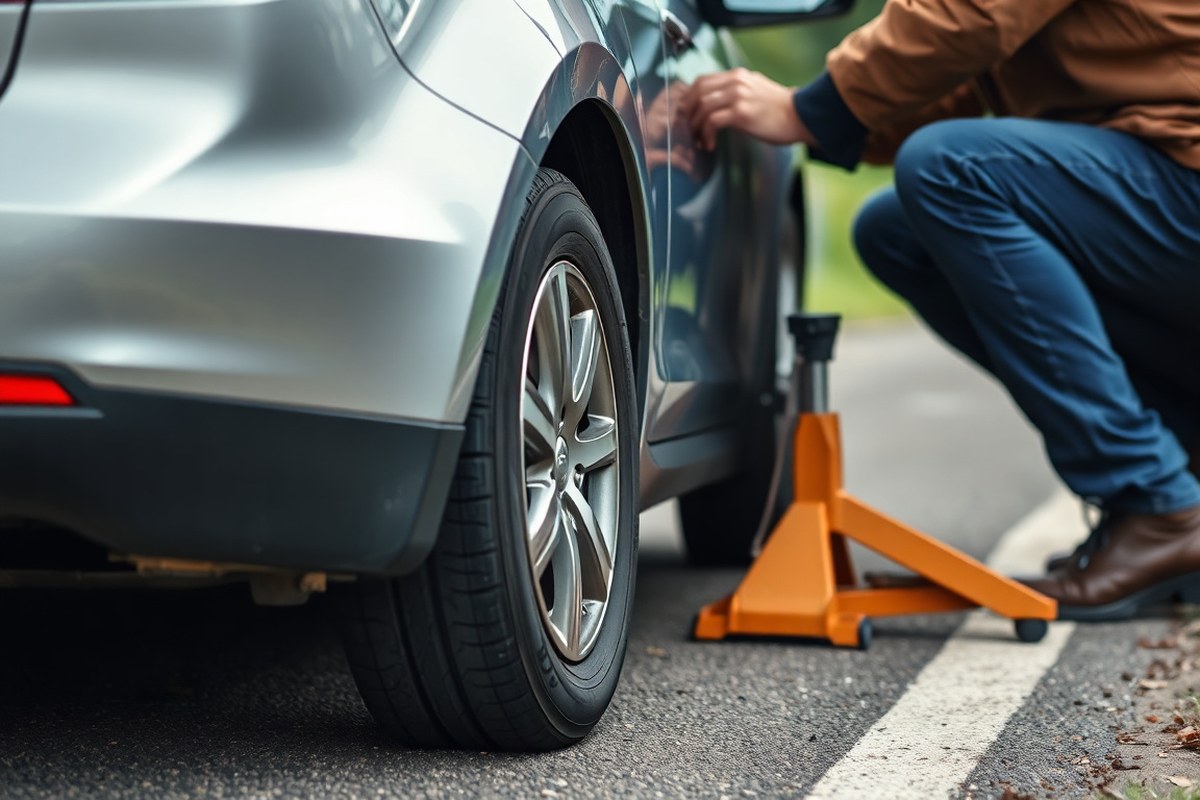
Your first step is to park safely off the road. Check your tyre and call for help or change it yourself, if you can. Driving slow, under 15 to 20 mph, limits more damage.
You can safely get off the road this way. It helps keep your car and tire in better shape.
Key Takeaways
- Don’t drive more than 50 miles on a run-flat tyre after a puncture.
- Keep speeds under 20 mph on a regular flat to prevent wheel damage.
- Always pull over safely before handling a flat tyre.
- Check tyre tread depth regularly to prevent flats on worn tyres.
- Use your car’s manual for run-flat tyre limits and guidelines.
- Call roadside assistance if you’re unsure about changing the tyre safely.
Can You Drive with a Flat Tyre Without Damaging Your Vehicle?
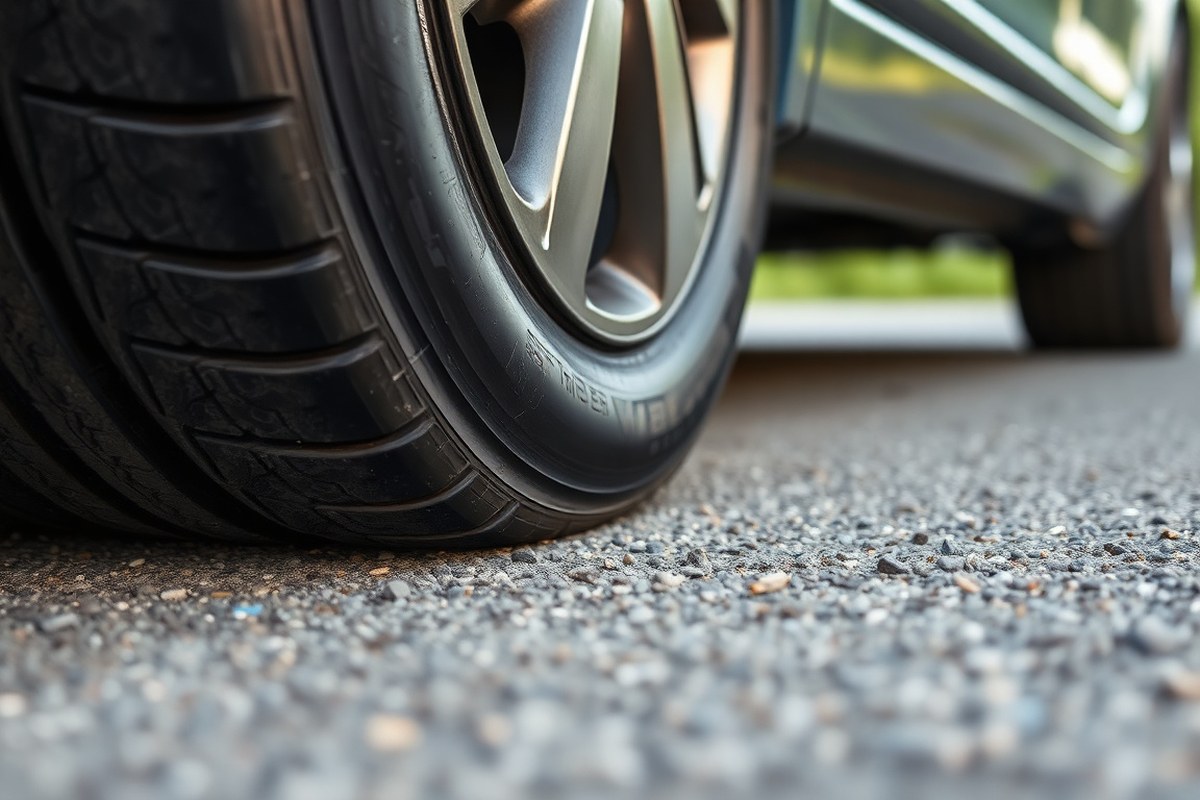
Driving on a flat tyre is not safe and can cause serious damage. The tyre’s sidewall crushes under weight, leading to internal harm you can’t see. Even if the tyre looks okay, it may need full replacement after being driven flat.
You risk damaging the wheel rim by driving on a flat. Metal rims bend or crack because they carry the vehicle’s weight without tyre cushioning. This damage can cost hundreds to repair and may make your car unsafe to drive.
The brakes, suspension, and steering system also suffer from driving on a flat tyre. Control over the vehicle worsens, stopping distances increase, and the car may pull to one side. These problems raise the chance of an accident.
There are very few exceptions to avoid these risks, one being if you have run-flat tyres. Run-flats let you drive slowly for up to 50 miles at 50 mph after a puncture. Only drive a flat tyre very slowly on smooth, flat ground.
Keep your speed under 15 to 20 miles per hour. Drive a short distance only to avoid damage.
Trying to drive on a flat to reach a safe spot should be done carefully. Keep steering straight and avoid heavy acceleration or braking. This lowers damage but still isn’t fully safe or ideal for long trips.
Driving on a flat tyre, even a little, raises risks and repair costs. Stop safely as soon as you can. Fix the flat tyre fast.
This helps avoid damage to the tyre, wheel, and car parts. Your own safety depends on it.
How Far and How Fast Can You Drive on a Flat or Run-Flat Tyre?

Driving on a flat tyre is risky and not recommended. The best choice is to stop immediately and check your tyre. Driving even a short distance on a flat can damage your wheel and suspension.
Run-flat tyres provide an exception. They let you drive up to 50 miles, usually at max 50 mph, after losing air.
This helps you reach a service centre safely. But you must inspect and replace the tyre quickly.
Compact spares, also called donuts, generally have speed limits of 50 mph or less. Distance is usually limited to 50 to 70 miles, depending on the car. These spares are not built for long drives or high speeds.
| Tyre Type | Max Speed | Max Distance | Notes |
|---|---|---|---|
| Flat Tyre (non-run-flat) | 0 mph (not recommended to drive) | 0 miles | Driving causes wheel and vehicle damage quickly |
| Run-Flat Tyre | Up to 50 mph | Up to 50 miles (80 km) | Allows limited driving post deflation; replace soon |
| Compact Spare Tyre | Up to 50 mph | 50, 70 miles | Temporary use only; check owner’s manual |
Choosing to drive slowly on a flat tyre doesn’t prevent damage. The tyre’s sidewall can fail and ruin the wheel rim. It also increases risks of losing control or causing an accident.
Run-flats are designed with reinforced sidewalls. They maintain enough structure to carry the vehicle briefly without air. Even so, driving them too fast or too far can cause permanent damage.
Stop and check your tyres immediately when you feel a loss of pressure.
Always follow your vehicle owner’s manual for specific limits on spare tyres and inflation kits. Some cars come without a spare, relying on tyre sealant kits instead. These kits allow very limited driving and require careful speed and distance adherence.
Understanding these limits helps you keep your car safe and avoid higher repair costs. Using a run-flat or spare correctly allows time to reach a tyre service.
But don’t stretch beyond recommended distances or speeds. That risks more serious damage and higher bills.
Recognising When a Flat Tyre Can Be Repaired or Needs Replacement
You can fix a flat tyre only if the damage is small. It must be in the middle tread area. Repairs don’t work if damaged parts are bigger or elsewhere.
Sidewall damage or worn tread usually means you need a replacement tyre. Checking these details prevents unsafe driving and more expensive damage later.
Inspecting the Puncture Location
Look closely at where the tyre got punctured. Only punctures in the central tread, about 1 to 1.5 inches from the edges, are safe to fix. Damage near the shoulder or on the sidewall can’t be fixed.
You need to replace the tyre in those cases. Repairs don’t hold on those parts.
Tyre experts say the repairable zone is the crown area, which avoids the sidewall and edges. Run your hand over the tyre and note any bulges, cuts, or embedded objects like nails. These signs affect whether repairs can work safely or not.
Measuring Tread Depth and Sidewall Condition
Use a coin to check tread depth, such as a quarter pushed between the grooves. The tyre is unsafe if less than 3/32 inch tread remains.
It cannot be repaired when worn down that far. Some states require even deeper tread minimums, so check local rules.
Inspect the sidewalls for cracks, bubbles, or bulges. These weak spots mean the tyre’s structure is damaged beyond repair. You can spot bubbles as small rounded lumps or air pockets under the rubber.
Assessing Repairability and Replacement Criteria
Decide on repair or replacement by combining site, size, and condition. The puncture should be small enough to fix safely. Also, you need at least 3/32 inch tread depth.
Repairs won’t work beyond these limits. A new tyre costs around $45 to $250. A repair at a shop can be $20 to $50.
Driving on a flat tyre can cause more damage inside. Even a short trip can turn fixable holes into replacements.
Avoid driving on a flat whenever possible. Look carefully for anything that suggests more than just a simple puncture before spending on repairs.
Follow these steps to check if a tyre can be repaired or needs replacing:
- Locate the puncture and check if it is within 1 to 1.5 inches from the tire edges.
- Look for damage on the sidewall like bulges, bubbles, or cracks.
- Use a quarter to measure tread depth; note if below 3/32 inch.
- Check the tyre surface for large cuts or embedded objects beyond the tread area.
- Assess if the tyre suffered damage from driving while flat.
- Compare tyre condition to your local legal tread minimums and manufacturer guidelines.
- Decide on a repair, which costs $20 to $50, if conditions fit repair rules.
- Choose replacement if damage is on sidewalls, tread is too shallow, or internal damage exists.
How to Safely Handle a Flat Tyre on the Roadside
You should pull over safely to the side of the road. Do this immediately after you notice a flat tyre. Don’t stop in the middle of traffic.
Signal your intention early, reduce speed gradually, and find a spot away from traffic. Once stopped, use hazard lights to alert others and prepare for repair or help.
Choosing a Safe Spot to Stop
Look for a flat, straight section of road with a wide shoulder or a parking area. Avoid bends, narrow roads, or places where visibility is low. These spots reduce the risk of an accident while you handle your flat tyre.
Stop near a gas station or a well-lit area. This is especially important at night.
These places often have tools or help available and improve safety during repairs. Never try to reach these spots by driving on a flat tyre.
Activating Hazard Warning Lights
Turn your hazard lights on as soon as you slow down and before you pull over. They help other drivers see your vehicle on the road. This is important in poor weather or low light.
Make sure your warning lights are on. Keep them on until you leave the roadside or finish the repair.
Hazard lights warn other drivers you’re stopped or moving slowly. However, don’t rely on them alone to keep you safe. Always stay alert to traffic and keep a safe distance from lanes with moving vehicles.
Preparing to Change or Repair the Tyre
Gather all your tools and the spare tyre from the vehicle before exiting. Check your owner’s manual if you’re unsure what tools you need or how to use them. Having everything ready speeds up the process and reduces time spent roadside.
Wear bright clothing or a high-vis jacket if you have one. Place wheel chocks or heavy objects behind other wheels to stop the vehicle from rolling. Make sure the car is on firm, level ground before starting any work.
Keeping Yourself Safe During the Process
Stay away from traffic lanes to stay safe. Stand behind a barrier or far off the road. Keep your passengers safe, too.
Stay inside your car until it’s safe to exit, especially on busy highways. Keep children and pets inside your vehicle. Stay there until help arrives or the repairs are done.
Use warning triangles or cones if you have them. Place them far behind your car to mark your spot. This warns other drivers of your presence.
Always face the traffic while working so you can see oncoming vehicles. Avoid standing directly in the road or close to your car on the traffic side.
- Signal your intent by turning on your turn signal early.
- Slow down gradually to avoid sudden stops.
- Pull over to a flat, wide shoulder or parking area away from traffic.
- Activate your hazard lights to alert other drivers.
- Wear a high-visibility jacket and gather all tools and the spare tyre.
- Park on level ground, apply wheel chocks, and engage the parking brake.
- Place warning triangles behind your vehicle if available.
- Keep yourself and passengers away from road lanes during the repair.
Tools and Equipment Needed to Change or Repair a Flat Tyre
Changing or repairing a flat tyre requires a few basic tools. A jack lifts the car, making wheel removal possible.
You’ll also need a lug wrench to loosen and tighten lug nuts. Most cars come with these tools in the trunk’s spare tyre area.
Tyre repair kits vary but commonly include sealant and a small air compressor. The sealant plugs small holes while the air pump reinflates the tyre afterward. These kits work for small punctures only.
They do not fix sidewall damage. They also won’t help with big holes in tyres.
- Hydraulic or scissor jack rated for your vehicle’s weight
- Lug wrench or tire iron to loosen lug nuts
- Spare tyre or temporary donut tyre when available
- Tyre repair kit containing sealant and a small compressor
- Wheel chocks to prevent the car from rolling
- Reflective safety vest and warning triangle for roadside visibility
- Gloves and flashlight for handling tools and working in dark
Safety gear is essential while working roadside. A reflective vest warns passing drivers. Place a warning triangle at least 50 feet behind your car on highways.
Wheel chocks block the tyre opposite the flat, stopping the car from moving. Gloves keep your hands clean and shield you from sharp objects.
Many newer cars skip spares to save space and weight. These models usually include a tyre repair kit or have run-flat tyres. Run-flats let you drive about 50 miles after a puncture.
You must drive slowly when using them. Not every car has run-flat tyres.
Relying only on a repair kit suits small punctures. Big damage means stopping for a tow or professional help.
Never tighten lug nuts when the wheel is on the ground. Always raise the car first for safety and easier removal.
Using Tyre Repair Kits and Inflators: When and How to Apply Them
Tyre repair kits can quickly fix minor punctures and get you back on the road. Use them only if the puncture is small and on the tread, not the sidewall. After applying sealant and inflating the tyre, drive slowly and watch limits to avoid further damage.
Locating the Puncture and Checking Repair Kit Contents
First, look for the puncture to check if a repair kit will work. Make sure the car is parked safely on level ground before inspecting the tyre.
Check the repair kit’s contents, which usually include sealant, a compressor, and instructions. Confirm the sealant is suitable for your tyre size and type to avoid issues.
Applying Sealant and Inflating the Tyre
Using a repair kit means injecting sealant through the valve stem. The sealant fills the hole inside the tyre. Then use the compressor to fill the tyre with air.
Inflate it to the pressure listed on the door jamb. You can also find the right pressure on the tyre sidewall.
The step-by-step process includes these actions:
- Put on gloves to keep your hands clean and safe from chemicals.
- Remove the valve cap from the flat tyre’s valve stem.
- Attach the sealant hose securely to the valve stem.
- Release the sealant into the tyre by pressing the kit’s button or squeezing the bottle.
- Remove the sealant hose and replace the valve cap.
- Connect the compressor to the valve stem and the car’s power outlet.
- Turn the compressor on and inflate until the tyre reaches the correct pressure.
- Disconnect the compressor and stow the repair kit away safely.
Sealants can clog the tyre’s valve if misused, causing air leaks later. Use the product only as instructed and clean the valve if needed during a professional repair.
Driving Restrictions After Repair Kit Use
After using sealant to repair a tyre, drive slowly. Stay under 50 mph and do not drive more than 50 miles. This limit keeps the temporary repair intact and prevents tyre failure.
A repair kit does not fully replace a proper tyre repair or replacement. Do not use a repair kit if the tyre sidewall is damaged. Also avoid it for punctures bigger than ¼ inch (6 mm).
Stop and check the tyre right away if you feel vibration, pulling, or pressure loss while driving. A repair kit is a short-term solution, not a permanent fix.
Common Mistakes Drivers Make with Flat Tyres and How to Avoid Them
Driving on a flat tyre can damage the tyre badly. It also harms the wheel rim. Fix the flat as soon as you can.
The tyre’s structure can break down quickly without air support. This ruins the tyre and often bends or cracks the wheel, hiking repair costs.
Speed makes things worse. Even slow drives risk lasting harm.
But going faster increases damage and makes the vehicle harder to control. You’ll need a new tyre and possibly a new rim if you don’t stop immediately.
Some drivers forget to inspect the tyres before driving. You should check for cuts, bulges, or nails stuck inside. Catching issues early helps you avoid sudden flats and expensive roadside emergencies.
Misusing spare tyres or repair kits can cause trouble, too. Spares often are temporary and made for lower speeds and distances. A spare tyre isn’t made for regular use.
Driving far on it wears it out fast. Use it only to get to a repair shop.
Run-flat tyres allow limited driving after losing air, but they aren’t invincible. You should not rely on them to cover long distances or at high speeds. Know your tyre’s run-flat limits and replace it soon after damage.
A tyre losing air likely has a hole. Air won’t fix it alone.
It needs a proper repair or replacement. Trying to drive on it risks worse damage and unsafe control.
- Stop driving immediately when you notice a flat tyre
- Check the tyre surface and sidewalls for visible damage
- Use a spare tyre only as the manufacturer recommends
- Don’t exceed 50 mph when driving on a temporary spare
- Inflate tyres to the correct pressure using a reliable gauge
- Replace run-flat tyres promptly after a flat
- Call a professional if the tyre keeps losing air after inflation
Fix mistakes by pulling over safely as soon as you can. Inspect the tyre carefully before deciding to drive more. Keep a proper spare that matches your vehicle and follow the speed limits on temporary tyres.
Use tyre inflators and repair kits only as a short-term fix if the puncture is small. Monitor tyre pressure closely afterward. Don’t keep driving if the tyre loses air again.
Get a professional to check it right away. Driving on it is unsafe.
When to Call Roadside Assistance or a Professional for a Flat Tyre
Stop and assess if your location is safe to change the flat tyre. Avoid narrow shoulders or spots near fast-moving traffic. When it feels unsafe, keep away and call roadside help immediately.
Check if you have a spare tyre and the right tools. Only try fixing it yourself if you do. Your car needs a spare, jack, lug wrench, and night lights.
Without these, call professional help instead. Changing a tyre without the right gear can make the job harder and dangerous.
Look closely at the tyre’s damage. A cut sidewall or shredded tyre can’t be fixed safely on site. You’ll need a tow or full replacement at a shop.
Simple tread punctures might work with a quick change or plug. Use this only if you have a repair kit.
Changing a tyre takes 15 to 30 minutes when you’re ready and calm. Unsure or in unsafe spots? It’s smarter to wait for a pro.
Tow and tyre replacement service times depend on the company and location. Some breakdown services offer roadside help but don’t cover tyre replacement costs.
Check your insurance or roadside assistance coverage before calling. Many car care providers offer a year of free roadside assistance with tyre support. This coverage often helps with towing or tyre changes.
It usually doesn’t pay for a new tyre. Knowing your plan details helps avoid unexpected bills.
Never try to change a flat tyre on a busy highway or in poor visibility conditions. Call for help instead.
Stay put and call roadside help if you’re unsafe, lack tools, or the tyre is badly damaged. You can change the tyre yourself if the spare and tools are easy to reach and the tyre can be fixed. Always prioritize your safety over saving time or money, especially near traffic or at night.
How to Prevent Flat Tyres and Maintain Safe Tyre Condition
Check your tyre pressure and tread depth every month. Use a reliable gauge to get accurate pressure readings. Inflate tyres to the level listed on your vehicle’s door jamb or manual.
Worn tread below 2/32 inches affects grip and safety. Replace tyres before they reach this limit to avoid flats and poor handling.
Avoid hitting potholes and debris by scanning the road ahead. Spot rough patches or loose shards? Slow down and steer around carefully.
Large impacts can cause cuts or bulges, weakening the tyre sidewall. Passing through construction zones? Choose a different road to cut risk.
Overloading your vehicle stresses tyres and increases flat risk. Check your owner’s manual for max cargo weight. Carrying too much adds heat and pressure that weakens the tyres over time.
Hauling heavy loads often? Check your tyres more often for wear or damage.
- Inspect tyres monthly using a tread depth gauge and pressure reader
- Slow down and avoid potholes or sharp debris on the road
- Drive on flat, smooth surfaces; avoid gravel and damaged asphalt
- Follow the manufacturer’s load limits to prevent excess tyre stress
- Replace tyres when tread wears below 2/32 inch or shows sidewall damage
- Consider replacing both tyres on an axle if tread depth differs greatly
- Take alternate routes around areas with known road damage or debris
Regular checks and careful driving help keep tyres in good shape. Don’t hit brakes hard when a tyre feels unstable; ease off the accelerator first.
Tyres with damaged sidewalls or cuts usually need replacement. Keep new and old tyres balanced on the same axle for safer handling after replacement.
Step-by-Step Action Plan for Handling a Flat Tyre
Follow these steps to safely deal with a flat tyre and get back on the road.
- At the first sign of a flat: Pull over to a safe spot away from traffic. Turn on your hazard lights to alert other drivers.
- Before you start fixing: Check if you have the right tools. Make sure to have a jack, lug wrench, and spare tyre or repair kit. Confirm the car is stable before you begin work.
- During the change or repair: Loosen lug nuts slightly before lifting the car. Replace or repair the tyre as needed. Then tighten nuts in a cross pattern. This will secure the wheel properly.
- After repair or replacement: Inflate the tyre to the recommended pressure. Check that the tyre holds air and that lug nuts are tight.
- Within the next hour: Drive slowly to a nearby tyre shop. Have the repaired or replacement tyre inspected there. This ensures the fix is safe and holds under real driving conditions.
- Unable to fix it yourself: Call roadside assistance for help. They can safely remove your vehicle and assist. Do not try driving on a badly damaged tyre.
- After returning home: Monitor your tyres weekly for signs of pressure loss or damage. Regular checks prevent future flats and keep you safer on the road.
Frequently Asked Questions
Can You Drive with a Flat Tyre in an Emergency?
You should avoid driving with a flat tyre even in emergencies. It can damage your wheel and make your vehicle unsafe to control. Instead, call roadside assistance if you can’t change the tyre yourself.
Is It Legal to Drive on a Flat Tyre?
Driving on a flat tyre is generally illegal as it creates unsafe conditions. Authorities may fine you or take enforcement action if caught. It also risks invalidating your insurance after an accident.
Can a Flat Tyre Cause Damage Beyond the Tyre Itself?
Yes, a flat tyre can damage the wheel rim and suspension components. The longer you drive on it, the worse the damage becomes. That can mean costly repairs beyond just replacing the tyre.
Can Run-Flat Tyres Be Driven on When Flat?
Yes, run-flat tyres let you drive around 50 miles when flat. You can go up to 50 mph even if the tyres are deflated. This helps you get to a safer spot or repair shop.
They give you a chance to reach a repair shop safely. Regular tyres don’t have this feature.
Is It Safe to Inflate a Flat Tyre and Drive to a Shop?
You can reinflate a tyre if it’s not fully flat. Then you might drive a short distance on it. But this carries some risks and should be done carefully.
You should drive slowly, below 20 mph, and get professional help quickly. Do not delay.
Before You Go
Driving on a flat tyre can seriously damage your car and is unsafe. Stop promptly, fix it safely, or get professional help. Check your tyres regularly to avoid flats altogether.