Can I Drive a Car with Low Compression? Risks, Limits & Repair Costs Explained
Can I drive a car with low compression? It’s not safe for long trips. Low compression means your engine can’t build enough pressure to run efficiently.
Driving for short distances under 50 miles might work. But the risk of damage grows fast.
Watch for signs like less power and more fuel use. A weak engine or higher gas mileage means stop driving soon. Low compression damages costly parts such as the catalytic converter, which may cost over $1,500 to fix.
Start by getting a compression test to know how bad the problem is. Avoid driving when cylinder pressure falls below 90 psi or is uneven across cylinders. Fixing small issues early can save you thousands later.
Key Takeaways
- Do not drive long distances if your engine has low compression.
- Watch for engine misfires, loss of power, or increased fuel use.
- Get a compression test done to check cylinder pressure levels.
- Any cylinder pressure below 90 psi usually means serious low compression.
- Driving with low compression risks damaging the catalytic converter.
- Short drives under 50 miles may be possible but still risky.
Is It Safe to Drive a Car with Low Compression?
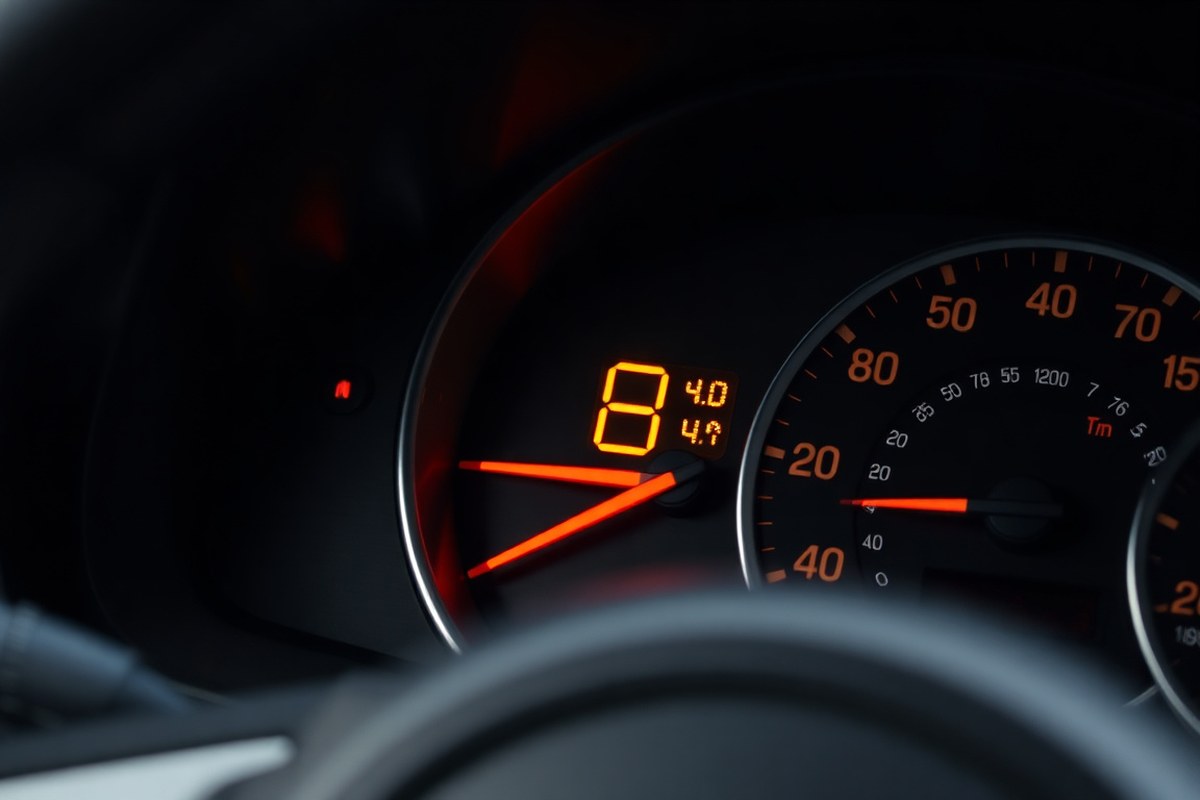
Driving a car with low compression is generally not safe and not recommended. Low compression reduces engine power and efficiency, causing sluggish driving and higher fuel use. The engine may also overheat and produce more emissions, increasing wear and tear.
How long you can drive depends on the compression level and how many cylinders are affected. At 90% to 100% compression, you can drive normally without issues. With 75% to 90% compression, limit driving to a few hundred miles.
Plan to get repairs done soon. Don’t push it longer than that. Drive only short trips under 50 miles with 50% to 75% compression.
Arrange immediate repairs to avoid damage. Below 50%, do not drive the car at all; towing is safest.
Short emergency drives might be possible if the compression is still above 50%. But keep trips very brief and avoid hard acceleration or steep hills. Driving less than 10 miles to a mechanic can work in emergencies.
Use this only when urgent. Avoid it as a regular practice.
Turn off unnecessary accessories and watch engine temperature closely. Any rough idling or smoke suggests you should stop immediately.
Low compression can cause severe engine damage. You might blow a head gasket or ruin the catalytic converter. The risks can be costly.
The catalytic converter can cost over $1,500 to replace if damaged by unburned fuel. Minor repairs delay these problems but don’t ignore symptoms. A dry compression test shows which cylinders have issues.
This helps decide if short drives are okay. It guides your repair planning.
Your car struggling on hills or feeling slow means compression is dropping. This shows the engine problem is getting worse. You should act quickly.
Often only one cylinder is affected, lowering overall engine output significantly. In those cases, even short trips increase the risk of overheating. Plan to repair low compression as soon as possible to avoid costly breakdowns.
Common Symptoms Indicating Low Engine Compression
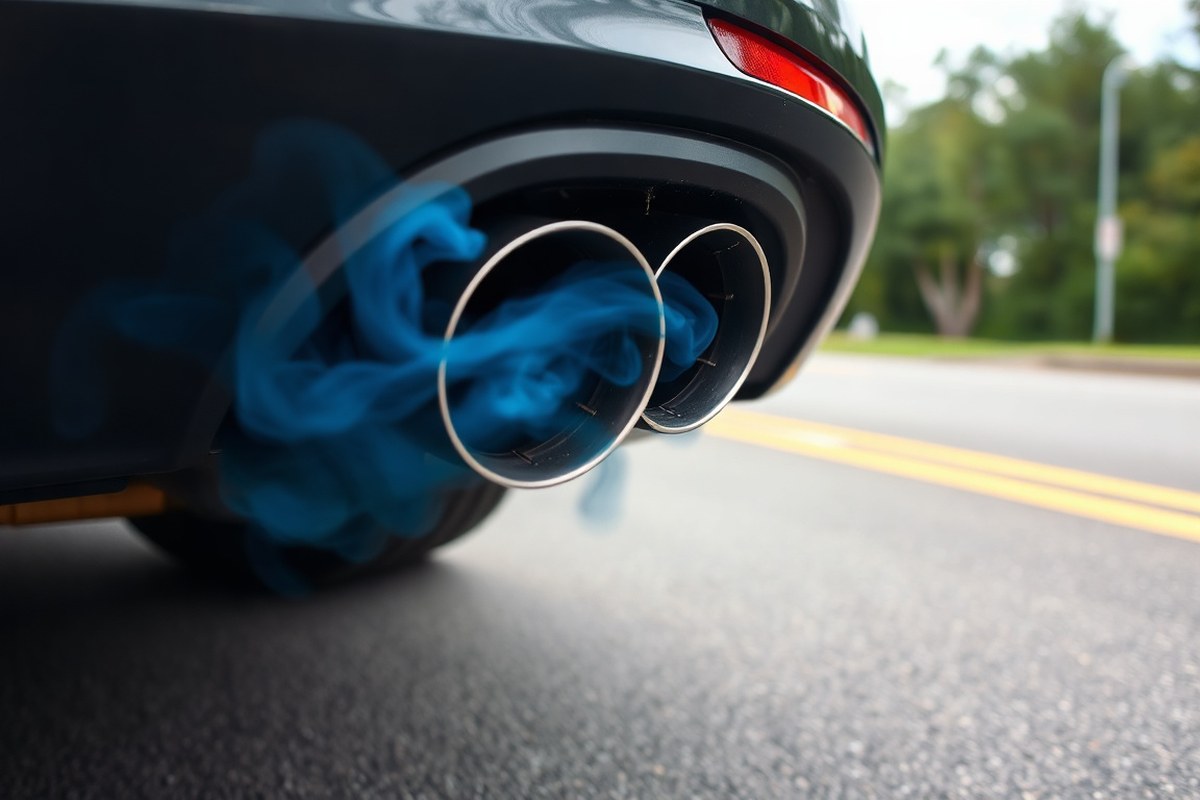
Low engine compression shows up through specific signs while you drive or start your car. Your engine might crank fast but fail to start. This happens because the cylinders don’t compress air and fuel enough for proper combustion.
You can feel the engine running rough or shaking at idle. This rough idling means the engine struggles to keep running smoothly without enough compression. You’ll also notice the car loses power when accelerating or climbing hills.
Engine misfires are common with low compression. A cylinder misfire occurs if compression falls below about 90 psi.
The engine’s computer often spots this and lights up the check engine light. For example, a P0301 code means the first cylinder is misfiring, often due to low compression.
Fuel economy suffers too. Since the engine can’t burn fuel efficiently, you’ll see more trips to the gas station. Poor performance and increased fuel consumption go hand in hand with this problem.
- Engine cranks but won’t start easily
- Rough or uneven idle
- Noticeable loss of power during acceleration
- Engine misfires, especially under load
- Check engine light fades on, showing misfire codes
- Increased fuel consumption and poor mileage
- Engine may struggle to reach or hold higher RPMs
- Hard starting, especially when cold
Low compression means your engine can’t trap enough air and fuel inside the cylinders. This directly lowers combustion efficiency and power output, causing those symptoms.
Worn piston rings or valves let pressure leak out. This reduces engine power and often makes it misfire.
These issues may worsen over time, increasing damage risk and repair costs. Promptly watching for and addressing low compression signs is essential to avoid serious engine problems. Pay close attention to rough running and check engine alerts to catch issues early.
Do not ignore rough idling or repeated misfires. These can quickly lead to costly engine damage. Get compression tested soon after you spot these symptoms.
Major Causes of Low Compression in Engines
Low compression means your engine cylinders lose too much pressure. This happens when the seals inside cylinders wear out or get damaged. Piston rings that don’t seal the piston to the cylinder cause this often.
Damaged or burnt valves are another common reason. These valves control air and fuel flow, so leaks around them reduce compression.
A blown head gasket lets pressure leak between cylinders or outside. This leak causes low compression results during engine tests.
Camshaft timing also affects compression by controlling valve opening and closing. The timing belt or chain controls valve timing.
If it slips or breaks, valves won’t open or close correctly. This results in very low or zero compression because air and fuel don’t get trapped correctly.
| Test Result | Possible Cause |
|---|---|
| Compression low on dry test, but improves on wet test | Worn Piston Rings or Cylinder Walls |
| Compression low on dry and wet test | Burnt/Leaky Valve or Damaged Valve Seat |
| Two adjacent cylinders low on dry and wet tests | Blown Head Gasket between those cylinders |
| All cylinders have zero compression | Broken Timing Belt/Chain or catastrophic engine failure |
Worn piston rings usually require a costly engine rebuild since the engine must come apart. Repairs often cost between $1,500 and $4,000.
Valve problems require removing the cylinder head, which can cost $800 to $2,500. Blown head gaskets come with medium to high repair costs depending on engine design.
Damaged camshafts or slipped timing belts cause valve timing issues and zero compression in all cylinders. Fixing timing usually costs $600 or more, depending on the belt or chain type. Worn pistons or cracked cylinder walls also cause low compression.
Fixing these usually means engine machining. That raises repair costs.
How to Diagnose Low Compression Yourself
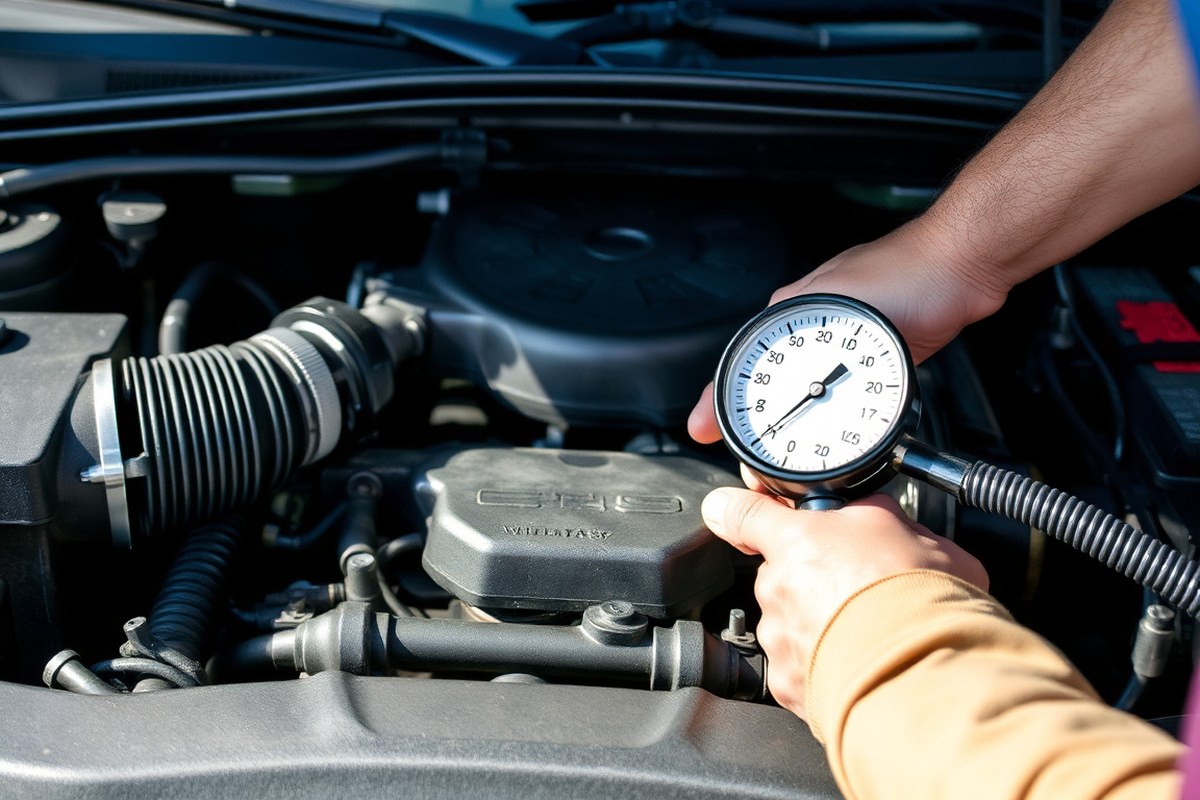
You can diagnose low compression yourself with a compression test kit. It helps you check how well each cylinder compresses air. You’ll need to do both dry and wet compression tests to spot the problem’s cause.
Performing a Dry Compression Test
A dry compression test measures the pressure inside each cylinder without adding anything extra. It is a quick way to check if compression levels are low. You’ll need a compression gauge, a spark plug socket, and a wrench.
Follow these steps to perform the dry compression test:
- Remove all spark plugs using a spark plug socket and wrench.
- Disable the fuel system and ignition to prevent the engine from starting.
- Thread the compression gauge into the first cylinder’s spark plug hole.
- Have a helper fully crank the engine for about 5 seconds.
- Read and record the pressure shown on the gauge for that cylinder.
- Repeat for all cylinders, cleaning the spark plug holes as needed.
- Reinstall the spark plugs and reconnect the fuel and ignition systems.
This test takes roughly 20 to 30 minutes on a four-cylinder engine. It gives you a baseline compression number for each cylinder.
Using the Wet Compression Test
The wet compression test shows if low compression is from worn rings or valves. It checks engine health by adding fluid and measuring pressure changes.
It uses a small amount of engine oil added to the cylinder before you retest. The oil temporarily seals leaks caused by piston rings.
Try the wet test after the dry test shows any cylinder below 100 psi. Add around one teaspoon of engine oil to the spark plug hole.
Then run the compression test again on that cylinder. Pressure rising a lot means piston rings probably cause low compression.
Interpreting Compression Test Results
Normal compression readings usually fall between 120 and 160 psi, varying by engine. Differences over 10-15% between cylinders can signal problems. Cylinders below 100 psi often mean poor compression and need further checks.
Pressure rising 10 to 15 psi or more points to worn piston rings. Low pressure after the wet test means issues with valves or the gasket. Low and fluctuating numbers mean you should get a professional leak-down test or mechanic inspection.
Temporary Fixes and Tricks to Start or Drive with Low Compression
You can try a quick method called the oil trick. It may help start an engine with low compression. This is a fast, temporary solution.
It works by coating the cylinder walls to improve the seal temporarily. This method can make your car run for a short time.
It does not fix the real problem. The issue with low compression still remains.
How to Perform the Oil Trick
The oil trick involves adding motor oil to each cylinder through the spark plug holes. This fills gaps in the piston rings and boosts compression just enough to start the engine. A few steps will help you do it safely and effectively.
- Remove the spark plugs with a spark plug socket and ratchet wrench.
- Add about one tablespoon of motor oil in each spark plug hole. Pour the oil directly into the cylinder area. This adds a thin layer of oil inside.
- Wait about 10 minutes for the oil to settle and coat the cylinder walls.
- Reinstall the spark plugs by hand to avoid cross-threading, then torque them to spec.
- Try starting the engine while holding the accelerator pedal slightly down to help revs.
- Let the engine run at idle for a few minutes after starting. This helps spread the oil inside the cylinders. It prevents damage while the oil moves around.
- Be ready to shut off the engine quickly if it runs rough or stalls.
Don’t add too much oil, one tablespoon per cylinder is enough to avoid fouling plugs.
When to Use Temporary Fixes
This trick helps when compression is low in just one or two cylinders. It works best if your engine is rough at idle but still starts. Use it only in emergencies to get your car to a mechanic or home safely.
Keep in mind that it’s a temporary measure. Your engine likely has serious compression loss if it won’t start after this. The oil trick won’t work in severe cases.
You may need a professional repair then. Try it only when you must move the vehicle and no other options exist.
Limitations of Temporary Solutions
The oil trick doesn’t fix worn piston rings, damaged valves, or blown head gaskets. It won’t help if multiple cylinders have very low compression. Engines that stall right after starting or don’t start at all need real repairs.
Repeated use of this method can foul spark plugs and exhaust systems. Driving long distances with low compression risks further engine damage. Call a professional mechanic as soon as you can for a proper diagnosis.
Secondary Damage Caused by Driving with Low Compression
Low compression not only reduces engine power but also harms other parts. When cylinders misfire, unburned fuel can enter the exhaust, damaging the catalytic converter. This part typically costs $800 to $2,500 to replace, depending on your car model.
Continued driving with this problem worsens cylinder wear. Healthy cylinders start losing compression as they take on more stress. Repair bills can grow because you might need new piston rings.
Cylinder head work may also be necessary. These repairs can cost $1,000 or more.
Here are some common secondary damages caused by driving with low compression:
- Catalytic converter damage from unburned fuel buildup
- Increased wear on piston rings and cylinder walls
- Possible valve damage due to poor sealing
- Overheated engine components from excess heat
- Accelerated timing chain or belt wear
Valve damage can happen when compression drops because valves don’t close right. This lets combustion gases escape, overheating and warping valves. Fixing valves usually requires removing the cylinder head, running $600 to $1,500 in parts and labor.
When the engine runs hotter due to low compression, it stresses coolant and radiator systems. Over time, this causes leaks and failures, adding repair costs. Bad timing chains or belts may wear out faster if compression fails.
This can happen across all cylinders. It raises the risk of costly failure or breakdown.
Factors Affecting How Long You Can Drive Safely
How long you can drive with low compression depends on severity. The worse the problem, the shorter the safe driving time. Pay attention to your car’s behavior right away.
When only one cylinder has low compression, you can drive briefly. But it will hurt engine performance. Multiple cylinders failing might cause your car to stall or fail to start.
Mileage also matters. Driving long distances with low compression makes things worse, speeding up engine wear. Short trips in mild conditions are less risky but still not safe for long periods.
Watch for symptoms like rough idling or loss of power. They signal you shouldn’t keep driving.
| Compression Loss (%) | Cylinders Affected | Suggested Maximum Driving Time |
|---|---|---|
| 10-15% | 1 cylinder | Up to 100 miles at low speed |
| 20-30% | 1-2 cylinders | Less than 50 miles; short, careful trips only |
| 30-50% | 2-3 cylinders | Minimal driving; stop and repair quickly |
| Over 50% | 3 or more cylinders | Do not drive; engine likely won’t start or will stall |
| 100% | All cylinders | Car won’t start; no driving possible |
The more cylinders that lose compression, the worse the car runs and the faster damage grows. For example, one cylinder with 10% loss might still let you drive carefully for a bit. But if 3 cylinders drop compression by 30%, you should stop ASAP.
Engines with high miles usually have some natural compression loss. Symptoms plus low compression reduce your safe driving time even further.
Ignoring this can cause head gasket failure or piston damage. These repairs cost much more than an early fix.
Cost Estimates for Repairing Low Compression Problems
Fixing low compression can cost anywhere from $200 to over $5,000. The price depends on how severe the damage is and the specific cause.
Minor fixes like replacing a valve or head gasket are cheaper. A full engine rebuild costs much more.
Some common repairs include new head gaskets, valve jobs, or replacing piston rings. Each one varies in labor and parts cost. These repairs take between a few hours and several days, affecting the final price.
| Cause of Low Compression | Severity Level | Repair Type | Estimated Repair Cost |
|---|---|---|---|
| Head Gasket Leak | Mild to Moderate | Replace Head Gasket | $500 to $1500 |
| Valve Damage | Moderate | Valve Repair or Replacement | $400 to $1200 |
| Piston Ring Wear | Moderate to Severe | Replace Piston Rings | $1000 to $2500 |
| Severe Engine Wear | Severe | Full Engine Rebuild | $3000 to $5000+ |
Cost differences come from how complex the engine is and regional labor rates. You can save money by getting quotes from multiple shops. Keep in mind that delaying repair often increases damage and costs.
Driving with low compression beyond short trips can worsen the engine damage quickly.
Some minor compression problems might only need an adjustment or cleaning. Those fixes could run as low as $200. The biggest bills happen if the engine needs rebuilding or major parts replacement.
When to Stop Driving and Call a Professional Mechanic
You should stop driving right away if two adjacent cylinders read under 80 psi. This level of compression is unsafe for your engine’s health. Continuing to drive can cause more damage fast.
This situation risks a catastrophic engine failure. Call a professional mechanic to prevent further damage.
Signs Requiring Immediate Engine Shutdown
A rough idle that worsens suddenly can signal low engine compression. This problem can dirty the spark plugs in other cylinders. Dirty plugs cause more engine problems quickly.
Notice any sudden power loss or unusual noises like knocking or rattling. These may signal severe internal damage. Also, check the engine temperature gauge for overheating.
Here are key warning signs that need your immediate attention:
- Two or more adjacent cylinders below 80 psi compression
- Rough, inconsistent engine idle
- Sudden and severe power loss
- Knocking, rattling, or unusual engine sounds
- Engine overheating or temperature spikes
- Smoke or burning smell from the engine area
- Warning lights on the dashboard staying on
Driving further with these signs can make the damage worse. Stop the engine as soon as you notice any of these issues.
How to Safely Stop Driving
Pull over to a safe spot off the road without delay. Turn off the engine to prevent more harm. Avoid restarting the car until a professional inspects it.
Use the following emergency stop checklist to protect your vehicle:
- Find a level, safe location away from traffic
- Switch off the engine immediately
- Turn on hazard lights to warn other drivers
- Check for leaks, smoke, or unusual smells
- Do not attempt to restart the engine if symptoms persist
- Call roadside assistance or a tow service if needed
Trying to drive more after serious low compression symptoms can cause total engine failure. It usually leads to costly repairs that might require engine replacement or rebuild.
Finding and Choosing a Professional Mechanic
Find a mechanic who specializes in engine diagnostics. Ask if they have experience with low compression repairs. This helps ensure accurate diagnosis and proper fixes.
Look for shops with good reviews and fair pricing. Low compression issues require skill and special tools for testing. Expect repairs to cost a few hundred to several thousand dollars, depending on severity.
Use this decision rule: arrange a tow if two adjacent cylinders show less than 80 psi. Don’t try to drive the car yourself under those conditions. Getting professional help right away reduces the risk of losing the engine completely.
Your First Steps to Handle Low Engine Compression
Start by checking your car’s engine condition carefully. Follow this plan to catch problems early and limit damage.
- Day 1: Perform a compression test using a gauge. Look for steady, low readings on one or more cylinders.
- Day 2: Check your oil and coolant levels. Normal levels mean no leaks yet.
- Week 1: Monitor for symptoms like rough idling or loss of power during drives. Note any changes in engine sound.
- Week 2: Use a temporary fix like seafoam or high-mileage oil to help seal worn rings. See if engine smooths out slightly.
- Week 3: Avoid heavy loads and hard acceleration. Your car should run without unusual noises or smoke.
- Before Week 4: Schedule a mechanic visit for a full diagnosis if symptoms persist. Confirm if repairs are needed.
- After Repairs: Keep an eye on performance and compression for any drops over time.
Frequently Asked Questions
Can Low Compression Cause My Car to Stall Suddenly?
Yes, low compression can cause your car to stall. It reduces engine power and may cause the engine to cut out unexpectedly while driving.
Can Low Compression Affect My Car’s Emissions Test Results?
Yes, low compression can lead to higher emissions. Poor combustion due to compression loss makes your car fail emission tests more easily.
Will Low Compression Cause My Car’s Oil Consumption to Rise?
Yes, low compression can increase oil usage. Damaged piston rings or cylinder walls let oil enter the combustion chamber, burning it off faster.
Can Engine Misfires Be a Sign of Low Compression?
Yes, engine misfires often indicate low compression. Weak compression disrupts fuel burning, causing rough idling, jerking, or hesitation under acceleration.
Does Low Compression Cause Overheating in Engines?
Low compression alone doesn’t usually cause overheating. Damaged engine parts can cause low compression in your car.
These problems may also lead to overheating. Leaks or poor cooling might cause this overheating.
Final Thoughts
Driving with low compression risks more engine damage and poor performance. Test early and use temporary fixes only briefly.
Get help from a mechanic as soon as you notice problems.
It keeps your engine safe. It also helps you stay safe on the road.