What Does Patchouli Oil Smell Like? A Complete Guide to Its Unique Aroma
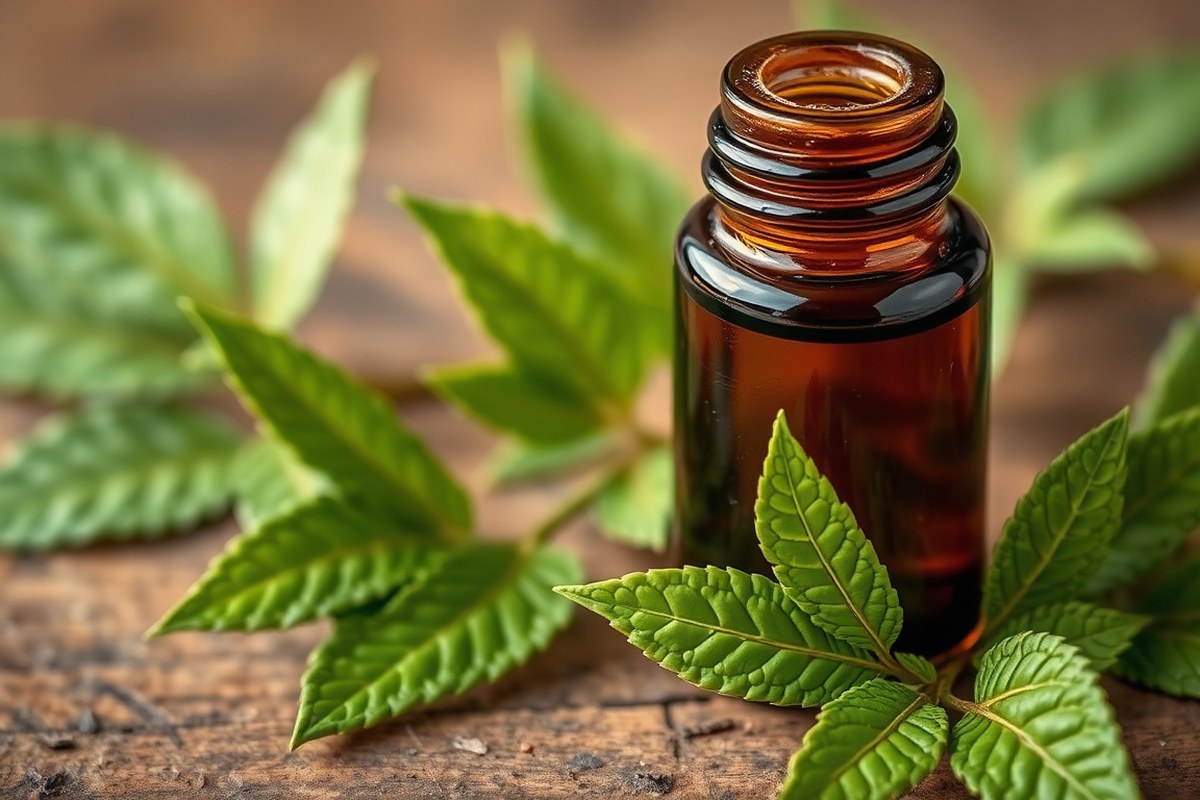
What does patchouli oil smell like? It has a deep, earthy scent that reminds you of damp forest soil.
You’ll notice a sweet, woody edge that stays with you for hours. This scent is both rich and complex.
The muskiness is strong but usually not overpowering. It feels natural and grounding, blending well with other aromas. On skin, the scent can last 10 hours or more, sometimes even longer on clothes.
Patchouli oil can vary a lot depending on how it’s processed. Oils made from steam-distilled, dried leaves have the classic deep aroma. Cheaper or poorly made oils may smell harsher or less balanced.
Older oils often mellow and become creamier with time. Freshly distilled patchouli can seem sharper or more resinous. Knowing these differences helps you pick the best oil for your needs.
Key Takeaways
- Patchouli’s signature scent is earthy, musky, and woody with lasting power.
- Steam-distilled, dried leaves produce the traditional deep patchouli aroma.
- Supercritical CO2 extraction yields higher patchouli alcohol, affecting scent strength.
- Patchoulol makes up about 40-50% of patchouli oil’s final smell.
- Patchouli oil lingers strongly on skin for 10 hours or more.
- Indonesia supplies most of the world’s patchouli, influencing scent consistency.
What Does Patchouli Oil Smell Like Exactly?
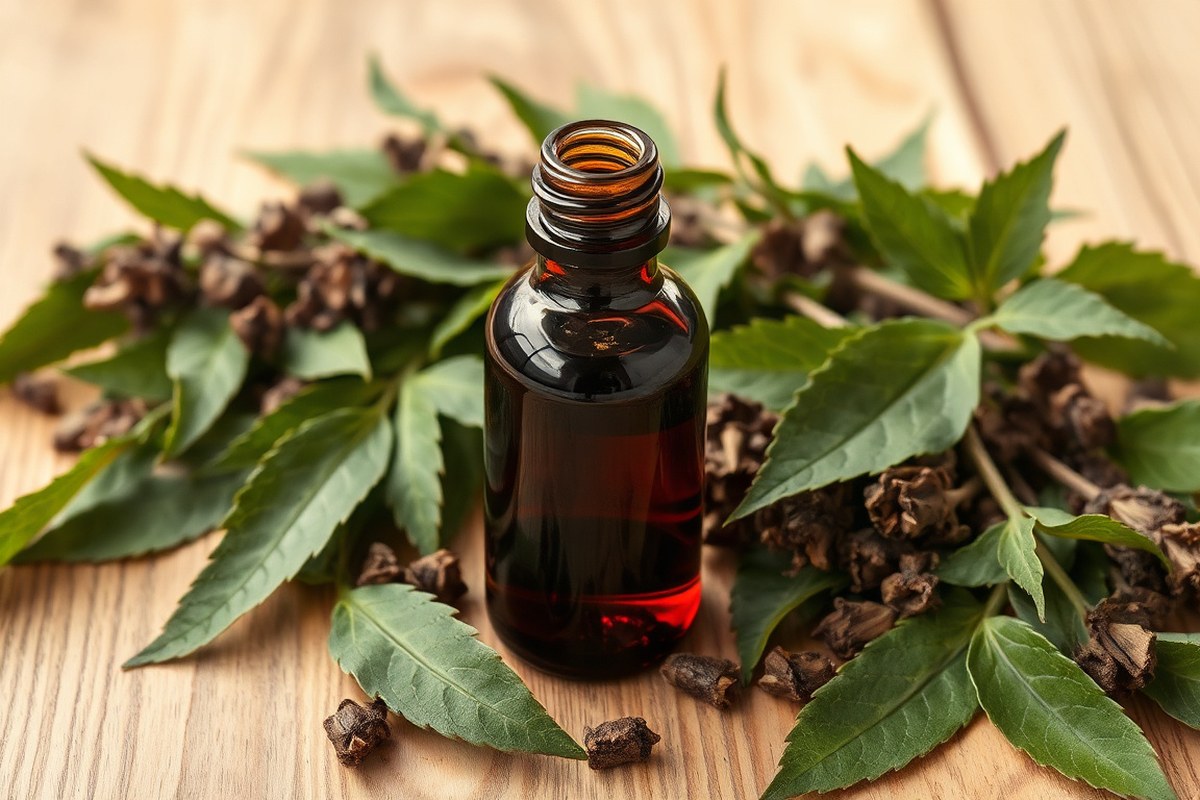
Patchouli oil has a deep, earthy scent with clear woody and musky tones. It smells like damp forest soil after rain. It has a slightly sweet edge.
This scent lingers softly on the skin. You can also notice a hint of spice, which adds warmth to the overall aroma.
Describing patchouli to someone new means focusing on its grounding and rich nature. It’s heavier than fresh or floral oils, often called “earthy” because of its wet soil aroma. The scent can feel warm and a bit heavy compared to lighter citrus or herbal oils.
The scent profile balances earthy, woody, sweet, and musky notes in nearly equal parts. This blend makes patchouli popular in perfumes. It works well as a base note.
It helps support brighter top notes. The scent is earthy and woody, not very sweet.
It is soft and not harsh. It avoids any sharp or musky feel.
Pure patchouli oil is strong and long-lasting. You might notice camphoraceous hints, which add a cool, slightly medicinal feel beneath the damp earthiness. Patchoulol is the main chemical in patchouli’s scent.
It gives a woody and sweet aroma. It has a subtle spicy hint too.
This scent can feel strong if used pure. That’s why perfumers often dilute it or mix it. High amounts may overwhelm.
Modern formulas soften patchouli’s heavier damp notes, creating smoother versions for personal fragrance. The natural aroma stays grounded but becomes more transparent and approachable in these blends.
How Drying and Extraction Affect Patchouli’s Aroma
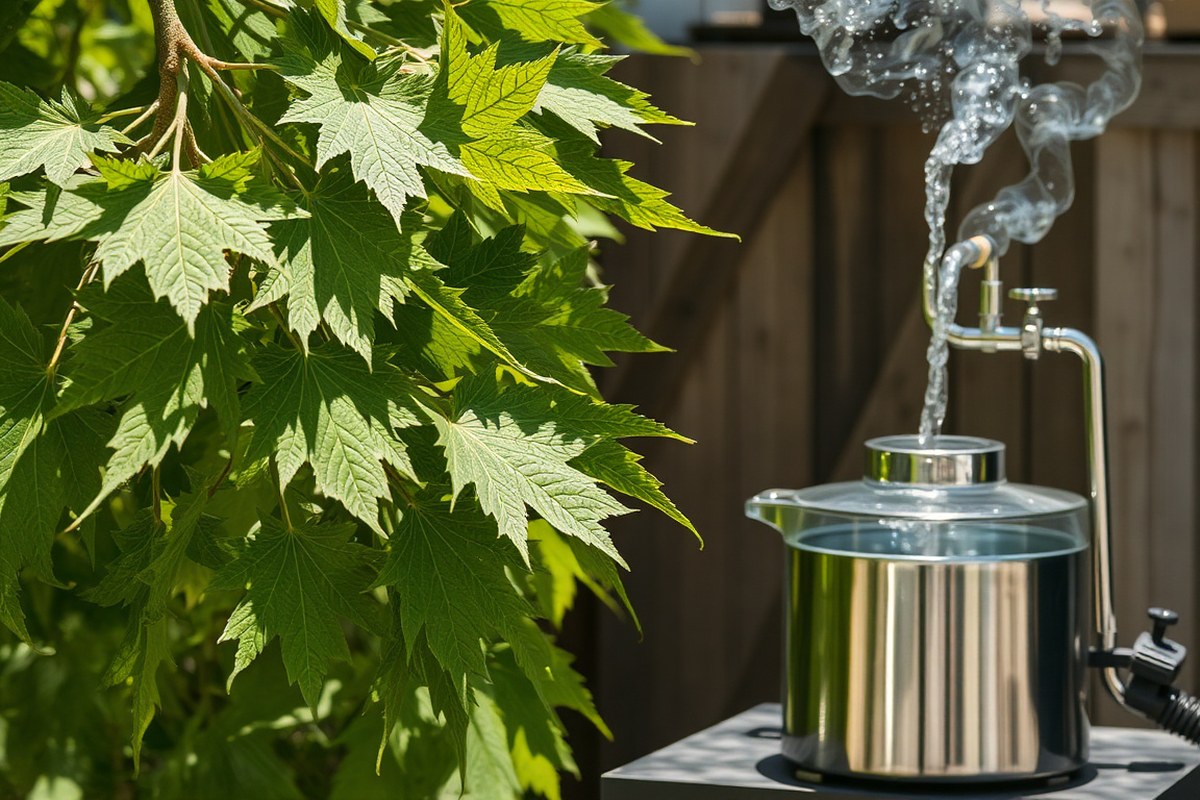
Drying and extraction methods shape patchouli oil’s final aroma significantly. Drying turns fresh leaves into sweeter, drier material ready for oil extraction. Extraction techniques like steam distillation and CO2 extraction then pull out different scent qualities and strengths.
Sun-Drying vs Wilted Leaves
Patchouli leaves are usually wilted and dried before extraction to unlock their scent. Fresh leaves smell thin and green.
But drying breaks cell walls, releasing sweeter, drier aromas. This curing also reduces harsh green notes and builds the classic earthy scent you expect.
Wilted leaves lose moisture slowly and develop more of patchouli’s trademark fragrance. Leaves drying too fast or unevenly can cause uneven scent.
It can also make the scent less rich and full. Proper drying balances moisture loss and chemical changes.
| Stage | What Happens in the Leaf | What It Smells Like |
|---|---|---|
| Fresh leaf, from the field | Oil sealed in glands and inner cells | Thin, green, faintly herbaceous |
| Wilted and dried leaf | Membranes fail, cell walls crack | Sweeter, drier, recognizably patchouli |
| Cured leaf, distilled | Steam reaches the buried inner store | Dense and brown: earth, cocoa, camphor |
This table shows how drying and curing steps shift the leaf’s scent profile drastically. Drying unlocks essential oils that fresh leaves keep locked inside.
Steam Distillation Process
Steam distillation is the most common way to extract patchouli oil. You put dried leaves in a still where steam passes through, vaporizing the oils. The vapor then cools and condenses back into oil and water layers.
This method keeps the deep earthy notes and woody facets intact. Steam distillation emphasizes patchouli’s rich, brown-smelling oils with cocoa and camphor hints. It also relies on patience and proper temperature control to avoid burning the leaves.
Supercritical CO2 Extraction
CO2 extraction uses supercritical carbon dioxide as a solvent to pull oils without heat. This method produces oil richer in patchouli alcohol. It has around 39%, much more than steam distillation.
Steam distillation only gives about 23%. It yields a stronger and more complex scent with smoother edges.
This extraction costs more because of special equipment. But you get a purer product with higher yields.
The oil smells fresher and less woody, capturing more delicate notes that steam distillation can lose. It’s a good choice if you want a sophisticated patchouli aroma.
Microwave-Assisted Distillation
Microwave-assisted distillation heats the dried leaves with microwave energy. This speeds up oil release compared to steam. Patchouli alcohol levels are from 25% to 26%.
That is a bit lower than the first method. Its scent falls between steam and CO2 methods.
The method is quicker but can produce slightly less refined aromas. It might suit smaller batches or situations where speed matters more than perfect scent complexity.
Impact on Patchouli Alcohol Content
Patchouli alcohol shapes patchouli’s scent strength and character. CO2 extraction yields the highest concentration, nearly 39%, making the aroma more potent and smooth. Steam distillation comes next at around 23%, giving a earthier, classic scent.
Microwave-assisted distillation sits in the middle with 25, 26% patchouli alcohol. Higher patchouli alcohol means a longer-lasting, less sharp fragrance. Lower amounts might smell coarser and less refined.
Tip: Avoid skipping the drying stage. Using fresh leaves will produce a thin, grassy scent rather than true patchouli aroma.
What Chemical Compounds Create Patchouli’s Signature Scent?
Patchoulol, also called patchouli alcohol, is the main chemical in patchouli oil. It makes up about 40 to 50 percent of the oil. It gives patchouli its earthy, woody, and balsamic scent.
This heavy sesquiterpene carries the main body of the aroma. It feels dense and lasts long in perfumes.
Other sesquiterpenes such as α-bulnesene and germacrene-B add to the complexity. These molecules bring subtle spicy and woody notes that support patchoulol’s core scent. These compounds together create the layered, natural fragrance patchouli is known for.
Trace molecules like norpatchoulenol, usually less than 1 percent, highlight patchouli’s unique character sharply. Even in tiny amounts, norpatchoulenol has an intensely patchouli smell that defines the signature note.
Aging turns some molecules, like α-guaiene, into others such as rotundone, which brings a peppery nuance. This is why freshly distilled patchouli can smell different from aged oil.
This complex mix makes patchouli oil versatile in perfumery and aromatherapy. The high patchoulol content means you get a strong, earthy base.
Minor compounds add musk, wood, and sweet hints to the scent. You might not notice these right away.
You can spot authentic patchouli oil by its balance of these chemicals. But the exact mix changes based on where it’s grown and how it’s processed.
Patchoulol can also be made synthetically. But natural patchouli includes many natural variations that affect how you perceive the scent.
Why Does Patchouli Smell Different in Perfumes?
Patchouli often smells softer in designer perfumes. It isn’t as strong or medicinal. This happens because it’s mixed with other scents and diluted.
Pure patchouli oil can be intense and earthy. But mixing it with bright top notes like bergamot or lemon lightens the scent. Patchouli works as a base note.
It builds the fragrance’s foundation. It also helps the scent last longer on skin.
As a base note, patchouli supports the middle and top notes rather than competing with them. This role makes patchouli smell deeper and warmer, instead of sharp or overwhelming. Patchouli often pairs with floral or woody scents.
It adds richness and smooths the scent. It never overpowers the fragrance.
- Pair patchouli with citrus like bergamot or orange for a fresh opening that warms gradually.
- Combine it with floral notes such as lavender or geranium for a balanced, elegant fragrance.
- Use sandalwood or vetiver alongside patchouli for a creamy, earthy base layer.
- Add soft white musk to mellow patchouli and improve longevity.
- Layer patchouli with other woody notes to create complex, grounded perfumes.
- Dilute patchouli oil properly in alcohol or carrier oils for smoother aroma and wear.
The exact balance matters. Too much patchouli can make a perfume smell musty or muddy.
That’s why perfumers often use it at small percentages, usually under 10% of the blend. The dilution lets patchouli contribute its signature earthiness and warmth without feeling harsh or medicinal.
You can smell patchouli in many bestselling fragrances without noticing it. It adds a subtle sensual layer that sticks around for 8 to 10 hours.
This is because patchouli contains molecules that evaporate slowly, which helps all fragrance notes linger longer. Blends with patchouli feel “expensive” and polished rather than raw.
How Do Geographic Origin and Harvest Influence Patchouli’s Scent?
Patchouli oil’s scent changes based on where it’s grown. Indonesian patchouli smells deeper and earthier than Indian patchouli. Indian patchouli tends to be lighter.
It has a more herbaceous scent. These differences occur because various climates and soil conditions affect the plant’s chemistry during growth.
Harvest timing also shapes the aroma significantly. Leaves picked early in the season often carry fresher, greener notes. Later harvests yield a richer, muskier scent.
Drying the leaves before distillation changes the oil. It helps concentrate some parts. This makes the scent smoother and more rounded.
Consistency from batch to batch depends on multiple factors. Small farms may deliver varying scents each year due to weather shifts and soil changes.
Larger producers often blend oils from several harvests to maintain a stable fragrance profile. But some natural variation remains unavoidable.
Check the harvest date when buying patchouli oil. Fresher oils smell brighter, while aged ones gain depth and complexity.
How to Identify Authentic Patchouli Oil by Its Smell
Authentic patchouli oil has a rich, smooth aroma with complex layers. Fake or diluted versions often lack depth or smell unusually sharp or sweet. You can test the oil’s quality by smelling it carefully.
Notice key scent traits that show the oil’s purity. This helps you spot if the oil is real or fake.
Signs of Pure Patchouli Oil
Pure patchouli oil smells earthy, slightly woody, and has a dark, cocoa-like sweetness. It carries a faintly camphoraceous, cool edge that adds freshness. Over time, authentic oil softens, losing harshness and gaining a rounded, velvety smell.
Look for these scent qualities in your patchouli oil:
- Rich, deep earthy base without any chemical sharpness
- Balanced dry wood notes with a subtle cocoa-like sweetness
- Cool, clean camphor presence that isn’t overpowering
- Dimensional aroma showing complexity rather than flatness
- Warm smoothness that improves after a year or more of aging
Pure patchouli has a lasting scent that evolves pleasantly over time. It doesn’t smell artificial or overly floral.
Common Adulterants and Their Smells
Patchouli oil is sometimes mixed with cheaper ingredients to cut costs or stretch supply. These additions alter the scent noticeably. Common adulterants include synthetic aroma chemicals and other essential oils that change the original balance.
Adulterants often give a fake patchouli these traits:
- Excessive sharpness or chemical-like odor
- Overly sweet or candy-like notes that clash with earthiness
- Flat or one-dimensional smell lacking woodiness or cocoa
- Strong synthetic undertones or a medicinal smell
These changes suggest the oil is either diluted or blended with a cheaper filler.
Smell Tests to Confirm Authenticity
Sniff the oil fresh from the bottle first. Then smell it again after mixing with carrier oil or water. This shows how the scent changes when diluted.
Pure patchouli opens up and smooths out when diluted. Fake versions often lose their scent or become muddled.
Use this checklist to test patchouli oil by smell:
- Smell the undiluted oil for richness and complexity
- Dilute a drop in 1 tsp of carrier oil, then smell again
- Note if the dry wood and earthy notes stay clear and fresh
- Check if the sharpness or sweetness fades into a balanced tone
- Detect any odd chemical or synthetic smells emerging
Repeat the test after the oil airs out for a few minutes. Authentic patchouli shows smoothness and depth, while fakes seem harsh or weak.
Storage Impact on Scent Quality
Patchouli oil’s scent changes with storage conditions and age. Properly stored oil becomes smoother and less harsh after a year or two. Exposure to heat, sunlight, or air speeds up spoilage and scent loss.
Keep these points in mind for storage:
- Store patchouli in a cool, dark place away from sunlight
- Seal the bottle tightly to minimize air exposure
- Avoid temperatures above 77°F (25°C) to prevent degradation
- Note that older, well-stored oil smells rounder and more velvety
Bad storage causes the oil to smell stale, odd, or overly sharp. This can mimic adulteration, so proper storage is key for accurate scent evaluation.
How to Soften or Modify Patchouli’s Strong Aroma
To soften patchouli oil’s strong scent, dilute it first. Use a carrier oil before applying to your skin. Blend it with lighter, sweeter oils.
You can reduce damp or musty notes by pairing patchouli with fresh or warm scents. Adjusting how you blend or apply patchouli makes it more wearable and pleasant.
Safe Dilution Ratios for Skin
Patchouli is strong, so always dilute it before applying to skin. A common safe ratio is about 1% to 3% essential oil in a carrier oil. Use 6 to 18 drops of patchouli per ounce.
Choose carrier oils like jojoba or coconut oil. This keeps the scent balanced and safe.
This dilution helps avoid irritation and tones down the scent for daily wear. You can increase the carrier oil if you want an even lighter fragrance or softer effect.
Popular Essential Oil Blends with Patchouli
Mix patchouli with citrus oils like bergamot. You can also add sweet oils such as vanilla. This helps soften patchouli’s intense smell.
For example, blend 1 drop patchouli with 2 drops bergamot. Add 1 drop vanilla to 10 ml jojoba oil. This makes a gentle, pleasant mix.
Sandalwood and rose oils also blend well, adding smooth, woody, and floral layers. These blends balance patchouli’s earthiness and create a more inviting scent.
Techniques to Reduce Overpowering Notes
Start by blending patchouli with oils that have fresh or bright notes. Citrus oils reduce musty or damp smells by adding sharpness and lightness.
Try starting with smaller amounts of patchouli, then add drops of jasmine or citrus gradually. Shake well and test the scent on your skin before using more.
- Choose a carrier oil like jojoba or coconut for dilution.
- Add 6 to 18 drops of patchouli per ounce of carrier oil.
- Add 1 to 3 drops of citrus or floral essential oils.
- Mix oils thoroughly by shaking gently in a glass bottle.
- Test the blend on a small skin patch for irritation.
- Adjust the essential oil drops to balance the scent as needed.
- Store the blend in a cool, dark place to preserve fragrance.
Using Vanilla and Sandalwood for Warmth
Vanilla oil adds a sweet, creamy warmth that softens patchouli’s earthiness. Sandalwood brings a smooth, woody base note that tames the sharp edges of patchouli.
Try blending patchouli with equal parts vanilla and sandalwood oils for a cozy, natural scent. This mix creates a fragrance that feels rich but not heavy or overpowering.
Is Patchouli Oil Safe? Skin and Allergy Considerations
Patchouli oil can irritate your skin if used undiluted. Pure patchouli essential oil is strong and might cause redness or itching. Always dilute it with a carrier oil like jojoba or coconut before applying on skin.
For adults, a safe dilution level is about 1 to 5 percent. That means mixing 1 to 5 drops of patchouli oil per teaspoon of carrier oil. For children and those with sensitive skin, use a weaker solution around 0.5 to 1 percent to lower irritation risk.
Patchouli allergies are relatively rare. Some people might react to patchouli oil, especially with sensitive skin. Allergies to other essential oils can also cause reactions.
Be cautious if you are prone to skin issues. To test the oil, put a diluted drop on your forearm.
Wait 24 hours and check how your skin feels. This helps avoid bad reactions.
Watch out for signs like redness, swelling, or a rash after applying patchouli oil. Stop using patchouli oil right away if you notice irritation.
Wash the area with soap and water to reduce the reaction. Consult a doctor if the reaction worsens or doesn’t go away.
Always do a patch test before using patchouli oil on large skin areas. This helps avoid unexpected irritation or allergic reactions. Test a small area first.
Proper use also means avoiding patchouli oil near your eyes and mucous membranes. Use just a little patchouli oil when mixing with creams or lotions. Its strong smell and chemicals can cause skin irritation.
Starting small keeps your skin safe. Patchouli contains Germacrene-B, which gives it a woody scent and repels insects. This chemical can also irritate sensitive skin in some people.
Why Is Patchouli Associated with Hippies and Counterculture?
Patchouli oil became popular in the 1960s due to its availability and low cost. Young Western travelers on overland trips to India and Nepal brought it back home. It easily covered up smells from unwashed clothes or incense.
That made it a useful scent for the hippie lifestyle. People liked it for practical reasons and style.
The scent’s earthy and musky tone fit well with the counterculture’s focus on nature and freedom. Wearing patchouli or using it to scent homes became a statement of joining the bohemian movement. This association gave patchouli a new meaning beyond just fragrance.
People often link the smell of patchouli with “head shops” or vintage hippie culture today. This connection comes from six decades of cultural memory tied to the 1960s and 70s. Patchouli oil still works as a natural mood booster.
People enjoy its earthy smell in aromatherapy and perfume. It keeps its charm despite the trends.
How to Enjoy and Use Patchouli Oil with Confidence
Start by recognizing its strong scent and how to manage it well. Follow these steps to use patchouli oil safely and enjoyably.
- Before you start: Do a patch test on your skin to check for allergies. Wait 24 hours to see if irritation occurs.
- Day 1: Smell a small sample of pure patchouli oil at room temperature. Notice its earthy and woody scent without dilution.
- Week 1: Blend patchouli oil with a carrier oil like jojoba. Use a 1% to 3% dilution for safe skin application.
- Week 2: Add patchouli oil in small amounts to your favorite unscented lotion. Adjust the drops to soften the scent over time.
- After 3 weeks: Try blending patchouli with other essential oils like lavender or citrus. Check if the new scent mix suits your preferences.
- Ongoing: Store patchouli oil in a cool, dark place to keep its scent fresh. Keep the bottle tightly closed to prevent evaporation.
- Seasonal use: Explore patchouli’s varying scent by testing oils from different origins or harvests. Keep track of what smells best to you.
Frequently Asked Questions
What Does Patchouli Oil Smell Like to Most People?
Patchouli oil smells deep, earthy, musky, with a sweet and woody edge. The scent often reminds people of damp forest soil.
Why Does Patchouli Oil Smell Different Fresh Versus Bottled?
Fresh patchouli leaves have little scent compared to bottled oil. Drying and heat extraction change its aroma significantly.
What Are the Main Chemical Scents in Patchouli Oil?
Patchouli oil’s scent comes from compounds like alpha-bulnesene and norpatchoulenol. These create its earthy and woody smell.
How Can I Tell If Patchouli Oil Is Real by Smell?
Real patchouli smells rich, earthy, and slightly spicy. Fake versions usually smell musty or overly sweet.
Why Is Patchouli’s Scent Linked to the 60s Counterculture?
Patchouli was used in the 60s to mask marijuana’s smell. This caused its association with hippie culture.
Wrapping Up
Patchouli oil smells earthy, rich, and a bit sweet with hints that change over time. Use your nose and skin carefully to enjoy it fully. Try a small test blend today to see how patchouli fits your scent style.