Is Power Steering Fluid the Same as Brake Fluid? Clear Differences & Smart Tips
Power steering fluid and brake fluid have different roles in your vehicle. Their chemical compositions match the tasks they perform. Mixing these fluids can lead to serious damage.
Power steering fluid lubricates and helps the steering system work smoothly. Brake fluid is hydraulic and transfers force to your brake parts under high pressure. They handle very different tasks in different conditions.
Mixing these fluids may cause leaks, pump failures, or brake issues that cost a lot to fix. Always use the correct fluid type for each system to keep your car working well. The car manual or reservoir labels will guide you.
Never top off one system with the other’s fluid, even temporarily. Wrong fluid can damage parts and create unsafe situations. Use the right fluids to protect your car and your safety.
Key Takeaways
- Power steering fluid and brake fluid have distinct chemical formulas and features.
- Using brake fluid in the power steering system can damage seals and pumps.
- Brake fluid withstands higher temperatures than power steering fluid.
- Check fluid types on reservoir labels to avoid mix-ups.
- Replace brake fluid every 2 to 3 years. Power steering fluid at 50,000 to 100,000 miles.
- A quick power steering fluid exchange can prevent expensive repairs.
Are Power Steering Fluid and Brake Fluid the Same?
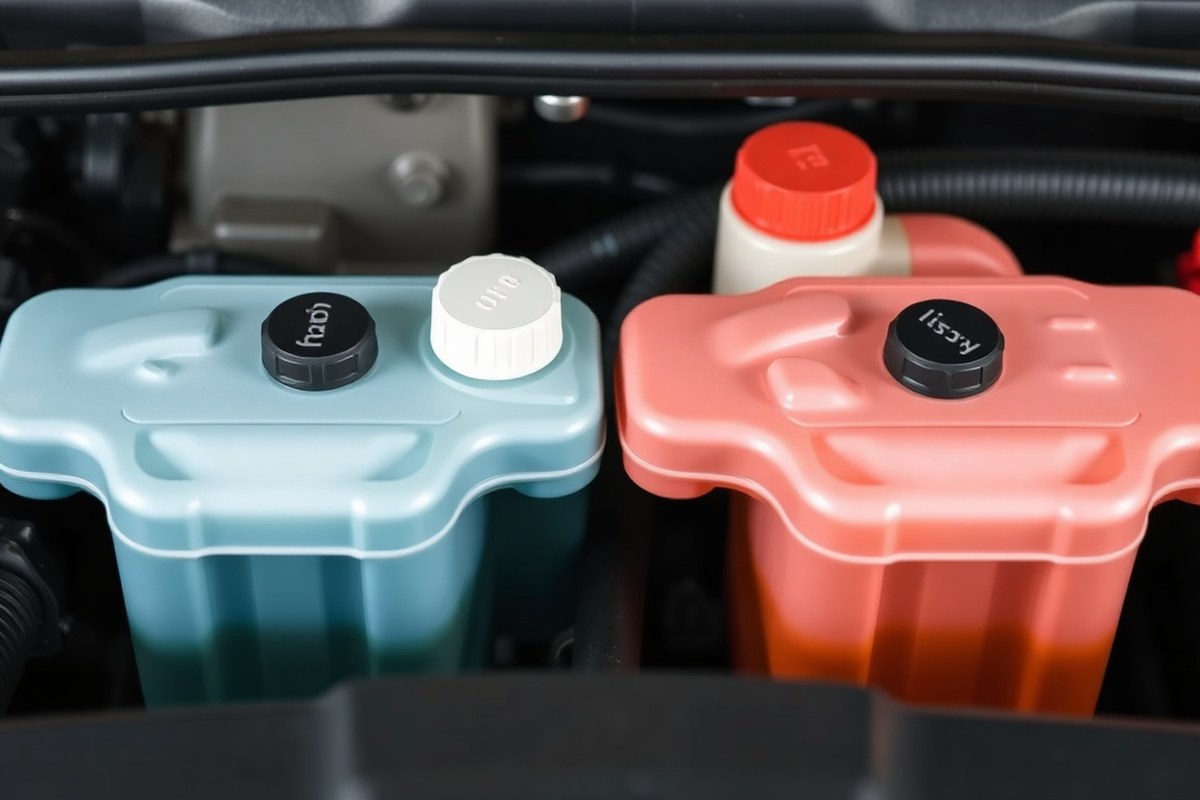
Power steering fluid and brake fluid serve different roles inside your car. They use different chemicals suited for their specific jobs.
Power steering fluid helps you turn the wheel and keeps parts slick. Brake fluid moves force to make the brakes work safely.
The biggest chemical difference lies in their base ingredients. Brake fluid is usually glycol-based, designed to handle super high heat near 572°F (300°C). Power steering fluid might be mineral oil-based or synthetic.
It doesn’t need such a high boiling point. This difference matters a lot.
Brake fluid can make rubber seals in power steering swell over 200%. This happens in just a few days and can cause big problems.
Trying to swap one fluid for the other leads to real problems. Brake fluid in the power steering system often causes the pump to whine within 300 miles. Brake fluid can damage seals in the steering rack too.
It can cause leaks and make the steering pump noisy. These issues can make your steering unsafe and costly to fix.
Repairs for these issues cost around $840 for a pump, rack flush, and labor. Never use brake fluid to top off power steering, it can cause costly damage fast.
Purpose and Function of Power Steering and Brake Fluids
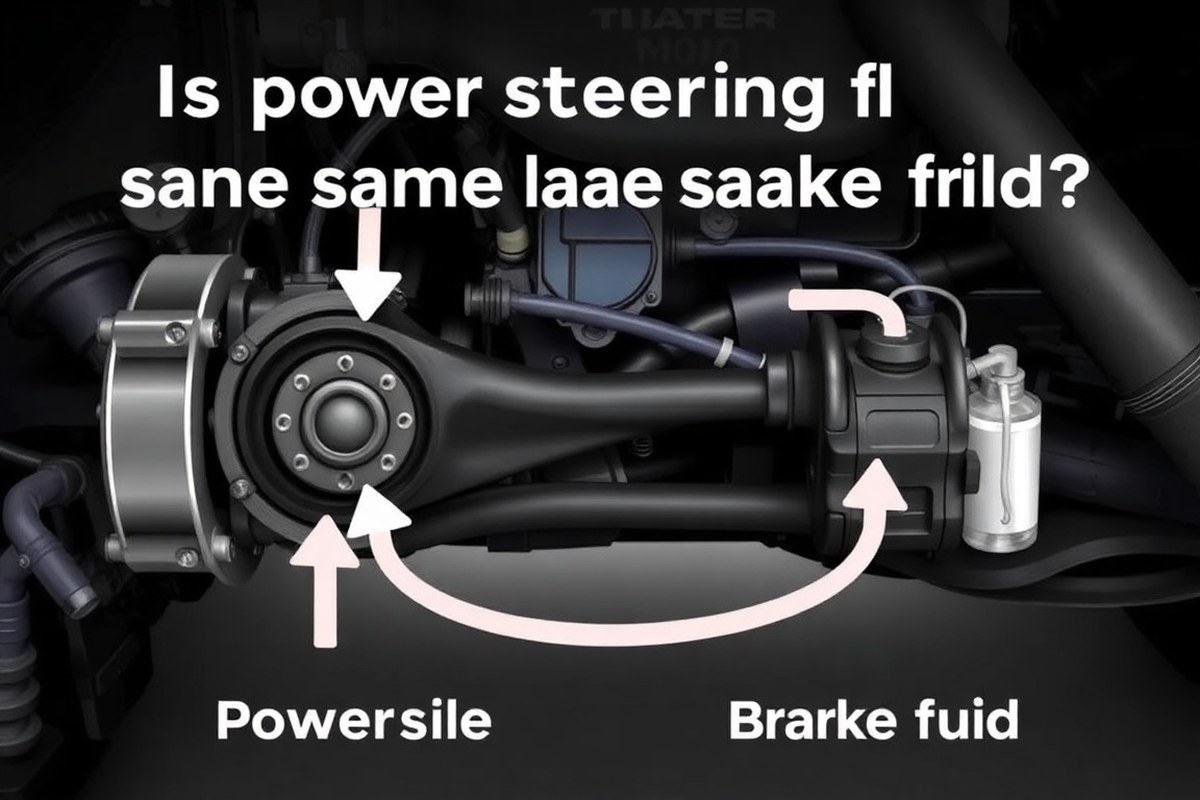
Power steering fluid helps you steer your car smoothly by transmitting hydraulic pressure. It also lubricates the power steering pump and seals to keep parts moving well. The fluid needs a certain thickness and seal-friendly properties to work right without damage or leaks.
Brake fluid moves the force from your brake pedal to the brakes. It helps make your car stop when you press the pedal. Without it, the brakes wouldn’t work right.
It works under very high pressure and must withstand extreme heat from friction during braking. Brake fluid must not absorb moisture because water lowers its boiling point, risking brake failure.
Power steering fluid needs to stay slick and stable under engine heat. Brake fluid must stand up to higher temperatures during braking. Different chemicals give each fluid the right traits for its job.
Never substitute one fluid for the other. Doing so can cause leaks, pump failures, or brake loss that impacts safety.
Chemical Composition and Physical Differences
Power steering fluid and brake fluid have distinct chemical makeups suited to their jobs. Power steering fluid contains lubricants, friction modifiers, and anti-wear additives like ZDDP. Brake fluid is made to handle very high heat.
It has a base that absorbs water. This helps keep the brake system safe and effective. These differences affect how each fluid handles temperature and moisture.
Viscosity, or thickness, also differs. Power steering fluid is thinner to flow easily and allow smooth steering. Brake fluid is thicker to hold up under pressure.
It works well even with the heat from braking. This thickness keeps brakes responsive.
Brake fluid’s boiling point is much higher to avoid vapor locking during heavy braking. Power steering fluid doesn’t need such a high boiling point since it operates at lower temperatures.
| Property | Power Steering Fluid | Brake Fluid (DOT 3, 4, 5.1) |
|---|---|---|
| Chemical Makeup | Lubricants, friction modifiers, anti-wear agents (ZDDP) | Brake fluid types include those based on glycol ethers. These are DOT 3, DOT 4, and DOT 5.1. Another type uses silicone and is called DOT 5. |
| Viscosity | Thin, low viscosity for smooth flow | Thicker, designed for pressure stability |
| Boiling Point | Lower (varies by product but less than brake fluid) | High (DOT 3: 401°F dry / DOT 4: 446°F dry) |
| Water Absorption | Formulated to resist or manage moisture | Hygroscopic (absorbs water, reducing boiling point over time) |
Brake fluid is hygroscopic, meaning it soaks up water from the air. That lowers its boiling point, which can cause brake failure if not changed regularly. Power steering fluid fights water absorption better than brake fluid.
Water damages lubrication and can cause parts to corrode. This makes the fluid last longer and parts work well.
Choosing the right fluid isn’t just about matching names. Brake fluid has chemicals that can harm power steering seals. Using it in the power steering can damage those parts.
Power steering needs a fluid designed just for it. Likewise, power steering fluid won’t survive brake system heat and can compromise safety. Each fluid’s formula fits its system’s heat, pressure, and wear demands.
Can You Use Brake Fluid in the Power Steering System?
Putting brake fluid in the power steering system causes seal deterioration fast. Brake fluid’s chemical makeup attacks the rubber seals and hoses designed for power steering fluid. This causes leaks and swelling inside the system.
It blocks fluid passages. The power steering pump can’t work properly then.
Inside your power steering system, brake fluid also damages seals’ flexibility. The fluid can cause leaks that reduce hydraulic pressure, making steering stiff or unresponsive.
These problems can appear within days or weeks. It depends on how much brake fluid was used.
Catching the mistake early is important. Flushing the entire power steering system to remove brake fluid helps stop ongoing damage.
Damaged seals and hoses left too long cause expensive repairs. Replacing a power steering pump or hoses often costs between $300 and $700, not counting labor.
A car owner added brake fluid to their power steering. Two days later, they noticed stiff steering. Repair took a full day after a system flush and seal replacement.
The cost was about $450. Waiting longer would likely have led to pump failure and much higher costs.
Replacing damaged seals and hoses can fix early brake fluid contamination. Power steering pump wear from fluid blockage makes repairs more costly.
The process also gets more complex. The pump may need a full rebuild or replacement to restore proper steering assistance.
The risk adds up in both performance and safety. Steering becomes harder and less predictable as the system fails. Driving with brake fluid-contaminated power steering raises chances of accidents due to sudden steering loss.
Types of Brake Fluid and Their Differences
Brake fluids come in different types with unique properties. The common types are DOT 3, DOT 4, and DOT 5. Each suits specific uses and vehicle needs.
They are made differently for safety and performance. Understanding their differences helps you pick the right fluid and avoid damage.
DOT 3 and DOT 4 Characteristics
DOT 3 and DOT 4 brake fluids are glycol-ether based. They absorb moisture, which prevents vapor lock inside brake lines. DOT 4 has a higher boiling point than DOT 3.
This feature makes it better for modern vehicles. These cars put more stress on brakes.
DOT 4 must handle a dry boiling point of 230°C (446°F). It also needs a wet boiling point of 155°C (311°F). These numbers ensure safe brake performance.
DOT 3 fluids often have lower boiling points. So DOT 4 is preferred on newer cars or for heavier use. Both types protect braking systems by resisting moisture buildup and high heat.
DOT 5 and Silicone-Based Fluids
DOT 5 brake fluid is silicone-based and does not absorb moisture. This property reduces corrosion risk inside older brake systems. DOT 5 has a lower boiling point than other types.
It is not compatible with DOT 3 or DOT 4 fluids. This makes mixing them unsafe.
DOT 5 should not be used in systems designed for glycol-based fluids. Many vehicles and makers advise against DOT 5 for daily driving. It can trap water in brake system pockets.
This causes brake problems and safety concerns. It’s mostly found in classic or military vehicles.
Compatibility and Vehicle Recommendations
None of the common brake fluids are safe for power steering systems. Power steering systems require fluids with special lubricants, like automatic transmission fluid (ATF). Using brake fluid in power steering parts can cause leaks and damage.
Vehicle makers often specify the needed brake fluid type in the owner’s manual. DOT 3 or DOT 4 is typical for most modern vehicles. Always follow those directions and never mix brake fluid types or substitute with power steering fluid.
Here’s a quick breakdown of the main brake fluid types and their key specs:
| Fluid Type | Base | Moisture Absorption | Dry Boiling Point (°C/°F) | Wet Boiling Point (°C/°F) | Common Use |
|---|---|---|---|---|---|
| DOT 3 | Glycol-ether | Yes | 205°C / 401°F (minimum) | 140°C / 284°F (minimum) | Older and basic vehicles |
| DOT 4 | Glycol-ether | Yes | 230°C / 446°F (minimum) | 155°C / 311°F (minimum) | Modern vehicles and heavier use |
| DOT 5 | Silicone | No | 260°C / 500°F (minimum) | 180°C / 356°F (minimum) | Classic cars, special use only |
Always consult your vehicle’s manual to find the proper brake fluid. Using the wrong type can reduce braking power or harm parts. Sticking to recommended fluids keeps your braking system safe and efficient.
Don’t use brake fluid in power steering systems, it can cause leaks and failure.
Common Power Steering Fluid Types and Specifications
Power steering fluid comes in various formulations. Manufacturers often specify which type works for their vehicles. Common types include mineral oil-based, synthetic blends, and some use automatic transmission fluids (ATF).
Mineral-Based and Synthetic Fluids
Older vehicles tend to use mineral oil-based power steering fluid. These fluids are mostly simple blends of mineral oil. They work well with older system seals and parts.
Their composition suits classic steering systems. Synthetic fluids include polyalphaolefin or polyol ester blends.
They offer better temperature control. Their lifespan is also longer than mineral oils.
Some luxury brands use synthetic fluids designed to match their specific requirements. For example, Mercedes-Benz uses synthetic CHF-11S fluid, specially formulated for their steering systems. These synthetic fluids resist breakdown under heat and pressure better than mineral oils do.
OEM Specifications Examples
Vehicle makers often list exact specifications for power steering fluid in their manuals. Using the right spec avoids leaks and component damage.
Ford systems normally need fluid that meets ESP-M2C166-H. This fluid can be mineral or synthetic. It’s made to last long.
General Motors recommends fluids meeting GM 9985647, while Chrysler uses MS-10602 for many systems. These specs ensure the fluid matches the seals’ resistance and hydraulic performance.
Proprietary hydraulic fluids also exist for specific models. So checking your owner’s manual is key.
- Ford ESP-M2C166-H power steering fluid
- GM 9985647 power steering fluid
- Chrysler MS-10602 power steering fluid
- Mercedes-Benz synthetic CHF-11S fluid
- Some vehicles require manufacturer-specific proprietary fluids
Choosing the correct fluid means fewer leaks and longer system life. Using the wrong type can cause seal swelling or shrinking, which leads to failures.
Use of ATF in Certain Vehicles
Some power steering systems use automatic transmission fluid instead of usual power steering fluid. For example, many Ford trucks need Mercon LV ATF for steering. Toyota also uses ATF WS in some of their power steering systems.
This happens because these vehicles’ steering pumps need the special traits of ATF fluids. Their designs can handle or require these fluids. This affects the fluid choice.
It provides good lubrication and works with the particular seals used in those systems. However, this is not universal, so never use ATF unless the manual lists it.
How to Check and Maintain Power Steering and Brake Fluids Safely
Check power steering and brake fluids regularly to avoid costly repairs. Use the correct fluid type and follow proper steps to inspect and top off safely. Cleaning or flushing these fluids on schedule keeps your systems working well.
Checking Power Steering Fluid Level and Color
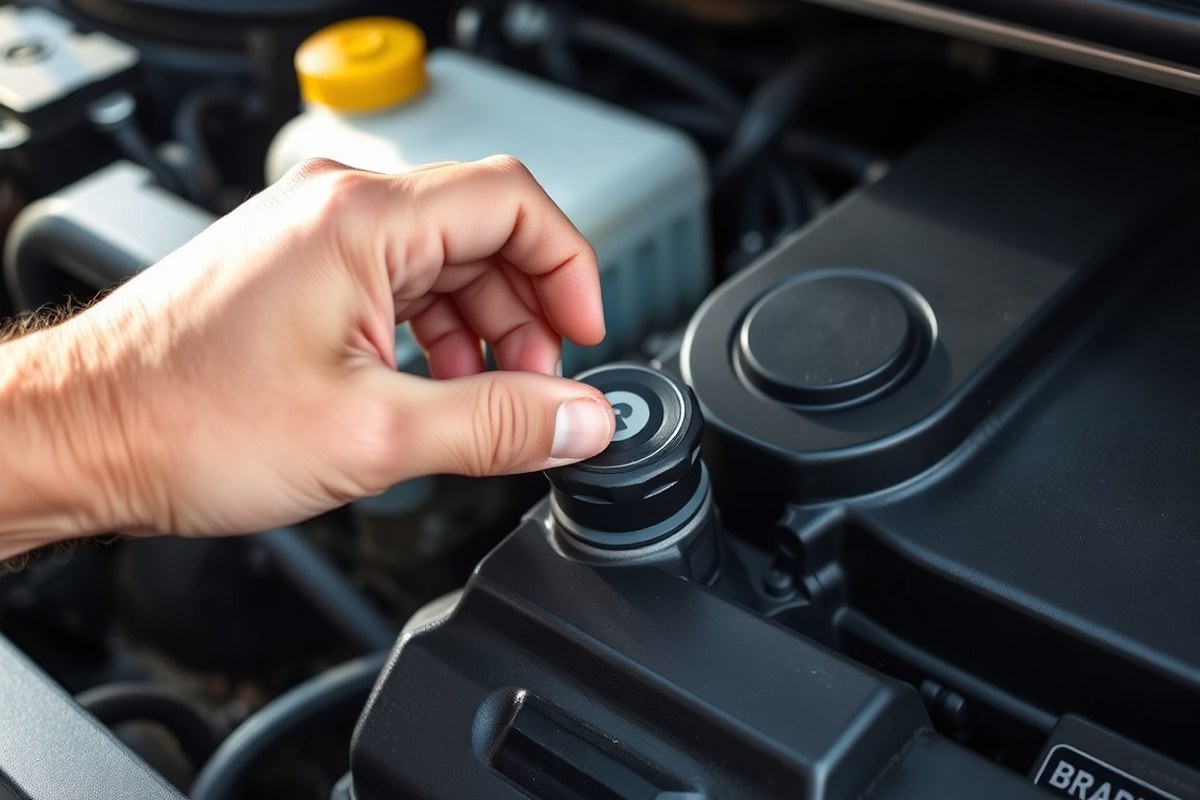
Locate the power steering reservoir under the hood. Clean the area around the cap to keep dirt out. Open the reservoir.
Check the fluid level on the dipstick or reservoir wall. Compare it to the marks to see if more fluid is needed.
Look at the fluid color as you check the level. Good power steering fluid is clear or light amber. Dark brown, black, or cloudy fluid means it is contaminated or degraded and needs flushing.
Here’s a quick method to inspect your power steering fluid safely:
- Park your car on a flat surface and turn off the engine.
- Open the hood and locate the power steering fluid reservoir.
- Wipe the reservoir cap and surrounding area clean.
- Remove the cap and pull out the dipstick, if equipped, to check the level.
- Compare fluid level to the markings labeled “Min” and “Max.”
- Examine the fluid’s color and smell; fresh fluid is clear and slightly oily.
- Replace the cap securely after inspection.
- Top off only with the fluid specified in your owner’s manual if low.
Testing Brake Fluid Moisture Content
Brake fluid absorbs moisture over time, reducing its effectiveness. Moist brake fluid increases corrosion and can cause brake failure risks. Checking moisture content is key, especially after 2 years or 20,000 miles on average.
You can buy a simple brake fluid tester to measure moisture at home. The tester changes color when dipped in the fluid, showing if it’s time to flush.
Clear, dry fluid has less than 3% moisture. Above 3% needs replacing soon.
Scheduling Fluid Flushes and Replacements
Manufacturers suggest flushing power steering fluid between 50,000 and 100,000 miles. Brake fluid should be replaced every 2 years or about 20,000 miles. Changing fluids early protects pumps, seals, and calipers from damage.
Signs like spongy steering response, whining noises, or brake pedal sinking suggest contamination or fluid mix-ups. These symptoms usually mean you should flush the system fully and refill with the right fluid. Costs for repairs after wrong fluid use can exceed several hundred dollars.
Flush or replace these fluids during oil changes or tire rotations for easy scheduling. Keep fresh, unopened fluid in original containers. Avoid mixing brands or types, and never reuse old fluid without filtering it first.
Risks and Symptoms of Incorrect Fluid Use or Contamination
Using the wrong fluid can cause many warning signs. A spongy or sinking brake pedal without leaks means a problem.
This often happens when brake fluid mixes with power steering fluid or ATF. This requires a full brake fluid flush with the correct DOT type for your vehicle.
The power steering system reacts fast if you add brake fluid by mistake. You might hear whining or squealing noises from the power steering pump when turning.
Brake fluid harms the seals and affects steering response. So flush the system immediately using the OEM-approved power steering fluid.
Fluid contamination also triggers dashboard alerts like the brake warning light or flashing ABS light. These signals mean the ABS system fluid is compromised, risking brake failure. Quick fluid replacement helps prevent costly repairs.
- Whining noise from steering pump during turns
- Spongy, soft, or sinking brake pedal
- Brake or ABS warning light illuminated
- Unusual stiffness or jerking when steering
- Fluid leaks or discoloration in reservoirs
- Delayed or reduced braking response
Contamination makes seals swell, leak, or fail. This damage starts in days or weeks. Flush the affected system quickly.
Then refill it with the correct fluid. This lowers the damage risk. Delaying fixes can double repair costs and time.
Always avoid mixing brake and power steering fluids. Even small amounts cause serious issues fast.
Spot these symptoms? Stop driving immediately. Do not top up with the wrong fluid.
Flush the system fully, replacing with manufacturer-recommended fluids. Professionals can do this typically within one to two hours.
A fluid flush costs about $100 to $200. This saves money on pump or ABS repairs later.
When to Consult a Professional Mechanic for Fluid Issues
Small fluid top-offs and basic leak checks often make good DIY tasks. You can add power steering fluid if the level’s low and no damage appears. Brake fluid problems often need a mechanic’s quick attention.
These problems can cause serious safety risks. Call your mechanic right away if you notice brake fluid issues.
Big repairs like power steering pump replacement can be pricey. Fixing leaks caused by fluid errors costs between $300 and $1,200. These repairs aren’t cheap but are necessary.
Brake system repairs tend to be pricier because parts like calipers and master cylinders are expensive. Early professional help saves money and prevents dangerous brake failure or steering problems.
When picking a mechanic, ask if they use fluids matching your vehicle’s exact specs. Check if they inspect for leaks and test system pressure during service. Also, find out about warranty coverage on parts and labor connected to fluid repairs.
Follow this quick rule: fix fluid levels first. Only top off if there are no leaks. If fluid looks dirty or makes noise, see a mechanic.
Don’t ignore warning signs like stiff steering or brake pedal softness. These need expert diagnosis to prevent bigger damage.
Good service includes flushing old fluid since both braking and steering fluids degrade over time. A good shop will change fluids as scheduled. They also check your system for hidden damage.
Trustworthy shops keep your car running safely. Getting these questions answered helps you avoid costly or unsafe surprises later.
Step-by-Step Action Plan to Handle Power Steering and Brake Fluids
Follow these steps to keep your fluids in good shape and avoid mixing them up. This will help ensure your car’s systems work smoothly and safely.
- Before you start: Check your owner’s manual for the exact fluid types your car needs. This helps avoid using the wrong fluid in each system.
- Week 1: Inspect the fluid levels for both power steering and brake systems. Low levels could mean leaks or worn parts.
- Week 2: Look at the color and clarity of each fluid. Dark or cloudy fluid means it is time to replace it.
- Month 1: Replace power steering fluid and brake fluid as recommended by your car manual. Fresh fluids keep systems working well.
- Month 2: Check for any leaks or unusual noises when steering or braking. These symptoms can point to fluid problems.
- Month 3: Use only the correct fluid type if you top off or refill. Never use brake fluid for power steering or vice versa.
- Ongoing: Schedule regular maintenance with a professional mechanic if you notice warning signs or fluid contamination. They can find hidden issues fast.
Frequently Asked Questions
How Quickly Can Brake Fluid Damage the Power Steering System?
Brake fluid can cause seal swelling and damage fast. This can happen within 72 hours.
It often leads to leaks and pump failure. Swollen seals cause internal leaks, pump cavitation, and rack seal extrusion, which are costly to fix.
Is Power Steering Fluid Compatible with Other Vehicle Fluids Like Transmission or Hydraulic Oil?
Power steering fluid usually differs chemically from transmission and hydraulic oils and isn’t interchangeable. Using the wrong fluid can harm seals or parts.
Always check your owner’s manual first. Don’t use fluid without confirming it fits your car.
What Symptoms Indicate Power Steering Fluid Contamination by Brake Fluid?
You may hear whining noises from the pump or feel stiff steering. Contamination often leads to seal failure, causing leaks and poor steering response that need quick attention.
Can Topping Off Power Steering Fluid with the Wrong Type Cause Brake Problems Later?
Yes, adding brake fluid to power steering can contaminate both systems. It affects brake performance, causing spongy brakes and costly repairs. So never cross-use these fluids.
Are Power Steering Fluid Flush Intervals the Same for All Car Models?
No, flushing intervals vary by manufacturer and mileage, usually between 50,000 and 100,000 miles. Always follow your car’s manual for the right maintenance schedule.
Key Points to Remember
Power steering fluid and brake fluid are not the same and must never be swapped. Using the right fluid protects your car’s safety and performance. Check your fluids today and fix any issues before they grow.