How Much Coolant Can a Radiator Hold: Clear Capacities and Expert Tips
Wondering how much coolant a radiator can hold? Most car radiators hold between 2 to 3 gallons of coolant. Heavy-duty vehicles or performance radiators can hold up to 6 gallons or more, depending on their size and design.
The radiator’s capacity depends on the engine size and cooling system layout. Keep in mind, the entire cooling system holds more than just the radiator, including hoses and the reservoir. Your vehicle’s manual lists the exact coolant amount needed for the full system.
Drain the old coolant fully before refilling to avoid mixing different types and causing issues. Be careful when handling radiator caps, as many aftermarket ones don’t maintain proper pressure. Proper pressure is essential to keep coolant flowing well and to prevent your engine from overheating.
Key Takeaways
- Most passenger cars need 2 to 3 gallons of coolant in the radiator.
- Heavy-duty trucks can require 4 to 7 gallons depending on size and design.
- The entire cooling system holds more coolant than just the radiator alone.
- Always check your vehicle’s manual for exact coolant capacity and type.
- Drain old coolant fully before refilling to avoid damage or poor mixing.
- Use OEM radiator caps to maintain correct pressure and system safety.
How Much Coolant Does a Radiator Typically Hold?
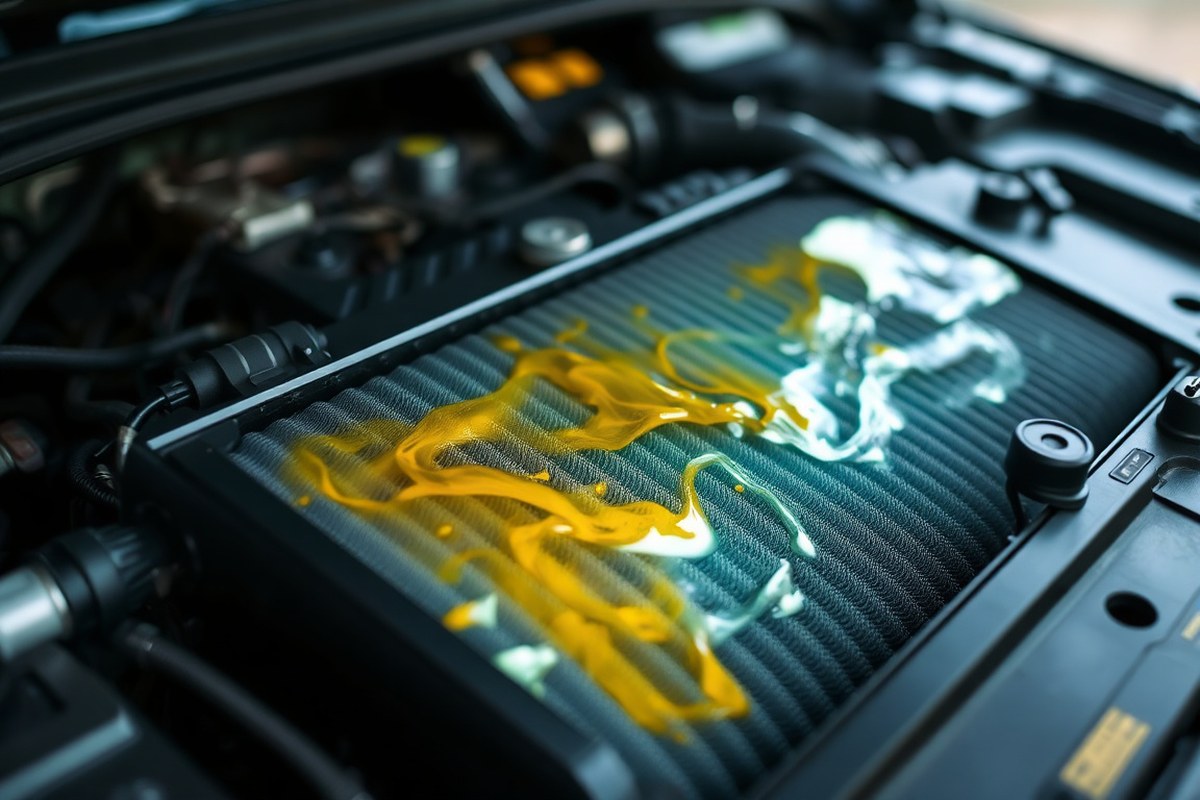
Radiators generally contain between 1 and 2.5 gallons (4 to 9.5 liters) of coolant. The volume varies based on the engine’s size and the layout of the cooling system. Compact cars usually feature radiators that hold about 1 to 1.5 gallons of coolant.
Mid-size sedans and crossovers typically have radiators holding 1.5 to 2 gallons. Full-size SUVs and trucks often hold between 2 and 3 gallons. Heavy-duty trucks and diesel engines need bigger radiators.
These radiators can store 3 to 5 gallons of coolant. This helps meet their larger cooling demands.
Radiator capacity is just one part of total cooling volume. The whole system includes the engine, heater core, and expansion tank. All parts hold coolant together.
For regular passenger cars, total system capacity usually ranges from 6 to 10 quarts (1.5 to 2.5 gallons). For bigger trucks, it can be 10 to 14 quarts or more.
For example, a 2021 Ford F-150’s full cooling system holds about 14 quarts. That is around 3.5 gallons of coolant total. This includes the radiator and other parts.5 gallons).
Its radiator holds just 3.1 quarts (0.8 gallons), or about 22% of the total. This means most coolant is inside engine passages and other parts, not just the radiator.
Knowing the radiator vs. Total cooling system capacity helps when topping off or flushing coolant. It also explains why topping off the radiator alone doesn’t fill the entire system. The radiator usually holds about one-fourth to one-third of the full amount needed for the system.
Coolant Volume Differences Across Vehicle Types
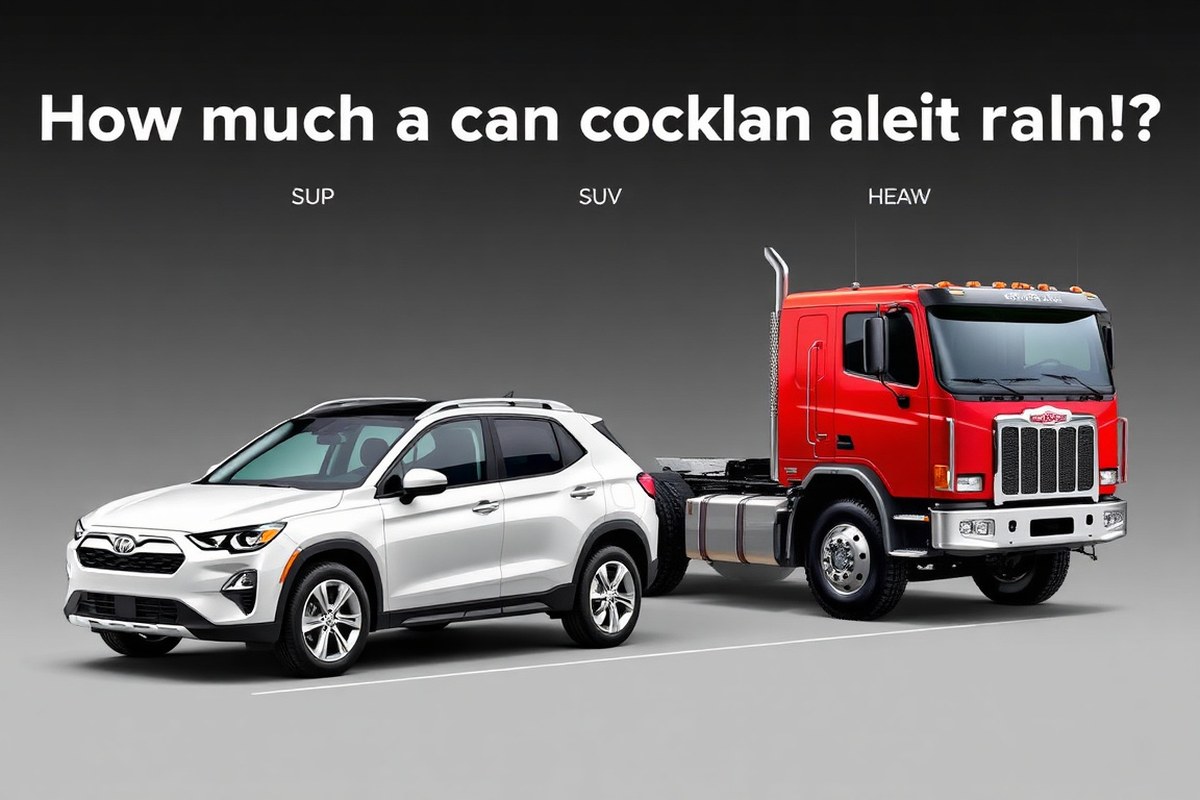
Radiator coolant capacity shifts a lot with vehicle type and engine size. Small cars usually hold less coolant because their engines are smaller and generate less heat. Bigger vehicles and diesel engines need extra coolant for tough jobs.
They handle more power and heat, so cooling is critical. Without enough coolant, their engines can overheat and get damaged.
Here’s a quick rundown of typical coolant volumes you’ll find across different vehicle types:
| Vehicle Type | Typical Coolant Capacity (Gallons) |
|---|---|
| Compact Cars | 1 to 1.5 |
| Sedans (Standard) | 1.5 to 2 |
| SUVs and Performance Cars | 2 to 2.5+ |
| Light Trucks and Vans | 2.5 to 4 |
| Heavy-Duty Trucks and Diesel Engines | 4 to 6+ |
To estimate your vehicle’s coolant needs, start by considering engine size and vehicle type. Your engine below 2.0 liters and the car is compact, plan on about 1 to 1.5 gallons.
For a 3.0-liter sedan or midsize SUV, aim around 2 to 2.5 gallons. Large trucks or diesel engines often require 4 gallons or more to cool effectively.
Vehicles with added demands like towing packages or turbochargers often need extra coolant capacity too. This lets the cooling system work harder without overheating. Knowing your exact coolant capacity helps avoid refilling errors.
Too little coolant risks overheating. Too much can harm performance and safety.
Never mix different colors or types of coolant. It can cause system damage or cooling failure.
Filling your radiator with the right coolant amount protects your engine. It prevents overheating and reduces corrosion inside the engine. This keeps your car running smoother and longer.
You can find exact specs in your owner’s manual or service guide. Have you replaced your radiator or upgraded your engine? Check the coolant capacity again to be safe.
Don’t assume it’s the same as before. Knowing your vehicle’s typical coolant volume makes topping off easier without guesswork or risk.
How to Accurately Find Your Vehicle’s Coolant Capacity
Your vehicle’s exact coolant capacity is best found in the owner’s manual. This ensures you use the right amount and protect your cooling system. Without the manual, you can check manufacturer websites or carefully estimate based on your vehicle type.
Checking the Vehicle Owner’s Manual
The owner’s manual lists the precise coolant capacity for your model. It also notes the correct coolant type and mix. This information helps avoid overfilling or underfilling, which can damage the engine.
Look for sections titled “Cooling System,” “Engine Specifications,” or “Fluids.” Sometimes capacity info appears near maintenance schedules or in a coolant section. Always double-check that the manual matches your engine size and year.
Using OEM and Manufacturer Websites
Manufacturer websites often provide downloadable manuals or specifications. They give trustworthy details about coolant volumes and proper coolant types. These sites sometimes have FAQs or customer support to clarify questions.
You can also contact your dealership service department. They usually have access to official specs for your exact make and model.
This helps when you don’t have a physical manual. Use it to confirm coolant mixtures.
Estimating Capacity Without Official Specs
You can estimate based on common tank sizes for your type of vehicle. Most normal car radiators hold 3 to 5 gallons of coolant mixed with water. Larger trucks or SUVs may hold more.
Drain your radiant coolant and collect it using a measuring container. Slowly refill, noting the amount of new coolant added to reach the recommended “full” mark. This method takes time but avoids guesswork.
Keep in mind, this approach won’t confirm the exact required mixture ratios or total system volume. It’s safer to verify the exact specs when possible.
- Locate your vehicle owner’s manual. Check for the cooling system section.
- Identify coolant capacity, type, and mixing ratio listed for your engine variant.
- Try the manufacturer’s official website or customer support if you can’t find info.
- Download service manuals or search specifications for your model and year.
- Contact your dealership for precise data if online info is missing.
- As a last resort, carefully drain and measure coolant volume during a full refill.
- Verify the coolant type matches manufacturer recommendations before refilling.
Essential Steps for Draining and Refilling Radiator Coolant Safely
Drain the old coolant safely by fully emptying the radiator and flushing the system. Refill slowly with the correct coolant mix, keeping the engine running to avoid airlocks. Use the right tools and handle hot fluids carefully to protect your vehicle and yourself.
Preparing Your Vehicle and Tools
Start with a cold engine to avoid burns from hot coolant or steam. Park the vehicle on level ground and engage the parking brake for safety. Gather these tools: a drain pan, gloves, a funnel, distilled water, the right coolant, and rags.
Wear protective gloves to keep chemicals off your skin. Have paper towels handy to wipe spills quickly. Also, keep a flashlight nearby for better visibility under the vehicle.
Draining Old Coolant Completely
Place your drain pan under the radiator’s drain plug or lower hose connection. Open the radiator cap to let air in, speeding the flow and preventing vacuum locks.
Allow the old coolant to drain fully. Most systems hold 10-15% more coolant than the radiator itself.
Flush the system with distilled water if you see rust or debris in the drained coolant. Close the drain plug or reattach the hose securely after draining. Be sure to dispose of old coolant responsibly since it is toxic to the environment.
- Remove the radiator cap once the engine is cold.
- Place a catch pan beneath the radiator drain plug or hose.
- Open the drain plug or loosen the hose clamp to drain coolant.
- Flush the system with distilled water if necessary, then drain again.
- Close the drain plug or reconnect the lower hose firmly.
Refilling and Bleeding the Cooling System
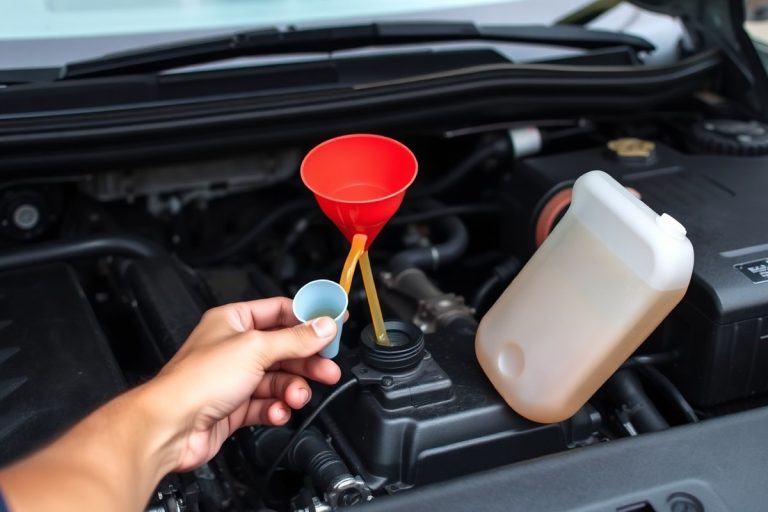
Pour the coolant mix slowly into the radiator or expansion tank using a funnel. Keep the engine off at first to let the fluid settle without trapping air. Fill slightly below the maximum fill mark to leave room for expansion when the engine warms.
Start the engine and set the heater to high to circulate coolant and release air pockets. Watch the coolant level as bubbles escape; add more fluid if needed. Tighten the cap securely once the level stabilizes and no air bubbles appear.
- Slowly fill the radiator or tank with a 50/50 coolant and distilled water mix.
- Leave the radiator cap off and start the engine with the heater on high.
- Allow the engine to reach normal operating temperature to purge trapped air.
- Add coolant as bubbles rise and fluid level drops, topping off carefully.
- Replace and tighten the radiator cap once fluid level stops changing.
Choosing the Right Coolant Type and Mixing Ratios
Most vehicles work best with a 50/50 mix of antifreeze and distilled water. This balance keeps your engine from freezing in cold weather and boiling over in heat. Using distilled water is important.
It has no minerals that cause clogging. This keeps your cooling system safe from corrosion.
Antifreeze types vary mainly by their chemical makeup and vehicle compatibility. Ethylene glycol and propylene glycol are common coolants. Many include additives for long life and anti-corrosion.
They help your engine stay protected. Always check your owner’s manual for the approved type before buying. Using the wrong coolant can cause damage or ineffective cooling.
In colder areas, adjusting the mix to 60% antifreeze and 40% distilled water boosts freeze protection. This ratio protects your system down to about -62°F. Hot climates sometimes use a 70% antifreeze mixture. This helps lower the boiling risk.
It keeps the engine cooler in heat. Higher antifreeze ratios lower freeze protection.
Antifreeze costs more than water. So, higher mixes can raise your costs a bit.
Start with the owner’s manual for coolant and ratio. It has the recommended options. This helps you avoid mistakes.
You want 60% antifreeze if you live in cold areas. A 70% antifreeze mix can help in very hot places. But 50/50 is usually fine.
Never skip using distilled water when mixing yourself. Store-bought pre-mixed coolants are the easiest choice, ready to pour in safely.
| Coolant Type | Typical Use | Freeze Protection | Boil Protection | Notes |
|---|---|---|---|---|
| Ethylene Glycol | Common in gasoline engines | Down to -34°F (50/50 mix) | Up to 265°F | Good corrosion inhibitors, toxic |
| Propylene Glycol | Some models, less toxic | Similar freeze point to ethylene | Similar boil protection | More environmentally friendly |
| Organic Acid Technology (OAT) | Modern cars, long life | Varies, usually -34°F (50/50) | Up to 265°F | Long-lasting, avoid mixing with other types |
Always avoid mixing tap or regular water with antifreeze. Use distilled or de-ionized water for better protection.
How Often Should You Replace or Flush Radiator Coolant?
Most vehicle makers suggest replacing or flushing coolant every 2 to 3 years. Conventional green antifreeze, also called IAT, usually needs changing around 30,000 miles or roughly 2 years. Newer long-life coolants like OAT or HOAT last a long time.
They can go 100,000 to 150,000 miles. That often means over 5 years of use.
The type of coolant you use strongly affects how often you should swap it. Using the manufacturer’s recommended coolant type and amount helps protect your engine from corrosion and overheating. A flush and fill process replaces all the old coolant in the system.
The process flushes out old coolant by adding water. You drain the mix many times. Keep doing it until the water runs clean.
Coolant needs changing if it looks rusty or cloudy. Watch for strange smells too. Overheating engine temps also signal a coolant problem.
You might also see deposits of scale inside the radiator or on the cooling components. Low coolant levels combined with frequent refills usually point to leaks or system damage. Check coolant before topping off.
Discolored or bad-smelling coolant means you need a full flush. Don’t just add more coolant in that case.
When flushing, open the drain valve or remove the lower radiator hose to empty coolant. Run water through the radiator until it runs clear. Once clean, refill with the exact coolant type your car needs.
Follow the owner’s manual. After refilling, start the engine and let it warm up until the thermostat opens.
Watch the coolant level and add more as it settles. Once bubbles stop, seal the system by replacing the radiator cap tightly.
Regular inspections about every 30,000 miles help catch coolant problems early. Watch out for overheating, frequent low coolant alerts, or strange dashboard warnings. A bad radiator core or leaks at hoses often need professional repair.
Timely flush and fill maintenance protects your engine well. It also helps your cooling system last longer. This avoids costly breakdowns later.
Common Mistakes When Refilling Coolant and How to Fix Them
Overfilling coolant can cause excess pressure. This may lead to leaks in hoses and seals. Coolant might also push out of the overflow tank, wasting fluid and lowering cooling efficiency.
Underfilling risks engine overheating because there isn’t enough fluid to absorb heat. A radiator with low coolant won’t circulate properly. Always add coolant slowly until it reaches the “MAX” mark on the overflow tank.
Coolant levels drop by about 0.25% every four months without leaks. This normal loss happens as coolant evaporates through the tank. A stuck thermostat or a blockage can speed up the drop and cause uneven engine temperatures.
Mixing different coolant brands can cause chemical issues. Some brands use distinct additives like silicates that don’t mix well. This can reduce coolant life and may harm components in your cooling system.
- Check coolant only when engine is cold to avoid burns.
- Fill coolant slowly and watch the level in the overflow tank.
- Do not top off above the “MAX” line to prevent pressure issues.
- Use one type and brand of coolant recommended for your car.
- Inspect hoses and radiator for leaks during coolant checks.
To monitor coolant level, find the translucent overflow tank. Compare the level between the “MIN” and “MAX” marks. When coolant is low, add it carefully and avoid mixing brands.
When changing coolant, drain the system fully if mixing brands is necessary. This avoids chemical conflicts that decrease cooling performance. When unsure, use the original coolant type to protect your engine.
Signs Your Radiator or Cooling System Needs Professional Attention
Watch for signs like frequent overheating or the engine temperature gauge rising quickly. These indicate coolant isn’t circulating properly or there’s a blockage. Check under your car for puddles or wet spots.
These may mean a leak in the radiator or hose. Catching leaks early can prevent bigger problems.
Corrosion shows up as rust-colored deposits on radiator surfaces or coolant reservoir walls. It means the coolant’s additives are failing, letting metal parts degrade. This often causes small holes or cracks, which lead to leaks and poor cooling.
Stop DIY repairs if your car overheats repeatedly. Call a mechanic if coolant leaks appear after filling. Repeated overheating and leaks need professional help.
See steam from the hood? Get help right away.
Also, if your heater stops working, it means trouble. These signs point to serious cooling system failure.
Inspect your radiator and hoses carefully by:
- Check around hose clamps and radiator seams for moist or oily spots.
- Feeling hoses for soft or brittle areas that crack easily.
- Checking coolant color for cloudiness or particles.
These steps help catch hidden leaks and early corrosion before they worsen. You can usually fix minor hose leaks with clamp tightening. But cracks or leaks in the radiator need professional repair or replacement.
This table shows common cooling system problems, their causes, and next steps. It helps you understand and fix issues better. It helps decide when to fix yourself or call a shop.
| Symptom | Possible Cause | Action |
|---|---|---|
| Engine overheating | Low coolant level or clogged radiator | Check and refill coolant, inspect for blockage, call mechanic if not fixed |
| Steam from engine bay | Coolant leak or blown head gasket | Stop driving, let cool, call tow and mechanic immediately |
| Coolant puddles | Hose or radiator leak | Inspect hoses for cracks, tighten clamps, replace parts or get mechanic |
| Rust or discoloration on radiator | Corrosion due to inadequate coolant additives | Flush cooling system, refill with correct coolant, monitor for leaks |
| Heater not warming up | Low coolant or thermostat failure | Check coolant level, if okay, have mechanic test thermostat |
When your engine overheats, safely stop the car and turn off the engine. Don’t open the radiator cap while hot.
Wait at least 30 minutes before checking or adding coolant. The cooling system needs time to cool down safely.
Never open a hot radiator cap; hot coolant can spray and cause burns.
Regular checks for leaks, cracks, and corrosion prevent breakdowns and costly repairs. Cooling problems that don’t improve with minor fixes need a mechanic’s checkup. This avoids engine damage and costly repairs.
Seasonal Coolant Mix Adjustments and Safety Tips
Changing your coolant mix depending on the season helps protect your engine. A 50/50 antifreeze to water mix works well for most seasons. Adjust the ratio carefully to avoid freezing or overheating risks.
Winter Antifreeze Mixture Recommendations
For winter, use a mix with more antifreeze to prevent freezing. A 60/40 or 70/30 antifreeze-to-water ratio can protect down to -34°F or colder. This stops the coolant from freezing and damaging your engine block.
Check your vehicle’s owner manual for specific recommendations. Over-concentrated antifreeze can reduce heat transfer, so don’t exceed about 70%. Incorrect ratios may cause overheating or coolant flow issues.
| Season | Antifreeze % | Water % | Protection Range |
|---|---|---|---|
| Winter | 60-70% | 30-40% | Down to -34°F |
| Summer | 50% | 50% | Up to 265°F boiling |
Summer Coolant Adjustments
In summer, a 50/50 mix prevents boiling and overheating. The water helps dissipate heat, while antifreeze raises the boiling point. Using too much antifreeze risks poor heat transfer and higher engine temperatures.
Also, check for leaks or air gaps when refilling. Air pockets reduce coolant flow and can cause hot spots. Replacing coolant every two years helps keep the mixture fresh and effective.
Safe Coolant Storage and Disposal
Store unused coolant tightly sealed and away from direct sunlight. Coolant should be kept in a cool, dry place to avoid spills and evaporation. Never mix old coolant with fresh coolant to prevent contamination.
Dispose of unused or old coolant according to local regulations. Many auto shops accept old coolant for recycling or safe disposal. Improper disposal can harm pets, wildlife, and the environment.
- Keep containers sealed and upright during storage
- Store away from children and pets
- Label containers clearly if mixing or storing used coolant
- Do not pour coolant down drains or on the ground
- Use a licensed hazardous waste disposal service when possible
- Clean spills immediately with absorbent material
Step-by-Step Action Plan for Maintaining Your Radiator Coolant
Follow these clear steps to keep your radiator coolant at the right level and condition. Checking regularly prevents engine overheating and costly repairs.
- Before you start: Check your vehicle’s owner manual for exact coolant capacity and type. This ensures you use the right amount and formula.
- Once a month: Check the coolant level when the engine is cold. Look in the radiator or overflow tank for the level. It should reach the marked level to keep the engine cool.
- Every 2 years or 30,000 miles: Flush and replace the coolant to remove dirt and rust. This keeps the cooling system working well and avoids blockages.
- After refilling: Start the engine and let it run to operating temperature. Then check for leaks and confirm the coolant level remains steady.
- Before hot or cold seasons: Change the coolant mix ratio to match your climate. Use more antifreeze in cold weather. Proper mix protects against freezing or boiling.
- After any repair: Inspect the cooling system for signs of damage or leaks. Repair any problems immediately to avoid engine damage.
- Every oil change: Look for signs of coolant contamination in the oil or exhaust. Spot any leaks? Get a professional to check the head gasket or radiator.
Frequently Asked Questions
How Much Coolant Can a Radiator Hold?
Most radiators hold between 1 and 2.5 gallons, depending on engine and size. Heavy-duty radiators may hold up to 6 gallons.
Does the Radiator Alone Determine Coolant Capacity?
No, the total system includes hoses, overflow tank, and engine passages. Total coolant ranges from 6 to 14 liters usually.
Is It Okay to Overfill My Radiator with Coolant?
Overfilling can cause pressure buildup and leaks. Leave some space for expansion.
Can Different Coolant Types Affect Radiator Capacity?
No, coolant type doesn’t change capacity. It’s about the system size, not fluid type.
How Does Temperature Affect How Much Coolant I Need?
Coolant expands when hot, so fill when engine is cold. Avoid topping off hot coolant.
Final Thoughts
Most radiators hold about 1 to 2 gallons of coolant depending on the vehicle. Regular checks and timely coolant changes keep your motor running cool. Start by finding your exact coolant capacity and keep an eye on levels every month.