How Many Hours of Driving Do You Need: What Really Works for Beginners
Your state likely requires 30 to 70 hours of supervised driving. These hours must include both daytime and nighttime practice. This time helps you build real driving skills gradually.
The exact number depends on where you live and your age. Some states want more nighttime practice, and adults may need fewer hours than teens. Make sure to check your local DMV’s rules to avoid surprises on test day.
Start by tracking your driving hours carefully with a logbook or app. Keep an eye on the quality of your practice too, not just the time. Driving in various conditions improves your skills for the test.
You get ready for real-life situations behind the wheel. Practicing this way helps you be a safer driver.
Key Takeaways
- Most teens need 30 to 70 hours of supervised driving before the test.
- Night driving practice, usually 5 to 20 hours, is required in many states.
- Adult drivers often have lower hour requirements than teen drivers.
- Use a logbook or app to accurately track your supervised driving time.
- Practice driving in various conditions for better skill development.
- Check your state’s DMV to learn specific hour and practice rules.
How Many Driving Hours Do You Need Before a Test?

| State | Total Hours Required | Night Hours Required | Minimum Age for Road Test | Notes |
|---|---|---|---|---|
| Alabama | 50 (0 with driver education) | Not separated | 16 | Learner age 15; typical permit hold 6 months |
| Alaska | 40 (10 with driver education) | 10 hours | 16 | Learner age 14; typical permit hold 6 months |
| Arizona | 30 (10); 20 (6) with defensive driving course | 10 hours | 16 | You can get a learner’s permit at age 15 years and 6 months. Hold the permit for about six months before applying for a license. This timing is typical for new drivers. |
| Arkansas | None listed | Not listed | 16 |
Most states require between 30 and 70 hours of supervised driving before your test. Night driving is often part of this total, with at least 10 to 20 hours needed. For example, Alaska requires 40 hours total with 10 at night.
The minimum hours meet legal needs but may not prepare you fully. Teen drivers under 21 need to keep their learner’s permit for 12 months. They must also complete 120 hours of driving practice.
At least 20 of those hours should be at night. This extra practice helps reduce crash risks during the first year.
Adults often need fewer hours than teens. Some states require no minimum supervised hours for adult learners.
Others ask for 20 to 40 hours. It’s always best to check your local DMV rules before scheduling the test.
You should try to practice between 50 and 100 hours to improve skills. This is on top of meeting the required hours. More practice helps build confidence behind the wheel.
Including different road types and traffic conditions can improve your confidence. Nighttime driving practice is essential since visibility and traffic patterns change.
Keeping a logbook helps track your progress. You must note total hours and the nighttime portion clearly. Make sure your driving time includes enough nighttime hours to meet the state minimum before testing.
How Driving Hour Requirements Vary by State and Age
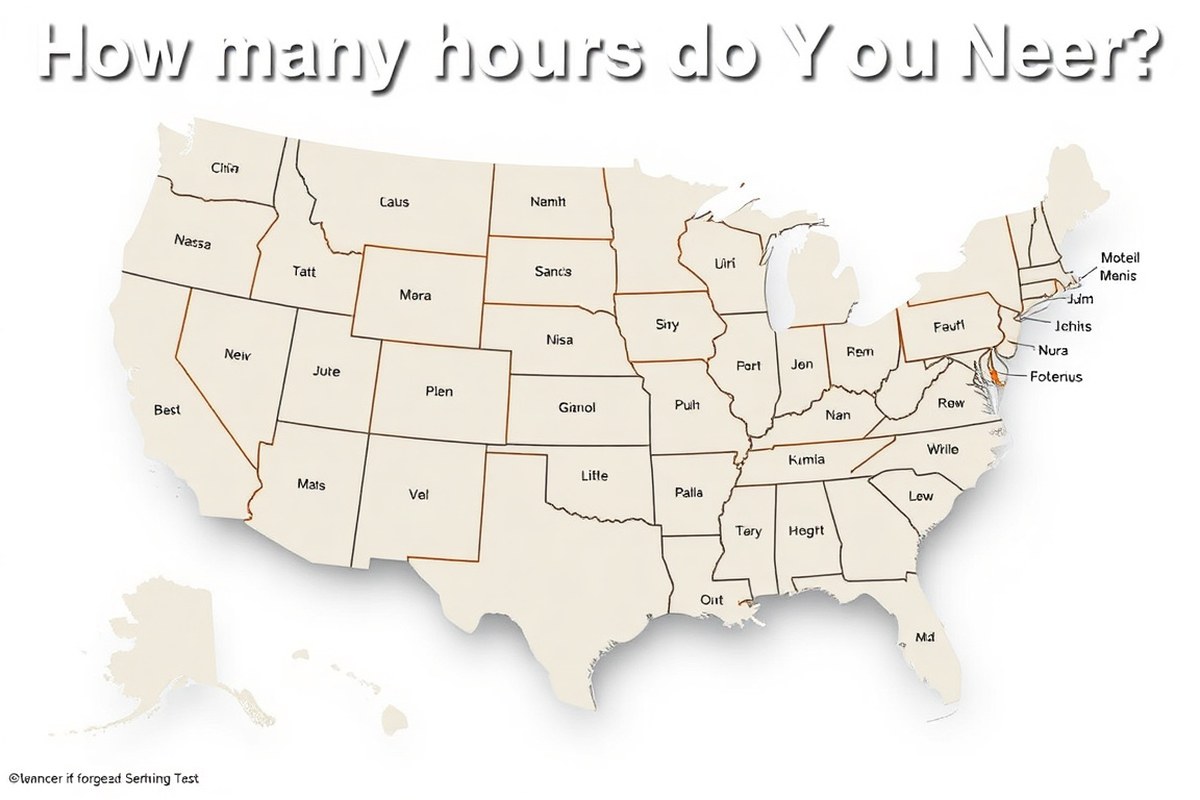
Driving hour requirements differ widely by state and age. Most states require learner drivers to log between 40 and 50 hours of supervised driving. Many include a separate night driving minimum, usually ranging from 5 to 15 hours.
Teen drivers face stricter rules than adults. Teens must complete more total hours to gain safe driving experience. They also have to meet nighttime driving requirements.
This helps them get ready for real road conditions. Adults might have fewer or no night driving hour requirements.
But they still need steady practice to build driving skills well. Consistent practice helps improve driving confidence and safety.
The table shows minimum daytime and nighttime hours for teens in some states. These hours vary depending on where you live.
This gives you an idea of what’s expected before licensing. This helps you see where you fit based on your state and age:
| State | Total Practice Hours | Nighttime Hours Required |
|---|---|---|
| California | 50 | 10 |
| Florida | 50 | Varies by region |
| Texas | 30 | 10 |
| New York | 50 | 15 |
| Illinois | 50 | 10 |
Some states count only daytime hours toward the total requirement. Others require you to complete both daytime and nighttime hours separately.
The night driving helps prepare you for reduced visibility conditions. Most states list these rules on their driver’s logs.
Adults without a learner’s permit usually have fewer mandatory hours. However, consistent practice in various conditions remains key. Some adult learners benefit from paying for professional driving lessons to build confidence faster.
Keep track of your night driving hours carefully, some states have strict minimums you can’t miss.
Meeting these hour requirements takes time and commitment. For teens, expect at least several months of driving under supervision. Practice in harder conditions like busy roads and highways helps you.
This makes you safer behind the wheel and builds confidence. Try adding this before your driving test for best results.
What Counts as Valid Supervised Driving Hours?
Valid supervised driving hours include practice time logged with approved supervisors during permitted hours. Hours spent driving without a permit do not count.
You can count practice in different conditions. But each state may set specific rules for night or weather conditions.
Supervisors Who Qualify
Most states let you count hours spent with a professional driving instructor. These usually count the same as hours with a family member or guardian. Some states ask for set hours with a licensed adult first.
These adults might be family or legal guardians. You must complete these hours before getting behind the wheel alone.
Check your state rules to see who can supervise your driving time. Supervisors are often adults aged 21 or older. They usually need a valid license and must sit in the front seat.
Types of Practice Driving Accepted
Only driving while you have a valid learner’s permit counts toward your supervised hours. Driving without a permit generally won’t be accepted, even if supervised. Practice can include daytime, nighttime, or different weather conditions if allowed by your state.
Time spent driving with pros, parents, or guardians usually counts. All these options generally help meet your required practice hours. Make sure your supervisor matches state rules.
Some places say you must have a certain number of night hours. These hours need to be done with a supervising adult.
You must finish these before your driving test. These night hours count extra toward getting more real-world experience.
- Practice must be logged during permitted times under a valid learner’s permit
- Driving with a professional instructor usually counts as supervised hours
- Supervised driving with family members or guardians counts the same
- Only hours where the learner drives count; passenger time does not
- Night driving hours typically require supervision to count
- Practice in different weather conditions usually counts but check your state
Schedule varied practice sessions to cover all driving types and conditions required. This variety prepares you for the unexpected situations on test day and regular driving.
Conditions Impacting Hour Counts
Your state may limit how many supervised hours you can log per week. Many states cap logging to about 10 to 15 hours weekly to ensure steady learning. Extended breaks in a driving session might count against total driving or supervising limits.
Night driving has tougher rules about when you can drive. Most rules stop nighttime driving in late overnight hours. Be sure you know your state’s exact night driving limits.
Some states count breaks of up to three consecutive hours separately from the total logged time. Following these timing rules helps your log remain valid without surprises on test day.
Checking your state’s specific hour and condition rules is key. It helps you meet all requirements and avoid missing necessary practice hours that count.
How to Track and Log Your Driving Hours Effectively
Logging your driving hours carefully helps prove your practice time. Track day, night, and special conditions clearly. Use tools that fit your routine and stay consistent.
Essential Logbook Details to Record
Record the date of each driving session and the start and end times. Note the total hours driven, separated by day and night. Include the type of road and weather conditions.
Write down the supervisor’s name and license number for verification. Add notes on special skills practiced, like parking or highway driving. These details help meet state requirements and show a well-rounded practice.
Using Apps vs Paper Logs
Apps can automatically track time and location with a phone’s GPS. They often remind you to record trips and store records safely online. Paper logs don’t need batteries or apps and are easy to carry.
Choose apps for ease and error reduction if you drive often. Paper logs work well if you prefer handwritten notes or have limited phone access. Both should be updated right after each drive for accuracy.
Weekly and Monthly Tracking Routines
Track your hours weekly to catch missing drives or errors early. Add up day and night hours separately to meet night-driving minimums. Review your log with your supervisor or parent for accuracy.
Monthly summaries let you see your total hours and balance of conditions. Regular reviews help plan practice for weak spots, such as night driving. Consistent logging means no surprises when you show proof.
Follow these steps to keep a clear, accurate driving log:
- Write the date for each driving session.
- Record start and end times to calculate total hours.
- Separate hours into day and night driving.
- Note the supervisor’s full name and license number.
- Describe the practice conditions or special skills used.
- Update the log immediately after driving to avoid mistakes.
- Review your entries weekly to check totals and details.
- Keep your log in a safe spot or digital folder for test day.
How Many Hours Do Adults Need Compared to Teen Drivers?
Adults generally need fewer logged driving hours than teen drivers. Teens usually must complete around 120 hours of supervised driving before testing.
Adults 25 and older often don’t have a minimum hour requirement to log. But they still need to show safe driving skills.
Teens must take both classroom instruction and in-car training, typically 24 hours each. Adults can skip some formal lessons depending on their state’s rules. They might take fewer lessons if they already feel confident.
This can happen with some driving experience abroad. Motorsports like go-karts can also help with driving skills.
Experience plays a big role. Adults with some driving history might need fewer lessons.
But those anxious behind the wheel could need more time practicing. Skills and confidence count more than age alone when deciding if more driving hours are needed.
Here’s a quick comparison: teens usually log 120 hours, including night driving. Adults may have no logged hours required but should still practice regularly.
Teens must complete formal education and supervised hours. Adults often have fewer formal mandates but shouldn’t skip practice just to save time.
Adults should track each practice session to prepare well. This helps build driving skill and confidence. Teens do this, and adults can do it too.
Plan sessions around different road types and times of day. In every case, taking breaks matters.
After eight hours of driving, take at least thirty minutes off. This keeps you alert and safe.
Some states ask adults under 25 to log practice hours. This also applies during driver education courses. Check your state’s rules to be sure. So check your local rules first.
How Practice Frequency and Environment Affect Total Needed Hours
You usually need more driving hours with less frequent practice. Driving only in easy conditions also means more hours. Practice helps you gain experience faster.
Driving regularly, in different weather and road setups, helps you learn faster. Including highways and night drives also shapes how ready you feel for the test.
Impact of Practice Frequency
Practicing once a week typically means you’ll need more total hours to get comfortable. Skills fade between sessions, so you spend some time relearning basics at each lesson. Driving two to three times a week builds muscle memory faster and lowers total practice hours.
Plan for about 50% more hours when you drive once a week. This covers slower learning with less practice time.
Spreading lessons every few days helps you handle various traffic and road cues better. Staying consistent also lowers anxiety because the experience feels fresh each time you drive.
Adjusting for Weather and Road Types
Driving in clear, calm weather helps you learn basics quickly. But practicing during rain, fog, or snow is important, too. Harsh weather slows down your progress and learning.
You need extra hours to handle slick or foggy roads. This builds safe driving skills.
Road complexity also changes how many hours you need. Quiet neighborhood streets cause fewer challenges than busy city roads or winding rural highways. Add more practice time in tricky areas before your test.
It helps if your test covers these settings. You get safer on all road types.
Start in easy conditions before tackling tough roads or bad weather. This staged approach prevents overload and keeps you safe.
Try to drive supervised in rain or winter storms a few times. This helps you learn how to manage tough weather safely.
Including Highway and Night Practice
Your driving test may include highways with speeds of 60 to 70 mph. That’s much faster than local roads you usually practice on.
Practice on highways teaches you to merge safely, keep proper distances, and check blind spots. Don’t skip this or you might feel unprepared on test day.
Night driving is a different skill. Reduced visibility can confuse new drivers, and roadside hazards may appear suddenly. Driving at night 3 to 5 times before the test helps a lot.
Experience with headlights and glare improves your confidence. You react better in low light.
Try to mix highway and night drives into your weekly practice if possible. For example, drive local roads early in the week. Then practice highway or night driving a few days later.
This mixes different conditions well. This mix sharpens your skills for many driving challenges you’ll face on the test and later.
Intensive Driving Courses Versus Weekly Lessons: Which Works Better?
Intensive courses usually run daily lessons for a week or two. They focus on completing up to 60 driving hours quickly, sometimes called crash courses.
You could be ready for the test in 7 to 14 days. It depends on your state’s rules and how fast you learn.
Weekly lessons spread over months allow you more time to absorb skills. You get to practice in varied conditions like rain, night, or heavy traffic. This slower pace helps build confidence and muscle memory, reducing stress on test day.
| Feature | Intensive Driving Course | Weekly Lessons |
|---|---|---|
| Duration | 7 to 14 days | Weeks to months |
| Hours per week | About 60 hours total | 5 to 10 hours per week |
| Test Readiness | Test-ready quickly, in 1-2 weeks | Test-ready after months of practice |
| Practice Variety | Limited due to short time | More chances to drive in different conditions |
| Cost | Usually more expensive upfront | Costs spread out over time |
| Permit Holding Requirement | May not meet mandatory months before test | Better for meeting state permit time rules |
Intensive courses suit learners with tight schedules or who need quick results. They work well if your state lets you test soon after starting lessons. However, these courses don’t give much time to practice in all weather or traffic.
Weekly lessons suit those who need months to build skills slowly. They help you meet states’ minimum permit holding times, often 6 months for teens. These lessons reduce the push to learn everything fast and usually lower stress.
- Intensive course pros: quick test readiness, solid daily practice, focused training
- Intensive course cons: cost upfront, limited exposure to varied conditions, may not fit permit timing
- Weekly lessons pros: spread learning, adapt to weather and traffic, aligned with permit rules
- Weekly lessons cons: takes longer, requires ongoing scheduling, slower test date
Pick the option that fits your time, budget, and state rules. Choose an intensive course carefully.
Make sure it includes enough hours and counts toward your permit time. For weekly lessons, plan a consistent schedule to match your test goal.
When Are You Ready to Take the Driving Test?
Knowing you’re ready to take the driving test means more than just having enough hours recorded. Your driving log must show you’re qualified. Your instructor should confirm your skills meet the test’s requirements.
Feeling confident behind the wheel is a big sign you’re ready. You should handle common driving tasks like parking, lane changes, and traffic signals smoothly. Being calm in busy traffic or unexpected situations also matters.
Here’s a checklist to help decide if it’s time for your test:
- Completed required supervised driving hours logged correctly
- Consistent positive feedback from your instructor on skill progress
- Comfortable merging and changing lanes in different traffic conditions
- Able to perform parallel parking and three-point turns without mistakes
- Can identify and obey road signs and traffic laws confidently
- Experience driving in various weather and lighting conditions
- Remain calm and focused while driving independently
Your instructor’s feedback should cover your control of the vehicle and decision-making. If they recommend more practice before testing, follow their advice. Some skills might take extra time for safety, not just checklist completion.
Getting nervous before the driving test is normal. But repeated panic or mistakes signal more practice needed. Test readiness isn’t just ticking off hours but mastering the skills in real situations.
Some teens pass with fewer hours but strong abilities. Others need longer practice despite hours logged.
Don’t rush to test based only on hours. Listen closely to your instructor’s advice and your own comfort behind the wheel.
When you decide to take the test, bring your completed log showing supervised hours. This confirms you meet your state’s legal requirements. Without it, your test could be delayed or canceled, costing extra time and fees.
Common Logging Mistakes and How to Avoid Them
Many drivers make simple mistakes when logging hours that cause their logs to be rejected. Leaving out required details, like the date or supervisor’s name, is common. Some forget to record the start and end times, which can cause confusion during review.
Another frequent error is mixing up allowed practice time and time spent driving alone. Logs must only show supervised hours to count. Writing inaccurate hours or rounding too much can also create issues.
Missed or incorrect entries usually mean redoing parts of the log. The best fix is to add a correction note immediately. Contacting your licensing office for guidance can save a rejected log from becoming a lost one.
- Always include date, start time, end time, and supervisor’s full name
- Log only supervised driving time, no solo or simulation hours
- Keep entries neat and double-check for clarity before submitting
- Use a consistent format, like writing times in 24-hour clock
- Note corrections clearly with the date and reason for change
- Avoid rounding hours unless your state’s rules allow it
- Keep backup copies as proof of your logged hours
Some drivers think they must drive a set number of hours daily. Others try to drive as many hours as possible in one go. Both can cause problems with learning and scheduling.
This myth can lead to burnout and poor practice quality. Spreading out hours and practicing in varied conditions builds better skills.
A few drive lessons might take two hours. But that doesn’t mean longer sessions are better. Quiet residential streets contribute differently than busy highways.
You must log your driving hours correctly every time. Your licensing office will check these logs closely. They want to see you meet state requirements.
Step-by-Step Action Plan for Driving Practice Hours
Follow this clear plan to meet your state’s driving hour requirements safely. Track your progress to feel confident on test day.
- Before You Start: Check your state’s exact driving hour rules online. Make sure you get the right learner’s permit first.
- Week 1: Begin supervised driving in easy, low-traffic areas. Log each trip and watch for smooth stops and turns.
- Week 2, 4: Increase practice time to 30-60 minutes daily. Try new conditions like light rain or evening driving.
- After 1 Month: Review your log for at least 20 hours logged. Assess if you feel calm handling basic road situations.
- Weeks 5, 8: Practice on highways and busy streets with a supervisor. Note improvements and any mistakes to fix next time.
- After 2 Months: Make sure you have varied driving hours. Check that you met all legal hour requirements for your age and state.
- Final Weeks Before Test: Take a mock driving test with your supervisor or instructor. Use feedback to practice weak spots.
- Test Day Prep: Rest well before the test and review key driving rules. Trust your logged hours and experience to guide you.
Frequently Asked Questions
How Many Hours of Driving Can You Legally Do in a Day Without Penalties?
You can drive up to 11 hours a day with no penalties. Total on-duty hours, including breaks, cannot exceed 14 hours to avoid penalties.
Do Driving Practice Hours Reset If You Switch Supervised Adults?
No, your logged hours stay the same regardless of who supervises. Just make sure every session is properly recorded for your log.
Are There Different Night Driving Hour Requirements for New Drivers?
Yes, many states require specific night driving hours separately. Night hours usually range between 5 and 20 hours and are tracked separately.
Can You Count Driving Simulator Time Toward Supervised Driving Hours?
Simulator time generally does not count toward official driving hours. Real, on-road practice with a supervisor remains required by most states.
Does the Type of Road or Traffic Count Toward Total Supervised Hours?
Yes, driving in various conditions helps meet total hour requirements. Different environments improve skills but only actual driving time counts.
Final Thoughts
How many driving hours you need depends on your state and age. But meeting those legal minimums is just part of passing.
Make sure your hours include varied conditions and supervised rides. Start logging your hours today to build real skills and confidence.