How Long Can You Drive with Check Engine Light on? Safe Distances & When to Stop
The distance you can safely drive with the check engine light on varies. A steady light with normal car performance lets you drive about 50 to 100 miles. This distance helps you reach a repair shop without causing serious harm.
Watch your car for any symptoms like rough running or strange noises. A flickering or flashing check engine light means you should stop driving right away.
Continuing can lead to expensive repairs or your car breaking down. Checking the gas cap first is a quick, common fix that might turn the light off.
Key Takeaways
- A steady check engine light with no symptoms allows driving up to 100 miles.
- Flashing or flickering light means stop driving to prevent damage.
- Check the gas cap tightness before anything else.
- Schedule a mechanic visit within 24-48 hours if the light stays on.
- Ignoring the light can ruin parts like the catalytic converter.
- The light may turn off after driving 30-50 miles if the issue was temporary.
How Long Can You Drive with a Check Engine Light On?
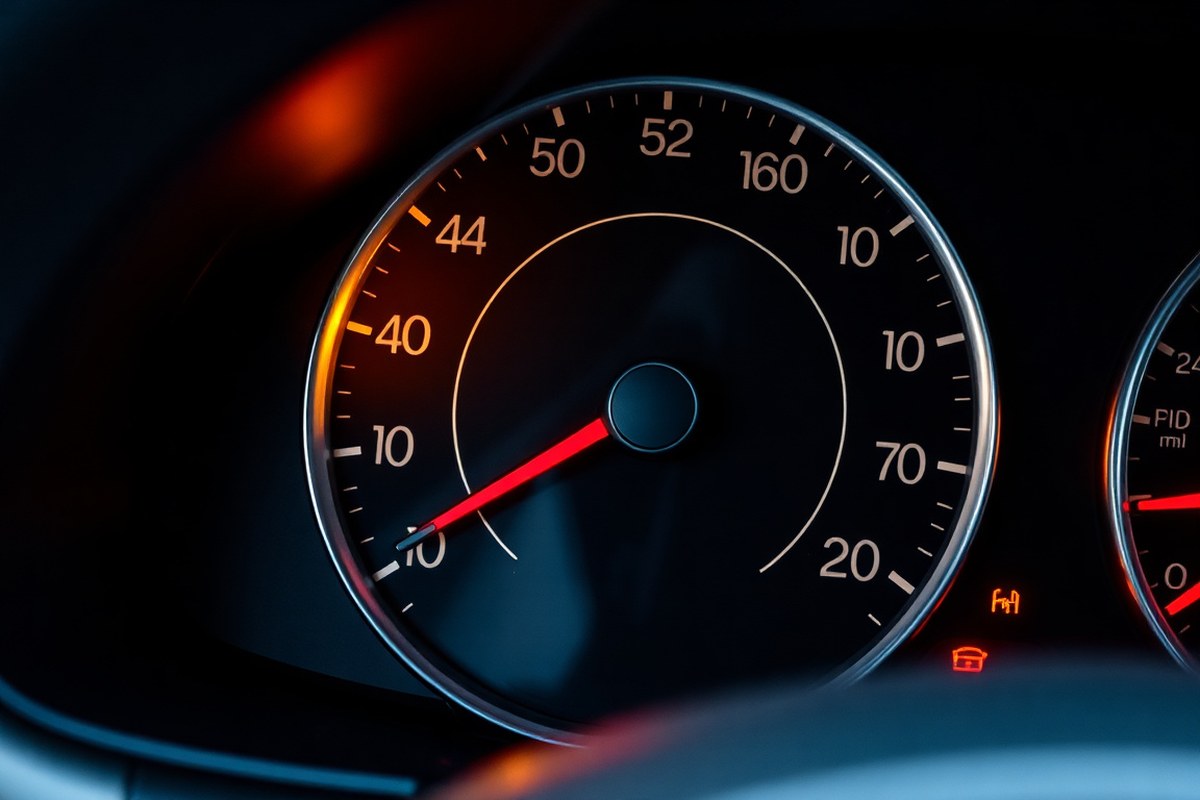
Light Status
| Light Status | What it Means | Can You Drive? | Immediate Action |
|---|---|---|---|
| Steady Check Engine Light | A less urgent problem detected by the onboard computer | Yes, you can probably keep driving for a short time. Do this carefully and watch your car closely for changes. | Observe car performance, check gas cap, schedule a diagnostic |
| Flashing Check Engine Light | A serious malfunction occurring right now, often engine misfire | No. Pull over immediately to avoid rapid damage | Safely stop, turn off engine, call for professional help |
You can usually drive a short distance if the check engine light is steady. Pay close attention to how the car feels, listens for odd noises, and checks smells.
The light stays steady and the car runs normally. Limit driving to a day or two before checking it.
A flashing check engine light demands a stop right away. This signal means the problem can cause severe damage very fast. Pull over safely and turn the engine off.
Call for roadside help or arrange a tow to a shop. Driving further risks major engine or catalytic converter failure.
The steady light goes off after tightening or fixing something, like the gas cap. You can drive normally then. That “zero” driving time means no further risk.
If the steady light stays on, book a mechanic soon to avoid bigger problems. Early checks lower repair costs.
Even with a steady light, watch for rough idling, stalling, or power loss. Don’t ignore these warning signs. Those symptoms need faster attention.
How long you can safely drive depends on the problem. So checking quickly can save you money and keep you safe.
What Different Check Engine Light Signals Mean
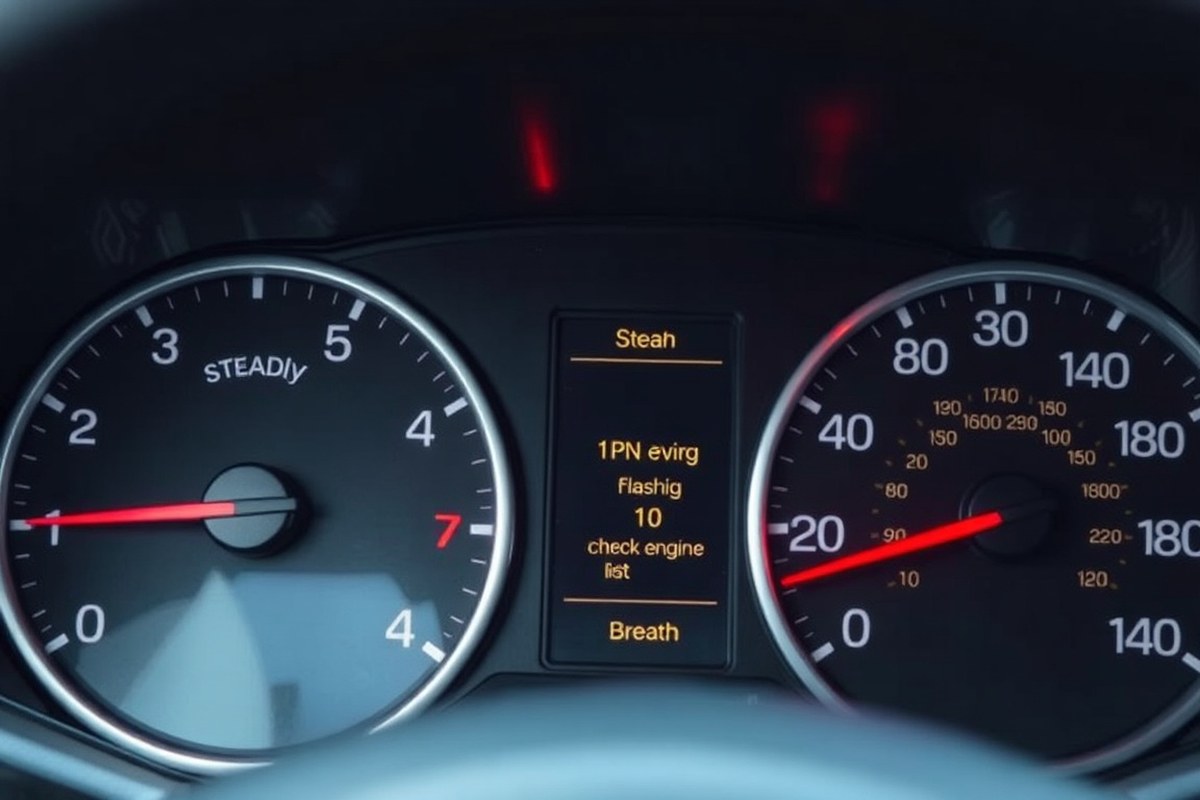
You will see two main types of check engine lights: steady and flashing. A steady light usually means a minor problem you can drive on for a bit.
A flashing light warns of a serious issue. You should stop driving right away.
Steady Check Engine Light Meaning
A steady check engine light often shows minor issues in your car. It could be a loose gas cap. Or a failing oxygen sensor.
These problems don’t usually affect drivability right away. You can continue driving carefully to get to a repair shop. But don’t ignore the light.
This light means the car’s onboard system has detected something off. The engine runs normally most of the time.
But you should arrange a diagnosis soon. Driving longer than necessary risks more damage or failed emissions tests.
Flashing Check Engine Light Signs
A flashing check engine light means a serious issue like engine misfire. This problem can quickly harm your catalytic converter.
Driving can add costly repairs. Stop your car when it’s safe to avoid more damage.
When the light flashes, the car might also shake or run rough. This indicates your engine is struggling.
Running it more might cause expensive and avoidable repairs. Avoid driving more than a short distance to get help.
How to React Differently to Each Light
The check engine light shines steady, and car drives fine. Proceed carefully to your nearest mechanic for inspection. Do not ignore the warning.
Avoid long trips and heavy acceleration to limit potential harm. Check simple things like the gas cap before heading out. This can sometimes fix the problem.
For a flashing light, reduce speed and load immediately, then pull over safely. Don’t keep driving because damage could be quick and severe. Call for roadside assistance or tow your vehicle to prevent further engine damage.
Reasons Behind Different Light Signals
Steady lights often relate to emission control problems or sensors that need checks. Flashing lights usually mean a misfire or other issues that overheat parts or pollute excessively. Knowing these differences helps prioritize action and prevents unnecessary risks.
A loose gas cap may cause a steady light. Fixing it usually costs less than $10. It’s a quick and cheap repair.
In contrast, a misfire might cost hundreds to repair and requires prompt attention. Recognizing your car’s signals saves money and hassle down the road.
Risks of Ignoring the Signal Types
Ignoring a steady check engine light may lead to worse engine performance or higher fuel use. Some engines may develop mechanical problems that cause breakdowns later. Ignoring a flashing light risks sudden engine failure and costly damage to the exhaust system.
Ignoring a flashing light risks a stuck catalytic converter. This repair often costs more than $1,000. Don’t wait to fix serious engine problems.
It also risks safety on the road due to possible sudden loss of power. These dangers make it clear to act fast according to the light.
Never drive more than a few miles with a flashing check engine light. Stop as soon as you can safely do so.
Common Causes of the Check Engine Light Activation
A loose gas cap often causes the check engine light to come on. It is one of the most common reasons for this warning. Checking and tightening the cap is easy and quick.
When the cap isn’t tight, fuel vapors escape and upset the fuel system’s pressure. Fixing a loose gas cap takes only a few seconds.
You can tighten or replace the cap yourself. A new one usually costs less than $10.
Other common causes include issues with sensors and ignition components. Oxygen sensors and mass airflow sensors monitor the air and fuel mix for efficient engine running.
When these sensors fail, the engine light activates to warn you. Replacing a faulty oxygen sensor can cost between $150 and $300, depending on the vehicle.
Worn spark plugs or ignition coils also raise the check engine light. These parts keep the engine firing smoothly.
Ignoring worn plugs may lead to misfires and rough idling. Replacing spark plugs costs around $100 to $200, including labor.
- Loose or damaged gas cap: fix by tightening or replacing it
- Faulty oxygen sensor: causes poor fuel economy, needs replacement
- Failing mass airflow sensor: impacts air-fuel mixture, triggers light
- Worn spark plugs or ignition coils: leads to engine misfires
- Emissions system problems: can increase pollution and cost repairs
- Overheating engine: more severe, needs immediate attention
- Clogged fuel or air filters: may not trigger light but cause issues
Clogged fuel filters rarely trigger the check engine light directly. Still, they reduce fuel flow and can cause stalling or poor performance.
Air filters usually don’t cause the light but affect how well the engine breathes. A dirty air filter takes about 15 minutes to replace and costs under $30.
Fixing small issues like a loose gas cap is simple. You can usually keep driving for a short time after. Just check the light stays off after the fix.
However, serious sensor or ignition issues reduce fuel efficiency and may cause engine damage. Always check your owner’s manual or use an OBD2 scanner to identify the exact cause. Repairs vary in price, so knowing the problem helps avoid larger bills later.
When to Stop Driving Immediately for Safety
Driving with the check engine light on often feels risky. But some signs demand you stop immediately.
A flashing or blinking check engine light means the engine has a severe misfire. This condition can quickly damage the catalytic converter because unburned fuel overheats it.
Other dangers include engine overheating, sudden power loss, or leaking oil or coolant. These signs mean the engine or another part is failing badly. You should stop safely and turn the engine off right away.
- Flashing or blinking check engine light
- Severe engine misfire or backfiring sounds
- Warning signs of overheating, like steam or a red temperature gauge
- Major loss of engine power or hesitation during acceleration
- Oil or coolant leaks visible under the vehicle
- Smell of fuel or burning odors inside or outside the car
- Additional dashboard warnings like low oil pressure or battery alerts
Ignoring these warnings risks costly repairs beyond the engine light issue. For example, driving while overheating can warp engine parts and break the cylinder head. Driving with a major misfire can damage the catalytic converter.
Fixing this often costs thousands. Avoid driving until the problem is fixed.
Knowing these red flags helps you act fast. Spot any trouble?
Stop your car safely and call roadside help or a tow. Avoid the temptation to keep driving “just a little” because the damage often happens quickly.
How to Diagnose the Issue Using an OBD2 Scanner
You can find out what caused your check engine light by using an OBD2 scanner. These tools connect to your car’s onboard computer and show trouble codes.
That helps you decide if your car is safe to drive. It also shows if you need to fix the problem right away.
Types of Diagnostic Tools
The most common tool is an OBD2 code reader. It plugs into a port usually under the dashboard. You can buy basic models for $20 to $50 that show trouble codes.
More advanced scanners offer live data and detailed code definitions. Some come with smartphone apps to guide you. Professional shops use expensive scanners with extra testing features.
You might find free code reading at auto parts stores. But these usually don’t diagnose problems thoroughly. A simple handheld scanner works best for most drivers.
Using an OBD2 Code Reader
Using a code reader is quick and easy once you have one. First, locate the OBD2 port under your dash, it’s usually near the steering column. Then connect the tool and turn your ignition to the “on” position without starting the engine.
Most readers turn on automatically and display a menu. Follow the prompts to scan for trouble codes. After the scan, the tool will show codes causing the check engine light to be on.
- Find the OBD2 port beneath the dashboard.
- Plug the code reader into the port firmly.
- Turn the ignition to “on” but don’t start the engine.
- Follow the tool’s menu to start a scan.
- Write down the trouble codes that appear.
- Look up the codes in the reader’s manual or app.
- Decide if the issue is serious or can wait.
- Clear the codes only if the issue is fixed.
Do not clear codes before fixing the problem; it can hide essential warnings.
Interpreting Diagnostic Trouble Codes
Every trouble code has a letter and four numbers, like P0301. The letter tells you the system, such as engine or transmission. The numbers explain the exact problem detected.
You can find code definitions in the scanner’s guide or online databases. Some scanners show brief descriptions right on the screen. Use these to decide if you can drive safely or should get repairs now.
For example, misfire codes in the P0300 range mean your engine runs rough. These problems might need quick attention. Emissions-related codes may allow short driving but need fixes soon to avoid bigger damage.
How Driving Conditions and Symptoms Affect Safe Distance
The distance you can drive with the check engine light depends on the symptoms. If your car runs smoothly without vibrations, you might drive 50 to 100 miles safely. If you notice odd sounds or engine weakness, you should stop and seek assistance right away.
Driving conditions make a big difference too. Driving in the city with many stops and starts strains your engine more. Highway driving is easier on your car because it stays steady.
This difference can affect your car’s health over time. Stop-and-go traffic heats the engine more and may worsen any existing problems.
On the highway, the engine runs cooler and more evenly, letting you drive farther. Still, keep an eye on temperature gauges and other warning signs.
Long-distance driving isn’t usually safe with the light on, especially if you see symptoms. A short trip under 30 miles on the highway without issues might be okay.
But longer trips increase the risk of serious damage or breakdown. Always plan to have roadside help just in case.
| Symptoms | Driving Style | Safe Distance |
|---|---|---|
| No unusual sounds or smells | Highway driving | Up to 100 miles |
| No unusual sounds or smells | City driving, stop and go | Up to 50 miles |
| Sputtering, strange sounds, smells | Any driving | Less than 10 miles; stop soon |
| Check engine light flashing | Any driving | Pull over immediately |
Checking the light’s behavior helps, is it steady or flashing? A flashing light means a problem is severe and you should stop driving. When it’s steady without symptoms, test the distance carefully.
Always listen to the engine and watch gauges for overheating or power loss. These clues tell you when it’s unsafe to continue.
Deciding to drive or stop is a guess at first, based on sounds, smells, and performance. No exact rule fits every case because the light covers many issues. Slow your speed, avoid heavy loads, and drive gently.
Avoid high speeds and long trips until a mechanic confirms your car’s ok. That way, you save money and prevent bigger repairs.
Step-by-Step Actions When the Check Engine Light Comes On
When your check engine light comes on, take calm, quick action. Watch how your car drives and check for obvious issues. Follow these steps to keep safe and decide your next move.
Immediate Safety Checks
Look for any changes in how your car feels or sounds. Is the engine running rough, or do you smell gas? When the light stays on and the car drives fine, you can keep driving but stay cautious.
Pay attention to warning signs like loss of power, strange noises, or smoke. These mean you need to stop driving right away. Pull over in a safe spot and turn off the engine.
Simple DIY Fixes
Many times, the issue is easy to fix yourself, like a loose gas cap. A loose cap causes fuel vapors to leak, triggering the light. Tighten the gas cap by turning it until it clicks firmly about 3 to 4 times.
After tightening, the light may not turn off immediately. It can take a few trips for your car’s system to reset.
Check that the cap is tight. Then look under the hood for loose wires or damaged hoses.
Deciding When to Seek Professional Help
Drive to a mechanic if the check engine light stays on for several days. Also go if the light flashes or you notice poor engine performance. A flashing light usually means a misfire that can harm your catalytic converter.
Call for roadside assistance if the car stalls, makes strange noises, or emits smoke. Don’t risk safety by driving under those conditions.
Schedule a visit to a local repair shop. A professional can scan your car’s computer for trouble codes.
- Observe the engine’s noise, vibration, and performance right away.
- Check the gas cap by twisting it until tight, hearing clicks.
- Inspect under the hood for loose wires, disconnected hoses, or damage.
- Note if the check engine light is steady or flashing.
- Drive cautiously if the light is steady and no unusual symptoms appear.
- Plan a mechanic visit within a few days if the light does not turn off.
- Pull over immediately and call for help if the light flashes or symptoms worsen.
Common Mistakes Drivers Make and How to Avoid Them
Ignoring the check engine light is a mistake many drivers make. They hope the light will turn off on its own. However, delaying a scan or repair can lead to bigger engine trouble and higher costs.
A flashing check engine light shows a big engine problem is happening. You must stop driving immediately to avoid serious damage. Driving on may harm the engine and create safety risks.
Don’t just notice the light, pay attention to how your car feels or sounds. The engine may sound rough and lose power. The light could blink on and off.
This means a serious problem needs quick attention. Pull over at a safe spot and turn off the engine immediately.
Many drivers wait too long to use an OBD2 scanner or visit a mechanic. This can make repairs cost two or three times more. Scanning your car at home takes less than 10 minutes.
A basic code reader usually costs under $50. It’s a simple and quick way to check your engine. That small step can save hundreds in the long run.
It helps to change your usual reaction to warning lights. Instead of ignoring them, make a habit of checking your car soon after a light appears.
Keep a scanner in your glove box or know a quick local shop for diagnosis. This way, you stop damage early and keep driving safely.
When a check engine light stays solid, you usually have a bit more time. You can drive carefully to a mechanic within a day or two.
Avoid hard acceleration, towing, or long trips until you fix the problem. This reduces the risk of damage or breakdowns on the road.
Never ignore a flashing check engine light. Stop driving immediately to prevent serious engine damage and danger.
How Delaying Repairs Affects Costs and Vehicle Health
Driving too long with the check engine light on can damage your car more. The light means the engine control unit found a problem affecting performance or emissions. Ignoring it might cause simple fixes to turn into costly repairs.
Waiting weeks to fix an issue raises repair costs. Replacing a spark plug can cost about $100 now. A flashing light signals a severe engine misfire, risking the converter’s destruction quickly.
| Time Driving with Check Engine Light On | Possible Damage | Repair Cost Range |
|---|---|---|
| Within a few days | Minor sensor or spark plug issue | $50, $200 |
| 1, 2 weeks | Worsening engine misfire, early catalytic converter wear | $200, $600 |
| 2, 4 weeks | Severe misfire, catalytic converter damage | $1,000, $2,500 |
| More than 4 weeks | Engine overheating or failure, transmission issues | $3,000+ |
Parts commonly damaged include oxygen sensors, catalytic converters, and spark plugs. These components work together to reduce emissions and keep the engine running smooth. When one part breaks, it can strain others and cause bigger failures.
Ignoring a flashing check engine light can quickly ruin the catalytic converter. Replacing this part costs $1,000 to $2,500, a steep jump from fixing a spark plug. Delaying repairs also risks engine overheating, which can lead to repairs costing thousands.
Step-by-Step Action Plan for Your Check Engine Light
Follow these steps to handle your check engine light safely and smartly. This plan helps you avoid damage and big repair bills.
- Right after the light comes on: Check if the light is steady or flashing. When the light flashes, stop driving immediately and call for help.
- Within the first hour of driving: Reduce speed and avoid heavy loads. Notice if the car feels different in any way.
- By the next day: Use an OBD2 scanner to read the error codes. You can also take your car to a shop. They will check the codes for you. Confirm the problem before trying repairs.
- Within one week: Depending on the codes, fix simple issues like a loose gas cap yourself. Check if the light turns off afterward.
- Within two weeks: Schedule a mechanic for complex repairs. Keep copies of the reports to watch for recurring issues.
- After repairs: Reset the check engine light first. Then drive your car for 30 minutes to test it. Watch for the light to stay off and stable running.
- Ongoing: Monitor your dashboard regularly and address new lights immediately. Don’t ignore minor drivability changes.
Frequently Asked Questions
How Long Can You Drive with the Check Engine Light on Without Causing Damage?
You can usually drive a short distance with a steady light. This distance is typically a few days or about 50 to 100 miles.
The exact distance depends on the problem. Quick scanning helps avoid costly damage or breakdown.
Can a Flashing Check Engine Light Mean Anything Different Than a Steady One?
Yes, a flashing light means a serious engine misfire that can damage the catalytic converter. Stop driving immediately and seek repairs.
Does Driving with a Check Engine Light on Affect Your Car’s Warranty?
It can, especially if you ignore the issue. Automakers may deny coverage if you don’t fix known problems quickly.
Can Cold Weather Make the Check Engine Light Turn On?
Cold conditions can trigger sensor faults. These faults or emissions issues cause the light to come on briefly. Check again when the engine warms up.
Is It Safe to Drive Long Distances with the Check Engine Light On?
Generally, it’s risky to drive long distances with the light on without diagnosing the issue. You might risk a breakdown far from help.
Before You Go
Your check engine light is a warning, not a game. Act quickly based on how the light behaves. Start by getting a code read to find out what’s wrong.