Can You Drive? Clear Rules and Safety Steps to Know Before You Get Behind the Wheel
Check if you’re safe and legal before driving. You must have the right license to drive. Avoid driving if you’re impaired by alcohol or medicine.
Always carry a working key fob or physical keys. Skipping these steps can cause accidents or legal trouble.
Don’t drive after drinking or anesthesia. Your judgment and reflexes slow down, making driving unsafe.
Wait at least 24 hours after surgery or sedation before driving. This helps keep you and others safe on the road.
Keep your legal documents handy before driving. Your learner’s permit or driver’s license must be valid and with you.
If you lose your license or key fob, don’t drive right away. Fix these issues first before getting behind the wheel.
Key Takeaways
- Don’t drive within 24 hours after general anesthesia or sedation.
- Always carry a valid driver’s license or learner’s permit with you.
- Use your turn signal 100 feet before turns and 5 seconds before lane changes.
- Never get behind the wheel after drinking alcohol to avoid accidents.
- Your license is missing. Get a replacement before you start driving again.
- Driving without a valid license can bring fines and even jail time.
Can You Drive After Alcohol or Anesthesia?
You must wait at least 24 hours after drinking alcohol before driving. Alcohol affects your reaction time and judgment, raising the risk of accidents.
The legal limit in most states is a blood alcohol concentration (BAC) of 0.08 grams per deciliter. But impairment can begin well before that.
Your body breaks down alcohol at its own pace. Two drinks in one hour can take about four hours to clear. Your BAC might return close to zero after this time.
Always wait before driving. Avoid driving sooner, even if you feel okay. A safer approach is to wait a full day after your last drink.
Driving after general anesthesia is risky. You should wait at least 24 hours to drive. This medicine slows your reactions and judgment, which raises crash risks.
Local anesthesia usually raises fewer concerns. But you must be sure it doesn’t impair your ability to react. Feeling drowsy, dizzy, or seeing blurry after sedation or meds means no driving.
Wait until these symptoms go away before getting behind the wheel. Wait until you feel fully alert again. This might take hours depending on the drug used.
Driving too soon after drinking or anesthesia is very dangerous. You risk serious accidents and legal problems. Always wait the right amount of time.
Law enforcement can test your sobriety. Penalties for drunk driving are steep, including fines and jail time. Never take a chance on driving impaired.
Quick checklist before driving after alcohol or anesthesia: Did you wait 24 hours? Are you clear of drowsiness and dizziness? Do not drive if unsure.
Feeling awake and clear of dizziness or blurry vision? You probably can drive. Otherwise, wait or get help getting somewhere safely.
Can you focus and react quickly? Answering no means do not drive.
Your driving could be unsafe or illegal. Wait until you fully recover before getting behind the wheel.
Following these simple rules lets you drive safely and stay within the law. Need to go out soon after drinking or a procedure? Find a sober driver or use a taxi or ride-share.
Don’t risk driving yourself. Safety upfront saves you trouble later.
What Legal Documents Must You Have to Drive?
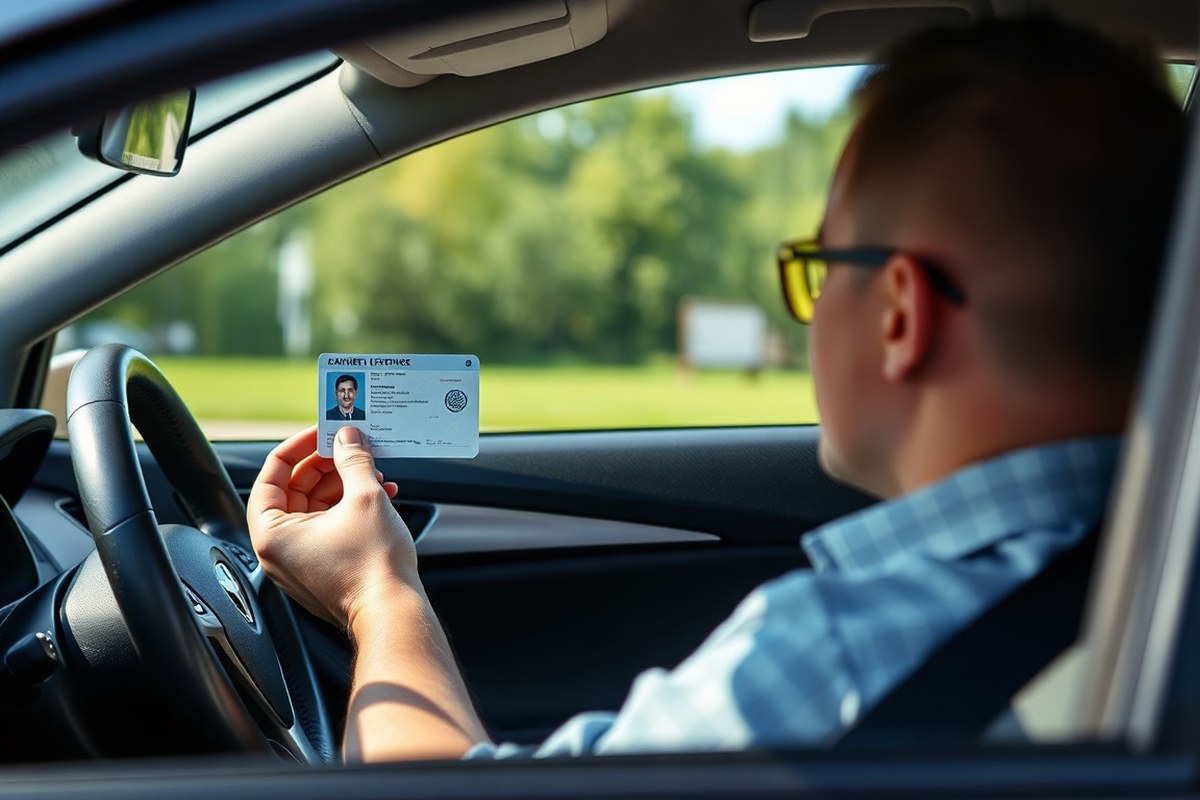
You need a valid driver’s license to drive legally. A learner’s permit lets you drive only with a licensed adult in the car. Driving alone with only a learner’s permit is usually illegal.
You can face fines or lose your permit for this. Always follow your state’s rules about learner’s permits.
Besides your license or permit, keep your vehicle registration and proof of insurance with you. Police often ask for these during traffic stops. You must carry your license and registration when driving.
Without these, you could get a ticket. Your vehicle might get impounded until you show the documents.
- Valid driver’s license or learner’s permit with a supervising driver
- Current vehicle registration documents
- Proof of vehicle insurance
- Keep documents in the vehicle or on your person
- Parents or guardians assist passengers under 18 in registration
- Check your state laws on learner’s permit restrictions, like no highway driving
- Driving without the right documents risks fines, impound, or revoked license
You must pay attention to what your state requires for permits. Some states restrict when learner’s permit drivers can be on the road. They might ban driving at night or with teen passengers.
Check local rules before driving with your permit. Restrictions usually end once you get your full license.
Always double-check for your license and registration before driving to avoid fines or hassle.
Forgetting your license can lead to a ticket that day. Always keep your license with you when driving. It’s better to be safe than sorry.
You might be able to show it in court later. But you still face trouble. The safest bet is to carry these legal papers every time you drive.
How Does a Learner’s Permit Affect Your Driving Rights?
You can drive with a learner’s permit, but certain restrictions apply. You must follow rules about who rides with you. You must also follow where and when you can drive.
These rules keep you safe on the road. These rules are meant to keep you and others safe while you learn.
Permit Holder Age and States Rules
Most states issue learner’s permits to drivers age 16 or older. Some states allow skipping the permit if you are 18 or older. Others set the age at 21.
Then you can go straight to the driving test. You must pass a written test on driving laws before you get the permit.
Permit rules usually say you must drive with an adult. That adult must be at least 21 years old. They supervise you for safe driving.
Some states use different permit levels. Each level limits who can ride and where you can drive.
These rules get less strict over time. Holding a permit usually means you need to practice for months before taking the driving test.
Nighttime Driving Restrictions
Many states stop permit holders from driving at night. The ban often starts at 10 p.m. Or midnight. Night driving is risky for new drivers.
Following the night restrictions lowers your risk of accidents. You should check your state’s exact rules about night driving. Breaking these rules can slow your progress toward a full license.
Highway and Expressway Prohibitions
Some states forbid permit holders from driving on highways or expressways. These roads have faster traffic and more lanes, which can be overwhelming to new drivers. You usually need more practice driving on local streets before hitting highways.
Check your state’s laws about highway driving on a learner’s permit. Restrictions can vary widely depending on local traffic conditions and state safety policies. Driving on highways without permission can lead to fines or delay getting your full license.
Here’s a simple comparison of common learner’s permit restrictions across many states:
| Restriction | Typical Permit Rule |
|---|---|
| Minimum Age | 16 years (varies by state) |
| Adult Passenger | Must be 21 or older in most states |
| Night Driving | Restricted after 10 p.m. Or midnight |
| Highway Driving | Often prohibited or limited |
| Phone Use | Some states ban all phone use, even hands-free |
These rules exist to help you drive safely while learning. They force you to build skills in safer conditions. Following restrictions well prepares you for driving alone once you get your license.
What to Do If You Realize Your Key Fob or License Is Missing?
Driving without your key fob or physical license is risky and often illegal. Your ability to drive depends on your car’s system and local laws. Some keyless cars let you drive after losing the key fob.
But the range varies widely. You cannot legally drive without your license on you, even if you have one.
You notice your key fob or license is missing. Follow these steps to avoid problems and stay safe. Don’t start or keep driving unless you know your car works without the fob.
Check first if it supports keyless operation. Also, avoid driving without your physical license to prevent fines or worse.
- Check if your car starts without the key fob. Some vehicles allow limited driving after the fob is removed. Test this near home before going far.
- Look for a hidden backup key.Many key fobs have a manual key included. You can use it to unlock your car. Sometimes, it helps to start the car too. This key might be inside the fob or in your glove box.
- Stop driving if you don’t have your physical license. Driving without a license is illegal and can lead to fines or vehicle impoundment.
- Contact your automaker or dealer.Ask if your car can detect or work without the key fob. Find out how far it can safely go without it. They may offer replacement keys.
- Use a digital or paper copy of your license if allowed. Some states accept digital licenses. Check your DMV’s rules before you drive.
- Arrange a ride if your license or key is missing. Avoid driving if you lack proof of license or a functional key fob. Use a taxi, rideshare, or call a friend instead.
- Replace your lost license quickly. Visit your DMV’s website to apply for a replacement. It usually takes days to weeks and costs about $20 to $30, depending on your state.
- Consider roadside assistance or locksmith help.You’re stranded without your keys. A locksmith can unlock or start your car for you. This service costs vary but saves you from unsafe driving.
Driving far without a key fob depends on your car model. So try to stay close to home until you confirm it works. Carry your physical license at all times to avoid legal trouble.
In emergencies, replace lost documents or keys quickly. This protects your ability to drive legally and safely.
How to Know If You’re Ready to Drive After Taking Medication?
Many medications can slow your reaction time and blur your focus. Painkillers like opioids and sedatives are especially risky because they act on the brain. Driving under the influence of these drugs is as dangerous and illegal as drunk driving.
Before getting behind the wheel, check your alertness carefully. You should only drive once you feel fully awake, steady, and clear-headed. Take at least 24 hours after stopping opioids or strong sedatives before considering driving again.
To test your readiness to drive, try this simple checklist first:
- Can you hold your head steady without feeling drowsy?
- Is your vision sharp enough to read signs from at least 20 feet?
- Can you walk in a straight line without losing balance?
- Can you focus fully on a task without your thoughts wandering?
- Do you feel alert enough to handle sudden stops or turns?
These checks help you see whether the medication is still affecting you. Many meds take hours or even days to fully leave your system. Your vision and balance should feel normal before you drive.
Keep in mind, opioids dull your senses like heavy drinking. Driving while using them increases your crash risk significantly. Some people don’t realize how slow their responses are until it’s too late.
Never drive if you’re unsure about your alertness after taking sedatives or painkillers.
Every medication reacts differently. Follow your doctor’s advice strictly on when to resume driving. Some states may require a medical clearance or driving test if you’ve been on strong meds.
Testing your alertness can take a few tries. Try practicing at home before you hit the road. You should wait longer to drive if you need more than a day to feel steady.
How Far Can You Drive Within Different Timeframes?
How far you drive in 15, 30, or 60 minutes depends on roads. Your location also affects the distance you can cover. Some areas have faster roads than others.
Driving 15 minutes in a busy city means slower progress. Stoplights and traffic make you cover less ground. Highways in rural areas let you go farther.
Road types and traffic influence your distance in the same time. Speed limits also affect how far you can drive. These factors change your traveling distance.
Using a drive-time map helps show the actual reachable area within your drive time. These maps follow roads and paths, creating a realistic boundary of where you can get to. These maps show distance based on real roads, not just radius.
They reveal how far you can get on actual routes. A simple radius doesn’t show this.
| City | Distance in 15 Min (Miles) | Distance in 30 Min (Miles) | Distance in 60 Min (Miles) |
|---|---|---|---|
| New York City | 5 | 10 | 20 |
| Chicago | 7 | 15 | 30 |
| Rural Area | 12 | 24 | 50 |
This table gives an idea of typical distances in three locations. For example, you might drive about 5 miles in 15 minutes in New York. But 12 miles in a rural area.
City roads have slower traffic and more stops than rural roads. This means shorter distances traveled in the same time. Rural roads let you drive faster.
To plan trips or errands, first check the road types you will use. Pick a driving time limit, like 30 minutes, and find places within that drive-time area. To reach a spot faster, pick highways with fewer stops.
Highways usually have better flow and quicker travel times. Avoid routes with many traffic lights. Always leave wiggle room for traffic or lights, especially in cities.
What Are Proper Signaling and Road Safety Practices?
You should signal at least 100 feet before turning and about 5 seconds before changing lanes. This helps others understand your intentions and stay safe. Avoid common mistakes like signaling too late or forgetting to cancel your signal after the maneuver.
Signaling Times and Distances
Always signal about 100 feet (30.5 meters) ahead before you make a left or right turn. This distance is enough for other drivers and pedestrians to notice your signal and react. When changing lanes, signal for at least 5 seconds before you actually move.
Signaling on time helps other drivers know what you’ll do. It gives them time to react safely. This keeps traffic moving smoothly.
It also lowers the risk of accidents because everyone gets clear warnings. Even if the road looks empty, you should still signal to keep good habits.
Proper Use of Turn Signals
Turn your signal on smoothly and early. Keep it on through the turn or lane change, then turn it off immediately after. This avoids confusing other drivers who might think you’re still about to turn.
Here’s a quick checklist for proper signaling:
- Signal at least 100 feet before turning
- Signal 5 seconds before changing lanes
- Check mirrors and blind spots before signaling
- Keep the signal on until you finish your turn or lane change
- Cancel the signal promptly after the maneuver
- Don’t rely on hand signals on modern roads
- Signal even if no one seems near
Using signals means turning them on before you act. Your signal must match your next move.
This helps avoid confusion on the road. Many accidents happen because a signal stays on too long or not at all.
Safety Benefits of Signaling
Signaling tells others what you plan to do. This reduces the chance of crashes by letting drivers and pedestrians react in time. When you signal clearly, traffic flows smoother and risks drop.
Failing to signal can lead to misunderstandings and sudden braking or swerving. Pedestrians may also step into the road expecting different behavior. Good signaling helps avoid injuries and traffic tickets alike.
What Are the Legal Risks of Driving Without a License?
Driving without a valid license is illegal in all states. This includes driving with a license that’s expired or suspended.
It also means driving alone with only a learner’s permit. Penalties vary but can include fines, vehicle impoundment, and even criminal charges.
Fines for these violations usually start between $100 and $500. They can be higher depending on the state and situation. For example, driving without any license might cost you $300 in fines.
Driving with a suspended license might cost $500 or more. Along with money penalties, authorities may impound your vehicle for days or weeks.
When a crash happens while driving without a license, the legal consequences get much worse. You could face harsher fines, longer impoundment, and possible jail time if someone gets hurt. This is why driving without a proper license is risky both financially and legally.
| Offense Type | Typical Fine Range | Possible Additional Penalties | Escalation With Repeat Offenses |
|---|---|---|---|
| Driving without any license | $100 – $500 | Vehicle impoundment, possible misdemeanor charge | Higher fines, longer impoundment, some jail time |
| Driving with expired license | $150 – $300 | Fines, warning, possible vehicle impoundment | Increased fines, court appearances |
| Driving with suspended license | $200 – $1000 | Vehicle impoundment, misdemeanor or felony charges | Jail time, heavier fines, extended suspension |
| Driving alone with learner’s permit | Same as driving without license | Fines, vehicle impoundment, possible criminal record | Escalated fines, license suspension |
Repeated offenses make fines and penalties worse. Officials may assign jail time for multiple violations.
Your driving record also gets affected, which could make it harder to get a licensed later. Courts may require you to attend driving classes or community service too.
States differ in exact rules and penalties. Some treat driving without a license as only a traffic ticket.
Others charge it as a criminal offense, especially after a second or third time. Always check your local DMV and state laws for specifics.
Never drive if your license is expired or suspended. Fines and legal trouble grow fast with more offenses.
How to Get Your Driver’s License: Steps and Testing Process?
You begin by getting a learner’s permit. Then, you practice driving with supervision. After that, you take a road test.
Most states require 40 to 100 hours of supervised driving before testing. Passing the road test proves you can drive safely on your own.
Applying for a Learner’s Permit
Look up your state’s DMV website for details and rules. Usually, passing a written traffic law test is required. Some states also ask for a vision check and ID proof.
The permit lets you drive only with a licensed adult and often during daylight hours. Some states ask you to mark your car with an “L” or “Student Driver” sign.
Mandatory Practice Hours
Practice driving for the state-required number of hours before taking your road test. Most states want between 40 and 100 hours, including some night driving. Keep a detailed log of your practice hours and conditions.
Driving with an experienced adult helps build skills and confidence. Follow all the rules that come with your permit.
Don’t drive alone or outside allowed hours. Always obey these restrictions to stay legal.
Scheduling and Taking the Road Test
Schedule your road test online or by phone after you complete your practice hours. The test usually includes basic maneuvers like parking, turns, lane changes, and obeying traffic signals. You may be required to drive on public roads under normal conditions.
On test day, bring your permit, a registered and insured vehicle, and any required paperwork. Passing means you get your driver’s license. Failing means you must wait and try again, often after more practice.
- Check your state DMV website for learner permit requirements.
- Pass the written and vision tests to get your learner permit.
- Practice driving with a licensed adult for the required hours.
- Log all your practice hours, including night driving if required.
- Schedule your road test once you meet all practice rules.
- Take the road test, performing basic driving skills and safety tasks.
- Provide proper documents and a legal vehicle for your test day.
- Receive your driver’s license if you pass or retake the test if you fail.
Your Quick-Start Plan for Safe and Legal Driving
Follow these steps to know when and how you can drive safely and within the law.
- Before you drive: Check your legal documents like your driver’s license and registration. Make sure they’re current and with you.
- Right before starting: Confirm you’re not under the influence of alcohol, drugs, or anesthesia. When unsure, wait until the way is fully clear.
- After taking medication: Read the label to see if it affects driving. Test your alertness with simple tasks at home first.
- At the start of your learning phase: Drive only with a licensed adult. Never drive alone with just a learner’s permit. This helps you gain experience safely.
- When your key fob or license is missing: Do not drive. Replace or report missing items before driving again to avoid legal trouble.
- While driving: Use proper signals for turns and lane changes. Watch for other drivers and pedestrians.
- Within time limits: Know how far you plan to drive each day. Avoid driving long distances in short periods when you’re new or tired.
- Regularly: Review traffic laws and stay updated on any changes. This keeps you legal and aware on the road.
Frequently Asked Questions
Can You Drive Immediately After Waking Up?
You should wait until you feel fully alert before driving. Sleep inertia can impair your focus and reaction time.
Can You Drive If Your Car Insurance Just Expired?
No, driving without current insurance is illegal in every state. Renew it before hitting the road.
Can You Drive with a Temporarily Suspended License?
No, driving with a suspended license can lead to more penalties. Wait until it’s fully reinstated.
Can You Drive Alone If You Have a Learner’s Permit?
Only if your state allows it, usually with adult supervision. Check your state’s specific rules.
Can You Drive a Rental Car with a Foreign License?
Usually yes, but check the rental company’s policies first. Some require an international driving permit.
Before You Go
Driving safely and legally means knowing the rules and following them every time. Take time to prepare and never drive if you’re unsure about your condition. Start your drive today by checking your documents and your readiness.