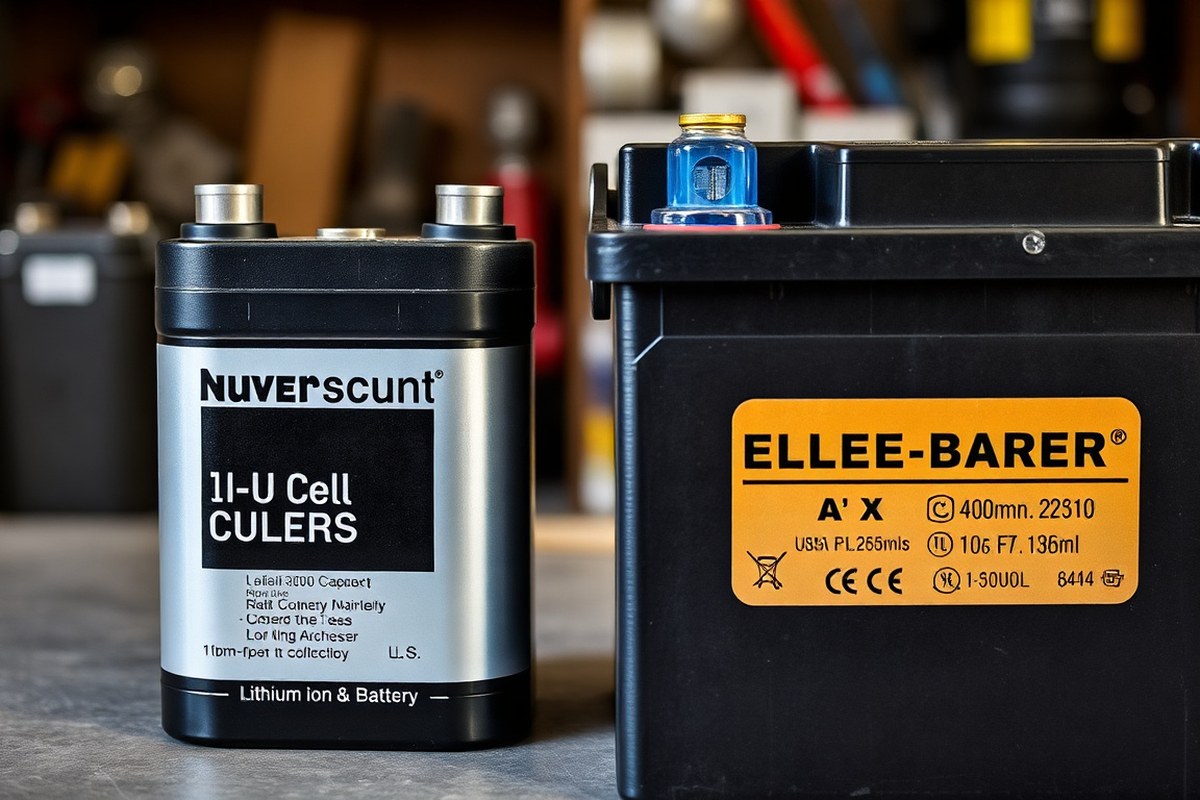
What Type of Energy Is Stored in a Battery: A Complete Guide with Examples
Batteries store chemical energy through reactions between materials inside them. This energy stays locked until released as electricity when you connect the battery. The chemical reactions happen between the battery’s electrodes and electrolyte.
The energy inside depends on the battery’s chemicals and design. Different batteries use different materials, affecting how much energy they store. For example, lithium-ion batteries hold more energy than alkaline ones of the same size.
Over time, chemical energy storage fades with use and age. That’s why your phone battery won’t last as long after several years. Factors like temperature and charging habits also affect how long a battery keeps its energy.
Proper care and storage help maintain a battery’s energy over time. Avoid fully draining batteries or exposing them to high heat. This helps keep their chemical reactions working well for longer periods.
Key Takeaways
- Chemical energy within battery materials is the main stored energy type.
- Batteries convert chemical energy to electricity through chemical reactions.
- Battery capacity depends on voltage and amp-hour ratings combined.
- Older batteries store less energy as their chemical materials degrade.
- Different battery chemistries store and release energy with varied efficiency.
- Proper charging habits can slow down energy loss over time.
What Type of Energy Is Stored Inside a Battery?
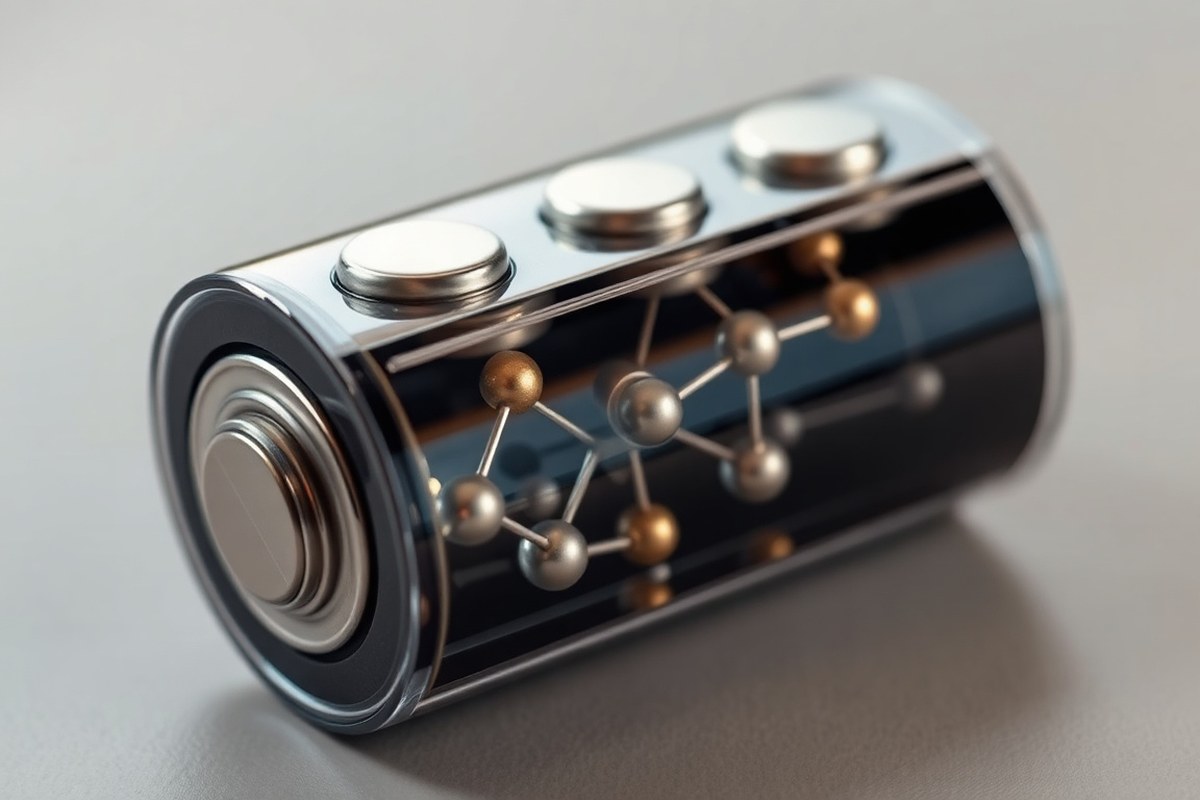
The type of energy stored inside a battery is chemical energy. This energy stays locked as chemical potential energy inside. It stays stable until you use the battery.
This keeps power ready but not released yet. The battery’s chemicals hold this energy safely until it converts to electrical energy.
The battery’s materials react inside to create this energy. They don’t fully react until you connect the battery. This partial reaction stores energy safely inside.
When you hook the battery to a device, this stored chemical energy changes into electrical energy. This flow of electrons through the circuit is what powers your gadgets.
Storing energy chemically matters because direct electrical storage isn’t easy. It’s hard to do and wastes energy. Batteries solve this by holding chemical energy instead.
Batteries pack energy into chemicals, keeping it stable at room temperature without leaking out. The chemical energy turns into useful electricity only when you need it.
The exact way energy stays inside involves the battery’s electrodes and electrolyte. These parts form a barrier inside the battery. Charged particles build chemical energy by separating ions here.
Positive and negative ions stay apart, holding that energy. The battery holds this energy until completing the circuit allows electrons to flow.
This process varies by battery type. But the basic idea stays the same: storing energy chemically until use. In a lithium-ion battery, lithium ions move between electrodes.
This movement stores energy as chemical potential. The battery uses this to power devices later. This movement and changes stop while unused, preserving the stored energy.
How Chemical Reactions Store Energy in Batteries
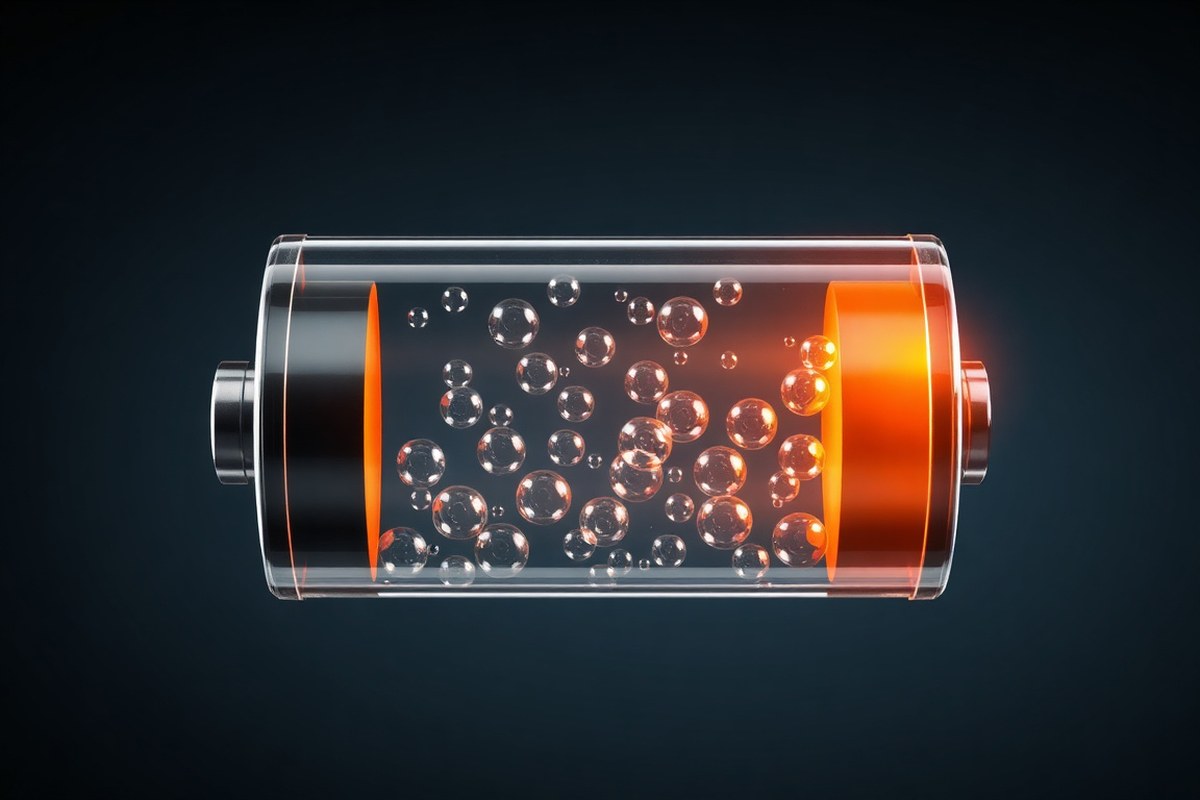
A battery stores energy through chemical reactions inside three key parts: the anode, cathode, and electrolyte. The anode is the negative electrode where electrons flow out during discharge.
The cathode is the positive electrode that receives electrons. The electrolyte sits between them, allowing ions to move back and forth.
When the battery discharges, lithium ions move from the anode through the electrolyte to the cathode. Meanwhile, electrons flow in the external circuit, powering your device. This movement balances the charges and releases chemical energy as electrical energy.
Charging a battery reverses the process. Electrical energy pushes lithium ions from the cathode back through the electrolyte into the anode.
This creates a chemical imbalance that stores energy until you need it again. The electrolyte’s job is to let ions move while stopping electrons, keeping the flow controlled.
Chemical reactions at the electrodes are redox reactions. The anode releases electrons. The cathode absorbs these electrons.
This drives the electrons through the circuit and converts chemical energy to electrical energy on demand. Different battery types use various materials for their parts.
The anode, cathode, and electrolyte vary by type. They all follow this basic process.
Always use the correct charger and avoid deep discharges to keep battery chemistry stable and safe.
Main Types of Batteries and Their Energy Storage Methods
Batteries store energy chemically in different ways depending on their type. Each battery chemistry offers unique benefits and works best for certain tasks. Here’s a clear look at common batteries and how they hold energy.
Lithium-Ion Batteries: High Energy Density
Lithium-ion batteries use lithium ions moving between electrodes to store energy. They offer high energy density, meaning lots of power fits in a small, light package. This makes them ideal for portable devices, electric cars, and many renewable energy applications.
These batteries recharge many times without losing much capacity. However, they need careful charging to avoid overheating and costly battery management systems. Advances like lithium-squarate and solid-state lithium batteries promise longer life and higher density soon.
Lead-Acid Batteries: Traditional Rechargeables
Lead-acid batteries store energy through a chemical reaction involving lead and sulfuric acid. They have been around for over 170 years and still suit industrial or backup power uses. These batteries are heavier and bulkier than lithium-ion but work better for fixed, low-cost setups.
They are more stable than some older types. They are also more environment-friendly. But they store less energy by weight.
Their energy density is lower than other types. They also have a shorter cycle life.
These factors limit their use in portable devices. They perform best in steady, long-term applications like solar power storage or off-grid systems.
Nickel-Metal Hydride and Alkaline Batteries
Nickel-metal hydride (NiMH) batteries store energy via hydrogen ions bonded with metal hydrides. They are rechargeable and common in power tools and hybrid cars. NiMH batteries hold more energy than older nickel-cadmium types but less than lithium-ion.
Alkaline batteries are the most common primary, or single-use, batteries. They store energy chemically but cannot be recharged safely. These batteries fit devices like remote controls and flashlights.
They also work well in clocks. They suit devices where charging is not practical.
Below is a table that compares key battery types. It shows their energy storage method and rechargeability. The table also lists typical uses for each type.
| Battery Type | Chemical Storage Method | Rechargeable? | Typical Applications | Energy Density |
|---|---|---|---|---|
| Lithium-ion | Movement of lithium ions | Yes | Phones, EVs, renewables | 150-250 Wh/kg |
| Lead-acid | Lead and sulfuric acid reaction | Yes | Backup power, solar storage | 30-50 Wh/kg |
| Nickel-metal hydride (NiMH) | Hydrogen ions and metal hydrides | Yes | Power tools, hybrids | 60-120 Wh/kg |
| Alkaline | Zinc and manganese dioxide | No | Remotes, flashlights | 100-150 Wh/kg |
Each battery type uses electrochemical reactions to store energy. Lithium-ion packs the most power in the least weight.
Lead-acid works for steady, large-scale projects but lacks portability. NiMH fills a middle ground, while alkaline batteries remain common for disposable uses.
How Batteries Convert Stored Energy into Electrical Power
Batteries change stored chemical potential energy into electrical energy by using chemical reactions. Inside the battery, the electrode materials undergo redox reactions. These reactions break chemical bonds.
That process releases electrons. Freed electrons flow through an external circuit.
This flow creates an electric current. The current powers your device.
During discharge, the battery’s chemicals react to generate a flow of electrons. Ions move internally between electrodes through the electrolyte while electrons travel outside the battery through wires. This separation creates the electrical current that drives gadgets like phones, flashlights, or electric cars.
Power comes from electrons moving in the circuit. They do work while passing through parts. This movement produces the electric effect.
What you see as usable electricity is this electron flow controlled to provide consistent power output. Battery type and design affect energy conversion.
They change how steady and efficient the current is. Efficiency varies with these factors.
Understanding Battery Capacity, Energy Density, and Ratings
A battery’s stored energy is measured in watt-hours (Wh) or kilowatt-hours (kWh). You find this by multiplying the voltage (V) by the capacity in ampere-hours (Ah). A 12-volt battery rated at 50 Ah stores 600 Wh.
Multiply voltage by amp hours: 12 V × 50 Ah = 600 Wh. This shows the battery’s energy capacity clearly.
The ampere-hour rating tells you how long a battery can deliver a certain current. That 50 Ah battery gives 5 amps and lasts about 10 hours. Divide amp hours by amps: 50 Ah ÷ 5 A = 10 hours.
This gives an estimate of battery runtime. Watt-hours show the total energy available, factoring in both voltage and current.
Energy density measures how much energy a battery stores relative to its weight or volume. It’s important because a higher energy density means more power in a smaller, lighter package.
For instance, lithium-ion batteries have higher energy densities than lead-acid. So they work better in electric vehicles and portable devices.
To calculate energy density by weight, divide watt-hours by the battery’s weight in kilograms. Say a battery holds 600 Wh and weighs 3 kg.
Its energy density is 200 Wh/kg (600 Wh ÷ 3 kg = 200 Wh/kg). That figure helps compare one battery to another.
Actual energy can be less than the battery rating. Temperature, age, and speed of discharge affect this. Remember, these factors reduce the battery’s usable energy.
Cold weather, for example, reduces battery capacity noticeably. It’s worth checking conditions because the numbers assume ideal circumstances.
Always read a battery’s label carefully and consider real-world conditions before trusting its ratings.
How Charging and Discharging Affect Battery Energy Storage
Charging a battery pulls power from a source, such as an outlet. Positive ions travel from the cathode, across the electrolyte, to the anode. The battery stores power as these ions build up and change the anode chemistry.
Charging usually happens when electricity is abundant or cheap. For example, solar energy can charge batteries during the day. This stores energy for use at a later time.
It helps especially when electricity costs more or is in short supply. Energy saved this way supports peak demand periods.
During discharge, the battery reverses the process. The ions move back from the anode to the cathode.
Their movement triggers a chemical reaction that releases electrical energy for devices to use. This reaction converts stored chemical energy into usable electricity.
Each charge and discharge cycle changes the battery’s internal chemistry slightly. Over many cycles, this can reduce battery capacity and stored energy. Lithium iron phosphate (LiFePO4) batteries last much longer with repeated charging.
Some models can reach over 12,000 charge cycles. These batteries handle frequent use better than others.
Self-discharge reduces stored energy without using the battery. It happens naturally due to chemical reactions inside the battery when it’s just sitting unused.
The rate depends on chemistry. Lithium-ion batteries lose only a few percentage points per month.
To manage self-discharge, store batteries at cool temperatures, around 50°F to 70°F. Avoid extreme heat, which speeds up energy loss and battery aging. Using a battery regularly and charging it before full depletion helps maintain its capacity.
Factors Influencing Battery Energy Storage Efficiency and Life
Temperature has a strong effect on how much energy a battery holds. Too cold, below about 32°F (0°C), slows chemical reactions and cuts capacity by up to 50%. High heat above 95°F (35°C) speeds wear and lowers overall battery life.
Keep batteries near room temperature for best use. That means 65 to 75°F (18 to 24°C). This helps them last longer and work well.
Batteries lose capacity over time due to chemical changes inside. Repeated charging and discharging wear down materials. This leads to less stored energy and shorter runtime.
For example, lithium-ion batteries usually retain about 80% capacity after 300 to 500 full charge cycles. Extreme heat and overcharging speed this degradation.
How you use the battery also affects stored energy and lifespan. Deep discharge, using nearly all the battery’s power before recharging, strains the battery.
It can shorten cycle life by up to 20% compared to shallower discharges. Avoid letting the battery drain below 20% charge to protect capacity.
Charging habits matter too. Charging too fast or fully discharging regularly stresses the battery’s chemistry. Use chargers made for your battery’s type.
Avoid leaving batteries fully charged or fully empty. This keeps the battery healthy over time. Partial charging up to 80-90% helps balance capacity retention and convenience.
Environmental factors like humidity can also reduce efficiency. Excess moisture may cause corrosion and internal damage over time.
Store batteries in dry places and away from liquids. This keeps internal parts stable and energy storage reliable.
Batteries designed for different uses vary in how they handle these factors. For example, LiFePO4 batteries tolerate higher temperatures and deeper discharges better than standard lithium-ion types.
They hold energy longer under tough conditions but usually cost more. Pick a battery type that matches your needs to get the best lifespan and stored energy.
Taking these steps costs little but pays off. Use proper chargers, keep batteries at stable room temperatures, and avoid deep discharge cycles. These habits help your battery deliver reliable power longer, saving money on replacements and downtime.
Common Misconceptions About Battery Energy Storage
Batteries do not store electricity directly. They store chemical energy that turns into electricity when used. Many ideas about batteries are wrong and can cause misuse or damage.
Myth: Batteries Store Electricity Directly
Batteries don’t hold electricity like a tank holds water. Instead, they store energy chemically inside their cells. When you use a battery, chemical reactions release electrons to power your devices.
This difference matters because charging and handling depend on chemistry, not just filling or draining electricity. Electricity flows only when the battery powers something or recharges via chemical changes inside.
Myth: All Batteries Work the Same Way
Not all batteries use the same chemicals or designs to store energy. Lithium-ion batteries store energy densely and recharge quickly. Lead-acid batteries work differently and often appear in cars or large backup systems.
Using the wrong battery for a device can lead to poor performance or even damage. Batteries differ in voltage, size, and charging needs, so you must match batteries carefully.
For example, swapping alkaline AAA batteries for rechargeable NiMH ones works only if your device can handle their voltage. Make sure the device also supports charging them correctly.
Otherwise, the swap may not work well. That’s why some modern devices specify battery types strictly.
Myth: Fully Discharging Extends Battery Life
Fully draining most batteries actually reduces their lifespan, especially modern lithium-ion types. They last longest when kept between 20% and 80% charge. Deep discharges stress the battery’s chemicals and can cause permanent damage.
Some older nickel-cadmium batteries suffered from the “memory effect” and needed full discharge sometimes. Today’s batteries rarely need full discharge. So it’s best to avoid it unless the manufacturer says otherwise.
Keeping batteries partially charged prolongs overall performance and saves you money by delaying replacement. Here’s a simple chart clearing common battery myths and facts you can remember:
| Myth | Fact |
|---|---|
| Batteries store electricity directly | They store chemical energy, which creates electricity. |
| All batteries are interchangeable | Batteries differ in chemistry, voltage, and size specific to use. |
| Fully discharging batteries extends life | Most modern batteries last longer when partially charged. |
Understanding these differences helps you handle batteries safely. You get better battery life and avoid risky mistakes.
Always check what battery type your device uses. Follow the charging instructions carefully. This keeps your batteries safe and working properly.
Best Practices to Maximize Energy Stored and Battery Safety
You can keep batteries working well by charging them properly. Store them in a smart way. Watch for any signs of trouble.
A simple routine protects capacity and prevents hazards. Different batteries need slightly different care. But the basics apply to most types you’ll use.
Proper Charging Habits
Charge batteries at moderate speed using the proper charger. Fast charging can cause excess heat, which wears cells out quicker.
Most lithium-ion batteries handle partial charging best. Avoid draining them fully or charging to 100% all the time.
Use chargers with built-in management features. These prevent overcharging and control voltage limits to keep batteries safe.
Storage and Temperature Control
Store batteries in a cool, dry place near room temperature. High heat reduces their chemical stability and shortens life.
Leaving batteries fully charged or fully drained while stored can lower their capacity. Aim for about 40% to 60% charge when putting them away.
Cold storage slows aging but don’t freeze batteries. Avoid temperatures below 32°F (0°C) to prevent damage.
- Keep lithium batteries between 59°F and 77°F (15°C to 25°C) for best shelf life
- Don’t leave batteries inside hot cars or direct sunlight
- Avoid moisture and humidity above 50%
- Charge partially, ideally 40%-60% before long storage
- Use original or compatible chargers with safety features
- Recycle or safely dispose of old batteries, never trash
Following these tips helps keep batteries ready and holding energy longer. It also avoids leaks or swelling caused by heat and abuse.
Recognizing Signs of Battery Failure
Batteries lose capacity noticeably as they age or go through abuse. You may find they run devices for shorter periods.
Check for swelling, cracks, or leaks before using or charging batteries. Damaged batteries can cause fires or toxic leaks.
Replace batteries showing poor charging, quick discharge, or excessive heat during use. Such signs mean stored energy is unsafe or significantly reduced.
Step-by-Step Action Plan to Store and Use Battery Energy Safely
Follow these steps to get the most from your battery and keep it safe. Each step helps you maintain battery health and energy storage.
- Before You Start: Choose the right battery type for your project. Check its rated capacity and voltage to fit your needs.
- Day 1: Fully charge the new battery using the proper charger. Confirm it reaches full charge without overheating.
- Week 1: Use the battery in your device as usual. Track how long it lasts compared to the rated capacity.
- Week 2: Avoid fully draining the battery. Recharge it when it hits about 20% capacity to prolong life.
- Week 3: Store unused batteries in a cool, dry place. Make sure their charge level is about 40-60% for best storage.
- After 1 Month: Check the battery for any swelling, leaks, or loss of capacity. Replace if you see signs of damage.
- Regularly: Clean battery contacts to keep good connections. Use a dry cloth and avoid liquid cleaners.
- Every 6 Months: Fully charge and discharge your rechargeable batteries once. This recalibrates the battery meter.
Frequently Asked Questions
What Type of Energy Is Stored in a Battery?
A battery holds chemical energy safely as potential power. It changes this energy into electricity to run devices.
Can a Battery Store Other Types of Energy Besides Chemical?
No, batteries specifically store chemical energy that converts to electricity. Mechanical or thermal energy is not stored in batteries.
How Does the State of Charge Affect the Energy Stored in a Battery?
A higher state of charge means more chemical energy is stored. As the battery discharges, this energy decreases.
Why Does Temperature Impact the Energy Stored in a Battery?
Temperature changes affect the chemical reactions inside a battery. Cold reduces energy storage efficiency, while heat can damage the battery.
Does the Size of a Battery Determine How Much Energy It Can Store?
Generally, larger batteries store more chemical energy. But capacity also depends on battery type and internal chemistry.
Wrapping Up
Batteries store chemical energy that changes into electric power when you use them. This energy depends on the battery type and how you treat it. Start by picking the right battery and following safe charging habits today.